
Table of Contents
Some links on The Justifiable are affiliate links, meaning we may earn a small commission at no extra cost to you. Read full disclaimer.
When I first started in digital marketing affiliate marketing, I quickly realized it’s not just about promoting links—it’s about building systems that convert.
Over the years, I’ve tested countless strategies, from high-converting funnels to micro-influencer collaborations, and learned what truly works today.
In this guide, I’ll share ten powerful affiliate marketing hacks that go beyond the basics—each designed to help you attract better traffic, boost commissions, and scale sustainably.
1. Optimize Affiliate Funnels for Higher Conversions
A well-structured funnel is the backbone of digital marketing affiliate marketing. It guides your visitors from curiosity to conversion—without them feeling sold to.
Craft a Compelling Hook in the Landing Page Headline
Your headline is the first handshake with your visitor. Make it personal, specific, and emotionally charged.
For instance, instead of “Learn Affiliate Marketing Fast,” try “Turn Your Free Time Into Income With Simple Affiliate Systems.”
Here’s how to craft a winning headline:
- Start with emotion: Trigger curiosity or aspiration.
- Be ultra-specific: “Earn your first $100 online in 7 days” is better than “Make money online.”
- Include a benefit: People buy results, not products.
I’ve found that testing headlines with small variations—like adding urgency or a number—can double click-through rates. Use tools like Headline Analyzer by CoSchedule to test impact before publishing.
Use Behavioral Triggers to Boost Engagement
Behavioral triggers are small psychological cues that nudge users to act. Think countdown timers, exit-intent pop-ups, or social proof notifications (“5 people purchased this course today”).
In practice, try this flow:
- Use an exit-intent popup offering a free affiliate guide when users hover to leave.
- Add progress bars (“Step 2 of 3”) to encourage completion.
- Show limited availability messages like “Only 3 spots left for this bonus.”
These micro-triggers create momentum and reduce drop-offs. Tools like Convert or VWO make setting them up easy without coding.
Test and Track With VWO or Optimizely for Accuracy
You can’t improve what you don’t measure. Platforms like VWO (Visual Website Optimizer) and Optimizely help you test different funnel variations—headlines, CTA colors, images—and see which version performs best.
Here’s what I usually track:
- Conversion rate (the main metric)
- Bounce rate (for landing pages)
- Scroll depth (to see how far people read)
Start with one change at a time. I’ve seen affiliates jump from 2% to 5% conversion rates just by adjusting one image or CTA placement.
2. Build Trust With Transparent Content Marketing
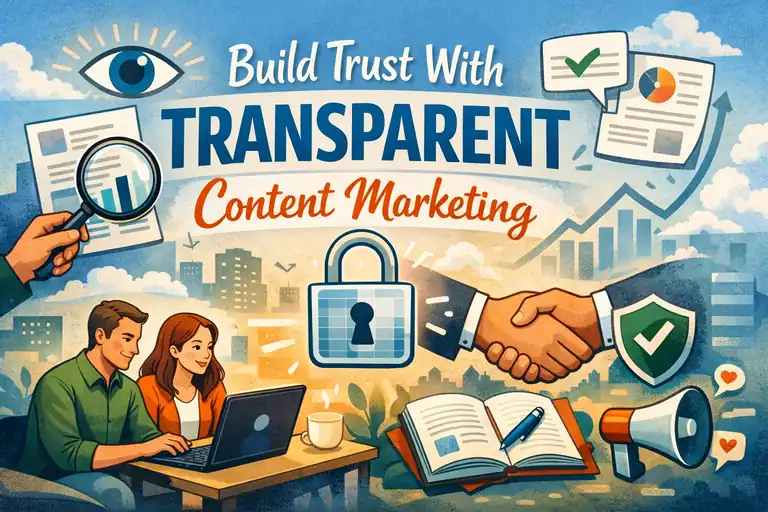
In affiliate marketing, trust is currency. When people believe your recommendations are honest, they’ll click your links without hesitation.
Use Real Product Experiences in Your Reviews
Forget copy-paste reviews. Show what you actually experienced. Include screenshots, results, or even mistakes.
For example, if you’re promoting a keyword tool, show your own search volume results and what changed after applying them.
Transparency builds loyalty—and Google loves authenticity, too. When readers sense honesty, your content earns backlinks and repeat visits naturally.
Include Screenshots, Demos, and Tutorials for Proof
Visual proof converts. It reassures readers that you’ve used the product yourself. Record short walkthroughs (screen recordings or Reels) showing exactly how to use a feature.
For example:
- Show how Kit automates email sequences step by step.
- Include before-and-after analytics screenshots from a tool like Awin.
Readers trust what they can see, not just read.
Add Personal Stories to Increase Authenticity
Stories stick. When you share your personal wins—or even failures—it makes your advice relatable. I once shared how I spent $200 on ads that didn’t convert, but one change to my landing page headline turned that loss into profit.
Your story doesn’t have to be dramatic; it just needs to be real. Readers remember experiences, not bullet points.
3. Leverage Email Automation for Repeat Commissions
Once you’ve captured a lead, email automation keeps them engaged and coming back for more. This is where true passive income in affiliate marketing begins.
Create Segmented Sequences Using Kit
Kit (formerly ConvertKit) allows you to create smart sequences—automated email paths based on user actions.
Here’s how you can set it up:
- Segment your list by interest (e.g., SEO tools, email marketing, digital courses).
- Send specific recommendations to each group.
- Track engagement rates and adjust messages accordingly.
Example: If someone clicks an affiliate link for an SEO tool but doesn’t buy, Kit can automatically send them a “Did you miss this?” reminder.
Offer Exclusive Bonuses to Your Email Subscribers
People love feeling special. Offer private bonuses, like a mini-course or checklist, only for your subscribers who use your affiliate link.
For instance:
- “Buy through my link and get my private SEO guide.”
- “Get a free 1-on-1 audit when you join Awin via this link.”
These small bonuses often double conversions because they add extra value without extra cost.
Use Brevo for Automated Follow-Ups and Analytics
Brevo (formerly Sendinblue) is great for nurturing relationships. You can automate follow-ups and track click rates or open times in one place.
For example:
- Send a follow-up 24 hours after a click with additional product tips.
- Use Brevo analytics to identify which emails convert best.
From what I’ve seen, affiliates using consistent follow-ups see up to 47% higher repeat conversions.
4. Choose High-Paying, Evergreen Affiliate Programs
Not all affiliate programs are created equal. The best ones pay well, stay relevant, and align with your audience’s needs long-term.
Partner With Platforms Like Awin for Premium Offers
Awin has replaced ShareASale as one of the most trusted affiliate networks. It hosts premium programs for brands in tech, finance, and eCommerce.
Here’s why I prefer Awin:
- Fast and transparent payments.
- Reliable tracking with detailed reports.
- Access to global, high-paying programs.
You can search “evergreen” offers directly inside Awin’s dashboard to find consistent performers.
Focus on Products With Long-Term Relevance
Avoid shiny new tools that fade within months. Instead, look for evergreen products—like SEO platforms, hosting services, or automation tools—that stay valuable.
A good rule: If a product solves a timeless problem (like traffic or conversion), it’s evergreen.
I’ve had links generating commissions for years simply because the tools continue delivering results.
Avoid Low-Commission, Trend-Based Offers
Trendy products look tempting but burn out fast. A low payout for high effort isn’t sustainable.
If you’re promoting a $20 gadget that gives $1 per sale, you’ll need hundreds of conversions. Instead, focus on $100+ products that pay 20–40% commissions.
It’s not just about volume—it’s about value.
5. Use SEO Content Clusters to Capture Intent Keywords
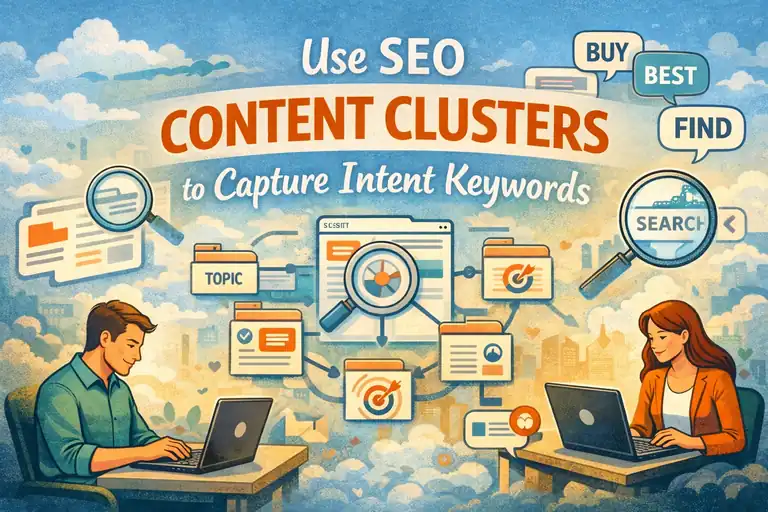
SEO-driven affiliate content lasts longer and compounds over time. Building structured content clusters helps you rank for more terms—and attract the right audience.
Build a Pillar Page Around Your Core Affiliate Topic
A pillar page is your master guide on one main topic, such as “Digital Marketing Affiliate Marketing for Beginners.” It links to smaller posts that dive deeper into subtopics.
Example structure:
- Main pillar: “How to Start Digital Marketing Affiliate Marketing”
- Subtopics: “Best Affiliate Platforms,” “How to Create Funnels,” “Email Marketing Automation.”
This internal linking builds topical authority and keeps users exploring your site longer.
Interlink Supporting Articles for Maximum Authority
When Google sees multiple pages connected around one topic, it treats you as an expert.
Here’s what I do:
- Use relevant anchor text like “affiliate funnel optimization” to link pages.
- Add related internal links within 100 words of your introduction.
- Regularly update links when adding new content.
Think of your website like a spiderweb—the stronger the links, the higher you rank.
Target Long-Tail Keywords With Transactional Intent
Long-tail keywords (like “best SEO tool for affiliate marketing”) have lower competition but higher conversion rates.
Use keyword research tools such as Semrush to find 3–5 word phrases that show buying intent.
Then naturally weave them into:
- Product comparisons
- Tutorials
- Case studies
This strategy doesn’t just bring traffic—it brings buyers.
Pro Tip: Combine SEO and automation. Once your content starts ranking, set up automated email sequences with Kit or Brevo to turn new visitors into lifelong customers. That’s the magic of smart, sustainable digital marketing affiliate marketing.
6. Leverage Social Proof and Community Building
When people see others benefiting from something, they’re far more likely to take action themselves. That’s the foundation of social proof in digital marketing affiliate marketing.
Let’s look at how you can build this trust-driven momentum.
Use Testimonials and Real Results to Build Credibility
People believe people—not just promises. If you’re recommending a tool or course, back it up with authentic results and testimonials.
Here’s how to do it effectively:
- Collect screenshots or messages from people who’ve used your recommendations successfully.
- Ask permission to use brief quotes or feedback on your website or landing pages.
- Add visuals, like before-and-after stats or conversion charts, to strengthen credibility.
For instance, if you promote an SEO tool through Awin, show a snapshot of how your organic traffic grew after using it. This kind of “proof snapshot” makes your claims believable without overselling.
Social proof isn’t about bragging—it’s about showing evidence that your advice genuinely works.
Create a Private Facebook or Discord Group for Followers
One of the best things I ever did for my affiliate business was build a private Facebook group. It became a space where followers could share their wins, ask for guidance, and see how others were progressing.
If you prefer real-time interaction, a Discord server works great too. Here’s a simple setup example:
- Create channels for each focus area (like SEO tools, funnel optimization, or affiliate resources).
- Post your affiliate bonuses or latest content under a “Resources” tab.
- Host live Q&As to discuss strategies or tool walkthroughs.
This approach builds genuine community and trust. Members who engage consistently are also more likely to click your links because they see you as a guide, not a salesperson.
Encourage User-Generated Content to Boost Engagement
User-generated content (UGC) builds trust faster than any ad could. Encourage your audience to share their own experiences with the tools or products you recommend.
For example:
- Ask followers to post screenshots of their progress or dashboards.
- Feature a “Member of the Month” who achieved a milestone using your strategies.
- Repost or tag them (with consent) to showcase their results.
This not only strengthens credibility but also creates a ripple effect—people love seeing themselves featured, and it keeps your community active and engaged.
7. Automate Affiliate Tracking and Reporting
Manually checking conversions and clicks is a productivity killer. Automation tools handle the heavy lifting so you can focus on optimizing campaigns.
Use Tools Like Affise or Tapfiliate for Data Insights
Affise and Tapfiliate are two powerful affiliate tracking platforms that help you monitor performance and revenue in one place.
Here’s how they simplify things:
- Affise lets you view traffic sources, conversion rates, and commissions from multiple partners in real time.
- Tapfiliate makes it easy to track referrals, set up reward structures, and integrate with your site through a simple dashboard (go to “Campaigns → Integrations → Website”).
Both tools can send automated weekly reports to your inbox—so you’ll always know what’s working without logging in daily.
Track Conversions and Clicks Across Multiple Campaigns
Tracking isn’t just about counting clicks—it’s about understanding where and why they happen.
Here’s a quick setup tip I use:
- Assign a unique tracking ID to every platform (email, blog, YouTube).
- Compare performance weekly to spot trends.
- Redirect underperforming traffic toward higher-converting funnels.
For example, if your YouTube videos convert 2x better than blog posts, you’ll know where to focus your next campaign.
Use Analytics to Refine High-Performing Channels
Once your data flows in, look for patterns. If you notice consistent sales from one particular funnel or keyword, double down on it.
I usually:
- Pull conversion reports weekly in Affise.
- Identify top 3 traffic sources.
- Increase ad spend or content around those themes.
Think of it like pruning a tree—cut what’s not growing, and feed what is.
8. Use Video Marketing to Demonstrate Affiliate Products
Video is the fastest way to build trust online. Seeing your face, hearing your voice, and watching you use a tool in real time makes affiliate marketing feel personal, not transactional.
Create YouTube Tutorials or Reels for Product Demos
Tutorials work because they educate before they sell. If you’re reviewing a product like Brevo or Kit, walk viewers through your actual dashboard.
A simple YouTube structure that converts:
- Start with a clear benefit (“Here’s how I use Brevo to double my email open rate”).
- Show the UI: demonstrate settings, workflows, or analytics.
- End with a gentle CTA (“Link’s in the description if you want to try it”).
Short-form content like Reels or TikToks can tease these longer tutorials, driving curious users to your main videos.
Use Storytelling to Build Trust and Retention
Stories make your message stick. Talk about a real challenge you faced and how a specific tool helped you fix it.
Example: “When my first email campaign flopped, I realized I wasn’t segmenting properly. Switching to Kit let me send targeted content—and my click-throughs jumped by 60%.”
It’s not about being perfect; it’s about being real. Your vulnerability makes your recommendation relatable.
Add Affiliate Links Strategically in Descriptions
Don’t overload your video with links. Place one main affiliate link near the top of the description with a short benefit-driven note, like:
- “Try Awin’s affiliate platform — free signup, reliable tracking, and high commissions.”
Add timestamps to help users jump to relevant sections and pin a top comment repeating your link (viewers often check comments first).
9. Combine Paid Ads With Organic Content Strategies
Organic growth is powerful, but pairing it with smart paid ads accelerates results. It’s like pouring fuel on a fire that’s already burning well.
Retarget Website Visitors Through Meta or Google Ads
Most visitors don’t buy the first time—they need reminders. Retargeting brings them back when they’re ready to act.
Here’s how I usually set it up:
- Install Meta Pixel or Google Tag on your site.
- Create an audience of people who visited your affiliate pages.
- Run ads showing special bonuses or limited-time offers.
Even a small budget (around $5–10/day) can bring back warm leads and lift conversions significantly.
Promote High-Margin Affiliate Offers to Warm Audiences
Focus your ad spend on offers that give you the best return. High-commission tools like SaaS products or premium subscriptions work best.
For example, if you’re an affiliate for a hosting platform on Awin, promote it to people who already downloaded your “Start a Blog” guide. They’re primed buyers.
Ads to warm audiences convert up to 4x higher than cold campaigns because the trust is already built.
Use Data From Ads to Refine SEO and Funnel Strategy
Paid ad analytics are gold for your long-term SEO. The same headlines or copy that perform well in ads often perform just as well in blog titles.
Try this approach:
- Use top-performing ad keywords in future blog posts.
- Adjust funnel steps based on where users drop off in your ad journey.
- Sync your paid and organic messaging for consistency.
It’s not about guessing—it’s about listening to your data and adapting quickly.
10. Focus on Personal Branding to Increase Conversions
At the end of the day, you are your best marketing asset. People buy from people they trust, not faceless brands. Building your personal brand turns your audience into loyal advocates.
Showcase Your Expertise and Unique Value Online
Think of your online presence as your digital handshake. Share valuable insights, tools, and experiences regularly.
You don’t have to be an expert in everything—just consistent in one area. Post tutorials, reflections, or lessons learned from your affiliate journey. Your transparency builds authority naturally.
Build an Engaged Email List and Social Following
Social media builds awareness, but your email list builds relationships. Combine both.
Use Kit to send weekly tips, personal updates, or behind-the-scenes stories. Then, use social media to start conversations that drive people to your email list.
Example: “I just tested a new funnel in Brevo—results were wild. Want the breakdown? I’ll share it in tomorrow’s email.”
This kind of curiosity-based content keeps people engaged across channels.
Use Consistent Messaging Across All Channels
Your message should sound like you—whether it’s on YouTube, your blog, or email.
Keep your tone and values consistent. If your core message is about transparency and results, let that show everywhere.
This consistency makes your brand memorable and trustworthy. When people see your name, they should already know what to expect: honesty, clarity, and value.
Pro Tip: Personal branding isn’t about perfection—it’s about connection. Share your journey, your wins, and your lessons. The more human you are, the more people will follow your lead in digital marketing affiliate marketing.
FAQ
What is digital marketing affiliate marketing?
Digital marketing affiliate marketing is a strategy where you promote products or services online and earn a commission for every sale or lead generated through your referral links.
How can I succeed in digital marketing affiliate marketing
Focus on building trust, choosing high-paying evergreen programs, using SEO content, and automating your email marketing to nurture long-term relationships.
Which tools help improve affiliate marketing performance?

I’m Juxhin, the voice behind The Justifiable.
I’ve spent 6+ years building blogs, managing affiliate campaigns, and testing the messy world of online business. Here, I cut the fluff and share the strategies that actually move the needle — so you can build income that’s sustainable, not speculative.
Related posts:
 How to Become a Better Affiliate Marketer
 How To Create Passive Income Online: 10 Best Ways
 How a Rental Car Affiliate Program Can Increase Your Income
 What is Affiliate Marketing and How Can You Start Today?
 10 Proven Tips for Successful Online Affiliate Marketing
 What No One Tells You About Affiliate Marketing