
Table of Contents
Some links on The Justifiable are affiliate links, meaning we may earn a small commission at no extra cost to you. Read full disclaimer.
If you’ve ever dreamed of turning your words into a steady source of income, learning how to create your blog the right way is the first step.
When I first started blogging, I made every mistake possible—writing without direction, skipping SEO, and ignoring monetization.
But once I built a proper strategy, everything changed: traffic grew, income became consistent, and blogging finally felt sustainable.
In this guide, I’ll show you the practical, step-by-step way to build a blog that actually attracts readers and generates steady income month after month.
Choose a Profitable Niche That Attracts Readers
Before you create your blog, the most important decision you’ll make is choosing the right niche.
This is where passion meets profit — the intersection between what you love to talk about and what people are actively searching for online.
Identify Topics You’re Passionate and Knowledgeable About
The truth is, you’ll be writing about your niche for years. If you’re not genuinely interested in it, you’ll burn out quickly.
Here’s how to find that sweet spot:
- List Your Interests: Write down five topics you naturally enjoy discussing or learning about.
- Evaluate Your Expertise: Ask yourself, “Could I help someone who’s just starting out in this topic?”
- Combine Passion and Skill: The best niches come from what you know and what excites you.
For example, if you’re into fitness and understand nutrition, you could focus on plant-based fitness for busy professionals. It’s specific, valuable, and gives you room to grow.
Pro tip: Don’t worry about being an expert. You can grow your expertise as you build your blog — what matters is staying genuinely curious.
Validate Your Niche Through Market Demand and SEO Research
Passion alone won’t pay the bills — your niche also needs market demand. This means people are actively searching for and spending money on the topic.
To validate it:
- Use Google Trends: Check if interest in your niche is stable or growing.
- Try Keyword Tools: Use platforms like Ahrefs, Semrush, or even free ones like Ubersuggest to explore keyword volumes and competition.
- Check Forums and Groups: Browse Reddit, Quora, or Facebook communities to see if people are discussing your niche problems.
If you see steady traffic potential and existing competition, that’s actually a good sign — it means money and interest exist there.
Analyze Competitor Blogs and Spot Content Gaps
Competitor research isn’t about copying—it’s about learning. I always start by analyzing what others in my niche are doing well and where they’re missing opportunities.
Here’s what to look for:
- Topics They Cover: See which posts rank highest on Google for their domain.
- Engagement Metrics: Note which articles get the most comments or shares.
- Unanswered Questions: Look for reader comments asking for more depth or missing subtopics.
For example, if top finance blogs cover saving money but rarely touch saving for freelancers, that could be your entry point.
By identifying content gaps, you create unique value instead of adding to the noise.
Define Your Ideal Reader and Their Pain Points
A profitable blog always serves a specific audience. Think of your readers as real people — not just pageviews.
Ask yourself:
- Who am I helping?
- What do they struggle with?
- What transformation can my blog help them achieve?
For instance, if your target reader is a new mom trying to work from home, her challenges might be time management and finding flexible income ideas.
When you know your reader’s daily struggles, your content becomes instantly relevant — and that’s how traffic turns into loyal followers.
Set Up Your Blog the Right Way from the Start
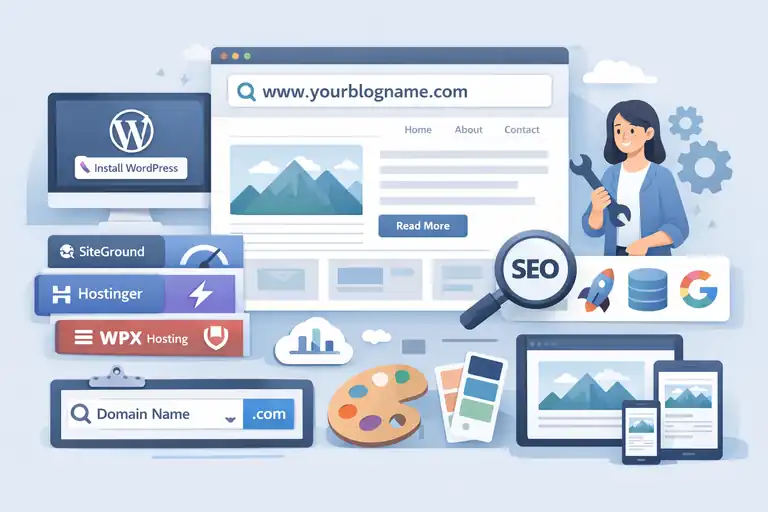
Once you’ve nailed your niche, it’s time to set up the foundation for your blog. Think of this stage like building a house: the structure needs to be solid before you start decorating.
Choose a Reliable Blogging Platform and Hosting Service
Most successful bloggers use WordPress.org, not to be confused with WordPress.com. The “.org” version gives you full ownership, customization, and monetization freedom.
Pair it with a reliable hosting provider such as:
- SiteGround – known for excellent speed and support.
- Hostinger – affordable with one-click WordPress setup.
- WPengine – premium option optimized for speed and uptime.
Your hosting choice affects your site’s performance and SEO. I’ve seen slow hosting kill traffic faster than bad content ever could.
Pick a Domain Name That Reflects Your Brand Identity
Your domain is your blog’s first impression. It should be simple, memorable, and aligned with your niche.
Here’s what works best:
- Keep it short (under 15 characters).
- Avoid numbers and hyphens.
- Choose a .com extension if possible.
- Reflect your brand personality (e.g., FitWithSara.com instead of SaraFitnessBlog123.net).
A domain name doesn’t just build recognition — it shapes how readers and Google see your brand.
Install WordPress and Essential Plugins for Growth
Once your domain and hosting are ready, install WordPress. Most hosts offer one-click installation — it takes minutes.
Then, add a few key plugins to support your blog’s success:
- Rank Math: Helps optimize posts for search engines.
- WP Rocket: Boosts speed and caching performance.
- UpdraftPlus: Backs up your content automatically.
- Site Kit by Google: Tracks analytics and search data in one dashboard.
Avoid installing too many plugins; they can slow your site. Only keep those essential to SEO, performance, and safety.
Design a Clean, User-Friendly Blog Layout
Your blog’s design should feel like a comfortable space — easy to read, visually appealing, and distraction-free.
Here’s what works:
- Simple Navigation: Keep only 3–5 main menu items.
- Readable Fonts: Use clear, web-safe fonts like Open Sans or Roboto.
- Consistent Branding: Stick to a simple color palette and logo.
- Mobile Optimization: Over 60% of readers browse on phones — make sure your theme adjusts perfectly.
Remember, good design builds trust. A cluttered site makes visitors bounce, no matter how good your content is.
Craft a Content Strategy That Builds Long-Term Traffic
A clear content strategy is what separates hobby blogs from income-generating ones.
It’s not about writing randomly — it’s about building a library of value that keeps bringing readers back.
Plan Evergreen Topics That Stay Relevant Over Time
Evergreen content is content that never expires — like “How to Budget on a Low Income” or “Beginner Yoga Poses.”
When planning your strategy:
- Focus 70% on evergreen topics for stable traffic.
- Use 30% for trending topics that attract short-term spikes.
- Update older posts regularly to maintain freshness.
Evergreen posts become long-term assets, working for you even while you sleep.
Balance SEO-Optimized and Story-Driven Blog Posts
SEO is crucial, but emotion builds loyalty. The best blogs combine both — posts that rank and connect.
Here’s how to balance them:
- Start with a keyword, but write naturally.
- Use personal stories to make points relatable.
- Include data or examples to boost credibility.
For instance, if your keyword is “create your blog,” you might share your own early mistakes while optimizing for search phrases like start a blog from scratch or how to build a profitable blog.
This approach builds both trust and visibility.
Use a Consistent Posting Schedule to Build Trust
Readers — and Google — love consistency. You don’t need to post daily, but you do need a rhythm.
Try this approach:
- Start with one post per week.
- Batch-create content once a month to stay ahead.
- Use tools like Notion or Trello to manage your content calendar.
Over time, consistent posting trains your readers to expect — and return for — fresh insights.
Create Content Pillars That Support Your Main Topics
Think of your blog as a tree — the trunk is your main topic, and the branches are related subtopics. These are your content pillars.
For example, if your blog is about personal finance:
- Pillar 1: Budgeting Basics
- Pillar 2: Saving & Investing
- Pillar 3: Side Hustles and Passive Income
Each pillar connects to several supporting posts, strengthening your site’s topical authority and SEO.
Pro tip: Internal linking between these related posts helps Google understand your expertise — and helps readers navigate easily.
Learn SEO Fundamentals to Drive Organic Growth
If you truly want your blog to grow without depending on ads or luck, you need to understand SEO — search engine optimization.
It’s not as technical as it sounds. Think of SEO as learning how to write and structure your content so Google understands it and shows it to the right people.
Perform Keyword Research with Reader Intent in Mind
Keyword research isn’t about stuffing words into your post — it’s about understanding what people actually want when they search.
Here’s how I approach it:
- Start with real questions: Go to Google and type your main topic, then look at the “People also ask” section. That’s your audience speaking directly to you.
- Use keyword tools wisely: Tools like Ahrefs, Semrush, or Ubersuggest can show search volume (how many people look for that phrase monthly) and keyword difficulty (how hard it is to rank).
- Focus on intent, not just numbers: For example, someone searching “how to create your blog” wants guidance — not a sales pitch. Align your post to solve their problem rather than sell.
When I started focusing on intent instead of chasing big keywords, my posts not only ranked higher but also kept readers on the page longer — a big SEO win.
Optimize Blog Posts with On-Page SEO Techniques
On-page SEO means making small but powerful tweaks inside your content so search engines and humans both love it.
Here’s my go-to checklist for every blog post:
- Title Tag: Include your main keyword naturally within 55–60 characters.
- Meta Description: Summarize the article’s value in 150–160 characters.
- Header Tags (H1, H2, H3): Use them logically to organize ideas.
- Internal Links: Connect to other relevant posts on your site.
- External Links: Reference credible sources to back up claims.
- Images with Alt Text: Use descriptive alt tags (e.g., “how to create a blog layout example”).
And here’s a tip I’ve learned the hard way: never over-optimize. Google’s smarter than it used to be. Write for people first — SEO second.
Build Backlinks and Boost Domain Authority Over Time
Backlinks are simply links from other sites that point to your blog. They’re one of Google’s biggest ranking factors because they act like votes of trust.
To build them naturally:
- Guest Post: Write for other reputable blogs in your niche and include a link back to your site.
- Create Link-Worthy Content: Tutorials, statistics, and in-depth guides attract links naturally.
- Reach Out Politely: If you mention someone’s tool or research, email them — many will happily share or link back.
I once gained over 20 quality backlinks just from a single detailed guide about SEO-friendly content writing — simply because it was genuinely useful. That’s how authority grows.
Improve Site Speed, Mobile Usability, and Core Web Vitals
Even the best content can lose traffic if your site is slow. Google tracks user experience metrics called Core Web Vitals, which measure how fast your site loads and how smoothly it runs.
Here’s how to improve them:
- Use a Caching Plugin: Tools like WP Rocket or LiteSpeed Cache can cut load times in half.
- Compress Images: Use plugins like ShortPixel or TinyPNG to reduce file sizes without losing quality.
- Choose a Fast Theme: Lightweight themes like Astra or GeneratePress keep your site running smoothly.
- Test Regularly: Run your site through Google’s PageSpeed Insights and aim for a score above 85.
If your blog loads slowly on mobile, people leave. That’s not an opinion — it’s data. Studies show that every extra second of load time can reduce conversions by up to 20%.
Write Engaging Posts That Keep Readers Coming Back

Once visitors land on your blog, your writing needs to hold their attention.
Think of your blog as a conversation — not a lecture. People don’t just want information; they want connection.
Hook Readers with Strong Introductions and Visuals
The first few lines decide whether someone keeps reading or clicks away.
Here’s how to nail your intros:
- Start with a relatable problem: “If you’ve ever stared at a blank screen wondering what to write…”
- Promise value: Clearly tell them what they’ll gain by reading.
- Use visuals early: Add a relevant image, infographic, or video near the top to draw attention.
When I started using storytelling in my introductions, bounce rates dropped dramatically because readers felt seen before they even got to the tips.
Structure Posts for Easy Scanning and Readability
People don’t read blogs word-for-word — they scan. You need to make it easy for them.
Here’s my quick readability formula:
- Keep paragraphs under three lines.
- Use subheadings every 200–300 words.
- Add bullet points for clarity.
- Highlight key takeaways or quotes.
You can even use short phrases as mini-breaks — like “Here’s the thing” or “Let me explain” — to guide the reader’s flow.
Good formatting doesn’t just improve user experience; it keeps readers on the page longer, which signals quality to Google.
Use a Conversational Tone and Share Personal Stories
This is where your voice comes in. Write as if you’re talking to one person — not a crowd.
Add personal touches like:
- “When I first tried this, I failed miserably…”
- “Here’s what I’d do differently if I were starting today.”
Stories turn advice into something memorable. A reader might forget your list of SEO tips, but they’ll remember how you described fixing your broken blog at midnight with coffee and determination.
That’s the kind of connection that builds loyal readers.
End Each Post with a Clear Call to Action
Every blog post should guide your reader to do something next.
Examples:
- “Download this free checklist.”
- “Leave a comment with your biggest challenge.”
- “Join my newsletter for weekly blogging tips.”
It’s not about being pushy — it’s about helping readers take the next step while they’re most inspired. Consistent CTAs are one of the simplest ways to turn traffic into an engaged community.
Promote Your Blog to Expand Your Reach
Writing great content is only half the job. Promotion is where your blog starts to grow beyond your website. You don’t need to be everywhere — you just need a smart, consistent system.
Share Posts on Social Media Strategically
Posting on every platform is exhausting and unnecessary. Focus on two or three channels where your audience already hangs out.
Here’s a simple framework:
- Instagram or TikTok: Great for lifestyle, travel, and personal brands.
- LinkedIn: Ideal for business, career, or productivity niches.
- Pinterest: Perfect for evergreen topics like home décor, food, or fitness.
Create 2–3 social posts per blog post — one for awareness, one for engagement, and one for click-throughs. Reuse quotes, snippets, and graphics from your article instead of starting from scratch.
Build an Email List to Nurture Loyal Readers
Your email list is your most valuable traffic source because it’s the one thing you own.
Start simple:
- Use a tool like Mailerlite or Aweber to create sign-up forms.
- Offer a lead magnet — a free checklist, mini-guide, or resource your readers actually need.
- Send weekly or biweekly updates, mixing helpful content with personal insights.
Even with just 500 subscribers, you can drive meaningful traffic and income if you consistently provide value.
Collaborate with Other Bloggers and Creators
Blogging doesn’t have to be a solo journey. Partnering with others can help you reach audiences you’d never find on your own.
Ways to collaborate:
- Guest post exchanges.
- Podcast interviews.
- Joint webinars or live Q&A sessions.
- Sharing each other’s resources or tools.
When I collaborated with a fellow SEO writer on a live workshop, we both gained hundreds of new subscribers — not from ads, but from mutual trust.
Repurpose Blog Content into Videos, Reels, and Newsletters
You don’t always need new ideas — you need new formats.
Take one blog post and:
- Turn it into a YouTube tutorial.
- Break key tips into short-form Reels or TikToks.
- Use quotes or insights in your weekly newsletter.
Repurposing not only saves time but also multiplies your reach. I’ve had old blog posts find new life months later just by turning them into short videos.
Pro tip: Don’t wait for your blog to “get big” before promoting it. Share every post confidently from day one — that’s how you build momentum.
Monetize Your Blog for Consistent Income
Once your blog starts attracting steady traffic, the next natural step is turning that audience into income.
There’s no one-size-fits-all way to make money from blogging — the best approach is to combine multiple income sources that fit your niche and values.
Earn Through Display Ads and Affiliate Marketing
Display ads and affiliate programs are usually the easiest ways to start earning.
- Display ads: Platforms like Google AdSense, Monetag, or Raptive (formerly AdThrive) place ads on your blog and pay based on views or clicks. While AdSense is great for beginners, Mediavine is better once you hit about 50,000 monthly sessions.
- Affiliate marketing: This means promoting products or services and earning a commission on sales made through your referral links. You can join affiliate networks like Awin or Impact, or apply directly to brand programs.
Here’s how to make affiliate marketing work without being salesy:
- Only recommend products you personally use or genuinely trust.
- Create tutorial-style posts that show the product in action.
- Use contextual links within helpful content — not forced promotions.
When I first added affiliate links to my how-to articles, I didn’t see instant income. But after refining product placement and building trust through transparency, conversions started growing steadily month after month.
Create and Sell Digital Products or Courses
If you want to move beyond passive ad income, digital products are the next level. These include eBooks, templates, printables, or full-blown online courses.
Here’s what works best:
- Start small: Create a $10–$20 product first (like a checklist or toolkit).
- Use tools like Gumroad or Podia: They handle payments, hosting, and delivery automatically.
- Listen to your readers: Build products based on their questions and needs.
For example, if your blog teaches small business SEO, you could create an SEO checklist for beginners or a short course on keyword research.
The beauty of digital products is scalability — you create once, sell forever. It’s real leverage.
Offer Freelance or Consulting Services Through Your Blog
Your blog can also serve as your best portfolio. Readers who trust your expertise often become clients.
You can offer:
- Freelance writing or content strategy.
- Coaching sessions in your area of expertise.
- Consulting services (e.g., SEO, marketing, design).
I’ve seen bloggers turn side projects into full-time consulting businesses simply by adding a “Work With Me” page. If your content solves real problems, people will pay for deeper, personalized help.
Build Multiple Income Streams for Stability
Relying on just one income source is risky. Ad rates fluctuate, affiliate programs change, and algorithms evolve.
Diversify your income like this:
- Start with ads or affiliates.
- Add a digital product or service.
- Introduce membership or subscription-based income later (like a private community or premium content).
Multiple streams protect your income from uncertainty — and give you freedom to experiment without fear.
Track Performance and Scale Your Blog Growth
Growth isn’t about guessing — it’s about measuring what works. Once your blog generates consistent content and income, tracking performance helps you make smarter, faster decisions.
Monitor Traffic, Engagement, and Conversion Metrics
Use free tools like Google Analytics 4 and Google Search Console to understand how people find and interact with your blog.
Here’s what to monitor:
- Traffic: Total visitors and top-performing posts.
- Engagement: Bounce rate, session duration, and pages per visit.
- Conversions: Newsletter sign-ups, sales, or clicks on affiliate links.
If a post brings lots of traffic but few conversions, it might need stronger calls-to-action or better alignment between content and offers.
Use Analytics to Refine Your Content Strategy
Data isn’t just numbers — it’s feedback. It tells you what readers love, what confuses them, and what deserves more attention.
Ask yourself monthly:
- Which posts got the most engagement or backlinks?
- Which keywords brought in new readers?
- What pages had the highest exit rates?
Double down on what’s working and prune what’s not. For instance, I once found that “blog SEO checklist” posts outperformed my “how to start a blog” guides. So, I created more SEO-focused content — and my organic traffic nearly doubled.
A/B Test Titles, CTAs, and Monetization Placements
Sometimes small tweaks can bring big improvements.
Try testing:
- Headlines: A curiosity-driven title vs. a direct how-to headline.
- CTA placement: End of post vs. middle of content.
- Affiliate links: Buttons vs. text links.
Use tools like Thrive Optimize or ConvertBox to test variations. Over time, you’ll discover which copy and design elements resonate most with your readers.
Automate Routine Tasks and Focus on High-Impact Work
Automation saves your energy for strategy and creativity.
Here’s where to automate smartly:
- Email marketing: Use Omnisend to automate welcome sequences and weekly updates.
- Social sharing: Tools like Later can auto-post across platforms.
- Content updates: Schedule reminders to refresh older articles quarterly.
By automating repetitive tasks, you create space for what truly drives growth — writing, strategy, and connection.
Build Authority and Community Around Your Blog
Long-term success isn’t just about traffic — it’s about trust. The more authority and community you build, the more readers turn into loyal fans and paying supporters.
Engage Authentically with Your Audience Through Comments
Readers want to feel seen. Responding to comments, emails, and DMs builds real relationships.
Try this simple routine:
- Set aside 15 minutes daily to reply to readers.
- Ask follow-up questions to spark deeper conversations.
- Feature insightful reader comments in future posts.
This small act of engagement signals that you care, and over time, that’s what keeps readers coming back.
Develop a Personal Brand That Reflects Expertise
Your blog is your stage — but your personal brand is what makes it memorable.
To strengthen it:
- Use consistent visuals (colors, photos, logo).
- Define your tone — friendly, helpful, trustworthy.
- Share your story and beliefs openly.
For instance, Pat Flynn from Smart Passive Income built his brand by being transparent about his earnings and failures. That honesty made people trust his advice more deeply.
Guest Post and Appear on Podcasts to Build Credibility
Guest appearances are a fast way to expand your reach.
Here’s how to get started:
- Make a list of blogs or podcasts in your niche.
- Pitch a unique idea — not something they’ve already covered.
- Offer value first; mention your blog naturally later.
Guest posting helped me grow my email list by over 1,000 subscribers in a single month. It’s still one of the most underrated growth strategies.
Create a Sense of Belonging with a Blog Community
Community transforms your blog from a website into a movement.
Ideas to foster connection:
- Start a private Facebook or Discord group.
- Host monthly live sessions or AMAs (Ask Me Anything).
- Celebrate reader milestones and share success stories.
When readers feel part of something bigger, your blog becomes more than just content — it becomes a shared experience.
Maintain Consistency and Avoid Burnout
Every blogger faces burnout at some point. The secret is to build habits and systems that make consistency easier without draining your creativity.
Set Realistic Blogging Goals and Deadlines
Break big ambitions into smaller, achievable steps.
Instead of “I’ll write 12 posts this month,” try “I’ll write one post every week.” Use a tool like Notion or ClickUp to track your goals visually.
When goals are manageable, progress feels motivating — not overwhelming.
Batch Create Content to Stay Ahead
Batching is my favorite productivity hack. It means creating multiple pieces of content in one focused session.
Here’s how to do it:
- Outline three posts at once.
- Write all first drafts in one sitting.
- Edit them on a separate day.
You’ll save time and creative energy — and you’ll never stare at a blank screen wondering what to post next.
Revisit and Update Old Posts for Better Rankings
Your older content is gold waiting to be polished.
- Update statistics and links regularly.
- Add new sections based on reader questions.
- Improve SEO titles and meta descriptions.
I’ve seen old posts jump from page 3 to page 1 on Google with just a few strategic updates. That’s easier than writing something brand new.
Keep Learning and Adapting to SEO and Industry Changes
The online world changes fast. Algorithms evolve, tools update, and trends shift.
Stay sharp by:
- Following credible SEO blogs (like Search Engine Journal).
- Taking one new course or workshop each quarter.
- Experimenting with new content formats like AI-assisted writing or interactive posts.
Continuous learning keeps your blog relevant and your creativity alive.
Pro Tip: Focus on Building a System, Not Just Content
Creating your blog is about more than writing posts — it’s about building a repeatable system that runs smoothly, even on your busiest days.
Document Your Workflow for Efficiency
Write down every step you take when publishing a post — from idea to promotion.
This helps you:
- Spot bottlenecks.
- Delegate tasks later if you hire help.
- Maintain quality and consistency.
A documented process saves mental energy and keeps your blog professional.
Automate Promotion and Email Sequences
You don’t need to manually promote every post.
Automate like this:
- Set up email sequences that share your best posts over time.
- Use scheduling tools to auto-share older articles monthly.
- Build evergreen campaigns for new subscribers so they instantly see your top content.
Automation keeps your blog visible even when you’re offline.
Regularly Audit Your Blog’s Performance
Every few months, review your blog like a coach reviewing game tapes.
Check:
- Which pages convert best.
- Which posts bring the most traffic.
- Which plugins or tools slow things down.
Then adjust — small improvements compound over time.
Think Long-Term—Build a Blog That Outlasts Trends
Trends come and go, but valuable content always wins. Focus on creating posts that solve real problems, share genuine experiences, and evolve as your readers grow.
That’s how you build a blog that not only drives traffic but also delivers steady income — year after year.
Final thought: Your blog doesn’t have to be perfect — it just needs to keep moving forward. Show up, keep learning, and remember that steady effort always compounds.
FAQ
How do I create your blog to get more traffic?
To create your blog for higher traffic, focus on keyword research, publish SEO-optimized content, and promote posts through social media and backlinks.
How can I make steady income from my blog?
You can earn steady income by combining display ads, affiliate marketing, digital products, and services that align with your niche and audience.
What’s the best platform to create your blog?
WordPress.org is the best choice to create your blog because it offers full control, flexibility, and access to SEO tools for long-term growth.

I’m Juxhin, the voice behind The Justifiable.
I’ve spent 6+ years building blogs, managing affiliate campaigns, and testing the messy world of online business. Here, I cut the fluff and share the strategies that actually move the needle — so you can build income that’s sustainable, not speculative.
Related posts:
 Blog Ideas That Make Money and Grow Your Traffic
 How to Build a Blog Post Website That Makes Money
 Blog Writing Tips That Help You Earn From Every Post
 How to Build an Easy Blog That Makes Real Income
 Online Blog Ideas That Help You Build Income Faster
 Create a Blog Free and Start Earning With No Risk