
Table of Contents
Some links on The Justifiable are affiliate links, meaning we may earn a small commission at no extra cost to you. Read full disclaimer.
Marketing solutions can make or break how fast a small business grows. The right mix of tools, strategies, and systems can help you attract new customers, retain existing ones, and scale without burning out.
But which marketing solutions actually move the needle for small businesses with limited budgets and time?
This guide breaks down 10 proven marketing solutions every small business needs to grow fast—covering everything from automation tools to SEO strategies that work even if you’re just starting out.
1. Build A High-Converting Website That Works For You
A website isn’t just your digital storefront—it’s your best salesperson working 24/7.
A high-converting site helps visitors take action, whether that’s booking a call, signing up for your list, or making a purchase.
Here’s how to turn your site into a growth engine that actually drives revenue.
Create A User-Friendly Design That Boosts Conversions
Think of your website as your handshake with a potential customer—it should feel confident but welcoming.
I always suggest keeping your layout clean, visual hierarchy clear, and navigation intuitive.
Key design elements that convert:
- Simple navigation: Limit your main menu to 4–6 key items like “Home,” “About,” “Services,” “Blog,” and “Contact.”
- Readable fonts and colors: Use contrast wisely—dark text on a light background improves clarity.
- Visual balance: Use whitespace strategically so users can focus on key content.
A great example is Squarespace’s templates—they’re modern, mobile-optimized, and built with conversion in mind. You can drag and drop elements, preview layouts, and test what feels best for your audience.
Optimize Website Speed And Mobile Experience
A slow website kills conversions faster than a bad headline. According to Google, if your site takes over three seconds to load, more than half your visitors leave.
Here’s how I optimize speed and mobile performance:
- Compress images with TinyPNG or ShortPixel.
- Use Google PageSpeed Insights to find and fix speed issues.
- Choose a lightweight theme if using WordPress—GeneratePress and Astra are good examples.
- Ensure responsive design using tools like BrowserStack to preview your site across devices.
Use Clear Calls-To-Action To Drive Leads
Your CTA (Call-To-Action) is your digital invitation—make it easy to spot and irresistible to click. Avoid vague phrases like “Learn More.” Instead, try action-driven ones such as “Get My Free Quote” or “Start Your Free Trial.”
Pro tip: Use one clear primary CTA per page. If you’re using a landing page builder like Elementor or Webflow, test button colors and placements.Sometimes, moving your CTA above the fold can increase conversions by 30% or more.
Integrate Analytics To Track What Works
Without data, you’re guessing. With analytics, you’re growing. I always install Google Analytics 4 and Hotjar on client sites.
- Google Analytics 4 (GA4): Tracks user journeys, conversions, and bounce rates.
- Hotjar: Records user behavior via heatmaps and session replays.
This helps you see which pages perform best and where visitors drop off, so you can refine design and copy for better results.
2. Leverage SEO To Drive Consistent Organic Traffic
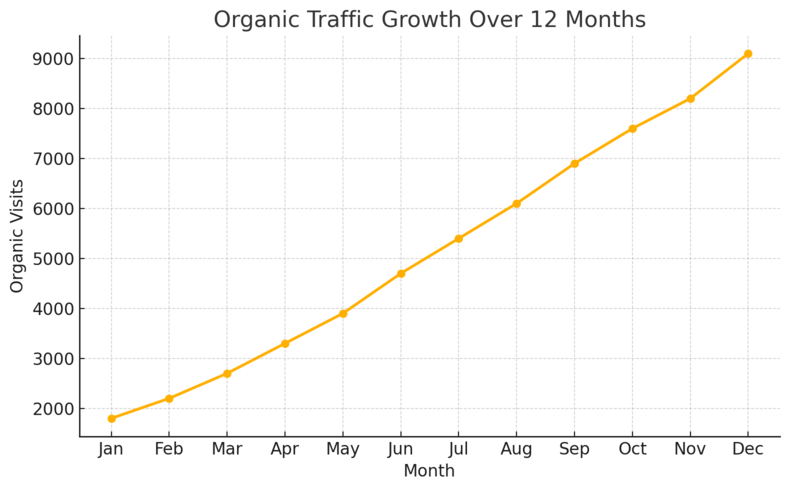
Search Engine Optimization (SEO) is how you get discovered without paying for every click.
When done right, SEO compounds over time—bringing consistent, high-quality traffic month after month.
Conduct Keyword Research Using Affordable Tools
Keyword research tells you what your audience actually searches for. I recommend using Ubersuggest, Ahrefs, or Google Keyword Planner.
Here’s my simple 3-step keyword process:
- Find low-competition, high-intent keywords (e.g., “affordable marketing solutions for small businesses”).
- Group them into topic clusters.
- Create one pillar article and link to smaller supporting posts.
This structure helps you rank faster by signaling to Google that you’re an expert on a specific topic.
Optimize On-Page SEO With Strategic Content
On-page SEO is about optimizing what’s on your actual pages.
Each page should have:
- A clear title tag under 60 characters.
- A meta description that entices clicks.
- Headers (H2s/H3s) containing natural keyword variations.
- Internal links to relevant posts and services.
I suggest writing naturally for humans first, then tweaking for search engines. For example, include the focus keyword in the first 100 words of your post but never force it in every paragraph.
Build Local SEO For Better Visibility In Your Area
If you serve local clients, local SEO is your best friend. Set up and optimize your Google Business Profile—it’s free and powerful.
Steps I use with clients:
- Verify your business on Google.
- Add photos, services, and updated hours.
- Ask customers to leave reviews (it signals trust).
- Use local keywords like “marketing agency in Austin.”
Local citations on directories like Nextdoor can also improve your rankings fast.
Use Backlinks And Content Partnerships To Rank Higher
Backlinks act as digital votes of confidence. The more credible sites that link to you, the better your authority.
Here’s how to earn quality backlinks:
- Guest posting: Contribute to industry blogs with an author bio linking back to your site.
- Link exchanges: Collaborate with non-competing businesses in your niche.
- Content partnerships: Co-create resources or guides and share them across both audiences.
In my experience, even five solid backlinks from respected sources can outperform dozens of low-quality ones.
3. Use Email Marketing To Nurture And Retain Customers
Email marketing remains one of the most profitable marketing solutions—it delivers an average ROI of $36 for every $1 spent.
It builds relationships, nurtures leads, and keeps your brand top-of-mind.
Segment Your Email List For Personalized Campaigns
Segmentation simply means dividing your audience based on behavior, interests, or stage in the buyer journey.
Here’s how I usually break it down:
- New subscribers: Send welcome sequences and brand introductions.
- Active buyers: Share updates, loyalty offers, or product recommendations.
- Inactive users: Use re-engagement emails with special incentives.
Platforms like Aweber and ActiveCampaign make this easy using tags and conditional rules.
Automate Sequences For Welcome, Cart, And Follow-Ups
Automation saves time while keeping communication consistent.
For eCommerce, I suggest setting up:
- Welcome sequence: Introduce your story and top offers.
- Abandoned cart sequence: Remind users what they left behind.
- Post-purchase follow-up: Thank them and suggest complementary products.
You can set these up inside Omnisend, MailerLite, or HubSpot in just a few clicks.
Write Subject Lines That Boost Open Rates
Subject lines decide whether your email gets opened or ignored. Keep them short, specific, and curiosity-driven.
Some examples that work:
- “Your exclusive offer expires tonight.”
- “Quick question about your marketing goals.”
- “You’ll like this free tool we just tested.”
Avoid spammy words like “free” or “guaranteed” too often—email filters don’t like them.
Track Metrics Like CTR And Conversion To Refine Strategy
Data tells you what’s working. I always track open rate, click-through rate (CTR), and conversions.
If your CTR is low, improve email layout and link placement. If conversions are low, refine your offers or landing pages. Tools like Mailchimp Reports show which emails drive the most revenue.
Pro insight: Use A/B testing to experiment with subject lines, send times, and content format—you’ll be surprised how small tweaks can double your results.
4. Tap Into Social Media Marketing To Build Trust
Social media marketing is one of the most cost-effective marketing solutions for small businesses.
It’s not just about visibility—it’s about building trust and nurturing relationships that eventually convert into sales.
Choose The Right Platforms For Your Target Audience
Not every platform is worth your time. I suggest choosing two or three where your audience actually hangs out.
Here’s how to narrow it down:
- Instagram: Perfect for visual brands like fashion, fitness, or restaurants.
- LinkedIn: Ideal for B2B and service-based professionals.
- TikTok: Works great if your brand can show personality and trends creatively.
- Facebook: Still relevant for local marketing and community-driven businesses.
For example, if you run a local fitness studio, focus on Instagram Reels for short workout clips and Facebook Groups for community engagement. Don’t stretch across every platform—own one or two instead.
Use Consistent Branding Across All Social Channels
Consistency builds recognition. From your logo to your tone, everything should feel unified.
Branding checklist I use:
- Use the same profile picture, logo, and handle across all platforms.
- Keep brand colors and fonts consistent (tools like Canva Brand Kit help).
- Maintain a unified tone of voice—friendly, professional, or humorous depending on your audience.
For instance, Canva itself does this beautifully—its posts look instantly recognizable no matter the channel.
Post Content That Educates, Engages, And Converts
If your social feed only promotes products, people tune out. I’ve learned that the best-performing posts teach something, spark conversation, or inspire action.
Try mixing content types:
- Educational posts: “3 Ways to Boost Your Website Traffic Without Ads.”
- Engagement posts: Polls, questions, or memes your audience can relate to.
- Conversion posts: Testimonials, special offers, or product demos.
A 70/20/10 rule works well—70% educational, 20% engaging, 10% promotional. It keeps your audience interested while still moving them closer to buying.
Measure Engagement And Optimize Posting Times
Posting is half the game—tracking results is the other. I usually rely on Meta Insights, LinkedIn Analytics, or Later Analytics to understand what works.
Track metrics like:
- Engagement rate (likes, shares, comments)
- Reach and impressions
- Click-through rate (CTR) from bio links
Experiment with posting times too. For most audiences, weekdays around 9–11 AM and 5–7 PM perform best, but test your own data—social algorithms favor consistency over guesswork.
5. Invest In Paid Advertising For Fast Growth
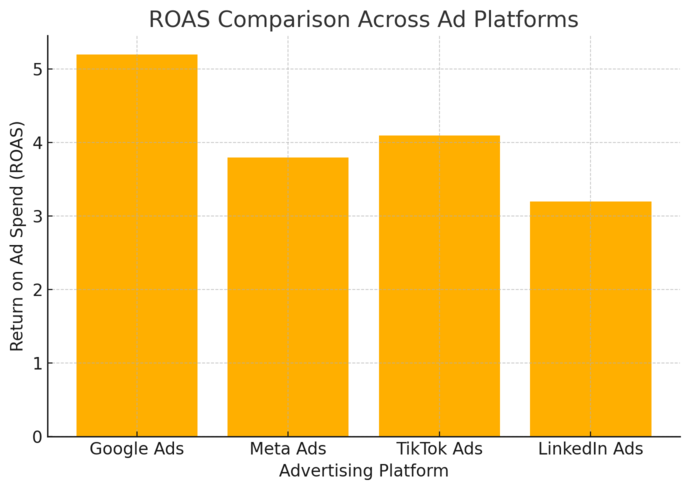
If you want quick visibility, paid advertising is one of the fastest marketing solutions available. When done strategically, it can generate leads within days instead of months.
Start Small With Google Ads And Meta Ads
I always recommend starting small—set a daily budget between $10–$30 until you identify winning campaigns.
- Google Ads: Great for intent-based searches (e.g., “digital marketing agency near me”). Use the Keyword Planner to find high-value terms.
- Meta Ads (Facebook & Instagram): Best for interest-based targeting. Create a custom audience based on demographics, interests, and lookalikes.
In practice, I often run one Google search campaign and one Meta remarketing campaign simultaneously—it’s a balanced mix of intent and awareness.
Retarget Visitors Who Didn’t Convert
Retargeting is where paid ads really shine. It lets you re-engage people who’ve already interacted with your site but didn’t buy.
Here’s a simple retargeting setup:
- Install Meta Pixel or Google Tag Manager on your website.
- Create a “Website Visitors” audience.
- Serve tailored ads like “Still thinking about it? Here’s 10% off.”
It’s not uncommon to see a 2–3x higher ROI from retargeting campaigns than from cold traffic ads.
Test Multiple Ad Creatives To Find Winners
Ad fatigue is real. I usually test 3–5 versions of each ad—different headlines, images, and CTAs—to find what clicks.
Pro tip: In Meta Ads Manager, use the “A/B Test” feature to run variations automatically. You’ll see which ad performs best before scaling it.
Examples of what to test:
- Image vs. video format
- Emotional vs. rational copy
- CTA buttons (“Learn More” vs. “Get Offer”)
Track ROI To Avoid Overspending
It’s easy to get caught up in impressions, but what matters most is ROI. I always calculate Return on Ad Spend (ROAS)—Revenue ÷ Ad Spend.
Tools like Google Analytics 4 and Meta Ad Reports can help you track which campaigns actually convert. If an ad isn’t delivering after a week, pause it and reallocate the budget to top performers.
My rule: No campaign should run on autopilot without weekly review—it’s the difference between scaling profitably and burning cash.
6. Create Valuable Content Marketing Strategies
Content marketing builds long-term trust and authority. It’s how you attract, educate, and retain customers without shouting “buy now” every two minutes.
Write Blog Posts That Solve Real Customer Problems
Every blog post should answer a question your ideal customer is already asking.
To find these topics, I use AlsoAsked—they show common search queries in your niche. Then, I format each post around clear value.
Example structure:
- Problem: “Why isn’t my website showing up on Google?”
- Insight: Explain technical SEO issues in simple terms.
- Solution: Offer actionable steps with tools like Google Search Console.
Keep your writing conversational, not robotic. I believe the best content reads like advice from a trusted friend who happens to know their stuff.
Use Video And Visual Content To Increase Retention
Visuals stick better than text alone. According to HubSpot, 54% of consumers prefer video from brands over other formats.
You can create short, authentic videos using tools like CapCut or Canva Video Editor. Post them on YouTube Shorts, TikTok, or embed them in your blog.
Quick video ideas:
- Product demos
- Behind-the-scenes clips
- Customer success stories
Even short 30-second clips can boost retention and click-throughs by 30–50%.
Repurpose Content Across Platforms For Maximum Reach
Repurposing saves time and amplifies reach. One blog post can become multiple pieces of content:
- A Twitter thread summarizing key points
- An infographic for Pinterest
- A 60-second Reel summarizing takeaways
I use Notion to plan content repurposing pipelines—it keeps everything organized and ensures no content goes underused.
Build Authority With Expert Guides And Case Insights
Long-form content like “Ultimate Guides” and “How-To Case Studies” perform exceptionally well in search rankings. They position you as a credible authority.
For instance, if you run a marketing agency, create an in-depth guide like “The Complete Small Business SEO Blueprint.” Add screenshots, data, and tool recommendations for extra credibility.
Include mini case studies too. Share short results like, “One of my clients increased organic traffic by 120% in three months using this exact strategy.” Real stories convert better than any sales pitch.
Pro Tip: I always tell small business owners this—content and paid strategies work best together. Use content marketing to build authority and social proof, and paid ads to accelerate results. Once your organic traffic and brand trust grow, you’ll rely less on ad spend and more on the strength of your reputation.
7. Use Marketing Automation To Save Time
Marketing automation is one of those marketing solutions that feels like magic when it’s done right.
It takes repetitive tasks off your plate—like sending emails or following up with leads—so you can focus on strategy instead of busywork.
Automate Lead Nurturing And Email Workflows
Lead nurturing is where automation really shines. Instead of manually emailing every new subscriber, you can set up workflows that automatically send the right message at the right time.
I usually recommend ActiveCampaign or Klaviyo because they combine automation with customer data tracking.
For example, you can create a workflow like:
- New subscriber → Send welcome email immediately
- Wait 3 days → Send a helpful resource (like a free guide)
- Wait 5 days → Send a soft offer (e.g., book a call or demo)
Each step builds trust before asking for a conversion. What I love most about this approach is that it turns cold leads into warm ones—without you lifting a finger after setup.
Integrate CRM Systems For Better Customer Data
A CRM (Customer Relationship Management) system acts as your marketing brain. It keeps all your leads, interactions, and sales data in one place.
If you’re new to CRMs, HubSpot CRM is a great starting point—it’s free, visual, and integrates easily with Gmail or Outlook. You can see exactly where a lead is in the sales funnel and trigger personalized automations based on their behavior.
For example:
- When a lead books a demo → Send an automated reminder.
- When a deal closes → Trigger a “Thank You” email with a referral link.
This kind of integration helps you deliver a seamless customer experience—and that’s what keeps people coming back.
Use Chatbots For Instant Customer Support
Chatbots don’t replace human connection; they enhance it. They handle the first layer of customer interaction, giving users quick answers while freeing your team to focus on complex issues.
I often use Tidio or ManyChat—they’re simple, affordable, and integrate with Shopify and WordPress.
You can create automated flows like:
- Greeting visitors within 3 seconds.
- Answering FAQs (“What’s your refund policy?”).
- Capturing emails for follow-up when agents are offline.
Adding a chatbot can increase your lead capture rate by up to 40%, especially when visitors are browsing outside business hours.
Track Automated Campaign Performance
Automation is powerful—but only if you measure its impact. I suggest checking analytics at least weekly. Tools like ActiveCampaign Reports or HubSpot Analytics show how each automation performs.
Key metrics to monitor:
- Open and click-through rates for emails.
- Lead-to-customer conversion rates.
- Abandoned cart recovery rate (for eCommerce).
When I spot a drop in performance, I usually tweak timing or subject lines before overhauling the whole system. Automation should evolve with your audience, not just run on autopilot forever.
8. Strengthen Your Online Reputation And Reviews
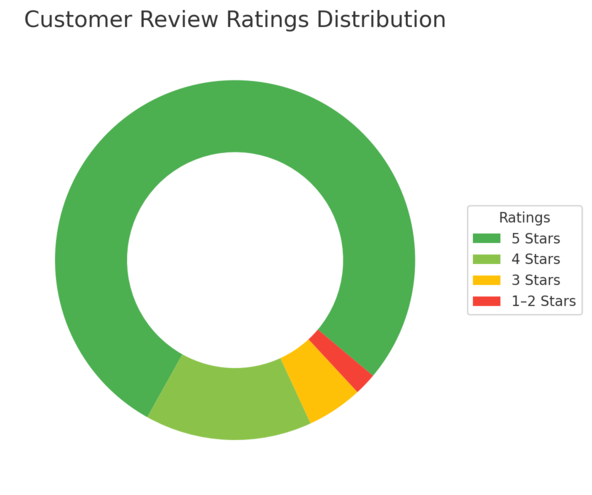
Your online reputation is one of the most underrated marketing solutions—it influences nearly 90% of purchasing decisions. People don’t just buy products; they buy trust.
Encourage Satisfied Customers To Leave Reviews
Most happy customers won’t leave a review unless you ask. I usually recommend setting up an automated follow-up email 2–3 days after a purchase, saying something like:
“Hey [Name], we hope you loved your experience! Would you mind sharing a quick review? It really helps small businesses like ours grow.”
Tools like Trustpilot or Google Business Profile make review collection easy. For eCommerce, Judge.me integrates directly with Shopify and sends automated review requests after checkout.
Respond Professionally To Negative Feedback
Negative reviews can sting—but they’re also a chance to show integrity. The key is to respond quickly and calmly.
I follow a simple three-step formula:
- Thank them for the feedback.
- Apologize sincerely, even if it’s not entirely your fault.
- Offer to fix the issue privately.
Example: “I’m really sorry this happened. We aim to deliver a great experience, and it sounds like we missed the mark. Can we make it right?”
Handled properly, a negative review can actually turn into a positive impression of your brand.
Showcase Testimonials On Your Website And Social Media
Social proof builds trust faster than any sales pitch. I always suggest featuring testimonials where potential customers make decisions—on landing pages, product pages, or the homepage.
A few creative ways to showcase them:
- Turn customer quotes into branded Instagram posts.
- Use video testimonials for authenticity.
- Add rotating review widgets using tools like Elfsight.
Even one honest testimonial can double conversions compared to a sales message alone.
Monitor Brand Mentions Using Reputation Tools
You can’t manage what you don’t track. Set up tools like Google Alerts, Brand24, or Mention to get notified whenever your brand name appears online.
This helps you stay proactive—thank users for positive mentions and address complaints before they escalate. Think of it as your early warning system for brand perception.
9. Partner With Influencers And Micro-Creators
Influencer marketing isn’t just for big brands anymore. Small businesses can see great results by collaborating with micro-influencers who have smaller but loyal audiences.
Find Local Or Niche Influencers Who Fit Your Brand
I always start with relevance over reach. A local influencer with 5,000 loyal followers can outperform a celebrity with a million disengaged ones.
Use tools like Heepsy to find creators in your niche. You can filter by location, engagement rate, and content style.
For example, a handmade jewelry store might partner with a local lifestyle influencer who posts “day-in-the-life” content and naturally wears your products. That authenticity converts.
Negotiate Affordable Collaborations With Clear Deliverables
You don’t need massive budgets to run influencer campaigns.
I usually advise offering:
- Free products or services.
- Small flat fees.
- Affiliate commissions per sale.
Always outline expectations in a short agreement: post type, timeline, and performance metrics. Keeping it clear prevents miscommunication and ensures both sides win.
Use Affiliate Links Or Discount Codes For Tracking
Affiliate tracking helps measure real ROI from influencer partnerships. Tools like Refersion or GoAffPro generate unique links or discount codes for each influencer.
That way, you can track exactly how many sales came from each collaboration. Plus, influencers love it because they earn per conversion—so everyone’s motivated to perform.
Evaluate ROI Based On Engagement, Not Just Reach
I’ve seen too many businesses chase “big follower counts” only to get poor results. The smarter approach is to measure engagement and conversion.
Track metrics like:
- Clicks from affiliate links.
- Comments and shares per post.
- Sales or sign-ups generated.
A campaign that drives 500 targeted visitors and 20 sales beats one that reaches 10,000 uninterested viewers. Quality always wins.
10. Use Analytics To Make Smarter Marketing Decisions
Analytics turn marketing from guesswork into strategy. It’s how you understand what works, what doesn’t, and where to invest your time and money.
Set Up Google Analytics And Search Console Correctly
Start by connecting your website to Google Analytics 4 (GA4) and Google Search Console. Together, they show how people find and interact with your site.
- GA4: Tracks on-site actions like conversions, bounce rates, and traffic sources.
- Search Console: Shows which keywords you rank for and where you can improve visibility.
If you’re unsure how to set it up, just sign into GA4 → click “Admin” → “Data Streams” → add your website URL. Then verify ownership in Search Console using your site’s DNS or Google Tag Manager.
Monitor Key Metrics Like CPA, ROAS, And Retention
I believe small business owners should focus on three metrics above all:
- CPA (Cost Per Acquisition): How much it costs to get one new customer.
- ROAS (Return on Ad Spend): How much revenue each dollar of ad spend generates.
- Retention rate: How many customers come back again.
Tracking these helps you spot what’s profitable versus what’s draining your budget.
Identify Best-Performing Campaigns And Scale Them
Not every marketing effort deserves equal attention. Once you find campaigns that perform well, double down on them.
For example, if an email sequence consistently brings in 30% of sales, expand it with new offers. If a Facebook ad has a 5x ROAS, increase its daily budget gradually to avoid ad fatigue.
Scaling what already works is the fastest way to grow without guessing.
Adjust Strategies Based On Real Data, Not Assumptions
Data doesn’t lie—but interpretation matters. I’ve learned to look for patterns instead of one-time spikes.
If traffic drops suddenly, check whether your top-ranking keywords changed in Search Console. If conversions fall, review landing page load speed or copy.
Analytics empower you to make smarter, calmer decisions—no more chasing trends or “gut feelings.” Every click becomes a clue that helps you refine your next move.
Pro Tip: The most successful small businesses don’t just use marketing solutions—they master the systems behind them. Automate where possible, track everything, and let data guide every decision. When you combine these strategies, growth stops being a guessing game—it becomes a predictable outcome.

I’m Juxhin, the voice behind The Justifiable.
I’ve spent 6+ years building blogs, managing affiliate campaigns, and testing the messy world of online business. Here, I cut the fluff and share the strategies that actually move the needle — so you can build income that’s sustainable, not speculative.