Table of Contents
Some links on The Justifiable are affiliate links, meaning we may earn a small commission at no extra cost to you. Read full disclaimer.
Preferred marketing solutions can make or break your business growth strategy. But with hundreds of marketing options out there—SEO, social media, paid ads, email, content—it’s easy to wonder: which ones actually drive fast, measurable results?
In this guide, we’ll break down the top 7 preferred marketing solutions businesses use today to scale quickly, attract loyal customers, and boost revenue efficiently.
1. Data-Driven Content Marketing Strategies
A smart content strategy isn’t about publishing more—it’s about publishing what matters.
Data-driven content marketing uses analytics and audience insights to create content that performs, not just fills a calendar.
Leveraging Audience Research For Smarter Content Decisions
I’ve seen too many brands create content based on assumptions. The truth? Audience research should always guide your strategy.
Start by analyzing:
- Search intent: Use tools like AnswerThePublic or AlsoAsked to uncover what your audience actually searches for.
- Demographics and behavior: Platforms like Google Analytics 4 (Reports > User > Demographics) reveal who your visitors are, where they come from, and how long they stay.
- Content preferences: Poll your email subscribers or use Instagram story questions to ask what they want to learn next.
I suggest building a “content map” around this data—listing pain points, questions, and the type of content (blog, video, guide) that best fits each one. That’s how you stop guessing and start publishing strategically.
Creating Evergreen Content That Builds Long-Term Traffic
Evergreen content is your SEO workhorse—it compounds over time. These are timeless topics that stay relevant for months or years.
To create them effectively:
- Identify consistent search topics using SEMrush (Keyword Explorer > Traffic Potential).
- Choose topics with staying power like “how to start a blog,” “email marketing basics,” or “best SEO tools.”
- Keep updating statistics, screenshots, and internal links every few months to maintain freshness.
In my experience, one high-performing evergreen article can generate more organic traffic than ten trend-based posts combined.
Using Content Clusters To Strengthen SEO Authority
A content cluster is a group of related articles linked to a central “pillar page.” It’s an SEO architecture that signals topical expertise to Google.
Here’s how to build one:
- Pick a core topic—say “Email Marketing.”
- Create a long-form pillar post (e.g., Email Marketing Ultimate Guide).
- Write supporting articles targeting subtopics: “best automation tools,” “email segmentation strategies,” etc.
- Interlink all pages (pillar → cluster and cluster → pillar).
This structure improves navigation, time-on-page, and keyword relevance. Over time, it turns your site into a credible authority hub.
Measuring Performance With Analytics Tools Like Google Search Console
Data validates your effort. Use Google Search Console (GSC) to track how your content performs in search results:
- Performance tab: See impressions, clicks, and CTR for each page.
- Queries report: Identify which keywords drive traffic—and which need optimization.
- Coverage section: Spot and fix indexing issues.
I recommend checking your GSC data monthly to refine your strategy. If a post gains traction on a new keyword, expand on it. That’s how you grow with intent, not luck.
2. Social Media Marketing For Rapid Brand Awareness
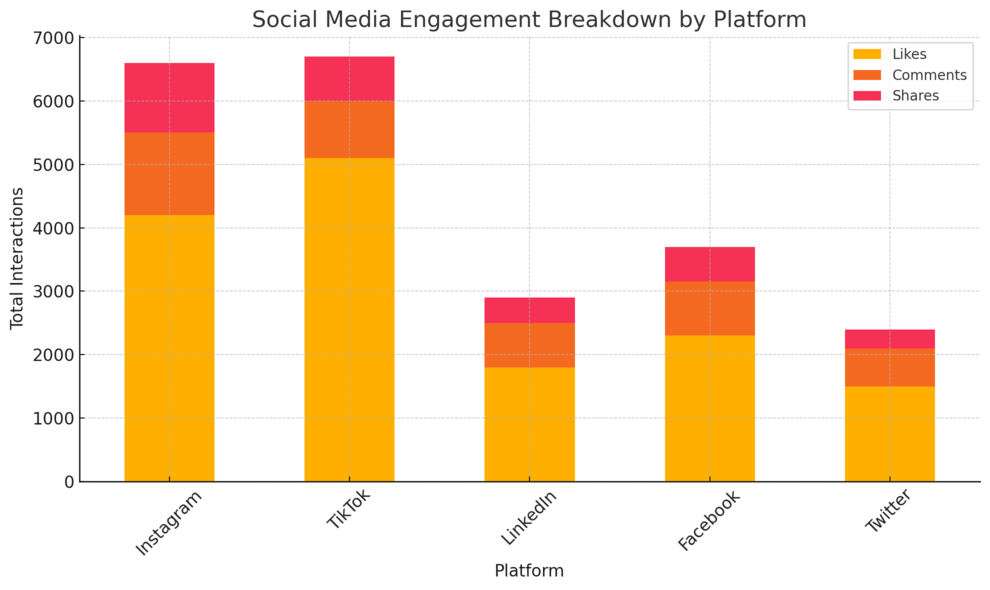
Social media marketing amplifies your message where people already spend time. The key is to combine audience insight with consistency and creativity.
Choosing The Right Platforms Based On Audience Behavior
Not every platform fits every business. The trick is finding where your audience actually hangs out.
- B2B brands thrive on LinkedIn (Posts > Articles > Polls).
- Visual brands do best on Instagram and Pinterest.
- Gen Z audiences respond better on TikTok.
Check each platform’s insights dashboard (for instance, Instagram > Insights > Audience) to verify demographics and engagement times.
I suggest focusing on one or two platforms initially rather than spreading thin across many.
Developing Consistent Posting Schedules And Brand Voice
Consistency builds trust—and algorithms reward it. Create a posting schedule that balances quality and frequency.
- Use tools like Later to plan weekly content.
- Develop a brand voice guide that defines tone, phrasing, and visual identity.
- Mix formats: reels, carousels, stories, and live sessions.
I recommend the 70-20-10 rule: 70% value-driven content, 20% community interaction, 10% promotional. It keeps your feed both helpful and human.
Using Paid Social Campaigns For Targeted Reach
Paid social ads help you reach people beyond your followers. Platforms like Meta Ads Manager (Campaigns > Create > Conversions) and LinkedIn Campaign Manager let you segment by demographics, interests, and behaviors.
Focus on:
- Custom audiences: Retarget site visitors or email subscribers.
- Lookalike audiences: Reach users similar to your best customers.
- Ad testing: Experiment with visuals, copy, and CTAs weekly.
I’ve found that even a $10/day campaign can deliver measurable ROI if your audience targeting and creative match are spot-on.
Tracking Engagement Metrics To Improve Conversions
Metrics show you what resonates. Focus on engagement, not vanity numbers.
- Engagement rate = (Likes + Comments + Shares) ÷ Followers × 100.
- Track click-throughs to see which posts drive actual visits.
- Use UTM parameters in URLs to measure conversions in Google Analytics.
Once you know which type of content performs, double down. For example, if your audience loves tutorials over memes, shift your focus there immediately.
3. Email Marketing Automation For High ROI
Email remains one of the most profitable channels when done right. Automation helps you scale personalization while saving time.
Building Segmented Email Lists For Personalization
Generic blasts are dead. Segmentation lets you tailor messages based on subscriber data.
- Use Aweber or Mailerlite to tag users by behavior (e.g., purchase history, interest).
- Offer multiple signup forms like “Join our SEO Tips” vs. “Ecommerce Growth Updates.”
- Send relevant content per segment—educational for leads, promotional for customers.
Segmentation can increase open rates by 14% and reduce unsubscribes by 8%, according to Campaign Monitor.
Crafting Compelling Email Copy That Converts
Your subject line is the gateway. I suggest using curiosity, urgency, or value-driven hooks like:
“Your traffic doubled yet?” or “You missed this SEO update.”
Inside the email:
- Keep paragraphs under three lines.
- Add one clear CTA (Call to Action).
- Use a conversational tone, not corporate jargon.
The most effective emails feel like a one-on-one message, not a broadcast.
Implementing Automated Workflows To Nurture Leads
Automation turns leads into loyal customers without extra manual effort.
Here’s how to structure your workflow:
- Welcome series (trigger: new signup) – introduce brand and offer value.
- Nurture sequence – share educational content or case studies.
- Conversion series – highlight offers, testimonials, or limited deals.
Tools like ActiveCampaign or HubSpot make automation easy through visual flow builders. Check workflow analytics weekly to optimize conversion steps.
Tracking Open Rates And CTR To Optimize Campaigns
Metrics tell the story of your email success. Focus on:
- Open Rate – measures subject line effectiveness.
- Click-Through Rate (CTR) – indicates how engaging your content is.
- Conversion Rate – shows if emails lead to action.
Use A/B testing to experiment with subject lines or CTAs. For instance, “Grab Your Free Template” might outperform “Download Template Now” by 20%. Small tweaks often drive big results.
Expert Tip: Combine email marketing with content and social insights. If a blog post performs well or a social reel goes viral, turn that topic into an email series. Cross-channel synergy accelerates business growth and keeps your marketing ecosystem thriving.
4. Paid Advertising Solutions For Immediate Traffic
Paid advertising gives your business the power to generate traffic fast.
When done right, it can boost visibility and conversions almost instantly while giving you precise control over your audience and budget.
Understanding Google Ads And PPC Campaigns
Google Ads (formerly AdWords) runs on a Pay-Per-Click (PPC) model—meaning you pay only when someone clicks your ad. I recommend starting with Search Campaigns if you’re targeting high-intent buyers. These appear at the top of Google’s search results.
Inside your Google Ads dashboard (Campaigns > New Campaign > Sales > Search), you can choose your keywords, ad copy, and bid strategy. If you’re new, try Maximize Clicks or Maximize Conversions—Google automates bidding to help you get results quickly.
A common mistake I see is running ads without proper keyword intent.
For instance, targeting “email marketing” is too broad, but “email marketing software for freelancers” captures buying intent. Always check search intent before spending a cent.
Retargeting Ads To Convert Warm Leads
Retargeting, also called remarketing, helps you re-engage people who visited your site but didn’t convert. Think of it as a polite reminder instead of a hard sell.
Using Meta Ads Manager (Audiences > Create Audience > Custom Audience) or Google Ads (Tools > Audience Manager), you can retarget visitors based on page visits, cart abandonment, or time on site.
Here’s a simple retargeting funnel I often suggest:
- Top of funnel (TOFU) – Awareness ads introducing your offer.
- Middle of funnel (MOFU) – Retarget site visitors with testimonials or video demos.
- Bottom of funnel (BOFU) – Retarget abandoned carts with limited-time offers.
Retargeted users are 70% more likely to convert, according to Criteo. It’s the digital equivalent of a gentle nudge.
Budget Optimization Techniques For Maximum ROI
I believe paid ads should scale profitably—not recklessly.
To stretch your ad dollars:
- Start small: Begin with a daily budget you’re comfortable testing (e.g., $10–$30).
- Use ad scheduling: Show ads during peak engagement hours (Google Ads > Settings > Ad Schedule).
- Set bid limits: Prevent overspending with manual CPC limits.
- Pause underperforming ads: Reallocate spend to top performers weekly.
Tools like Revealbot or Adzooma automate budget optimization by analyzing ROI across campaigns. The goal is consistency, not just quick wins.
A/B Testing Ad Creatives And Landing Pages
A/B testing compares two ad versions to see which performs better. It’s essential for improving conversion rates.
Test elements like:
- Headlines
- Images or videos
- Calls to action (CTA)
- Landing page layout
For example, I once ran a campaign where changing “Start Your Free Trial” to “Try It Free for 14 Days” improved clicks by 18%. Small tweaks compound over time.
In Unbounce, you can split traffic between variations and view conversion data instantly. Keep your tests simple—change one element at a time so you know what actually made the difference.
5. Search Engine Optimization For Sustainable Growth
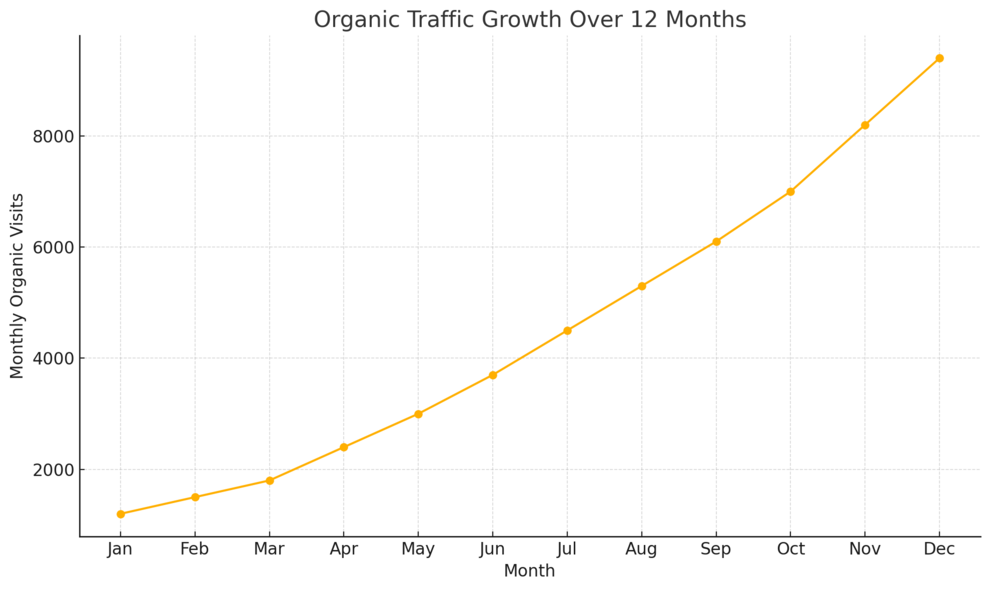
SEO is your long-term growth engine. Unlike paid ads, its benefits compound, driving consistent traffic even when you’re not actively promoting.
Conducting Keyword Research That Drives Quality Traffic
Keyword research is the foundation of all SEO success. I recommend using Ahrefs or SEMrush to find phrases that balance search volume with low difficulty.
- Step 1: Enter your core topic (e.g., “digital marketing”).
- Step 2: Filter for long-tail keywords like “digital marketing tips for small businesses.”
- Step 3: Analyze search intent—informational, transactional, or navigational.
Don’t just chase high-volume terms. Focus on buyer-intent keywords that lead to conversions. In my experience, these drive better ROI than vanity keywords.
On-Page Optimization For Better User Experience
Google rewards pages that users enjoy visiting. That means fast load times, mobile responsiveness, and clear structure.
Here’s a quick on-page checklist:
- Use your target keyword naturally in the title, URL, and intro.
- Add internal links to related content.
- Optimize images (compress and add alt text).
- Use short paragraphs and subheadings for readability.
Tools like Rank Math (WordPress plugin) guide you through best practices directly in your post editor. Good SEO isn’t about gaming the algorithm—it’s about creating pages people love.
Building High-Authority Backlinks Organically
Backlinks act as “votes of confidence” for your site. The more quality links you earn, the more search engines trust you.
Tactics I use and recommend:
- Guest posting on reputable industry sites.
- Creating linkable assets—free templates, infographics, or data reports.
- Using tools like HARO (Help A Reporter Out) to earn mentions in media outlets.
Remember: one link from a trusted source like HubSpot or Forbes beats 50 random directories. Focus on authority, not volume.
Monitoring Rankings And SEO KPIs Regularly
SEO is a marathon, not a sprint. Use Google Search Console (Performance > Search Results) to track keyword positions, CTR, and impressions.
Monitor key metrics such as:
- Organic traffic growth
- Average position per keyword
- Backlink velocity (how fast you’re gaining links)
I check these monthly and note trends. If traffic dips, it’s usually tied to algorithm updates or outdated content—both fixable with regular audits.
6. Influencer Partnerships To Expand Market Reach
Influencer marketing isn’t about paying for shoutouts—it’s about building trust through voices your audience already believes in.
Identifying Influencers Who Align With Your Brand Values
The best influencer collaborations start with alignment, not just reach. I suggest using Upfluence or Modash to find influencers whose followers match your target market.
Before partnering, review their content tone, engagement authenticity, and brand fit. Avoid influencers with inflated followers but low genuine interaction.
Ask yourself: Would this person actually use my product? If not, skip them. Authenticity drives results.
Structuring Authentic Collaborations For Credibility
When creating influencer deals, focus on collaboration, not control. Allow influencers creative freedom—they know their audience best.
A strong collaboration plan includes:
- Clear deliverables (posts, stories, videos).
- Content approval workflow (Google Drive > Shared Folder).
- FTC disclosure agreement for transparency.
In one campaign I ran, letting influencers design their own storytelling format increased engagement by over 40%. Trust their expertise—you’re hiring a voice, not just a platform.
Measuring ROI Of Influencer Campaigns
You can’t manage what you don’t measure. ROI tracking tells you whether partnerships are worth repeating.
Track:
- Engagement rate (Likes + Comments ÷ Followers × 100).
- Referral traffic (via UTM links in Google Analytics).
- Conversions or sales (unique discount codes or affiliate links).
If an influencer drives high engagement but low conversions, consider using them for awareness, not direct sales. Different tiers serve different goals.
Using Micro-Influencers For Cost-Effective Promotion
Micro-influencers (1,000–50,000 followers) often outperform big names in engagement and trust. They’re more affordable and relatable.
I’ve found that working with five micro-influencers in niche communities can outperform one macro deal. Use tools like Collabstr to filter by engagement rate and niche.
Micro campaigns also allow you to A/B test messaging across multiple audiences before scaling.
7. Conversion Rate Optimization (CRO) To Maximize Results
CRO turns your existing traffic into conversions—without needing more visitors. It’s about refining what already works.
Analyzing User Behavior With Heatmaps And Funnels
Heatmaps visually show where users click, scroll, or drop off. Tools like Hotjar or Crazy Egg make this simple (Dashboard > Recordings > Heatmaps).
Use funnel analysis in Google Analytics 4 (Explore > Funnel Exploration) to see where users abandon the process—whether it’s the checkout or signup page.
I often discover surprising insights, like users clicking non-link elements. Small UX tweaks based on this data can lift conversions fast.
Simplifying Checkout And Form Processes
Every unnecessary step reduces conversions. To simplify:
- Offer guest checkout options.
- Reduce form fields to essentials only.
- Add trust signals—badges, reviews, and security icons.
- Display shipping costs upfront.
Shopify merchants, for example, can enable Shop Pay to streamline the entire process with one tap. Less friction means more sales.
Using Persuasive Copy And Visual Hierarchy
The words and layout on your page guide users subconsciously.
- Headline: Address the main benefit clearly.
- Subhead: Reinforce with supporting proof or emotion.
- Visuals: Use contrasting CTAs that stand out without overwhelming.
A landing page that “tells the story” visually often converts better than a text-heavy one. I recommend using Instapage templates—they’re designed for persuasion and speed.
Running Continuous Split Tests For Incremental Improvements
Split testing, or A/B testing, helps you validate what works. Run one test at a time—headline, button color, or form layout—to isolate the winning element.
Platforms like Optimizely and VWO (Visual Website Optimizer) allow easy setup and reporting.
Even a 5% conversion lift per test compounds into huge results over months. CRO isn’t a one-time fix—it’s a cycle of learning, tweaking, and scaling.
Expert Tip: When combining paid ads, SEO, and CRO, track everything under one analytics umbrella—preferably Google Analytics 4 or HubSpot.
This way, you’ll see which preferred marketing solutions work best together, not just individually. That’s how you build momentum that doesn’t fade.

I’m Juxhin, the voice behind The Justifiable.
I’ve spent 6+ years building blogs, managing affiliate campaigns, and testing the messy world of online business. Here, I cut the fluff and share the strategies that actually move the needle — so you can build income that’s sustainable, not speculative.