
Table of Contents
Some links on The Justifiable are affiliate links, meaning we may earn a small commission at no extra cost to you. Read full disclaimer.
If you’ve ever wanted to start a dropshipping business but didn’t know where to begin, you’re not alone.
Many people are drawn to the idea of running an online store without worrying about inventory or shipping—but how do you actually make it work?
In this guide, I’ll break down the entire process into five easy, actionable steps so you can launch your first store with confidence and avoid the most common beginner mistakes.
1. Choose a Profitable Dropshipping Niche
Before you start a dropshipping business, choosing the right niche can make or break your success.
This step isn’t just about picking something you “like”—it’s about finding where genuine demand meets realistic profit margins.
I’ve seen many people skip this part and later wonder why sales are slow. Let’s make sure you don’t fall into that trap.
Identify Market Gaps and Consumer Demand
The most successful dropshipping stores fill a specific gap in the market—something people actively want but can’t easily find elsewhere.
Start by exploring:
- Reddit threads or niche forums: These communities often reveal what people are struggling to buy or where products fall short.
- Amazon’s “Frequently Bought Together” or “Customers Also Bought” sections: These show complementary product opportunities.
- Google Trends: Type in product ideas and observe long-term interest patterns rather than short-term spikes.
For instance, if you notice a steady rise in “eco-friendly kitchen products,” that’s not just a fad—it’s a sustained behavioral shift.
I suggest asking: Would I buy this? and Would others keep buying it six months from now? If both are yes, you’re likely onto something.
Analyze Competitor Strategies in Your Chosen Niche
Competitor analysis isn’t about copying—it’s about positioning yourself smarter. You want to see what’s working for others and where their blind spots are.
Here’s how I approach it:
- Use SEMrush: These tools show traffic sources, audience demographics, and best-performing pages of your competitors.
- Study their store layout and product mix: How do they bundle products? Do they upsell or cross-sell effectively?
- Read customer reviews: Often, the most valuable insight hides in one-star feedback. If customers complain about shipping time or quality, that’s your opening to do better.
From what I’ve seen, the brands that win in competitive spaces are those that tell a clearer story—why their product matters, not just what it is.
Use Data Tools to Validate Niche Profitability
It’s easy to get excited about an idea that looks great on paper, but without data validation, you’re guessing. I recommend using a combination of market and keyword tools to test profitability before investing time or money.
Some powerful tools include:
- Google Keyword Planner: Reveals search volume for product-related terms.
- Ubersuggest: Helps identify keyword competition and trend movement.
- Jungle Scout or Niche Scraper: Analyzes top-selling dropshipping products across marketplaces.
For example, if a product keyword gets 15,000 monthly searches but has few high-quality stores targeting it, that’s an excellent signal. Remember, the goal is to find the sweet spot between demand and competition.
Focus on Evergreen vs. Trending Product Categories
Evergreen products are those that sell consistently, while trending ones can create quick bursts of revenue—but fade fast. I believe it’s wise to balance both.
Here’s how to think about it:
- Evergreen examples: Pet accessories, fitness gear, kitchen tools. These products sustain long-term interest.
- Trending examples: Viral TikTok gadgets or limited seasonal items like mini projectors or air fryers.
My personal advice? Start with evergreen items to stabilize your cash flow, then test trending ones for quick wins. This hybrid strategy helps you grow sustainably without relying on short-lived fads.
2. Find Reliable and High-Quality Suppliers
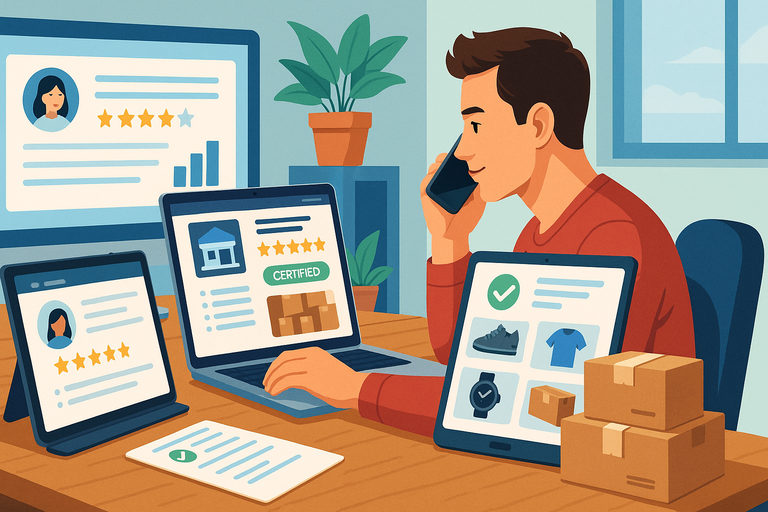
Once your niche is chosen, the next step to start a dropshipping business successfully is partnering with dependable suppliers.
A great supplier can make your store look professional; a bad one can destroy your reputation overnight.
Trust me, I’ve seen people lose loyal customers over inconsistent product quality or slow delivery times.
Research Trusted Platforms for Dropshipping Suppliers
There are several well-established platforms that connect store owners with verified suppliers. Each has its strengths, and the right choice depends on your niche and audience.
Some of my go-tos are:
- AliExpress: Good for beginners testing multiple product ideas quickly.
- CJ Dropshipping: Offers better logistics control, white labeling, and faster shipping times.
- Spocket: Focuses on US/EU-based suppliers, ideal for faster delivery to Western markets.
- SaleHoo: Curated supplier directory with pre-vetted businesses to reduce risk.
When exploring, look for suppliers with transparent policies, consistent stock levels, and responsive communication. I suggest reaching out directly to test how quickly they respond—speed often reflects reliability.
Evaluate Supplier Reputation and Product Quality
Never rely solely on a supplier’s profile page. Go deeper.
Look for:
- Product reviews and star ratings on the supplier’s platform.
- Response rates and how professionally they communicate.
- Order volume: A supplier handling thousands of orders monthly likely has stable systems in place.
A simple test I often run is ordering one item myself and monitoring:
- Shipping time.
- Packaging quality.
- Accuracy of the delivered product.
If it meets expectations, that supplier is worth shortlisting.
Test Product Samples Before Adding Them to Your Store
I can’t emphasize this enough—always order product samples before selling. It’s the only way to verify quality and ensure your product descriptions match reality.
When testing, check for:
- Product build and finish.
- Packaging design (does it look professional or cheap?).
- Delivery time from supplier to customer.
This small investment upfront saves you countless refund headaches later. It also gives you authentic photos and videos for your product listings, which builds customer trust faster than stock images ever will.
Build Long-Term Supplier Relationships for Better Pricing
Once you’ve found reliable suppliers, treat them like partners—not just vendors. Long-term collaboration leads to better pricing, exclusive deals, and priority during stock shortages.
Here’s how I nurture those relationships:
- Keep communication consistent, even when you’re not placing big orders.
- Be transparent about your plans and expected volume growth.
- Offer feedback respectfully; good suppliers appreciate it.
I’ve seen stores cut costs by 10–15% simply through loyal partnerships. Over time, your suppliers will prioritize your orders and even customize packaging to help strengthen your brand image.
Pro Tip: The suppliers you choose today shape your brand tomorrow. Reliability, communication, and consistency aren’t extras—they’re the foundation of every sustainable dropshipping business.
3. Set Up Your Online Store the Right Way
Once you’ve chosen your niche and found reliable suppliers, it’s time to bring your store to life. Setting up your online store isn’t just about getting it “live”—it’s about making it ready to sell.
A well-structured, professional-looking site gives customers confidence and helps you stand out in a crowded dropshipping market.
Select the Best E-Commerce Platform for Dropshipping
Choosing the right platform is the foundation of your entire business. The platform determines how you manage products, process payments, and handle automation.
Here’s what I suggest based on experience:
- Shopify: The most beginner-friendly option. You can integrate it directly with apps like DSers to import products and manage orders. Its drag-and-drop builder makes customizing simple—even without coding skills.
- WooCommerce: Perfect if you already have a WordPress site. It’s open-source, flexible, and integrates with plugins like AliDropship or Spocket for supplier management.
- BigCommerce or Wix: Ideal for slightly larger stores or those wanting built-in SEO and analytics tools.
If you’re starting out, I usually recommend Shopify because setup takes under an hour.
Simply go to Shopify.com → Start Free Trial → Add Products → Choose Theme → Connect Payment Gateway. It’s smooth, fast, and reliable.
Customize Store Design to Match Your Brand Identity
Your store design is the first impression customers get—it should feel intentional and trustworthy. Think of it as your digital storefront.
Start with a clean, mobile-responsive theme. Minimalist layouts often convert better because they reduce distractions. Focus on three core elements:
- Color palette: Choose colors that reflect your niche. For example, green tones for eco-products or neutral shades for home decor.
- Typography: Use simple, legible fonts. Fancy fonts might look appealing but often hurt readability.
- Imagery: Always use high-quality product photos or, better yet, your own samples.
I also suggest customizing your store header and footer—include contact info, a returns policy, and social media links. These small trust signals matter more than people realize.
Write Compelling Product Descriptions That Convert
Product descriptions are your silent salespeople. The goal isn’t just to describe—it’s to convince.
Here’s a simple structure I use for every description:
- Hook: Start with a problem or need. For example, “Tired of cluttered kitchen counters?”
- Feature: Explain what makes your product different.
- Benefit: Show how it improves the customer’s life.
- CTA (Call to Action): End with something direct like “Add to Cart Now.”
Keep sentences short, conversational, and honest. Avoid overpromising. You can also include quick-reference bullet points under each product for clarity:
- Material: 100% BPA-free silicone
- Shipping: Delivered in 7–10 days
- Returns: 30-day refund guarantee
This structure keeps your product pages clean and persuasive.
Optimize Store Navigation and Checkout for User Experience
Your store should feel effortless to browse. If customers struggle to find what they want, they’ll leave.
Start by keeping your main menu simple—limit it to Home, Shop, About, and Contact. Add dropdowns only if necessary (for categories like “Men,” “Women,” or “Accessories”).
For checkout optimization:
- Offer guest checkout so users don’t need to create accounts.
- Reduce form fields to essentials only (name, address, payment).
- Include a progress bar showing checkout steps—this keeps users engaged.
Lastly, make sure your store is mobile-friendly. According to Statista, over 70% of e-commerce traffic now comes from mobile devices. Test your checkout flow on your phone—if it feels clunky, fix it before you go live.
4. Market Your Dropshipping Store Effectively
Once your store is set up, the next challenge is driving traffic. Marketing is where your store either takes off or fades into the digital abyss.
You don’t need a massive budget—you need smart strategies and consistency.
Develop a Marketing Strategy That Fits Your Budget
Start small and scale up. I often suggest beginning with one paid channel and one organic channel to test traction.
- Paid example: Facebook or TikTok ads for quick exposure.
- Organic example: SEO blogging or Pinterest marketing for long-term results.
Map out a 3-month plan:
- Test low-budget ads ($5–$10/day).
- Track which creatives get the most engagement.
- Scale winning ads and stop low performers.
Even with limited funds, you can gather valuable data about your audience—who clicks, who buys, and which products resonate most.
Leverage Social Media Advertising for Product Discovery
Social media is where most dropshipping stores find their first customers. Platforms like TikTok, Instagram, and Facebook have highly targeted ad options.
For example, if you’re selling ergonomic office chairs, target users aged 25–45 who’ve shown interest in “remote work” or “home office setups.”
Practical tips:
- Keep videos short (under 15 seconds) and product-focused.
- Use lifestyle footage rather than static product images.
- Test different formats: carousel ads, story ads, or reels.
Remember: people don’t buy products; they buy solutions. Your ad should instantly answer “why do I need this?”
Use SEO and Content Marketing to Drive Organic Traffic
Paid ads get quick results, but SEO builds lasting visibility. Start by optimizing your product titles and meta descriptions with natural keywords.
For example: Instead of “Fitness Bottle 1L,” use “Leak-Proof Fitness Water Bottle for Gym Workouts.”
You can also drive organic traffic through:
- Blog posts: Write about related topics like “Best Home Workout Accessories.”
- Guides: Offer downloadable resources in exchange for emails.
- Internal links: Link product pages within your blogs to boost visibility.
It’s slower but powerful. I’ve seen stores grow to thousands of monthly visitors purely through consistent SEO efforts.
Build an Email List to Retain and Engage Customers
Your email list is your most reliable asset—it’s traffic you own. Once someone buys or subscribes, stay in touch.
Use tools like Omnisend or Mailerlite to automate campaigns. Segment your audience by behavior:
- New subscribers: Send a welcome discount.
- Recent buyers: Offer complementary product suggestions.
- Inactive users: Send reminders or limited-time offers.
Keep your emails personal and valuable, not spammy. A single well-timed email can bring back a customer who was just one click away from forgetting you.
5. Manage Operations and Scale Your Business
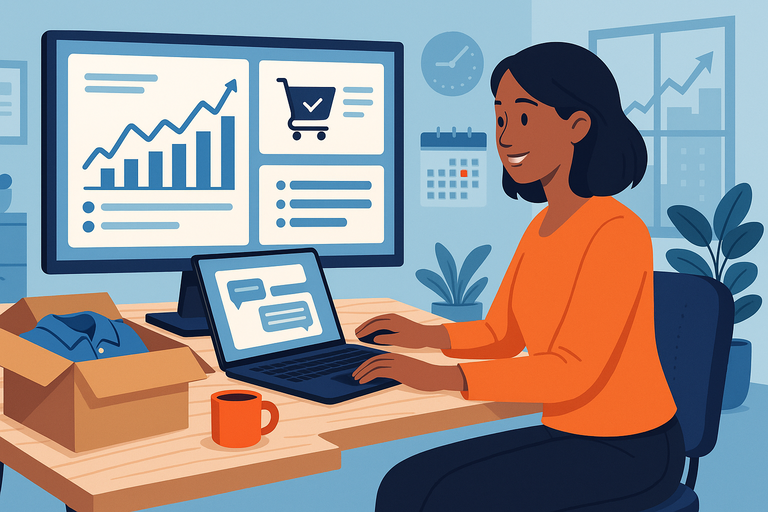
Once sales start coming in, your focus shifts from building to managing and growing. This stage is about efficiency—working smarter, not harder.
Track Performance Using Analytics and Key Metrics
Data tells the real story of your store. Without tracking, you’re guessing.
I recommend integrating:
- Google Analytics: For traffic and user behavior insights.
- Shopify Analytics or WooCommerce Reports: For conversion rates and average order values.
- Facebook Pixel or TikTok Pixel: To monitor ad performance and retargeting.
Pay special attention to metrics like:
- Conversion Rate (CR): Are visitors buying?
- Customer Acquisition Cost (CAC): How much do you spend to get one customer?
- Lifetime Value (LTV): How much profit does a customer generate over time?
Understanding these numbers helps you allocate budget intelligently and grow sustainably.
Automate Order Fulfillment and Customer Communication
Automation is what makes dropshipping scalable. Most e-commerce platforms let you connect fulfillment apps that sync with your suppliers.
For instance, using DSers with Shopify allows you to automatically push orders to suppliers, track status, and update customers. It saves hours each week.
You can also automate:
- Email confirmations and shipping updates.
- Abandoned cart reminders.
- Review requests after delivery.
I suggest automating only what’s repetitive. Keep the human touch where it matters—like customer support and brand storytelling.
Handle Returns and Customer Service Efficiently
Returns happen. How you manage them defines your reputation.
Create a clear, simple return policy—visible on every page footer. State time limits (e.g., 30 days) and who covers shipping. Use customer service tools like Zendesk or Gorgias to streamline communication.
Here’s what I’ve learned: Quick, empathetic responses can turn frustrated customers into loyal advocates. Even a small gesture—like a discount on their next order—goes a long way.
Expand Product Lines and Explore New Market Opportunities
Once your store runs smoothly, it’s time to grow. Scaling doesn’t mean adding random products; it means building depth in your niche.
Ideas to scale include:
- Adding complementary products (if you sell yoga mats, try yoga blocks or straps).
- Exploring new regions by adjusting ad targeting and language.
- Testing subscription models or bundles for recurring revenue.
I advise taking expansion step-by-step. Measure impact, keep what works, and drop what doesn’t. Sustainable scaling comes from data-backed decisions, not guesswork.

I’m Juxhin, the voice behind The Justifiable.
I’ve spent 6+ years building blogs, managing affiliate campaigns, and testing the messy world of online business. Here, I cut the fluff and share the strategies that actually move the needle — so you can build income that’s sustainable, not speculative.
Related posts:
 Advantages of a Dropshipping Company: Genuine Business Knowledge
 How To Start A Dropshipping Business With No Money
 How to Start Dropshipping for Free and Still Make a Profit
 Get Your Alidropship Custom Store Done Right Today!
 Affiliate Advertising vs. Dropshipping: Which One Wins?
 The Best Way to Dropship Without Wasting Money