
Table of Contents
Some links on The Justifiable are affiliate links, meaning we may earn a small commission at no extra cost to you. Read full disclaimer.
Writing gigs can feel overwhelming when you’re just starting out, especially when you’re trying to land the kind of work that actually pays.
I’ve been there myself, staring at job boards wondering which gigs are real and which ones can help earn that first $1K.
Which beginner-friendly opportunities are worth your effort? This guide breaks down nine practical paths you can start today.
1. Proven Writing Gigs To Start Earning Your First $1K Now
Starting with writing gigs that pay reliably helps you build momentum and confidence.
I’ll walk you through the practical steps that helped me (and many beginners I’ve coached) land early paid work fast.
Clear Steps For Getting Started With Blog Writing
Getting your footing in blog writing usually feels less intimidating than other writing gigs, mostly because clients care more about clarity than fancy language.
I always suggest beginning with topics you already understand, since confidence shows in your writing.
Blog writing becomes easier when you break it down into a predictable workflow.
Here’s how I explain it when helping new writers:
- Pick Simple Topics First: Choose subjects you already know. If you use Trello, Notion, or Canva every day, write about those. Clients love writers who can explain tools clearly.
- Follow Readable Structures: A clean outline with H2s, H3s, and short paragraphs works across all niches. It helps editors trust that you understand formatting.
- Use Tools That Make Writing Faster: I often recommend Grammarly for clarity and Hemingway Editor for readability. Both give you objective feedback without needing another human.
A beginner-friendly approach is studying published posts from sites like HubSpot or Zapier.
Notice how they guide readers, use examples, and remove fluff. When you mimic that rhythm, clients quickly see you as someone who “gets it.”
How To Pitch Topics Editors Actually Want To Publish
Editors aren’t looking for perfect writers — they’re looking for writers who understand audience needs.
I believe the biggest shift happens when you stop pitching what you want to write and start pitching what solves a reader problem.
A simple pitching formula I often share with beginners looks like this:
- Target a Clear Problem: For example: “How can small Etsy sellers increase repeat customers?”
- Add a Unique Angle: This might be: “Using automated thank-you sequences with free tools like MailerLite.”
- Show Brief Expertise: One sentence explaining how you learned it — even if it’s personal experience or experimentation.
If you’re pitching through platforms like Contently or working directly from submission guidelines, look for these cues: what content already exists, what’s missing, and what topics perform well.
Google Trends help you validate whether real users care about your topic.
Ways To Create A Portfolio That Attracts Paid Blog Work
You don’t need published articles to start earning. I’ve seen many beginners earn their first $1K using three to five well-structured samples.
You can build your early portfolio this way:
- Create Samples On Your Own Website: A simple WordPress or Wix site works. The goal is clarity, not perfection.
- Cover Different Styles: One how-to article, one product comparison, and one opinion piece show range.
- Use Real Tools In Examples: Mentioning Google Analytics paths like Reports > Engagement > Pages helps demonstrate practical knowledge.
If you don’t want to build a website yet, publish samples on Medium. Clients care about the writing — not the platform. With three solid samples, you’ll already look more professional than half of applicants on freelance job boards.
2. Effective Copywriting Gigs That New Writers Can Land Fast
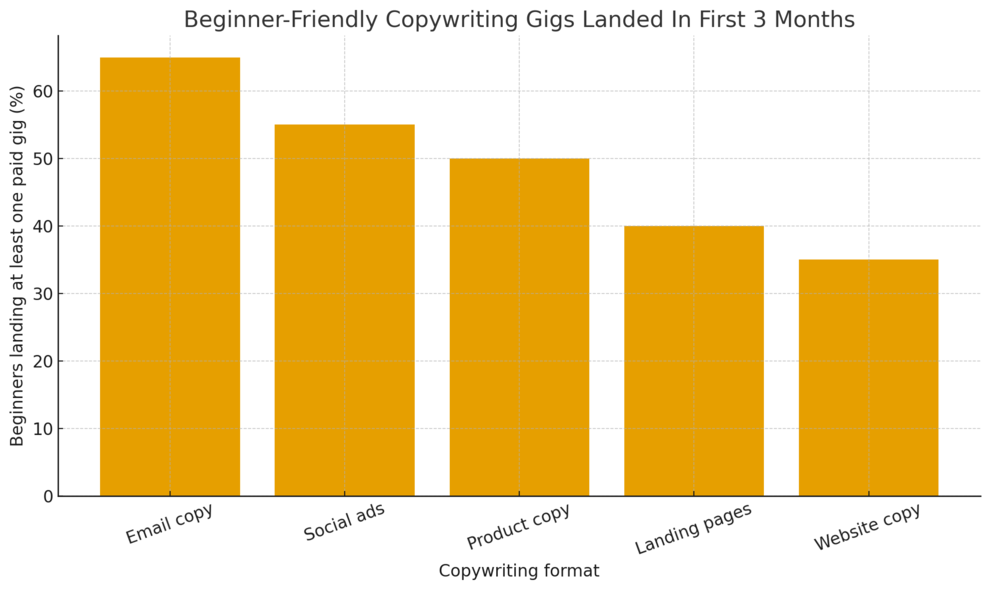
Copywriting gigs pay well because clients care about results. Even beginners can land early work once they understand how persuasion works in short-form writing.
Simple Methods For Learning The Basics Of Persuasive Copy
Copywriting isn’t about sounding clever; it’s about guiding someone toward an action.
I usually recommend starting with foundational methods like the AIDA model (Attention, Interest, Desire, Action), because it trains you to think step by step.
A few beginner-friendly learning methods:
- Study Real Landing Pages: Look at how Shopify structures product pages: headline, benefit, proof, CTA. Reverse-engineering teaches you more than any course.
- Practice Rewriting Ads: Take an Instagram ad and rewrite it three different ways. You’ll train your persuasion muscles fast.
- Pay Attention To Everyday Copy: Emails from Duolingo or Canva are masterclasses in tone and clarity.
From what I’ve seen, early success comes from noticing “why this works” more than “how do I sound like a copywriter.”
How To Craft Copy Samples That Clients Will Pay Attention To
Clients want proof you can persuade. You can show that without ever having real client work.
Here’s how I suggest creating samples that stand out:
- Pick A Fake Product: Write a homepage section or ad for something like a productivity app or coffee brand.
- Include A Before/After Example: For instance, rewrite a bland headline into something sharper.
- Explain Your Thinking: One paragraph summarizing why you structured the copy the way you did sets you apart instantly.
A sample could look like this:
- Original: “Our app helps you save time.”
- Improved: “Get back two hours a day with one simple productivity dashboard.”
Clients love writers who can show clear thinking like this.
Approaches For Finding Early Copywriting Clients Online
When you’re new, the goal is to get small wins quickly so your confidence grows. I often recommend starting with light, low-pressure platforms where businesses need fast help.
A few reliable places:
- Fiverr: Great for short landing page copy, email copy, and product copy. Starting small teaches you what clients value.
- Upwork: Use a clean profile headline like: “Copywriter who writes clear, simple, conversion-ready copy.”
- Facebook Groups: Many small business owners post copy needs openly. Responding with a brief, thoughtful message works surprisingly well.
Your first three to five projects will teach you more than any course — and they move you much closer to earning your first $1K.
3. High-Demand Email Writing Gigs That Pay Beginners Quickly
Email writing gigs are ideal for beginners because businesses always need emails — everything from welcome sequences to simple promotions.
If you learn the rhythm of email copy, you’ll often get ongoing work from the same clients.
Structuring Short Emails That Convert Without Sounding Salesy
Short emails work best when they feel personal. I always encourage beginners to write emails the way they’d speak to one real person, because it removes stiffness immediately.
A simple structure you can follow:
- Start With A Hook: A relatable sentence like “You ever open your laptop and forget why you sat down?”
- Add A Clear Point: Keep it to one idea — clutter kills conversions.
- Offer A Helpful Outcome: Show what the reader gains.
- Use A Soft CTA: Something like: “If you want to try it, here’s the link.”
Brands like Notion, Slack, and Miro use this tone in their onboarding emails. Study those to learn rhythm and brevity.
How To Build A Small Email Portfolio Using Realistic Samples
Your email portfolio can be built with three or four fictional emails that look real enough to impress clients.
I like to suggest the following sample set:
- Welcome Email: Introduces a fictional brand and sets expectations.
- Promo Email: A clean example selling a product without pressure.
- Newsletter Email: Shares value, not sales.
- Cart Abandonment Email: A simple reminder email with a friendly tone.
Write these using a realistic brand name and product. Include micro-examples (like a UI step: Dashboard > Campaigns > Create Email) to show you understand real marketing tools.
Places To Find Email Writing Work Even With No Experience
Email writing gigs are easier to land than people expect.
A few places I usually recommend:
- Cold Emailing Local Businesses: Small shops often want better communication but don’t know where to start.
- Freelance Marketplaces: Look for listings that say things like “write simple welcome emails” or “need help with newsletters.”
- Email Marketing Tools Job Boards: Platforms like Aweber, Moosend, and Omnisend have community boards full of beginner-friendly work.
Mixing these three sources usually gives beginners enough momentum to hit that first $1K much sooner than they imagine.
4. Entry-Level SEO Writing Gigs For Ranking-Focused Clients
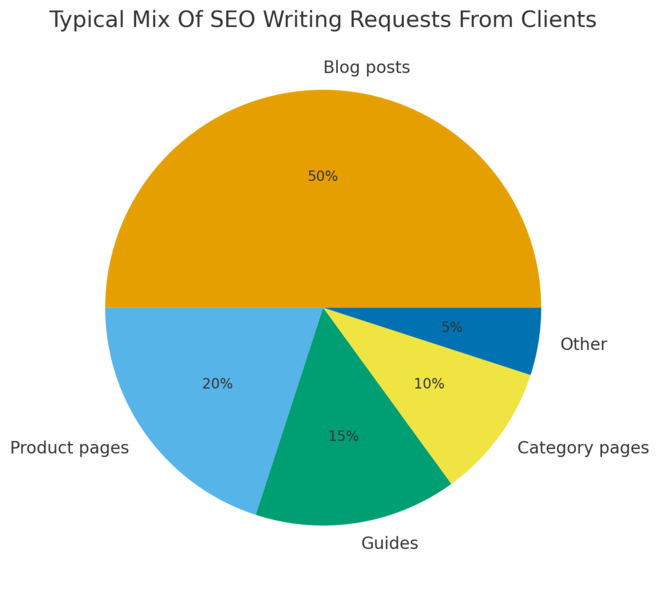
SEO writing gigs are perfect when you want predictable work and clients who care less about fancy wording and more about clarity.
I’ve seen a lot of beginners grow quickly here because the expectations are straightforward once you understand how search intent works.
How To Understand Search Intent Without Technical Knowledge
I believe the simplest way to learn search intent is to study what already ranks on Google. You don’t need complex SEO tools when the search engine shows you its preferences upfront.
Start with this quick approach:
- Look at the top 3 results: Search your topic and ask yourself: “What is the reader trying to accomplish?”
- Check page structure: Notice whether ranking pages use how-to steps, comparison tables, or definitions.
- Pay attention to tone: Is the content conversational, data-heavy, or short and skimmable?
When I teach beginners, I always show them this simple workflow: Google your keyword, scan headlines, and write down the patterns that repeat. For example, searching “best project management tools” reveals that readers want comparisons, pricing, and pros/cons. That’s search intent in action.
Using tools like Google’s People Also Ask box gives you secondary angles instantly. It’s free and often more than enough to craft a solid SEO article.
Ways To Write SEO Content That Feels Natural And Helpful
A lot of beginners worry that SEO writing means stuffing keywords everywhere. Clients don’t want that anymore.
They want writing that reads like a human first and satisfies SEO requirements second.
I usually suggest a simple method:
- Use the primary keyword in the intro naturally: One mention is enough.
- Add semantic variations: Include related terms like “search optimization,” “organic traffic,” or “keyword relevance” where they naturally fit.
- Follow a clean structure: Short paragraphs, clear H2s, and scannable bullet points help both SEO and readers.
One trick I share is writing the article first in a natural voice, then scanning it with a tool like Clearscope or Surfer SEO.
These tools highlight topical gaps without forcing awkward keyword stuffing. You’ll learn SEO much faster through writing 10 articles than watching 10 tutorials.
Smart Strategies For Finding SEO Writing Jobs On Trusted Sites
SEO writers are in demand because businesses publish content constantly. If you’re new, a few platforms make it simple to find legitimate work.
Here are the ones I’ve seen work best:
- Upwork: Search for terms like “SEO content writer” or “blog writer for ranking content.”
- ProBlogger Jobs: Many clients here focus on long-term SEO content.
- Content marketplaces: Sites like ClearVoice and Scripted pair writers with ranking-focused clients.
A helpful approach is creating one strong SEO sample and uploading it to your profiles.
Something like “How To Improve Website Speed In 2025 (Without Hiring A Developer)” works wonderfully because it shows clarity, technical understanding, and keyword awareness without going too deep.
5. Social Media Writing Gigs New Writers Can Start Instantly
Social media writing gigs are great when you want bite-sized assignments and work that feels creative.
Many clients don’t need long posts — they want clean captions, short scripts, or simple weekly content.
Crafting Posts That Match A Brand’s Tone And Goals
Understanding tone is the skill that gets beginners hired fast. I suggest reading the brand’s last 15 posts before writing anything. You’ll pick up their voice patterns instantly.
A simple tone-matching method I share:
- Identify the mood: Playful? Corporate? Helpful?
- Find repeated language: Words or phrases the brand uses often.
- Match their CTA style: Some brands use “Learn more,” others use “Let’s dive in.”
For example, Notion uses calm, minimal language. Nike uses forward-driving, powerful verbs. If your writing echoes the brand’s rhythm, clients feel you “get” them without needing revisions.
How To Create A Simple Content Calendar To Impress Clients
A content calendar doesn’t need to be complicated. I’ve shown beginners how to build one in Google Sheets that impresses clients more than expensive tools.
A simple calendar structure could be:
- Column 1: Date
- Column 2: Platform
- Column 3: Post copy
- Column 4: Asset (image/video)
- Column 5: CTA
You can even color-code posts for themes like education, engagement, promotion, or storytelling. When you share this with clients, they instantly see you as someone organized and proactive.
If you want to get fancy, use Notion’s template gallery. Try Database > Table > Calendar View to switch between formats. Clients love the visuals.
Techniques For Landing Social Media Writing Work On Freelance Platforms
Finding social media gigs becomes easier when you narrow your niche. I often suggest starting with one platform you understand deeply — Instagram, TikTok, or LinkedIn.
A few practical ways to land early work:
- Show a “mini portfolio” of 10–15 posts: These can be fictional but must look real.
- Target small businesses: Local cafés, gyms, and online coaches often need help.
- Respond quickly: Social media is fast-paced, so clients love writers who reply within a few hours.
Platforms like Fiverr and Upwork work well for beginners.
On Fiverr, categories like “Social Media Content Writing” or “Short Form Content” are easy starting points. Clients often request small batches of captions, which is perfect for building your portfolio and confidence.
6. Engaging Product Description Gigs Ideal For Fast Payments
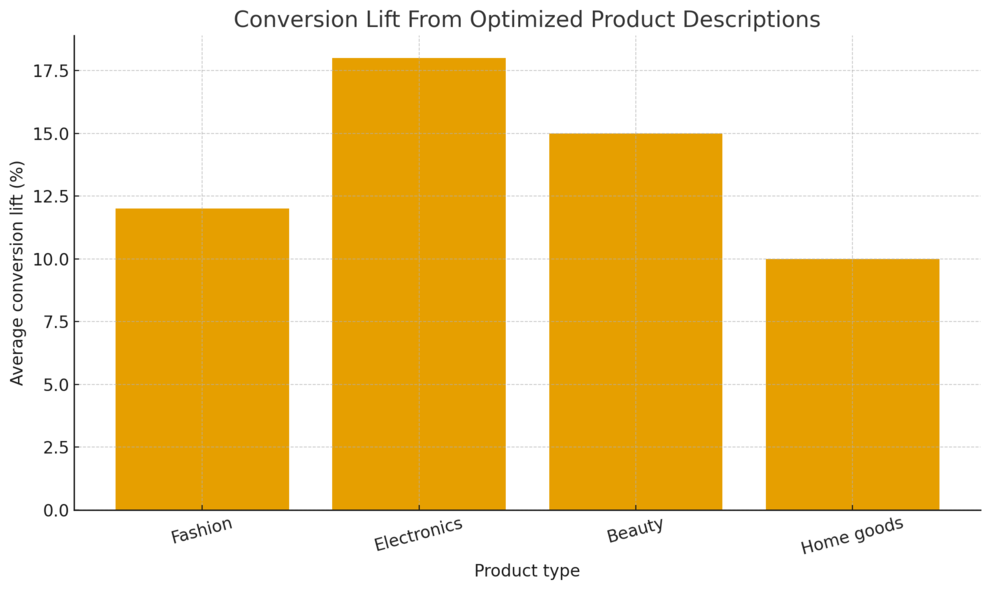
Product description writing gigs are underrated. I’ve watched beginners earn their first $1K quickly because businesses constantly upload new items and want compelling copy.
Understanding Customer Intent When Writing Descriptions
When someone reads a product description, they either want to solve a problem or imagine a better version of themselves. I often tell writers to ask: “What is the buyer worried about or hoping for?”
A simple customer-intent approach:
- Functional intent: “Does this solve my issue?”
- Emotional intent: “Does this make my life easier or better?”
- Comparative intent: “Is this better than similar options?”
Looking at Amazon listings helps because customer Q&A sections reveal what buyers really care about. I always mine that section for insights before writing.
Practical Ways To Showcase Benefits Without Overhyping
Many beginners fall into the trap of listing features without explaining why they matter. I suggest using the “feature → benefit → outcome” framework because it keeps you grounded.
For example:
- Feature: “Made from insulated stainless steel.”
- Benefit: “Keeps drinks hot for 12 hours.”
- Outcome: “You’ll enjoy warm coffee even during long commuting days.”
Small outcome-driven sentences help your writing feel more human. Clients want descriptions that reassure buyers rather than overwhelm them.
You can also include micro visual language that paints a picture, like “fits easily into small bags” or “stays comfortable during long walks.” These details turn simple descriptions into persuasive ones.
Where Beginners Can Find Product Description Writing Roles
I’ve seen beginners land product description gigs quickly on ecommerce-heavy platforms.
A few reliable sources are:
- Fiverr: Categories like “Product Description Writing” attract steady demand.
- Etsy Shop Owners: Many want polished descriptions but don’t have the time.
- Shopify merchants: You can find them in groups searching for help creating consistent product copy.
Another overlooked approach is reaching out directly to small ecommerce stores. Many have hundreds of products but only basic descriptions. Showing a before-and-after sample often wins them over.
7. Beginner-Friendly Newsletter Writing Gigs With Steady Demand
Newsletter writing gigs are growing fast because brands want direct access to their audience.
I’ve seen beginners get recurring work here since newsletters usually run weekly or monthly.
How To Create Newsletter Frameworks Clients Can Easily Approve
A newsletter framework is a simple structure clients can visualize before you even start writing. I recommend building a reusable layout so clients feel confident approving your approach.
A clear framework I often suggest:
- Hook: A short, engaging opener that feels like a personal note.
- Main Insight: One key idea, tip, or update.
- Story Or Example: A quick anecdote or scenario to humanize the message.
- CTA: The next step the reader should take, even if it’s just reading another article.
Most email tools make it easy to save this as a template. For example, in MailerLite you can go to Campaigns > Create > Drag & Drop Editor and save your structure as a reusable block.
Sharing this template with a client usually gets instant approval because it removes guesswork and shows you’re organized.
Using frameworks also helps you write faster. When everything has a place, you focus on clarity instead of formatting.
Approaches To Making Content Feel Personalized And Valuable
Readers unsubscribe when newsletters feel generic. I believe personalization comes from writing as if you’re speaking to one person with one challenge.
A few simple personalization tactics:
- Use micro-stories: A one-sentence anecdote about your morning coffee or a client call makes the content human.
- Call out relatable struggles: For example, “You ever save an article and never read it again?”
- Keep paragraphs short: Newsletters are read on phones, so readability equals retention.
If you use tools like ConvertKit, you can personalize even more with conditional content. The UI path looks like this: Email > Create Broadcast > Personalization > Add Conditional Block. Even adding a simple “Hey, since you downloaded our guide…” makes the reader feel noticed.
I suggest inserting tiny bits of humor or honesty when appropriate. Those small touches build trust and increase replies, which clients appreciate because engagement boosts email reputation.
Sources For Consistent Newsletter Writing Opportunities
Newsletter writing gigs show up in more places than people expect. I’ve seen beginners get steady monthly clients from a few underrated sources.
Places worth checking:
- LinkedIn job posts: Search for “newsletter writer” or “email content writer.” Many startups hire here.
- Email tool communities: MailerLite and ConvertKit have active groups where creators ask for help.
- Creator platforms: Coaches and consultants on Kajabi, ThriveCart, and Podia often request newsletter support.
An easy approach is messaging creators who already publish newsletters but have inconsistent schedules. Offering a simple “weekly done-for-you email service” is a strong pitch because it solves their biggest problem: consistency.
8. Script Writing Gigs For Short Videos And Online Creators

Script writing gigs have exploded thanks to TikTok, YouTube Shorts, and Reels. I’ve watched beginners get work quickly because creators value clarity and speed over perfect grammar.
Breaking Down A Simple Script Structure That Works Everywhere
A universal script structure helps you write quickly for any creator or format. I suggest a simple three-part method because it keeps videos engaging from the start.
The structure I teach beginners:
- Hook (1–2 seconds): Something that grabs attention instantly.
- Value (5–20 seconds): The tip, story, or explanation.
- CTA (1–3 seconds): What the viewer should do next.
For example, a cooking creator could open with: “Here’s the fastest way to chop onions without tearing up.” Then move into the technique, ending with “Try this tonight.”
If you want to work with creators using tools like CapCut or Descript, showing you understand simple editing beats helps. You can reference sections like Descript > Scenes > Add Scene to suggest when to switch visual angles.
This structure works across niches: finance, fitness, beauty, tech, or education.
How To Match A Creator’s Voice When Writing Scripts
Every creator has a rhythm. I often advise beginners to study at least 10–15 of a creator’s recent videos before writing anything because tone differences stand out immediately.
A voice-matching process that helps a lot:
- Identify their pacing: Fast and punchy or slow and detailed.
- Notice repeated phrases: Many creators use signature lines.
- Study transitions: Some jump-cut between ideas, others flow narratively.
If the creator uses humor, add one or two light moments. If they rely on authority, keep the script fact-driven. Many clients tell me that writers who study their voice save them hours of editing later.
I suggest writing two versions of a script: one with full sentences and one with bullet-style beats. Creators appreciate having flexibility during filming.
Methods For Finding Script Writing Work In Creator Communities
Script writing gigs hide in plain sight. Creators rarely advertise—they ask in communities when overwhelmed.
Strong places to find work:
- Facebook groups for creators: Search “YouTube creators,” “TikTok editors,” or “short-form video creators.”
- Discord communities: Many creators gather here for collaboration.
- Portfolio platforms: Sites like Contra allow you to list “short-form script writing” as a service.
A trick I often use is offering a free sample based on one of the creator’s recent videos. Write an improved version of a script and send it privately. Many beginners land clients this way because creators immediately see the value.
9. Website Content Writing Gigs That Pay Beginners Well
Website content writing gigs are perfect when you want structured, higher-paying work. Most businesses need help refreshing their homepage, About page, or services pages.
Steps For Writing Strong Homepage And About Page Content
Homepage and About page writing is all about clarity and empathy. I believe beginners succeed here by focusing on what the visitor needs to understand quickly.
A solid homepage layout I use often:
- Headline: A clear promise of what the business offers.
- Subheadline: A short line adding context.
- Benefits: Three quick reasons the visitor should trust the brand.
- CTA: One primary action.
For example, a fitness coach’s homepage might open with “Personal training that fits your schedule.” Then follow with benefits like accountability, customized workouts, and flexible session times.
About pages work differently. They’re more personal. I suggest including a short founder story, a mission statement, and a unique viewpoint. People connect with authenticity, not polished corporate language.
How To Build A Mini Portfolio With Fake Or Volunteer Projects
You don’t need paid experience to create a website content portfolio. I often encourage beginners to create mock projects because they look nearly identical to real client work.
A simple portfolio-building method:
- Write a homepage and About page for a fictional brand.
- Redesign copy for a real business that has unclear messaging.
- Include before-and-after examples to show improvement.
If you want to make samples more realistic, use site builders. For example, create a mock layout in Wix: Dashboard > Create New Site > Add Section > Text. Screenshot the page and add it to your portfolio.
Clients love seeing content in context because it helps them imagine what their own website could look like.
Where To Locate Website Content Clients Seeking New Writers
Website copy needs refreshes regularly, which means steady opportunity. Beginners often find work here faster than they expect.
Effective places to look:
- Freelance marketplaces: Upwork and PeoplePerHour have many “homepage rewrite” jobs.
- Marketing agencies: Smaller agencies often outsource website content.
- LinkedIn: Search for posts mentioning “website redesign,” “brand refresh,” or “new website launch.”
I suggest reaching out directly to small businesses with outdated websites. Sending a short message highlighting one improvement (like rewriting their headline or simplifying their service description) earns attention quickly.

I’m Juxhin, the voice behind The Justifiable.
I’ve spent 6+ years building blogs, managing affiliate campaigns, and testing the messy world of online business. Here, I cut the fluff and share the strategies that actually move the needle — so you can build income that’s sustainable, not speculative.
Related posts:
 Freelance Content Writer Rates What You Should Budget For
 Freelance Writing Gigs: How to Find Work That Actually Pays
 Contract Writer: How to Land Steady Writing Work Online
 Freelance Writing Sites With Real Work And No Gatekeeping
 How to Use QuillBot Paraphrasing Tool Effectively
 Is Paraphrase Quillbot Accurate? Real User Results Revealed