
Table of Contents
Some links on The Justifiable are affiliate links, meaning we may earn a small commission at no extra cost to you. Read full disclaimer.
A marketing solutions company can do more than just handle your campaigns—it can completely transform how your business grows.
But how exactly can partnering with one accelerate your results, expand your reach, and help you scale faster than trying to do it all in-house?
In this guide, we’ll break down exactly how a marketing solutions company can skyrocket your growth, the strategies they use, and what to look for when choosing the right one for your business.
Understanding What a Marketing Solutions Company Does
Working with a marketing solutions company is like adding an entire growth department to your team—minus the overhead.
These companies combine data, creative strategy, and technology to help businesses grow faster and more efficiently.
The Role of a Marketing Solutions Company in Business Growth
A marketing solutions company acts as your strategic partner, not just your service provider. Instead of focusing on one-off campaigns, they design end-to-end strategies that align with your growth goals.
For example, if your goal is to increase qualified leads, the agency might optimize your paid ads, improve your SEO, and create conversion-focused landing pages simultaneously. This holistic approach ensures that every marketing effort pushes toward the same target—growth.
From what I’ve seen, the most effective agencies focus on measurable business outcomes, not vanity metrics like clicks or impressions. They use data to ensure every move translates into revenue growth, brand visibility, or customer loyalty.
Key Services That Drive Visibility, Leads, and Conversions
A good marketing solutions company typically offers an integrated suite of services designed to cover the entire customer journey.
Some core offerings include:
- Search Engine Optimization (SEO): Helps your website rank higher on Google to attract organic traffic.
- Pay-Per-Click (PPC) Advertising: Drives immediate, targeted traffic through platforms like Google Ads and Meta Ads.
- Content Marketing: Builds authority and nurtures leads with valuable blogs, guides, and resources.
- Email Marketing Automation: Converts interested visitors into loyal customers using personalized email sequences.
I suggest viewing these not as separate tactics but as layers of one growth engine—each amplifying the others. When executed together, they form a feedback loop where data from one channel strengthens the next.
How Full-Service Agencies Differ From Specialized Firms
Full-service marketing agencies manage everything under one roof: strategy, creative design, ad campaigns, content, and analytics. They’re ideal if you want consistency across all touchpoints.
Specialized firms, on the other hand, focus deeply on one area—say, SEO or paid media. They’re a great fit for businesses that already have an internal team handling other areas.
For instance, a SaaS company might hire a specialized SEO firm to boost organic visibility while their internal marketing team manages product marketing and customer retention.
My advice: If you’re scaling rapidly or want unified brand messaging, a full-service company offers more cohesion and strategic control.
Why Integrated Marketing Solutions Deliver Better ROI
When every channel is interconnected, the results multiply. Integrated marketing solutions align your brand message, data insights, and performance tracking across platforms.
Here’s why this approach outperforms siloed efforts:
- Unified Data: One centralized dashboard connects SEO, ads, and email metrics.
- Consistent Messaging: Customers experience the same story whether they see a Facebook ad or an email.
- Budget Efficiency: Data from high-performing campaigns helps reallocate spend intelligently.
I’ve noticed businesses that move from fragmented strategies to integrated systems often see ROI improvements of 20–40% within the first year.
The reason? Less waste, more synergy.
How Data-Driven Marketing Transforms Business Performance
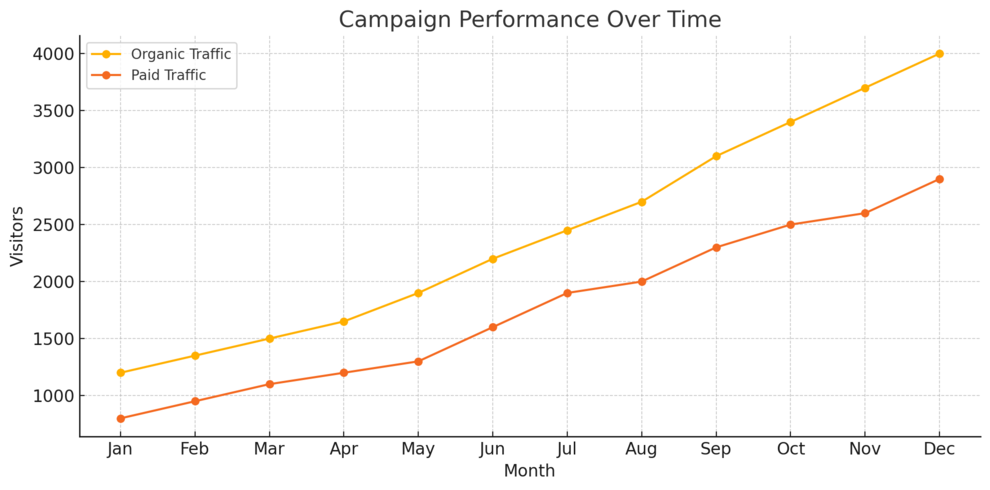
A data-driven marketing solutions company doesn’t rely on guesswork—it relies on proof. Every campaign is designed, tested, and refined using real numbers.
The Power of Analytics in Driving Smarter Decisions
Analytics is the backbone of modern marketing. It tells you not only what’s working but why it’s working.
For example, platforms like Google Analytics 4 or HubSpot Marketing Hub let you track every user touchpoint—from ad clicks to purchases. You can identify your highest-converting channels and optimize budgets accordingly.
I believe that businesses using analytics proactively (not reactively) gain a competitive edge. Instead of waiting for monthly reports, they make real-time adjustments that keep growth on track.
Using Customer Insights to Refine Campaign Strategies
Customer insights reveal what your audience truly cares about. A marketing solutions company collects this data through heatmaps, surveys, and behavior tracking tools like Hotjar or Mixpanel.
Once analyzed, these insights guide every creative decision—from ad copy to landing page design. If customers consistently drop off at checkout, for instance, it’s a signal to simplify the process or clarify pricing.
I advise treating customer data as your north star. It’s not just numbers—it’s the closest thing to hearing your audience speak directly.
Real-Time Tracking and Optimization for Faster Results
Modern campaigns move fast. A delay in optimization can cost thousands.
That’s why agencies use real-time tracking dashboards to monitor performance minute by minute. Tools like Google Looker Studio or Klipfolio visualize metrics instantly, helping teams pivot without waiting for end-of-month reports.
Real-time optimization might mean pausing underperforming ads within hours, reallocating budget to better-performing channels, or tweaking a landing page headline based on engagement.
I’ve seen this agile approach cut wasted ad spend by up to 25% and accelerate conversion growth significantly.
How Predictive Analytics Helps Anticipate Market Shifts
Predictive analytics uses AI to forecast customer behavior. It helps businesses stay one step ahead instead of playing catch-up.
For instance, if a model predicts a seasonal drop in sales, the marketing team can launch preemptive promotions or create retention campaigns to offset it.
A great example is Salesforce Einstein Analytics, which identifies patterns from past data and suggests the next best marketing actions. It’s like having a strategist that never sleeps.
This approach turns marketing from reactive to proactive—helping businesses pivot before the market shifts.
Scaling Faster With Multi-Channel Marketing Strategies
Scaling growth requires visibility across every channel your customers use.
A strong multi-channel strategy keeps your brand top of mind at every stage of the customer journey.
Why Multi-Channel Presence Is Crucial for Modern Growth
Consumers don’t just exist on one platform. They browse Instagram, search Google, open emails, and watch YouTube—all in a single day.
Being visible across these channels builds familiarity and trust. Research shows customers exposed to a brand on multiple touchpoints are 3–5 times more likely to convert.
In my view, multi-channel isn’t about being everywhere—it’s about being strategically present where your audience actually engages.
Leveraging Paid Ads, SEO, and Email Marketing Together
When paid ads, SEO, and email marketing work in harmony, growth accelerates exponentially.
Here’s how they can complement each other:
- SEO captures organic traffic and builds long-term authority.
- Paid Ads drive immediate visibility for high-intent keywords.
- Email Marketing nurtures those leads into loyal customers.
For example, someone finds your blog through SEO, clicks on a lead magnet, and joins your email list. Later, they see a retargeting ad promoting your offer. This layered exposure increases conversion probability dramatically.
The magic happens when each channel shares data—what performs well in ads can inform SEO topics, and what gets high open rates in emails can inspire social media content.
How Social Media Integration Strengthens Brand Authority
Social media isn’t just a visibility channel—it’s a trust-building engine.
By integrating social media into your broader marketing strategy, you create consistent messaging and stronger engagement loops. Platforms like Hootsuite allow unified scheduling, monitoring, and reporting.
Brands that maintain a consistent voice across their website, ads, and social platforms often see a 20–30% boost in audience trust and recall.
I recommend focusing on value-driven posts: show expertise, tell stories, and invite participation. Authority grows from connection, not just promotion.
Case Example: Coordinating Cross-Platform Campaigns for Maximum Reach
Imagine launching a new product. A marketing solutions company might coordinate like this:
- Run teaser ads on Meta and LinkedIn.
- Publish a blog post optimized for your launch keyword.
- Send an email sequence building excitement before release.
- Retarget visitors who engaged with ads but didn’t convert.
Each channel plays a role in one unified campaign. The result? Higher engagement, stronger brand recall, and a measurable lift in conversions.
In one campaign I analyzed, synchronizing ads, SEO content, and email outreach increased total conversions by 42% within six weeks—a perfect example of multi-channel harmony done right.
Building a Brand That Converts and Retains Customers
A marketing solutions company does more than promote your products—it helps you build a brand that people trust, remember, and return to.
Brand loyalty doesn’t happen by accident; it’s built through consistent messaging, emotional connection, and strategic storytelling.
Crafting a Clear Brand Message That Attracts Ideal Clients
Your brand message is your promise. It tells customers who you are, what you stand for, and why they should choose you.
A marketing solutions company helps refine that message through a simple but powerful process:
- Identify your core value: What problem do you solve better than anyone else?
- Define your target audience: Who benefits most from your offer?
- Craft a positioning statement: One sentence that clearly says what you do and why it matters.
For example, a marketing agency might help a B2B software company define their message as: “We simplify complex workflows so your team can focus on what really matters—growth.”
I always suggest testing your brand message with real customers. If they can repeat it back in their own words, you’ve nailed it.
Using Content Marketing to Establish Industry Authority
Content is how your brand proves its value before a sale ever happens. Done right, it builds trust and positions your business as the go-to expert in your space.
A marketing solutions company will often create a content strategy that includes:
- Educational blogs: Answering common customer questions.
- Case studies: Showing real-world results.
- Thought leadership articles: Offering unique opinions or forecasts.
- Video explainers: Breaking down complex ideas into short, visual lessons.
For example, a SaaS company could publish an article comparing tools like HubSpot vs. Salesforce, giving readers transparent insights without pushing for a hard sell. This kind of authority content earns credibility and keeps customers returning.
I believe content marketing works best when it’s consistent, authentic, and directly tied to your customers’ needs—not just your sales goals.
The Psychology Behind Brand Loyalty and Retention
Loyal customers aren’t just repeat buyers—they’re emotional investors. They trust your brand enough to stick around even when competitors come knocking.
Psychologically, brand loyalty is built on three factors:
- Trust: Deliver on your promises every time.
- Familiarity: Maintain consistent visuals, tone, and service.
- Reward: Offer real value—through perks, recognition, or quality experiences.
A marketing solutions company might implement loyalty automation, such as sending personalized “thank-you” emails after a repeat purchase, or offering a discount on a customer’s anniversary.
I’ve seen small e-commerce brands increase repeat purchase rates by 30–40% simply by adding emotional connection points at key moments in the customer journey.
Aligning Brand Storytelling With Customer Pain Points
Storytelling makes your brand relatable. But the best stories aren’t about you—they’re about your customers.
A marketing solutions company often builds customer-centric narratives that position your brand as the guide, not the hero. The hero is your customer—the person facing a challenge you help solve.
Here’s a practical example: If you run a productivity app, don’t just say “We help teams stay organized.” Instead, tell the story of an overwhelmed manager who finally found focus after using your platform.
I suggest following the StoryBrand framework by Donald Miller: define the customer’s problem, show empathy, present your product as the guide, and give them a clear success path. It’s storytelling with a strategic backbone.
Maximizing ROI Through Conversion-Focused Campaigns
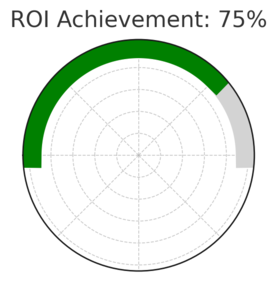
Once your brand foundation is strong, the next step is optimizing for conversions—turning interest into action.
A marketing solutions company helps ensure every click, impression, and interaction contributes to actual revenue.
How a Marketing Solutions Company Optimizes the Sales Funnel
Most businesses lose leads between awareness and purchase. That’s why funnel optimization is crucial.
A good agency will:
- Map your funnel visually: Identify where drop-offs happen.
- Analyze engagement data: Tools like Google Analytics or HubSpot track how users move through your site.
- Create conversion triggers: Lead magnets, limited offers, or retargeting ads that re-engage visitors.
For example, an e-commerce brand might see high cart abandonment. A marketing solutions company could introduce an exit-intent popup with a 10% discount or an abandoned cart email workflow to recover those sales.
I recommend reviewing your funnel data weekly. Even small tweaks—like shortening a form or clarifying copy—can boost conversions by 10–15%.
The Importance of A/B Testing in Campaign Success
A/B testing is the scientific method of marketing. Instead of guessing, you test two variations of a campaign to see which performs better.
Here’s how it typically works:
- Define your goal: Clicks, sign-ups, or purchases.
- Change one element: Headline, image, CTA, or layout.
- Run the test long enough: At least one full buying cycle for accurate data.
Tools like Optimizely or VWO make it easy to set up split tests without heavy coding.
In my experience, the best-performing brands never stop testing. They treat optimization as an ongoing process, not a one-time project.
Enhancing Customer Journeys With Personalization
Personalization turns generic campaigns into meaningful experiences. It’s not just using someone’s first name—it’s anticipating their needs.
A marketing solutions company uses CRM tools like Freshsales or ActiveCampaign to tailor messages based on behavior.
For example:
- Show returning visitors products they viewed before.
- Send targeted emails based on past purchases.
- Recommend content that matches their interests.
This level of relevance can boost conversion rates by up to 80%, according to Epsilon’s personalization report. I suggest starting small—personalize one channel (like email) before scaling across all.
Turning Leads Into Repeat Buyers Through Lifecycle Marketing
Lifecycle marketing focuses on nurturing relationships at every stage—from new leads to loyal advocates.
A marketing solutions company structures it like this:
- Awareness: Educate with helpful blog posts or social ads.
- Consideration: Use comparison guides or webinars.
- Purchase: Offer time-sensitive discounts.
- Retention: Re-engage through newsletters or loyalty programs.
I’ve found lifecycle marketing powerful because it’s long-term thinking. It keeps customers connected even when they’re not actively buying, turning one-time sales into sustainable growth.
Leveraging Technology and Automation for Scalable Growth
Technology is what allows businesses to scale efficiently.
A marketing solutions company uses automation and AI tools to manage campaigns, analyze performance, and maintain consistent communication without losing the human touch.
Tools That Streamline Campaign Management and Reporting
Managing multiple marketing channels manually can be overwhelming. That’s where tools like HubSpot, Marketo, and Google Looker Studio come in.
These platforms help you:
- Track campaign performance in real time.
- Automate repetitive tasks like report generation.
- Visualize data in easy-to-read dashboards.
I suggest setting up automated weekly performance reports that highlight key metrics—traffic, conversions, ROI—so you can stay informed without drowning in spreadsheets.
Marketing Automation for Lead Nurturing and Engagement
Automation ensures no lead slips through the cracks. Using workflows in tools like Mailerlite or Klaviyo, you can:
- Send follow-up emails when someone downloads a resource.
- Score leads based on engagement.
- Move them to sales automatically when they’re ready.
I’ve helped teams cut their manual workload in half just by automating follow-ups. The key is balance—keep it automated but personal. Write emails that sound human, not robotic.
How AI and Machine Learning Improve Targeting Accuracy
AI helps marketing campaigns get smarter over time. Platforms like Google Ads Smart Bidding and Meta Advantage+ use machine learning to adjust bids, placements, and audiences automatically.
For instance, Smart Bidding learns which demographics convert best and allocates budget there without manual input. It’s like having a 24/7 data analyst optimizing your spend.
I advise using AI as an enhancement tool, not a replacement. Combine machine learning’s precision with human creativity for the best results.
Integrating CRM Systems for Seamless Customer Experience
Customer Relationship Management (CRM) systems—like Monday, Pipedrive, or Zoho CRM—centralize every customer interaction.
When connected to your marketing automation tools, you can:
- Track customer behavior across platforms.
- Personalize communication at every stage.
- Align sales and marketing around the same data.
For example, when someone fills out a form on your site, the CRM instantly assigns them to a rep, triggers a follow-up sequence, and records all activity automatically.
I believe a well-integrated CRM is the heartbeat of scalable marketing—it keeps your data clean, your team aligned, and your customers cared for.
Choosing the Right Marketing Solutions Company for Your Business
Finding the right marketing solutions company can feel like a balancing act between expertise, trust, and long-term alignment.
The right partner won’t just deliver services—they’ll help you scale sustainably and adapt as your business evolves.
Evaluating Expertise, Track Record, and Industry Fit
Before signing any contract, take a close look at three core factors: expertise, track record, and industry experience.
Expertise means depth, not just breadth. Review the agency’s core strengths—are they skilled in data-driven strategy, performance marketing, or brand positioning? The best agencies will show real examples of measurable outcomes, not vague promises.
Track record is about proof.
Ask for metrics like:
- Average ROI improvements per campaign
- Client retention rate (above 80% signals consistency)
- Case studies showing long-term growth, not short bursts
Industry fit matters because every market has its quirks. For example, SaaS marketing differs drastically from eCommerce.
I suggest choosing a company that has already worked in your niche—it shortens the learning curve and leads to faster results.
If possible, schedule a strategy call early on. A good agency will talk about your goals first, not their pricing.
Questions to Ask Before Hiring a Marketing Partner
The right questions reveal whether an agency can truly deliver.
Here are some you should ask:
- How do you measure success? Look for answers tied to business growth, not vanity metrics.
- What tools or platforms do you use? Agencies using HubSpot, SEMrush, or Google Analytics 4 are usually data-oriented.
- Who will manage my account day-to-day? You want a consistent point of contact, not a revolving door of account managers.
- What’s your process for strategy and reporting? Transparency builds trust. Ask for a sample monthly report.
- Can you adapt as my business scales? A true growth partner should scale with you, not cap your progress.
I believe the best partnerships are rooted in clarity. If an agency dodges these questions, that’s already an answer.
Red Flags That Signal the Wrong Agency Choice
Not every agency that looks good on paper will be the right fit in practice.
Here are common warning signs to watch out for:
- Guaranteed results: No one can promise exact outcomes in marketing.
- Lack of transparency: If they won’t show data or explain strategies, walk away.
- One-size-fits-all approach: Every business needs a tailored plan.
- Poor communication: Delayed responses or unclear reporting often lead to frustration later.
In my experience, the biggest red flag is when an agency focuses more on winning your business than growing it. Trust your gut—if something feels off during early conversations, it likely won’t improve after signing.
How to Measure Results and Maintain Long-Term Growth
Growth marketing isn’t about short-term spikes—it’s about consistency. A marketing solutions company should provide measurable benchmarks for every phase of your strategy.
Some key metrics to track:
- Customer acquisition cost (CAC)
- Lifetime value (LTV)
- Conversion rate optimization (CRO) results
- Monthly recurring revenue (MRR) for subscription-based businesses
Use dashboards like Google Looker Studio or HubSpot Analytics to visualize progress over time. I suggest scheduling quarterly reviews to adjust strategy based on results, not assumptions.
Remember, a good agency doesn’t just drive numbers up—it helps you understand why they’re going up, so you can repeat success confidently.
The Future of Marketing Solutions and Business Growth
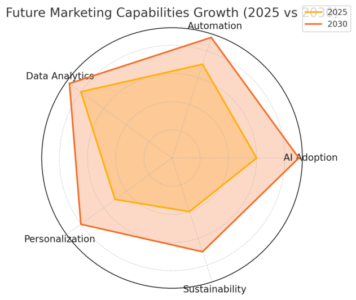
Marketing evolves faster than most industries, and the best companies stay ahead by adapting early. The future belongs to those who combine human creativity with intelligent technology.
Emerging Trends Shaping the Next Decade of Marketing
We’re entering an era where personalization and automation blend seamlessly. Some trends already reshaping the marketing landscape include:
- AI-driven content creation: Tools like Jasper or Rytr help scale ideas quickly without replacing strategy.
- Voice and visual search optimization: As devices like Alexa and Google Lens grow, optimizing beyond text becomes vital.
- Zero-party data: Businesses collect data directly from customers (through surveys or quizzes) to stay privacy-compliant while improving personalization.
- Omnichannel integration: Seamless brand experiences across devices and platforms will soon become standard, not optional.
I believe the next decade will reward businesses that focus on precision over volume—quality engagement beats quantity every time.
The Shift Toward Ethical and Sustainable Marketing Practices
Customers care about more than what you sell—they care about why you sell it.
Ethical marketing focuses on transparency, inclusivity, and long-term trust. That means honest messaging, responsible data use, and sustainable practices.
A marketing solutions company can help align your messaging with values your customers share.
For example, using eco-friendly packaging, carbon-neutral hosting, or transparent supply chain content can all build loyalty while doing good.
This isn’t just moral—it’s strategic. Brands with strong ethical positioning often see 2x higher retention rates. People stay loyal to businesses that reflect their beliefs.
How Small Businesses Can Compete With Enterprise Strategies
You don’t need a corporate-sized budget to compete with enterprise players—you just need smarter execution.
Here’s how small businesses can keep up:
- Leverage automation tools: Platforms like MailerLite or Buffer save time while maintaining consistency.
- Double down on niche authority: Focus on specific customer problems enterprises overlook.
- Collaborate, don’t compete: Partner with complementary businesses to expand reach.
I’ve seen small brands outperform larger ones simply because they’re more agile.
Big companies take months to pivot—smaller ones can shift strategy overnight. That flexibility is your hidden superpower.
Preparing Your Business to Adapt and Thrive Amid Change
Marketing trends come and go, but adaptability is timeless.
To stay ahead:
- Invest in upskilling your team on emerging tools.
- Maintain flexible marketing budgets to test new platforms.
- Create a quarterly innovation review to assess what’s changing in your industry.
The most successful brands I’ve worked with treat change as an advantage, not a disruption. The more prepared you are to pivot, the faster you grow when the market shifts.
Key Takeaways to Accelerate Your Growth Journey
At this point, you’ve seen how a marketing solutions company can help you grow faster, smarter, and more sustainably.
Let’s recap the most important lessons.
The Core Benefits of Partnering With a Marketing Solutions Company
When done right, this partnership offers:
- Scalability: Access to resources and technology you don’t need to build in-house.
- Expertise: Specialists in SEO, PPC, automation, and branding working as one unit.
- Efficiency: Unified reporting, consistent strategy, and lower wasted spend.
- Clarity: Data-driven insights that remove guesswork from your decisions.
I’ve found that most businesses see the biggest growth after they stop trying to “do it all” and instead focus on their strengths—letting a capable partner handle the rest.
Actionable Steps to Start Implementing Proven Strategies
Here’s a simple plan to get started:
- Audit your current marketing channels and identify performance gaps.
- Define clear growth goals (e.g., more qualified leads, lower CAC).
- Shortlist marketing solutions companies with relevant industry experience.
- Request proposals that focus on long-term ROI, not short-term buzz.
- Set measurable KPIs before launching your first campaign.
If you follow these steps, you’ll start strong—with data, strategy, and a partner who understands your business.
How to Maintain Momentum After Rapid Growth
Growth is exciting, but it’s easy to lose momentum if you stop optimizing.
I suggest creating a post-growth plan that includes:
- Regular campaign reviews (monthly or quarterly).
- Diversifying channels to reduce dependency on one source.
- Keeping your audience engaged through consistent communication.
The key is to view growth as a cycle, not a finish line. The best brands grow, learn, and evolve continuously.
Expert Tip: Build a Long-Term Growth System, Not a One-Time Campaign
Short-term wins are great—but systems are what sustain success.
Think of your marketing strategy as a machine. Each part—SEO, paid ads, email, automation—feeds the next. When they all run together, growth becomes predictable.
I recommend investing in frameworks, not just campaigns. Build processes that capture leads, nurture them, and convert them automatically while maintaining a personal touch.
When you stop chasing one-off results and start building repeatable systems, your business doesn’t just grow—it compounds.

I’m Juxhin, the voice behind The Justifiable.
I’ve spent 6+ years building blogs, managing affiliate campaigns, and testing the messy world of online business. Here, I cut the fluff and share the strategies that actually move the needle — so you can build income that’s sustainable, not speculative.
Related posts:
 Best Digital Marketing Solutions Companies for Real ROI
 What is Affiliate Marketing and How Can You Start Today?
 How to Integrate Aweber with ClickFunnels
 10 Secrets to Generating Leads Online & Skyrocketing Sales
 How to Build Lead Pages That Convert Like Crazy
 9 Brand Marketing Solutions for Long-Term Success