
Table of Contents
Some links on The Justifiable are affiliate links, meaning we may earn a small commission at no extra cost to you. Read full disclaimer.
Choosing the right digital marketing solutions company can feel like navigating a maze of promises, buzzwords, and flashy case studies.
With hundreds of agencies claiming to “scale your business,” how do you actually find the one that delivers measurable results for your brand?
This guide breaks it down step by step—helping you identify what truly matters, what to avoid, and how to make a confident, data-driven choice that fits your goals.
Understand What You Need From a Digital Marketing Solutions Company
Before hiring any digital marketing solutions company, you need absolute clarity on what you’re trying to achieve. Without this, even the best agency can’t help you move the needle.
Identify Your Specific Marketing Goals
Start with the end in mind. Are you aiming to increase brand awareness, generate more qualified leads, boost sales, or improve customer retention? Each of these goals demands a different mix of digital marketing services.
For example:
- If your goal is brand visibility, you’ll likely need SEO, social media marketing, and content marketing.
- If it’s lead generation, focus on PPC (pay-per-click), landing page optimization, and email automation.
- If sales are your target, consider CRO (conversion rate optimization) and remarketing campaigns.
I suggest writing down three measurable goals with timelines attached.
For instance, “Increase organic website traffic by 40% within six months.” This level of clarity will help an agency craft strategies aligned with your objectives instead of offering cookie-cutter packages.
Evaluate Which Services Align With Your Objectives
Each digital marketing solutions company has its strengths. Some excel in SEO, others dominate in paid media or email automation. Match your needs with their core competencies.
Here’s how I usually approach it:
- Ask for a service breakdown and how each one contributes to your specific goals.
- Request real examples—like a short walkthrough of how their PPC funnel improved ROI for another client.
- Confirm they handle all major channels such as Google Ads, Meta Ads, or HubSpot integrations.
A reliable agency won’t just sell services; they’ll recommend what you don’t need right now to maximize your budget’s impact.
Decide Between a Full-Service Agency or Specialized Partner
This choice depends on your current business stage and in-house expertise.
- Full-service agencies manage everything under one roof—SEO, paid media, email, content, and analytics. They’re ideal for brands looking for cohesive, long-term growth and consistent messaging.
- Specialized agencies, on the other hand, are laser-focused on one area, such as SEO or performance marketing. They’re often a better fit for startups or brands that already have a marketing team but need expertise in a specific channel.
I recommend evaluating your internal bandwidth first. If you already have an in-house strategist or copywriter, a specialized partner might suffice.
But if you’re building from scratch, go for a full-service company with integrated campaign management.
Research the Company’s Expertise and Industry Experience
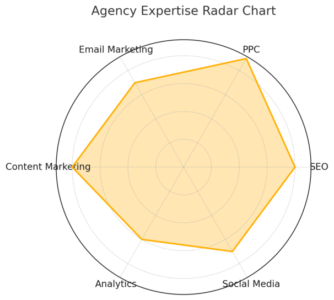
Once you’ve clarified your needs, the next step is to ensure the agency you’re considering actually knows your world—your audience, competition, and industry nuances.
Look for Proven Experience in Your Business Niche
A digital marketing solutions company familiar with your industry will understand your buyer’s pain points and terminology faster.
For example, marketing a SaaS product is entirely different from promoting a local restaurant or an eCommerce brand.
Ask for examples within your industry:
- What type of clients have they worked with before?
- Did they handle similar campaign budgets or challenges?
If they can’t provide any, that’s not necessarily a dealbreaker—but make sure they can show adaptability through varied past campaigns.
I’d rather work with a team that can learn fast than one that repeats the same formula for every client.
Analyze Case Studies, Portfolios, and Past Campaigns
Don’t just glance at their “Client Logos” section—dig deeper. Look for actual case studies that include measurable results, not vague claims like “boosted engagement.”
When reviewing case studies, pay attention to:
- Strategy overview: What was their approach?
- Execution clarity: How did they implement and track campaigns?
- Results transparency: Do they show exact KPIs (like CTR, conversion rate, or ROI)?
A strong portfolio reveals not only creativity but also strategic thinking. The numbers should demonstrate growth trends, not isolated spikes.
Check the Depth of Strategy in Their Work, Not Just Results
Many agencies can deliver short-term wins—more clicks, more leads—but what matters is how they got there. Were those results sustainable or just one-time boosts?
Ask them to explain their decision-making process:
- How did they choose target audiences?
- What metrics did they monitor?
- How often did they adjust campaigns based on data?
You’re looking for an agency that operates on insight, not guesswork. From my experience, companies that prioritize strategy first and execution second are the ones that consistently outperform.
Assess Their Approach to Strategy and Execution
Even if an agency has great experience, you need to understand how they plan to grow your business. Their process says a lot about whether they’ll be a true partner or just a vendor.
Understand How They Build and Measure Marketing Strategies
A top-tier digital marketing solutions company starts with research—market trends, competitor analysis, and customer behavior. Ask them to walk you through their strategy-building process.
A solid one should include:
- A detailed discovery phase (understanding your audience, USP, and competitors).
- Clear goal mapping tied to metrics like CPA (cost per acquisition) or ROAS (return on ad spend).
- Defined performance checkpoints—weekly or monthly updates based on actual results.
If their plan sounds vague or overly generic, it’s a red flag. I suggest asking for a sample campaign roadmap so you can see how they align tactics with outcomes.
Evaluate How They Use Data and Analytics for Optimization
Modern digital marketing runs on data. The agency you choose should rely on analytics tools—not intuition—to guide every move.
Ask which platforms they use for tracking performance.
Common examples include:
- Google Analytics 4 (GA4) for traffic and user behavior insights.
- Ahrefs or SEMrush for keyword performance and backlink tracking.
- HubSpot or Salesforce for CRM and lead attribution.
I believe the best agencies don’t just show data—they interpret it. They’ll explain what those numbers mean for your business and what actions they’re taking as a result.
Ask About Their Testing, Reporting, and Adjustment Process
Even the most well-planned campaigns need fine-tuning. What matters is how often the agency tests, reports, and adapts.
Look for signs of proactive optimization:
- Do they run A/B tests regularly?
- How often do they share performance reports—weekly, bi-weekly, or monthly?
- Do they revise campaigns based on real-time data?
Transparency here is key. You want a partner who tells you what’s working, what’s not, and what’s next. In my experience, the best agencies don’t wait for problems—they anticipate and fix them before you even notice.
Evaluate Transparency and Communication Practices
A trustworthy digital marketing solutions company should make you feel like a partner, not a bystander. Transparency and communication define whether the collaboration will bring results—or headaches.
You’re investing both money and trust, so you deserve clear reporting, open dialogue, and honesty about expectations.
Review How Often They Report Progress and Metrics
Consistent reporting builds confidence and accountability. Any agency worth hiring should send regular performance reports that break down what’s working and what’s not.
I always suggest agreeing on a clear reporting schedule—weekly for startups, bi-weekly or monthly for established brands.
A detailed report should include:
- Traffic insights (from Google Analytics or GA4): Which sources are driving the most valuable visitors?
- Conversion metrics: How many leads, purchases, or signups resulted from campaigns.
- Cost efficiency data: Cost per click (CPC), return on ad spend (ROAS), and customer acquisition cost (CAC).
I’ve seen some agencies send vanity metrics—pretty graphs that look good but say nothing about ROI. Don’t accept those. Ask for metrics directly tied to your goals, like leads or revenue growth.
If they hesitate to provide this data, that’s a red flag.
Understand How They Communicate Strategy Changes
Digital marketing moves fast—Google updates algorithms, ad platforms change policies, and consumer behavior shifts overnight. You need an agency that keeps you in the loop when they pivot strategy.
Ask them: What’s your process when something isn’t performing as expected?
A transparent partner will:
- Share what’s underperforming (for example, a Facebook ad with a low click-through rate).
- Explain why it’s happening—maybe poor targeting or weak ad creative.
- Propose a clear next step—like adjusting audience segments or testing new landing pages.
I suggest requesting access to a shared dashboard (like Data Studio, now Looker Studio) where you can see live campaign data. That way, you’re never waiting for updates—you’re part of the strategy loop.
Identify Red Flags Like Hidden Fees or Vague Deliverables
If an agency avoids detailed breakdowns of costs or deliverables, tread carefully. Hidden fees and vague contracts are two of the biggest traps in this industry.
Here’s what to watch for:
- Unclear pricing models: “Custom pricing” without specifics often leads to inflated charges later.
- Deliverables without measurable KPIs: Phrases like “we’ll boost brand awareness” sound nice but mean little without metrics.
- Ownership issues: Some agencies keep control of your ad accounts or data, making it hard to switch later.
I advise always asking for a deliverables sheet—list every service, expected outcome, and timeline. Transparency should be non-negotiable. If they resist, they’re hiding something.
Review the Tools and Technology They Use
Technology is the engine behind effective digital marketing. The right tools improve targeting, automate campaigns, and measure success accurately.
When evaluating a digital marketing solutions company, check how they leverage tools across analytics, advertising, and CRM.
Check for Use of Leading Marketing Platforms and Automation Tools
Modern marketing relies on an ecosystem of platforms that handle different tasks. The agency you choose should be fluent in leading software—not outdated tools.
Here are a few examples to look for:
- Google Ads and Meta Business Suite: For paid media management and performance tracking.
- HubSpot or ActiveCampaign: For email automation and lead nurturing.
- Ahrefs or SEMrush: For SEO research, backlink tracking, and competitor analysis.
- Hootsuite or Buffer: For social media scheduling and engagement tracking.
I suggest asking them to show how these tools fit into their workflow.
For instance, you can ask, “Can you show me how you use HubSpot to track lead conversion from ad campaigns?” If they can’t demonstrate it, they might not be using the platform effectively.
Ask How They Integrate Tools for Analytics, CRM, and Campaign Tracking
A great agency doesn’t just use tools—it connects them. Integrations between analytics, CRM, and campaign management software ensure you have a single view of customer behavior from first click to final purchase.
For example:
- GA4 + HubSpot Integration: Tracks user journeys from traffic source to deal closure.
- Zapier Automations: Automatically syncs leads from Facebook Ads into your CRM.
- Google Tag Manager: Manages tracking codes and event triggers without manual coding.
These integrations eliminate data silos. I believe this setup is one of the clearest signs of a mature, data-driven marketing agency.
Ensure You Retain Access to Accounts and Performance Data
One of the most overlooked issues in agency relationships is data ownership. Some agencies create ad accounts or analytics profiles under their own name—locking clients out when the contract ends.
Always insist on owning your accounts.
Here’s what that looks like in practice:
- Google Ads: The agency should request access to your account via their Manager ID—not the other way around.
- Analytics & CRM: You should be the primary admin user with full permissions.
- Reports & Dashboards: All data should live in a shared workspace like Google Data Studio or Looker Studio.
I can’t stress this enough: if they resist giving you ownership, walk away. Data is your intellectual property—it’s your growth record and decision fuel.
Analyze Their Team and Expertise Levels
Even the best strategy fails without the right people executing it. The quality of a digital marketing solutions company depends on its team’s expertise, adaptability, and structure.
Verify the Experience and Certifications of Key Team Members
Ask who will actually work on your campaigns, not just who pitched you the deal. The team should include specialists—not generalists—for SEO, PPC, design, copywriting, and analytics.
Look for certifications from recognized platforms like:
- Google Ads Certification
- Meta Blueprint Certification
- HubSpot Inbound Marketing Certification
- Google Analytics Individual Qualification (GAIQ)
I suggest asking for a short team overview document—it’s a small request that reveals how confident they are in their talent.
Ask About Ongoing Training or Skill Development
The digital marketing world changes every few months. Agencies that invest in learning stay sharp; those that don’t fall behind.
Ask how they keep their team updated. Do they attend conferences like INBOUND or MozCon? Do they subscribe to training programs like CXL Institute or LinkedIn Learning?
I once worked with a small agency that scheduled a weekly “learning hour” where each team member shared one new tactic or algorithm update. It kept everyone agile—and clients loved the innovation that came from it.
Understand Who Will Manage Your Account Daily
Finally, make sure you know who your main point of contact is. It’s easy to get sold by a senior strategist, only to be handed off to a junior account manager later.
Clarify three things upfront:
- Who will manage your campaigns daily?
- How often will you meet or review results?
- What’s the escalation path if something goes wrong?
A good account manager should feel like part of your internal team—someone who understands your voice, goals, and customers. In my experience, this human connection is often what separates an average agency from a truly great one.
Examine Their Pricing Models and Contract Terms
Pricing can reveal a lot about how a digital marketing solutions company operates. A transparent, fair structure reflects confidence and professionalism—while unclear or rigid contracts often hint at future frustration.
Before signing anything, take the time to understand how they charge, what’s included, and how flexible the terms really are.
Compare Pricing Structures: Retainer, Project-Based, or Performance-Based
Most agencies use one of three pricing models, and each has its advantages depending on your goals and budget.
- Retainer model: You pay a fixed monthly fee for ongoing services. This works well if you’re planning continuous campaigns like SEO or social media management. I personally recommend this model for businesses seeking long-term growth—it allows the agency to plan strategically rather than chasing quick wins.
- Project-based model: Ideal for one-time needs such as a website redesign or a PPC campaign setup. It’s straightforward—you pay for the deliverable. Just make sure the project scope is clearly defined, or you might face “scope creep,” where costs grow unexpectedly.
- Performance-based model: Here, you pay based on results—such as cost per lead or revenue share. It sounds attractive, but be cautious. Some agencies might focus only on easy wins to hit targets, ignoring long-term brand value.
I suggest asking for a hybrid approach if possible—something that includes a base retainer for stability and performance incentives to keep the agency accountable.
Clarify Contract Lengths, Termination Clauses, and Flexibility
Contracts shouldn’t trap you; they should protect both parties. Always review the fine print around term lengths, renewal policies, and exit clauses.
A few essentials to confirm:
- Initial contract period: A 3–6 month trial term is reasonable. Anything longer before proving results can be risky.
- Termination flexibility: You should be able to end the contract with 30 days’ notice if performance expectations aren’t met.
- Scope flexibility: Marketing needs evolve. Check whether services can be adjusted mid-contract without penalties.
I once helped a client stuck in a 12-month locked agreement where the agency stopped delivering after month four. Avoid that pain—negotiate flexibility upfront.
Avoid Companies That Don’t Disclose Costs Upfront
Transparency is non-negotiable. If an agency refuses to give you a clear pricing breakdown or uses vague language like “custom quote after strategy,” proceed carefully.
You should always receive:
- A detailed proposal outlining each service and its associated cost.
- Information about additional fees—such as ad spend management or third-party software costs.
- Ownership clarity—whether tools, data, or creative assets remain yours after the contract.
A reputable agency will gladly explain every line item. I believe hidden costs are a symptom of a bigger issue—unclear ethics or lack of structure. The right company will help you budget smarter, not surprise you later.
Review Client Testimonials and Reputation
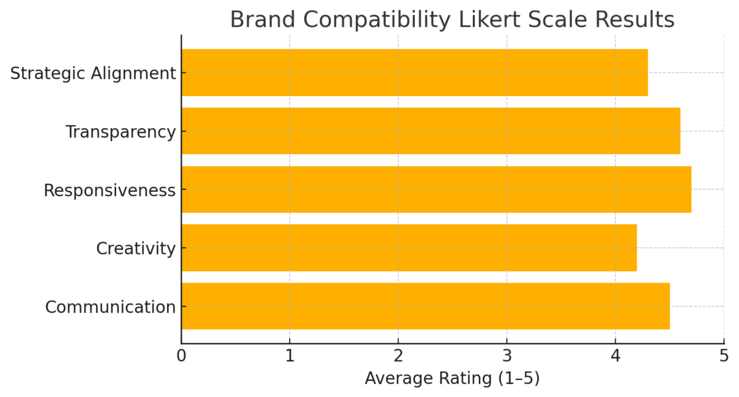
Client feedback is one of the most honest reflections of an agency’s reliability.
Beyond their polished case studies, what real clients say—and where they say it—reveals how well they deliver results and manage relationships.
Evaluate Consistency Across Reviews on Multiple Platforms
Don’t rely solely on the testimonials on their website. Check independent platforms where clients can’t be filtered out.
I recommend:
- Google Business Profile: for detailed feedback and project specifics.
- Clutch.co: for verified B2B agency reviews, including budget and project type.
- Trustpilot or UpCity: for broader client sentiment.
Look for patterns, not perfection. Every agency will have a few mixed reviews—that’s normal. What matters is how they respond. A thoughtful reply to criticism often says more about professionalism than a perfect rating.
Reach Out to Past or Current Clients for Honest Feedback
If possible, ask the agency to connect you with a few clients in similar industries. Speaking directly to someone who’s worked with them gives you valuable, unfiltered insight.
Ask questions like:
- How transparent were they with reporting and communication?
- Were goals met on time and within budget?
- How did they handle campaign challenges or underperformance?
From experience, most clients are surprisingly open and willing to share. A confident agency won’t hesitate to make introductions—because satisfied clients are their strongest advocates.
Look for Long-Term Client Relationships as a Trust Indicator
The best sign of agency reliability is retention. If most clients stay for years, it’s usually because of consistent results and trust.
When reviewing portfolios, notice whether they mention multi-year partnerships or repeat collaborations. For instance, if an agency highlights a “3-year ongoing SEO campaign with 300% organic traffic growth,” that signals both performance and loyalty.
Short-term churn, on the other hand, often suggests weak strategy or poor communication. I’d advise prioritizing companies with visible long-term client relationships—they’re usually in it for your growth, not just your budget.
Evaluate Their Adaptability to Trends and New Technologies
Digital marketing changes at lightning speed. The right digital marketing solutions company should not only keep up with new tools and algorithms but anticipate what’s next.
Adaptability is the difference between steady growth and falling behind.
Assess Their Use of Emerging Tools Like AI or Automation
AI-driven marketing isn’t the future—it’s the present. From predictive analytics to automated ad bidding, the smartest agencies are already using these tools daily.
Ask for examples of how they use technology in practice:
- AI copywriting tools like Jasper or Copy.ai to streamline ad or blog creation.
- Automation platforms such as HubSpot Workflows or ActiveCampaign for lead nurturing.
- Chatbots powered by Dialogflow or ManyChat for instant customer engagement.
The key is balance. Automation should make campaigns more efficient, not robotic. I suggest asking how they maintain creativity and personalization while leveraging AI.
Ask How They Stay Updated on Algorithm and Platform Changes
Google updates its algorithms thousands of times a year, and social platforms constantly tweak their ad delivery systems. A great agency monitors these changes closely and adapts fast.
You can ask:
- How do you track major SEO or ad platform updates?
- Do you adjust client strategies proactively or reactively?
- What’s your process for testing new methods safely?
Look for signs of ongoing education—like team certifications, newsletters, or participation in communities such as Moz, Search Engine Journal, or Ad World. I believe the most successful marketers are lifelong learners.
Review Their Thought Leadership—Blogs, Webinars, or Speaking Events
Thought leadership is a window into how an agency thinks. Check if they publish original content or share insights through webinars, podcasts, or conference talks. It shows they’re not just following trends—they’re shaping them.
For instance, agencies that publish case studies explaining how they improved ROAS with AI bidding or reduced CPA through creative optimization demonstrate practical innovation.
I once collaborated with a firm that hosted monthly “digital evolution sessions” for clients—short, 30-minute webinars on new marketing tactics. That level of transparency and education builds long-term trust.
Test Their Compatibility With Your Brand Culture
Even the most skilled digital marketing solutions company can fall short if they don’t understand your brand’s personality, tone, and audience.
The right partnership feels natural—like an extension of your own team. Before you commit, make sure the agency truly “gets” who you are and what you stand for.
Evaluate How Well They Understand Your Brand Voice and Audience
Your brand voice is the emotional thread that ties your marketing together. It’s how you sound, how you connect, and how customers remember you. When speaking with an agency, pay attention to how they describe your brand back to you.
A few indicators that they understand your brand voice:
- They reference specific messaging or tone from your existing campaigns.
- They can describe your ideal customer persona clearly.
- They propose strategies that align with your audience’s behavior, not just generic tactics.
For instance, if your brand speaks to young entrepreneurs, the agency should propose short-form content strategies on platforms like Instagram Reels or TikTok—not long-form LinkedIn thought pieces.
I always suggest asking them to analyze one of your current campaigns and explain how they’d make it more aligned with your audience. Their response will reveal whether they truly understand your market or just talk in buzzwords.
Ask How They Customize Campaigns to Reflect Your Brand Identity
Every business has a distinct identity, and your marketing should mirror that. A good agency won’t use cookie-cutter templates or recycled campaign ideas. They’ll take the time to adapt visuals, copy, and tone to fit your personality.
Ask them to walk you through their customization process.
For example:
- How do you incorporate brand guidelines or voice documentation?
- Do you create brand-aligned content templates?
- How do you ensure messaging consistency across platforms?
In my experience, the best agencies begin every engagement with a “brand immersion” workshop—an in-depth discovery call where they dive into your values, competitors, and customer mindset.
This step sets the tone for collaboration and helps prevent campaigns that feel off-brand or inconsistent.
Gauge Their Willingness to Collaborate and Listen to Feedback
Marketing is collaborative by nature. You want a partner who values your input, not one who dismisses it. Pay attention to how they respond when you question or challenge their ideas. Do they explain their reasoning clearly, or do they get defensive?
Here’s a simple test I often recommend: during the proposal phase, ask them to make a small adjustment—maybe change a design layout or tweak messaging tone. Their response time and attitude will tell you a lot.
The best agencies strike a balance—they’ll listen to your feedback but also guide you with professional insight. I believe that collaboration works best when there’s mutual respect and openness on both sides. If it feels like you’re forcing communication early on, it’s a sign to move on.
Request a Custom Proposal or Pilot Project
Before signing any long-term contract, it’s smart to see how the agency works in action.
A custom proposal or short pilot project allows you to test their strategic thinking, execution quality, and communication flow—without a major financial commitment.
Review Their Proposed Strategy for Alignment and Depth
A good digital marketing solutions company should never send a one-size-fits-all proposal. Instead, expect a strategy that reflects your business model, target audience, and goals.
When reviewing their proposal, look for:
- Clarity: Do they explain why each tactic matters?
- Specificity: Are metrics like CTR, conversions, or ROI mentioned?
- Logic: Do their ideas connect to your actual business objectives?
For example, if your goal is to increase qualified B2B leads, a proposal focused entirely on Instagram content should raise eyebrows.
I suggest asking them to include a short funnel breakdown—how they plan to attract, nurture, and convert your leads. The structure and depth of their explanation often reveal their level of expertise.
Check Whether Their Goals Are Realistic and Measurable
Ambitious goals sound exciting—but unrealistic ones can destroy trust quickly. The agency should set expectations based on actual data, not assumptions.
Here’s what I look for in a solid proposal:
- SMART goals (Specific, Measurable, Achievable, Relevant, Time-bound).
- Clear KPIs tied to business metrics like cost per lead, lifetime value, or ROAS.
- Benchmarks based on your current marketing data or industry averages.
I once reviewed a proposal that promised “triple traffic in 30 days.” It looked bold, but the agency couldn’t back it up with data.
Always ask for examples of how they’ve achieved similar results for other clients. A confident partner will share realistic projections backed by past performance.
Use a Short-Term Trial to Test Delivery Before a Full Contract
A pilot project—typically lasting 4–8 weeks—is one of the most practical ways to evaluate fit. It gives you insight into their workflow, quality, and accountability before committing long-term.
For example:
- SEO pilot: Have them optimize 5–10 pages and track organic performance changes.
- PPC pilot: Let them run a limited ad budget ($2,000–$5,000) and monitor ROI.
- Email automation test: Ask them to design one lead-nurture sequence and measure engagement rates.
During this period, pay attention not just to results but also to responsiveness, reporting style, and initiative.
I advise scheduling a weekly 15-minute check-in—it helps gauge how proactive and communicative they really are.
Make Your Final Decision Based on Value, Not Price
When you’re close to choosing your digital marketing partner, resist the urge to go for the cheapest quote.
The best agency isn’t the one that costs the least—it’s the one that delivers the most sustainable, measurable value over time.
Compare the ROI Potential Across Shortlisted Agencies
Put the focus on return on investment, not initial cost. Two agencies might quote $5,000 and $8,000 per month respectively, but the latter could drive significantly higher qualified leads or sales.
Ask each agency to project your potential ROI based on previous case studies. A serious partner will use historical data to model expected outcomes.
I suggest creating a simple comparison table with columns like Monthly Cost, Expected Leads, Conversion Rate, and ROI Estimate. Seeing it side by side makes decisions much clearer.
Remember—ROI is more than profit. It includes saved time, reduced inefficiencies, and improved brand consistency. Sometimes the agency that’s slightly more expensive provides far greater long-term returns.
Focus on Long-Term Partnership Value, Not Immediate Cost Savings
Digital marketing is a marathon, not a sprint. The agency you choose should feel like a growth partner, not a vendor.
I recommend looking for signs of long-term alignment—like how they plan for quarterly reviews, evolving strategies, and scalable services.
A company that proactively discusses next steps (such as content expansion or advanced analytics integration) is usually thinking beyond short-term wins.
In contrast, an agency that fixates on “quick fixes” might deliver early results but lack sustainability.
From experience, the best partnerships grow stronger over time because both sides invest in learning and adaptation. Choose the team that wants to build with you, not just bill you.
Choose the Company That Demonstrates Strategic Insight and Trust
Ultimately, trust is your deciding factor. You should feel confident that your agency understands your vision, communicates transparently, and operates with integrity.
Before you sign, revisit three questions:
- Do they demonstrate genuine curiosity about your business?
- Do their strategies align with your long-term goals?
- Do they make you feel like a valued partner rather than a transaction?
If you can confidently say “yes” to all three, you’ve likely found your match. I believe great digital marketing partnerships are built on shared goals, open communication, and mutual respect. When you prioritize value and trust over price, success follows naturally—and so does lasting growth.

I’m Juxhin, the voice behind The Justifiable.
I’ve spent 6+ years building blogs, managing affiliate campaigns, and testing the messy world of online business. Here, I cut the fluff and share the strategies that actually move the needle — so you can build income that’s sustainable, not speculative.
Related posts:
 Squirrly SEO – The Ultimate WordPress SEO Plugin for Boosting Your Website’s Rankings
 Boost Your Digital Marketing Business Revenue in 90 Days
 How to Build a Social Media Marketing Strategy from Scratch
 10 Website Marketing Solutions To Boost Traffic Instantly
 10 Smart Ways to Make a New Business Grow Online Fast
 How to Grow Online Business on Instagram Step-by-Step for Beginners