
Table of Contents
Some links on The Justifiable are affiliate links, meaning we may earn a small commission at no extra cost to you. Read full disclaimer.
Brand marketing solutions shape how customers see, trust, and remember a business—but what really drives long-term success? It’s not just about flashy ads or catchy slogans; it’s about building consistent value that keeps your audience loyal and engaged.
In this guide, we’ll explore nine brand marketing solutions that help you strengthen your reputation, grow customer trust, and sustain your brand’s success for years to come.
1. Build a Strong and Consistent Brand Identity
A consistent brand identity isn’t just about logos and colors—it’s the personality your audience interacts with.
Every touchpoint, from your website to your social media replies, should reflect the same promise and tone. Let’s break down how to make that identity rock solid.
Define Your Brand Purpose and Mission
Your brand purpose is the “why” behind your business—the reason it exists beyond profit.
I believe this is what gives your brand soul. A clear mission statement acts as your compass, guiding decisions and inspiring both your team and customers.
For example, Patagonia’s mission—“We’re in business to save our home planet”—goes beyond selling outdoor gear. It defines every marketing message, product, and policy decision.
Here’s how to find your own:
- Ask why your brand exists: What change do you want to see?
- Identify your core values: List the principles you’ll never compromise on.
- Translate it into a short mission statement: Keep it action-oriented and authentic.
Once defined, integrate your purpose everywhere—from your “About” page to onboarding materials.
Create a Visual Identity That Reflects Your Values
Visual identity is your brand’s silent communicator. It includes your logo, color palette, typography, and imagery.
I suggest working with a designer or using tools like Canva Pro or Adobe Express to experiment with visual directions that align with your brand’s values.
For instance, eco-friendly brands often use muted, natural tones and minimalist design to convey sustainability. Meanwhile, tech brands lean toward sleek, futuristic aesthetics.
Keep these best practices in mind:
- Logo: Must be simple, scalable, and recognizable.
- Colors: Choose 2–3 core colors that evoke the right emotions (blue for trust, green for growth, etc.).
- Typography: Select fonts that reflect your personality—serif for tradition, sans-serif for modernity.
Most importantly, use your visual identity consistently across every platform—your website, social media, ads, and packaging.
Develop a Brand Voice That Connects Emotionally
Your brand voice is the tone, language, and style you use to communicate. It’s how your brand “sounds” to the world.
I recommend developing a voice guide that outlines your tone in different scenarios—educational, promotional, or conversational.
For example, Mailchimp uses a friendly, quirky voice to make marketing approachable, while HubSpot maintains a professional yet conversational tone to convey expertise.
To create your brand voice:
- List three adjectives that describe your personality (e.g., bold, caring, witty).
- Define what your brand says—and doesn’t say.
- Train your team to use consistent language in blogs, social posts, and emails.
Your audience should feel like they’re speaking to the same person every time they interact with your brand.
2. Strengthen Brand Awareness Through Strategic Content
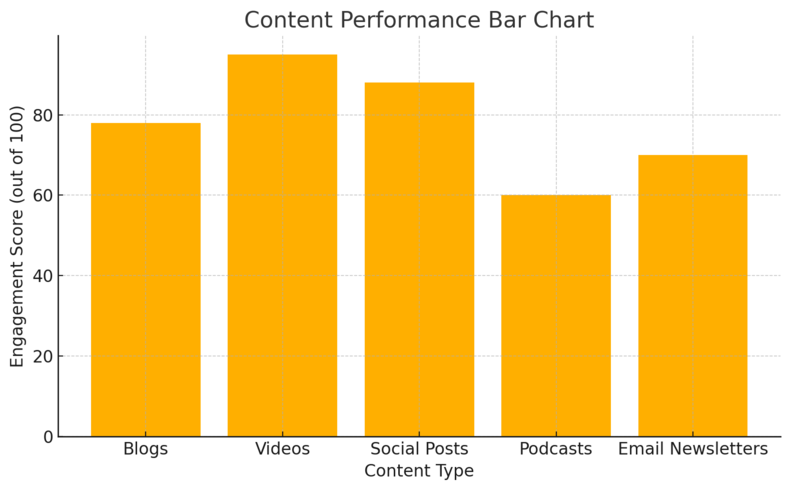
Content marketing is one of the most powerful brand marketing solutions because it lets you educate, entertain, and connect with your audience naturally.
The goal is to make your brand the go-to source in your niche—without feeling overly promotional.
Use Storytelling to Humanize Your Brand
People remember stories, not slogans. Storytelling transforms your message from a sales pitch into a shared experience.
I suggest framing your brand story using the Hero’s Journey model—your customer is the hero, and your brand is the guide helping them succeed.
Take Nike, for example. Their stories rarely focus on shoes—they focus on perseverance, ambition, and human potential.
To apply storytelling in your brand:
- Share customer success stories that show transformation.
- Highlight challenges your brand overcame.
- Use authentic behind-the-scenes content to show your human side.
Good stories don’t just sell—they stick.
Leverage Content Marketing Platforms for Reach
Content distribution matters as much as creation. Posting blogs or videos alone isn’t enough; you need to share them strategically across the right platforms.
Here’s a simple workflow:
- Website: Your home base for blogs, guides, and lead magnets.
- Social Media: Use LinkedIn for thought leadership, Instagram for visuals, and X (formerly Twitter) for insights.
- Email Marketing: Tools like Mailerlite or Aweber help nurture subscribers with personalized sequences.
- YouTube or Podcasts: Build deeper engagement with longer-form storytelling.
Always tailor your content to each channel’s culture and audience expectations.
Repurpose Evergreen Content Across Channels
Evergreen content—posts that remain relevant long-term—saves you time while keeping your message consistent.
I recommend repurposing blog articles into short videos, infographics, and social media posts.
For example:
- Turn a “how-to” blog into a short YouTube tutorial.
- Convert a research post into a carousel on LinkedIn.
- Share key takeaways in an email newsletter.
Using one piece of content in multiple formats increases visibility and ROI while keeping your message unified.
3. Optimize Brand Positioning in Your Market
Positioning defines where your brand stands in the minds of customers relative to competitors.
The stronger your positioning, the easier it is to attract your ideal audience and stand apart.
Analyze Competitors and Identify Gaps
To position effectively, start with competitor analysis. Use tools like SEMrush or Ahrefs to see what keywords, content, and messaging others in your industry are using.
Look for patterns—what they’re doing well and where they’re falling short.
Ask yourself:
- What emotions do their messages trigger?
- Which audiences are they missing?
- How can we offer something distinctly different or better?
This insight helps you find your niche and craft messaging that fills unmet needs.
Highlight Unique Selling Points (USPs)
Your USP is the defining advantage that makes your brand memorable. It could be superior quality, personalized service, ethical sourcing, or even your story.
For instance, Dollar Shave Club broke into a saturated market by highlighting humor and convenience instead of just pricing.
To identify your USP:
- Ask your best customers what they value most about your brand.
- List features competitors can’t easily copy.
- Boil it down to a one-line promise.
Your USP should be clear, repeatable, and visible across your marketing materials.
Align Positioning with Target Audience Needs
Even the strongest brand positioning fails if it doesn’t align with customer expectations. I suggest creating detailed buyer personas that capture your audience’s goals, pain points, and preferences.
Then, craft messaging that directly reflects their values. For example, if your audience values innovation, use forward-thinking language and highlight new product features.
Tools like Google Analytics and Hotjar help reveal user behavior patterns, so you can refine both your message and offer.
The key is empathy—understand what your audience truly cares about, and position your brand as the solution that gets them there.
4. Leverage Social Media to Amplify Brand Visibility
Social media isn’t just a marketing channel—it’s where your brand personality lives and breathes.
When done right, it becomes the heartbeat of your brand visibility strategy, helping you reach new audiences while deepening connections with existing ones.
Choose Platforms That Match Your Audience
Not every platform deserves your energy. I’ve seen many brands spread themselves too thin, trying to “be everywhere,” only to dilute their impact.
Instead, focus on the platforms your target audience actually uses.
Here’s a simple way to decide:
- Instagram: Great for lifestyle, fashion, food, and visual storytelling.
- LinkedIn: Ideal for B2B companies, thought leadership, and professional networking.
- TikTok: Perfect for creative, short-form videos and younger demographics.
- YouTube: Excellent for tutorials, reviews, and long-form storytelling.
- X (formerly Twitter): Useful for quick insights, updates, and brand personality.
I suggest analyzing platform analytics first.
For example, use Instagram Insights (under Profile > Insights > Audience) to check where your followers are from and what times they’re most active. Then double down on where engagement is strongest.
The goal isn’t to chase trends—it’s to meet your audience where they naturally hang out.
Maintain Consistent Posting and Engagement
Consistency builds familiarity, and familiarity builds trust. Posting once a week won’t keep your brand top of mind; showing up regularly will.
I recommend creating a content calendar using Notion or Later to plan and schedule posts in advance.
Keep these habits in mind:
- Post regularly: 3–5 times per week is a healthy rhythm for most brands.
- Engage actively: Reply to comments, DMs, and mentions within 24 hours.
- Mix formats: Alternate between stories, videos, carousels, and live sessions.
A consistent presence tells your audience you’re reliable. It also helps algorithms favor your content, boosting organic reach without extra ad spend.
Use User-Generated Content to Build Trust
User-generated content (UGC) is one of the most powerful brand marketing solutions available today. It shows real people using and loving your product—a form of social proof no ad can match.
Here’s how to encourage it:
- Create branded hashtags: For example, #ShotOniPhone turned Apple users into a global creative community.
- Feature customers: Repost tagged content or testimonials on your social pages.
- Run contests or giveaways: Offer small rewards for creative submissions.
I suggest getting permission before reposting any customer content. A quick DM like “We’d love to feature your post on our page—may we?” works perfectly.
UGC builds authenticity, deepens relationships, and turns customers into advocates who grow your brand organically.
5. Invest in Influencer and Partnership Marketing
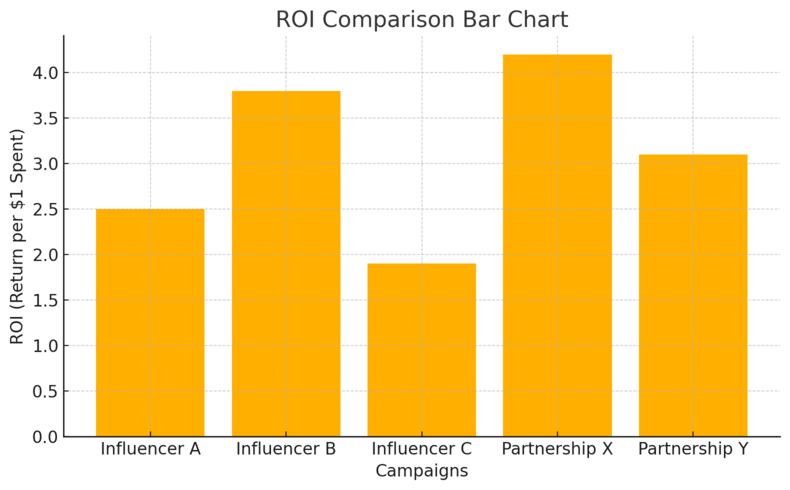
Influencer and partnership marketing combine credibility with reach. When done strategically, they turn borrowed trust into lasting visibility for your brand.
Collaborate With Authentic Influencers
The key to influencer marketing isn’t follower count—it’s authenticity.
I’ve seen micro-influencers with 5,000 loyal fans outperform big names with hundreds of thousands of passive followers.
Here’s how to approach it:
- Vet authenticity: Check engagement rates (likes/comments divided by followers). Anything below 2% may indicate fake followers.
- Ensure alignment: Their tone and audience should fit your brand values naturally.
- Start small: Collaborate on one post or video before committing long-term.
Tools like Upfluence or Modash help find influencers who match your brand’s niche and audience demographics.
The best collaborations feel like friendship, not sponsorship.
Build Mutually Beneficial Brand Partnerships
Partnerships with complementary brands can expand your audience faster than ads ever could.
Think of Spotify and Starbucks, who teamed up to let baristas curate in-store playlists—both gained exposure to each other’s customer base.
I suggest identifying brands that share your values but don’t directly compete. Then propose collaborations such as:
- Co-hosted webinars or podcasts.
- Cross-promotional email campaigns.
- Joint giveaways or product bundles.
A successful partnership feels like a win-win exchange, not a marketing transaction.
Measure ROI and Audience Sentiment
No marketing effort should run on guesswork. After each influencer or partnership campaign, measure both quantitative and qualitative results.
Track metrics like:
- Engagement rate: Are followers interacting more than usual?
- Referral traffic: Check analytics under Google Analytics > Acquisition > Referrals.
- Conversions or leads: Did the collaboration actually drive sales or sign-ups?
But numbers aren’t everything—listen to what people are saying. Analyze comments and DMs to gauge brand sentiment. If followers sound excited, inspired, or curious, you’re on the right track.
I advise keeping a shared dashboard (Google Sheets works fine) to compare results across campaigns and refine future strategy.
6. Enhance Customer Experience to Build Brand Loyalty
Customer experience is where your brand earns loyalty—or loses it. The way people feel after interacting with your brand often matters more than price or features.
A positive, personalized experience transforms casual buyers into lifelong advocates.
Personalize Customer Interactions and Support
Personalization isn’t about adding a name to an email—it’s about relevance. Using tools like HubSpot or Klaviyo, you can segment customers based on behavior, purchase history, or interests, then tailor messages to fit.
For instance:
- Recommend products based on past purchases.
- Send follow-ups after checkout with setup tips or bonus resources.
- Offer early access to loyal customers.
In customer support, even small touches—like using a customer’s name or remembering a past issue—make them feel seen.
I suggest using a shared CRM (Customer Relationship Management) system so your team always has context before responding.
People don’t remember transactions—they remember how your brand made them feel.
Gather and Act on Customer Feedback
Feedback is your free roadmap for improvement. I believe the smartest brands treat every review, comment, or survey response as a chance to grow.
Here’s how to handle it effectively:
- Collect feedback regularly: Use tools like Typeform or Google Forms for quick surveys.
- Ask the right questions: “What nearly stopped you from buying?” often reveals more than “Are you satisfied?”
- Close the loop: Thank customers who share input, and show how you acted on it.
For example, Slack frequently releases updates directly inspired by user feedback—making customers feel like part of the process.
Listening is good; acting is better.
Reward Loyalty Through Value-Driven Programs
Loyalty programs should feel like appreciation, not manipulation.
Instead of generic points systems, reward customers in meaningful ways—like Sephora’s Beauty Insider, which offers exclusive products and early access events.
You can build similar systems using Smile.io or Yotpo Loyalty.
Effective loyalty programs:
- Offer real value (discounts, gifts, or experiences).
- Encourage advocacy (points for referrals or reviews).
- Reinforce your brand’s personality (fun, elegant, tech-savvy, etc.).
I recommend making rewards accessible and easy to redeem. Complicated systems frustrate users and reduce engagement.
A customer who feels valued will stay—and bring friends along.
7. Use Data and Analytics to Guide Brand Strategy
Data turns brand marketing solutions from guesswork into precision.
It helps you understand what’s working, where you’re losing traction, and how to make smarter decisions that keep your brand relevant and profitable.
Track Brand Sentiment and Awareness Metrics
Brand sentiment shows how people feel about your brand—not just what they do. I believe it’s one of the most underrated indicators of long-term success because emotions drive loyalty.
To measure it effectively:
- Social Listening Tools: Platforms like Brandwatch, Sprout Social, and Mention track mentions and analyze tone (positive, neutral, or negative).
- Surveys and NPS (Net Promoter Score): Tools such as Typeform or SurveyMonkey help gather direct feedback from your audience.
- Google Trends and Search Volume: Monitor how often people search your brand name and related terms. A steady rise indicates growing awareness.
Here’s a quick example: If your sentiment score dips after a campaign, review the messaging tone or influencer selection. That small insight can prevent bigger PR issues down the line.
Tracking sentiment isn’t about vanity—it’s about ensuring your audience still feels emotionally connected to your message.
Identify Audience Behavior and Preferences
Understanding how your audience behaves gives you a map of what motivates them to buy, engage, or leave. I suggest starting with behavior analytics tools like Google Analytics 4 (GA4), Hotjar, or Mixpanel.
In GA4, go to Reports > Engagement > Pages and Screens to see which content drives the most interactions. Hotjar’s heatmaps reveal where users click and how far they scroll, giving you insight into what captures attention.
You can also use CRM tools such as Freshsales or Monday to segment audiences based on demographics, purchase frequency, or engagement levels. This data helps tailor content and offers to match preferences.
For example, if analytics show that users frequently drop off at your pricing page, that’s a cue to improve clarity or offer a free trial option. Data always tells a story—you just need to listen.
Adjust Campaigns Based on Data Insights
Data without action is just decoration. I recommend setting up a simple feedback loop: test, measure, optimize, repeat.
Here’s how to make it practical:
- Set clear KPIs: Define what success looks like—click-through rates, conversions, sentiment, or ROI.
- A/B test campaigns: Use platforms like Google Ads or Meta Ads Manager to experiment with visuals, copy, or CTAs.
- Review dashboards weekly: Track metrics over time, not just in snapshots.
An example: A DTC skincare brand noticed higher engagement when using “before-and-after” visuals versus static product shots.
By adjusting future campaigns to include transformation storytelling, they boosted conversions by 37%.
The key is agility. Data isn’t just for analysis—it’s your compass for evolution.
8. Integrate Sustainability and Purpose-Driven Marketing
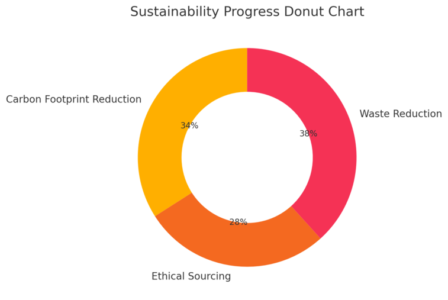
Brands that stand for something bigger than profit attract deeper loyalty. Sustainability and purpose-driven strategies aren’t trends—they’re expectations.
Consumers now reward brands that act responsibly and transparently.
Communicate Authentic Brand Values
People can spot performative branding a mile away. I suggest starting with an honest internal audit: What values genuinely drive your business decisions? Once clear, communicate them clearly and consistently.
For instance, Patagonia weaves environmental responsibility into every touchpoint—from its product design to its website copy. Their “Don’t Buy This Jacket” campaign increased both awareness and trust because it was rooted in authenticity.
To communicate your values effectively:
- Use storytelling: Share why your brand cares about certain causes.
- Back it with proof: Include data, certifications, or transparent processes.
- Keep messaging consistent: Values shouldn’t change with trends.
Authenticity isn’t claimed—it’s demonstrated.
Support Social or Environmental Initiatives
Purpose must translate into action. I believe even small brands can make a meaningful difference without massive budgets.
Some effective initiatives include:
- Donating a percentage of profits to causes aligned with your mission.
- Partnering with NGOs or local communities for projects like tree planting or education programs.
- Reducing waste through eco-friendly packaging or supply chain changes.
An example worth noting: TOMS Shoes built its brand on the “One for One” model—donating a pair for every purchase. It wasn’t just a marketing hook; it became their DNA.
Sustainability isn’t about perfection; it’s about consistent progress and honest communication about that journey.
Showcase Transparency and Ethical Practices
Transparency builds trust faster than any ad campaign. I recommend publicly sharing how your products are made, where materials come from, and how workers are treated.
For example, Allbirds includes a visible “carbon footprint” label on every product. This kind of transparency makes consumers feel part of the solution.
To apply this:
- Publish annual sustainability reports (even short ones).
- Be open about setbacks—it shows accountability.
- Use third-party certifications like B Corp or Fair Trade for credibility.
Your goal isn’t to appear flawless—it’s to prove you’re accountable and evolving.
9. Future-Proof Your Brand With Innovation and Adaptability
Markets change. Technology evolves. Customer expectations rise.
Future-proofing your brand means building adaptability into your strategy so you can evolve faster than competitors.
Stay Ahead of Industry Trends and Technology
The best brands don’t chase trends—they anticipate them. I advise setting aside time monthly to research innovations shaping your space.
Follow trend reports from McKinsey, Gartner, or HubSpot’s State of Marketing study.
To make this actionable:
- Monitor emerging platforms: For example, early adopters of TikTok gained massive visibility before it became mainstream.
- Test new tools: Experiment with AI-powered analytics (like Google’s Performance Max) or creative tools like Canva Magic Studio for content creation.
- Host internal innovation sessions: Encourage your team to share insights from conferences, podcasts, or online courses.
Brands that stay curious stay relevant.
Encourage Creativity Across Teams
Innovation rarely happens in isolation. I suggest cultivating a culture that rewards experimentation, not just results. Give your team freedom to test, fail, and learn.
A practical way to do this:
- Run quarterly brainstorming sprints focused on customer experience improvements.
- Use collaborative tools like Miro to collect and refine ideas.
- Recognize creative risk-takers publicly—praise effort as much as success.
For instance, LEGO’s Ideas platform lets fans submit and vote on new product concepts, turning customers into co-creators. That’s innovation through community.
Creativity thrives where fear doesn’t.
Continuously Refine Brand Strategies
Your brand strategy should never be static. I believe in treating it as a living system—measured, tested, and refined over time.
Here’s a structure I use with clients:
- Review performance quarterly: Look at engagement, retention, and sentiment data.
- Revisit brand positioning annually: Ensure it still fits your market and audience.
- Adapt messaging for new contexts: For example, updating tone and visuals for emerging platforms.
A brand that evolves with its audience never becomes outdated. Think of Netflix—from DVD rentals to global streaming giant—adaptation made survival inevitable.

I’m Juxhin, the voice behind The Justifiable.
I’ve spent 6+ years building blogs, managing affiliate campaigns, and testing the messy world of online business. Here, I cut the fluff and share the strategies that actually move the needle — so you can build income that’s sustainable, not speculative.
Related posts:
 How to Promote a Business
 How to Integrate Aweber with ClickFunnels
 10 Secrets to Generating Leads Online & Skyrocketing Sales
 Boost Your Digital Marketing Business Revenue in 90 Days
 Best Digital Marketing Solutions Companies for Real ROI
 Help Me Grow Online Referral: Easy Ways to Double Conversions