
Table of Contents
Some links on The Justifiable are affiliate links, meaning we may earn a small commission at no extra cost to you. Read full disclaimer.
Ecommerce marketing solutions can completely transform how online stores grow and compete in a crowded market.
The challenge most brands face isn’t about launching a website—it’s about finding scalable systems that consistently bring in customers and multiply sales.
So, what are the most effective ecommerce marketing solutions that actually drive measurable results rather than vanity metrics?
Below is a detailed, strategic outline that dives into proven tactics, tools, and methods to help you grow faster and smarter.
Building a High-Converting Ecommerce Website
A high-converting ecommerce website isn’t just about looking good—it’s about working smart. It should guide visitors naturally from curiosity to checkout without friction.
Every click should feel intuitive, every product page should build trust, and every second of load time should work in your favor.
Optimizing User Experience to Increase Conversions
A good ecommerce site feels invisible—users don’t notice the design because it just works. I recommend starting with heatmaps using tools like Hotjar or Microsoft Clarity. These show where users click, scroll, and get stuck.
Here’s what to focus on:
- Simplify navigation: Keep menus short and clear. For example, use Shop → Men → Shoes instead of long nested paths.
- Shorten the checkout flow: The fewer steps, the better. A one-page checkout with auto-filled fields can lift conversion rates by 20% or more.
- Use visual hierarchy: Highlight CTAs (calls-to-action) like “Add to Cart” using contrasting colors.
People buy when they trust the process. Create a flow that feels human—predict what they’ll want next and give it to them before they even ask.
Creating Mobile-Responsive and Fast-Loading Pages
Mobile shoppers now account for over 70% of ecommerce traffic. If your site isn’t responsive, you’re losing money daily. Run your store through Google’s PageSpeed Insights—anything above 90 is ideal.
Practical tips to boost speed:
- Compress large images with TinyPNG or ShortPixel.
- Use a content delivery network (CDN) like Cloudflare to serve assets faster globally.
- Minimize pop-ups on mobile. They can frustrate users and hurt rankings.
I’ve seen stores jump 30% in mobile conversions just by fixing slow-loading hero images and bloated JavaScript.
Implementing Conversion Rate Optimization (CRO) Tools
CRO is about testing and refining—not guessing. Tools like VWO (Visual Website Optimizer) let you A/B test different versions of your pages.
Start with these simple experiments:
- Change button colors or CTA phrasing (“Buy Now” vs. “Get Yours Today”).
- Rearrange homepage sections based on engagement.
- Test product descriptions with or without social proof.
Record your results weekly. Even small tweaks—like moving testimonials higher—can increase conversions by 10–15%.
Using Trust Signals and Social Proof to Build Credibility
Trust sells. People hesitate to buy from unknown brands, so you need to show that others already have.
Add these credibility boosters:
- Customer reviews and star ratings (use Judge.me or Loox).
- “As seen on” or partner logos from trusted brands.
- Secure payment badges (Visa, MasterCard, PayPal, etc.).
- Transparent policies: refunds, shipping, and guarantees.
A quick example: a Shopify jewelry brand saw a 40% lift in checkout completions after adding a “100% Money-Back Guarantee” badge below the CTA. It’s small details like this that make visitors feel safe enough to click “Buy.”
Developing a Data-Driven Content Marketing Strategy
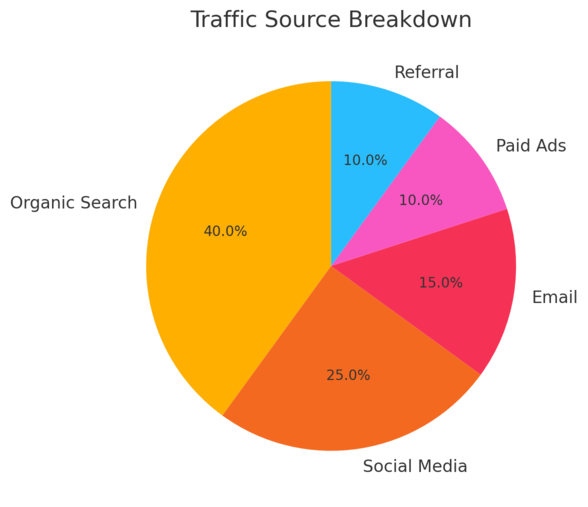
Content isn’t just about traffic—it’s about profitable attention. A strong ecommerce content strategy helps you rank higher, educate your customers, and keep them returning for more.
Crafting Blog Content That Attracts and Converts
Your blog should serve one purpose: guide readers closer to a purchase. The trick is to blend education with subtle selling.
Example: Instead of “Top 10 Sneakers for 2025,” write “Top 10 Sneakers for Long Workdays (And Where to Buy Them).”
You’ve created value and offered a solution.
I recommend using the topic cluster model: write long-form pillar posts (e.g., “The Ultimate Guide to Sustainable Fashion”) and support them with smaller posts linking back to it.
This helps Google understand your topical authority, boosting rankings naturally.
Leveraging SEO Tools for Keyword and Competitor Research
You can’t create winning content without data. Tools like Ahrefs, Semrush, or Ubersuggest reveal what your competitors rank for and what customers search.
Here’s a quick workflow:
- Plug your top 3 competitors into Ahrefs’ Site Explorer.
- Check their “Top Pages” and export keyword data.
- Find content gaps—topics they rank for that you haven’t covered.
Once you know the keywords, create content that answers those queries better, faster, and more clearly than they do. That’s how you outrank established brands even with fewer backlinks.
Creating Product-Focused Educational Content
Product-focused content educates while selling. Think of how Casper teaches readers about sleep science or how Allbirds explains eco-friendly materials.
Examples you can use:
- “How to Choose the Right Laptop for Graphic Design” linking to your laptop collection.
- “Why Organic Cotton Tees Last Longer” linking to your clothing line.
Explain the why behind your products—it creates logical and emotional buying triggers.
Using Visual Storytelling to Showcase Brand Value
Images and videos make your brand real. Shoppers connect more deeply when they see themselves using your products.
What works best:
- Behind-the-scenes clips of how products are made.
- Short testimonial videos featuring real customers.
- Infographics that explain product benefits or comparisons.
If you’re using Shopify, embed videos directly in product galleries. Visual storytelling turns passive browsers into active buyers.
Harnessing Email Marketing Automation for Retention
Email remains one of the most profitable ecommerce marketing solutions—period.
With the right automation, you can nurture leads, bring back lapsed customers, and increase lifetime value effortlessly.
Building Targeted Email Lists With Lead Magnets
The key is to give before you ask. Offer a valuable lead magnet like a 10% discount, style quiz, or free guide.
Use forms via Klaviyo or Mailchimp to capture emails at multiple touchpoints (pop-ups, checkout, footer).
Pro tip: Segment subscribers right away (e.g., “Men’s” vs. “Women’s” products) to personalize messages later.
Segmenting Audiences Based on Purchase Behavior
Not all customers are the same—so don’t talk to them like they are. Platforms like Klaviyo let you create behavior-based segments:
- First-time buyers → send a thank-you + product education series.
- Repeat customers → offer loyalty rewards or VIP discounts.
- Abandoned carts → send a reminder with an incentive after 24 hours.
Segmentation can increase email revenue by up to 760% (HubSpot).
Crafting Automated Drip Campaigns for Repeat Sales
Automation keeps your store running while you sleep. A simple 3-step sequence might include:
- Welcome email: Introduce your brand story.
- Education email: Show product benefits or styling tips.
- Offer email: Give a discount or upsell complementary items.
In my experience, automated post-purchase emails can double repeat order rates when paired with helpful product content (like “How to Care for Your New Shoes”).
Tracking Open Rates and Conversions for Optimization
Don’t just send—analyze. Measure open rate, click-through rate (CTR), and conversion rate for each campaign.
If your open rate drops:
- Test different subject lines (use curiosity or urgency).
If CTR is low: - Add more visuals or simplify your CTA buttons.
If conversions lag: - Align offers with what your data says people buy most.
Tools like Klaviyo Analytics or Mailchimp Reports visualize this beautifully. When you base adjustments on data, your campaigns become smarter over time—like a learning machine for your revenue.
Pro Insight: I believe ecommerce success depends on optimizing small details consistently. Your website, content, and emails are three pillars of that system. Nail them, and everything else—ads, SEO, social—works more efficiently.
Next time you review your analytics, ask: “Is this helping me understand my customer better?” That question alone can guide every profitable change.
Scaling Traffic With Paid Advertising Campaigns
Paid ads can instantly scale traffic when organic growth hits a ceiling. The key is not just spending more, but spending smarter.
Every click should have a measurable purpose—awareness, engagement, or sales.
Running Google Shopping Ads for Product Visibility
Google Shopping Ads place your products directly in front of ready-to-buy customers. These visual listings show product images, prices, and ratings at the top of search results.
Here’s how to optimize Google Shopping campaigns:
- Sync your product feed with Google Merchant Center. Make sure titles, descriptions, and prices are accurate and keyword-optimized.
- Use Smart Shopping Campaigns. These leverage Google’s AI to automate bids and placements based on conversion data.
- Segment by product category. For example, run one campaign for “Women’s Shoes” and another for “Accessories” to control spend and performance separately.
In my experience, updating product feeds weekly helps avoid disapproved listings.
A small ecommerce store I worked with saw a 28% increase in conversions within two months just by improving product titles and using custom labels for seasonal products.
Optimizing Meta (Facebook & Instagram) Ad Funnels
Meta Ads (Facebook and Instagram) remain top-tier for ecommerce because of advanced audience targeting. A strong funnel strategy can turn cold audiences into loyal buyers.
Effective ad funnel setup:
- Top of funnel (awareness): Use short videos or carousels to showcase lifestyle value, not just products.
- Middle of funnel (engagement): Retarget visitors who interacted with your ads or website using testimonials or limited offers.
- Bottom of funnel (conversion): Focus on urgency—use copy like “Only 5 left” or “Offer ends tonight.”
I suggest checking Meta Ads Manager > Breakdown > Placement weekly to see where your budget performs best (e.g., Instagram Reels vs. Facebook Feed). Reducing spend on underperforming placements often saves 10–20% of your ad budget.
Using Retargeting Campaigns to Recover Abandoned Carts
Roughly 70% of shoppers abandon carts. Retargeting helps win them back with personalized ads that remind them what they left behind.
How to make retargeting effective:
- Segment cart abandoners by time frame (24h, 3 days, 7 days).
- Show dynamic product ads using catalog feeds to display the exact product they viewed.
- Include a small incentive, like “Get 10% off if you complete your order today.”
For example, using Klaviyo’s Facebook integration lets you sync email audiences directly into ad sets, ensuring consistent messaging across both channels.
One campaign I ran achieved a 4.8x ROAS simply by adding a countdown timer graphic in retargeting creatives.
Measuring ROI and Adjusting Bids for Maximum Impact
Paid ads only work when you monitor the data closely. I advise tracking three key metrics: Return on Ad Spend (ROAS), Cost per Acquisition (CPA), and Customer Lifetime Value (LTV).
Actionable tips for bid optimization:
- Check Google Ads > Campaigns > Bid Strategy Report weekly to spot underperforming keywords.
- Use Target ROAS bidding for profitable products and Maximize Conversions for new product testing.
- Compare ad platform data with Google Analytics Ecommerce Tracking for a true ROI view.
Adjusting bids based on time of day or device type often yields a quick performance lift. For instance, shifting more spend to mobile ads during lunch hours improved a fashion brand’s conversion rate by 22%.
Leveraging Influencer Marketing for Brand Growth
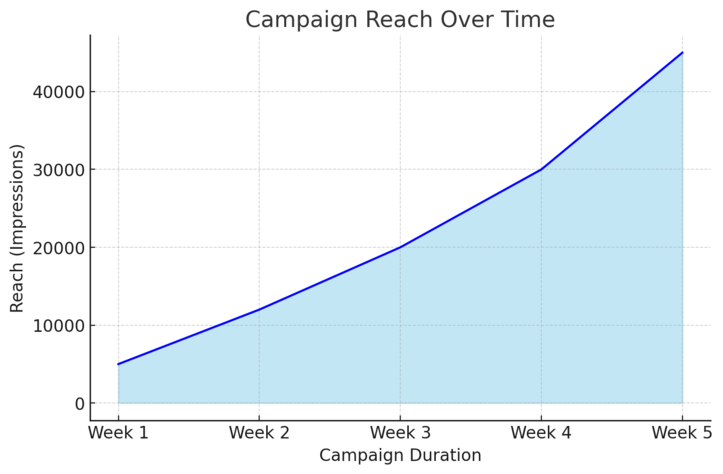
Influencer marketing remains one of the most powerful ecommerce marketing solutions when done authentically.
It builds trust faster than traditional ads because real people are sharing real experiences.
Finding the Right Influencers for Your Target Audience
Success begins with alignment. Focus on creators whose audience overlaps with your ideal buyer, not just those with massive followings.
Tools to help you find the right influencers:
- Upfluence or Heepsy for audience demographics and engagement analysis.
- TikTok Creator Marketplace or Instagram’s Partner Search to find verified creators by niche.
Look for engagement rates between 2%–5%. A smaller influencer with loyal fans often drives more sales than a celebrity with passive followers.
I recommend reaching out personally with genuine interest in their work—people respond to authenticity, not templates.
Structuring Collaboration Deals That Drive Conversions
Influencer deals should be performance-based when possible. Negotiate clear deliverables tied to outcomes like traffic, sign-ups, or sales.
Strong deal structures include:
- Affiliate-based payments: Influencers earn commission per sale via trackable links.
- Discount codes: Use unique codes like “JULIA15” for easy conversion tracking.
- Content licensing: Repurpose influencer videos in your ads (with permission).
I’ve seen brands double their ROI by reusing influencer videos in Facebook Ads. They look native and outperform polished branded content every time.
Using Micro-Influencers for Cost-Effective Results
Micro-influencers (1K–50K followers) often have tight-knit audiences that trust their opinions. They’re ideal for startups or niche brands.
Why they work:
- Authentic voice and stronger audience connection.
- Lower collaboration costs ($100–$500/post on average).
- Often open to product exchange instead of cash payment.
I suggest running campaigns with 5–10 micro-influencers simultaneously and tracking metrics like engagement rate and referral sales. This diversity gives better insights into which audience type converts best for your brand.
Measuring Engagement and Sales Impact from Campaigns
You can’t improve what you don’t measure. Track both social and ecommerce metrics to understand real campaign ROI.
Metrics to monitor:
- Engagement rate (likes + comments ÷ followers × 100).
- Click-through rate from influencer bios or stories.
- Conversion rate on tracked discount codes or UTM links.
Using Google Analytics > Acquisition > Campaigns helps visualize traffic and sales coming from influencer collaborations.
I once worked with a skincare brand where influencer-driven traffic converted 37% higher than Meta ads during a single month—proof that trust trumps targeting.
Maximizing Social Media Marketing Performance
Social media marketing is where ecommerce brands show their personality and connect directly with their customers.
The goal isn’t just posting—it’s engaging with purpose and turning followers into buyers.
Creating Platform-Specific Content That Converts
Each platform has its rhythm. What works on Instagram may flop on TikTok. I recommend creating native content—formats that feel at home on each app.
Here’s how to tailor your content:
- Instagram: High-quality visuals, lifestyle photography, and Reels tutorials.
- TikTok: Fast-paced, relatable videos (show behind-the-scenes moments).
- Pinterest: Vertical infographics and product inspiration boards.
If you’re short on time, tools like Later can auto-schedule posts while maintaining consistent branding.
Using Social Commerce Features to Drive Direct Sales
Social commerce—selling directly inside platforms like Instagram, TikTok, or Facebook—is transforming ecommerce. It removes friction by letting users buy without leaving the app.
Practical setup tips:
- Enable Instagram Shopping via Meta Commerce Manager. Tag products in posts and stories.
- Use TikTok Shop to list products directly under videos.
- Sync your Shopify store to Facebook Commerce for seamless inventory updates.
A beauty brand I helped increased sales by 18% after enabling in-app checkout on Instagram—customers no longer dropped off between the product view and website load.
Engaging Communities Through Comments and Live Sessions
Social media isn’t a megaphone—it’s a conversation. Reply to comments, join discussions, and go live. Lives, in particular, drive strong engagement because of their immediacy.
Try this approach:
- Host weekly product Q&A sessions.
- Showcase new arrivals in live demos.
- Feature real customers and answer questions in real time.
These sessions humanize your brand. I’ve seen engagement jump 3x when founders appear personally in live sessions—it builds familiarity and trust fast.
Tracking Analytics to Identify Top-Performing Channels
Without data, social marketing feels like guesswork. Each platform offers analytics tools—Meta Insights, TikTok Analytics, and Pinterest Business Hub.
Focus on:
- Reach and engagement trends.
- Click-through rate to product pages.
- Conversion rate from social traffic (trackable in Google Analytics).
If your engagement rate is dropping, try adjusting post timing or tone.
I recommend using a simple spreadsheet to log content performance weekly. Patterns emerge quickly when you track manually—and that’s how you refine your most profitable channels.
Pro Insight: Paid ads bring customers in fast, influencers build credibility, and social media keeps them connected. The smartest ecommerce marketing solutions combine all three—driving immediate results while nurturing long-term trust. When you align these systems, your traffic doesn’t just grow—it compounds.
Implementing Search Engine Optimization for Visibility
Search engine optimization (SEO) is what keeps your ecommerce store discoverable long after ads stop running.
A well-optimized site draws consistent, organic traffic—and that traffic converts better because it’s driven by intent, not interruption.
Conducting On-Page Optimization for Product Pages
Every product page is a potential landing page, so treat each like its own mini home page. I always start by optimizing three key areas: titles, descriptions, and images.
Here’s a quick optimization workflow:
- Title tags: Keep them under 60 characters and include your primary keyword (e.g., “Men’s Waterproof Hiking Boots | Brand Name”).
- Meta descriptions: Write naturally persuasive summaries—under 160 characters—that invite clicks.
- Alt text for images: Describe what’s in the image (“brown leather hiking boot with traction sole”) so Google understands the context.
- Schema markup: Use JSON-LD product schema so search engines display prices, reviews, and stock levels directly in results.
From my experience, just adding structured data can improve organic click-through rates (CTR) by up to 30%. Platforms like Shopify and WooCommerce have SEO plugins—like Yoast or Smart SEO—that make this process seamless.
Using Technical SEO to Improve Site Performance
Technical SEO is the invisible foundation of visibility. If your site is slow, unsecure, or poorly structured, search engines won’t reward it—no matter how great your content is.
Core technical checks to focus on:
- Page speed: Use Google PageSpeed Insights to identify slow-loading assets. Compress large images, minimize JavaScript, and cache pages.
- Mobile usability: Over 70% of ecommerce visits are mobile, so use Bing’s Mobile-Friendly Test to catch responsive issues.
- Crawlability: Submit your sitemap to Google Search Console and check for indexing errors.
- HTTPS security: Secure your site with SSL. It’s a ranking factor and builds user trust.
A client once saw a 40% traffic increase after fixing crawl errors and switching to a faster hosting plan—proof that behind-the-scenes tweaks can have major results.
Building High-Quality Backlinks Through Partnerships
Backlinks are still one of the strongest ranking signals. But the key is quality over quantity. Focus on partnerships that naturally fit your brand.
Practical backlink-building strategies:
- Supplier and manufacturer links: Ask to be listed as a featured retailer on supplier websites.
- Guest posts: Share useful content on related blogs in your niche.
- Collaborations: Run joint promotions or giveaways with complementary brands.
- Digital PR: Publish press releases for new product launches or awards.
I suggest using Ahrefs’ Backlink Checker to monitor your link profile monthly. You’ll quickly spot opportunities and detect harmful links before they impact rankings.
Tracking Organic Traffic Growth and Keyword Rankings
Data turns SEO from guesswork into strategy. The two tools I rely on most are Google Search Console and Ahrefs.
What to monitor regularly:
- Top-performing keywords and their positions.
- Click-through rate (CTR) per page.
- New vs. returning organic visitors.
- Conversion rate from organic traffic.
Create a simple Google Sheet to log changes. Over time, you’ll see how small optimizations compound. I advise reviewing metrics every two weeks—SEO rewards consistency, not one-time effort.
Personalizing Customer Journeys With AI Tools
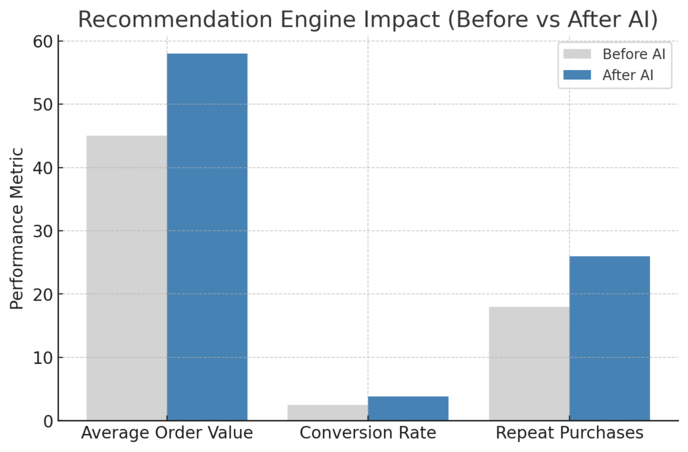
AI personalization transforms ecommerce from static to dynamic. It helps each customer feel understood, offering recommendations and support tailored to their exact behavior.
Using AI Recommendation Engines to Boost Average Order Value
Recommendation engines analyze purchase data and browsing behavior to suggest the most relevant products. Amazon’s famous “Frequently Bought Together” feature is a classic example.
Ways to apply AI recommendations:
- Display “You Might Also Like” sections on product pages.
- Show complementary items during checkout.
- Use AI tools like Nosto or Dynamic Yield to generate recommendations automatically.
I’ve seen stores increase average order value (AOV) by 20–25% just by implementing these personalized prompts. They mimic the natural upselling that happens in physical stores—without feeling pushy.
Personalizing Emails and Website Content Based on Behavior
Personalization goes beyond using someone’s name. It’s about timing and relevance.
How to personalize effectively:
- Segment emails by behavior (browsing, cart activity, past purchases).
- Send automated “back in stock” or “price drop” alerts.
- Use dynamic website content—like homepage banners that change based on user history.
Platforms such as Klaviyo or ActiveCampaign make behavioral segmentation simple. For example, I once set up a rule that sent skincare product recommendations based on the user’s climate zone—conversions jumped 18%.
Implementing Chatbots for Real-Time Support and Upselling
AI chatbots can handle thousands of inquiries simultaneously, freeing up human agents for complex issues.
Smart chatbot applications:
- Customer support: Automate FAQs like “Where’s my order?” using platforms like Gorgias or Tidio.
- Product guidance: Suggest products based on previous purchases.
- Upselling: Trigger upsell messages like “Add X to your cart and get free shipping.”
Keep chatbots friendly and conversational. A small touch like including emoji or casual tone (“Hey there! Need help choosing your size?”) makes the experience feel more human.
Measuring Customer Retention Through Predictive Analytics
AI can forecast which customers are likely to churn or buy again, allowing you to act before they disappear.
Metrics to track:
- Customer lifetime value (CLV) – total revenue expected per user.
- Churn rate – percentage of users who stop purchasing.
- Engagement frequency – average days between visits or orders.
Tools like RetentionX or Shopify’s built-in analytics visualize this beautifully. I advise checking CLV monthly—if it’s not rising, your personalization strategy needs refinement.
Streamlining Operations With Ecommerce Automation Tools
Automation keeps your business lean and scalable. It saves time, reduces human error, and ensures no sales opportunity slips through the cracks.
Automating Order Management and Inventory Tracking
Manual tracking is one of the biggest bottlenecks for growing stores. Automation tools like ShipBob or Cin7 sync your inventory, orders, and shipping data across platforms.
Automate these processes:
- Order confirmations and shipping notifications.
- Low-stock alerts to trigger reorders automatically.
- Inventory updates between ecommerce and warehouse systems.
One store I worked with cut fulfillment time by 35% simply by integrating Shopify with ShipStation. The result? Faster delivery, happier customers, and fewer mistakes.
Using CRM Platforms to Manage Customer Relationships
A good CRM (Customer Relationship Management) platform keeps every customer interaction organized in one place.
Best CRM options for ecommerce:
- HubSpot CRM for segmentation and automation workflows.
- Zoho CRM for tracking customer pipelines.
- Salesforce Commerce Cloud for advanced AI insights.
These tools help you visualize your sales funnel, from first click to repeat purchase. I suggest setting up automated reminders for follow-ups—no customer should feel forgotten.
Integrating Marketing Automation Platforms for Efficiency
When all your marketing tools talk to each other, everything runs smoother. Platforms like Zapier or Make (Integromat) connect your store with email, social, and CRM tools automatically.
Example workflow:
- When a new customer buys, trigger a thank-you email in Klaviyo.
- Add them to a “new buyer” list in HubSpot.
- Send a retargeting ad via Meta Ads.
I recommend mapping your automations visually in Zapier’s dashboard—it helps identify redundancies and avoid overlapping workflows.
Analyzing Data to Refine Marketing and Sales Processes
Automation produces a lot of data, but its value comes from interpretation. Use analytics dashboards to identify bottlenecks and opportunities.
Key data points to track:
- Average fulfillment time per order.
- Abandoned cart recovery rate.
- Email-to-purchase conversion rates.
- Inventory turnover ratio.
Regularly reviewing these numbers helps you spot inefficiencies before they snowball. I’ve seen stores increase profitability by 15% in three months just by fixing workflow delays identified through automation data.
Pro Insight: The most successful ecommerce businesses run like well-tuned systems. SEO builds visibility, AI creates relevance, and automation keeps operations flowing.
When you align these three elements, you don’t just grow—you scale sustainably, freeing up your time to focus on creativity and strategy instead of constant firefighting.
Measuring Success With Analytics and Performance Metrics
You can’t improve what you don’t measure. In ecommerce, understanding your numbers isn’t optional—it’s how you make smarter decisions that drive growth.
Analytics gives you visibility into what’s working, what’s wasting money, and where to focus next.
Setting Up Google Analytics and Ecommerce Tracking
Google Analytics (GA) is the foundation of ecommerce tracking. If you haven’t set it up yet, do it today. It’s free, powerful, and gives you a full view of customer behavior and sales performance.
Here’s how to get started:
- Go to Google Analytics > Admin > Property > Data Streams, then connect your store’s domain.
- In Shopify or WooCommerce, install GA4 through their integrations or use Google Tag Manager for manual setup.
- Enable Enhanced Ecommerce Tracking to capture key actions like “Add to Cart,” “Checkout Started,” and “Purchase Completed.”
Once it’s running, review your Acquisition > Traffic Acquisition report weekly. This shows which channels (organic, paid, social, email) bring the most engaged buyers—not just traffic.
I suggest linking Google Analytics with Google Ads and Search Console to unify your insights in one place.
Monitoring KPIs Like Conversion Rate and Customer Lifetime Value
Metrics like traffic and impressions are nice, but they don’t pay the bills.
The most meaningful KPIs (Key Performance Indicators) tell you how efficiently your store converts visitors into customers—and how long those customers stick around.
The three most valuable KPIs for ecommerce:
- Conversion Rate (CR): Percentage of visitors who buy. If it’s under 2%, review UX and checkout flow.
- Average Order Value (AOV): The average spend per purchase. Bundles or cross-sells can raise it.
- Customer Lifetime Value (CLV): Total revenue a customer brings over time.
You can find these metrics in GA4 > Monetization > Overview or directly in your ecommerce platform dashboard.
In my experience, tracking CLV monthly gives you the clearest picture of brand health—especially if you run recurring promotions or loyalty programs.
Using Attribution Models to Identify Top-Performing Channels
Attribution modeling helps you understand which marketing channels actually drive sales, not just clicks.
The main attribution models you’ll encounter:
- Last-click: Gives credit to the final touchpoint (useful for short buying cycles).
- First-click: Attributes conversions to the first interaction (great for awareness campaigns).
- Data-driven: Google’s AI model that distributes credit based on actual conversion paths.
You can explore these in GA4 > Advertising > Attribution > Model Comparison.
If you’re running both organic and paid campaigns, I advise testing the data-driven model—it often uncovers hidden high-impact channels that don’t get full credit under last-click analysis.
Continuously Testing and Improving Campaign Performance
Optimization is never done. Use A/B testing tools like VWO to test headlines, CTAs, layouts, and even pricing structures.
A smart optimization rhythm might look like this:
- Review analytics weekly to identify low-performing pages.
- Create test variants (e.g., different CTA colors or text).
- Run the test for 2–4 weeks with at least 1,000 visits per version.
- Implement the winner and document results.
One ecommerce brand I worked with improved revenue by 19% in six weeks simply by testing free shipping thresholds ($50 vs. $75). Tiny tweaks compound over time when you’re consistently testing.
Expanding Revenue Streams Through Affiliate Marketing
Affiliate marketing turns loyal advocates and content creators into your sales force.
It’s performance-based, meaning you only pay when sales happen—perfect for scaling efficiently without ballooning ad costs.
Setting Up an Ecommerce Affiliate Program
Launching an affiliate program starts with having the right system to track clicks, sales, and commissions accurately.
Simple setup path:
- Choose software like Refersion, Post Affiliate Pro, or GoAffPro.
- Create custom affiliate links or discount codes for each partner.
- Set clear commission rules (e.g., 10–20% per sale).
If you use Shopify, apps like UpPromote make onboarding affiliates a two-step process—just approve and they’re live. I suggest starting with your current customers first; many are happy to share your brand for rewards.
Recruiting High-Quality Affiliates in Your Niche
The best affiliates understand your audience and can sell naturally. Don’t chase high follower counts—look for trusted voices who align with your brand values.
Ways to find affiliates:
- Search YouTube and TikTok for niche creators reviewing similar products.
- Post partnership invites on Reddit communities or Facebook groups.
- Reach out to bloggers already ranking for relevant search terms.
I once helped a home décor brand onboard interior design influencers with under 10K followers, but their authentic posts outperformed big names. Trust and relatability often win over reach.
Tracking Performance Through Dedicated Software
Tracking ensures you know which affiliates bring real results. Most platforms provide dashboards showing clicks, sales, and commissions per partner.
What to monitor monthly:
- Conversion rate per affiliate.
- Revenue per 100 clicks.
- Return on Affiliate Spend (ROAS).
Tools like Tapfiliate or Impact.com also let you automate payouts, reducing manual work. I recommend reviewing performance quarterly to prune underperforming partners and double down on the best ones.
Offering Incentives and Bonuses to Boost Sales
Affiliates thrive on motivation. Bonuses and limited-time incentives can reignite campaigns and strengthen partnerships.
Examples of effective incentives:
- Extra 5% commission during holidays or launches.
- Leaderboard challenges (top 3 affiliates win cash or free products).
- Exclusive first access to new product lines.
One fitness brand I worked with added a $200 quarterly bonus for affiliates exceeding 30 sales. Conversions jumped 35% in the next two months—it proved that a little recognition goes a long way.
Building Long-Term Loyalty With Customer Retention Strategies
Retention is the quiet hero of ecommerce profitability.
Acquiring new customers costs up to five times more than retaining existing ones. Building loyalty keeps revenue steady even when traffic dips.
Creating Loyalty Programs That Encourage Repeat Purchases
A well-designed loyalty program gives customers a reason to return. I advise using point-based systems that reward purchases and engagement.
Popular platforms for loyalty programs:
- Smile.io for Shopify (points, tiers, and referrals).
- LoyaltyLion for customizable reward structures.
- Yotpo Loyalty for email and SMS integration.
Make rewards visible—add a “Earn Rewards” tab in your navigation and show available points at checkout. Small reminders can drive big behavioral change.
Gathering Customer Feedback for Product Improvements
Feedback isn’t just about reviews—it’s insight for innovation. Use post-purchase surveys or NPS (Net Promoter Score) forms to collect real opinions.
Tools like: Typeform or Hotjar Surveys can embed feedback forms right into thank-you pages.
I suggest asking one simple question: “What almost stopped you from buying?” The answers often reveal friction points in your funnel faster than analytics can. Acting on these insights strengthens both product and trust.
Using Subscription Models to Stabilize Revenue
Subscriptions create predictable income and convenience for customers. They work especially well for consumables or seasonal products.
Smart subscription strategies:
- Offer discounts for recurring purchases (e.g., “Subscribe & Save 10%”).
- Let users manage delivery frequency directly in their account.
- Use platforms like Recharge or Bold Subscriptions to automate billing and renewals.
A coffee brand I advised saw monthly revenue grow 45% after launching subscriptions—customers loved the ease of never running out.
Implementing Win-Back Campaigns for Inactive Customers
Inactive customers are low-hanging fruit. They already know your brand—you just need to re-engage them thoughtfully.
Effective win-back approach:
- Identify customers inactive for 60–90 days.
- Send personalized emails with subject lines like “We Miss You” or “Your Favorites Are Waiting.”
- Include a special offer or new product recommendation.
Using Klaviyo’s segmentation and automations, I’ve seen reactivation rates above 12%. It’s one of the simplest, most profitable automations you can run.
Pro Insight: The real power of ecommerce growth lies in balance—measure performance, diversify revenue through affiliates, and nurture long-term relationships with loyal customers. Numbers show you what’s happening, but loyalty shows you why it matters. Combine both, and you’re building not just sales—but a brand that lasts.
Boosting Global Reach With Multichannel Selling
Expanding your ecommerce business beyond your own website can dramatically increase visibility and sales.
Multichannel selling means listing your products on multiple platforms like Amazon, eBay, Walmart, and social commerce channels.
It’s about being wherever your customers prefer to shop—without losing control of your brand.
Integrating Marketplaces Like Amazon and eBay
Listing on major marketplaces exposes your brand to millions of shoppers already in buying mode. But integration must be handled carefully to avoid pricing inconsistencies or overselling.
Here’s how to do it right:
- Use tools like Sellbrite, Rithum, or CedCommerce to sync your product catalog across platforms.
- Keep pricing competitive but consistent to maintain trust across all channels.
- Optimize each marketplace listing with relevant keywords, high-quality images, and clear descriptions.
I’ve seen brands increase monthly revenue by 35% within 60 days of launching on Amazon after properly syncing inventory with Shopify. The trick is automation—manual updates always lead to stock errors and lost sales opportunities.
Managing Multi-Channel Inventory Efficiently
As you expand to more platforms, inventory management becomes the backbone of operations.
I recommend connecting all sales channels through one centralized system to prevent overselling and streamline fulfillment.
Best practices for smooth inventory management:
- Use tools like Extensiv or Linnworks for real-time tracking.
- Set reorder alerts when stock hits minimum thresholds.
- Sync warehouse data with your online store and marketplaces in real time.
If you’re scaling fast, I suggest integrating with third-party logistics (3PL) partners like ShipBob or ShipHero to handle multi-channel fulfillment efficiently. The key is to let systems—not people—keep inventory synchronized.
Localizing Marketing Campaigns for International Audiences
Selling globally isn’t just about shipping abroad—it’s about communicating in a way that feels local.
Here’s what to focus on:
- Translate your store and campaigns into the local language using Weglot or Langify.
- Offer local currencies and preferred payment options like Klarna, Payoneer, or Alipay.
- Run region-specific ads with tailored messaging and visuals.
For example, one of my clients saw a 40% increase in EU conversions after adding euro pricing and translating only the checkout process. Small local touches create big confidence boosts for international buyers.
Ensuring Consistent Branding Across All Sales Channels
Consistency builds trust, and trust builds conversions. Whether a customer finds you on Instagram, Amazon, or your website, the tone, visuals, and messaging should feel unmistakably yours.
Checklist for brand consistency:
- Use the same logo, color palette, and tone of voice across every channel.
- Standardize product descriptions and photography guidelines.
- Keep customer support responses aligned with your brand’s personality.
I advise maintaining a brand style guide accessible to your team and partners. Even subtle details—like how you phrase “Free Shipping” or “Returns”—shape your brand identity globally.
Increasing Conversions Through Advanced Remarketing
Remarketing is one of the smartest ecommerce marketing solutions for turning lost visitors into paying customers. It’s about reminding people of what they loved—and giving them a reason to come back.
Segmenting Abandoned Cart Users for Personalized Offers
Not all cart abandoners are the same, so segment them based on behavior to create personalized offers.
Segmentation ideas:
- Users who added one product vs. multiple items.
- First-time visitors vs. returning customers.
- High-value carts ($100+) vs. smaller carts.
Once segmented, target each group differently. For example, offer a discount to first-time visitors and free shipping to loyal customers. Tools like Klaviyo, Mailchimp, or Facebook Custom Audiences make these segments easy to set up.
I’ve seen recovery rates double when cart emails include personalized product images and dynamic discount codes—it makes the offer feel crafted just for that shopper.
Using Dynamic Product Ads for Higher Click-Through Rates
Dynamic Product Ads (DPAs) automatically show users the exact products they viewed, increasing relevance and click-through rates.
Quick setup guide:
- Sync your product catalog with Meta Ads Manager or Google Ads Merchant Center.
- Enable “Retargeting” in campaign settings.
- Use carousel or collection formats to showcase multiple products at once.
DPAs often achieve 2–3x higher ROI compared to static ads because they follow intent. I recommend testing formats—video DPAs sometimes outperform image ones by 20% when showcasing lifestyle context.
Testing Ad Creatives and Messages to Improve Conversions
Ad fatigue kills results fast, so constant testing is essential. I advise using A/B testing tools like Facebook Experiments to compare ad variations.
Elements to test regularly:
- Headline and CTA text (“Shop Now” vs. “Claim Yours Today”).
- Ad imagery (lifestyle vs. product-only).
- Incentives (free shipping vs. 10% off).
Always run tests long enough to collect statistically significant data—at least 1,000 impressions per variant. Over time, you’ll identify the exact tone and visuals your audience responds to best.
Analyzing Remarketing ROI Across Different Platforms
Remarketing performance can vary across channels, so track results separately.
Metrics to monitor:
- Click-through rate (CTR).
- Conversion rate (CVR).
- Return on ad spend (ROAS).
Use Google Analytics or Triple Whale to unify data from Facebook, Google, and email. From what I’ve seen, remarketing on Facebook often delivers the highest CTR, while Google Display tends to capture late-stage conversions. Balance your spend accordingly.
Strengthening Brand Authority With User-Generated Content
User-generated content (UGC) transforms happy customers into your most powerful marketing asset. It builds credibility and community—two things money alone can’t buy.
Encouraging Customers to Leave Reviews and Share Photos
People trust people more than ads. Make it easy for customers to share their experience after every purchase.
Ways to collect UGC:
- Send post-purchase emails with a direct “Leave a Review” button.
- Offer loyalty points or discounts for uploading photos.
- Use tools like Loox, Yotpo, or Judge.me to automate review collection.
I’ve found that adding customer photos below product listings can lift conversions by 10–15%—it reassures new buyers that your products look just as good in real life.
Featuring UGC in Email Campaigns and Product Pages
Once you’ve gathered reviews and photos, showcase them across your marketing channels.
Practical placement ideas:
- Highlight customer testimonials in promotional emails.
- Add “Real Customer Photos” sections on product pages.
- Feature social proof in ad creatives for better credibility.
If you’re using Klaviyo, simply insert dynamic UGC blocks to display reviews automatically. I advise refreshing them monthly to keep content feeling authentic and current.
Running Hashtag Campaigns to Boost Visibility
Hashtag campaigns are great for building social engagement while collecting content organically.
Tips to create effective hashtag campaigns:
- Choose a short, memorable tag (e.g., #MyBrandStyle or #MadeWith[BrandName]).
- Feature tagged posts on your site using widgets like Flockler or Pixlee.
- Incentivize participation with giveaways or shoutouts.
One fashion brand I worked with gained over 2,000 tagged Instagram posts in three months just by offering a monthly “Feature Friday” contest. That kind of organic content is marketing gold.
Tracking UGC Engagement and Its Impact on Conversions
To understand UGC’s real impact, you need to measure it.
What to track:
- Engagement rate on UGC vs. branded posts.
- Conversion lift on product pages with reviews.
- Referral traffic from social media campaigns.
Tools like Sprout Social or Hootsuite Analytics make it easy to visualize engagement patterns. In my experience, UGC-driven campaigns often outperform branded ads by 2–3x in CTR and generate more lasting trust.
Pro Insight: Scaling ecommerce isn’t just about more channels or more ads—it’s about smarter integration, human connection, and customer trust. When you combine multichannel reach, intelligent remarketing, and authentic user content, your brand doesn’t just grow—it becomes unforgettable.

I’m Juxhin, the voice behind The Justifiable.
I’ve spent 6+ years building blogs, managing affiliate campaigns, and testing the messy world of online business. Here, I cut the fluff and share the strategies that actually move the needle — so you can build income that’s sustainable, not speculative.
Related posts:
 Ecommerce Store Guide: 7 Negative Pitfalls to Avoid
 Affordable Ecommerce Email Marketing Agency Services
 10 Proven Strategies to Grow Online Sales Instantly
 Ecommerce Marketing Guide: Turn Traffic Into Sales
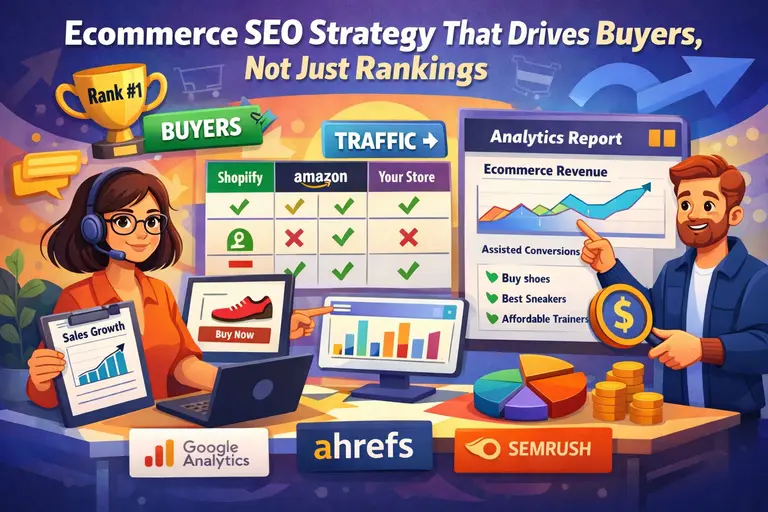 Ecommerce SEO Strategy That Drives Buyers, Not Just Rankings
 Dropshipping Business Model Success: Tips for Long-Term Growth