
Table of Contents
Some links on The Justifiable are affiliate links, meaning we may earn a small commission at no extra cost to you. Read full disclaimer.
If you’ve ever wondered how to grow online presence fast without wasting months on trial and error, you’re in the right place. Building visibility in today’s crowded digital world isn’t just about posting more—it’s about posting smarter.
The right strategy can transform you from invisible to influential faster than you think. So, what steps actually work when it comes to standing out online?
Let’s break it down into proven, actionable strategies that drive real results.
Identify Your Digital Identity and Unique Value
To truly learn how to grow online presence, you need to start by knowing who you are and what makes you different.
Without clarity in your digital identity, your online presence becomes just noise in a crowded feed.
Define What Makes You Stand Out
I always tell people: your “digital DNA” is what sets you apart. It’s a mix of your values, skills, and personality—translated into how you show up online.
Start by asking yourself three questions:
- What do I do better or differently than others in my niche?
- Who do I want to help, and why?
- What tone or feeling should people associate with me or my brand?
For example, if you’re a freelance designer, your edge might be your storytelling-driven approach rather than just “beautiful visuals.” Build your messaging around that specific uniqueness instead of blending into vague buzzwords like “creative” or “innovative.”
Pro tip: Create a short “positioning statement” (one sentence) summarizing your brand. Example: “I help small businesses tell big stories through thoughtful design.”
Craft a Clear Personal or Brand Message
Once you’ve defined what sets you apart, it’s time to shape your message so it connects instantly. A brand message is the promise you consistently communicate—through words, tone, and actions.
Use simple language. Avoid jargon. Your goal is clarity, not complexity. Think of your homepage or Instagram bio as your digital handshake—it should immediately tell people who you are and what they’ll get from following you.
A helpful structure:
- Who you serve
- What you help them achieve
- How you do it differently
For example: “I teach busy professionals how to create effective online courses without feeling overwhelmed.”
Choose the Right Platforms for Your Audience
You don’t need to be everywhere. You need to be where your audience actually spends time.
Here’s how to decide:
- B2B audiences: Focus on LinkedIn and YouTube for educational content.
- B2C or lifestyle brands: Instagram, TikTok, and Pinterest are stronger.
- Creative professionals: Behance, Instagram, and X (Twitter) build visibility fast.
I suggest researching where your competitors get the most engagement—not just followers. Tools like Social Blade or BuzzSumo can give quick insights into which channels truly perform.
Create a Cohesive Visual and Verbal Brand Identity
Visual consistency builds instant recognition. Use the same color palette, logo style, and font family across your website, email signature, and social media.
Equally important: your verbal identity—the tone of your writing. Are you more casual or formal? Playful or authoritative? Keep it consistent everywhere.
If you’re unsure how to start, try a quick audit: open your last five posts and see if they “sound” like the same person or brand. If not, it’s time to align tone and visuals into one cohesive style.
Optimize Your Website for Search and Speed
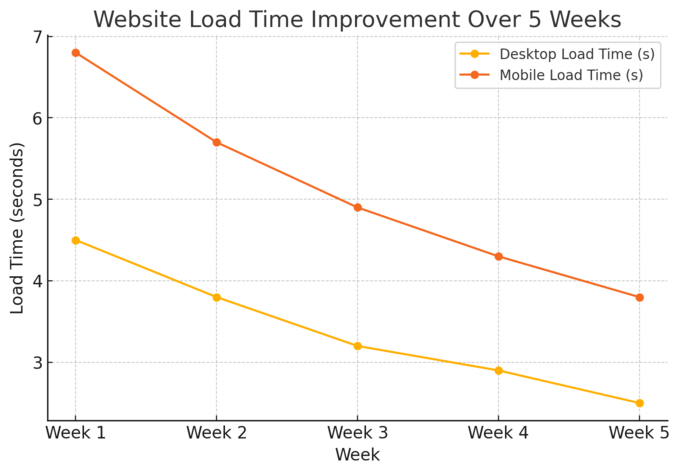
A fast, search-friendly website is the backbone of your online growth. Even with great content, slow sites and weak SEO can kill visibility before anyone sees your work.
Improve Core Web Vitals and Mobile Responsiveness
Core Web Vitals are Google’s way of measuring how smoothly users experience your site. They include loading speed, interactivity, and visual stability.
Quick ways to improve:
- Compress images with tools like TinyPNG.
- Use a lightweight theme or CMS template.
- Test performance with Google PageSpeed Insights—aim for a score above 90.
Since over 60% of online traffic comes from mobile, always preview how your site looks on a phone. A responsive design not only improves SEO but also reduces bounce rates.
Use SEO Best Practices to Rank Higher on Google
Think of SEO (Search Engine Optimization) as your silent marketer—it works even when you’re asleep.
Focus on three essentials:
- Keyword Optimization: Use keywords naturally in titles, headers, and meta descriptions. For instance, “how to grow online presence” might appear in your homepage headline or blog intro, not stuffed everywhere.
- On-Page SEO: Include alt text for images, structured data markup, and internal linking.
- Quality Content: Google now prioritizes helpful, human content under its EEAT framework (Experience, Expertise, Authoritativeness, and Trustworthiness).
Example: Update older blog posts with fresh stats, visuals, or examples every 6–12 months to maintain ranking.
Leverage Internal Linking for Authority and Retention
Internal linking isn’t just about navigation—it’s about strategy. By connecting related posts or pages, you help both users and search engines understand how your site fits together.
For example, if you have a blog post on social media strategy, link it to another about content scheduling tools. This keeps readers exploring longer, boosting session duration—a signal Google loves.
When done right, internal linking distributes “link equity,” meaning authority flows naturally through your site.
Implement Analytics Tools to Measure Performance
You can’t grow what you don’t measure. Set up Google Analytics 4 (GA4) and Google Search Console to track traffic, engagement, and keywords driving visitors.
GA4 can show you:
- Which pages bring in the most users.
- Where people drop off (bounce points).
- What traffic sources convert best.
I suggest checking analytics weekly, not obsessively. Look for patterns, not perfection. This lets you pivot early when something underperforms.
Create Consistent, High-Quality Content
Content is the heartbeat of online presence. Without consistent, valuable content, algorithms forget you—and audiences do too.
Develop a Content Calendar That Keeps You Visible
A content calendar is your visibility map. It helps you stay organized and consistent.
I use tools like Notion or Trello to schedule monthly content themes, post types, and deadlines.
A basic structure might look like:
- Mondays: Tips or tutorials
- Wednesdays: Behind-the-scenes insights
- Fridays: User or client highlights
Tip: Batch-create content weekly. It saves time and ensures you’re never scrambling for ideas.
Mix Formats: Blogs, Videos, Reels, and Infographics
Not everyone consumes content the same way. Mixing formats broadens your reach.
- Blogs: Build SEO and thought leadership.
- Videos & Reels: Increase engagement and shareability.
- Infographics: Condense data or processes visually.
For example, turn one blog post into a 60-second video summary or a carousel post for Instagram. Repurposing extends content lifespan and multiplies exposure.
Use Storytelling to Make Content More Engaging
Facts inform, but stories connect. People remember narratives far more than statistics.
When sharing a tip or strategy, include a quick personal story—like a small win or a mistake that taught you something.
Example: “When I first tried scheduling posts manually, I missed half my deadlines. Switching to Buffer saved me hours weekly.”
Stories humanize your content and build emotional trust—essential for loyal audiences.
Repurpose Old Content for Maximum Reach
You don’t need to reinvent the wheel. Repurposing is smart marketing, not laziness.
Here’s how:
- Turn old blogs into social posts or newsletters.
- Combine several related posts into an ebook or guide.
- Update outdated content with new stats and visuals.
For instance, if you wrote a blog on “SEO in 2023,” refresh it for 2025 trends and re-share it. You’ll get new engagement without starting from zero.
Expert Tip: The fastest way to grow online presence is to become a consistent educator. People follow those who give genuine value—day after day. Even small insights shared regularly can outperform one viral post.
Build a Strong Social Media Strategy
Social media is the amplifier of your online presence. If you want to know how to grow online presence fast, mastering your social media strategy is one of the most effective ways to do it.
But not all platforms—or tactics—work equally well for everyone. The key is focus, consistency, and human connection.
Focus on Platforms That Deliver the Highest ROI
I’ve seen too many people spread themselves too thin across every platform. That’s the fastest route to burnout and poor results.
Instead, start by identifying which platforms actually deliver return on investment (ROI)—whether that’s engagement, leads, or visibility.
Here’s a quick guide based on your niche:
- Service-based businesses: LinkedIn and YouTube drive long-term authority.
- E-commerce or lifestyle brands: Instagram, TikTok, and Pinterest bring visual reach.
- Education or thought leadership: X (formerly Twitter) and LinkedIn work best for credibility.
Use tools like Google Analytics Social Referrals or Meta Business Suite Insights to track where your audience interacts most and which platforms lead to conversions. Once you know what performs, double down.
Example: A coach posting five times a week on Instagram but getting 80% of leads from LinkedIn should shift energy toward LinkedIn posts and articles, not more Reels.
Use Data-Driven Insights to Refine Your Strategy
Social media isn’t guesswork anymore—it’s analytics-driven. Every platform provides data you can use to sharpen your approach.
For instance, Instagram Insights shows when your followers are most active, which helps you post at peak engagement hours.
Similarly, TikTok Analytics gives a breakdown of audience demographics and video retention times.
How to make it actionable:
- Check engagement rate (likes, comments, shares divided by total followers).
- Identify top-performing posts and reuse similar formats.
- Track follower growth weekly, not daily, to see trends over time.
I suggest spending at least 30 minutes weekly reviewing your analytics and adjusting your next week’s content accordingly. Small tweaks—like switching post times or testing new visuals—often deliver big improvements.
Engage Authentically Through Comments and Messages
Social growth isn’t just about posting—it’s about responding. Algorithms reward conversations, not monologues.
When people comment on your post, reply thoughtfully instead of a quick emoji.
A few habits I recommend:
- Spend 10–15 minutes daily engaging on others’ posts in your niche.
- Reply to every comment within 24 hours when possible.
- Send genuine DMs thanking new followers or collaborators.
This builds a community, not just a following. When people feel seen and heard, they remember you—and that’s where real trust (and growth) begins.
Collaborate with Influencers or Micro-Creators
Partnerships can supercharge your reach, especially if you’re strategic about them. You don’t need million-follower influencers. Micro-creators (those with 5k–50k followers) often have deeper audience trust.
Here’s how to make collaborations work:
- Find creators who align with your brand values and target audience.
- Offer value first, not just free products. Share mutual goals (exposure, engagement, sales).
- Track performance by assigning unique discount codes or affiliate links.
Example: A fitness coach might partner with a nutritionist for a live Q&A. Both audiences overlap, and both sides benefit from the shared exposure.
Use Paid Ads Strategically to Accelerate Growth
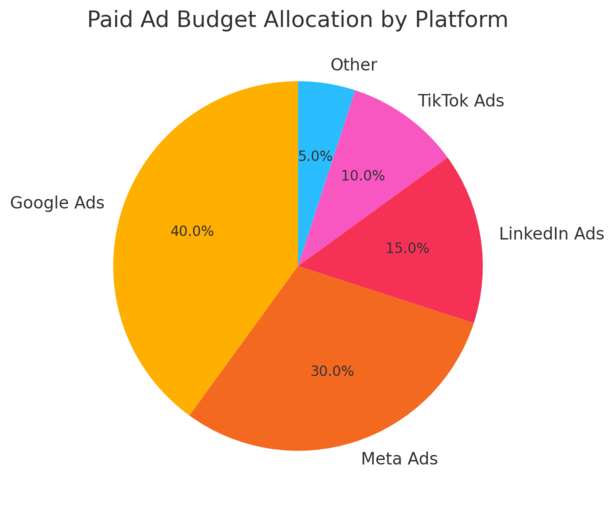
Organic reach takes time. Paid advertising helps you fast-track results—if you do it right. The goal isn’t just to “spend money,” but to amplify content that’s already performing well.
Identify the Right Ad Channels for Your Niche
Different platforms serve different goals. Choosing the right one can save both time and budget.
- Google Ads: Great for intent-driven traffic (people searching for your solution).
- Meta Ads (Facebook & Instagram): Excellent for awareness and retargeting.
- LinkedIn Ads: Best for B2B lead generation or professional audiences.
- TikTok Ads: Ideal for viral reach and brand awareness among younger audiences.
I suggest starting with one platform where you already see organic traction. Paid ads work best when they enhance what’s already working, not when they try to fix what isn’t.
Create Compelling Copy and Visuals That Convert
A paid ad is only as strong as its creative. Your copy (text) should be simple, emotional, and focused on the benefit, not the feature.
For example: Instead of saying “Our app tracks your tasks,” try “Stay organized and get your time back—starting today.”
Keep visuals clean and scroll-stopping. Use tools like Canva or Adobe Express to create engaging designs quickly.
I recommend testing short-form video ads—15 to 30 seconds long—because they perform significantly better on Meta and TikTok.
Test and Refine Campaigns with A/B Testing
A/B testing means comparing two versions of an ad (different headline, image, or call-to-action) to see which performs better.
You can set this up directly inside Meta Ads Manager or Google Ads Experiments.
When testing, change only one variable at a time—like the headline or image—so you know what caused the difference. Run each variation for at least 7 days before deciding.
Small insights from testing can save huge ad budgets long-term.
Track ROI Using Detailed Analytics
Without tracking, you’re flying blind. Every ad campaign should have a clear goal—clicks, sign-ups, or sales—and you need to measure those outcomes precisely.
I recommend using Google Analytics 4 (GA4) alongside your ad dashboard. Set up conversion tracking (for example: “thank-you page views” after a sign-up).
Metrics to monitor:
- Cost per click (CPC)
- Conversion rate (CVR)
- Return on ad spend (ROAS)
If ROAS is below 2:1, revisit targeting or creative before increasing the budget.
Leverage Email Marketing for Retention and Trust
Social media brings attention, but email builds relationships. It’s still one of the most powerful channels for converting followers into loyal customers—and it’s entirely under your control.
Build and Segment Your Email List Effectively
I suggest using tools like Aweber or Mailerlite to collect and organize subscribers. The key is segmentation—dividing your list based on interests, behavior, or demographics.
For instance:
- New subscribers get a welcome series.
- Active buyers receive loyalty offers.
- Inactive users get re-engagement emails.
Use simple signup incentives—like free guides, webinars, or discount codes—to grow your list faster.
Craft Personalized Campaigns That Add Value
Your emails should feel like a one-on-one conversation, not a corporate blast.
I often recommend using the “You, Then I” rule: talk about your reader’s problem first, then how you can help.
For example: “You’re probably tired of writing posts that get zero engagement. I get it—I’ve been there. Here’s what finally worked for me…”
This tone feels human and relatable while positioning you as a trusted guide.
Automate Sequences to Nurture Leads Efficiently
Automation tools (like ActiveCampaign or HubSpot) let you nurture leads automatically. A well-structured email funnel builds trust over time.
Example sequence:
- Welcome email: Deliver the promised lead magnet.
- Follow-up: Share your story and mission.
- Value email: Offer tips or a small tutorial.
- Conversion email: Invite them to your service or product.
Set triggers like “opened but didn’t click” or “visited pricing page” to personalize follow-ups.
Use Analytics to Improve Open and Click-Through Rates
Email success isn’t about how many people you send to—it’s about how many engage.
Track these metrics regularly:
- Open rate: Should be above 30%.
- Click-through rate (CTR): Aim for 3–5%.
- Unsubscribe rate: Keep below 0.5%.
Experiment with subject lines (A/B testing again works wonders). For instance, “How I doubled my traffic in 30 days” might outperform “My latest blog post.”
I suggest checking reports weekly and pruning inactive subscribers every few months to keep your list healthy and engaged.
Expert Tip: The smartest marketers don’t chase followers—they nurture relationships. Whether through social media, ads, or email, every message should make your audience feel like they’re hearing from a real person who gets them. That’s how you grow your online presence with depth, not just visibility.
Build Authority Through Backlinks and Partnerships
If you want to know how to grow online presence sustainably, authority is your currency.
Backlinks and partnerships don’t just bring traffic—they signal credibility to both search engines and real people.
Reach Out for Guest Posts and Collaborations
Guest posting is one of the oldest yet most reliable ways to earn backlinks and grow your reach. But the key today isn’t quantity—it’s quality.
Start by finding blogs or websites that share your target audience. I recommend using Ahrefs Content Explorer or Google’s “related:” search operator (for example, type “related:yourcompetitor.com”) to discover relevant sites.
When you pitch, personalize your message. Editors receive hundreds of generic requests weekly, so make it clear why your contribution adds real value.
Example pitch outline:
- Introduce yourself briefly (“I’m a digital marketing strategist specializing in small business growth.”)
- Highlight your value (“I noticed your audience loves actionable content; I can share a 5-step strategy that’s worked with my clients.”)
- Include links to your previous work.
A few quality backlinks from trusted sources can have more SEO impact than dozens from low-authority sites.
Partner with Complementary Brands or Influencers
Partnerships work best when they create win-win scenarios. The goal isn’t just exposure—it’s aligned credibility.
For instance, if you’re a fitness coach, collaborating with a nutritionist or wellness brand makes perfect sense. You both reach similar audiences but offer different expertise.
Ways to collaborate:
- Co-host a webinar or Instagram Live.
- Exchange newsletter mentions.
- Create a joint resource or mini-course.
I’ve personally seen collaborations drive faster growth than ads because audiences already trust the partner recommending you. That trust transfers instantly.
Get Featured in Reputable Online Publications
Getting featured in established publications can skyrocket your authority. Think Forbes, HubSpot, Entrepreneur, or niche-specific media outlets.
Start small: local business blogs, LinkedIn newsletters, or trade publications in your field. Once you’ve built some bylines, aim higher.
Use tools like HARO (Help A Reporter Out) or Qwoted—they connect experts like you with journalists looking for sources. Respond quickly, provide insightful quotes, and over time, your mentions can turn into backlinks and media recognition.
Even one strong mention on a reputable site can improve your domain authority and brand trust.
Use PR Platforms to Expand Brand Awareness
Public relations (PR) isn’t just for big companies anymore. Modern PR tools make it easy to gain visibility at scale.
Try using:
- Muck Rack for media outreach and journalist discovery.
- Prowly to distribute press releases.
- Featured.com to submit expert commentary in your niche.
The goal here isn’t just backlinks—it’s presence. When people repeatedly see your name or brand associated with credible sources, it reinforces your reputation and builds lasting recognition.
Monitor Analytics and Adjust Your Strategy
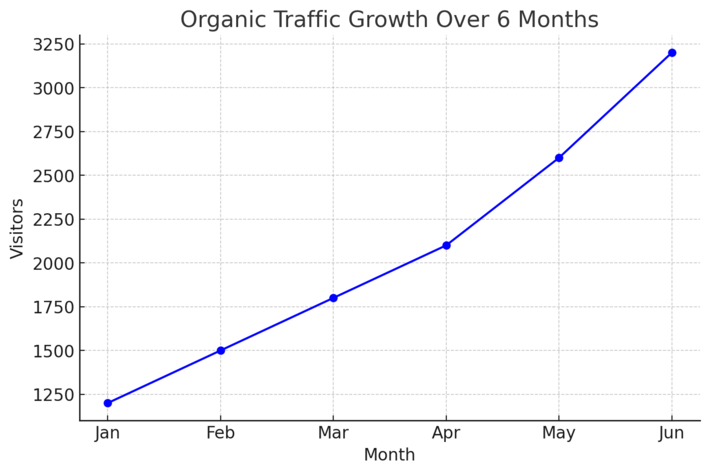
Once your online presence starts growing, you need to keep your strategy agile. Analytics reveal what’s really working—and what’s quietly wasting your effort.
Track Key Metrics That Reflect Real Growth
It’s tempting to focus on vanity metrics like followers or page views. But I recommend tracking actionable metrics that show meaningful progress.
Here’s what matters most:
- Organic traffic growth (SEO progress)
- Conversion rate (how many visitors become leads or customers)
- Engagement rate (likes, shares, comments per post)
- Bounce rate (how quickly people leave your site)
A simple setup in Google Analytics 4 (GA4) can show you all of this. Go to Reports > Engagement > Overview to find your top-performing pages and user activity.
Real growth isn’t just more clicks—it’s deeper engagement and conversions.
Identify What’s Working and Double Down on It
Once you have consistent data, identify patterns. Which type of content brings the most traffic or engagement? Which platforms send quality leads?
For example: if 70% of your sign-ups come from blog posts about “content planning,” it’s a clear signal to create more content in that topic cluster.
I like to review analytics monthly and categorize efforts into three groups:
- Keep doing (what performs well)
- Refine (what shows potential but needs tweaking)
- Stop doing (what brings low ROI)
This ensures you’re always investing energy in what truly moves the needle.
Use Tools Like Google Analytics and SEMrush for Insights
While GA4 gives you user data, SEMrush dives deeper into SEO performance—keyword rankings, backlinks, and competitor comparisons.
Here’s a simple workflow I suggest:
- In Google Analytics: Check your top 10 landing pages and note which ones convert best.
- In SEMrush: Identify which keywords those pages rank for.
- Then, update or expand those pages to strengthen authority around similar search terms.
When you align performance data (GA4) with search intent data (SEMrush), your strategy becomes both data-driven and user-centered.
Continuously Optimize Your Approach for Long-Term Success
Digital growth isn’t a one-time project—it’s a process of continuous learning. Algorithms change, audience behavior shifts, and trends evolve.
Set aside time each quarter to audit your online presence:
- Update outdated content.
- Review SEO rankings.
- Check technical performance (site speed, mobile usability).
- Refresh visuals or messaging if needed.
Staying adaptable ensures your brand doesn’t fade as the market changes. The most successful online brands evolve continuously—they don’t wait for decline to react.
Encourage User-Generated Content and Reviews
One of the fastest ways to grow trust online is through social proof. When others talk about you, your credibility multiplies organically.
Ask Customers to Share Their Experiences
People love sharing positive experiences—but you often have to ask.
After a purchase or collaboration, send a short message:
“Hey [Name], I’m so glad you enjoyed [product/service]. Would you mind sharing your experience on [platform]? It would really help others who are considering it.”
Make it easy: include direct links to review pages on Google Business Profile, Trustpilot, or your social media.
Incentivize without bribing—like offering a discount on their next purchase or a feature on your page.
Showcase Testimonials on Your Website and Social Media
Testimonials are mini trust signals. I recommend placing them strategically—on your homepage, product pages, or even within blog posts.
On social media, repurpose testimonials as story highlights or carousel posts. Real screenshots perform better than overly designed graphics because they look authentic.
Example layout for website testimonials:
- Quote: The customer’s feedback.
- Name + Photo: Humanizes the message.
- Result/Outcome: Adds measurable credibility (“Increased sales by 40% in 3 months”).
Run Challenges or Campaigns That Inspire Sharing
User-generated campaigns turn your followers into brand advocates.
For instance, if you run a fitness brand, host a “7-Day Challenge” where users share progress photos with a custom hashtag. The result? Free exposure and organic community growth.
Tools like Hootsuite or Later can help you track hashtags and user mentions to reshare content easily.
Respond to Feedback to Build Authentic Engagement
Responding publicly to feedback—positive or negative—shows integrity.
A simple rule:
- Thank them for praise.
- Acknowledge criticism without defensiveness.
- Offer quick resolutions where possible.
When customers see that you care, even a negative review can turn into a powerful story of trust.
Stay Consistent and Keep Evolving
Consistency isn’t about perfection—it’s about showing up, learning, and improving as you go. Every strong online presence is built on persistence.
Set Realistic Goals and Maintain a Growth Mindset
Instead of chasing every trend, focus on measurable, achievable goals. For example:
- Grow your newsletter by 10% per month.
- Publish two SEO-optimized blogs per week.
- Engage for 15 minutes daily on social media.
Progress compounds faster when you track steady improvements rather than chasing overnight success.
Adapt Quickly to Algorithm and Market Changes
Platforms update constantly—what worked last month may not work next. I advise subscribing to official blogs like Google Search Central and Meta for Business to stay informed.
When an algorithm changes, don’t panic. Review analytics, test small adjustments, and pivot based on data. The brands that adapt fastest always stay visible.
Learn from Competitors Without Copying Them
Competitor research isn’t about imitation—it’s about insight.
Use tools like SimilarWeb or Ahrefs to analyze top-performing competitors.
Look for:
- Which keywords bring them traffic.
- What content gets the most engagement.
- Where they’re earning backlinks.
Then, find gaps they’re missing and fill them with your unique approach. That’s how you stay one step ahead.
Celebrate Milestones and Keep Building Momentum
Acknowledging progress keeps motivation high. Whether it’s your first 1,000 followers or first guest article, take a moment to celebrate.
I often recommend sharing milestones with your audience—they feel like part of your journey. This transparency builds loyalty and relatability.
Remember, digital growth isn’t a sprint. It’s an ongoing process of learning, adjusting, and connecting. Stay consistent, keep improving, and your online presence won’t just grow—it will last.

I’m Juxhin, the voice behind The Justifiable.
I’ve spent 6+ years building blogs, managing affiliate campaigns, and testing the messy world of online business. Here, I cut the fluff and share the strategies that actually move the needle — so you can build income that’s sustainable, not speculative.
Related posts:
 The Role of Social Media in Digital Marketing: How to Maximize Your Online Presence
 How to Create a Digital Marketing Strategy
 10 Smart Ways to Make a New Business Grow Online Fast
 Help Me Grow Online Referral: Easy Ways to Double Conversions
 How to Increase Your SEO Ranking
 Internet Marketing Ideas: Increase Your Marketing Efforts