
Table of Contents
Some links on The Justifiable are affiliate links, meaning we may earn a small commission at no extra cost to you. Read full disclaimer.
If you’ve been asking yourself how to promote my online store and actually get traffic fast, you’re not alone. Every store owner dreams of seeing a steady stream of visitors who don’t just browse but buy. The problem?
Competing against thousands of similar brands online can feel like shouting into a digital void. So, how do you make your store stand out, attract customers quickly, and start generating real sales?
In this guide, we’ll explore proven strategies and smart shortcuts that help you boost traffic and promote your online store effectively—without wasting time or money.
Use Paid Ads to Drive Immediate Traffic
If your goal is to promote my online store fast, paid advertising is the quickest way to get your products in front of people actively looking to buy.
Paid ads give you immediate visibility while you build long-term organic strategies.
Master Google Shopping and Search Ads
Google Ads is one of the most direct ways to appear in front of people ready to make a purchase. When users search for terms like “buy organic skincare online,” your product can appear right at the top.
Here’s how to make it work:
- Set up Google Merchant Center: This is where your products feed into Google Shopping. Ensure product titles, images, and pricing are accurate.
- Use specific, buyer-intent keywords: Phrases like “buy,” “shop,” and “discount” often convert better than informational searches.
- Optimize ad copy: Focus on benefits, not just features. For example, instead of “Cotton bedsheets,” say “Soft, breathable cotton bedsheets for better sleep.”
- Track conversions: Use Google Analytics or GA4 to see which keywords drive the most sales.
I recommend starting small—set a daily budget and adjust based on your cost per acquisition (CPA). Once you find profitable campaigns, scale gradually.
Leverage Facebook and Instagram Ads for Targeted Reach
Facebook and Instagram ads are great for storytelling through visuals. They work well if your products have strong aesthetic appeal—like fashion, home décor, or wellness.
Smart tactics I use:
- Use Lookalike Audiences: Upload your customer list, and Facebook finds similar users who are likely to buy.
- Run carousel ads: Showcase multiple products in one swipeable ad.
- Test short videos: Video ads often perform better than static images, especially for lifestyle products.
- Track ROAS (Return on Ad Spend): This tells you exactly how much revenue each ad dollar brings.
Example: A skincare brand I worked with increased sales by 45% in one month using short “how-to” reels that linked directly to product pages.
Experiment with TikTok Ads for Viral Exposure
TikTok has become a traffic goldmine, especially for younger audiences. The algorithm rewards engaging, authentic content that doesn’t feel like an ad.
How to start:
- Use TikTok Ads Manager: Select “Traffic” or “Conversions” as your goal.
- Follow trends: Use trending sounds or hashtags relevant to your product.
- Keep it natural: Instead of polished commercials, film quick, real-life product demos.
- Test Spark Ads: These boost organic posts to wider audiences.
I’ve seen brands go viral with a single relatable TikTok showing “unboxing” or “before-and-after” results. Don’t underestimate the power of genuine storytelling here.
Retarget Visitors Who Didn’t Buy the First Time
Most visitors won’t buy on their first visit—that’s just human behavior. Retargeting brings them back.
- Set up Facebook Pixel and Google Remarketing tags: These tools track visitors and show them ads after they leave.
- Use dynamic ads: Automatically show products users viewed on your site.
- Offer gentle nudges: Use lines like “Still thinking about it?” or “Your cart misses you!”
- Adjust timing: Don’t bombard them—space ads out over a few days.
In my experience, retargeting campaigns can reduce cart abandonment by up to 30%. It’s a small adjustment with massive returns.
Optimize Your Store for SEO and Organic Growth
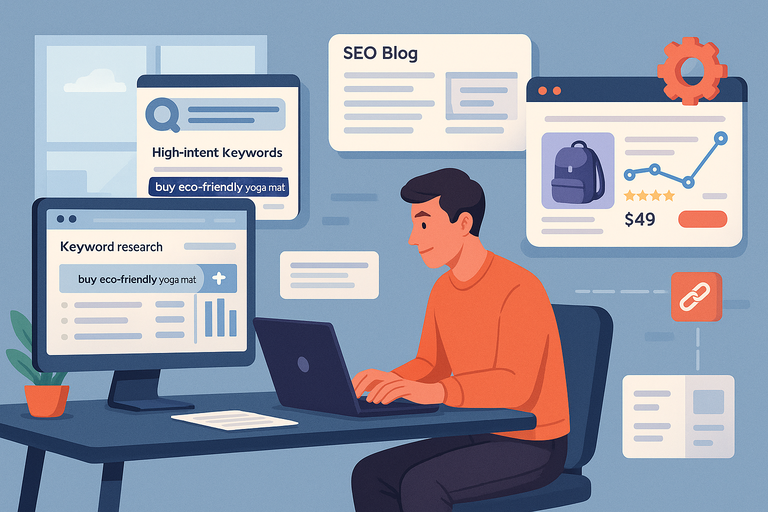
While paid ads bring instant traffic, SEO ensures your store attracts steady, free visitors long-term.
I see SEO as your “digital compound interest”—it grows over time.
Research and Use High-Intent Keywords
Keyword research helps you understand what potential buyers type before making a purchase.
- Use tools like Ahrefs, Semrush, or Ubersuggest: Identify terms with high search volume and purchase intent (e.g., “buy eco-friendly yoga mat”).
- Find long-tail keywords: These are specific phrases like “affordable handmade candles online.” They convert better and are easier to rank for.
- Analyze competitors: Check what keywords top-performing stores in your niche rank for.
I recommend focusing on keywords that clearly signal intent—words like “buy,” “order,” or “shop.” They usually indicate someone closer to purchase.
Optimize Product Pages for Search Engines
Your product pages are your sales engine, so optimizing them for both humans and search engines is essential.
Quick checklist I use:
- Write descriptive, keyword-rich titles (e.g., “Men’s Waterproof Hiking Jacket – Lightweight & Durable”).
- Add unique meta descriptions that highlight benefits and urgency.
- Include high-quality images with descriptive alt text.
- Use structured data (schema markup) so Google can display product reviews, prices, and stock levels in search results.
Good SEO isn’t about stuffing keywords—it’s about making your content useful, relevant, and clear.
Create SEO-Driven Blog Content Around Your Niche
Blog content builds authority and drives organic visitors who aren’t yet ready to buy—but could be soon.
Example: If you sell eco-friendly cleaning supplies, write posts like “10 Ways to Keep Your Home Toxin-Free.”
- Add internal links to related products in your store.
- Target informational keywords that align with your brand values.
- Update old posts every few months to keep rankings fresh.
I suggest posting at least twice a month—consistent, quality content always outperforms sporadic bursts.
Build Backlinks from Industry-Relevant Websites
Backlinks (links from other websites to yours) are like online votes of confidence.
- Reach out for guest posts: Write valuable articles for blogs in your niche.
- Submit your store to directories like Yelp, Product Hunt, or niche marketplaces.
- Collaborate with influencers: Ask them to link to your store in product reviews or features.
- Use HARO (Help A Reporter Out): Journalists often look for expert quotes—great for earning high-quality backlinks.
From what I’ve seen, even a few strong backlinks from reputable sites can dramatically improve rankings.
Boost Visibility with Social Media Marketing
Social media isn’t just about posting—it’s about connection, community, and consistency.
The goal is to turn followers into fans, and fans into customers.
Post Consistently Across Platforms That Fit Your Brand
Each platform has its own rhythm. You don’t need to be everywhere—just where your audience is.
- Instagram: Great for visuals, lifestyle, and brand storytelling.
- Facebook: Perfect for community groups and longer-form posts.
- Pinterest: Excellent for e-commerce niches like fashion, crafts, and home décor.
I advise using tools like Hootsuite to schedule posts consistently. Even posting three times a week builds momentum if your content feels authentic.
Use Reels, Stories, and Live Streams to Engage Followers
Short-form video is dominating engagement right now. Reels, Stories, and live sessions bring your brand to life.
- Reels: Showcase quick product demos or “before vs. after” results.
- Stories: Use polls, Q&As, and countdowns to build excitement.
- Live sessions: Stream product launches or behind-the-scenes tours.
For example, one boutique I helped increased followers by 25% in 30 days through weekly 10-minute “style tip” live videos. It works because it’s personal and interactive.
Collaborate with Micro-Influencers for Authentic Promotion
Micro-influencers (1K–50K followers) often have tight-knit audiences that trust them deeply.
- Offer free products in exchange for honest reviews.
- Use affiliate links to track conversions and reward them for sales.
- Feature influencer content on your website to boost credibility.
I find micro-influencers more valuable than big names—they drive better engagement and genuine conversions.
Turn User-Generated Content into Trust-Building Assets
People trust other customers more than brands. Encourage your buyers to share real experiences with your products.
- Ask for photos or reviews: Offer small discounts or shoutouts as incentives.
- Repost customer content: It builds social proof instantly.
- Create hashtags: Like #MyBrandStyle to collect community content.
When real people showcase your product in their daily lives, it creates authenticity you can’t buy.
Pro Tip: Paid ads may bring quick traffic, but combining them with strong SEO and genuine social engagement is the real growth formula.
I suggest starting with one ad platform and one organic strategy, mastering both before expanding. That balance builds a steady stream of traffic that actually converts.
Grow Your Audience Through Email Marketing
Email marketing is one of the most reliable and personal ways to promote my online store and keep customers coming back.
Unlike social media, you own your email list, and that gives you direct access to your audience—without algorithms getting in the way.
Build a Targeted Email List with Lead Magnets
Your email list should be filled with people genuinely interested in what you sell. A lead magnet is something valuable you offer in exchange for their email—simple, ethical, and effective.
Practical examples that work:
- Discount offers: “Get 15% off your first order when you join our list.”
- Free guides: For example, if you sell coffee gear, offer “The Ultimate Home Brewing Guide.”
- Exclusive previews: Give subscribers early access to new launches or limited editions.
I suggest using pop-up forms, but keep them friendly. A small “Wait! Don’t miss this” message often converts better than aggressive full-screen ones. You can easily set this up using tools like Klaviyo, Mailchimp, or Omnisend.
If you’re using Shopify, you’ll find this under Marketing > Automations > Create popup form. It takes only a few clicks, and it works beautifully.
Create Automated Email Sequences for New Subscribers
Once someone joins your list, don’t leave them hanging. A welcome sequence builds trust and gently leads them toward a purchase.
Here’s a sequence I often recommend:
- Welcome email: Thank them for joining and introduce your brand story.
- Value email: Share helpful tips or inspiration related to your products.
- Offer email: Include a limited-time discount or free shipping code.
This 3-step series can increase first-purchase conversions by 20–30%. Automation platforms like Klaviyo or Omnisend let you set these sequences once and let them run automatically.
I believe automation is where email marketing truly shines—it keeps communication personal without eating up your time.
Send Exclusive Offers and Personalized Recommendations
Generic emails don’t perform well. Personalization does. When you tailor messages to customers based on what they’ve bought or browsed, engagement rates can double.
Ways to personalize your campaigns:
- Segment lists by behavior: Separate past buyers, frequent visitors, and cart abandoners.
- Recommend products they’ll love: “We noticed you bought our yoga mat. Here’s the perfect water bottle to go with it.”
- Offer exclusive deals: Give subscribers early access to Black Friday or holiday sales.
I once helped a jewelry store send personalized birthday offers—they saw a 42% boost in repeat sales. People love when brands remember them.
Track Open Rates and Optimize Subject Lines
Subject lines are the gatekeepers of your emails. If people don’t open your message, nothing inside matters.
- Keep it short: Under 50 characters is ideal for mobile.
- Add curiosity: “You’ll want to see this…” works better than “November Newsletter.”
- Use A/B testing: Most email tools let you test two versions to see which performs better.
From experience, small tweaks—like using the subscriber’s first name—can raise open rates by 10–15%. Keep testing, because what works this month may not work next month.
Partner with Influencers and Affiliates
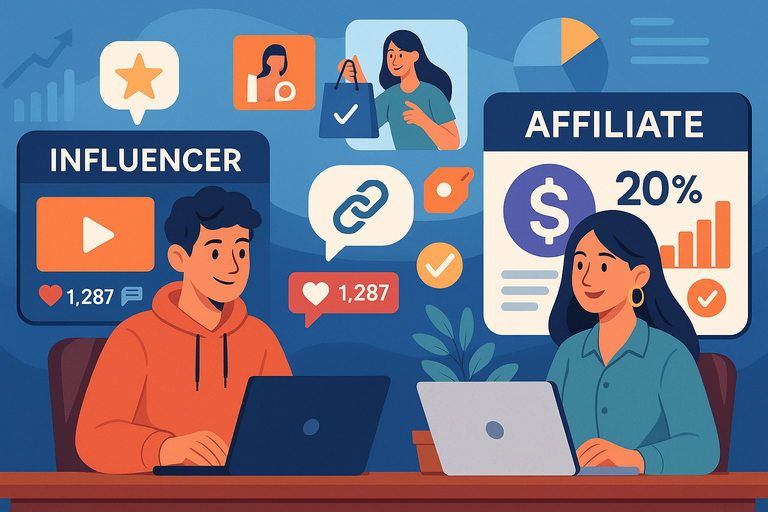
If you want to promote your online store to a larger audience without spending heavily on ads, influencer and affiliate marketing are powerful allies.
They combine trust, reach, and authenticity—three ingredients every store needs.
Identify Influencers Aligned with Your Brand Values
Not every influencer is a good fit. You want people whose followers actually care about your niche.
Here’s what I usually look for:
- Authenticity: Do they genuinely use and love products like yours?
- Engagement rate: Comments and shares matter more than total followers.
- Alignment: A luxury watch brand and a fitness influencer might not mix well.
You can find influencers using platforms like Upfluence, Aspire, or even just browsing relevant hashtags on Instagram.
When you reach out, keep it personal—explain why you like their content and how your product fits their audience.
Offer Affiliates Commission on Every Sale
Affiliate marketing is performance-based—partners earn money only when they help you make a sale. It’s low-risk and scalable.
Here’s how to start:
- Use affiliate software like Refersion or Tapfiliate.
- Set commissions between 10–20% for most products.
- Provide partners with images, banners, and unique links.
In my experience, affiliates become long-term brand advocates when they feel valued. A monthly update or early product sample can go a long way in keeping them engaged.
Provide Custom Discount Codes for Easy Tracking
Unique discount codes make tracking results simple—and give followers an extra reason to buy.
For example:
- Code “JEN15” could be used by influencer Jen’s audience for 15% off.
- In Shopify, you can create this under Discounts > Create Discount Code.
This lets you monitor which influencer drives the most conversions and adjust your strategy accordingly.
Use Influencer Reviews to Build Social Proof
Real reviews are more powerful than polished ads. When an influencer shares genuine feedback, it builds instant credibility.
- Encourage honest reviews, not scripted ones.
- Ask influencers to create short videos or unboxing clips.
- Repost their content on your website or social channels (with permission).
I once saw a small skincare brand explode in sales after a micro-influencer’s honest “before and after” post went viral on TikTok. The key was authenticity—it felt real, not rehearsed.
Leverage Content Marketing to Build Authority
Content marketing turns your online store into more than a shop—it makes it a trusted source of knowledge. When done right, it builds authority, loyalty, and consistent traffic over time.
Start a Blog Focused on Customer Pain Points
Your blog should answer real questions your audience asks before buying. Think like your customer, not a marketer.
For example:
- If you sell hiking gear, write “How to Choose the Right Hiking Boots for Beginners.”
- If you sell candles, try “How to Make Your Home Smell Amazing Without Chemicals.”
Each post can gently link to your products without feeling salesy. I suggest aiming for 1,000+ words per article and updating older posts every few months for SEO freshness.
Create Video Tutorials Showcasing Your Products
Video content helps shoppers visualize how your products fit into their lives. And platforms like YouTube or Instagram Reels reward consistency with visibility.
Ideas that work:
- Quick how-tos (e.g., “How to Style Our Summer Dress in 3 Ways”).
- Product unboxing or setup tutorials.
- Educational videos answering common questions.
I’ve seen brands triple their engagement just by turning written blogs into short videos—it gives your content a second life.
Share Behind-the-Scenes Content to Build Brand Loyalty
People love seeing the human side of a brand. Share what goes on behind the curtain—it makes your business feel personal and relatable.
You can show:
- The story behind your best-selling product.
- How you package orders with care.
- A day in your workspace or creative process.
This type of content builds emotional connection. I believe loyalty isn’t just built on price or quality—it’s built on transparency and shared values.
Use Guest Posting to Expand Reach and Authority
Guest posting helps you reach new audiences and earn valuable backlinks for SEO.
- Find blogs or magazines in your niche and pitch helpful topics.
- Focus on solving problems rather than promoting your store directly.
- Include one natural link back to your site in your bio or article.
A small example: writing for a popular fashion blog can drive targeted traffic for months and boost your store’s authority in search rankings.
Expert Tip: Consistency wins. Whether it’s email marketing, influencer partnerships, or content creation, the secret to promoting your online store effectively is showing up regularly with genuine value.
I suggest focusing on one channel at a time—nail it, measure it, and then expand. That’s how sustainable growth really happens.
Use Giveaways and Contests to Build Buzz Fast
Giveaways and contests are one of the quickest ways to promote my online store and get attention fast.
They create excitement, grow your audience, and encourage sharing—all while building trust in your brand.
Run Social Media Contests with Clear Entry Rules
A good contest starts with clarity. Confusing rules or unclear rewards drive people away. You want participants to know exactly what to do and what they’ll get.
Here’s a structure that consistently works:
- Step 1: Announce the giveaway with a catchy post or video.
- Step 2: Tell users to like, comment, follow, and tag a friend to enter.
- Step 3: Share the end date and how you’ll pick a winner (random draw or most creative entry).
- Step 4: Use a clear prize image and strong call-to-action.
For example, if you sell handmade jewelry, your contest could be: “Tag a friend who deserves some sparkle. Both of you could win matching bracelets!” Simple, emotional, and shareable.
I recommend using tools like Gleam to manage entries easily and avoid confusion.
Partner with Complementary Brands for Co-Branded Giveaways
Co-branded giveaways expand your reach instantly by combining two audiences with overlapping interests. The key is to partner with brands that complement yours—not compete.
For instance:
- A skincare brand could collaborate with a wellness influencer.
- A coffee brand might team up with a bakery.
Each partner promotes the contest to their followers, doubling (or tripling) exposure. I’ve seen small shops grow their Instagram following by 40% in one week using this approach.
When I help clients set these up, we use a shared landing page with both logos and social links. It keeps things balanced and professional.
Collect Emails During Promotions for Future Campaigns
Never let all that traffic go to waste. Every giveaway is an opportunity to build your email list.
Use a landing page that says: “Enter to win and get 10% off your next purchase.” Even those who don’t win will still be potential customers.
- Use email tools like Mailchimp for this.
- In Shopify, go to Marketing > Automations > Create popup form.
- Offer a small instant incentive, like free shipping or a discount, for signing up.
I advise always mentioning that entrants agree to receive future promotions. It’s transparent, and it keeps your list clean.
Announce Winners Publicly to Build Trust and Excitement
Once the contest ends, celebrate it! Publicly announcing the winner builds credibility and keeps followers excited for future giveaways.
Post a photo or video with the winner’s name (with their permission). If possible, show them enjoying the prize—it makes your brand look real and human.
You can also email all participants with a “Thanks for joining” message and a small consolation offer, like 10% off. It turns non-winners into customers.
Optimize Store Speed, UX, and Mobile Experience
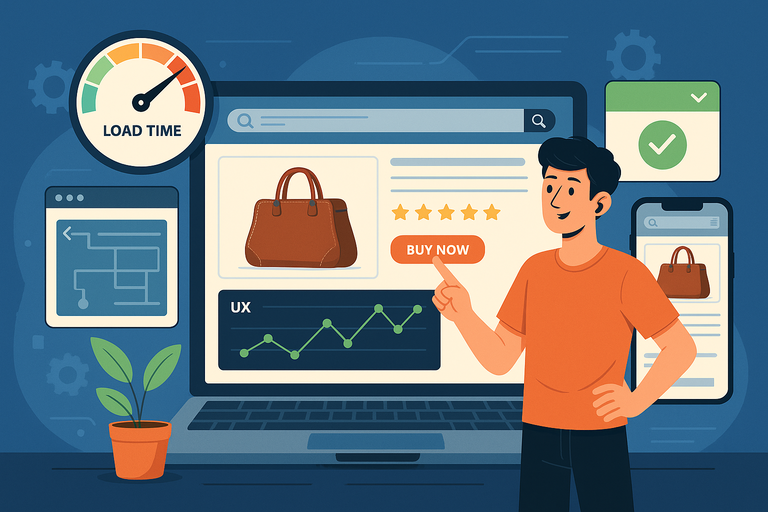
A fast, easy-to-navigate store doesn’t just make customers happy—it directly affects your sales. Studies show that even a one-second delay can reduce conversions by 7%.
Improve Load Times to Reduce Bounce Rates
Fast load times keep shoppers from leaving before your site even loads. I’ve seen stores cut bounce rates by 20% just by optimizing speed.
Here’s how you can do it:
- Compress images using TinyPNG or Shopify’s built-in optimizer.
- Limit heavy scripts and unused apps.
- Use a Content Delivery Network (CDN) like Cloudflare to serve pages faster.
In Shopify, you can check your speed score under Online Store > Themes > Customize > Theme settings > Performance. Aim for 70 or higher.
Simplify Navigation for a Frictionless Experience
A clean, intuitive layout helps visitors find what they want quickly. Complicated menus or too many clicks kill conversions.
I usually suggest:
- Keep menus to three levels or fewer.
- Add a visible search bar on every page.
- Use breadcrumb navigation so users can easily backtrack.
Think like a shopper: If it takes more than three clicks to find a product, your navigation needs work.
Use High-Quality Images Without Slowing Pages
Beautiful images sell products, but oversized files slow everything down. The trick is balancing quality and performance.
- Resize photos to around 1200px wide.
- Save in WebP format for smaller file sizes.
- Use alt text with descriptive keywords (e.g., “handmade leather tote bag brown”).
I recommend testing pages on mobile before publishing. What looks sharp on desktop might load slowly on phones.
Ensure a Smooth Mobile Shopping Experience
More than 70% of eCommerce traffic now comes from mobile devices. If your store isn’t optimized for phones, you’re losing customers.
- Choose a responsive theme from your eCommerce platform.
- Make buttons large enough for thumbs.
- Simplify checkout—use auto-fill and guest checkout options.
Run your site through Google’s Mobile-Friendly Test (just search it) to see what’s working and what’s not. A frictionless mobile experience can double your conversions.
List Your Store on Marketplaces and Directories
Listing your products on marketplaces like Etsy, eBay, or Amazon helps you reach audiences already looking to buy. It’s like setting up shop in a busy mall instead of a quiet side street.
Use Etsy, eBay, or Amazon for Extra Exposure
Each platform attracts different buyers. I advise choosing the one that best matches your niche:
- Etsy: Ideal for handmade, vintage, and custom products.
- eBay: Great for collectibles, electronics, or refurbished items.
- Amazon: Best for scalable, high-demand products.
When uploading, optimize product titles and descriptions with keywords people actually search for. For example: “Handcrafted Soy Candle – Vanilla Bean 8oz” performs better than “Vanilla Candle.”
Submit to Online Store Directories and Review Sites
Directories and review platforms improve visibility and SEO credibility.
You can submit to:
- Google Business Profile (free and essential)
- Trustpilot or SiteJabber (for customer reviews)
- Niche directories related to your products
These listings not only bring in referral traffic but also help search engines verify your business authenticity.
Get Featured on Local Business Listings
Even online stores benefit from local exposure. Many shoppers prefer supporting nearby businesses.
- Create or claim your Google My Business profile.
- Add consistent contact info and store hours.
- Encourage happy customers to leave reviews.
Local SEO drives trust—and in my experience, local buyers often become repeat customers.
Optimize Marketplace Descriptions for SEO
Each marketplace has its own internal search algorithm. Think of it as SEO within SEO.
Include:
- Primary keywords in your product title and first sentence.
- Natural, descriptive phrases in bullet points.
- A short story or emotional hook in the description.
Example: Instead of “Leather Wallet,” write “Handcrafted Leather Wallet – Slim, Durable, Designed for Everyday Use.” It feels real, not robotic.
Track, Measure, and Adjust for Better Results
You can’t grow what you don’t measure. Tracking performance lets you see what’s working and fix what isn’t—fast.
Set Up Google Analytics and Conversion Tracking
Start by linking Google Analytics to your store. This lets you see where visitors come from and what actions they take.
In Shopify, go to Online Store > Preferences > Google Analytics > Connect your account.
Then enable “Enhanced eCommerce” to track purchases, cart behavior, and product views.
Also, use Meta Pixel (for Facebook ads) and Google Ads Conversion Tag to measure ad performance.
Monitor Top Traffic Sources and Conversion Rates
Regularly check which sources bring in the most valuable traffic—organic, paid, or social.
Ask yourself:
- Which channels drive the most sales?
- Which have high traffic but low conversions?
You can view this under Acquisition > All Traffic > Channels in Google Analytics. It’s a great way to decide where to double down or pull back.
Identify Underperforming Pages and Optimize Them
If certain product pages get views but no sales, there’s probably friction—price confusion, unclear benefits, or poor visuals.
Use tools like Hotjar or Microsoft Clarity to see where users click or drop off. Then test new headlines, images, or calls-to-action.
I often suggest running A/B tests—show two versions of the same page to different visitors and see which converts better.
Test, Iterate, and Double Down on What Works
Digital marketing is never “set it and forget it.” The best stores constantly test, learn, and improve.
- Run experiments every month (e.g., new ad copy, product photos, or landing page designs).
- Track your KPIs: traffic, conversion rate, and average order value.
- Scale campaigns that deliver strong ROI and cut what doesn’t.
I believe growth isn’t about doing everything—it’s about doing the right things consistently. With data on your side, you can make smarter decisions and promote your online store with confidence.
Pro Tip: Once you’ve implemented these steps, create a simple dashboard—Google Data Studio works great—to monitor everything in one place. It saves time, keeps you focused, and helps you stay accountable to real results.

I’m Juxhin, the voice behind The Justifiable.
I’ve spent 6+ years building blogs, managing affiliate campaigns, and testing the messy world of online business. Here, I cut the fluff and share the strategies that actually move the needle — so you can build income that’s sustainable, not speculative.
Related posts:
 Ecommerce Marketing Agencies That Actually Drive Sales
 Social Media Marketing for Small Business – Best Tips
 How to Make Money Dropshipping: 7 Secrets to a $10K/Month
 CartFlows Pricing & Alternatives: Which One Wins?
 Aweber Email Automation Examples: Templates & Pro Insights
 10 Website Marketing Solutions To Boost Traffic Instantly