Table of Contents
Some links on The Justifiable are affiliate links, meaning we may earn a small commission at no extra cost to you. Read full disclaimer.
If you’ve ever wondered which affiliate marketing products actually make money, you’re not alone. I remember starting out and wasting hours promoting random offers that barely converted.
The truth is, not all affiliate products are created equal—some practically sell themselves, while others just collect digital dust.
In this guide, I’ll walk you through the 10 best affiliate marketing products that consistently perform, convert, and pay out big. Ready to see which ones are worth your effort? Let’s dive in.
1. High-Converting Web Hosting Services
The web hosting niche has been one of the most profitable areas in affiliate marketing for years. The reason is simple: every online business, blog, and e-commerce store needs reliable hosting to run.
When done right, promoting web hosting products can generate consistent commissions for years.
Why Web Hosting Remains a Top Affiliate Choice
Web hosting is a foundational product—something nearly every digital entrepreneur needs before doing anything else online. That’s what makes it a high-intent purchase.
Unlike trendy digital tools, hosting services are evergreen. Once people sign up, they usually stick around, meaning affiliates earn not only high upfront commissions but sometimes recurring income.
Here’s why hosting works so well for affiliates:
- High Lifetime Value: Users stay subscribed for years.
- Low Refund Rate: Hosting is an essential utility, not an impulse buy.
- Strong Brand Recognition: Big names like Bluehost or SiteGround already have trust built-in, making conversions easier.
From my experience, people are more willing to click on a hosting recommendation if you explain why you personally use it—like faster load times or better customer support. The key is authenticity over hype.
Best Web Hosting Programs With High Payouts
If you’re serious about affiliate marketing products, web hosting programs should be at the top of your list.
Here are some of the best ones:
- Bluehost: One of the most beginner-friendly programs. They pay up to $65–$130 per signup. Their one-click WordPress setup and strong brand reputation make conversion rates high.
- Hostinger: Known for budget pricing and great uptime. Payouts can reach up to 60% per sale. Their dashboard is simple enough that even beginners can navigate setup easily.
- WP Engine: A premium WordPress hosting solution with commissions that start at $200 per sale. Perfect for audiences targeting serious website owners or agencies.
- SiteGround: Offers great customer support and transparent pricing. While payouts are slightly lower, conversion rates are excellent.
Quick tip: Use screenshots or short screen recordings of your own dashboard when explaining hosting plans. Showing the user interface builds instant credibility.
Tips to Maximize Conversions in the Hosting Niche
Promoting hosting effectively is less about traffic and more about trust.
Here’s what’s worked for me:
- Create “setup” content: Tutorials like “How to start a WordPress blog with Bluehost” consistently perform well on YouTube and blogs.
- Offer bonuses: Include a free blog setup checklist or WordPress theme recommendation for anyone who signs up via your link.
- Leverage testimonials: Share screenshots or small snippets from users who found success using the hosting provider you recommend.
- Use comparison tables: Help readers visualize differences in price, features, and speed.
In this niche, specificity converts. Show results—like how switching hosts improved load time or SEO rankings—and people will follow your lead.
2. Email Marketing Software With Recurring Commissions
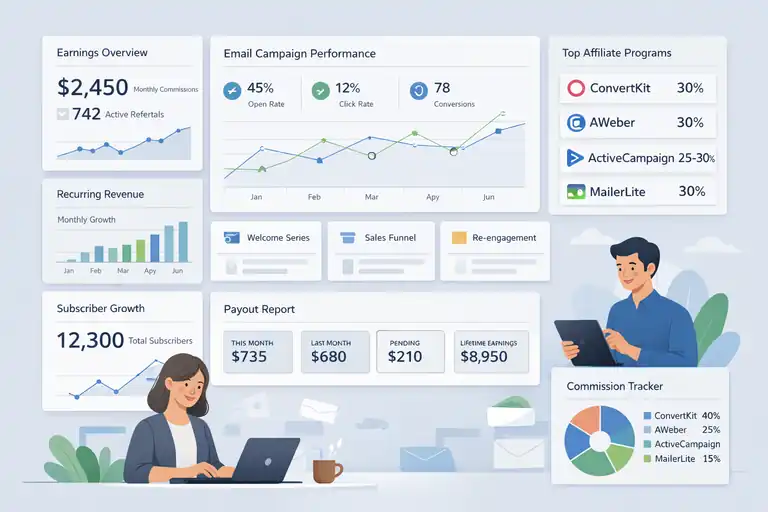
Email marketing tools are another affiliate goldmine because nearly every business relies on them to stay connected with customers.
Unlike one-time purchases, these tools often pay recurring monthly commissions as long as the customer stays subscribed.
Top Email Marketing Tools That Drive Reliable Income
Here are a few affiliate marketing products in the email space that deliver consistent earnings:
- KIT (ConvertKit): Built for creators and bloggers, it pays 30% recurring commissions. The platform’s clean UI makes it easy to demonstrate automations visually.
- AWeber: Offers a 30% lifetime recurring payout. The onboarding flow is intuitive, which makes user adoption easy to show in tutorials.
- ActiveCampaign: Ideal for advanced marketers. Payouts range from 20–30% recurring commissions, and the product sells itself through automation power.
- MailerLite: Simple and affordable, MailerLite converts well for beginner audiences who want drag-and-drop simplicity.
Pro insight: People don’t buy “email tools.” They buy the results—better engagement, automated sales, and list growth. So when writing reviews, show outcomes, not features.
How to Choose the Right Email Marketing Platform to Promote
Not every email tool fits your audience. The best affiliate strategy starts with alignment.
Ask yourself:
- Who is your audience—bloggers, e-commerce owners, or coaches?
- Do they prefer simplicity (MailerLite) or automation depth (ActiveCampaign)?
- What’s their budget and technical comfort level?
If you’re not sure, test two or three products personally. Walk through features like list segmentation, email templates, or workflow automations. Then use those firsthand experiences to create content like:
- “I tested ConvertKit vs MailerLite—here’s what actually worked for my blog.”
- “Why I switched from AWeber to ActiveCampaign after 6 months.”
Those real-world stories sell better than any banner ad ever could.
Strategies to Boost Click-Through Rates on Email Tool Offers
A few techniques can dramatically improve your CTR and conversions:
- Lead with value: Offer a free email template pack or mini-course in exchange for joining your recommended platform.
- Show your dashboard: Give a mini walkthrough of how you use automations or analytics inside the tool.
- Use email sequences: Follow up with your readers after recommending a tool—don’t rely on one-time mentions.
- Track clicks: Use a tracking plugin like PrettyLinks to monitor which tool recommendations perform best.
When promoting affiliate marketing products like these, your authority grows with transparency. Always mention both pros and cons—it builds trust that leads to higher conversions over time.
3. Online Course Platforms for Content Creators
Online education is booming, and platforms like Teachable and Thinkific are powering that growth.
For affiliate marketers, this is one of the most rewarding niches—both financially and creatively.
Why Online Learning Platforms Convert Exceptionally Well
Online courses are emotionally charged purchases—people invest in transformation, not just information. That’s why affiliate sales in this niche often convert better than average.
Creators are constantly searching for platforms that make building and selling courses simple.
These tools solve pain points like:
- Designing landing pages without code.
- Managing student enrollments and payments.
- Integrating email automation.
When your audience sees how easy these features make life, the buy-in happens naturally.
Most Popular Course Platforms With Affiliate Opportunities
Here are a few online course platforms worth promoting:
- Teachable: Offers a 30% recurring commission. It’s known for its simple drag-and-drop builder and quick course setup.
- Thinkific: Provides up to 30% recurring payouts. Its feature set is ideal for professional educators wanting advanced course design tools.
- Podia: Great for creators who want to sell courses, memberships, and downloads in one place. Payouts are 30% recurring.
- Kajabi: A premium all-in-one platform that combines courses, email marketing, and websites. Its high pricing tier means bigger commissions per sale.
When I first tried Teachable, I was shocked by how fast I could publish my first course. Sharing that experience honestly—complete with screenshots of the dashboard—made my affiliate content 10x more relatable.
How to Position These Offers to Attract Knowledge-Hungry Audiences
People looking for online course platforms aren’t just buying software—they’re buying a path to financial freedom.
To connect with that motivation:
- Tell stories: Share your own journey of launching or struggling to create a course before finding the right tool.
- Use visual content: Tutorials like “How to set up your first Teachable course in under 30 minutes” convert well.
- Compare strategically: A “Kajabi vs Podia” breakdown attracts search traffic from people already in buying mode.
- Target creators by stage: Beginners want ease (Teachable, Podia), while advanced users want control (Kajabi, Thinkific).
If you focus on helping readers see themselves succeeding, your affiliate links will naturally feel like part of the solution—not a sales pitch.
4. SEO and Keyword Research Tools
SEO tools have become the backbone of every successful online business.
Whether it’s a blogger hunting for low-competition keywords or an agency managing hundreds of client sites, these tools make search visibility easier to achieve.
For affiliates, this means one thing—consistent, high-value demand.
What Makes SEO Tools Easy to Sell to Online Entrepreneurs
SEO tools are incredibly easy to promote because their value is measurable. Users can literally see their website traffic, rankings, and conversions improve.
That’s a marketer’s dream because results can be proven through screenshots, dashboards, and real-time analytics.
From what I’ve seen, there are three key reasons these affiliate marketing products sell so well:
- Immediate ROI proof: Tools like SEMrush show keyword rankings improving in days, making buyers feel confident.
- Evergreen demand: SEO isn’t a passing trend—it’s a business necessity.
- Free trials and demos: Most tools offer trials that make conversions smoother for affiliates.
A good way to show authenticity is by walking through the UI. For example, “In Ahrefs, just go to Keywords Explorer > enter your target term > and check the KD (Keyword Difficulty) metric.” This kind of quick guidance builds trust.
Best SEO Affiliate Programs With Lucrative Rewards
When it comes to affiliate marketing products, SEO tools are among the most profitable.
Here are a few worth promoting:
- SEMrush: Offers 40% recurring commissions. Its wide range of tools—keyword research, site audits, and backlink analytics—appeals to digital marketers at all levels.
- Surfer SEO: Popular among content creators for on-page optimization. Payouts are 25% recurring, and the product demo practically sells itself.
- Mangools (KWFinder): Great for beginners. With payouts up to 30% recurring, it’s simple to use and easy to demonstrate in tutorials.
Pro tip: Use comparison tables to highlight pricing differences or features. For example, showing how SEMrush covers 40+ tools while Mangools focuses on keyword simplicity helps users pick faster.
Proven Tactics for Promoting SEO Tools Authentically
The key to selling SEO tools is to teach first and sell later.
Here are strategies that work well:
- Create tutorials: A step-by-step post like “How I found 50 low-competition keywords using Ahrefs” performs incredibly well.
- Use data-driven examples: Show before-and-after traffic results to prove tool effectiveness.
- Leverage YouTube walkthroughs: Video tutorials boost trust since users can see the dashboard in action.
- Promote through challenges: Offer a “7-day keyword research challenge” using your affiliate tool.
I’ve personally found that honest comparisons outperform glowing reviews. When you admit where one tool falls short, readers trust your recommendations more.
5. E-Commerce Builders and Store Platforms
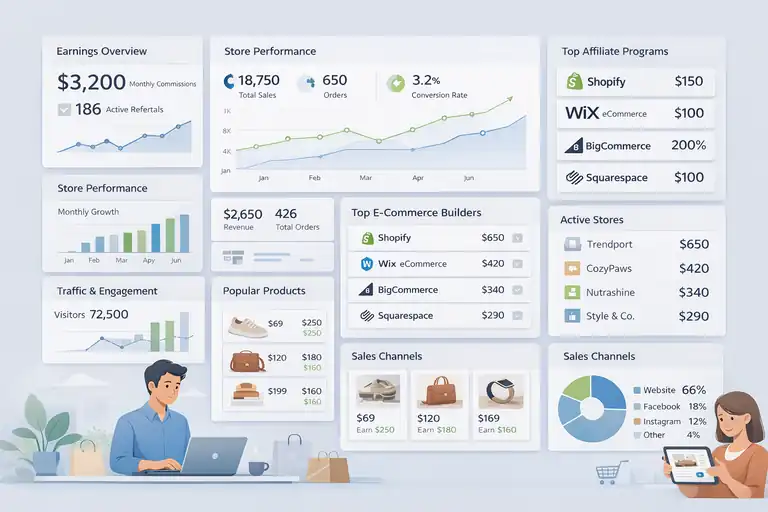
E-commerce platforms are a goldmine for affiliates because they solve a massive problem—how to start an online store without technical skills.
Millions of entrepreneurs jump into e-commerce every year, and that constant demand keeps this niche thriving.
Why E-Commerce Software Appeals to a Broad Audience
Unlike niche tools, e-commerce builders serve everyone—from small business owners to large enterprises. What makes these affiliate marketing products especially appealing is their “all-in-one” promise: design, payment, inventory, and marketing tools rolled into one.
The best part? These platforms often have higher price points, meaning higher affiliate payouts. Plus, people tend to stick with the same platform for years once their store is set up, leading to long-term commissions.
What makes these platforms convert so well:
- Ease of use: Drag-and-drop design makes building a store feel fun instead of intimidating.
- Brand trust: Platforms like Shopify and Wix have massive user bases.
- Scalability: Businesses can grow without switching systems, reducing churn.
High-Paying Affiliate Programs for Online Store Builders
If you’re focusing on e-commerce affiliate marketing products, here are the top programs that deliver both conversions and commissions:
- Shopify: Offers up to $150 per referral. Known for its ease of use and professional templates, it’s ideal for beginners.
- Wix eCommerce: Pays around $100 per sale and appeals to creators who want stylish stores with minimal coding.
- BigCommerce: Offers 200% per referral or $1,500 per Enterprise referral. Perfect for agencies or consultants.
- Squarespace Commerce: Around $100 per signup with a well-known brand reputation among creatives.
I suggest sharing your real experience. For instance, if you’ve built a demo Shopify store, walk users through “Online Store > Themes > Customize” to show how intuitive it is. Visual proof converts better than any review paragraph.
Tips to Target the Right Audience for E-Commerce Tools
Getting the right audience is more important than pushing a high-payout link.
Here’s what helps:
- Focus on beginners: Tutorials like “How to Start a Shopify Store From Scratch” attract motivated users ready to buy.
- Target side hustlers: Many people want a part-time store, so show easy paths like print-on-demand or dropshipping.
- Use keyword intent: Create content around “best e-commerce platforms for beginners” or “Shopify vs WooCommerce.”
- Leverage social proof: Share mini success stories or testimonials from small business owners who used your recommended tool.
When done right, this niche builds credibility fast. You’re not just recommending software—you’re helping people start a business.
6. VPN and Cybersecurity Products
Privacy and data security are no longer optional—they’re necessities. As online threats grow, more users are turning to VPNs and cybersecurity tools to protect themselves.
This surge in awareness has made VPNs some of the fastest-selling affiliate marketing products worldwide.
How Privacy Tools Tap Into Massive Consumer Demand
The appeal of VPNs (Virtual Private Networks) lies in fear and convenience. People want to browse safely, stream content from anywhere, and protect their identities online.
Here’s why promoting VPN products works so well:
- Universal need: Everyone who goes online needs protection.
- Global audience: VPNs sell well across multiple countries.
- Recurring model: Subscriptions renew monthly, creating long-term affiliate revenue.
A relatable example: When explaining a VPN setup, you can say, “After installing NordVPN, just open the app, click Quick Connect, and your IP address changes instantly.” Showing that one-step simplicity breaks technical barriers for hesitant buyers.
Most Trusted VPN Affiliate Programs With High EPCs
Earnings per click (EPC) in VPN affiliate programs are among the highest in digital products.
These are some proven ones:
- NordVPN: Offers up to 40% commission and extremely high conversions due to global brand trust.
- Surfshark: Pays 40–45% per sale. Known for its affordability and unlimited device connections.
- ExpressVPN: Premium option with strong payouts ($36–$100 per signup). Converts well among professionals.
- ProtonVPN: Ideal for audiences focused on privacy and open-source security. Payouts around 30%.
Affiliate marketers love VPNs because they’re easy to demonstrate visually—connecting to a U.S. server and streaming Netflix instantly shows the value.
Content Ideas to Promote Cybersecurity Products Effectively
To promote VPNs or other cybersecurity products without sounding technical, focus on benefits that matter to everyday users.
Here’s what works:
- Create real-life scenarios: Show how using a VPN lets travelers safely access banking apps on public Wi-Fi.
- Compare speeds: Run simple speed tests before and after using a VPN. Share screenshots or short clips.
- Bundle recommendations: Pair VPNs with password managers or antivirus tools for a complete “digital security kit.”
- Use seasonal hooks: During Black Friday or travel season, interest in VPNs spikes—plan campaigns accordingly.
In my experience, transparency wins here too. If you mention a VPN slows down streaming slightly but enhances privacy, people appreciate the honesty and still buy.
7. Design and Creative Software
Design software sits in a sweet spot for affiliate marketers—it’s highly visual, practical, and used by nearly every business and content creator.
The demand keeps growing because great design directly impacts brand identity and conversions.
Why Design Tools Have a Loyal, Buying Audience
Designers, marketers, and small business owners all rely on these tools daily, which makes them sticky products. Once someone masters a specific platform, they rarely switch. That loyalty translates to long-term recurring affiliate income.
Here’s why this category works so well:
- Frequent updates and features: Users are drawn to new creative capabilities.
- Cross-industry relevance: Bloggers, YouTubers, agencies, and even educators need design tools.
- Visual proof of value: Affiliates can show the outcome—stunning graphics or videos—rather than just talk about it.
For example, when I create social media templates in Canva, I often record a short demo showing “Create a new design > Select Instagram Post > Add Brand Kit Colors.” Viewers immediately see how easy it is, which drives clicks naturally.
Best Graphic Design Software With Affiliate Programs
Design platforms are among the best-performing affiliate marketing products because they appeal to creative and business audiences alike.
These are worth considering:
- Canva: One of the most popular and beginner-friendly tools. Pays up to $36 per new subscriber. It’s visual, easy to use, and offers built-in templates that practically sell themselves.
- Adobe Creative Cloud: Offers up to 85% on first month’s sale. Ideal for professionals who need Photoshop, Illustrator, or Premiere Pro. The brand’s authority makes conversions effortless.
- Placeit: Perfect for mockups, logos, and videos. Pays 50% recurring for the first year, and it converts well for online sellers or Etsy creators.
- Fotor: Simple editor with a recurring affiliate program and a growing audience of bloggers and social marketers.
In my experience, Canva and Placeit are the best entry points for new affiliates. They’re easy to demonstrate visually, require no technical learning curve, and appeal to everyday users who want quick, professional results.
How to Create Tutorials That Drive Sales for Design Products
Design tools are easiest to sell through visual tutorials. People need to see the tool in action to understand its value.
Here’s what works best:
- Create mini design challenges: For example, “Design a YouTube thumbnail in 5 minutes using Canva.” Step-by-step videos or reels convert extremely well.
- Compare tools by results: A post like “Canva vs Photoshop for Beginners” brings organic traffic from curious buyers.
- Use templates as lead magnets: Offer free editable templates and suggest users duplicate them using your affiliate tool.
- Show real business results: If you used a design tool to boost engagement or improve conversions, share before-and-after screenshots.
The golden rule: focus less on software features and more on what people can create with it. Inspiration sells better than specifications.
8. AI Tools and Automation Platforms
AI is no longer futuristic—it’s the present reality for businesses. From content creation to workflow automation, AI tools are reshaping how people work.
As affiliate marketing products, they’re incredibly hot right now because their benefits are immediate and easy to demonstrate.
Growing Demand for AI Solutions in Every Industry
The demand for AI tools exploded because they solve universal problems—time management, creativity blocks, and scaling tasks.
Whether it’s a solopreneur using ChatGPT to write blog drafts or a company automating customer support with AI chatbots, adoption is rising across the board.
According to Statista, the AI software market is projected to surpass $300 billion by 2030. That’s a massive playground for affiliates.
Here’s why AI tools convert so well:
- They save time instantly: A quick demo shows value within seconds.
- They appeal to curiosity: People love testing “the next big thing.”
- They fit multiple niches: Bloggers, marketers, developers—all can use AI differently.
From what I’ve seen, showing a real-world task (like “Generate a blog title using Jasper AI”) instantly gets attention because users can visualize the benefit.
Best AI Affiliate Marketing Products for High Returns
The AI niche is packed with high-paying affiliate programs. Here are some of the most reliable ones:
- Jasper AI: Pays 30% recurring commissions. Known for content creation and copywriting. Great for marketers and bloggers.
- Writesonic: Offers up to 30% recurring and includes Chatsonic, an AI chatbot. The tool’s built-in templates make it easy to sell.
- Notion AI: Growing fast among professionals for note-taking and content organization. Converts well due to existing brand loyalty.
- Pictory: Turns text into videos using AI. Pays 20% recurring and appeals to content creators looking to scale video production.
I personally recommend creating simple workflow examples—like “Using Jasper + Pictory to turn blog posts into videos in 10 minutes.” It shows automation in action and makes the pitch more believable.
How to Showcase AI Tools With Real-World Use Cases
The trick to selling AI tools is context. People don’t want theory—they want to see exactly how these tools simplify life or boost productivity.
Here are approaches that work:
- Create mini workflows: Show how to use one AI tool to generate content and another to schedule it automatically.
- Teach “stacking” strategies: Combine multiple AI tools to solve one bigger problem (e.g., ChatGPT + Canva for social content creation).
- Use performance metrics: Share how an AI-powered process saved you hours or improved engagement.
- Offer comparison reviews: “Jasper vs Writesonic: Which is better for long-form content?” pulls in warm traffic from searchers ready to decide.
Be honest about limitations too. Saying “Writesonic occasionally repeats phrases” adds credibility. Readers appreciate transparency more than perfect praise.
9. Health and Wellness Digital Products
The health and wellness industry is one of the most competitive yet rewarding markets for affiliates.
With growing interest in fitness, mental health, and holistic living, digital health products convert at impressive rates—especially when backed by credibility and trust.
Why Health Products Dominate the Affiliate Market
Unlike trends that fade, health is a timeless niche. Everyone wants to feel better, look better, and live longer. That emotional drive makes it easier for affiliates to connect with audiences on a personal level.
These affiliate marketing products perform consistently because:
- They solve emotional pain points: Stress, fatigue, and self-confidence are universal struggles.
- The audience is massive: From fitness enthusiasts to busy professionals, nearly everyone fits the target.
- Content diversity: You can promote ebooks, workout programs, supplements, or meditation apps—all within one niche.
When done ethically and transparently, this niche can be one of the most sustainable for long-term affiliate income.
Top Health and Fitness Offers With Excellent Conversion Rates
Here are a few proven performers in the digital health and fitness space:
- Noom: A psychology-based weight loss program offering up to $20 per signup. Great for content around healthy habits or mindset.
- Fitbit Premium: Offers subscription-based commissions for tracking health metrics.
- YogaDownload: A digital yoga platform with recurring payouts and loyal subscribers.
- ClickBank Health Products: Includes top-selling digital courses like “The Smoothie Diet” and “Custom Keto Plan,” which can reach 75% commissions.
Pro tip: Always research the credibility of the brand before promoting. Look for real testimonials, transparent ingredient lists, or certifications if the product involves physical health.
Compliance and Authenticity Tips for Promoting Health Niches
The health niche can be tricky because it’s heavily regulated, and making exaggerated claims can lead to trouble. The best approach is to be authentic, transparent, and realistic.
Here’s how to stay compliant and trustworthy:
- Avoid medical promises: Don’t say “This supplement cures anxiety.” Instead, use phrasing like “may support relaxation.”
- Show personal stories: Talk about what worked for you, not what will work for everyone.
- Use disclaimers: Add “Always consult your doctor before starting any new program.” It shows responsibility.
- Provide value-first content: Tutorials like “5 Easy Home Workouts for Busy Professionals” with a link to your fitness app convert better than direct sales pages.
In my experience, health audiences value empathy more than hype. If you position yourself as a guide rather than a seller, your conversions will come naturally—and last.
10. Financial and Investment Tools
Financial tools are becoming some of the most profitable affiliate marketing products in recent years.
With more people turning to apps to save, invest, and manage money, fintech products have transformed from niche solutions into everyday essentials.
For affiliates, this creates a perfect opportunity—promoting tools that genuinely improve people’s financial lives while earning high commissions.
Rising Popularity of Fintech and Investment Apps
The fintech revolution has made financial tools accessible to everyone—from beginners investing their first $50 to professionals managing multiple portfolios.
Apps like Robinhood, Acorns, and Webull have normalized investing by removing barriers such as high fees and confusing interfaces.
Here’s why fintech products convert so well in affiliate marketing:
- High consumer trust: These tools often have official licenses, secure encryption, and recognizable brands.
- Emotional motivation: People are motivated by financial growth, security, and independence—making offers deeply personal.
- Mass appeal: Finance affects everyone, regardless of age or profession.
When showing fintech tools, it helps to simplify the user journey. For example: “In Acorns, tap Invest > Round-Ups to see how spare change automatically turns into micro-investments.” This quick UI path instantly shows how easy the product is to use.
Best Financial Tools and Platforms With Affiliate Programs
Financial tools often come with some of the highest payouts in affiliate marketing. Many offer both one-time and recurring commissions because users tend to stay subscribed for years.
Here are some top-performing programs worth considering:
- Personal Capital (Empower): Offers $100+ per lead. Known for its wealth management dashboard that tracks net worth, investments, and spending in one view.
- Acorns: Pays $10–$15 per signup. Ideal for younger audiences just getting started with investing.
- Webull: Offers up to $100 per referred user, plus free stock promotions that make conversions fun and easy.
- Betterment: Provides recurring payouts for ongoing investment subscriptions, appealing to long-term investors.
- SoFi: Covers everything from investing to loans, making it a versatile fintech affiliate partner.
If you’re promoting these tools, focus on trust signals—FDIC insurance, SSL security, and positive customer reviews. These small details reassure readers that your recommendations are safe and legitimate.
How to Build Trust When Promoting Finance-Related Offers
Money is personal, so financial promotions must feel responsible and authentic. From my experience, people respond best when you position yourself as an educator, not a salesperson.
Here’s how to do that effectively:
- Disclose affiliations clearly: Transparency earns credibility. Phrases like “I may earn a small commission if you sign up” go a long way.
- Simplify complex terms: Explain jargon like “ETF” or “robo-advisor” in plain English. For example: “A robo-advisor is an automated investment service that manages your money based on your goals.”
- Use side-by-side comparisons: Charts showing fees, ease of use, and minimum deposits help readers choose confidently.
- Share real results: If you’ve used a platform, include screenshots or a short walkthrough of your experience.
Trust compounds like interest—it builds slowly but pays dividends over time. Focus on providing value first, and the sales will naturally follow.
Expert Tip: Focus on Recurring Revenue Products
If you want to build consistent income as an affiliate, recurring commission programs are your best friend.
Instead of chasing one-off payouts, these create a stable monthly income stream that compounds over time.
Why Recurring Commissions Create Sustainable Income
Recurring commissions are powerful because they reward long-term relationships, not just single clicks. When a customer stays subscribed, you keep earning without extra effort.
This model works especially well in niches like:
- Software-as-a-Service (SaaS): Tools like email marketing platforms or hosting services.
- Financial apps: Subscriptions for portfolio management or premium investment tools.
- Health and fitness memberships: Programs with ongoing value like coaching or tracking apps.
A good way to visualize it: imagine you refer 100 users to a $30/month service with 30% recurring commission. That’s $900/month in passive income—as long as users remain active.
From my own experience, recurring programs turn affiliate marketing from a sprint into a marathon. You build stability instead of chasing new leads every week.
How to Balance One-Time Payouts With Long-Term Earnings
Not every product offers recurring revenue, and that’s okay. The smart move is to balance your portfolio of affiliate marketing products.
Here’s a practical approach:
- Use one-time offers for fast cash flow. High-ticket items like web hosting or premium software can provide strong upfront income.
- Layer recurring offers for stability. Promote tools or subscriptions people use monthly—like SEO tools or email platforms.
- Track retention metrics. Focus on programs with low churn (cancellation) rates for long-term profit.
- Diversify by niche. Combine fintech, SaaS, and creative tools to avoid relying on one market’s performance.
The beauty of this approach is sustainability. Your recurring programs cover predictable monthly income, while one-time payouts give you bursts of revenue when you need them most.
If I had to share one lesson—it’s this: recurring income gives you freedom. It’s what turns affiliate marketing from a side hustle into a business that grows even when you’re not online.
FAQ
What are the best affiliate marketing products to promote?
The best affiliate marketing products include web hosting services, SEO tools, email marketing software, AI platforms, and financial apps that offer high commissions and strong recurring income potential.
Which affiliate products sell the fastest?
Affiliate products that solve urgent problems—like website setup, automation, or personal finance—tend to sell the fastest because they offer clear, immediate value to users.
How do I choose profitable affiliate marketing products?
Choose affiliate marketing products with high demand, trusted brands, and recurring commission structures. Look for tools people already use daily, such as web hosting, email platforms, or design software.

I’m Juxhin, the voice behind The Justifiable.
I’ve spent 6+ years building blogs, managing affiliate campaigns, and testing the messy world of online business. Here, I cut the fluff and share the strategies that actually move the needle — so you can build income that’s sustainable, not speculative.