Table of Contents
Some links on The Justifiable are affiliate links, meaning we may earn a small commission at no extra cost to you. Read full disclaimer.
When I first decided to create my own blog, I had no idea how it could become more than just a creative outlet—it could actually grow into a long-term digital asset.
Maybe you’re thinking the same thing: How do I start a blog that not only attracts readers but also builds real value over time?
In this guide, I’ll break down exactly how to do that—step by step—from choosing your niche to monetizing your content and turning your blog into a sustainable business.
Choose a Profitable and Sustainable Blog Niche
Finding the right niche is the foundation of every successful blog. I’ve seen too many people skip this step, only to realize later that they’re writing for the wrong audience—or worse, for no audience at all.
Your niche should excite you, solve real problems, and have clear potential for income over time.
Identify Your Passion and Market Demand
When I first started brainstorming blog ideas, I asked myself two questions: What could I talk about for hours? and Would other people actually care?
To find that balance, list 3–5 topics you genuinely enjoy—things you’d research even if no one paid you. Then, check if others are already looking for them using tools like:
- Google Trends: Shows how interest in a topic changes over time.
- Reddit or Quora: Real questions reveal what people want to know.
- YouTube search suggestions: Offer insight into trending interests.
You want a niche that blends personal passion with market validation. If both align, you’re onto something sustainable.
Research Audience Problems and Interests
Every successful blog solves problems. Start by listening—literally. Browse forums, Facebook groups, and comment sections to see what frustrates your potential audience.
For example, if you want to start a travel blog, notice whether people are asking about budget travel tips, solo travel safety, or visa hacks. Each of these signals unmet needs.
Keep a running list of phrases your target audience uses to describe their pain points. Later, these phrases will become your keyword ideas and content topics.
Evaluate Competition and Monetization Potential
Competition isn’t bad—it proves demand exists. But you do need to check if there’s room for you. Search your niche in Google and note the top-ranking sites:
- Are they massive brands (like Forbes or Healthline), or smaller blogs?
- How are they monetizing (ads, affiliate links, digital products)?
- What type of content performs best (how-tos, guides, reviews)?
If the search results show a mix of independent blogs and content-driven sites, that’s a green flag. It means you can carve your own space with a unique voice and better depth.
Monetization potential matters, too. Ask: Can this topic lead to income streams? Look for affiliate programs, high-demand products, or potential digital offerings like courses or templates.
Validate Niche Ideas with Real Data
Before committing, validate your niche with numbers.
I suggest using:
- Semrush: Check keyword volume and competition.
- Google Keyword Planner: Estimate search demand.
- Pinterest Trends: Great for lifestyle or visual niches.
If your niche has at least a few subtopics with medium competition and consistent search volume (1,000–10,000 monthly searches), it’s a solid starting point.
Once you’ve chosen, commit to it for at least 6–12 months before pivoting. Real authority takes time to grow.
Build a Strong Blog Foundation From the Start
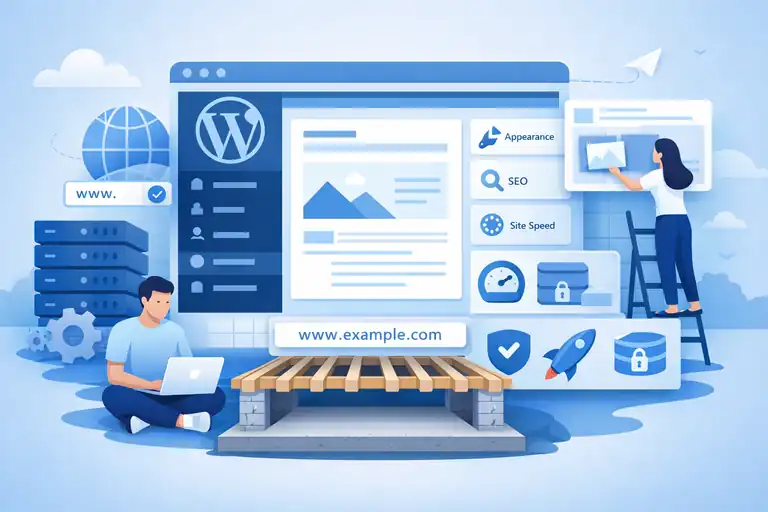
Your blog’s foundation determines how easy it’ll be to manage, scale, and monetize later. Think of this as building the base of a house—you want it stable, not fancy.
Pick the Right Blogging Platform and Hosting
I’ve used many platforms, but if you’re serious, WordPress.org is the most flexible and scalable choice. It’s self-hosted, meaning you control everything. Pair it with reliable hosting like SiteGround, Hostinger, or WPX Hosting for fast load times.
Here’s a simple setup path:
- Buy hosting and connect a domain (usually with one click).
- Install WordPress (most hosts have an auto-installer).
- Log in via yourdomain.com/wp-admin.
That’s your dashboard—where you’ll write, design, and publish everything.
Choose a Memorable and Brandable Domain Name
Your domain is your online identity. I suggest keeping it short, easy to spell, and keyword-relevant without being too literal.
For example:
- A cooking blog could use SavoryTrail.com instead of BestRecipesForYou123.com.
- A finance blog could go with MoneyNest.com rather than PersonalFinanceBlog2025.com.
Avoid numbers, hyphens, and obscure words. If your first choice is taken, try creative extensions like .io, .co, or .blog.
Design a Simple, Fast, and User-Friendly Blog Layout
Readers leave quickly if your blog feels cluttered or loads slowly. Stick with clean, minimal themes. I recommend Astra, GeneratePress, or Kadence—they’re fast and highly customizable.
Keep these design rules:
- Use no more than two fonts and a consistent color palette.
- Ensure your menu is easy to navigate (no dropdown chaos).
- Add plenty of white space—it makes reading easier.
In short: simplicity wins.
Set Up Essential Plugins for SEO, Speed, and Security
Plugins are like apps for your blog—they add functionality.
Here are the must-haves:
- Rank Math: Helps optimize posts for search engines.
- LiteSpeed Cache: Boosts site speed.
- UpdraftPlus: Automates backups.
- Wordfence Security: Protects from hacks and malware.
Install only what you need. Too many plugins slow your site down.
Develop a Strategic Content Plan That Drives Growth
This is where your blog starts coming alive. A strong content strategy ensures every post attracts traffic, builds trust, and moves you closer to your long-term goals.
Create a Content Calendar Around Search Intent
Think of your content calendar as a roadmap. It keeps you consistent and ensures each post serves a purpose.
Start by identifying search intent—why people search a term. Is it informational (how to bake bread), transactional (best bread maker), or navigational (Baker’s Delight website)?
Plan a mix of posts:
- Informational: Build trust (how-tos, tutorials).
- Commercial: Monetize traffic (product comparisons, reviews).
- Personal: Build connection (stories, lessons, reflections).
I like using Notion or Trello for planning. Each card can include your keyword, title, draft date, and publishing goal.
Use Keyword Research Tools to Guide Your Topics
Instead of guessing, let data lead you. Use Ahrefs, Semrush, or Ubersuggest to find topics your audience already searches for.
Look for:
- Keywords with 500–5,000 monthly searches.
- Low to medium difficulty (especially early on).
- Questions starting with how, why, or best.
This ensures every post has traffic potential while still being achievable for a new site.
Write Long-Form, Evergreen Content That Solves Real Problems
Short posts fade fast. Long-form content (1,500+ words) performs better in SEO and user engagement because it fully answers questions.
For each topic, focus on:
- Clarity: Explain like you’re talking to a friend.
- Depth: Include examples, stats, and visual aids.
- Evergreen value: Write content that stays relevant over time.
Example: Instead of “Best Travel Tips for 2026,” try “Ultimate Guide to Traveling Smart on a Budget.” The latter remains useful year after year.
Optimize Each Post for Readability and User Engagement
Writing is only half the job—presentation matters too. Use short paragraphs, descriptive subheadings, and spacing that encourages reading.
Here’s how I optimize every post:
- Add internal links to related articles.
- Use images or infographics to break text walls.
- End each post with a call to action (comment, share, subscribe).
You’re not just writing at your readers—you’re starting a conversation with them.
Master SEO to Grow Blog Traffic Consistently
If you truly want your blog to thrive, learning SEO isn’t optional—it’s essential. I like to think of SEO as the steady heartbeat of your blog’s visibility. Done right, it brings in readers 24/7 without you constantly promoting.
Let’s go step by step through what actually works in practice.
Learn and Apply On-Page SEO Best Practices
On-page SEO is the foundation of every blog post. It’s about optimizing the content itself so Google clearly understands what your post is about.
Here’s how I handle on-page SEO for every article:
- Start with a strong keyword: I use tools like Ubersuggest to find a focus keyword that matches what people actually search. For example, instead of “budget travel,” I’d choose “how to travel on a budget.”
- Write natural titles and meta descriptions: Keep titles around 60 characters. The goal is clarity, not clickbait. A meta description (under 160 characters) should summarize what the post offers.
- Use headers strategically: Include your primary keyword in the H1 (title) and a few H2s naturally. Use related terms (LSI keywords) in subheadings where relevant.
- Add internal and external links: I usually link to 2–3 of my own posts and 1–2 authoritative sources. It helps search engines understand context.
- Optimize images: Compress them using TinyPNG and name files descriptively (for instance, blog-seo-tips.jpg).
A good post should feel written for humans first, search engines second. That’s the sweet spot Google rewards.
Build High-Quality Backlinks Naturally
Backlinks—links from other sites pointing to yours—act like votes of confidence. I learned early on that quality beats quantity every time. A single backlink from an authority site can outperform 50 weak ones.
Here are my go-to strategies for earning them naturally:
- Guest posting: Write valuable articles for niche-relevant blogs and include one contextual link back to your post.
- Create linkable assets: Long guides, infographics, or data studies naturally attract backlinks.
- Use HARO (Help a Reporter Out): Answer journalist queries to get featured (and linked) in articles from major outlets.
- Build relationships: Comment thoughtfully on others’ blogs and engage on LinkedIn or X (formerly Twitter). People link to creators they know.
In short: focus on earning links through genuine value, not manipulating them. Google always catches shortcuts.
Improve Technical SEO for Better Performance
Technical SEO might sound intimidating, but it’s really about ensuring your site runs smoothly and loads fast. I treat it as blog maintenance—like cleaning your digital house.
Key steps I recommend:
- Speed optimization: Use caching plugins like LiteSpeed Cache. Aim for a load time under 3 seconds.
- Mobile responsiveness: Over 60% of blog traffic comes from phones, so test layouts using Bing’s Mobile-Friendly Test.
- SSL certificate: Ensure your site runs on HTTPS. It builds trust and is a small ranking factor.
- Fix broken links: Tools like Broken Link Checker or Ahrefs Site Audit make it easy.
- Use an XML sitemap: This helps search engines crawl your pages correctly. You can generate one easily with Rank Math.
Once these basics are set up, your SEO efforts become far more effective and sustainable.
Use Internal Linking to Strengthen Content Authority
Internal links connect your posts together, guiding both users and search engines through your content. I think of them as a web of context—each link strengthens another page.
Simple internal linking strategy I use:
- Link new posts to older relevant ones (and vice versa).
- Use descriptive anchor text, like how to find profitable blog niches instead of click here.
- Create pillar pages—long, in-depth guides that link to smaller related posts.
This not only helps with rankings but also keeps visitors exploring your site longer, which signals quality to Google.
Build and Engage Your Blog Audience Effectively

SEO may bring people to your site, but engagement keeps them coming back. Building an audience isn’t about numbers—it’s about connection. You want readers who trust you, not just visit once and leave.
Create a Clear Email Opt-In Strategy
Your email list is your most valuable asset. Social media platforms can change algorithms overnight, but your email list is yours.
Here’s how I build mine effectively:
- Offer a freebie that solves a specific problem—like a checklist, mini-course, or template.
- Place opt-in forms in high-visibility spots: sidebar, footer, and within posts.
- Use email tools like Aweber or MailerLite for easy automation.
Example: On my blogging site, I offer a “7-Day Blog Launch Checklist” that automatically welcomes new subscribers and guides them through setup steps.
Use Social Media to Amplify Your Blog Content
Social media isn’t about constant self-promotion—it’s about conversations. Pick one or two platforms where your audience spends time.
Platform examples and focus areas:
- Pinterest: Great for lifestyle, DIY, and food bloggers. Create keyword-rich pins using Canva templates.
- LinkedIn: Perfect for business, finance, or tech bloggers. Post snippets or summaries of your latest articles.
- Instagram: Use short Reels to show behind-the-scenes moments or quick tips.
Always link back to your blog from posts or bio, turning social engagement into site visits.
Engage With Readers Through Comments and Communities
Comments are gold. When readers engage, it means your content resonates. Respond personally—it builds loyalty fast.
You can also extend engagement by:
- Joining niche Facebook groups or Reddit threads.
- Hosting a Q&A session or live chat.
- Featuring reader feedback in your newsletters or posts.
When people feel heard, they naturally return to your blog.
Personalize Your Content to Build Reader Loyalty
Personalization makes your content memorable. I always write as if speaking to one person, not a crowd.
Here’s what works well:
- Address readers with you directly.
- Reference shared experiences (“I know how it feels to stare at a blank page”).
- Use storytelling to connect emotionally.
Tools like ConvertKit let you segment subscribers, so you can send tailored emails based on interests—say, blogging tips for beginners vs. advanced users.
Monetize Your Blog With Multiple Income Streams
Once your traffic and engagement start growing, it’s time to turn your blog into a genuine asset that earns for you.
I recommend diversifying your income so your blog remains stable even if one source fluctuates.
Earn Through Display Ads and Affiliate Marketing
Display ads (like Google AdSense or Mediavine) are a simple way to start monetizing. However, they work best once your blog consistently gets traffic.
Affiliate marketing, on the other hand, is my favorite beginner-friendly method. You recommend products or tools you genuinely use and earn a commission per sale.
Example: If you write a post on best web hosting for beginners, you could link to SiteGround or Hostinger using your affiliate link.
Just remember: honesty matters. Always disclose affiliate relationships and promote what you truly trust.
Offer Digital Products, Courses, or eBooks
Creating digital products turns your expertise into scalable income.
Some ideas you can try:
- A blogging course showing your exact setup process.
- Printable planners, templates, or checklists.
- eBooks diving deep into niche strategies.
Tools like Gumroad, Podia, or Teachable make setup simple. Start small, gather feedback, and improve over time.
Provide Freelance or Consulting Services
Before I had digital products, I earned my first income through freelance writing for other blogs. If you have a skill—design, writing, SEO, social media—offer it as a service.
You can:
- Add a “Work With Me” page outlining services and pricing.
- Showcase testimonials or past projects.
- Use Calendly to book discovery calls easily.
It’s a great way to build authority and income simultaneously.
Create a Membership or Subscription Model
Once you’ve built a loyal community, memberships can provide predictable monthly revenue.
Examples include:
- Exclusive blog posts, Q&A sessions, or workshops.
- Private Discord or Slack communities.
- Resource libraries updated monthly.
Platforms like Patreon, MemberPress, or Substack make it simple to set up.
My advice: focus on value, not volume. A smaller group of committed members beats a large disengaged audience any day.
Track Blog Growth and Optimize for Long-Term Success
Once your blog starts gaining traction, it’s tempting to just keep publishing and hope for the best. But trust me, consistent growth requires tracking and intentional optimization.
Think of it like steering a ship — you can’t reach your destination if you’re not checking your course along the way.
Use Analytics Tools to Measure Key Performance Metrics
I recommend setting up Google Analytics 4 (GA4) right after launching your blog. It’s free and shows you exactly how people interact with your content. Once installed, take note of the following key metrics:
- Organic traffic: Shows how well your blog performs in search engines.
- Bounce rate: Tells you if visitors leave quickly (a sign content or layout may need improvement).
- Average session duration: Reveals engagement — aim for 1–2 minutes minimum.
- Top traffic sources: Helps you identify which platforms bring the most readers.
For a quick content overview, I like pairing GA4 with Google Search Console. It shows which keywords your posts rank for and how many impressions and clicks each gets.
Example workflow: Open Google Search Console → Performance → Pages → Filter by top pages → Identify which posts drive the most clicks.
You’ll quickly see what’s working — and where to focus more effort.
Identify Top-Performing Content and Replicate Its Success
Every blog has a few “power posts” — the ones that bring most of the traffic. Once you know which they are, the goal is to replicate their structure, topic depth, and tone.
Here’s how I approach this:
- Find high-performing posts in Search Console (those with top impressions and clicks).
- Analyze the format: Did it include lists, visuals, or case studies?
- Note engagement signals: Check comments, shares, and backlinks using tools like Ahrefs or Ubersuggest.
Once you identify the pattern, create related posts targeting similar keywords or expanding the topic.
Example: If a post titled “How to Start a Blog on a Budget” performs well, you could follow up with “Affordable Tools to Run Your Blog Efficiently.”
This way, you build a content cluster that strengthens your topical authority.
Continuously Update Old Posts to Maintain Rankings
SEO isn’t “set and forget.” I make it a habit to refresh older posts every 3–6 months. Google loves fresh content, and updates help maintain rankings.
When updating, check for:
- Outdated statistics or screenshots.
- Broken links or old references.
- Better internal links to newer articles.
- New insights or tools you’ve discovered.
Example: If your article recommends “Google Universal Analytics,” replace it with “Google Analytics 4” since it’s the new standard.
You can track which posts lose rankings using Search Console. If impressions drop, that’s your cue to refresh.
Set Realistic Income and Growth Goals Quarterly
I believe in setting measurable, not dreamy goals. Instead of saying “I want to make money blogging,” be specific.
Here’s how I break it down:
- Traffic goal: e.g., grow from 5,000 to 10,000 monthly visits.
- Email subscribers: aim for 200–300 new opt-ins per quarter.
- Monetization goal: earn your first $500 from affiliates or digital products.
Then, track these goals using a simple spreadsheet or project management tool like Notion. Seeing progress on paper motivates you to stay consistent.
Protect and Scale Your Blog as a Real Digital Asset
Once your blog starts generating income, treat it like a business. Protection and scalability ensure that all your hard work doesn’t vanish overnight — and that your growth keeps compounding.
Build an Email List and Diversify Traffic Sources
If I could start over, I’d focus on my email list from day one. Social platforms and Google can change algorithms anytime, but your list remains under your control.
Use tools like Kit, MailerLite, or Flodesk to grow and segment your audience. Offer valuable lead magnets such as:
- Mini-guides
- Free templates
- Quick video lessons
Also, diversify traffic sources beyond SEO: Pinterest, YouTube, and LinkedIn can all send consistent readers. This way, a single algorithm update won’t derail your growth.
Register Your Brand and Secure Legal Essentials
Protecting your blog legally might sound intimidating, but it’s simpler than most think.
Start with the essentials:
- Register your domain under your legal name or business entity.
- Trademark your brand name if it’s unique and you plan to scale.
- Add legal pages: Privacy Policy, Terms & Conditions, and Disclaimer (tools like Termly or LegalTemplates make it easy).
If you’re monetizing heavily, consider forming an LLC. It separates your personal finances from your business—something I wish I’d done earlier.
Automate Tasks With Tools for Scaling Efficiency
Blogging gets time-consuming as you grow. Automation keeps it manageable.
My go-to automations:
- Zapier: Connects apps so tasks run automatically (e.g., when a new post goes live, it auto-shares to Twitter).
- Later: Schedules social posts.
- Kit Automations: Sends personalized email sequences to new subscribers.
Example: When someone downloads your free checklist, Kit can automatically send a 5-day welcome email series introducing your best posts.
This saves hours and keeps your readers consistently engaged.
Plan for Long-Term Ownership or Blog Resale Value
Here’s a perspective many overlook — your blog can become a sellable digital asset. Sites like Empire Flippers and Motion Invest regularly list blogs selling for 30–40x their monthly profit.
To prepare for potential resale:
- Keep your finances and analytics transparent.
- Document income sources (ads, affiliates, products).
- Maintain brand consistency and clean design.
Even if you never sell, treating your blog like a valuable business increases its credibility and long-term returns.
Stay Consistent and Keep Evolving With Trends
Consistency is the silent secret behind every successful blog. Algorithms, design styles, and reader interests will keep changing—but if you adapt while staying visible, you’ll thrive long term.
Set a Publishing Routine You Can Maintain
Don’t aim for daily posts if you can’t sustain it. I suggest starting with one high-quality post per week and scaling up as you grow.
To stay on track:
- Use a simple calendar (Notion or Google Sheets) for scheduling.
- Batch-write posts when motivation strikes.
- Plan one month of content ahead to reduce last-minute stress.
I’ve learned that quality and rhythm beat quantity and burnout every time.
Keep Learning SEO, Content, and Marketing Updates
SEO evolves constantly. What worked last year might not work now. I keep myself updated by following trusted sources like Ahrefs Blog, Search Engine Journal, and Backlinko.
Dedicate 30 minutes a week to learning — whether it’s a new keyword tool, content strategy, or email tactic. Over time, these micro-improvements compound massively.
Experiment With New Content Formats Like Video or Podcasts
People consume content differently today. Expanding beyond text helps you reach wider audiences.
For instance:
- Convert popular posts into YouTube tutorials using tools like Descript or Canva Video.
- Record short podcast episodes summarizing your best-performing guides.
- Share bite-sized social content from your articles to drive cross-platform engagement.
This approach keeps your brand dynamic and attracts readers who prefer different formats.
Join Blogger Communities for Inspiration and Collaboration
I can’t stress enough how valuable community is. Join Facebook groups, Slack channels, or local meetups for bloggers.
It’s where you’ll:
- Exchange ideas and feedback.
- Collaborate on guest posts.
- Stay inspired when motivation dips.
When you surround yourself with other creators, you grow faster — and it feels a lot less lonely.
Expert Tips to Turn Your Blog Into a Lasting Asset
Turning your blog into a long-term business takes patience, persistence, and smart decision-making. The goal is sustainability — not viral moments that fade.
Focus on Long-Term Value Over Quick Wins
Avoid chasing trends that don’t align with your vision. Viral content might bring spikes in traffic, but evergreen content brings steady growth.
For example, a post like “Best AI Tools for Bloggers” may trend today, but “How to Write Blog Posts That Rank for Years” builds authority over time.
Prioritize Authenticity and Reader Trust
Your audience can tell when you’re genuine. I believe the best blogs feel like conversations, not sales pages.
Be transparent about your wins and struggles. If a product doesn’t work for you, say so. Trust is your most valuable currency online — and once lost, it’s hard to rebuild.
Reinvest Earnings Back Into Blog Growth
Instead of cashing out early profits, I suggest reinvesting into tools and upgrades that scale your results.
Smart reinvestments include:
- Upgrading hosting to improve site speed.
- Hiring a writer or editor to free up your time.
- Investing in SEO or email marketing courses.
Each reinvestment compounds, helping you move from a solo creator to a real business owner.
Treat Your Blog Like a Business, Not a Hobby
Finally, the mindset shift that changes everything: take your blog seriously. Track income, expenses, and goals like any business would.
Create a simple system for:
- Monthly income reporting.
- Editorial planning.
- Reviewing analytics and adjusting strategy.
When you treat your blog like a business, it starts to pay you like one.
Pro Tip: The best bloggers I’ve met all share one thing in common — they never stop learning. Keep showing up, refining, and adapting. Over time, your blog won’t just be a passion project; it’ll be a valuable, lasting asset you can be proud of.
FAQ
How do I create my own blog that can grow into a real asset?
To create my own blog as a real asset, I need to choose a profitable niche, publish SEO-driven content consistently, build an email list, and monetize through ads, affiliates, or products.
How long does it take to turn a blog into a valuable asset?
Most blogs take 6–12 months to gain steady traffic and 12–24 months to generate reliable income if content, SEO, and monetization are done consistently.
Can a personal blog realistically make money long term?
Yes. A personal blog can become a long-term asset by earning through multiple income streams like affiliate marketing, digital products, services, or memberships.

I’m Juxhin, the voice behind The Justifiable.
I’ve spent 6+ years building blogs, managing affiliate campaigns, and testing the messy world of online business. Here, I cut the fluff and share the strategies that actually move the needle — so you can build income that’s sustainable, not speculative.