
Table of Contents
Some links on The Justifiable are affiliate links, meaning we may earn a small commission at no extra cost to you. Read full disclaimer.
Creative marketing solutions are what separate standout brands from the noise—but how do you know which ones actually drive real results?
With endless tactics floating around, it’s easy to waste time and budget on ideas that look clever but don’t convert.
In this guide, we’ll explore 10 creative marketing solutions that have proven to deliver measurable impact—whether you’re growing your audience, boosting engagement, or increasing sales.
Which of these approaches will fit your business best? Let’s find out.
1. Harness User-Generated Content for Authentic Branding
People trust people, not brands. That’s why creative marketing solutions built on user-generated content (UGC) tend to outperform traditional campaigns.
UGC lets your customers do the storytelling for you—and that authenticity builds credibility, trust, and engagement faster than any paid ad could.
Encourage Customers to Share Real Experiences
The best UGC starts with a genuine experience. Encourage customers to share moments that show your product in their everyday lives.
You can do this through social media challenges, post-purchase emails, or even QR codes on packaging that link directly to a submission form.
I suggest prompting specific content types—like “Share your favorite way to use [product name]” or “Show us your [brand] setup.” This gives users clarity and helps maintain consistent messaging.
A great example: GoPro’s #GoProAwards campaign. They encouraged customers to submit their best action shots, rewarding creativity and turning fans into their most effective marketers.
Pro tip: Highlight top submissions in your weekly newsletter or social media feed. When users see others being recognized, they feel inspired to contribute.
Build a Branded Hashtag Campaign That Spreads Organically
A well-crafted hashtag can become your brand’s rallying cry. Keep it short, easy to spell, and emotionally charged.
Avoid overcomplicated phrases—hashtags like #ShotOniPhone or #JustDoIt thrive because they’re memorable and versatile.
Start by:
- Featuring your hashtag prominently on your website and social bios.
- Encouraging staff and influencers to use it consistently.
- Sharing the best community posts with credit—people love being seen.
I’ve noticed that when brands engage directly (commenting, resharing, tagging), it multiplies the hashtag’s reach.
Engagement signals tell social algorithms your content is valuable—and that’s how organic visibility skyrockets.
Reward Participation with Incentives and Recognition
UGC grows exponentially when people feel appreciated. Recognition doesn’t always mean money—sometimes it’s as simple as a feature on your official account or an exclusive early-access reward.
Here’s how to spark consistent participation:
- Offer monthly contests with small prizes or gift cards.
- Create a “Creator of the Month” feature on your blog.
- Send personalized thank-you messages or discount codes.
For example, Starbucks’ #WhiteCupContest invited customers to draw on their cups. The winning design became an official Starbucks product. That’s powerful user empowerment—and free marketing rolled into one.
2. Create Interactive Campaigns That Engage Emotionally
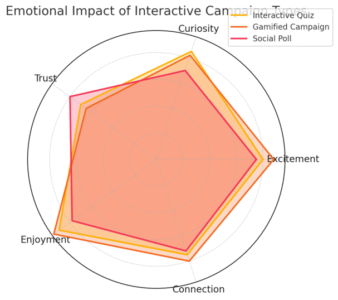
Interactive campaigns are among the most creative marketing solutions because they turn passive audiences into active participants.
The magic lies in emotional engagement—people remember how your brand made them feel.
Use Quizzes, Polls, or Games to Capture Audience Insights
Interactive tools aren’t just fun—they’re data goldmines. Quizzes or polls reveal audience preferences, pain points, and motivations in a way surveys can’t.
Try tools like Typeform or Outgrow to build visually engaging quizzes that guide users toward personalized results. For example, a skincare brand could run a quiz titled “Find Your Perfect Morning Routine.” Each answer leads users to tailored product recommendations.
Quick tip: Share quiz results instantly, then offer a personalized product or content link. This creates a seamless bridge from engagement to conversion.
Leverage Interactive Videos to Increase Retention
Video engagement skyrockets when viewers can choose their path. Interactive videos—like Netflix’s Bandersnatch experiment—invite participation, making viewers feel like part of the story.
Platforms such as Wistia and Vimeo Interactive let marketers add clickable elements, hotspots, or polls inside videos. Imagine an apparel brand creating a “Choose Your Style Adventure,” where each click leads to a curated outfit page.
I recommend embedding these videos in landing pages or email campaigns. Interactive visuals can reduce bounce rates and keep users on your site longer, which indirectly boosts SEO performance.
Integrate Personalization for a Memorable User Experience
Emotional resonance thrives on relevance. Personalization transforms generic interactions into experiences that feel custom-made.
Consider dynamic website experiences—like showing personalized product recommendations based on user behavior.
Platforms like Optimizely help automate this. For instance, a returning visitor who previously viewed hiking gear could see “Welcome back, ready for your next adventure?” on their homepage.
When users feel seen, they’re far more likely to stay engaged. From what I’ve seen, campaigns with personalized elements can increase click-through rates by over 40%.
3. Turn Email Marketing into a Storytelling Channel
Most emails get ignored because they read like sales flyers.
But when you turn email marketing into storytelling, it becomes one of the most powerful creative marketing solutions you can use.
People don’t connect with discounts—they connect with narratives.
3Craft Narrative-Driven Email Sequences That Hook Readers
A great story turns a routine email sequence into an unfolding journey. Instead of sending one-off promos, think of each email as a “chapter” in your customer’s experience.
For example, if you’re launching a new product:
- Email 1: The problem (set the stage)
- Email 2: The discovery (introduce your solution)
- Email 3: The transformation (show real customer results)
I recommend using conversational writing—like “I’ve been there too” or “Here’s what changed everything.”
These small touches humanize your brand voice and keep readers curious for the next email.
Use Segmentation to Send Relevant, Emotionally Resonant Messages
Segmentation means dividing your audience based on interests, behaviors, or demographics. Tools like Aweber, ActiveCampaign, or Mailerlite make this simple by letting you tag users based on clicks or purchases.
Example: If someone downloads a “Content Strategy Guide,” you can automatically send follow-up emails about SEO tools or blogging tips, not random promotions.
Segmentation helps your message land emotionally. When a reader feels like you understand their specific challenge, you earn their trust—and trust converts.
Experiment with Visual Storytelling and Microcopy
Small details make a big difference. Adding visuals or microcopy (the short, clever bits of text like button labels or tooltips) can shape how readers feel about your brand.
I’ve seen brands replace boring CTA buttons like “Learn More” with “Let’s Start Your Journey”—and click rates jumped. Visual storytelling can be as simple as embedding a customer’s photo, using a GIF, or adding branded design elements that reflect your tone.
Try this: Pair emotional imagery with a short success quote from a real customer in your next campaign. It instantly turns a transactional message into a human connection.
Expert Tip: The key to all these creative marketing solutions is empathy. Whether through a hashtag campaign, quiz, or email series, remember—you’re not just marketing to people, you’re connecting with them. That’s what drives real, lasting results.
4. Build Community-Driven Marketing Ecosystems
A thriving community can become one of the most sustainable creative marketing solutions you’ll ever build. When people feel like they belong, they don’t just buy—they advocate, contribute, and stay loyal.
Community-driven marketing turns your customers into your strongest growth engine.
Create Niche Online Spaces Around Shared Interests
The best communities form around shared passions, not just products. Instead of building another generic Facebook group, create a space where members genuinely want to spend time.
For example, if you sell fitness gear, build a private Discord or Circle community focused on personal challenges and motivation. You’re not just selling weights—you’re connecting people chasing the same goal.
Here’s how to start small and scale naturally:
- Identify a core interest your brand aligns with (e.g., productivity, design, sustainability).
- Choose a platform your audience already uses—Slack for professionals, Reddit for hobbyists, or Discord for creative niches.
- Appoint community “champions” who spark conversations and help moderate.
I’ve seen this approach turn quiet audiences into active advocates. It’s not about control—it’s about facilitation. You guide the energy, not dictate it.
Use Live Events or Webinars to Strengthen Brand Relationships
Live experiences humanize your brand faster than any ad campaign. Hosting webinars, Q&A sessions, or live demos helps people connect faces with names—and builds trust.
I recommend using platforms like Zoom to create interactive formats.
For example, let attendees vote on topics in real time or ask questions during the event. That two-way communication is what makes these sessions memorable.
You could run a monthly “Behind the Brand” webinar where your team discusses product updates or shares lessons learned. Over time, this consistency builds a culture around transparency.
And don’t overlook micro-events. Even a 20-minute LinkedIn Live or Instagram AMA (Ask Me Anything) can deepen engagement more effectively than a static blog post.
Foster Peer-to-Peer Advocacy to Drive Word-of-Mouth Growth
Peer-to-peer trust is the heartbeat of community marketing. People are far more likely to believe other customers than your marketing team. So, your goal is to empower advocates to speak naturally on your behalf.
Encourage members to share success stories, product hacks, or creative use cases. Then, highlight those voices publicly.
For instance:
- Create an “Ambassador of the Month” spotlight.
- Offer early product access or referral bonuses.
- Host small virtual meetups exclusively for active members.
I’ve seen this work beautifully for SaaS brands like Notion—their user communities essentially became their marketing department.
The takeaway? When customers feel heard and appreciated, they don’t just promote you; they protect your brand.
5. Blend Influencer Collaborations with Brand Creativity
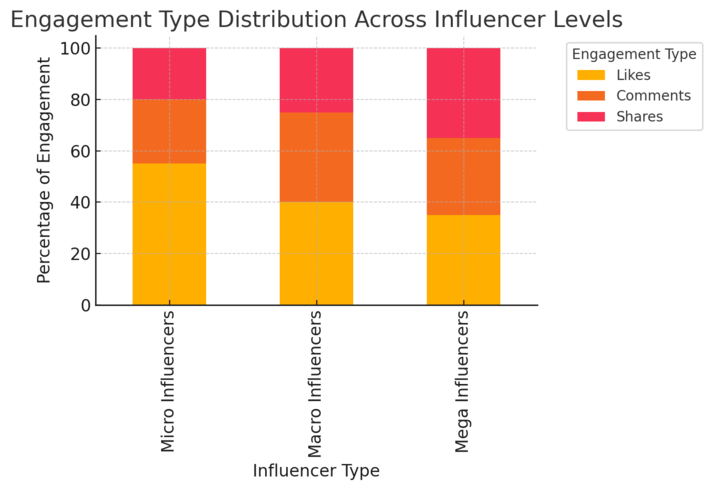
Influencer marketing has evolved. It’s no longer about paying someone to hold your product—it’s about co-creating meaning with people your audience already trusts.
The secret lies in collaboration, not control.
Partner with Micro-Influencers for Higher Authenticity
Micro-influencers—those with 5,000–50,000 followers—tend to have tighter-knit, more trusting audiences. I often recommend working with them because their followers feel like a real community, not a crowd.
When selecting partners, look for engagement quality over numbers. For example, use tools like Modash or Upfluence to analyze comment sentiment and follower authenticity.
Then, give them creative freedom. Instead of scripting every post, share your goals and let them interpret it in their style. The best campaigns don’t look like ads—they look like honest recommendations.
Example: A sustainable coffee brand might partner with eco-lifestyle influencers who share morning rituals featuring the product, creating content that blends seamlessly into their existing routines.
Develop Long-Term Relationships Over One-Off Campaigns
Short-term influencer deals often fizzle after one post. I believe in nurturing long-term partnerships—it’s more strategic, cost-effective, and emotionally resonant.
Here’s a quick roadmap I use when building influencer relationships:
- Start small: Send a personal message and offer a genuine reason to collaborate.
- Co-create: Work on a mini-project, like an Instagram Reel or podcast guest spot.
- Grow together: Turn successful one-offs into brand ambassadorships.
Long-term collaborations allow influencers to grow with your brand. Think of Gymshark—their early influencer relationships became multi-year partnerships that helped shape the brand’s global identity.
Encourage Co-Creation for Genuine Content Synergy
Co-creation is the antidote to performative influencer marketing. It turns influencers into collaborators who feel personally invested in your success.
Invite them to join brainstorm sessions or contribute to product development. For example, a skincare brand could partner with a beauty influencer to co-design limited-edition packaging or a product variant.
The key is making them feel like creative partners, not contractors. When influencers see themselves in your brand story, they naturally share it with enthusiasm—and that enthusiasm is contagious.
6. Use Data Visualization to Simplify Complex Ideas
We live in a world drowning in information. Data visualization is one of the most powerful creative marketing solutions because it translates complexity into clarity.
Done right, visuals don’t just inform—they persuade.
Transform Research or Reports into Engaging Infographics
Infographics turn dense data into digestible visuals. If you publish research or insights, visualize them into charts, icons, and short data narratives that can be shared across platforms.
Tools like Canva, Visme, or Infogram make it easy even for non-designers. The trick is storytelling: guide the reader through a visual journey rather than just dumping numbers.
For instance, if you’re reporting “Customer Retention Rates by Industry,” start with a headline insight like “Tech brands retain 60% more customers than retail.” Then, use visuals to explain why.
I’ve found infographics with narrative flow perform up to 3x better on LinkedIn and Pinterest because people can grasp and share them instantly.
Embed Interactive Charts or Visual Tools for Retention
Static visuals are good—but interactive ones are unforgettable. Embedding interactive charts on your blog or reports keeps users engaged longer, which improves dwell time and SEO performance.
Tools like Tableau Public let you create dashboards users can explore. For example, a marketing agency could publish an “Ad Spend ROI Tracker” where readers adjust variables to see outcomes.
That interactivity turns passive readers into active participants. It’s education wrapped in engagement.
Bonus tip: Always label your data sources clearly and use consistent color schemes to avoid confusion. Clarity breeds credibility.
Use Visual Storytelling to Reinforce Key Brand Messages
Data alone doesn’t persuade—it’s the story behind it that sticks. Visual storytelling connects facts with feelings, making your message more memorable.
Try blending real-world photos, icons, and graphs that emotionally align with your narrative. For example, if your brand champions sustainability, use earthy tones, organic shapes, and visuals that reinforce that ethos.
I’ve seen brands use scrolling visual narratives (like The New York Times’ Snow Fall) to turn reports into immersive experiences. You can apply the same concept on a smaller scale—like a vertical, scroll-friendly infographic that reveals insights progressively.
Expert Tip: Whether it’s a community, influencer partnership, or visual campaign, remember that creativity and connection are inseparable. The most effective creative marketing solutions don’t just reach people—they move them. And that’s how brands earn not just clicks, but lasting loyalty.
7. Launch Experiential Marketing That Sparks Emotion
Experiential marketing is one of the most powerful creative marketing solutions for emotionally connecting with your audience.
Instead of telling people about your brand, you let them feel it. When done right, it leaves a lasting impression that no static ad can match.
Create Pop-Up Installations That Invite Participation
Pop-up experiences create a sense of curiosity and urgency. They’re temporary, immersive, and often designed for social sharing—perfect for driving both real-world buzz and online engagement.
I recommend starting with a clear emotional goal: What do you want people to feel when they step into your space? From there, build around sensory details—sight, sound, touch, even scent.
Example: When Glossier launched their pop-up stores, every corner was designed to be Instagrammable, yet true to the brand’s minimalist aesthetic. Shoppers became brand advocates simply by sharing their experiences.
To make this strategy actionable:
- Pick high-traffic locations where your target audience naturally gathers.
- Incorporate interactive elements, like a “design-your-own-product” booth or live photo station.
- Add digital QR touchpoints that link to special offers or behind-the-scenes videos.
When visitors become participants, they form memories tied to your brand—and that’s a marketer’s goldmine.
Combine Digital and Physical Touchpoints for Immersion
Blending digital tools with real-world experiences enhances the emotional depth of your campaign. It helps bridge the gap between awareness and action.
For instance, use AR (Augmented Reality) filters that extend your pop-up experience onto Instagram or Snapchat. Tools like ZapWorks make it easy to build custom filters or 3D experiences.
You can also gamify participation—like Nike’s “Reactland” campaign, where customers tried sneakers while running through a virtual world version of themselves. It wasn’t just fun; it was deeply immersive.
Quick tip: Always close the loop digitally. Use follow-up emails, thank-you messages, or post-event surveys to keep engagement alive after the physical event ends.
Measure Brand Sentiment and Engagement After Events
Experiential marketing only works if you track its impact. I suggest measuring both quantitative metrics (foot traffic, sign-ups, conversions) and qualitative sentiment (emotional responses, brand mentions, post-event reviews).
Tools like Brandwatch or Sprout Social can monitor how people talk about your brand online. Meanwhile, Hotjar or Google Analytics can help track website traffic spikes during and after the event.
A simple tactic I use is a short feedback form linked via QR code at the exit—quick, friendly, and full of insights. This data helps you refine future experiences and understand exactly what sparked the strongest emotional response.
8. Leverage Nostalgia Marketing to Reconnect Emotionally
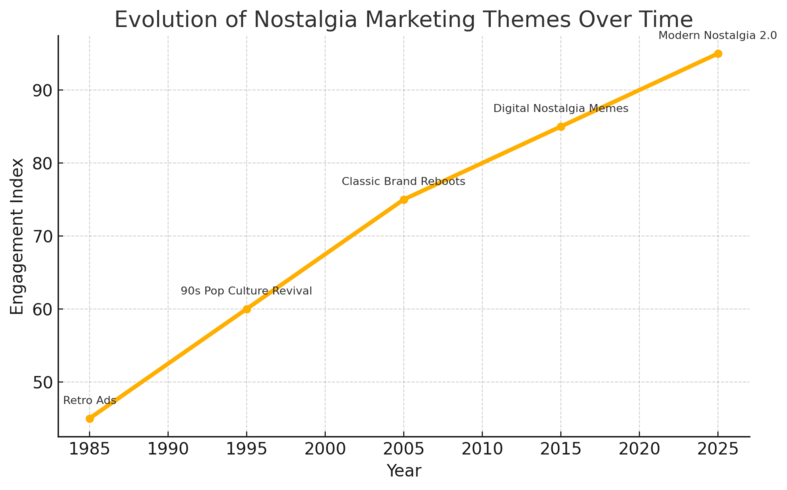
Nostalgia marketing taps into emotion through memory.
It’s a creative marketing solution that makes your audience feel something familiar—comfort, joy, belonging—and connects it to your modern brand story.
Reintroduce Classic Designs or Campaigns with a Modern Twist
Revisiting old campaigns or packaging can trigger emotional recognition and trust, especially among long-time customers.
I suggest doing it selectively—nostalgia works best when it feels earned, not forced.
Example: Pepsi brought back its 1990s logo for a limited time, connecting younger audiences with the brand’s history while giving older fans a hit of retro pride.
To pull this off effectively:
- Update visuals slightly to align with current design trends.
- Introduce retro editions as limited runs to build excitement.
- Tie the release to a story—why this look, why now?
Done right, nostalgia marketing doesn’t just revive memories—it revives attention.
Use Cultural References That Resonate with Core Audiences
Culture is cyclical. What was once “old” becomes “cool” again every 15–20 years. Nostalgia marketing thrives when you understand which era your audience identifies with most.
For example, if your brand targets Millennials, early-2000s pop culture references—flip phones, Myspace-style graphics, 8-bit visuals—can trigger instant emotional recall.
Try this: Include subtle nods to shared experiences rather than obvious ones. A playlist, visual motif, or tagline phrased like a childhood slogan can be more powerful than recreating an entire era.
Balance Sentimentality with Relevance to Current Trends
The challenge with nostalgia marketing is staying relevant. You want to honor the past without ignoring the present.
I suggest pairing nostalgic visuals or themes with modern technologies—like launching a retro campaign on TikTok or integrating old-school design in interactive Instagram Reels.
Look at Nintendo’s NES Classic Edition launch—it blended 80s gaming nostalgia with modern usability and HDMI connectivity. It felt familiar yet fresh.
Pro insight: Nostalgia works best when it’s about emotion, not just aesthetics. Focus on how people felt back then—and how your brand can recreate that feeling today.
9. Integrate AI Tools to Personalize Customer Journeys
AI-driven personalization is among the most effective creative marketing solutions available today.
It allows you to anticipate customer needs, automate engagement, and craft experiences that feel genuinely one-to-one.
Use Predictive Analytics to Anticipate User Behavior
Predictive analytics helps forecast what users are likely to do next based on past behavior. Tools like HubSpot, Salesforce Einstein, or Google Cloud AI can identify trends in browsing patterns, email engagement, or purchase history.
Here’s a practical example: An online retailer can use AI to predict when customers will run out of a product and send a timely reorder reminder. That kind of precision feels helpful, not pushy.
I recommend setting up dashboards that visualize customer behavior over time—so you’re not just reacting, but proactively shaping their experience.
Automate Personalized Recommendations or Messaging
Automation saves time, but personalization makes it meaningful. Use AI tools like Manychat, ActiveCampaign, or Omnisend to tailor recommendations and conversations.
Think of it this way: AI acts as a silent assistant, making sure each person feels seen. For example, Netflix’s recommendation engine analyzes your watch history to suggest the perfect next title—and users love it because it feels like personal attention.
You can apply the same logic to eCommerce: “You bought X—people like you also loved Y.” These small touches significantly increase conversion and customer satisfaction.
Analyze Engagement Data to Continuously Refine Campaigns
AI isn’t set-and-forget technology. It’s a learning system that improves over time. You can analyze engagement data—click rates, time on page, sentiment scores—to see what messaging works best.
Use Google Analytics 4 or Amplitude to track micro-interactions, then refine content in real-time. I suggest reviewing performance weekly instead of monthly; it helps catch emerging patterns early.
When personalization evolves with your audience, your marketing never feels stale—it feels intuitive.
10. Build a Sustainable Brand Narrative That Attracts Loyalty
Sustainability has shifted from trend to expectation. Consumers now expect brands to back their claims with transparency, ethics, and purpose.
That’s why sustainable storytelling is one of the most vital creative marketing solutions for long-term loyalty.
Highlight Eco-Friendly Practices in Transparent Ways
Greenwashing—pretending to be eco-conscious—kills trust fast. Instead, be specific about what you’re doing and why it matters.
For instance, if you’ve reduced packaging waste by 30%, share the process and data behind it. Tools like Ecochain can help you measure your environmental impact for credibility.
I recommend creating a “Sustainability Hub” on your website where visitors can see updates, reports, and real-world progress. Transparency turns accountability into marketing strength.
Collaborate with Ethical Partners for Credibility
Who you collaborate with says as much about your brand as what you sell. Partner with suppliers, manufacturers, and influencers whose ethics align with yours.
A strong example: Patagonia’s Worn Wear program partners with repair shops to extend product life rather than push new sales. This partnership reinforces their core mission of environmental responsibility.
Action step: Research certifications like B Corp or Fair Trade—they’re not just badges; they communicate trust at a glance.
Use Purpose-Driven Storytelling to Build Long-Term Trust
Stories that show real-world impact resonate far deeper than corporate pledges. People remember why you exist, not just what you sell.
For example, TOMS Shoes built loyalty through its “One for One” model—each purchase funded a donation. The emotional weight behind that mission shaped their identity and kept customers coming back.
Your brand can do the same by weaving purpose into every communication channel—from packaging to newsletters. Just make sure the storytelling is consistent, measurable, and backed by real results.
Expert Tip: The most powerful creative marketing solutions—whether experiential, nostalgic, AI-driven, or purpose-led—all share one trait: they’re human at heart. When your marketing makes people feel something genuine, the results naturally follow.

I’m Juxhin, the voice behind The Justifiable.
I’ve spent 6+ years building blogs, managing affiliate campaigns, and testing the messy world of online business. Here, I cut the fluff and share the strategies that actually move the needle — so you can build income that’s sustainable, not speculative.
Related posts:
 Grow Your Audience: Boost Your Online Reach with 5 Strategies
 Top 7 Skills Every Marketing Manager Needs
 Sprout Social Listening: How It Works for Brands
 Take the Leap With Next Step Marketing Solutions That Convert
 10 Online Marketing Solutions That Turn Clicks Into Customers
 How Content Marketing Solutions Help You Build Long-Term Authority