
Table of Contents
Some links on The Justifiable are affiliate links, meaning we may earn a small commission at no extra cost to you. Read full disclaimer.
E commerce dropshipping has changed how people start online businesses, offering a way to sell products without ever handling inventory. But how exactly does it work—and more importantly, how can you make it profitable?
If you’ve ever wondered how to build a store, choose reliable suppliers, and market your products effectively while keeping costs low, this guide will walk you through it step-by-step.
Understanding The Basics Of E Commerce Dropshipping
Starting an e commerce dropshipping business begins with understanding how this unique retail model works.
It’s not about storing stock or managing shipping—it’s about connecting products to buyers efficiently through digital tools and partnerships.
What Dropshipping Really Means In E Commerce
At its core, dropshipping is a retail fulfillment method where you, the seller, don’t keep products in stock. Instead, when a customer places an order, you purchase the item from a third-party supplier who ships it directly to the customer.
Here’s what this means in practice:
Let’s say you run an online store selling phone accessories. When a buyer orders a case, you forward the order to your supplier—like Salehoo—who handles the packing and delivery. Your profit is simply the difference between what you charge and what the supplier charges.
I like to describe it as “you’re the storefront, not the stockroom.” The beauty lies in its simplicity—no inventory, no warehouse, no upfront stock costs.
How The Dropshipping Business Model Works
To visualize the process, think of it as a relay race with four steps:
- Customer places an order on your online store.
- Order details automatically go to your dropshipping supplier.
- Supplier packages and ships the product directly to your customer.
- You earn the profit margin between your selling and supplier price.
This model relies heavily on automation tools like DSers or WooCommerce plugins that sync supplier data and order fulfillment. The smoother this system runs, the more hands-free your store becomes.
I’ve seen beginners make the mistake of manually processing each order—it’s a quick route to burnout. Automate early.
Key Players In The Dropshipping Process
Every dropshipping setup has three main participants:
- Retailer (You): Runs the online storefront, manages pricing, and handles marketing.
- Supplier: Stocks and ships products; examples include AliExpress, Doba, or Spocket.
- Customer: The end-user who buys from your store and receives the product from the supplier.
You act as the bridge connecting the supplier’s inventory to the customer’s needs. Your main job? Build trust and ensure the buying experience feels seamless and professional.
Why Entrepreneurs Choose Dropshipping Over Traditional Retail
There’s a reason dropshipping attracts first-time entrepreneurs—it’s low-risk and cost-effective.
- No upfront inventory costs: You only pay for products after you’ve sold them.
- Low operational overhead: No warehouses, shipping staff, or inventory systems.
- Flexibility: Run your store from anywhere with Wi-Fi.
- Scalability: Add new products without worrying about storage or logistics.
In my experience, it’s also a great testing ground. You can experiment with different niches before committing to bulk inventory or custom manufacturing.
Setting Up Your Dropshipping Store From Scratch

Building your e commerce dropshipping store is where ideas meet execution.
This phase includes choosing your platform, designing a customer-friendly store, and setting up secure payment and legal structures.
Choosing The Right E Commerce Platform For Dropshipping
I’ve tested several, and the three top contenders for beginners are:
- Shopify: User-friendly, app-rich, and integrates smoothly with DSers, Spocket, and Printful.
- WooCommerce (WordPress): Offers flexibility and lower monthly costs but requires more setup.
- BigCommerce: Ideal for scaling businesses with large catalogs.
For instance, in Shopify’s UI, you can go to Settings → Apps → Find Apps → Search “DSers” to link your supplier tool instantly. If you’re just starting, Shopify is the easiest way to get your first sales fast.
Building A Store That Converts: Design And User Experience
Think of your store as a digital shop window—appearance and flow matter.
Key design principles:
- Keep layouts clean and intuitive (customers should find what they want within 3 clicks).
- Use high-quality images and clear product titles.
- Highlight benefits, not just features, in descriptions.
- Add visible trust badges like SSL certificates and secure checkout icons.
A simple test: if a friend can’t tell what your store sells within 10 seconds, your homepage needs refinement
Setting Up Payment Gateways And Secure Checkouts
Customers won’t buy if they don’t trust your payment process. Choose payment gateways that are globally recognized and easy to integrate.
Common options include:
- PayPal: Universal and reliable but with higher transaction fees.
- Stripe: Smooth checkout experience and quick setup.
- Shopify Payments: Low fees for Shopify users, no redirects.
In Shopify, this can be done via Settings → Payments → Add Provider. Always enable SSL (you’ll see “https” in your URL) to protect customer data.
Creating Legal Pages And Policies To Build Trust
Even small stores need basic legal documents. These include:
- Privacy Policy: Explains how you handle customer data.
- Terms of Service: Defines the rules of your store.
- Refund Policy: Outlines how you process returns or exchanges.
Platforms like Shopify and BigCommerce have built-in generators for these pages under Settings → Legal. Customize them to match your store’s tone. I suggest reviewing similar stores for phrasing inspiration—but never copy directly.
Finding Profitable Products For E Commerce Dropshipping
The success of your e commerce dropshipping business depends on picking the right products. It’s a mix of trend awareness, data analysis, and supplier reliability.
How To Identify Trending Niches With High Demand
Trends come and go fast, so you need to spot opportunities early. I recommend using:
- Google Trends: To gauge search interest over time.
- TikTok/Instagram: Viral product videos often spark surges in demand.
- Etsy & Amazon Best Sellers: Real-time indicators of what’s hot.
Look for products that solve problems or trigger emotional buying. Think ergonomic office gadgets, sustainable home items, or pet care accessories.
Using Product Research Tools To Validate Profit Potential
Before adding products to your store, test their potential using data tools like:
- Sell The Trend: Visual dashboards showing trending products.
- Niche Scraper: AI-driven product analysis with competition insights.
- Ecomhunt: Filters products by price, sales volume, and supplier ratings.
Here’s my rule of thumb: if a product shows steady upward sales growth for 60–90 days and average profit margins of 30–40%, it’s worth testing.
Evaluating Supplier Product Quality Before Listing
Before trusting a supplier, order a few samples yourself. This gives firsthand insight into:
- Shipping speed and packaging quality.
- Accuracy of product descriptions.
- Customer satisfaction potential.
If samples aren’t feasible, rely on supplier ratings (over 4.5 stars) and verified buyer photos.
I once skipped this step—and learned the hard way when “leather wallets” arrived made of cardboard. Always check before listing.
Balancing Product Pricing, Margins, And Market Competition
Pricing determines your profit and competitiveness. Use a cost-plus pricing approach:
- Product cost (supplier) + shipping cost + target profit margin = selling price
Example: If your supplier cost is $10, shipping is $3, and you aim for a 40% margin, your selling price should be around $23.
Compare with competitors using Chrome extensions like AliHunter or DSers Price Tracker. I believe small margin adjustments (even $1–$2) can dramatically improve conversions when tested with discounts or bundle offers.
Pro Tip: Don’t chase every hot product. Build around a consistent niche, optimize listings, and test one idea at a time. Dropshipping rewards those who iterate quickly and learn faster than their competition.
Choosing Reliable Dropshipping Suppliers
Your e commerce dropshipping business is only as good as your suppliers. They’re the unseen partners who make sure your products actually reach customers on time.
Picking the right ones isn’t just about who has the lowest prices—it’s about reliability, communication, and consistency.
What To Look For In A Trustworthy Supplier
Choosing a good supplier starts with watching for certain qualities that separate dependable professionals from red flags.
Here’s what I always look for:
- Clear communication: A reliable supplier responds to questions within 24 hours and provides updates without being asked.
- Fast and predictable shipping: Most trustworthy suppliers offer ePacket or express options with tracking.
- Consistent product quality: Always check ratings and request samples when possible.
- Transparent return policies: They should handle refunds or replacements quickly if something goes wrong.
I suggest doing a small test order before listing any product publicly. This single step can save you from future disasters with poor packaging or long delivery times.
Comparing Popular Supplier Platforms Like AliExpress, Spocket, And SaleHoo
Each platform caters to different needs in the dropshipping world. Here’s how they compare:
| Platform | Ideal For | Shipping Speed | Product Range | Notable Feature |
| AliExpress | Beginners testing multiple niches | 2–4 weeks (standard), faster with AliExpress Premium Shipping | Massive selection, low cost | Direct integration with DSers |
| Spocket | Businesses targeting U.S. and EU markets | 3–7 days (local suppliers) | Curated, higher-quality items | Branded invoicing and fast delivery |
| SaleHoo | Serious entrepreneurs building long-term stores | Depends on supplier | Verified suppliers only | Pre-vetted, high-trust network |
If I had to recommend one for beginners, I’d say start with Spocket. It balances supplier quality and delivery time well, which helps avoid customer frustration.
AliExpress is excellent for testing, but delivery delays can hurt retention early on.
Building Long-Term Supplier Relationships For Better Deals
When you find a good supplier, nurture that relationship like gold. Long-term partnerships often lead to:
- Lower prices: Bulk or repeat orders give you bargaining power.
- Priority processing: Loyal sellers often ship your orders first.
- Exclusive access: Some suppliers reserve high-demand products for trusted stores.
Send a personal message or follow up with feedback after every few successful transactions.
I’ve noticed suppliers appreciate when store owners treat them like collaborators, not just vendors. Over time, this goodwill turns into faster responses and better service.
Avoiding Common Supplier Scams And Mistakes
Unfortunately, not every supplier plays fair. Some overpromise, some underdeliver, and a few are outright scams.
Watch out for:
- Suppliers who ask for large upfront payments without proof of legitimacy.
- Unrealistic prices far below market value—usually a sign of counterfeit goods.
- No verifiable contact details or unwillingness to share tracking numbers.
If something feels off, trust your gut. I once caught a “supplier” using another company’s photos—reverse image searches exposed them instantly. Always verify before you trust.
Managing Orders, Shipping, And Customer Experience
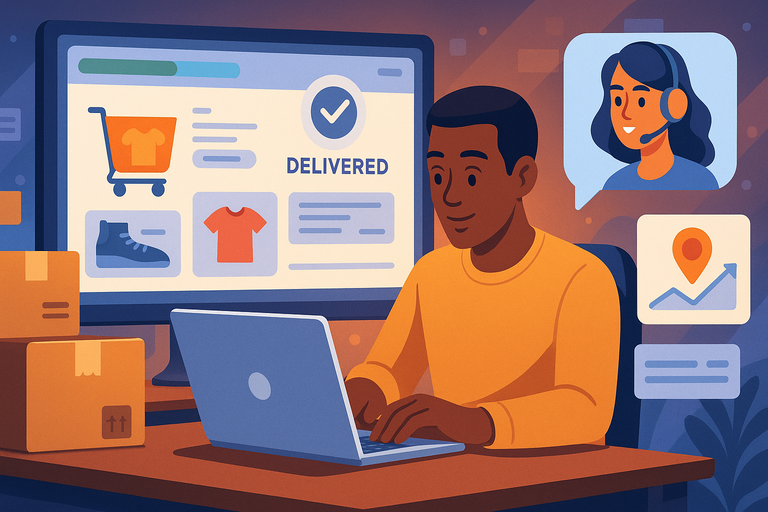
Once orders start coming in, how you manage fulfillment and communication makes or breaks your business reputation.
Customers don’t care that it’s dropshipping—they just want what they ordered, fast and problem-free.
Automating Order Fulfillment For Efficiency
Automation tools are your best friend here. Apps like DSers, AutoDS, or Shopify Flow automatically send customer orders to your suppliers and update tracking information in your store.
Here’s a quick setup path on Shopify: Go to Apps → DSers → Settings → Sync Orders Automatically.
I recommend enabling “auto-fulfill” for trusted suppliers, but keep manual review on for new ones. It saves time while keeping you in control during testing.
Handling Shipping Times And Setting Customer Expectations
Shipping time is the Achilles’ heel of dropshipping. Be transparent about it—honesty builds trust faster than empty promises.
Practical tips:
- Include estimated delivery times on every product page.
- Use shipping options like AliExpress Premium or US/EU-based Spocket suppliers for faster delivery.
- Offer tracking links directly through your store’s order confirmation email.
In my experience, customers don’t mind waiting if you keep them informed. It’s silence that causes frustration and refunds.
Managing Returns, Refunds, And Customer Support Smoothly
Refunds and returns are part of e commerce—don’t take them personally.
To make it easy:
- Write a clear, simple refund policy in your footer.
- Ask suppliers about their replacement process before listing any product.
- Use helpdesk tools like Zendesk or Gorgias to manage support tickets efficiently.
I suggest replying to every customer inquiry within 12 hours. Quick responses often prevent disputes. If a customer is upset, acknowledge their frustration first before explaining—empathy defuses tension.
Tracking Orders And Maintaining Transparency
Transparency isn’t optional—it’s what keeps your reputation intact.
You can integrate apps like Track123 or 17Track directly into your store to give customers live updates. In Shopify, go to Apps → Add App → Search “Track123.”
Keep customers updated automatically with shipping notifications. I recommend setting three triggers:
- Order confirmed
- Order shipped
- Out for delivery
This communication rhythm reassures customers you’re reliable—even if shipping takes time.
Marketing Strategies To Grow Your Dropshipping Business
Once your store runs smoothly, the next challenge is attracting buyers. Marketing isn’t about shouting louder—it’s about showing up where your ideal customers already hang out.
How To Drive Traffic With Paid Advertising
Paid ads are the fastest way to test products and get early traction.
Platforms to prioritize:
- Meta Ads (Facebook/Instagram): Ideal for visual products with impulse appeal.
- Google Shopping Ads: Perfect for products people already search for.
- TikTok Ads: Great for viral or trend-based items.
Start with small budgets—$10–$20/day—to collect data. I recommend using video creatives showing the product in real use, not just static photos. Real demos outperform polished ads almost every time.
Building An Organic Audience Through SEO And Content Marketing
Paid ads bring quick wins, but SEO builds lasting growth.
Focus on these simple steps:
- Write helpful blog posts answering niche questions (e.g., “Best eco-friendly kitchen gadgets in 2025”).
- Optimize product titles with real search terms (“ergonomic laptop stand” instead of “desk helper”).
- Use schema markup for product pages—Shopify and WooCommerce plugins like RankMath simplify this.
I’ve seen stores cut their ad costs in half once their organic traffic picks up. It’s slower, but it compounds over time like good investment interest.
Using Social Media And Influencer Marketing To Boost Sales
Social proof sells better than ads. Partner with micro-influencers—people with smaller but loyal audiences.
Example: If you sell yoga gear, find Instagram creators with 5k–20k followers. Offer them a free sample and a small commission for each sale. Use affiliate links tracked through apps like UpPromote or Refersion.
Authentic reviews and real user-generated videos drive conversions because they feel relatable.
Leveraging Email Marketing And Retargeting For Repeat Buyers
Email might sound old-school, but it’s one of the most profitable marketing channels for dropshippers.
Here’s what I recommend:
- Set up an automated welcome email series introducing your brand.
- Send reminder emails for abandoned carts 6–12 hours after they leave.
- Offer returning customers exclusive discounts or early access to new products.
Combine this with retargeting ads on Facebook or Google that show previously viewed products. I’ve seen conversion rates double with this combo—it’s like giving a gentle nudge instead of a hard sell.
Pro Tip: The best marketing strategy in e commerce dropshipping isn’t about finding “hacks.” It’s about consistency. Test one channel, improve it, then scale. Mastery beats multitasking every time.
Optimizing Your Dropshipping Store For Conversions
Once your e commerce dropshipping store is live, the next step is optimization. It’s not enough to attract traffic—you need that traffic to convert.
Small tweaks in design, loading time, and product presentation can dramatically increase your sales.
Improving Website Speed And Mobile Responsiveness
A slow website kills conversions. According to Google, even a one-second delay in page load can reduce conversions by 7%.
Here’s what I recommend:
- Compress images using tools like TinyPNG.
- Use lightweight themes on Shopify or WooCommerce. In Shopify, go to Online Store → Themes → Customize and choose speed-optimized themes like “Dawn.”
- Enable caching plugins (like WP Rocket for WordPress).
- Test mobile responsiveness using Google’s Mobile-Friendly Test tool.
Most shoppers browse from their phones, so make sure your buttons are easy to tap and checkout is smooth. I usually test my store by ordering from my phone—if I get frustrated halfway, I know customers will too.
Using Data Analytics To Track Performance And Optimize Strategy
Your store’s data is a goldmine if you know how to read it. Analytics reveal what’s working and what’s silently leaking sales.
Track these metrics closely:
- Conversion rate: Percentage of visitors who buy.
- Cart abandonment rate: How many start checkout but don’t finish.
- Average order value (AOV): The higher this is, the more profitable your ads become.
- Traffic sources: Shows which channels actually bring paying customers.
Tools like Google Analytics, Shopify Analytics, or Hotjar help visualize behavior. For instance, in Shopify, you can access this via Analytics → Reports → Behavior → Online Store Conversion Rate.
I advise reviewing these numbers weekly. Don’t guess—optimize based on data.
Enhancing Product Pages With Descriptions, Reviews, And Visuals
Your product page is where most buyers decide whether to trust you. Every word, image, and review counts.
Make your product pages convert better by:
- Writing benefit-driven descriptions (focus on outcomes, not just specs).
- Adding multiple high-quality images—include lifestyle shots, not just plain product photos.
- Embedding short videos showing the product in real use.
- Displaying genuine customer reviews (import verified ones using apps like Judge.me or Loox).
I suggest writing descriptions in a conversational tone—like explaining a product to a friend.
For example, instead of saying “Made from durable nylon,” write, “You won’t have to worry about this strap wearing out after a few months—it’s made from tough, travel-proof nylon.”
Implementing Upsells, Cross-Sells, And Abandoned Cart Recovery
Once someone’s ready to buy, it’s smart to increase your order value with minimal effort.
Here’s how:
- Upsells: Offer a premium version or bundle after they click “Add to Cart.”
- Cross-sells: Suggest complementary products (e.g., “People also bought…”).
- Abandoned cart emails: Automatically remind shoppers who left without completing checkout.
On Shopify, go to Settings → Notifications → Abandoned Checkout to enable this feature. I’ve seen stores recover 10–15% of lost sales just from this automation.
Remember, the goal isn’t to pressure people—it’s to offer more value naturally.
Scaling Your E Commerce Dropshipping Business

Scaling your e commerce dropshipping business is about multiplying what already works—not rushing to add new things. Growth should feel controlled, not chaotic.
When And How To Scale Operations Safely
Before scaling, make sure you’ve nailed your basics: consistent sales, reliable suppliers, and manageable customer service.
Scale safely by:
- Increasing ad budgets gradually (10–20% per day, not all at once).
- Hiring virtual assistants to handle repetitive tasks.
- Expanding automation to reduce manual work.
I always suggest building standard operating procedures (SOPs)—simple guides that outline each process in your business. It helps you delegate smoothly as you grow.
Expanding Into New Markets Or Product Categories
Once your current niche stabilizes, explore new territories or product ranges.
Expansion paths to consider:
- Geographic scaling: Add shipping zones to high-demand countries.
- Category expansion: Introduce complementary products (e.g., if you sell fitness gear, add nutrition accessories).
- Language localization: Offer store translations for better international reach.
Use Google Analytics to see where visitors come from before expanding. I’ve found translating your site into Spanish or German can instantly improve conversion rates in those regions.
Building A Brand Beyond Dropshipping
The biggest misconception about dropshipping is that it’s only transactional. In reality, your long-term success depends on turning your store into a recognizable brand.
You can do this by:
- Designing custom packaging or inserts with your logo.
- Creating branded content (your own product photos and videos).
- Offering consistent post-purchase experiences and loyalty programs.
When I transitioned one of my stores from generic items to branded packaging, refund rates dropped by 30%. People associate branding with reliability—it’s worth every penny.
Automating Business Tasks For Long-Term Growth
Automation is your silent business partner. It lets you focus on strategy instead of daily chores.
Top areas to automate:
- Order processing: Use DSers, AutoDS, or Dropified alternatives.
- Email marketing: Set up flows in Klaviyo or Aweber.
- Inventory updates: Sync with supplier APIs for real-time stock visibility.
For example, in DSers, you can automate supplier mapping via Settings → Supplier Management → Link Supplier Automatically.
As I like to say, “If you’re still doing it manually twice, you’re wasting time.” Automation turns chaos into calm.
Avoiding Common Dropshipping Mistakes Beginners Make
Most dropshipping failures happen not because of lack of effort, but because of common, preventable mistakes.
Overestimating Profit Margins And Ignoring Hidden Costs
Many beginners underestimate costs like transaction fees, app subscriptions, and ad spend.
Keep in mind:
- Shopify or WooCommerce fees (2–3% per sale).
- Ad spend burn rate—especially during product testing.
- Refunds and chargebacks.
I advise tracking all expenses in a spreadsheet. Even a small $5 daily app adds up over time. Know your true margins before scaling.
Depending Too Heavily On A Single Supplier
Relying on one supplier is like putting all your eggs in a fragile basket. If they fail, your entire business stalls.
Always have at least two backup suppliers for your top-selling products. In DSers, you can add multiple suppliers for one SKU via Products → Map to Multiple Suppliers.
It’s saved me countless times when stock suddenly ran out or prices spiked.
Ignoring Customer Service And Post-Sale Engagement
Great customer service is what separates short-term sellers from sustainable brands.
To strengthen this area:
- Respond to messages within 12 hours.
- Send post-purchase “thank you” emails.
- Follow up for reviews and feedback.
Customers remember kindness. I once had a buyer reorder just because I personally thanked them in a follow-up email—proof that small gestures go far.
Failing To Adapt To Market Trends And Consumer Behavior
Trends move fast, especially in e commerce dropshipping. What sells today may flop next month.
To stay relevant:
- Watch TikTok and Instagram for emerging product ideas.
- Use Google Trends for early signals.
- Reevaluate your store’s niche quarterly.
Adaptation is your survival skill in this game. The best dropshippers treat their stores like living organisms—constantly evolving.
Proven Tips For Long-Term Success In Dropshipping
Sustainable success in e commerce dropshipping isn’t about chasing viral hits—it’s about steady improvement and smart decisions.
Focusing On Brand Identity And Customer Loyalty
When customers start recognizing your name, you’ve moved from dropshipping to brand-building.
Simple ways to build loyalty:
- Send loyalty discounts or birthday offers.
- Personalize emails using first names.
- Create consistent branding across packaging and social media.
A loyal customer is cheaper to retain than finding a new one. I’d rather have 100 repeat customers than 1,000 one-time buyers.
Testing New Marketing Channels And Offers Regularly
Marketing fatigue is real. Keep experimenting with new formats like TikTok ads, YouTube Shorts, or Pinterest pins.
Try A/B testing discounts or product bundles to see what drives more conversions. You can do this in Shopify through Discounts → Create Discount → A/B Split Offer.
The point isn’t to reinvent your store—it’s to keep learning what resonates.
Staying Updated With E Commerce Technology And Trends
The digital world evolves fast. Stay updated through e commerce podcasts, Shopify blogs, and newsletters like Dropshipping Insider or EcomCrew.
For example, AI tools like ChatGPT or AdCreative can now help you write ad copy, analyze reviews, and test product angles faster than ever. Use them wisely, but never rely blindly—human intuition still wins.
Measuring Success And Reinvesting For Growth
Every successful store I’ve seen treats profit not as a paycheck, but as fuel.
Smart reinvestment ideas:
- Improve product photography.
- Build custom packaging.
- Expand ad testing budgets.
- Outsource time-consuming tasks.
In my experience, reinvesting 30–40% of your profits back into growth keeps momentum strong while still paying yourself fairly.
Pro Tip: Dropshipping isn’t a get-rich-quick path—it’s a get-better-every-day process. The ones who win aren’t the luckiest; they’re the most consistent learners. Keep testing, refining, and improving—your store’s future depends on it.

I’m Juxhin, the voice behind The Justifiable.
I’ve spent 6+ years building blogs, managing affiliate campaigns, and testing the messy world of online business. Here, I cut the fluff and share the strategies that actually move the needle — so you can build income that’s sustainable, not speculative.
Related posts:
 How To Start A Dropshipping Business With No Money
 How to Become a Dropshipper With No Experience
 Dropshipping How to Start: Your Complete Beginner’s Guide
 Dropshipping Business Model Success: Tips for Long-Term Growth
 How to Use Dsers Shopify for Seamless Dropshipping
 Start Dropshipping Today: A Simple Guide for Complete Beginners