
Table of Contents
Some links on The Justifiable are affiliate links, meaning we may earn a small commission at no extra cost to you. Read full disclaimer.
If you’re trying to grow online sales but feel like most visitors slip away before making a second purchase, you’re not alone. The digital marketplace is crowded, and turning casual browsers into loyal, repeat customers can feel like a mystery.
What actually makes someone come back to your store again and again—and how can you use that insight to boost long-term revenue?
Let’s break down proven strategies that not only increase conversions but also build lasting customer relationships that fuel sustainable growth.
Optimize Your Website for Seamless Shopping Experiences
A smooth, intuitive website experience is the backbone of every successful eCommerce business.
If your goal is to grow online sales, you first need to make sure your digital storefront is effortless to explore and pleasant to buy from.
A few small improvements can dramatically reduce bounce rates and help shoppers feel confident about completing a purchase.
Create an Intuitive Navigation Flow
I always tell store owners: think like a shopper, not a designer. If someone lands on your homepage, can they find what they’re looking for in under three clicks?
A good rule of thumb is the three-click rule—no customer should need more than three clicks to reach a product page.
Practical example: Use a top navigation bar with clear categories like Shop by Product, Shop by Brand, or New Arrivals. Add a visible search bar that predicts results as users type (for instance, “Nike running shoes” should appear by the second word).
Quick tip:
- Avoid clutter. Keep your main menu to 5–7 items maximum.
- Use breadcrumbs (e.g., Home > Women’s Shoes > Sneakers) to help visitors trace their path back easily.
When navigation feels natural, customers spend more time browsing—and that directly boosts your chances of conversion.
Improve Page Load Speed to Reduce Bounce Rates
Nobody likes waiting for a slow website to load. A one-second delay can reduce conversions by up to 7%. I’ve seen businesses double their sales just by shaving off two seconds of load time.
How to fix it:
- Compress images using tools like TinyPNG or ShortPixel.
- Minimize JavaScript and use browser caching.
- Use a fast, reliable hosting provider or a CDN (Content Delivery Network) to deliver content closer to users.
You can check your speed using Google PageSpeed Insights. Aim for a loading time of under 3 seconds. It’s a simple but powerful way to keep users engaged.
Design Mobile-Friendly Pages for Better Accessibility
Nearly 70% of online sales now come from mobile users. If your site isn’t optimized for smartphones, you’re losing real money.
Here’s what works:
- Use responsive design—your layout should automatically adjust to any screen size.
- Keep buttons large enough for easy tapping.
- Avoid long forms and pop-ups that interrupt the experience.
Try navigating your site on a mobile device yourself. If you have to pinch and zoom to read something, fix it. A clean, thumb-friendly layout makes checkout faster and encourages impulse buys.
Use Clear Calls-to-Action That Drive Conversions
Your call-to-action (CTA) is your digital salesperson—it needs to be clear, confident, and visible. Phrases like “Buy Now,” “Add to Cart,” or “Get Yours Today” should stand out on the page.
What I recommend:
- Use contrasting button colors that match your brand palette but draw the eye.
- Keep your CTAs consistent—don’t use ten variations that confuse users.
- Place CTAs strategically after persuasive content, not randomly scattered.
A/B testing tools like VWO can show which button color or text converts best. Small tweaks often make big differences.
Simplify Checkout to Prevent Cart Abandonment
Cart abandonment rates hover around 70%—mostly because checkout is too long or confusing. The goal is to remove every ounce of friction between “want” and “own.”
Streamlining ideas:
- Offer guest checkout—don’t force account creation.
- Display shipping costs and delivery times upfront.
- Add progress indicators like “Step 2 of 3” to reassure customers how close they are to finishing.
- Integrate express pay options such as Apple Pay, Google Pay, or PayPal.
In one Shopify store I worked with, enabling guest checkout alone cut abandonment by 18%. The easier you make it, the more likely customers are to follow through.
Leverage Personalization to Boost Conversions
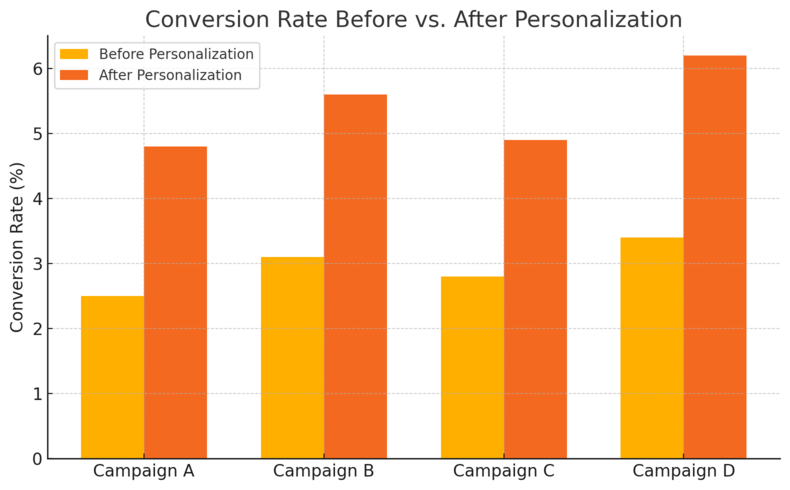
If you want to grow online sales, personalization is your secret weapon. Modern shoppers expect brands to know what they like—without crossing the line into creepy.
When you tailor experiences based on real customer behavior, every message and product feels designed just for them.
Use Customer Data to Recommend Relevant Products
Your customer data isn’t just numbers—it’s a story about what people love. You can use purchase history, browsing behavior, and wishlists to recommend the right products at the right time.
Example: If someone buys running shoes, show them complementary items like socks or fitness trackers on the checkout page or via follow-up email.
Tools that help: Platforms like Klaviyo, Shopify Flow, or Dynamic Yield automate this process, making recommendations feel natural instead of pushy.
Implement Dynamic Content That Adapts to Each Visitor
Dynamic content means your site changes based on who’s viewing it. It’s like walking into a store where everything rearranges itself to fit your preferences.
How it looks in action:
- Returning visitors see a “Welcome back” message or suggested items from their last visit.
- New visitors get a pop-up offering 10% off their first order.
This adaptability increases engagement and reduces bounce rates because the experience feels uniquely tailored.
Send Personalized Emails Based on Browsing Behavior
Personalized emails outperform generic blasts by more than 50%. Instead of sending “Hey, here’s our sale,” you could say, “Still thinking about that leather jacket? It’s now 15% off.”
I recommend including:
- Product images of what they viewed.
- A simple one-click return link to the item.
- A friendly tone—less corporate, more human.
Email tools like Omnisend make it easy to segment customers by activity (clicked, viewed, added to cart) so you can respond automatically.
Offer Tailored Discounts to Encourage Repeat Purchases
Loyal customers don’t just want discounts—they want recognition. When you personalize rewards, it feels like appreciation rather than a sales tactic.
Ideas you can try:
- Send birthday or anniversary discounts.
- Offer loyalty points that increase with each purchase.
- Give exclusive early access to sales for VIP members.
Personalized incentives not only drive repeat purchases but also help strengthen emotional loyalty.
Build Trust With Authentic Brand Storytelling
People buy from brands they trust. Authentic storytelling builds emotional connections that price alone can’t compete with.
When your brand shows up as genuine, transparent, and human, your customers feel safe investing their time and money with you.
Share Transparent Product Information and Real Reviews
Trust starts with honesty. Include detailed product descriptions, material sources, and care instructions. Pair that with verified customer reviews and ratings.
Why it matters: Shoppers are 2.4 times more likely to purchase when they see authentic reviews. Even a few negative reviews help—perfection feels fake.
You can use widgets like Judge.me to display verified buyer feedback directly under your products.
Highlight Your Mission and Values to Connect Emotionally
People love supporting brands that stand for something real. Whether it’s sustainability, ethical sourcing, or community giving, make your mission visible.
Example: If you donate 1% of every sale to an environmental cause, mention it on your homepage and product pages. Show real impact numbers or photos when possible.
It’s not about bragging—it’s about showing customers they’re part of something bigger when they buy from you.
Use Behind-the-Scenes Content to Humanize Your Brand
Behind-the-scenes stories transform faceless companies into relatable ones. Share photos of your team, your workspace, or even product creation stages.
What works well: Short Instagram Reels or TikToks showing packaging, craftsmanship, or office fun. This kind of transparency builds trust faster than polished ads ever could.
Feature User-Generated Content to Build Social Proof
User-generated content (UGC) is one of the most powerful forms of trust marketing. When customers see real people using your product, they’re more likely to believe your claims.
How to encourage it:
- Ask customers to share photos with a branded hashtag.
- Feature these posts on your homepage or product pages.
- Reward contributors with small perks like discounts or reposts.
Brands like Gymshark thrive on UGC because it feels authentic and community-driven—two things modern buyers crave.
Pro Tip: If your brand feels human and honest, your sales will grow naturally. People don’t just want to buy things—they want to buy into stories, values, and experiences they can relate to. When you earn that trust, every visit becomes an opportunity for connection and conversion.
Implement a Strong Retention and Loyalty Strategy
It’s often said that retaining a customer is five times cheaper than acquiring a new one—and it’s true. If you want to grow online sales sustainably, you need to think beyond that first purchase.
A strong loyalty strategy turns one-time buyers into repeat customers who keep coming back because they genuinely want to.
Launch a Reward Program That Offers Real Value
Most reward programs fail because they sound good but don’t feel rewarding. I’ve found that the best loyalty systems are simple, immediate, and genuinely beneficial to the customer.
Here’s how you can make it work:
- Offer clear point systems (e.g., earn 1 point per dollar spent).
- Allow easy redemptions—don’t make users jump through hoops.
- Provide early access or special perks for loyal members.
For instance, Sephora’s Beauty Insider program succeeds because members instantly understand what they get: points, gifts, and VIP access. I suggest using tools like Smile.io or LoyaltyLion that integrate seamlessly with Shopify and WooCommerce.
Pro insight: Make rewards attainable. If customers must spend $1,000 for a $5 coupon, they’ll lose interest fast.
Use Post-Purchase Follow-Ups to Stay Top of Mind
The sale shouldn’t be the end of your relationship—it’s just the beginning. A thoughtful post-purchase email or message helps build trust and keeps your brand in the customer’s mind.
You can send follow-ups like:
- Order confirmation and shipping updates (build reassurance).
- How-to guides for the purchased product (add value).
- Personal thank-you messages from your team (humanize the experience).
I advise using automation tools like HubSpot to trigger these messages at specific touchpoints—say, three days after delivery. When customers feel seen and appreciated, they’re much more likely to return.
Provide Exclusive Access to Returning Customers
People love to feel like insiders. Offering exclusive access creates emotional loyalty—it tells your customers, “You’re special to us.”
Ideas that actually work:
- Early access to new collections or limited-edition drops.
- VIP-only discounts during sales events.
- Private online communities where customers share feedback or get sneak peeks.
A great example is Nike’s Member Access—users who join their loyalty program get exclusive product launches and event invitations. This type of exclusivity deepens brand affinity and keeps customers curious about what’s next.
Re-Engage Dormant Buyers With Special Offers
No matter how good your brand is, some customers drift away. But it doesn’t mean they’re lost forever. The right re-engagement offer can reignite interest.
Try these tactics:
- Send a “We miss you” email with a limited-time discount.
- Offer a free gift on their next purchase.
- Highlight new products that match their past preferences.
For example, if a customer bought skincare six months ago, send a “Your next glow-up is waiting” message with a 15% discount. It’s personal, timely, and effective.
Tip: Segment these customers by how long they’ve been inactive (30, 60, 90 days) and tailor your messaging accordingly.
Use Email Marketing to Nurture Customer Relationships
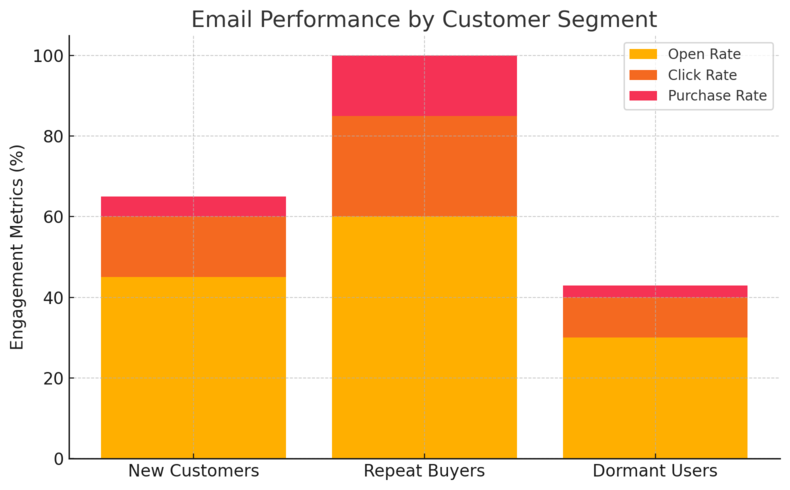
Email remains one of the most powerful tools to grow online sales because it’s personal, affordable, and measurable.
The goal isn’t just to sell—it’s to build a relationship that keeps customers engaged over time.
Segment Your Audience for More Relevant Messaging
Generic newsletters rarely work anymore.
I believe true success in email marketing comes from segmentation—dividing your audience into meaningful groups so you can send messages that actually matter to them.
Common segmentation types:
- New subscribers – welcome them with introductory offers.
- Repeat buyers – reward loyalty with exclusive discounts.
- Dormant users – send reactivation campaigns.
Email platforms like ActiveCampaign make segmentation simple. In practice, you might set up a rule like: “If a user buys product A, show them related products B and C next week.” It’s small personalization that leads to big engagement.
Automate Drip Campaigns to Guide Repeat Purchases
A drip campaign is a sequence of automated emails sent over time based on user actions. It’s like a digital salesperson who never forgets to follow up.
Here’s an example flow:
- Day 1: Thank-you email after purchase.
- Day 3: Product care tips or usage guide.
- Day 10: Cross-sell related products.
- Day 30: Request a review or offer a loyalty discount.
I suggest mapping these out visually in your email platform (like in Klaviyo’s “Flows” tab). Seeing the journey helps you identify gaps and opportunities.
Share Educational or Entertaining Content, Not Just Promotions
No one wants to open another “SALE NOW!” email. Instead, mix in helpful or enjoyable content that gives your audience something to look forward to.
For example:
- Educational: “How to style your new jacket for fall.”
- Entertaining: “Behind the scenes of our design process.”
- Community-based: “Meet the people behind your favorite products.”
By offering value beyond sales, you earn trust and keep your brand relevant between purchases. I’ve seen open rates jump by 30% when brands shift to this balanced approach.
Measure Engagement Metrics to Refine Future Campaigns
You can’t improve what you don’t measure. Keep a close eye on metrics like open rate, click-through rate (CTR), conversion rate, and unsubscribe rate.
I recommend:
- Testing subject lines with A/B experiments.
- Reviewing which links drive the most clicks.
- Removing inactive subscribers to maintain list health.
If you’re using Mailchimp or Aweber, their dashboards clearly display these stats. Use them to identify trends—maybe customers open more emails on Wednesdays or prefer shorter subject lines. Continuous optimization keeps your campaigns sharp.
Harness the Power of Social Media for Community Growth
Social media isn’t just a megaphone—it’s a two-way street where you can connect, listen, and grow your customer community.
When used right, it can become one of the strongest engines to grow online sales organically.
Interact With Customers Through Comments and Messages
Engagement is more than posting photos; it’s about genuine conversation. Replying to comments, thanking people for mentions, or answering questions in DMs shows customers you care.
Small actions that go a long way:
- Respond to every comment, even simple emojis.
- Address complaints publicly, then resolve them privately.
- Use personalized language—avoid copy-paste responses.
I’ve watched brands double their engagement rates simply by becoming more human online.
Host Live Events or Q&A Sessions to Build Connection
Live sessions add authenticity that static posts can’t replicate. Whether it’s a Q&A with your founder or a product demonstration, it creates real-time engagement that feels personal.
What to try:
- Instagram Live: Showcase new arrivals and take live questions.
- TikTok Live: Offer styling tips or quick tutorials.
- YouTube Live: Share expert insights or customer stories.
These sessions don’t need to be overly polished. In fact, slightly imperfect moments often make your brand feel more genuine.
Use Targeted Ads to Retarget Engaged Visitors
Retargeting is one of the most efficient ways to convert warm leads—those who’ve already visited your site or interacted with your posts.
How to do it effectively:
- Set up a Facebook Pixel or TikTok Pixel to track site visitors.
- Retarget people who viewed a product but didn’t buy.
- Offer a small incentive, like “Still thinking about this? Get 10% off today.”
This gentle reminder keeps your brand in sight without being intrusive.
Collaborate With Influencers Who Match Your Brand Voice
Influencer partnerships are powerful—but only if they’re authentic. Choose creators who genuinely align with your brand values, not just those with high follower counts.
Tips for collaboration:
- Look for micro-influencers (10k–50k followers) with strong engagement.
- Let them share honest experiences rather than scripted promotions.
- Repurpose their content across your website and ads for added credibility.
A good influencer doesn’t just “sell” your product—they extend your brand’s story to a community that trusts them.
Pro Tip: The most successful online brands treat customers like friends. Loyalty programs, personalized emails, and authentic social interactions all work together when they feel sincere. The more you connect on a human level, the faster your online sales will grow—not because of algorithms, but because people believe in what you’re doing.
Optimize Product Pages to Increase Conversion Rates
Your product page is where curiosity turns into commitment. If you want to grow online sales, this is where the magic—or the mistake—happens.
A product page should not only display what you sell but also convince visitors that buying is the smart move.
Use High-Quality Visuals and 360° Product Views
A picture really is worth a thousand words, especially in eCommerce. Shoppers can’t touch or feel the product, so visuals must do the heavy lifting.
I recommend:
- Using crisp, high-resolution images that show multiple angles.
- Including zoom features so users can inspect details.
- Adding short demo videos or 360° product views for interactive browsing.
If you’re using Shopify or WooCommerce, adding a 360° plugin like Sirv can make the experience feel almost physical. I’ve seen stores increase conversions by 20% simply by improving image quality and adding movement to visuals.
Pro tip: Keep your image size optimized (under 200KB each) so loading speed doesn’t take a hit—slow visuals can quietly kill conversions.
Write Benefit-Focused Descriptions That Persuade
A common mistake I see is focusing too much on product features and not enough on benefits. Shoppers care less about specs and more about how your product makes their life easier, better, or happier.
Here’s how to write benefit-driven copy:
- Start with an emotional hook: “Finally, a backpack that keeps you organized on the go.”
- Explain the key value in plain language: “Waterproof zippers protect your gear from rain.”
- End with reassurance: “Loved by 20,000 travelers worldwide.”
Using a friendly, conversational tone makes descriptions feel human and relatable. If your product solves a problem, say it upfront—your customers will thank you with clicks.
Highlight Scarcity and Urgency to Encourage Action
Urgency works because it taps into our natural fear of missing out. When done right, it motivates without feeling manipulative.
Ways to apply urgency effectively:
- Show stock levels: “Only 3 left in stock!”
- Use limited-time banners: “Sale ends in 6 hours.”
- Offer seasonal or member-only discounts.
If you’re on Shopify, I recommend apps like Fera.ai to automate scarcity displays. Just don’t fake urgency—customers can tell when it’s real versus gimmicky.
A quick case study: After adding a “low stock” alert to one client’s top-selling product, their daily conversion rate jumped by 17%. Real urgency, real results.
Include Trust Badges and Clear Return Policies
Buying online comes with risk. Your job is to minimize that hesitation by building confidence at every stage.
Trust builders you should include:
- Payment badges (Visa, PayPal, Apple Pay).
- Secure checkout icons (SSL certificates).
- “Free returns” or “30-day money-back guarantee” statements.
Make your return policy simple, visible, and fair. Avoid fine print that feels tricky. I suggest linking to your policy right under the Add to Cart button—it reassures customers at the exact moment of decision.
When people trust your brand, they stop hesitating and start purchasing.
Utilize Customer Feedback to Improve and Innovate
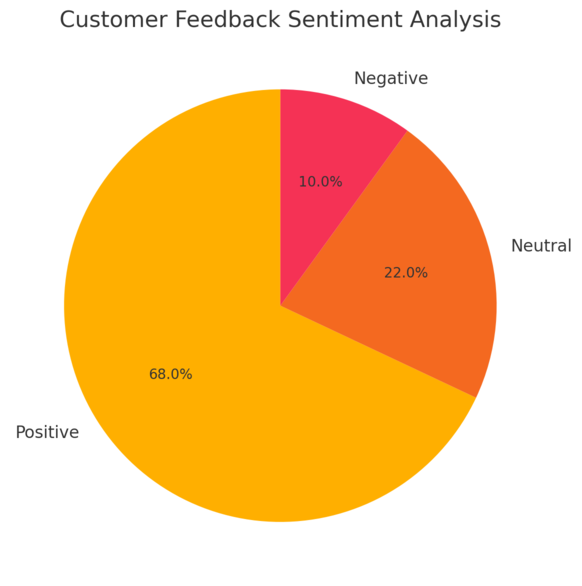
Feedback is gold—it’s free data from the people who matter most.
If your goal is to grow online sales sustainably, you need to listen, learn, and act based on what customers actually experience.
Collect Reviews and Surveys to Identify Pain Points
Collecting feedback shouldn’t feel like an afterthought—it’s an ongoing conversation.
Reviews, polls, and surveys give you valuable clues about what’s working and what’s not.
How to gather feedback effectively:
- Send short post-purchase surveys (1–3 questions max).
- Encourage reviews by offering loyalty points or small discounts.
- Ask specific questions: “What almost stopped you from buying?”
Tools like Typeform and Hotjar make this process effortless. What I’ve found is that honest answers often come from simple, frictionless feedback forms.
Analyze Customer Behavior for Product Improvement
Data tells stories that words can’t. Tools like Google Analytics or Crazy Egg can help you visualize where users click, scroll, or drop off.
Here’s what to look for:
- High exit rates on certain product pages (could mean unclear info).
- Short session times (maybe poor images or load speed).
- Cart abandonment spikes (possibly shipping costs or checkout friction).
When you analyze patterns, you uncover hidden friction points—and fixing them can quickly increase conversions.
I once worked with a brand that realized users were leaving because “Add to Cart” was below the fold. One simple layout change raised sales by 12%.
Publicly Address Feedback to Show Responsiveness
Ignoring customer feedback damages trust. Responding to it—especially publicly—shows you care and listen.
How to do this well:
- Reply to both positive and negative reviews.
- Thank users for insights, even if they’re critical.
- Post updates like: “You asked for eco-friendly packaging—we delivered.”
Transparency builds loyalty. When customers see their feedback lead to action, they’re more likely to become repeat buyers.
Implement Continuous Testing for Better Results
Continuous testing is how you evolve your business intelligently. I suggest using an iterative approach—test, learn, adjust, repeat.
Key things to test regularly:
- Product images or descriptions.
- CTA button colors or placements.
- Page layouts and checkout steps.
Tools like Optimizely let you test variations without disrupting user experience.
I’ve seen brands grow online sales steadily by making one small, data-backed tweak every month rather than giant redesigns once a year.
Apply Data-Driven Strategies to Refine Marketing Campaigns
Data is the compass of modern marketing. Without it, you’re guessing.
With it, you can make confident decisions that increase conversions, reduce waste, and build lasting customer relationships.
Track Key Metrics Like LTV, CAC, and Conversion Rate
Let’s break this down simply:
- LTV (Lifetime Value): How much a customer spends with you over time.
- CAC (Customer Acquisition Cost): How much it costs to win a new customer.
- Conversion Rate: What percentage of visitors buy.
I recommend tracking these monthly using Google Analytics or your CRM dashboard.
A healthy business should aim for an LTV:CAC ratio of 3:1. If you’re spending $50 to acquire a customer, they should spend around $150 in return.
Understanding these numbers helps you spot when to push ads harder—or pull back and refine.
Use A/B Testing to Optimize Ads and Landing Pages
A/B testing is the scientific method for marketing. You compare two versions (A vs. B) to see which performs better.
For example:
- Test two headlines: “Shop Smart, Save More” vs. “Upgrade Your Style for Less.”
- Test two button colors or placements.
- Test different product image styles—lifestyle vs. studio shots.
Run tests for at least 7–10 days before drawing conclusions. I suggest using platforms like VWO to track results automatically. The key is to change one element at a time, so you know what’s truly driving improvement.
Apply Predictive Analytics to Anticipate Buying Trends
Predictive analytics sounds complex, but it’s really about using past data to predict future behavior. It helps you anticipate what customers will buy next—and when.
Ways to apply it:
- Use AI tools like Dynamic Yield to forecast sales peaks.
- Analyze historical buying patterns to plan inventory better.
- Send timely email reminders when a product might need repurchasing (like skincare or supplements).
In one campaign I advised on, predictive modeling helped a retailer restock top items before demand spiked—resulting in a 28% lift in monthly revenue.
Invest in CRM Tools for Better Customer Insights
A good CRM (Customer Relationship Management) system centralizes all your customer data—purchases, emails, support tickets—so you can understand and serve them better.
Popular tools include:
- HubSpot: Best for automated workflows and reports.
- Salesforce: Ideal for large businesses with complex sales funnels.
- Klaviyo: Perfect for eCommerce-focused insights and segmentation.
Use your CRM to spot patterns, like which products drive repeat purchases or which customers respond best to discounts. The more you understand your audience, the smarter your marketing becomes.
Pro Tip: Data alone doesn’t grow online sales—decisions based on data do. Keep testing, learning, and refining your approach. Every insight, no matter how small, is a chance to make your next move sharper, faster, and more customer-focused.
Create a Post-Purchase Experience That Delights
The real secret to grow online sales isn’t just getting people to buy—it’s making sure they want to come back. The post-purchase experience is where you turn transactions into relationships.
When done right, it can turn customers into loyal advocates who naturally promote your brand without you even asking.
Provide Fast Shipping and Transparent Updates
Speed and honesty are everything when it comes to fulfillment. I’ve seen countless shoppers abandon brands not because of price or product, but because of uncertainty after purchase.
What I recommend:
- Use real-time order tracking. Most eCommerce platforms integrate with apps like AfterShip to give live shipment updates.
- Send automated emails at key stages: “Order confirmed,” “Your item is on the way,” and “Delivered.”
- Be transparent about delays—customers appreciate honesty more than silence.
Amazon’s dominance partly comes from this principle: fast, predictable delivery with constant communication. Even if you can’t match their speed, you can absolutely match their clarity.
Include Personalized Thank-You Notes or Small Gifts
Personal touches create emotional connection. A handwritten note or small surprise gift makes a customer feel genuinely appreciated—not just like another order number.
Here are some ways to personalize:
- Add a thank-you card with the customer’s name.
- Include a small branded sticker, magnet, or sample product.
- Write a personal message: “We noticed this is your second order—thank you for supporting us again!”
I once worked with a boutique candle brand that started including short handwritten thank-you notes. Within a month, repeat purchases rose by 22%. It’s not the note itself—it’s the feeling of being seen.
Offer Easy Returns and Responsive Support
Returns are where trust can either grow or collapse. A difficult return process doesn’t just lose one sale—it damages your brand reputation.
Here’s how to make returns painless:
- Offer free returns whenever possible.
- Provide a clear return path: “Go to My Orders → Select Item → Request Return.”
- Respond to queries within 24 hours (ideally less).
Tools like Loop Returns automate this process beautifully while keeping it customer-friendly. Remember, an easy return can actually increase future sales—people trust brands that stand by their promises.
Invite Customers to Join a Community or Referral Program
Once your customer has a positive post-purchase experience, it’s the perfect moment to invite them into something deeper—your brand’s community.
Ways to build post-purchase engagement:
- Encourage them to join a private Facebook group or Discord server.
- Invite them to share product photos on social media using a branded hashtag.
- Offer points or rewards if they refer a friend.
Think of it as keeping the conversation going after checkout. The more connected they feel, the more likely they are to become lifelong buyers.
Encourage Referrals to Expand Sales Organically
Referrals are one of the most cost-effective ways to grow online sales.
When someone recommends your product to a friend, that referral carries ten times more trust than an ad ever could.
Launch a Referral Program With Simple Sharing Options
The best referral programs are frictionless. Customers should be able to share your brand in just a couple of clicks.
What to include in your setup:
- A clear reward (“Give $10, Get $10”).
- Easy sharing links via email, WhatsApp, or social media.
- A simple referral landing page that tracks progress.
I suggest using tools like ReferralCandy or Friendbuy—they handle automation, tracking, and payouts with minimal setup. Make sure your program feels fun, not transactional.
Reward Both the Referrer and the New Customer
The most successful referral systems are two-sided—they give both parties something valuable.
A few proven structures:
- Give $10 credit to both parties when a purchase happens.
- Offer loyalty points that can be redeemed for discounts.
- For premium products, try tiered incentives: “Refer 3 friends, get a free gift.”
This model creates a sense of shared benefit, where both referrer and referred feel appreciated.
In one case, a fashion retailer I consulted saw a 35% boost in new customers within two months of launching a dual-sided reward program.
Promote Referral Opportunities in Follow-Up Emails
If you don’t promote your referral program, it’s like having a treasure map no one sees. Use your email marketing wisely to remind customers about it.
Effective placements:
- Include a “Refer a Friend” link in every order confirmation email.
- Send dedicated referral reminder emails 10–14 days post-purchase.
- Add a referral section in your newsletter footer.
These subtle reminders keep your program top of mind without being intrusive.
Use Social Proof to Inspire Word-of-Mouth Growth
Social proof amplifies referrals naturally. When customers see others sharing your products, they’re more likely to join in.
Here’s how to build it:
- Feature customer testimonials and photos on your homepage.
- Repost user-generated content (UGC) from your community.
- Highlight milestones: “10,000 customers referred a friend this year!”
Authentic proof of happy customers builds credibility and momentum. People trust other people far more than they trust brands.
Continuously Evolve Your Strategy With Market Trends
The eCommerce world moves fast. What worked last year might fall flat today. To keep growing online sales, you need to stay agile—constantly learning, testing, and adapting to change.
Stay Updated on Consumer Behavior Shifts
Consumer expectations evolve quickly, especially in digital spaces. Stay informed about trends in purchasing behavior, payment methods, and content preferences.
How to stay ahead:
- Read eCommerce reports from Statista and Shopify Plus.
- Use Google Trends to track changing search interests.
- Monitor your analytics dashboard weekly for emerging behavior patterns.
For example, mobile-first shopping is still rising, and sustainability is now a major decision factor for many buyers. Paying attention to shifts like these keeps your strategy relevant.
Monitor Competitor Strategies for Inspiration
Keeping an eye on competitors isn’t about copying—it’s about learning. Analyze what they’re doing well and find gaps you can fill.
What to observe:
- Product presentation and messaging style.
- Pricing and promotional tactics.
- Social engagement levels and customer reviews.
Tools like SpyFu can help you uncover traffic sources and ad strategies. I often tell clients to look for “what competitors aren’t doing yet”—that’s usually where innovation hides.
Experiment With New Sales Channels or Technologies
Innovation drives long-term growth. Don’t be afraid to test new platforms or tools that align with your brand’s strengths.
Potential experiments:
- Try selling through TikTok Shop or Instagram Checkout.
- Test AI-driven personalization engines for product recommendations.
- Launch virtual try-ons or AR experiences using tools like Threekit.
You don’t need to jump on every trend—just the ones that genuinely enhance your customer experience.
Keep Testing, Adapting, and Innovating for Long-Term Growth
Success online is rarely static—it’s a moving target. Continuous testing helps you adapt to new data, trends, and customer expectations.
Key practices:
- Run A/B tests on your product pages and ads monthly.
- Survey loyal customers twice a year for new ideas.
- Review KPIs like conversion rate and LTV regularly to guide decisions.
Think of your business as a living system—it grows best when you nurture, listen, and evolve with it. The brands that thrive are the ones willing to experiment, fail fast, and keep improving.
Pro Tip: Long-term eCommerce success isn’t about chasing every new trick—it’s about consistently improving your customers’ experience. Stay curious, stay human, and keep adapting. The more you listen and evolve, the faster your online sales will grow naturally and sustainably.

I’m Juxhin, the voice behind The Justifiable.
I’ve spent 6+ years building blogs, managing affiliate campaigns, and testing the messy world of online business. Here, I cut the fluff and share the strategies that actually move the needle — so you can build income that’s sustainable, not speculative.
Related posts:
 Aweber Email Marketing: Boosting Your Business Through Effective Email
 How to Grow Online Sales: 7 Game-Changing Marketing Techniques
 10 Proven Strategies to Grow Online Sales Instantly
 Methods for Marketing Affiliate Websites – Simple Ways
 Best Way to Monetize a Blog for Passive Income
 How to Get LearnWorlds Free Trial and Start Fast