Table of Contents
Some links on The Justifiable are affiliate links, meaning we may earn a small commission at no extra cost to you. Read full disclaimer.
When I first heard about money affiliate marketing, I thought it was just another buzzword for making easy cash online. But once I learned how real people were earning full-time incomes by promoting products they actually believed in, it completely changed my view.
The truth is, affiliate marketing isn’t a get-rich-quick scheme—it’s a business you can build from scratch with strategy, persistence, and the right tools.
If you’re ready to learn how to make real money from affiliate marketing step by step, this guide will walk you through everything you need to know.
Understanding The Basics Of Money Affiliate Marketing
Let me walk you through the foundation of how money affiliate marketing really works so you can build confidently without second-guessing every step.
What Affiliate Marketing Really Is And How It Works
When people talk about affiliate marketing, they’re usually describing a simple arrangement: you recommend a product, someone buys through your link, and you get paid.
I like to think of it as digital word-of-mouth with receipts. You aren’t stocking inventory or managing customer service—you’re connecting people with products they already want.
At its core, you join an affiliate program, receive a unique tracking link, and use it in your content. When someone clicks and makes a purchase, the company tracks that sale back to you. You earn a commission. It’s straightforward, but the strategy behind doing it well is where most beginners struggle.
A quick example: If you sign up for Awin, choose a merchant, and grab a product link, you can insert it into a review or tutorial. When readers trust your recommendation, clicks turn into sales.
Affiliate marketing works best when you’re genuinely helpful, not spammy. I’ve found that offering clear explanations or real-life examples dramatically improves conversions because people feel guided instead of pushed.
The Key Players In Every Affiliate Marketing Ecosystem
Every affiliate setup includes a few essential players. Understanding these roles helps you see the bigger picture and why your part matters so much.
The first player is the merchant—the brand selling the product. They handle fulfillment, customer support, and payments. Then there’s you, the affiliate, the person guiding potential buyers. You bridge the gap between curiosity and purchase.
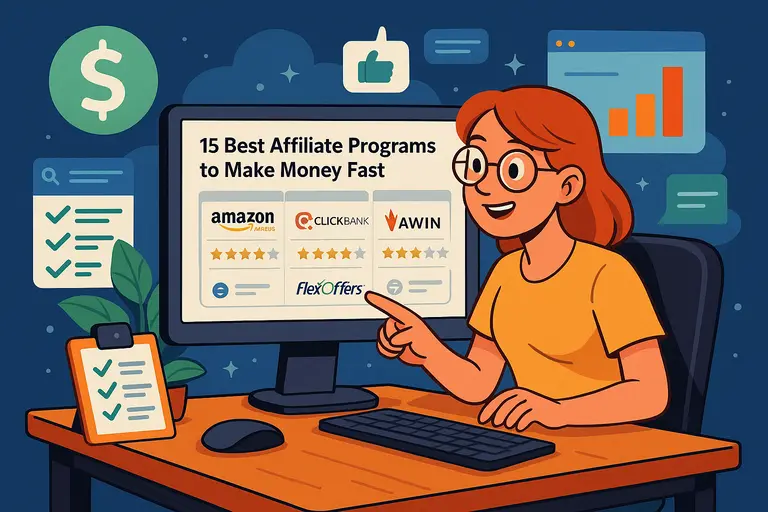
Next is the affiliate network. Networks like Awin, Impact, or ClickBank host thousands of programs in one place. They centralize reporting, payments, and approvals, which saves you a ton of time.
And finally, there’s the customer. They’re the hero of this whole story. When you understand their needs, fears, and motivations, your recommendations become naturally more persuasive. The whole ecosystem works best when every role is respected, especially the customer’s trust.
How Commissions, Cookies, And Tracking Actually Function
This is where many beginners feel intimidated, but trust me—once you see it in plain language, it just clicks.
Whenever someone clicks your affiliate link, the system drops a tiny file called a cookie onto their device. This cookie contains metadata that tells the program, “Hey, this visitor came from your recommendation.” Cookies can last anywhere from 24 hours to 90 days or more depending on the program.
Commission types vary:
- Pay-per-sale: Earn a percentage of each purchase.
- Pay-per-lead: Earn when someone submits an email or signs up.
- Pay-per-click: Rare, but you’re paid simply for traffic.
Tracking dashboards in networks like Awin or Impact show clicks, conversions, cookie windows, and payouts.
Whenever I’m testing new offers, I check these dashboards daily to understand which pieces of content are driving results.
Common Myths About Making Money Through Affiliate Marketing
I’ve heard just about every myth, and most of them discourage people for no reason. One big myth is that affiliate marketing is “passive.”
Yes, income can become passive later, but the early stages require real work—content creation, audience building, and constant improvement.
Another myth says you need a giant audience to earn anything meaningful. In reality, I’ve seen micro-creators with only 500 monthly readers make steady commissions because they were hyper-specific with their niche.
There’s also the belief that affiliate marketing is saturated. The truth? Markets evolve, but buyers never stop needing guidance. If you offer genuine value, you’re already ahead of most creators who just chase clicks.
Understanding these myths helps you approach money affiliate marketing realistically—and strategically.
Choosing A Profitable Niche That Generates Real Income
Before you ever write a blog post or sign up for a network, choosing the right niche determines how quickly you see results.
How To Identify Niches With High Earning Potential
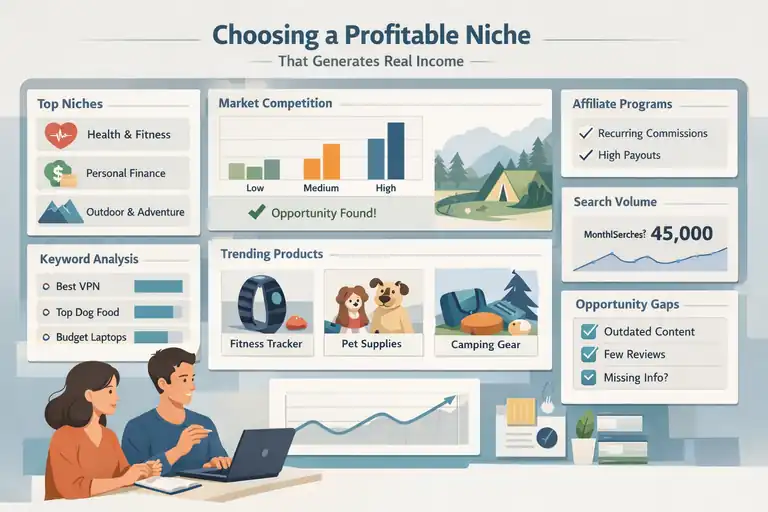
If I were starting from scratch today, I’d pick a niche where buyers already spend money without hesitation. High-earning niches usually fall into one of three categories: health, wealth, or lifestyle improvement.
Instead of guessing, look for indicators like product variety, recurring commissions, and active communities discussing solutions. For example, software, pet care products, and outdoor gear all have passionate audiences willing to buy repeatedly.
Ask yourself: Are people already searching for solutions in this niche? Are there products you’d genuinely recommend? If the answer is yes to both, that niche is worth exploring.
Evaluating Market Demand And Competition Before You Commit
Once you have a niche idea, the next step is to test demand. I usually start with basic search volume tools and community research.
- Try this simple path: Google → Search your niche + “best,” “review,” or “vs.”
If you see tons of results, that’s a sign the niche is active—but don’t let “competition” scare you. Competition means buyers exist.
Look for weaknesses, too. Are competitor articles outdated? Are YouTube videos missing key explanations? Those gaps become your opportunities.
Also examine affiliate product availability. Some niches look exciting until you realize there are no decent programs to promote.
Using Keyword Research To Validate Niche Profitability
Keyword research isn’t just about traffic—it’s about buyer intent. Tools like Google Keyword Planner or Ubersuggest help you see which phrases people search before buying something.
Here’s what I personally look for:
- Commercial intent keywords like “best VPN,” “top dog food,” or “budget laptops for students.”
- Long-tail phrases with lower competition but high relevance.
- Consistent monthly search volume so you know the niche isn’t a fad.
If you find at least 50–100 buyer-intent keywords, the niche probably has enough space to grow. I always save these keyword lists because they later become content ideas.
Why Passion And Profitability Must Align For Long-Term Success
I’ve learned the hard way that choosing a niche solely for money leads to burnout. You need at least some personal interest because you’ll spend months writing, researching, and answering questions about your niche.
At the same time, passion alone isn’t enough. You need profitability—products people actually buy. The ideal niche is where your interest overlaps with market demand.
A quick self-check: Would I still enjoy learning about this niche a year from now?
If not, choose another. Consistency matters more than short-term excitement.
Selecting The Right Affiliate Programs And Networks
Choosing the right affiliate program can make or break your early momentum. Let’s go through what to look for so you don’t waste time.
How To Choose Programs That Actually Pay Well
Whenever someone asks how to find good affiliate programs, I suggest starting with the product itself. If the product is great, conversions naturally follow.
Evaluate programs using these criteria:
- Commission rate: Higher isn’t always better if the product doesn’t sell.
- Cookie duration: Longer windows capture more conversions.
- Payout reliability: Networks like Awin and Impact are well-known for accurate, timely payments.
- Demand: Look for products people already trust.
If a program requires tons of explaining just to make one sale, it’s not beginner-friendly.
The Best Affiliate Networks For Beginners (Awin, Impact, ClickBank)
These networks are great starting points because they offer variety and easy approval.
- Awin: Took ShareASale and now hosts a massive range of mainstream brands. Great for lifestyle, retail, and everyday products.
- Impact: Fantastic interface and strong reporting tools. Ideal for SaaS, tech, and major consumer brands.
- ClickBank: Popular for digital products with high commissions, though you’ll need to filter out lower-quality offers.
When you join, explore categories that match your niche. I usually bookmark 5–10 potential programs and test which ones convert best.
Avoiding Low-Quality Or Scam Affiliate Offers
Unfortunately, not all programs are created equal. Some look promising but don’t convert, don’t pay fairly, or disappear entirely.
Red flags I’ve learned to spot:
- Unrealistic commission promises (like 80% on a random physical item).
- Missing contact support or vague terms.
- Poor product reviews from real customers.
- Complicated tracking systems with inconsistent reporting.
Trust your instincts. If something feels off, skip it. You’re building a business, not chasing quick wins.
Understanding Commission Structures And Payment Terms
Commission structures vary widely, and understanding them helps you predict income more accurately.
Common types include:
- Recurring commissions: For subscriptions (amazing for long-term income).
- Flat-rate commissions: Good for simpler products.
- Tiered commissions: Earn more as your sales volume grows.
Payment terms also differ—some networks pay monthly, others weekly, and some require minimum earnings before releasing payments. In Awin, for example, you’ll typically see validated commissions appear after the merchant confirms the sale.
Read the fine print. It’ll save you headaches later.
Building A Strong Foundation For Your Affiliate Business
Before earning anything, you need a structure that attracts visitors and converts them into buyers.
How To Create A Website That Converts Visitors Into Buyers
Your website doesn’t need to be fancy. It needs to be clear, trustworthy, and easy to navigate.
Start with simple site architecture: Home → Blog → Reviews → Resources.
Make sure your homepage explains what the site is about and who it’s for. Use clean layouts, readable fonts, and intuitive menus.
When placing affiliate links, I prefer using contextual links inside useful content rather than big flashy banners. People trust subtle guidance more than aggressive ads.
A quick example path: WordPress Dashboard → Pages → Add New → Resource Page
This page becomes a central hub for your top recommendations, which boosts conversions.
The Role Of Content Marketing In Building Affiliate Credibility
Content is your biggest asset. It proves your expertise, attracts free traffic, and builds trust with your readers.
Instead of writing random posts, focus on content clusters around your niche. For example, if your niche is home fitness, create a set of articles about workout gear, nutrition tools, and beginner routines.
The more you educate your audience, the more they see you as a guide rather than someone chasing commissions. I’ve noticed conversion rates jump significantly when readers feel understood.
Setting Up Email Marketing Systems With Tools Like Kit And Brevo
Email is still one of the most reliable ways to earn affiliate commissions. Tools like Kit and Brevo are beginner-friendly and offer automation that saves hours.
A simple starter path looks like this: Kit → Automations → Create New → Welcome Sequence.
This lets you send subscribers a helpful 3–5 email series that builds trust and gently introduces your top recommendations.
You can also segment your subscribers based on interests, which allows you to share more personalized offers.
I like email because it keeps your audience close—even if your social traffic drops overnight.
Why Branding And Trust Are The Real Currency In Affiliate Marketing
Trust is everything in money affiliate marketing. Without it, people won’t click your links, no matter how good your SEO is.
Branding isn’t just logos—it’s the tone of your writing, the clarity of your advice, and the consistency of your messaging. When readers feel like they “know” you, they follow your recommendations more confidently.
Small touches help, like having an About page with your story, or adding disclaimers and transparency notes to show honesty. These signals tell readers, “You can rely on me.”
Creating Content That Drives Affiliate Sales
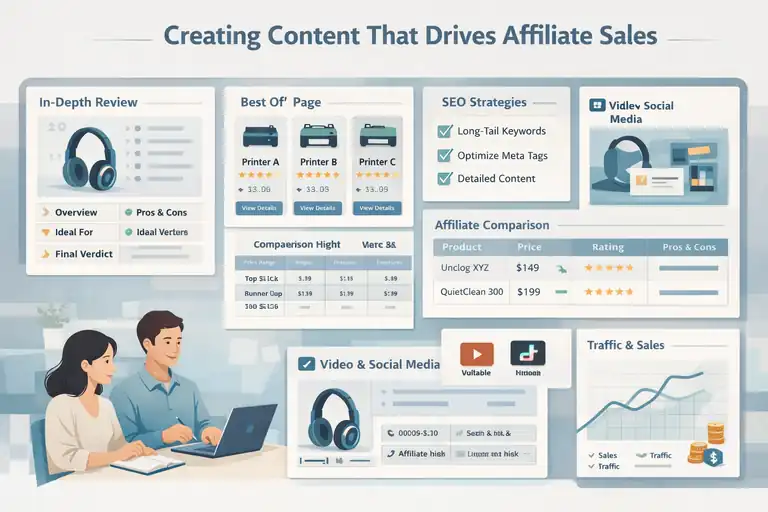
High-performing content is how you turn traffic into income, especially when you’re starting from scratch.
How To Write Product Reviews That Actually Convert
The best product reviews aren’t salesy—they’re honest, balanced, and experience-driven.
I use a simple structure: Overview → What I Like → What Needs Improvement → Who It’s Best For → Final Verdict.
Inside each review, include small scenarios. For example: “If you work from home and need quiet equipment, this model is the best I’ve tested.”
These details help readers visualize how the product fits into their life, which boosts conversions significantly.
Always include real comparisons. People don’t just want to know if something is good—they want to know if it’s better than the alternatives.
Building Comparison And “Best Of” Pages That Rank And Earn
Comparison pages are some of the highest-earning content types in affiliate marketing. They work because readers searching “best X” are usually ready to buy.
Structure your posts with clear sections: Top Picks → Brief Verdicts → Comparison Table → Individual Breakdowns.
Comparison tables make decisions easier. A simple table listing price range, key features, and ideal use cases can increase clicks dramatically.
I’ve seen pages with just a few hundred visits a month consistently bring in strong commissions thanks to strong comparison layouts.
Using SEO Strategies To Get Free, Consistent Traffic
SEO is the long-term engine of affiliate income. If you’re patient, it becomes your biggest traffic source.
Focus on these strategies:
- Target long-tail keywords: Easier to rank and often more buyer-focused.
- Optimize title tags and meta descriptions: Keep them clear, useful, and benefit-driven.
- Interlink your content: Help search engines understand topic relevance.
- Write thorough content: The deeper and more helpful your content, the more likely Google trusts it.
I like using the path: Google Search Console → Performance → Queries
This shows what people are finding you for, helping you refine your SEO direction.
Incorporating Video And Social Media For Greater Reach
Video gives you a huge advantage because people love seeing products in action. You don’t need a fancy setup—your phone is enough.
Create simple videos like: Unboxings, quick reviews, “best X” roundups, or tutorial clips. Platforms like YouTube, TikTok, and Instagram reach people who may never find your website.
A short example workflow: YouTube → Create → Upload Video → Add affiliate links in description. I’ve personally seen conversions double when I added short demo videos to blog posts.
Social media isn’t about going viral—it’s about being visible. Even a few hundred targeted views can turn into commissions.
Driving Targeted Traffic To Your Affiliate Offers
Let me walk you through the traffic methods that actually work, especially when you’re building your money affiliate marketing strategy from scratch.
Proven Free Traffic Strategies (SEO, Pinterest, YouTube, Forums)
Free traffic is where most beginners start, and honestly, it’s what helped me build momentum without feeling stressed about ad budgets. Each channel has its own flavor, and choosing the right one depends on where your audience naturally hangs out.
SEO is the long game but the most rewarding. When you optimize content around questions people already search for, your posts become little traffic machines. If you open Google Search Console → Performance → Queries, you’ll see real phrases people use to find you. That data alone can inspire dozens of new content ideas.
Pinterest works surprisingly well for niches like food, DIY, beauty, and home improvement. The platform acts like a visual search engine. You can create simple pins using Canva, link them to a blog post, and let them circulate for months.
YouTube captures people who want quick visual explanations. Even a 3-minute review filmed on your phone can outperform a long blog post because viewers feel like they’re learning directly from you.
Forums such as Reddit or specialized communities help you understand your audience’s frustrations. I never drop links there unless it naturally fits the conversation. Instead, I use them to uncover the exact language people use when researching products.
When you commit to even one of these channels consistently, you’ll start seeing traffic slowly snowball.
Paid Traffic Channels That Can Scale Your Affiliate Income
Paid traffic scares beginners, but it’s actually a powerful shortcut if you use it wisely. I look at paid ads as a way to test ideas quickly before investing time into long-form content.
The safest approach is starting with platforms like Google Ads or Pinterest Ads. Google Ads allows you to target high-intent keywords such as best VPN for home or cheapest AI writing tools. If someone searches that exact phrase, there’s a strong chance they’re ready to buy.
Pinterest Ads work well for evergreen content because people save promoted pins as if they were regular ones. Even after campaigns end, you often keep getting traffic.
One rule I follow religiously: Never send paid traffic directly to an affiliate link. Instead, send it to a review page or comparison guide. This builds trust and avoids violating network rules.
Track everything. If an ad costs you $10 but earns you $25 in commissions, you’ve unlocked a scalable system.
How To Use Email Sequences To Nurture And Convert Leads
Email is the place where you build real relationships. I like using tools like Kit and Brevo because they make automation feel simple, even if tech isn’t your thing.
A basic nurturing sequence might look like this:
- A quick intro with your story
- A helpful tip or tool recommendation
- A comparison or review related to their interests
- A personal example or insight
- A call-to-action pointing toward your top affiliate pick
In Kit, you can follow this path: Kit → Automations → Create Sequence → Add Email.
Seeing the flow visually helps you catch gaps or repetitive messaging.
Remember, email is where people feel closest to you. When you explain products in a non-pushy way—almost like you would in a text message to a friend—conversions naturally rise.
Tracking And Optimizing Traffic Sources For Maximum ROI
One of the biggest mistakes I made early on was assuming all traffic was equal. It’s not. Some visitors are curious, others are ready to buy, and each source behaves differently.
You can track this inside Google Analytics by checking: Reports → Acquisition → Traffic Acquisition.
You’ll see where your visitors come from and how they behave once they land on your site.
Here’s what I watch closely:
- Time on page
- Bounce rate
- Click-through rate on affiliate links
- Revenue per source
When you identify which channels produce actual buyers—not just views—you can shift your time and energy toward what works. Even small adjustments, like updating an article title or adding a video, can double your performance.
Converting Visitors Into Buyers Effectively
Traffic is great, but conversions are where your income grows. Let’s dig into the methods that turn curious readers into confident buyers.
How To Use Landing Pages And Funnels For Affiliate Sales
Landing pages simplify decisions. Instead of overwhelming your visitor with too many choices, you give them one clear path.
A simple funnel for affiliate marketing might look like this: Traffic → Value-driven landing page → Product review → Affiliate link.
You can build landing pages with WordPress plugins or drag-and-drop builders like Elementor. The key is keeping them clean—no distractions, no unnecessary images.
I usually include:
- A short headline that promises a specific outcome
- A quick explanation of who the product is for
- A benefits summary
- A call-to-action leading to a review or offer
Funnels work especially well with paid traffic because they warm up cold visitors before you introduce an affiliate link.
A/B Testing Offers With Tools Like VWO And Optimizely
A/B testing sounds fancy, but all it means is testing two versions of a page to see which performs better. Tools like VWO and Optimizely make this surprisingly simple.
You could test things like:
- Button text
- Headlines
- Comparison table layouts
- Product order in lists
In VWO, the path usually looks like: VWO → Testing → A/B → Create Test. From there, you set your variations and watch data roll in.
The beauty of testing is that it removes guesswork. Instead of wondering why a page isn’t converting, you make small tweaks and let the numbers guide you. Even a 5% improvement compounds significantly over time.
The Psychology Behind Persuasive Calls-To-Action
A call-to-action (CTA) isn’t just a button—it’s a promise. When someone clicks, they’re expecting something valuable on the other side. That’s why I focus on clarity instead of hype.
I replace vague CTAs like Learn More with specific ones like:
- See Today’s Price
- Compare Features
- Read My Full Review
Specific CTAs tap into curiosity and reduce hesitation. Another psychological trick is using “micro commitments.” If someone clicks a CTA with low risk, they’re more likely to follow through with bigger actions later.
Small phrasing changes often make a big difference. It’s worth experimenting.
How To Improve Conversion Rates With Data-Driven Adjustments
Conversion optimization is basically detective work. Whenever a page underperforms, I ask myself:
- Where are people dropping off? Why aren’t they clicking?
Inside Google Analytics, check: Reports → Engagement → Pages and Screens.
If people only stay a few seconds, your intro might need adjusting. If clicks are low, maybe your affiliate buttons aren’t visible.
Here are easy adjustments that usually help:
- Move CTAs higher on the page
- Add a mini comparison table
- Insert real screenshots or examples
- Tighten headlines to clarify value
The goal isn’t perfection—it’s progress. A few small tweaks each month keep your income climbing.
Scaling Your Affiliate Marketing Income Over Time
Once you start earning consistently, the next step is figuring out how to grow without burning out.
How To Diversify Income Streams For Stability
Relying solely on affiliate income feels risky, even when things are going well. Diversifying doesn’t mean starting from scratch—it usually means expanding what already works.
Examples include:
- Creating digital products like guides or templates
- Offering consulting services
- Adding display ads to your site
- Promoting subscription-based programs with recurring commissions
This way, if one income stream dips, the others carry you through. I treat this like building a portfolio—slow, steady, intentional.
Building Authority And Thought Leadership In Your Niche
Authority isn’t built overnight, but it compounds beautifully. The more people trust you, the easier conversions become.
You can build authority by:
- Publishing in-depth guides
- Sharing real data from your own testing
- Updating content regularly
- Answering questions in public spaces like YouTube or Reddit
When people see you show up consistently with value, they naturally see you as a reliable voice.
I’ve had readers tell me they bookmarked my site just because I explained things clearly. Those relationships turn into long-term income.
Creating Evergreen Content That Earns Passive Income
Evergreen content is the secret to making affiliate income more predictable. These are articles that stay relevant year after year—things like buying guides, tutorials, and beginner explainers.
A simple workflow I use is:
- Identify evergreen keywords.
- Write a comprehensive article.
- Add comparison tables and internal links.
- Update twice a year.
This keeps content fresh in Google’s eyes, and I’ve had evergreen posts continue earning for years with minimal maintenance. That’s the closest thing to passive income you’ll find online.
Automating Processes To Free Up Your Time And Scale Faster
Automation saves your sanity. When you hit a certain level, doing everything manually becomes impossible.
Tools like Kit and Brevo let you automate emails, while scheduling tools automate social posts. Even using WordPress plugins to auto-generate tables or send updates can save hours a week.
My rule is simple: If I do something more than three times, I automate it. This keeps my energy focused on strategic tasks like content creation and testing.
Avoiding Common Mistakes In Money Affiliate Marketing
These mistakes are surprisingly common, and I’ve made several myself. Avoiding them will help you grow faster and with less stress.
Why Relying On A Single Traffic Source Can Be Risky
Depending entirely on one traffic source is like putting your business on a shaky foundation. One algorithm update can wipe out everything.
I’ve seen creators lose 80% of their traffic overnight because Google updated rankings or a social platform changed visibility rules. The safest strategy is combining sources: SEO + Pinterest or YouTube + email, for example.
Even small amounts of diversified traffic create more stability long term.
The Dangers Of Promoting Low-Quality Products
It’s tempting to chase high commissions, but promoting bad products damages trust quickly. Once trust breaks, even your best recommendations stop converting.
Before promoting anything, I check:
- Customer reviews on Amazon
- Social media discussions
- Product return rates (if available)
Readers can sense authenticity. When you recommend things you’d genuinely use, your conversions rise naturally.
How Ignoring Analytics Can Kill Your Growth
Analytics might sound boring, but it’s your roadmap. Without it, you’re guessing.
Inside Google Analytics, I review:
- Most visited pages
- Pages with the longest engagement
- Affiliate link click patterns
- Search queries bringing organic traffic
I’ve revived entire pages simply by seeing a keyword I hadn’t targeted yet. Data gives you direction—you just have to listen to it.
Staying Compliant With FTC Guidelines And Transparency Rules
Transparency builds trust. The FTC requires that affiliates disclose their relationships, but even if it weren’t required, it’s good business.
A simple disclosure like, “I may earn a commission if you buy through my links at no extra cost to you,” is enough. Place it at the top of your post or near your affiliate link.
Compliance protects you legally and shows your audience you’re honest.
Tracking Results And Optimizing For Long-Term Success
This final piece ties everything together—measurement, learning, and refinement.
How To Measure Affiliate Marketing Performance Metrics
Not all metrics matter equally. The ones I check most often are:
- Click-through rate (CTR)
- Earnings per click (EPC)
- Conversion rate
- Average order value (AOV)
Most affiliate networks like Awin and Impact provide dashboards showing these metrics clearly. EPC, in particular, helps you compare offers fairly because it shows how much each click is worth on average.
When you know your numbers, you know where to focus.
Using Analytics To Identify What’s Working (And What’s Not)
Patterns are powerful. Sometimes one page drives disproportionate income, and sometimes a page with tons of traffic earns nothing. Analytics helps you separate the winners from the noise.
- Inside Search Console, check: Performance → Pages → Clicks vs. Impressions.
If a page has impressions but few clicks, your title might need improving. If clicks aren’t turning into income, maybe the offer needs replacing.
This cycle of observation and adjustment keeps your site healthy and competitive.
The Importance Of Testing, Learning, And Adapting Continuously
Affiliate marketing changes constantly—new products, new competitors, new search trends. The people who thrive are the ones who treat learning as part of the job.
Testing doesn’t need to be complex.
You can change:
- Headline angles
- Button placements
- Comparison order
- Image types
Each test teaches you something. Over months, those lessons compound.
Building A Sustainable Strategy For Long-Term Profitability
Sustainability means creating a system that grows even when you take a break.
That usually involves:
- Evergreen content
- Automated emails
- Strong SEO foundations
- A diversified income mix
When you combine all these elements, your affiliate business becomes resilient. You stop worrying about sudden dips and start focusing on long-term impact.
Frequently Asked Questions
What is money affiliate marketing and how does it work?
Money affiliate marketing is earning commissions by promoting other companies’ products through tracked links. You get paid when someone buys through your recommendation.
How long does it take to make real money with affiliate marketing?
Most beginners see first commissions in 3–6 months. Consistent content, targeted traffic, and trusted offers speed up results.
Do you need a website to start money affiliate marketing?
A website is not required, but it helps significantly. Blogs convert better, rank on Google, and build long-term affiliate income.

I’m Juxhin, the voice behind The Justifiable.
I’ve spent 6+ years building blogs, managing affiliate campaigns, and testing the messy world of online business. Here, I cut the fluff and share the strategies that actually move the needle — so you can build income that’s sustainable, not speculative.