
Table of Contents
Some links on The Justifiable are affiliate links, meaning we may earn a small commission at no extra cost to you. Read full disclaimer.
If you’ve ever wondered how to start a blog website that actually earns money, you’re not alone. Many people launch blogs hoping for extra income, but few know the steps that turn a passion project into a profitable online business.
How do you go from setting up your first post to generating steady side income month after month?
In this guide, I’ll walk you through every step—practical, proven, and beginner-friendly—so you can build a blog that doesn’t just exist but thrives.
Choose a Profitable Blog Niche That Fits Your Passion
Finding your niche is the foundation of every successful blog.
This is where purpose meets profit — you write about what you care about while ensuring there’s real demand.
Identify Topics With Long-Term Earning Potential
When choosing your niche, think beyond trends. You want something evergreen, meaning it stays relevant year after year. For example, niches like personal finance, fitness, tech tutorials, and digital marketing have sustained interest because they solve ongoing problems.
Here’s how I usually test long-term potential:
- Check Google Trends: Type your topic and look at the 5-year graph. If it’s steady or rising, that’s a green flag.
- Analyze keyword volume: Use free tools like Ubersuggest or Ahrefs Free Keyword Generator to see if people search for related terms monthly.
- Consider monetization paths: Ask yourself — can this topic lead to affiliate products, digital courses, or services later?
A good rule of thumb: if your topic can generate consistent search traffic and solve real-world pain points, it’s built to last.
Validate Your Niche With Market Research and Competitor Analysis
Before you commit, validate that your audience exists — and that they spend money.
I suggest:
- Read comments on Reddit, Quora, and niche Facebook groups to understand common questions.
- Study competitors: Visit top-ranking blogs in your topic. Check their content categories, ad placements, and monetization strategies.
- Use SEO tools: Platforms like SEMrush or Ahrefs can show you how much traffic similar blogs are getting and what keywords they target.
If the market looks active but not overcrowded, that’s your sweet spot.
Align Your Niche With Your Expertise and Audience Demand
Passion matters — but alone, it’s not enough. You’ll burn out writing about something you don’t truly understand.
Ask yourself:
- What do I enjoy teaching or discussing?
- What problems can I confidently help people solve?
- Who will actually benefit from my advice?
For instance, if you love photography, you could narrow down to “smartphone photography for beginners.” That balance of skill and demand makes it easier to stand out and attract readers who trust your expertise.
Avoid Oversaturated Niches That Limit Growth Opportunities
Some niches, like travel or food blogging, are so crowded that breaking through requires either a unique voice or a sub-niche.
To find your space:
- Look for micro-niches — smaller, focused segments such as “budget travel in Europe” instead of just “travel.”
- Offer a fresh angle or unique storytelling approach.
- Evaluate your competition’s weaknesses — maybe they lack detailed guides, personal stories, or visuals.
In short, don’t aim to be everywhere; aim to be valuable somewhere specific.
Pick the Right Blogging Platform and Domain Name
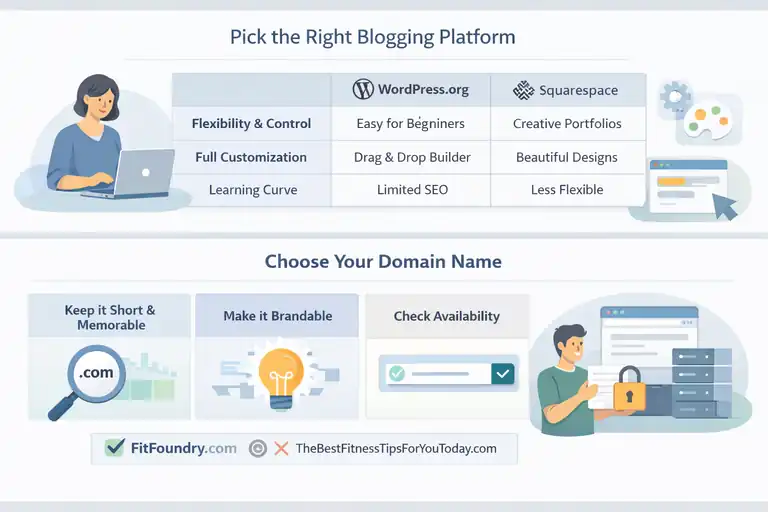
Once you know your niche, it’s time to set up your digital home. Your platform, domain, and hosting are the pillars of your blog’s performance and brand identity.
Compare the Best Blogging Platforms for Beginners
Here’s a quick breakdown of top options:
- WordPress.org: The most flexible platform for customization and scalability. You control everything, from design to monetization.
- Wix or Squarespace: Beginner-friendly drag-and-drop builders. Ideal for personal blogs but limited for advanced SEO.
- Blogger: Free and simple, but not future-proof for serious income goals.
If you plan to monetize or grow long-term, I personally recommend WordPress.org — it gives full ownership and integrates easily with tools like Yoast SEO and Google Analytics.
How to Choose a Domain Name That Reflects Your Brand
Your domain is your blog’s identity — make it memorable, clear, and relevant.
Tips I follow:
- Keep it under 15 characters and easy to spell.
- Avoid numbers or hyphens that confuse readers.
- Include a hint of your niche (e.g., FitWithMia.com or MoneyMentorHub.com).
You can brainstorm using tools like Namecheap Domain Search to get inspiration.
Register and Secure Your Domain Professionally
Once you’ve decided, register your domain through trusted providers like Namecheap, and GoDaddy.
I suggest enabling domain privacy protection — it hides your personal contact details from public WHOIS records.
The process is simple:
- Go to the registrar site.
- Search your chosen domain.
- Add to cart and select “Privacy Protection.”
- Checkout and connect it to your hosting later.
Set Up Hosting That Balances Cost, Speed, and Reliability
Your hosting provider keeps your website live and fast. Poor hosting = slow site = lost visitors.
I recommend reliable hosts like Bluehost, Hostinger, or WPengine — they’re beginner-friendly and integrate easily with WordPress.
Look for:
- Uptime of 99.9% or higher
- Free SSL certificate for site security
- One-click WordPress installation
- 24/7 support
From my experience, Hostinger offers the best balance of affordability and performance for new bloggers.
Design a Professional Blog That Builds Credibility
Your design is the first impression visitors get. A clean, easy-to-navigate blog shows professionalism and helps build reader trust from day one.
Choose a Clean, Mobile-Friendly Theme or Template
Most readers access blogs on their phones, so mobile responsiveness is non-negotiable.
If you’re on WordPress, check out lightweight themes like Astra, GeneratePress, or Kadence. They load fast and offer customization without coding.
When selecting a theme:
- Prioritize readability and white space.
- Choose a simple layout with clear headings.
- Test load time using PageSpeed Insights.
Fast, simple designs outperform flashy but slow ones every time.
Customize Branding Elements to Stand Out in Your Niche
Branding isn’t just a logo — it’s your voice, color scheme, and visual identity.
I suggest keeping consistency across:
- Color palette: Choose 2–3 main colors that match your niche tone.
- Typography: Use legible fonts like Open Sans or Roboto.
- Imagery: Use original photos or high-quality stock images from Unsplash or Pexels.
Even small touches, like matching your email signature and favicon, add a layer of trust and recognition.
Optimize Site Navigation for User Experience
Your readers should find what they need in one or two clicks.
Here’s how to simplify your structure:
- Keep your menu short: Home, Blog, About, Contact.
- Add categories or tags to group similar topics.
- Include a search bar and breadcrumb navigation for easy browsing.
I also recommend linking related articles within posts — it keeps visitors engaged and boosts your SEO.
Add Essential Pages: About, Contact, and Privacy Policy
These pages show professionalism and transparency:
- About Page: Tell your story, who you help, and why you started blogging. Be personal here — people connect with authenticity.
- Contact Page: Use a simple contact form (e.g., WPForms plugin) and include links to social media.
- Privacy Policy: Use a free generator like Termly.io to ensure compliance with GDPR and advertising policies.
- Having these pages from day one helps you qualify for programs like Google AdSense and affiliate networks.
Create High-Value Content That Attracts Readers
Your content is where your blog truly comes alive. It’s what makes people stay, subscribe, and share. When you start a blog website, creating high-value, reader-focused posts is what separates successful blogs from those that fade away.
Craft Blog Posts Around Search Intent and Reader Needs
Every great post starts with understanding why someone is searching. Are they looking to learn, compare, or buy? That intent shapes how you write.
Here’s how I usually approach it:
- Define the goal: Before writing, I ask, “What problem am I solving here?”
- Choose the right format:
- Informational intent: How-to guides, tutorials, and checklists.
- Transactional intent: Product reviews or comparison posts.
- Navigational intent: Brand- or tool-specific guides.
- Write for humans first: Use simple language, short sentences, and relatable examples.
For instance, if you’re writing about “beginner photography,” your reader doesn’t need technical jargon about aperture—they want how to take better photos today.
Use SEO Basics to Improve Visibility in Google Search
Even the best-written post won’t perform if no one finds it. SEO isn’t about tricking algorithms; it’s about helping readers discover your content easily.
A few practical steps:
- Use your main keyword naturally in your title, first paragraph, and subheadings.
- Add related terms (LSI keywords) like “blog SEO,” “keyword optimization,” or “content ranking.”
- Include internal links to keep visitors exploring your site longer.
- Optimize your images: Compress them using TinyPNG and add descriptive alt text for accessibility.
I recommend installing Rank Math on WordPress — they give visual cues (like red/yellow/green lights) to help fine-tune your on-page SEO.
Integrate Storytelling to Build Connection and Trust
Data informs, but stories connect. Sharing personal experiences helps readers trust your voice and remember your message.
Try this structure:
- Start with a short story or personal example.
- Relate it directly to your reader’s challenge.
- End with a takeaway or actionable tip.
For example, I once wrote about struggling with blog consistency until I used a simple content planner — that story resonated far more than just listing “blogging tools.”
A blog post isn’t just information. It’s an emotional bridge between you and your reader.
Maintain Consistency With a Strategic Content Calendar
Consistency is what turns readers into loyal fans. I suggest planning content one month ahead using a simple spreadsheet or free tools like Trello or Notion.
Here’s how to structure it:
- Column 1: Post title and keyword
- Column 2: Target audience or intent
- Column 3: Publish date
- Column 4: Status (draft, edit, publish)
This keeps you organized and ensures you’re publishing regularly — even when life gets busy. I usually aim for one high-quality post per week rather than posting frequently with low value.
Implement SEO Strategies to Grow Blog Traffic
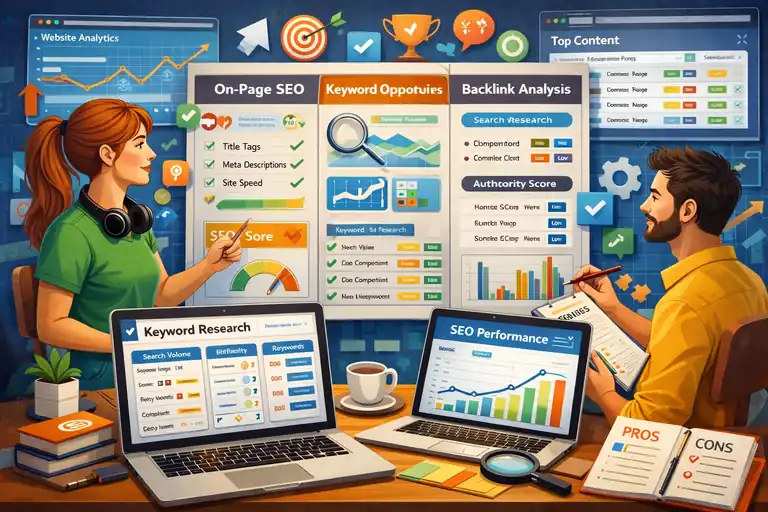
Once your content is strong, SEO becomes your growth engine. It helps your blog reach the right people without paying for ads.
Perform Keyword Research Using Free and Paid Tools
Good keywords bridge your content and your audience. I recommend starting with these tools:
- Google Keyword Planner: Great for understanding search volume.
- Ubersuggest: Offers content ideas and keyword difficulty scores.
- SEMrush: Paid, but worth it if you’re serious about SEO.
When choosing keywords:
- Target long-tail phrases like how to start a photography blog instead of just photography blog.
- Balance high search volume with low-to-medium competition.
I usually pick one main keyword and two to three supporting ones per post — this keeps your content focused yet comprehensive.
Optimize On-Page Elements: Titles, Meta Descriptions, and URLs
Think of your title and meta description as your blog’s first impression on Google.
- Title: Keep it under 60 characters and make it actionable (e.g., “10 Smart Ways to Start a Blog Website in 2025”).
- Meta Description: Use 150–160 characters to summarize your post clearly and invite clicks.
- URL: Short and descriptive, like yourdomain.com/start-blog-website.
Pro tip: Use Rank Math’s preview panel in WordPress to see exactly how your title and description will look in Google search results.
Build High-Quality Backlinks to Boost Domain Authority
Backlinks are like digital endorsements — they signal that others trust your content.
Here’s what I recommend:
- Guest post on reputable blogs in your niche.
- Create shareable resources like infographics or free templates.
- Use HARO (Help a Reporter Out): It connects you with journalists looking for expert quotes, which often include backlinks.
Avoid paying for low-quality links. One genuine link from a trusted site can outweigh dozens of spammy ones.
Monitor Analytics to Identify and Improve Weak Areas
You can’t grow what you don’t measure. Set up Google Analytics and Google Search Console from day one.
Pay attention to:
- Top-performing pages: Create more content like those.
- Bounce rate: High numbers might mean your content doesn’t meet expectations.
- Search queries: These show what people actually type to find your blog.
I check analytics weekly. It’s not about chasing numbers, but understanding what’s working and where to pivot.
Monetize Your Blog Through Proven Income Streams
Once your blog gains consistent visitors, it’s time to turn traffic into income. I believe this is where the fun really begins — seeing your passion start to pay off.
Earn With Display Ads and Affiliate Marketing
Display ads are the simplest way to monetize, but they work best when paired with solid traffic.
You can start with:
- Google AdSense: Ideal for beginners, automatically matches ads to your content.
- Ezoic: Higher earnings, but require minimum traffic thresholds.
Affiliate marketing is another strong option. You earn commissions by recommending products you genuinely use. For example, if you blog about fitness, you might link to workout gear on Amazon Associates.
Pro tip: Always disclose affiliate links — transparency builds trust.
Create and Sell Digital Products Like Ebooks or Courses
This is one of the most scalable ways to earn. You create once and sell indefinitely.
Ideas include:
- Ebooks: Share your expertise in a downloadable format using tools like Canva or Designrr.
- Online courses: Platforms like Teachable or Podia make it simple to upload videos, worksheets, and lessons.
- Printables or templates: Great for lifestyle or productivity niches.
I’ve seen bloggers turn a single course into a full-time income stream — especially when they combine it with an engaged email list.
Offer Sponsored Posts or Collaborations With Brands
Once your blog gains traction, brands might approach you for partnerships. Sponsored posts can be lucrative if you stay selective.
Before accepting any collaboration:
- Make sure the product aligns with your niche and values.
- Negotiate fair compensation — don’t settle for “free exposure.”
- Clearly mark the post as “sponsored” to maintain reader trust.
In my experience, authenticity pays off more than any short-term deal.
Use Email Marketing to Build a Loyal Audience That Converts
Your email list is your most valuable asset. Social platforms can change algorithms overnight, but your list is yours forever.
Start simple:
- Use tools like MailerLite to collect emails.
- Offer a freebie (like a checklist or mini guide) to encourage sign-ups.
- Send consistent newsletters — mix valuable content, personal stories, and occasional offers.
Think of your list as a community, not a sales channel. When readers feel connected, conversions happen naturally.
Promote Your Blog Across Multiple Channels
Publishing your post is just the beginning. To truly grow your reach and build authority, you need to actively promote your blog across different platforms.
When you start a blog website, visibility is everything — and spreading your content smartly helps you reach readers wherever they already hang out.
Use Social Media Platforms to Drive Consistent Traffic
Social media can turn your blog from a quiet corner of the internet into a living, breathing brand. Each platform has its own rhythm, so I suggest focusing on two or three that fit your niche.
- Instagram: Great for visual niches like food, travel, or lifestyle. Use carousel posts to summarize your blog articles and direct users to your site. Example: “Swipe for the 5 tools I use to write faster blog posts.”
- LinkedIn: Perfect for professional or business-related blogs. Share personal lessons, behind-the-scenes insights, and short snippets from your latest post.
- Twitter (X): Ideal for building relationships with other creators. Tweet key takeaways from your articles and engage in trending discussions related to your niche.
- Facebook Groups: Join groups where your target readers gather. Answer questions genuinely, and link to your blog only when relevant — not spammy.
I’ve personally seen more consistent referral traffic from LinkedIn and Pinterest than from trying to post everywhere. It’s better to go deep on fewer platforms than to go wide without consistency.
Leverage Pinterest, Quora, and Medium for Visibility
These platforms are underrated but incredibly powerful for long-term blog growth.
Pinterest: Think of it as a visual search engine rather than a social network.
- Create eye-catching pins using Canva templates.
- Add keywords in your pin title and description.
- Link every pin back to your blog post.
I once had a pin about “blog content ideas” drive 3,000 visitors in a month — proof that Pinterest traffic compounds over time.
Quora: Answer real questions your audience is asking. Be detailed, helpful, and link back to a relevant article only at the end. This builds authority fast and drives targeted traffic.
Medium: Republish your best-performing posts using Medium’s “Import Story” tool (which adds canonical tags automatically). This tells Google you’re not duplicating content, just expanding your reach.
Together, these three can quietly build a steady stream of passive traffic without relying on algorithms that change overnight.
Network With Other Bloggers for Guest Posting Opportunities
Networking isn’t just about making friends — it’s about mutual growth. Guest posting remains one of the most effective ways to grow your readership and build backlinks.
Here’s what I’d suggest:
- Make a list of blogs in your niche that accept guest posts (search “your topic + write for us” on Google).
- Read a few of their articles to understand tone and structure.
- Pitch specific ideas that complement their existing content rather than overlap it.
When your post goes live, respond to comments and engage with their audience. It shows professionalism and leaves a lasting impression.
If you’re shy about outreach, start small — comment on other blogs or share their content genuinely. Over time, relationships naturally open doors to collaborations.
Repurpose Blog Content Into Videos and Infographics
Repurposing helps your content live longer and reach new audiences. Not everyone wants to read a 2,000-word post, so why not give them other ways to consume it?
- Turn blog posts into short videos: Use Canva Video Editor or CapCut to summarize a post into a 60-second clip for Instagram Reels or YouTube Shorts.
- Create infographics: Tools like Venngage or Piktochart can help visualize your post’s main ideas. These are great for sharing on Pinterest or LinkedIn.
- Record podcast episodes: If you enjoy talking more than writing, record an audio version summarizing your article’s key takeaways.
One of my favorite strategies is turning a “Top 10 Blogging Tools” post into a YouTube video walkthrough — it doubles engagement while helping me rank on both Google and YouTube.
Build an Engaged Audience and Community
A loyal community is what turns your blog from a project into a brand. When you start a blog website, your goal shouldn’t just be clicks — it should be connection.
Readers who feel seen and heard are the ones who return, comment, and eventually buy.
Encourage Comments and Reader Interaction
Comments are signals of engagement. They show your content resonates and invite discussions that keep your blog alive.
A few ways to encourage interaction:
- End your posts with a clear question like, “What’s your biggest struggle with blogging consistency?”
- Reply to every comment personally — even short ones matter.
- Install a plugin like wpDiscuz or Jetpack Comments to make the process smooth.
In my experience, the first 10 engaged readers can shape your entire content direction if you truly listen.
Offer Freebies, Challenges, or Email Series to Build Trust
Giving before asking is the foundation of a strong relationship. People are far more likely to trust and follow you when you help them first.
You can create:
- Freebies: Simple resources like checklists, templates, or mini-guides. Example: “7-Day Blog Launch Checklist.”
- Email challenges: Tools like ConvertKit let you set up automated email sequences (e.g., “5 Days to Write Your First Blog Post”).
- Resource libraries: Offer exclusive downloads in exchange for an email sign-up.
I suggest using a freebie that ties directly to your blog’s theme — not random content. That way, your subscribers are genuinely interested in your niche.
Create a Membership or Exclusive Content Area
Once your readership grows, a membership section can take your blog to the next level. This doesn’t have to be fancy at first — even a password-protected page can work.
Here’s what you could include:
- Exclusive articles or video tutorials.
- Private Q&A sessions or mini-courses.
- Early access to new digital products.
You can use MemberPress to manage memberships easily without coding. I’ve seen bloggers charge as little as $5/month to start, creating both community and consistent income.
Respond Authentically to Reader Feedback and Suggestions
Your readers are your best teachers. Their feedback tells you what’s working — and what’s missing.
Make it easy for them to share their thoughts:
- Add a simple feedback form using Typeform.
- Occasionally ask your email list what topics they’d love to see next.
- Don’t take criticism personally — use it to refine your approach.
I once had a reader point out that my tutorials lacked screenshots. After adding visuals, engagement jumped by 30%. Sometimes small adjustments make a huge difference.
Scale Your Blog Into a Sustainable Online Business
Once your blog starts gaining traction and steady traffic, the next step is turning it into something long-term — a true online business that runs efficiently and grows without burning you out.
Scaling isn’t just about making more money; it’s about making your systems smarter so your time is spent on the creative work you actually love.
Automate Routine Tasks Using Tools and Plugins
Automation is your secret weapon when you start a blog website that’s ready to scale. It saves hours each week by handling repetitive tasks.
Here are a few practical examples I use myself:
- Email Marketing Automation: Platforms like Aweber can automatically send welcome sequences, segment subscribers, and deliver freebies.
- Social Media Scheduling: Tools such as Later let you plan posts across platforms. You can create a week’s worth of content in one sitting.
- Content Management: If you use WordPress, plugins like WP Scheduled Posts automatically publish drafts at set times.
- Analytics Reporting: Google Analytics can send weekly performance reports straight to your inbox.
I suggest starting small — automate one repetitive task each week. Over time, you’ll notice how much energy it frees up for creativity and strategy.
Outsource Content Creation or Design When Possible
As your blog grows, doing everything yourself becomes unsustainable. Outsourcing isn’t a cost; it’s an investment in your time and scalability.
Here’s how I usually handle it:
- Writers: Platforms like Upwork help you find writers for specific topics. Provide a style guide to maintain consistency.
- Graphic Designers: Fiverr and Canva Pro Teams are great for outsourcing visuals, banners, and social media graphics.
- Virtual Assistants (VAs): You can delegate tasks like formatting, uploading, or managing emails.
Start with small tasks — maybe have someone design your Pinterest pins or update old blog posts.
The goal isn’t to step away completely but to focus your energy where it matters most: content strategy, brand partnerships, and growth.
Diversify Income Streams for Long-Term Stability
Relying on one income source makes your blog vulnerable. Diversifying ensures that if one stream dips, the others keep you afloat.
Here are proven ways to stabilize income:
- Ads: Platforms like AdThrive work best once your traffic grows.
- Affiliate marketing: Continue adding valuable product recommendations throughout your content.
- Digital products: Ebooks, templates, or printables that solve specific problems.
- Online courses or coaching: Teaching what you know builds authority and high-ticket income potential.
In my experience, combining affiliate marketing with digital products provides the best balance between passive income and control.
Set Clear Financial and Growth Goals to Track Progress
Scaling without clear goals is like driving without a destination. Define exactly what growth looks like for you.
Here’s how I plan mine:
- Set monthly income goals: For example, $500 in affiliate sales or $1,000 from digital products.
- Track your KPIs (Key Performance Indicators): Page views, email subscribers, conversion rates, and RPM (revenue per thousand impressions).
- Use tools: Google Sheets or Notion to track goals visually.
- Review quarterly: Ask, “What’s working? What’s draining time or money?”
This simple routine helps keep your business intentional and scalable — not reactionary.
Maintain Motivation and Avoid Blogger Burnout
Blogging success doesn’t come overnight. It’s a marathon that requires persistence, patience, and self-compassion.
Burnout is one of the biggest reasons promising blogs fade away — and it’s preventable with the right mindset.
Set Realistic Expectations for Growth and Income
It’s easy to look at established bloggers and feel behind. But remember, most successful creators took years to build their platforms.
I advise setting realistic goals such as:
- Publish one in-depth post per week.
- Reach your first 1,000 email subscribers within six months.
- Earn your first $100 online before aiming for thousands.
Celebrate each milestone, no matter how small. It keeps your momentum alive and helps you appreciate the journey rather than obsess over numbers.
Balance Blogging With Your Full-Time Commitments
If you’re building your blog alongside a job or family life, balance becomes everything. I’ve been there — trying to write at midnight, drinking too much coffee, and feeling guilty for not doing enough.
A few strategies that helped me:
- Set designated blogging hours — even just two focused hours daily works wonders.
- Use tools like Trello to plan weekly priorities so you don’t feel scattered.
- Communicate boundaries with those around you; let them know when you’re “in blog mode.”
Consistency beats intensity. A steady, manageable pace will always outperform burnout-driven sprints.
Learn From Setbacks and Adapt Your Strategy
Every blogger faces setbacks — low traffic months, failed launches, or negative feedback. The key is to see them as learning opportunities.
Here’s what I usually do after a setback:
- Analyze the data — what went wrong?
- Ask readers directly through surveys or polls.
- Adjust my approach and try again.
For instance, one of my blog launches completely flopped because I didn’t build anticipation. Next time, I ran a small email teaser campaign first — and it worked. Growth always comes from experimentation.
Celebrate Milestones and Keep Improving Your Craft
Don’t wait until you “make it” to celebrate. Recognizing your progress keeps motivation alive.
You can:
- Treat yourself when you hit a traffic or income goal.
- Share your wins with your community — it inspires others too.
- Reflect monthly on what you’ve learned.
Blogging is an ongoing craft. Every post you write, every SEO tweak you make, and every connection you build adds up over time. The secret is to enjoy the process as much as the result.
Pro Tips for Long-Term Blogging Success
Long-term blogging success isn’t just about tactics — it’s about mindset, adaptability, and continuous learning. Here’s how to sustain growth while keeping your blog authentic and impactful.
Focus on Building Value, Not Just Traffic
Traffic without value doesn’t convert. Your main focus should always be on solving real problems for your readers.
Ask yourself before hitting publish: “Does this post make someone’s life easier, faster, or better?”
When readers feel helped, they’ll share your work naturally — that’s how blogs grow sustainably.
Stay Updated With SEO and Industry Changes
SEO evolves constantly. What worked last year might not work today.
To stay ahead:
- Subscribe to newsletters like Search Engine Journal or Neil Patel’s Blog.
- Join SEO-focused communities on Reddit or Facebook.
- Revisit and update older posts every few months to keep them fresh.
Google rewards blogs that maintain updated, relevant content. A quick refresh can revive a post that’s losing traffic.
Keep Learning From Top Bloggers in Your Niche
You don’t have to reinvent the wheel — just study what works and adapt it to your own voice.
I often recommend following bloggers who share both their wins and failures. Pay attention to:
- Their content structure and topics.
- How they engage their audience.
- Their monetization strategies.
Learning from others shortens your path to success while helping you stay inspired.
Reinvest Profits Into Better Tools and Education
When you start earning from your blog, it’s tempting to pocket everything. But reinvesting early accelerates growth.
Here’s where I’d put that money:
- Better hosting: A faster site improves SEO and user experience.
- Premium plugins: Tools like ConvertBox can significantly increase efficiency.
- Courses or mentorship: Learning from experts saves you years of trial and error.
Think of reinvestment as compound interest for your blog — small improvements that multiply over time.
Pro Tip: Blogging is a long game. Stay consistent, stay curious, and most importantly, stay human. Readers can sense authenticity — and that’s the one thing no algorithm can replicate.
FAQ
How do I start a blog website from scratch?
To start a blog website, choose a niche, register a domain name, set up hosting, and install a platform like WordPress. Then, design your site, publish quality content, and promote it through SEO and social media.
How can I make money after I start a blog website?
You can earn income through ads, affiliate marketing, sponsored posts, and selling digital products or online courses once your blog gains traffic.
How long does it take to build a profitable blog website?
It usually takes 6 to 12 months to build steady income from a blog, depending on your niche, posting consistency, and marketing strategy.

I’m Juxhin, the voice behind The Justifiable.
I’ve spent 6+ years building blogs, managing affiliate campaigns, and testing the messy world of online business. Here, I cut the fluff and share the strategies that actually move the needle — so you can build income that’s sustainable, not speculative.