
Table of Contents
Some links on The Justifiable are affiliate links, meaning we may earn a small commission at no extra cost to you. Read full disclaimer.
Freelance coder — the phrase sounds exciting, right? The idea of using your coding skills to earn money on your own terms is appealing, but how do you actually land your first paid gig fast?
I’ve seen many people hesitate at this stage, unsure how to get noticed or convince someone to trust them with a project. The truth is, you don’t need years of experience or a huge portfolio to start. What you need is a smart strategy that gets you in front of the right clients quickly.
In this guide, I’ll walk you through the proven steps to move from “aspiring freelance coder” to “paid freelance coder” without wasting time.
Create A Strong Online Presence As A Freelance Coder
Having a strong online presence is the foundation of getting hired quickly as a freelance coder. Clients need proof that you’re capable, reliable, and professional — and your digital footprint does most of that talking before you ever meet them.
Build A Simple Yet Professional Portfolio
A portfolio doesn’t need to be fancy or overloaded with flashy animations. What matters is clarity and credibility. If you’re starting out, you might not have dozens of client projects to show off yet — and that’s fine.
You can build a professional-looking site in a few hours using platforms like WordPress, Wix, or even GitHub Pages.
Here’s how I suggest structuring your portfolio site:
- A clean homepage introducing who you are and what you do.
- A “Projects” page with 3–5 examples of your work, even if they’re personal or practice projects.
- A short “About Me” section to make your story human and relatable.
- A simple “Contact” page with your email or form.
The trick is to make it scannable. Potential clients should be able to land on your site and within 30 seconds understand what you can do and how to reach you. Keep it visual — add screenshots, short project summaries, and even a quick note about the tools you used.
Showcase Small Projects To Prove Your Skills
Clients don’t care if your project is a billion-dollar app or a small personal tool — they care about whether you can solve problems. If you’ve built:
- A to-do list app,
- A simple portfolio site for a friend,
- Or a Python script that automates boring tasks,
…these are worth showing.
When you present projects, don’t just dump code or screenshots. Add context. For example:
“I built this JavaScript weather app that fetches live data from an API. It demonstrates API integration, error handling, and responsive design.”
That way, even a simple project shows professional-level skills.
Use GitHub And Code Repositories To Stand Out
GitHub isn’t just a place to dump code — it’s your living, breathing proof of coding activity. Recruiters and clients often look at a coder’s GitHub profile to see how active they are and how they write code.
Here’s how to make yours stand out:
- Keep repos clean with clear README files.
- Use descriptive commit messages instead of “update” or “fix.”
- Pin your best projects at the top of your profile.
- Contribute to open-source projects (even small fixes show initiative).
Think of GitHub as your public workshop. A polished repo is as powerful as a polished CV.
Write A Short Bio That Sells Your Strengths
A bio is more than “I like coding.” It’s your 15-second elevator pitch written down. The goal is to quickly tell a client: who you are, what you specialize in, and why you’re worth hiring.
Here’s a structure I recommend:
- Who you are: “I’m a freelance coder specializing in front-end development.”
- What you do: “I build responsive websites and interactive apps with React, JavaScript, and HTML/CSS.”
- Why it matters: “I help small businesses and startups create user-friendly digital experiences that attract customers.”
Keep it short, focused, and client-oriented. A strong bio can live on your portfolio, freelance platform profiles, and LinkedIn.
Choose The Right Freelance Platforms For Beginners
Freelance platforms are where many coders get their first paid gigs. The key is choosing the right ones and knowing how to stand out in the sea of other coders.
Start With Entry-Friendly Sites Like Fiverr And Upwork
These platforms may get a bad reputation because they’re competitive, but they’re still some of the fastest ways to land your first gig. The trick is how you position yourself.
On Fiverr, don’t just list “I will code for you.” Create targeted gig titles like:
- “I will fix your WordPress website bugs in 24 hours.”
- “I will build a custom HTML landing page for your product.”
On Upwork, focus on applying for small jobs first. Winning $50–$100 projects quickly builds reviews, which makes it easier to land bigger jobs later.
Apply To Platforms Built For Developers Such As Toptal Or Codementor
If you want more serious coding opportunities, platforms like Toptal and Codementor are built for developers specifically.
- Toptal: This one is tough to get into because they only accept the top 3% of applicants, but once you’re in, projects are high-quality and high-paying.
- Codementor: A great place to get paid for tutoring, debugging, and short coding tasks. Perfect if you like teaching or solving specific problems.
These platforms tend to filter out non-serious clients, which means less hassle and higher payouts.
Optimize Your Profile With Keywords Clients Search For
Clients don’t type “coder who is good with stuff.” They search for exact skills:
- “React developer”
- “Python automation scripts”
- “WordPress bug fix”
When setting up your profiles, sprinkle in these keywords naturally in your title, description, and portfolio. For example:
Instead of: “Freelancer available for web projects”
Say: “Freelance coder specializing in React, Node.js, and custom web apps.”
Think like a client searching for solutions. If you show up in more searches, you’ll get more invites.
Learn How To Write Winning Proposals Quickly
Your proposal is often the only thing standing between you and your first gig. A generic “Hi, I can do this job, hire me” won’t cut it.
Here’s a simple formula that works:
- Start by mentioning something specific from the client’s job post (shows you read it).
- Briefly explain how you’ll solve their problem.
- Add one relevant past project or code sample as proof.
- End with a clear next step like: “I can start today, would you like me to send a quick demo?”
Keep it short, personal, and problem-focused. Most clients don’t want long essays; they want to know you understand their needs and can deliver.
Use Networking To Land Your First Coding Project
Networking isn’t about schmoozing at conferences or handing out business cards anymore. As a freelance coder, it’s about making real connections where clients already hang out and showing that you can solve their problems.
Reach Out To Friends, Classmates, Or Colleagues For Leads
When you’re starting, don’t underestimate the power of your immediate circle. Your old classmate who launched a clothing brand might need a simple e-commerce site. A colleague from a past job might know someone struggling with a broken WordPress site.
Here’s what I suggest doing:
- Make a list of 20–30 people you know who are running projects, businesses, or startups.
- Send a personal message like: “Hey, I’m doing freelance coding now. If you or someone you know needs help with a website or app, I’d love to take it on. Happy to offer a discounted first project.”
- Follow up politely after a week if you don’t hear back.
This might feel a little awkward at first, but it works surprisingly often. Your first gig doesn’t need to come from a stranger — and getting paid, even by someone you know, is a real milestone.
Join Online Communities Where Clients Post Jobs
Clients often post their needs in niche online spaces before they ever hit Upwork. For example:
- Reddit has subreddits like r/forhire or r/freelance.
- Discord servers for tech and startups often have #jobs or #projects channels.
- Facebook groups for small businesses regularly include “looking for a developer” posts.
Don’t just lurk — participate. Answer questions, share small coding tips, and people will naturally see you as the “go-to coder” in the group. That’s how opportunities land in your inbox instead of you constantly chasing them.
Leverage LinkedIn To Connect With Small Business Owners
LinkedIn is massively underrated for freelance coders. Most small businesses use it as their go-to networking hub. The trick is to make your profile read like a solution, not a résumé.
For example: Instead of writing “Skilled in HTML, CSS, React” write “I help small businesses build fast, modern websites that attract customers and convert leads.”
Once your profile is polished, here’s how to network:
- Search for “small business owner,” “startup founder,” or “entrepreneur.”
- Send connection requests with a note like: “I help startups build websites and apps. Thought it might be useful to connect.”
- Post short tips, like “3 mistakes small businesses make on their websites”. Sharing value makes people trust you before they even need you.
Offer Help On Forums To Build Credibility And Visibility
Being helpful in public is one of the fastest credibility hacks. Sites like Stack Overflow, Indie Hackers, or even Quora are places where non-technical people post real problems.
When you answer with clear, helpful advice (and include a link to your portfolio), you start getting noticed. For example, if someone asks how to fix a WordPress login bug, you could:
- Explain the fix in plain steps.
- Offer to help if they get stuck.
- Link your profile: “Here’s my freelance coder portfolio if you want a direct fix.”
This builds authority and sends warm leads your way without paying for ads or job boards.
Offer Smart Pricing Strategies To Attract Clients
Pricing your work as a new freelance coder is tricky. Charge too much, and no one takes a chance on you. Charge too little, and you undervalue your skills.
The goal is to strike a balance that helps you land projects while building long-term value.
Set Competitive Rates Without Undervaluing Your Work
When starting out, look at what other coders in your niche charge. On Upwork, for example, you might see entry-level web developers charging $15–$25 per hour. If you set your rate at $10, it can look like you don’t know your worth.
Instead, aim for the lower-middle range in your market. You’ll still be affordable but not “too cheap to trust.” Remember: your first gigs are about building trust, not maximizing income.
Pro tip: Frame your pricing as a value. Say “I deliver a professional landing page in 3 days for $150” instead of just charging an hourly rate. Clients care more about outcomes than hours.
Use Fixed-Price Projects For Faster First Wins
Fixed-price projects reduce risk for both you and the client. Instead of saying, “My rate is $20/hour,” say, “I’ll build your website homepage for $120.”
This works because:
- Clients know the exact cost upfront.
- You can finish quickly and move to the next gig.
- It’s easier to manage scope when you clearly define deliverables.
Start with small, well-defined tasks like:
- Website bug fixes
- Landing page builds
- Script automation
These are bite-sized jobs that lead to bigger contracts once you prove yourself.
Offer Discounts Or Small Packages For Initial Clients
This isn’t about underselling yourself forever. It’s about lowering the barrier for someone to take a chance on you. For example:
- Offer a “first project discount” of 20%.
- Create small packages like “I’ll set up your WordPress site with 3 plugins for $80.”
The psychology here is simple: once someone works with you and likes your work, they’re far more likely to hire you again at your regular rate.
Focus On Building Reviews Instead Of Immediate Profit
Your first three to five reviews are worth more than the money you make on those projects. Once you have strong feedback, clients stop asking “Can I trust this coder?” and start asking “How fast can you start?”
Here’s a mindset shift I suggest:
- Think of your first gigs as marketing spend.
- Deliver beyond expectations — faster, cleaner, and friendlier than they expect.
- Politely ask for a review at the end of each project.
By the time you’ve collected a handful of glowing reviews, you can raise your rates with confidence.
Pitch Small Businesses And Startups Directly
Waiting for clients to find you can take forever. Sometimes the fastest way to land work as a freelance coder is to go straight to the people who need help and show them why you’re the right person for the job.
Write Personalized Emails Instead Of Generic Pitches
A copy-paste pitch almost always ends up in the trash. Business owners can smell a template email from a mile away. What grabs attention is when you’ve clearly taken the time to understand their needs.
Here’s how I recommend structuring a cold email:
- Personal opening: Mention something specific about their business. (“I saw your bakery just launched an Instagram account, congrats on the growth!”)
- Identify a problem/opportunity: Point out gently what they’re missing. (“I noticed your website isn’t mobile-friendly, which might be costing you customers.”)
- Offer a solution: Keep it short and clear. (“I’m a freelance coder, and I could rebuild your homepage so it loads faster and works beautifully on phones.”)
- Call to action: Suggest the next step. (“Would you like me to send a quick mockup idea?”)
This doesn’t need to be pushy. Think of it like offering a helping hand, not begging for work.
Target Businesses That Don’t Yet Have A Strong Online Presence
Not every client is a tech-savvy startup. Many local businesses are still running outdated websites (or none at all). That’s your golden opportunity.
A quick walk down your street or scroll on Google Maps might reveal businesses like:
- A café with only a Facebook page but no website.
- A dentist whose site looks like it was built in 2008.
- A local shop with zero online booking options.
Reach out with a short message highlighting the gap and how you can fix it. I once emailed a gym owner offering to add a simple class-booking system, and it turned into a long-term contract. Sometimes the smallest improvements open the biggest doors.
Highlight How Your Skills Solve Real Problems For Them
Clients don’t hire you because you know React or Python. They hire you because you can save them time, make them money, or reduce headaches.
Instead of saying:
“I’m skilled in JavaScript and Node.js.”
Say:
“I can build you an online appointment system so your customers stop calling at all hours.”
Frame your skills as business solutions. When they can clearly see the benefit, hiring you feels like common sense.
Show Results Instead Of Talking Only About Skills
If you’ve helped anyone before — even a friend — show the outcome. For example:
- “I redesigned my friend’s photography website, and their booking inquiries doubled within a month.”
- “I created a small script for a shop owner that saved them 5 hours a week in admin work.”
Even small wins are powerful proof. Remember, clients want to know: “Can this person deliver results for me?”
Gain Trust Quickly With Trial Work Or Samples
Trust is the hardest part when you’re brand new. Clients worry about hiring someone untested. The fastest way to dissolve that fear is by giving them proof upfront.
Provide A Free Small Task To Prove Your Skills
I’m not saying work for free forever — but offering a tiny sample task can get your foot in the door. Something like:
- Fixing a single bug.
- Optimizing one page for speed.
- Writing a short snippet of code to demonstrate functionality.
Keep it small, set boundaries, and position it as a “preview” of what working with you is like. Once they see you deliver, they’ll trust you with paid projects.
Create Code Samples That Solve Common Client Problems
Sometimes clients just want to see what you can do. A couple of polished samples can be just as powerful as real client work.
For example:
- A mobile-friendly landing page template.
- A basic e-commerce checkout flow.
- A JavaScript calculator app.
Host them on GitHub Pages or Netlify and send live links. Clients love clicking around instead of just looking at screenshots.
Share Testimonials From Classmates Or Open Source Contributions
If you don’t have paying clients yet, testimonials can still come from other places. Did a classmate benefit from your help on a project? Did you contribute to an open-source repo and get positive feedback from the maintainer? Those count.
Write it down and present it as social proof. Even a short line like “John was always the go-to person when our coding group hit a roadblock” gives you credibility.
Deliver On Time To Build A Strong First Impression
One of the simplest yet most powerful ways to gain trust is punctuality. Deliver what you promised, when you promised. In fact, I suggest you aim to deliver slightly earlier than expected.
When a client sees you’re reliable, they immediately think: “I don’t need to babysit this coder.” That’s often more valuable to them than technical brilliance.
Build Momentum After Your First Paid Coding Gig
Landing your first paid gig is a huge milestone — but it’s just the beginning. What you do after that first project determines whether freelancing becomes a one-off hustle or a sustainable career.
Ask For Testimonials And Reviews Immediately
As soon as you finish a project, politely ask for feedback while the experience is fresh. On platforms like Upwork or Fiverr, this translates into star ratings that boost your visibility.
If you worked directly with a client, ask for a testimonial you can display on your portfolio. Keep it simple:
“Would you mind writing two or three sentences about what it was like working with me?”
These little blurbs are rocket fuel for landing your next project.
Request Referrals From Happy Clients
A happy client almost always knows someone else who could use your skills. The key is asking at the right time.
Once they’ve praised your work, say something like:
“I’m building up my freelance coding business — do you know anyone else who might need help with a website or app?”
You’d be surprised how often this leads to your next gig without even applying anywhere.
Keep Updating Your Portfolio With New Work
Every project you finish is a new opportunity to showcase growth. Add before-and-after screenshots, short descriptions, and outcomes. Even if it’s a small bug fix, explain the impact.
Think of your portfolio as a living resume. The more you update it, the more it signals to clients that you’re active and evolving.
Use Each Project To Level Up To Higher-Paying Gigs
Your first gigs might be small and low-paying, but each one is a stepping stone. With every successful project, raise your rates a little or take on slightly bigger jobs.
For example:
- Start: Fixing bugs at $50–$100 per project.
- Next: Building landing pages at $200–$400.
- Then: Full websites or apps at $1,000+.
The goal is to steadily climb without jumping too far ahead too fast. Momentum builds confidence — in both you and your clients.
Pro Tip To Move Faster As A Freelance Coder
Don’t wait until you feel 100% ready. I’ve seen too many coders stall because they think they need more skills, more projects, or more time. The truth? The fastest way to land gigs is to start pitching now, even if your portfolio feels small.
Here’s the secret: clients don’t expect perfection. They expect reliability, communication, and results. If you focus on delivering those three, you’ll outshine coders with more technical skills but less initiative.
Action beats preparation every time.

I’m Juxhin, the voice behind The Justifiable.
I’ve spent 6+ years building blogs, managing affiliate campaigns, and testing the messy world of online business. Here, I cut the fluff and share the strategies that actually move the needle — so you can build income that’s sustainable, not speculative.
Related posts:
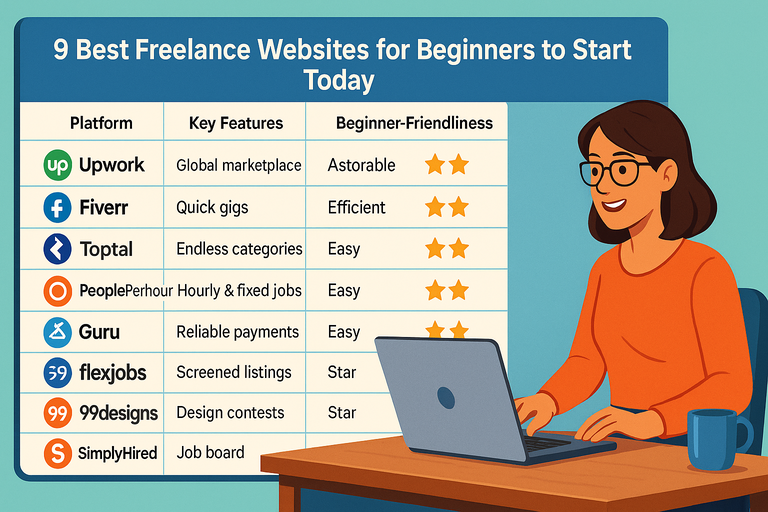 9 Best Freelance Websites for Beginners to Start Today
 Upwork Freelancer Tips to Avoid Scams and Wasted Money
 Fiverr Website Tips Every Buyer Should Know
 Freelance Projects: How to Find High-Paying Work Fast
 How to Become an Excel Freelancer With Steady Clients
 LinkedIn Freelance: How to Get Clients Without Pitching