
Table of Contents
Some links on The Justifiable are affiliate links, meaning we may earn a small commission at no extra cost to you. Read full disclaimer.
Inbound marketing solutions are the backbone of sustainable lead generation. But how do you attract quality leads—the kind that actually convert—without relying on aggressive ads or cold outreach?
The key lies in building an ecosystem where your ideal customers come to you naturally, drawn by valuable content, strategic automation, and genuine connection.
In this guide, you’ll discover practical inbound marketing solutions that turn awareness into trust, and trust into sales-ready leads.
Crafting a Magnetic Content Strategy That Pulls Leads In
An effective inbound marketing strategy starts with content that earns attention, not demands it.
The right message can transform casual readers into loyal followers and qualified leads.
Creating Educational Content That Solves Real Problems
People don’t search for content—they search for solutions. I always remind clients that your blog, video, or guide should answer a pain point your audience is actively trying to solve.
Start by identifying recurring questions in customer support chats, community forums, or search queries.
For example, if you sell project management software, a blog like “How to Streamline Remote Team Communication in 3 Steps” speaks directly to a real frustration.
Here’s how to make it actionable:
- Focus on teaching, not selling. Give away practical advice that builds trust.
- Use examples from your own workflows to make insights relatable.
- Create how-to visuals or infographics for quick learning.
Educational content is what positions you as the “go-to” expert. When people trust your advice, they naturally trust your product.
Using Storytelling to Build Emotional Connection With Readers
Facts tell, but stories sell. Humans remember stories up to 22 times more than facts alone.
When you frame your content with relatable experiences—like how a small business owner overcame chaos with your method—it creates empathy and authority.
Use a simple structure: Problem → Struggle → Solution → Result.
Example: “When I first tried managing five clients using spreadsheets, deadlines slipped fast. Switching to Asana helped me automate reminders and regain control.”
Even if the story isn’t yours, tell it through your customers’ lens. It makes your content human and trustworthy.
Optimizing Blog Content for Search Intent and Conversions
Good SEO isn’t about gaming algorithms; it’s about meeting search intent. You’re not just writing for Google—you’re writing for the person behind the search.
Here’s what I recommend:
- Use Google Search Console or Ahrefs to identify intent-driven keywords like “best,” “how to,” or “examples.”
- Structure your post to mirror the intent: informational, navigational, or transactional.
- Add clear CTAs (calls to action) that flow naturally from the content—like a “Download Template” button after a step-by-step tutorial.
The goal is to help readers find value instantly, and gently lead them toward conversion without hard selling.
Leveraging Long-Tail Keywords to Attract Qualified Traffic
Long-tail keywords—phrases of 3–5 words—capture specific, high-intent searches. For instance, “email automation tips for SaaS startups” may have less volume, but it attracts exactly the kind of lead you want.
I suggest using Ubersuggest or KeywordTool.io to uncover long-tail opportunities. Then, build content clusters around them. A single “pillar” post can link to smaller, focused articles, improving SEO authority.
Pro Tip: Combine keyword data with audience insights from tools like Hotjar to see what topics truly resonate.
Building a Lead Magnet System That Converts Visitors Into Subscribers
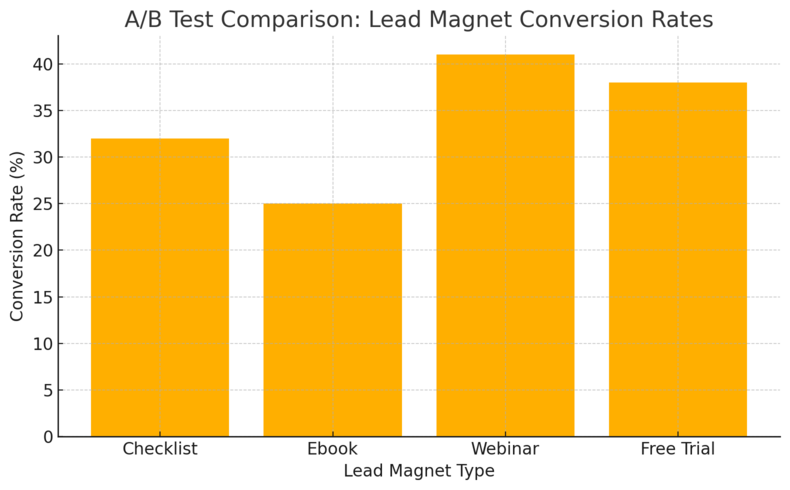
Once your content grabs attention, your next goal is to turn visitors into leads.
That’s where your lead magnet system comes in—an ecosystem of value exchanges that earns permission to communicate.
Designing Irresistible Offers That Match Audience Needs
A strong lead magnet offers a clear “what’s in it for me?”—something practical, fast, and valuable. I advise choosing formats that solve problems immediately:
- PDF checklists (e.g., “10 SEO Steps for Small Businesses”)
- Mini-courses (delivered via email automation)
- Exclusive templates or calculators
Use audience segmentation data to match offers with buyer intent. For example, an advanced SEO guide might target agencies, while a “Getting Started” checklist appeals to beginners.
Using Landing Pages That Guide Action Without Pressure
Landing pages should simplify choices. Remove distractions—no navigation bars, no external links—and focus on a single conversion goal.
Elements that convert:
- A clear, benefit-focused headline.
- One crisp image or visual of the offer.
- Short, conversational copy that addresses hesitation.
A good rule of thumb: if you need to explain the form, it’s too complicated. Use tools like Unbounce or Carrd for clean, mobile-optimized designs.
Automating Lead Capture With Smart Forms and Triggers
Automation turns passive visitors into active subscribers. Use HubSpot, Aweber, or ActiveCampaign to set triggers—like when someone scrolls halfway or exits a page—to offer a free resource.
Keep forms short: Name and email often suffice. Every extra field can reduce conversion by up to 20%.
Once submitted, instantly deliver the promised resource via email. This reinforces trust and keeps engagement high.
Segmenting Leads for Personalized Follow-Ups
Not every lead is the same, so treat them differently. Use behavioral segmentation—based on what content or offer a visitor interacted with—to tailor your communication.
Example:
- Leads who download a “Pricing Guide” are near conversion → send product demos.
- Leads who read educational blogs → nurture with value-driven newsletters.
Smart segmentation builds relevance and connection, two key drivers of lead quality.
Leveraging Email Marketing to Nurture Quality Leads
Email marketing is where curiosity turns into conversion. Done right, it builds relationships at scale while maintaining a personal touch.
Writing Value-Driven Email Sequences That Build Trust
Think of your email sequence as a conversation, not a pitch. Start by offering value—tips, insights, or stories—before ever asking for a sale.
Effective sequence flow:
- Welcome and thank them for joining.
- Deliver instant value (free guide, short tip series).
- Share a relatable story or client win.
- Introduce your solution as the natural next step.
I recommend tools like Kit formerly (ConvertKit) or MailerLite for clean, timed sequences that adapt based on reader actions.
Using Behavior-Based Automation to Send the Right Message at the Right Time
Behavioral triggers make automation feel human. For instance, if someone clicks on a pricing link but doesn’t buy, automatically send a helpful “Need help choosing a plan?” message.
Use tools like ActiveCampaign or HubSpot to track click paths and trigger conditional workflows. These tiny adjustments can boost engagement by up to 50%.
Tracking Engagement Metrics to Refine Email Campaigns
Don’t guess—measure.
Keep an eye on:
- Open rates (indicate subject line strength)
- Click-through rates (measure message relevance)
- Unsubscribe rates (show fatigue or mismatch)
A/B testing is your best friend. Change one element at a time—subject line, CTA wording, or send time—to continually optimize performance.
Creating Re-Engagement Campaigns for Dormant Leads
Even the best list cools off over time. That’s normal. Run re-engagement campaigns that reignite interest without pressure.
For example, send a “Still interested in growing your traffic?” email with an easy “Yes, keep me subscribed” button. Sometimes a simple reminder can revive cold leads.
If engagement doesn’t return, clean your list. It keeps deliverability healthy and your data accurate.
Expert Tip: Inbound marketing isn’t about louder outreach—it’s about deeper connection. Every word, form, or email should feel like a helpful conversation, not a transaction. When people sense authenticity, they don’t just follow—they convert.
Enhancing Inbound Marketing Solutions With SEO and Content Distribution
A strong inbound marketing solution isn’t just about creating content—it’s about amplifying it strategically.
SEO and content distribution ensure your efforts don’t just sit quietly online but actually reach and convert your ideal audience.
Building Authority Through Topic Clusters and Pillar Pages
Authority doesn’t come from random blog posts—it comes from structure.
I suggest using a topic cluster strategy: One main “pillar page” (a comprehensive guide on a core topic) surrounded by several supporting blogs that link back to it.
For example, if your focus keyword is inbound marketing solutions, your pillar page might be “The Complete Guide to Inbound Marketing”, while subtopics like “email automation tips” or “content mapping strategies” act as supporting articles.
Why this works:
- It tells Google your content ecosystem is interconnected and valuable.
- It increases time-on-site since visitors easily navigate between related pieces.
- It builds topical authority, helping your pages rank faster.
Tools like SEMrush, or SurferSEO make it easy to map clusters and identify content gaps. I use Notion to plan internal linking paths—keeping the structure simple but powerful.
Repurposing Content Across Multiple Channels for Broader Reach
Creating content once and distributing it everywhere multiplies your reach without multiplying your workload.
Here’s what I recommend:
- Turn a blog post into a short LinkedIn carousel, summarizing the top three takeaways.
- Convert key data into infographics using Canva or Visme.
- Use snippets or quotes for email newsletters or social media captions.
Repurposing keeps your brand voice consistent and ensures you’re meeting people where they already spend time—whether that’s YouTube, LinkedIn, or an industry Slack group.
It’s an efficiency habit that every content strategist should master.
Using Guest Posts and Backlinks to Strengthen Domain Trust
Backlinks remain one of Google’s strongest ranking signals, but quality matters far more than quantity.
When you publish guest posts on reputable industry sites (think HubSpot, Content Marketing Institute, or niche SaaS blogs), you earn not just backlinks—but trust signals.
I advise writing value-first guest content—something that teaches, not sells. It naturally draws readers back to your website because it builds curiosity and credibility.
If you want a simple outreach path:
- Identify 10 relevant blogs accepting contributors.
- Pitch unique, data-backed topics.
- Include one contextual backlink (not a forced promo link).
Use HARO (Help a Reporter Out) to earn backlinks through media quotes too—it’s one of the most underused inbound SEO tactics I’ve seen.
Measuring and Refining SEO Performance With Analytics Tools
Every inbound strategy thrives on iteration. I suggest using Google Analytics 4 and Google Search Console as your base setup.
Track:
- Top-performing landing pages (shows where leads actually start).
- Click-through rate (CTR) (reveals how strong your titles are).
- Organic conversion rate (shows content quality and intent alignment).
A quick check-in once a week can reveal surprising insights. For example, you might find a 6-month-old blog suddenly driving conversions—perfect timing to update it and keep it ranking strong.
Turning Social Media Into an Inbound Lead Engine
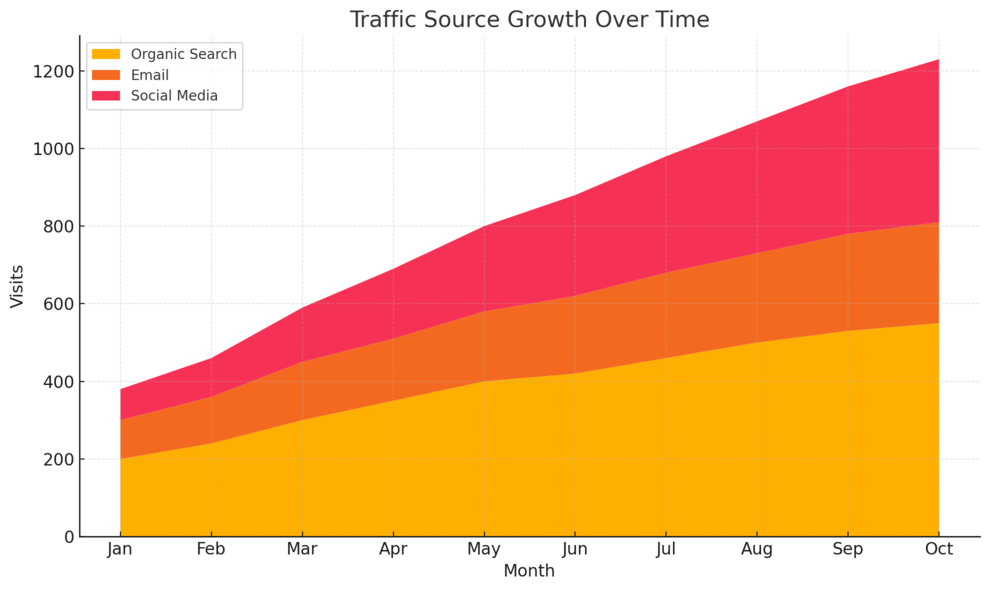
Social media isn’t just for brand awareness—it can be a core driver of qualified inbound leads when done with strategy and authenticity.
Using Educational and Interactive Content to Build Awareness
People don’t follow brands—they follow value. Share educational content that simplifies complex topics in your niche.
Ideas to start:
- 60-second “quick tip” videos on YouTube Shorts or Instagram.
- Polls or quizzes that spark curiosity (e.g., “What’s your content strategy type?”).
- Before-and-after posts showing real-world marketing transformations.
Tools like Later and Metricool make it easy to schedule, test, and analyze engagement across platforms. I believe educational content works best when it feels like a conversation, not a lecture.
Engaging With Communities and Conversations That Matter
Joining active communities helps your brand stay top-of-mind among your ideal audience. Instead of spamming links, engage in meaningful dialogue.
Practical approach:
- Join relevant LinkedIn or Facebook groups.
- Offer free advice on forums like Reddit r/marketing or Quora.
- Use LinkedIn comments strategically—add insights to trending discussions.
I’ve seen brands grow entire pipelines from consistent, thoughtful engagement alone. It’s slow at first, but it compounds.
Leveraging User-Generated Content to Boost Credibility
User-generated content (UGC) turns your customers into advocates. Encourage happy clients to share how they’ve used your product or insights.
For instance, Canva frequently reposts designs made by its users—proof of real-world value that drives organic trust.
You can encourage UGC by:
- Creating a branded hashtag.
- Featuring user stories in newsletters.
- Offering small incentives (like discounts or free access to premium content).
This type of authentic content builds stronger credibility than any ad campaign.
Driving Organic Traffic From Social Platforms to Your Website
Your social profiles should act as mini lead funnels. Always give users a simple path to learn more—without sounding salesy.
Practical tweaks:
- Add clear CTAs in bio sections (like “Get my free SEO checklist”).
- Use tools like Linktree or Beacons for clean multi-link pages.
- Repost top-performing blog snippets as native threads or short videos linking back to your site.
A good benchmark: aim for 10–15% of social visitors to click through to your site. That’s where nurturing begins.
Optimizing the Buyer’s Journey With Marketing Automation
Marketing automation isn’t about robots—it’s about consistency and timing. It ensures your inbound system runs 24/7, guiding leads smoothly through every stage of the funnel.
Mapping Automation Workflows to Each Stage of the Funnel
Automation should feel like a conversation that evolves. I recommend mapping workflows based on where someone is in their journey:
- Awareness: Send educational emails or blog digests.
- Consideration: Offer webinars, free trials, or deeper guides.
- Decision: Deliver personalized demos or limited-time offers.
Use tools like HubSpot or ActiveCampaign to visualize these workflows. Most platforms let you drag-and-drop triggers (e.g., “if contact clicks link, send X”).
The result? Every lead receives the right message at the right moment.
Using Lead Scoring to Identify High-Intent Prospects
Lead scoring assigns numerical values to user actions—like visiting your pricing page or opening multiple emails.
A simple model:
- +10 points for clicking a pricing link
- +5 points for downloading a guide
- +2 points for opening an email
When leads cross a set threshold, your sales team gets notified. CRMs like Pipedrive or Freshsales make this process visual and automatic. I suggest reviewing scores monthly to ensure they still reflect meaningful engagement.
Integrating CRM Tools to Track and Manage Lead Data
A CRM (Customer Relationship Management) system keeps all your lead data organized—emails, website behavior, deal stage, and communication history.
Popular tools like Monday, Zoho, or Salesforce integrate seamlessly with your marketing automation software.
Benefits include:
- Centralized customer data.
- Improved communication between marketing and sales.
- Clear attribution for every lead source.
From what I’ve seen, CRMs eliminate a ton of guesswork. You always know which campaign influenced a lead, saving both time and ad spend.
Balancing Automation With Human Connection for Authentic Engagement
Automation is powerful, but don’t let it replace real conversation. A personal email reply or a social comment from a real human still wins every time.
To balance both:
- Automate delivery, not empathy.
- Personalize using names, past interactions, or interests.
- Include occasional manual touchpoints (like thank-you messages from a real team member).
When your leads feel seen and understood, they’re far more likely to become long-term customers.
Measuring and Improving Inbound Marketing ROI
A strong inbound marketing strategy means nothing if you can’t measure its impact.
Tracking ROI isn’t about vanity metrics like clicks or followers—it’s about understanding how your inbound marketing solutions turn awareness into qualified leads and revenue.
Setting Clear KPIs to Track Lead Quality and Conversion
If you can’t measure it, you can’t improve it. KPIs (Key Performance Indicators) give structure to your inbound efforts.
I recommend choosing KPIs that directly reflect lead quality and conversion readiness, not just traffic volume.
Here’s what I often track:
- Lead-to-customer conversion rate: Measures how effectively your funnel turns interest into sales.
- Marketing-qualified leads (MQLs): Shows how many leads fit your ideal buyer profile.
- Customer acquisition cost (CAC): Tells you how much it costs to acquire each paying customer.
- Customer lifetime value (CLV): Indicates how much revenue a customer brings over time.
For example, if your inbound marketing campaign generated 1,000 leads but only 10 converted, your conversion rate is 1%. That might sound low—but if each customer brings $2,000 in lifetime value, your ROI could still be impressive.
Always pair KPIs with realistic timeframes. Inbound marketing compounds over time, so give each campaign at least 60–90 days before drawing conclusions.
Using Analytics Tools to Attribute Leads Accurately
Attribution tells you which marketing efforts deserve credit for conversions. Without it, you might pour money into channels that look busy but don’t convert.
Here’s how I recommend setting it up:
- Use Google Analytics 4 (GA4) to track user journeys across multiple touchpoints.
- Integrate HubSpot, ActiveCampaign, or Pipedrive to connect lead data from forms and emails.
- Use UTM parameters (small snippets added to URLs) to identify where each lead came from.
Example: If a user first reads your blog, clicks a remarketing ad, then converts through an email, multi-touch attribution shows that all three contributed. This insight prevents tunnel vision—something many marketers overlook.
Most platforms now visualize attribution paths. In GA4, go to Reports → Advertising → Conversion Paths to see how each channel contributes. I suggest reviewing this weekly to identify your top-performing combinations.
A/B Testing Campaign Elements to Improve Performance
Testing small variations can lead to massive performance gains. A/B testing (also called split testing) compares two versions of the same asset—like a landing page, CTA button, or email subject line—to see which performs better.
Practical examples:
- Test headline tone (“Grow Your Traffic Fast” vs. “How to Grow Traffic Without Ads”).
- Experiment with CTA color or placement (top vs. bottom of page).
- Compare email send times to maximize open rates.
Tools like Optimizely, Unbounce, and Mailchimp or Omnisend (for email) simplify testing.
I believe the secret to A/B testing is patience—run each test long enough to collect statistically valid data. Changing too quickly creates noise, not insights.
Refining Strategy Based on Real-Time Data Insights
Inbound marketing isn’t a set-and-forget system—it’s a living process. Once you have data, your next move is optimization.
Here’s my go-to approach:
- Identify top-performing content by engagement and conversions.
- Double down on what’s working (e.g., expand it into a guide, video, or webinar).
- Revisit underperforming pages and adjust headlines, CTAs, or internal links.
Real-world example: After noticing that blog posts with embedded videos had a 32% higher dwell time, one client I worked with shifted their entire content strategy toward mixed-media posts. Within three months, their lead conversion rate rose by 18%.
Data-driven decisions separate good marketers from great ones. Let your analytics speak louder than your instincts—but never ignore either.
Pro Tip: Combine Strategy, Authenticity, and Consistency
The best inbound marketing systems are holistic—they don’t just work technically, they feel human.
When strategy meets authenticity and consistency, your brand becomes more than a voice online; it becomes a trusted partner in your audience’s journey.
Aligning Every Channel Around One Clear Brand Message
Every platform should echo the same story. Whether it’s your website, emails, or social posts, your tone, visuals, and message should all align.
For example, if your brand message is “Simplifying growth for small businesses,” that theme should be visible everywhere—from blog titles to email subject lines.
Use a shared brand document (even a simple Google Doc) to define:
- Core messaging pillars
- Tone and voice examples
- Visual guidelines
When your team knows the message, your content naturally feels cohesive—and that consistency builds brand trust faster than any ad campaign.
Keeping Your Content Calendar Consistent and Audience-Focused
I can’t emphasize this enough: consistency beats bursts of brilliance. Publishing twice a week for a year outperforms 10 posts in a single month.
Here’s what I suggest:
- Plan your topics around buyer stages—awareness, consideration, and decision.
- Use tools like Notion, Trello, or ClickUp to manage your calendar.
- Schedule recurring audits every quarter to assess engagement and keyword growth.
A predictable rhythm keeps both search engines and subscribers engaged. Over time, it compounds into authority and reliability—two assets money can’t buy.
Using Feedback Loops to Evolve and Improve Over Time
Your best optimization insights often come directly from your audience. Encourage feedback through surveys, comment sections, or post-purchase emails.
When I worked with a SaaS client, we added a single post-demo question: “What almost stopped you from signing up?” The answers helped us reframe our messaging—and reduced drop-offs by nearly 22%.
Simple feedback loops like that reveal blind spots no analytics tool can.
Steps to implement:
- Collect feedback regularly (not just after major launches).
- Categorize responses by themes (pricing, UX, content clarity, etc.).
- Prioritize high-impact improvements first.
Feedback isn’t criticism—it’s direction. The brands that listen best, win longest.
Final Thought: Inbound marketing ROI doesn’t just live in dashboards—it lives in relationships. Measure what matters, test what you can, and stay human in how you communicate.
The combination of strategy, authenticity, and consistency is what transforms inbound marketing solutions from tactical efforts into sustainable growth engines.

I’m Juxhin, the voice behind The Justifiable.
I’ve spent 6+ years building blogs, managing affiliate campaigns, and testing the messy world of online business. Here, I cut the fluff and share the strategies that actually move the needle — so you can build income that’s sustainable, not speculative.
Related posts:
 5 Dynamic Lead Magnets That Convert Visitors into Leads
 Top 5 Email Marketing Platforms: Boost Your ROI Now!
 How to Integrate Aweber with ClickFunnels
 10 Secrets to Generating Leads Online & Skyrocketing Sales
 B2B Marketing Solutions That Turn Leads Into Partnerships
 How Content Marketing Solutions Help You Build Long-Term Authority