
Table of Contents
Some links on The Justifiable are affiliate links, meaning we may earn a small commission at no extra cost to you. Read full disclaimer.
Internet marketing solutions can make or break your online growth, especially when you’re trying to turn clicks into actual revenue.
The challenge isn’t finding options—it’s figuring out which strategies truly deliver measurable results. What if you could skip the trial-and-error phase and focus only on what’s proven to work?
Let’s explore ten internet marketing solutions that not only boost visibility but also drive meaningful engagement and long-term ROI.
1. Search Engine Optimization (SEO) That Drives Sustainable Growth
SEO is the long game that delivers compounding results.
When you focus on the right strategies, your traffic grows predictably, your brand authority increases, and every other marketing channel performs better as a result.
On-Page Optimization Techniques That Improve Rankings
On-page SEO is about making each page as clear and valuable as possible to both search engines and people. Think of it as making your website “understandable” to Google.
Start by optimizing title tags and meta descriptions—these are what users see first on search results.
Keep titles under 60 characters, naturally include your target keyword (like internet marketing solutions), and write descriptions that spark curiosity.
I also suggest focusing on:
- Header hierarchy (H1, H2, H3): Keep structure logical so Google understands the topic flow.
- Internal linking: Add contextual links to relevant pages. For instance, link from a service page to a related blog post.
- Image optimization: Compress images with tools like TinyPNG and use descriptive alt text.
- Mobile responsiveness: Use Bings’s Mobile-Friendly Test to ensure a smooth experience across devices.
Small detail, big payoff: optimize your URL structure. A simple, keyword-focused slug like /on-page-seo-tips/ outperforms something cluttered like /blog/2025/11/how-to-improve-your-seo-performance.
Creating Keyword-Rich, User-Focused Content That Converts
The best content satisfies two audiences—humans and algorithms. Write for people first, but strategically use search data to meet their intent.
Start with keyword research using tools like Ahrefs or SEMrush to uncover what your audience is searching for. Instead of cramming keywords, integrate them naturally within subtopics, image names, and meta data.
To make your content user-focused:
- Begin each article with a clear problem statement that mirrors search intent.
- Use short paragraphs and scannable subheadings.
- End sections with takeaways or actionable tips.
Example: A blog titled “10 Internet Marketing Solutions That Deliver Real Results” should naturally weave phrases like “effective marketing strategies” or “digital growth tactics” throughout the text without overdoing it.
Building High-Quality Backlinks For Authority and Trust
Backlinks act as credibility votes for your website. But quality beats quantity every time. One authoritative link from a trusted publication can be more valuable than fifty low-quality ones.
Here’s what I recommend:
- Guest posting: Write for relevant blogs in your niche to earn contextual backlinks.
- Linkable assets: Create data studies, infographics, or guides others will naturally reference.
- Broken link outreach: Use Ahrefs’ Broken Link Checker to find broken external links and suggest your resource as a replacement.
An underrated tactic is brand mention reclamation. Use Google Alerts to track mentions of your brand name. If someone mentions you without linking, reach out and politely ask for a backlink.
Technical SEO Fixes That Enhance Site Performance
Technical SEO is the backbone of your entire website’s visibility. Without it, even the best content struggles to rank.
Key areas to audit regularly:
- Site speed: Tools like Google PageSpeed Insights and GTmetrix highlight where your site slows down. Compress media, enable caching, and minimize scripts.
- Crawlability: Use Google Search Console to identify crawl errors or blocked resources.
- Schema markup: Helps search engines understand your content type—articles, products, reviews, etc.—and display rich snippets.
- HTTPS and SSL: Non-secure sites lose trust and ranking potential.
A quick win I often suggest: implement lazy loading for images. It speeds up your page load times significantly, improving both UX and SEO metrics.
2. Pay-Per-Click (PPC) Advertising For Immediate Traffic
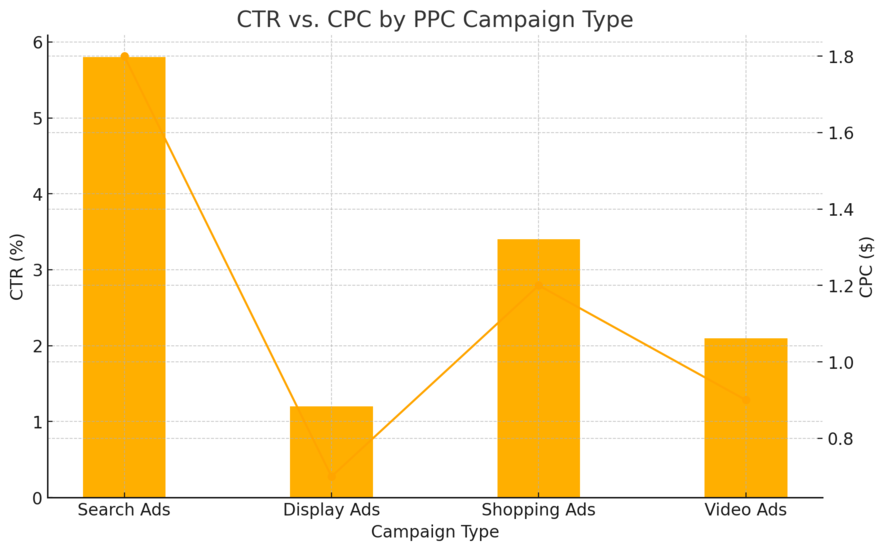
PPC advertising, when done right, is like turning on a faucet of targeted traffic. The trick is to make sure every click brings measurable value.
How To Create High-Converting Ad Campaigns On Google Ads
Start with intent-based keyword targeting. Focus on commercial intent terms like “buy,” “compare,” or “hire.” Use Google Keyword Planner to find affordable, high-ROI phrases.
A winning Google Ads structure usually includes:
- One campaign per core service or product.
- Three tightly focused ad groups per campaign.
- Two to three variations of each ad for testing.
Example: If you run an SEO agency, one ad group could target “affordable SEO packages” and another “SEO services for small business.”
Don’t overlook ad extensions—they increase click-through rates by adding phone numbers, links, or reviews directly under your ad.
Using A/B Testing To Optimize Ad Performance
A/B testing (also called split testing) is your best friend in PPC. It reveals what messaging, visuals, or calls-to-action actually drive results.
To run a good test:
- Change one element at a time—headline, description, or CTA.
- Run both ads until you have statistically significant data (usually 1,000+ impressions).
- Pause underperformers and keep iterating.
For example, testing “Get a Free SEO Audit” versus “Claim Your Free SEO Audit Today” might double conversions simply by adding urgency.
Smart Budget Allocation To Maximize ROI
I’ve seen countless advertisers waste money on irrelevant clicks. Smart budget allocation starts with tracking conversions accurately using Google Ads Conversion Tracking or Google Analytics 4.
Split your budget into three tiers:
- High-performing keywords: Increase bids gradually where conversions are proven.
- Testing keywords: Keep moderate spend to explore new opportunities.
- Low-performing terms: Pause or refine targeting immediately.
Set daily budgets based on cost-per-acquisition (CPA) goals, not gut feeling. And never set and forget—revisit bids weekly to adapt to real-time performance.
3. Content Marketing Strategies That Build Authority
Content marketing is how you build a brand that educates, entertains, and earns trust—all before a sale ever happens.
Crafting Blog Posts That Solve Real Customer Problems
A good blog post doesn’t just share information—it solves frustration. Start by identifying your audience’s pain points through customer surveys, Reddit threads, or Quora discussions.
Then, use that data to craft content that offers clear, actionable solutions. For example, if small business owners struggle with SEO tools, write “The 5 Simplest SEO Tools for Beginners (With Free Versions).”
Always include:
- Screenshots or examples for clarity.
- Real metrics where possible (“This tweak improved bounce rate by 37%”).
- A clear CTA at the end—like inviting readers to download a free checklist or subscribe for updates.
Using Storytelling To Deepen Audience Connection
People remember stories, not stats. When you use storytelling in marketing, you make complex topics relatable.
One trick I often use is the transformation arc: describe a before-and-after scenario your audience identifies with.
For instance, “I once spent $2,000 on PPC ads without a single lead—until I learned how to target intent keywords.”
Make it personal, specific, and outcome-driven. Storytelling humanizes your brand and keeps readers emotionally invested.
Repurposing Content To Reach Wider Audiences
Repurposing multiplies your reach without multiplying your workload.
You can turn a single blog post into:
- A LinkedIn carousel with key takeaways.
- A short YouTube video summarizing the insights.
- An email newsletter that links back to the full post.
Tools like Canva or Descript make repurposing easy by streamlining content formatting and design.
I recommend using analytics to identify high-performing posts, then expanding their life span across multiple formats. That’s how you maximize impact without burning out your team.
Expert Tip: Consistent execution beats perfection. Whether it’s SEO, PPC, or content marketing, the brands that test, track, and tweak relentlessly are the ones that build unstoppable momentum.
4. Email Marketing Campaigns That Nurture And Convert
Email marketing remains one of the most powerful internet marketing solutions because it speaks directly to people who’ve already shown interest in what you offer.
When done right, it builds loyalty, drives conversions, and keeps your brand top of mind long after someone leaves your website.
Building Targeted Subscriber Lists With Lead Magnets
The strength of your email marketing strategy depends on the quality of your list, not the size. I always recommend focusing on targeted subscribers—people genuinely interested in your products or insights.
One of the most effective ways to grow such a list is with lead magnets. These are free resources you offer in exchange for an email address.
Common examples include:
- Ebooks or guides: “The 10-Step SEO Checklist for Small Businesses.”
- Webinars or video workshops: Great for demonstrating expertise in real-time.
- Discount codes or free trials: Perfect for eCommerce and SaaS businesses.
I suggest using tools like Aweber or MailerLite, which let you easily create landing pages and embed signup forms across your site. A simple path could look like this: Dashboard → Landing Pages → Create → Add Form → Connect to Sequence.
A quick tip: Segment your list right from the start. Ask subscribers what they’re most interested in (e.g., SEO, PPC, email marketing), so every future email feels personal and relevant.
Writing Compelling Email Sequences That Drive Action
Once someone joins your list, the goal shifts to nurturing them through an intentional sequence. This is where storytelling and timing meet strategy.
A high-performing email sequence usually includes:
- Welcome Email: Share your story, set expectations, and offer immediate value (like a free resource).
- Education Series: Teach something practical that builds trust—maybe a short, 3-day mini-course.
- Conversion Email: Gently transition to an offer with social proof or a clear next step.
Keep your tone conversational and use curiosity-driven subject lines. For example, instead of saying “New SEO Course Available,” try “The SEO Shortcut That Tripled My Traffic in 30 Days.”
I often advise writing emails in your natural voice—like a direct note to a friend. People connect with personality more than polish.
Automating Email Campaigns For Consistent Engagement
Automation helps you stay relevant without spending all day writing emails. Most platforms like ActiveCampaign, HubSpot, or Kit (formerly Convertkit) let you trigger emails based on user actions—such as signing up, clicking a link, or abandoning a cart.
Here’s how to make automation work smarter:
- Behavioral Triggers: Send follow-ups only when subscribers engage (e.g., opened an email or clicked a link).
- Dynamic Content: Personalize offers or messages based on demographics or past purchases.
- Performance Review: Regularly check open and click rates to tweak underperforming emails.
For instance, if your open rate drops below 25%, try adjusting the subject line or sending time. A small test like that can boost performance significantly.
I believe automation shouldn’t replace human touch—it should amplify it. Always keep your tone warm, helpful, and human, no matter how advanced your workflow gets.
5. Social Media Marketing For Brand Awareness
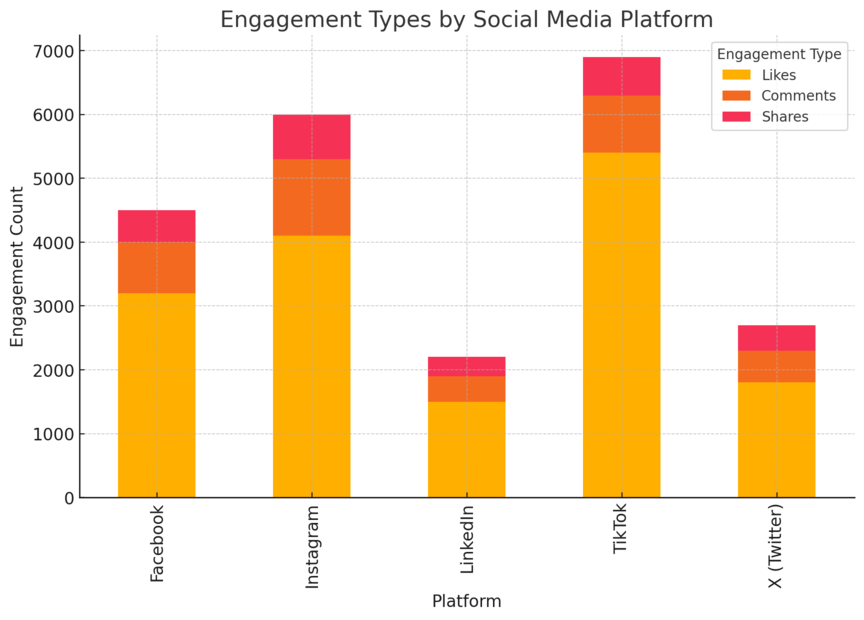
Social media isn’t just about posting—it’s about building relationships at scale. The right strategy boosts visibility, drives engagement, and creates loyal fans who become advocates for your brand.
Choosing The Right Platforms For Your Audience
Not every platform deserves your energy. I often see brands waste time spreading themselves too thin across channels that don’t match their audience.
Here’s a quick breakdown:
- Instagram: Great for lifestyle brands, eCommerce, and visual storytelling.
- LinkedIn: Ideal for B2B companies and personal branding.
- TikTok: Works well for educational or entertaining short videos.
- Pinterest: Best for DIY, design, and niche lifestyle content.
Start where your target audience spends time. For example, a digital marketing agency might focus heavily on LinkedIn and YouTube, while a clothing brand should double down on Instagram Reels.
Use analytics dashboards (like Meta Insights or LinkedIn Analytics) to measure engagement and refine your posting strategy monthly.
Creating Engaging Visual Content That Sparks Interaction
Visuals drive emotion and connection faster than text alone. I recommend designing with purpose—every image or video should either educate, entertain, or inspire.
Use tools like Canva or Adobe Express to design branded visuals quickly. Keep your layouts consistent—same fonts, colors, and style—to make your brand instantly recognizable.
Three proven types of posts that tend to perform best:
- Behind-the-scenes stories: Show your process or daily routine.
- Micro tutorials: Quick tips with captions or step-by-step visuals.
- User-generated content: Repost photos or reviews from happy customers.
The key is conversation, not perfection. Ask questions, respond to comments, and show appreciation publicly. It humanizes your brand and builds community trust.
Leveraging Social Ads To Amplify Reach
Social ads are one of the fastest ways to reach new audiences, especially when organic reach feels limited.
On Meta Ads Manager, for instance, I suggest using Custom Audiences to retarget people who’ve visited your site or engaged with your posts. Then expand reach with Lookalike Audiences—people who share similar behaviors to your best customers.
Always A/B test your creatives:
- Ad A: Lifestyle photo + emotional copy.
- Ad B: Product close-up + direct call-to-action.
Even small differences can double click-through rates. Track metrics like Cost Per Click (CPC) and Return on Ad Spend (ROAS) to measure what’s actually driving ROI.
The smartest approach is to blend paid and organic. Paid ads bring attention, while organic content builds loyalty that lasts.
6. Conversion Rate Optimization (CRO) For Higher Sales
CRO is where marketing meets psychology. It’s about understanding why visitors act—or don’t—and using that data to guide design and copy decisions that increase conversions.
Analyzing User Behavior To Identify Drop-Off Points
Before making changes, you need to see what’s happening behind the scenes. Tools like Hotjar or Microsoft Clarity let you visualize user behavior through heatmaps and session recordings.
I always start by analyzing:
- Bounce rate: High numbers suggest weak messaging or poor UX.
- Scroll depth: Tells you if visitors are actually reading your content.
- Exit pages: Show where users abandon the journey most often.
A practical example: If visitors drop off right before checkout, the issue might be too many form fields or unexpected shipping costs. Simplifying that step can instantly raise conversion rates.
Designing Landing Pages That Convert Visitors Into Customers
A high-converting landing page tells a story in seconds—clear headline, visual proof, and a single call-to-action.
To build one effectively:
- Focus on one goal: Each page should have one clear CTA (e.g., “Get Your Free Demo”).
- Add social proof: Reviews, testimonials, and trust badges build instant credibility.
- Keep forms short: The fewer fields, the higher your conversion rate.
I’ve seen pages jump from 2% to 6% conversions just by adding a few testimonials near the form and simplifying the design. Less clutter means less confusion—and that means more sales.
Testing And Iterating To Continuously Improve Results
CRO isn’t a one-time project—it’s a mindset. Continuous testing ensures your site evolves with user behavior.
Use VWO to run A/B tests. Start small—headline variations, button colors, or CTA placements.
Here’s my quick process:
- Identify low-performing pages.
- Hypothesize why.
- Test one change at a time.
- Measure and document results.
The data doesn’t lie. What feels like a minor tweak—like changing “Buy Now” to “Get Started”—can create measurable differences in conversion rates.
I believe CRO is where creativity meets precision. The more you understand your users’ motivations, the more effectively you can guide them toward taking action.
Pro Insight: Great marketing doesn’t just attract—it converts. Whether through emails, social media, or on-site design, the secret is the same: meet people where they are, speak their language, and make taking the next step effortless.
7. Influencer Partnerships That Boost Credibility
Influencer partnerships have become one of the most trusted internet marketing solutions because people trust people—often more than brands.
When done strategically, collaborations can dramatically increase awareness, social proof, and conversions without feeling like traditional ads.
Finding The Right Influencers For Your Niche
The best influencer partnerships start with alignment, not just audience size. I always suggest beginning by identifying influencers whose values, tone, and audience match your brand’s.
Here’s how to do it effectively:
- Define your niche clearly. For example, if you sell eco-friendly products, focus on sustainability influencers rather than general lifestyle creators.
- Use discovery tools. Platforms like Upfluence, Heepsy, or CreatorIQ help filter influencers by engagement rate, follower demographics, and niche relevance.
- Check engagement over follower count. A micro-influencer with 15,000 loyal fans can outperform someone with 500,000 passive followers.
I recommend reviewing their past collaborations. Look for authentic partnerships—if their content feels overly promotional, your message may get lost. Genuine connection beats vanity metrics every time.
Structuring Win-Win Collaboration Campaigns
The secret to a successful influencer campaign is mutual benefit. It’s not just about paying for a post; it’s about creating shared value that excites both parties.
A few campaign models that work well:
- Affiliate partnerships: Give influencers a custom link or code that earns them commission per sale.
- Product seeding: Send free products in exchange for honest reviews or creative content.
- Co-created content: Collaborate on something original like a mini-series, webinar, or challenge.
Be transparent in expectations. Provide creative freedom but set boundaries around messaging and brand tone. Most influencers appreciate brands that trust their voice—it leads to more authentic engagement.
One tip I’ve learned over the years: Always have a contract in place that clarifies deliverables, timelines, and usage rights for the content created. It keeps everything clean and professional.
Measuring ROI From Influencer Marketing Efforts
Measuring ROI in influencer campaigns is all about tracking the right metrics—not just likes or comments.
Here’s how to evaluate real impact:
- Track referral traffic: Use UTM links in influencer bios or posts to monitor how much traffic they drive.
- Monitor conversions: Platforms like Shopify Collabs or Impact.com let you see sales attributed to influencer efforts.
- Engagement quality: Look beyond numbers—are followers asking questions, tagging friends, or showing genuine interest?
I often recommend giving influencers unique discount codes for each campaign. It’s an easy way to see which partnerships deliver the best return.
Over time, you’ll identify which relationships are worth scaling and which to refine.
8. Video Marketing Strategies That Drive Engagement
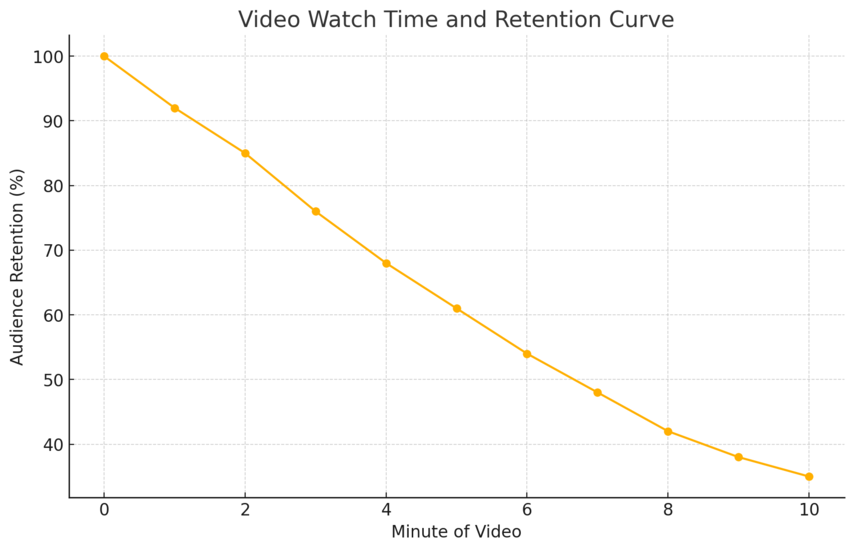
Video has become the heartbeat of online marketing.
Whether it’s a short-form clip on TikTok or a YouTube tutorial, it helps your audience connect emotionally while improving visibility across search and social platforms.
Creating Short-Form Videos That Capture Attention Fast
Short-form video is where attention lives right now. Platforms like TikTok, Instagram Reels, and YouTube Shorts thrive on quick, scroll-stopping content.
The formula for strong short videos:
- Hook fast: Capture attention in the first 2 seconds. Use text overlays or a strong question like, “Want to double your traffic in 30 days?”
- Add value instantly: Teach something practical or show transformation quickly.
- End with engagement: Encourage viewers to comment, follow, or visit your link in bio.
I’ve seen brands like Gymshark and Canva use behind-the-scenes and “how-to” clips to humanize their brand. The less “polished” the video feels, the more authentic it comes across.
Using YouTube SEO To Rank And Reach More Viewers
YouTube isn’t just a social platform—it’s a powerful search engine. Optimizing videos for search can lead to long-term, consistent traffic.
Key YouTube SEO steps include:
- Keyword research: Use tools like TubeBuddy or vidIQ to find topics people search for.
- Optimize metadata: Add target keywords in your title, description, and tags naturally.
- Create engaging thumbnails: Bright visuals with clear text outperform generic screenshots.
- Add timestamps and chapters: It improves watch time and boosts SEO visibility.
I suggest ending each video with a call to action—subscribe, watch another video, or visit your site. That simple step often increases session duration and channel growth dramatically.
Integrating Video Into Landing Pages And Emails
Videos increase engagement wherever they appear. Landing pages with embedded videos can improve conversions by up to 80%, according to research from Unbounce.
Try this:
- Add a short video above the fold of your landing page that explains your offer in under 90 seconds.
- Include a “play” thumbnail image in your email campaigns that links to a hosted video on your site or YouTube.
- Use Wistia or Loom to track how long people watch and where they drop off.
I’ve found videos featuring real people—founders, customers, or team members—perform far better than animations or stock visuals. It’s the personal touch that keeps people watching.
9. Marketing Automation Tools For Scalable Growth
Marketing automation helps you scale without losing personalization. It keeps your brand visible, responsive, and consistent even as your audience grows.
Streamlining Campaigns With Platforms Like HubSpot And ActiveCampaign
Platforms like HubSpot and ActiveCampaign are powerhouses for managing multi-channel campaigns under one roof.
For example:
- HubSpot: Ideal for larger teams that need CRM integration, sales tracking, and content scheduling in one dashboard.
- ActiveCampaign: Great for small to mid-sized businesses that want advanced email automation and segmentation without steep costs.
Here’s how you could structure a workflow in ActiveCampaign: Automation → Start Trigger (e.g., “Subscribes to List”) → Send Welcome Email → Wait 3 Days → Send Offer Sequence.
Automation keeps things consistent, but don’t let it replace the human element—always monitor campaign feedback and adjust messaging accordingly.
Personalizing Customer Journeys With Automation Workflows
Personalization is what turns automation from mechanical to meaningful. I suggest using customer data to tailor every touchpoint.
For example, an eCommerce brand can:
- Send follow-up emails if someone abandons their cart.
- Recommend products based on browsing history.
- Send special offers on birthdays or anniversaries.
With tools like Klaviyo or Drip, you can trigger these workflows automatically. The result is a more personal experience without the manual effort.
Personalized emails deliver 6x higher transaction rates, according to Experian. That’s the difference between a generic campaign and one that truly connects.
Tracking Metrics To Optimize Automated Campaigns
The power of automation lies in measurement. If you can’t track it, you can’t improve it.
Focus on these metrics:
- Open rate: Indicates if your subject lines resonate.
- Click-through rate (CTR): Shows if your content inspires action.
- Conversion rate: Measures how many subscribers take the intended step.
I advise reviewing automation reports weekly. Tools like HubSpot Reports or Google Analytics 4 help visualize trends over time. If one sequence consistently underperforms, test different subject lines, timing, or message tone until engagement improves.
10. Analytics And Data Tracking For Smarter Decisions
Data is the compass of digital marketing. Without it, even the best campaigns risk running blind. Analytics give you the clarity to make smarter, faster, and more profitable decisions.
Setting Up Google Analytics And Conversion Goals
Google Analytics remains the gold standard for tracking performance. Setting it up properly ensures you can measure what truly matters.
Here’s a quick setup path in Google Analytics 4 (GA4): Admin → Property Settings → Data Streams → Web → Add Stream → Configure Conversions.
I recommend defining goals like:
- Form submissions
- Purchases
- Newsletter sign-ups
- Time on page (for engagement tracking)
Once your goals are live, connect Google Tag Manager to track specific events, such as button clicks or video views. That’s where you’ll see the real story behind your numbers.
Using Heatmaps And Behavior Tools To Refine Strategy
Heatmaps visualize how users interact with your site—what they click, ignore, or scroll past. Tools like Hotjar or Crazy Egg make this data simple to interpret.
For example: if visitors consistently skip your pricing section, it may indicate unclear messaging or misplaced buttons. Adjust layout, retest, and monitor engagement.
These insights are invaluable for improving user experience without guessing. They reveal the invisible friction points that often stop people from converting.
Turning Data Insights Into Actionable Marketing Improvements
Collecting data is just step one. The real magic happens when you act on it.
To turn analytics into strategy:
- Review your key metrics weekly.
- Identify trends or sudden changes in performance.
- Create small, testable adjustments—like changing CTA wording or improving page speed.
I’ve learned that the most successful marketers treat analytics like an ongoing conversation with their audience. Every metric tells you what’s working—and what isn’t. The faster you respond, the more agile your business becomes.
Pro Tip: The smartest marketing strategies combine creativity with data. Use your analytics not as a report card, but as a roadmap—one that guides every new campaign toward stronger, more measurable results.

I’m Juxhin, the voice behind The Justifiable.
I’ve spent 6+ years building blogs, managing affiliate campaigns, and testing the messy world of online business. Here, I cut the fluff and share the strategies that actually move the needle — so you can build income that’s sustainable, not speculative.
Related posts:
 How to Build a Social Media Marketing Strategy from Scratch
 Internet Marketing Ideas: Increase Your Marketing Efforts
 Online Business Courses: Start Your Entrepreneurial Journey Today
 How Search Engine Marketing Solutions Boost Brand Visibility
 10 Website Marketing Solutions To Boost Traffic Instantly
 How to Grow Online Business on Facebook Using Groups and Ads