
Table of Contents
Some links on The Justifiable are affiliate links, meaning we may earn a small commission at no extra cost to you. Read full disclaimer.
Small business marketing solutions can often feel like a guessing game—especially when every dollar has to pull its weight.
Between social media, email, content, and ads, how do you actually know what works and what just drains your budget? That’s what we’ll uncover here.
This guide breaks down ten proven marketing solutions that consistently deliver results for small businesses—whether you’re building visibility, driving leads, or increasing repeat sales.
1. Leverage Local SEO To Attract Nearby Customers
If you run a small business, local SEO is your most direct path to being discovered by people already searching nearby for what you offer.
Instead of trying to compete nationally, you’re focusing on your immediate market — where customers are ready to buy.
Optimize Your Google Business Profile For Visibility
Your Google Business Profile (GBP) is your digital storefront on Google Maps and Search. Think of it as the first impression for anyone looking you up. I always suggest making sure this profile is 100% complete — not 80%.
Here’s how to do it right:
- Add your business name, address, and phone number (NAP) exactly as it appears on your website. Consistency matters.
- Upload real, high-quality photos — of your store, team, or even happy customers.
- Update your business hours regularly, especially during holidays.
- Use the “Posts” feature in GBP to share updates, offers, or events (this boosts engagement signals).
When optimized, your GBP helps you appear in the Local Pack — the top three map results. According to BrightLocal, businesses in the Local Pack get up to 500% more views than those that don’t.
Target Local Keywords With High Intent Searches
People don’t just search “coffee shop” — they search “coffee shop near me” or “best coffee shop in Brooklyn.” These are local intent keywords, meaning the user wants something nearby right now.
Here’s what I recommend:
- Use tools like Google Keyword Planner or Ubersuggest to find local keyword variations.
- Add your city, region, or neighborhood name to service pages. Example: “Affordable Web Design in Austin.”
- Create location-specific landing pages if you serve multiple areas.
One trick I use: search your main service + your city on Google and check the “People Also Ask” box. Those phrases are gold for content ideas and FAQ sections that attract local clicks.
Encourage Reviews To Build Credibility And Trust
Reviews are your local SEO power-up. They’re social proof that Google loves. A business with consistent positive reviews is far more likely to appear in the Local Pack.
To get more reviews:
- Ask at the right moment — after a positive experience or successful service.
- Make it effortless with a direct review link (found inside your Google Business dashboard).
- Reply to every review, even negative ones. Your responses show professionalism and care.
According to Podium, 93% of customers say reviews influence their buying decisions.
I always suggest setting a simple monthly reminder to review your feedback — and act on it.
2. Use Email Marketing To Nurture Customer Relationships
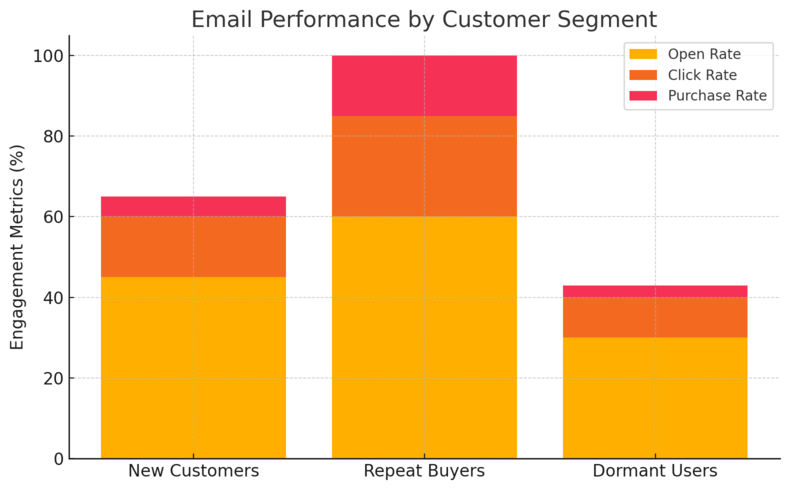
Email marketing remains one of the highest ROI channels for small businesses — often generating $42 for every $1 spent (Data & Marketing Association).
When done right, it turns one-time buyers into loyal customers.
Segment Your List For More Personalized Campaigns
Not every customer wants the same message. Segmentation — dividing your email list into smaller groups — makes your emails feel relevant.
For example:
- New subscribers: Send a welcome series introducing your story and top products.
- Past buyers: Offer complementary products or loyalty discounts.
- Inactive users: Send a “We miss you” re-engagement offer.
In Mailerlite or Aweber, you can easily create segments using tags like “recent purchaser” or “newsletter subscriber.” I recommend starting small — even two or three segments make a big difference in engagement.
Automate Follow-Ups To Save Time And Boost Conversions
Automation turns your email system into a 24/7 sales assistant. Instead of manually sending reminders, you can set automated sequences that trigger based on behavior.
Examples:
- A welcome automation that sends a friendly introduction when someone joins your list.
- A cart abandonment sequence reminding users about items they left behind.
- A post-purchase series asking for reviews or offering cross-sells.
In tools like ActiveCampaign or Omnisend, automation paths are visual — you can literally drag and drop triggers like “opened email” or “clicked link.”
I’ve seen automation increase conversion rates by over 30%, especially when follow-ups feel personal.
Craft Engaging Subject Lines That Get Opened
Your subject line determines whether your email is read or ignored. You don’t need to be poetic — just human and relevant.
Some guidelines I use:
- Keep it short (under 45 characters).
- Add curiosity: “You’re going to love this one.”
- Use personalization: “John, your weekly tips are here.”
- Avoid spammy words like “FREE!!!” or “GUARANTEED.”
Test two variations (A/B testing) to see what resonates with your audience. Even small tweaks — like adding an emoji or adjusting tone — can lift open rates by 10–15%.
3. Create High-Value Content That Builds Authority
Content marketing gives your brand a voice — one that informs, educates, and earns trust. The goal isn’t just to publish more but to publish better.
Focus On Educational Blog Posts That Solve Problems
Educational content positions you as a trusted expert. Write about real problems your customers face and how to solve them.
Example: If you run a landscaping business, publish “How to Choose the Right Plants for Shady Backyards.” This kind of value-driven content builds both authority and organic traffic.
What I suggest:
- Use AnswerThePublic to find common questions in your niche.
- Focus on evergreen topics that stay relevant over time.
- Include clear steps, visuals, or examples to simplify complex ideas.
When readers leave your site feeling smarter, they come back — or better, they buy.
Repurpose Content Into Videos, Reels, And Infographics
Your best blog post shouldn’t just live as text. Repurposing multiplies its reach.
Take one how-to article and:
- Turn it into a YouTube tutorial with step-by-step visuals.
- Break it into short Instagram Reels or TikTok clips.
- Summarize key points in an infographic using Canva or Visme.
Repurposing not only saves time but also boosts SEO. Videos can rank in Google’s “video” section, and infographics earn backlinks naturally.
Use Storytelling To Connect With Your Target Audience
Facts inform, but stories persuade. People remember stories 22 times more than plain data, according to Stanford University research.
Here’s how to weave storytelling into your content:
- Share customer success stories — real people, real results.
- Talk about challenges your business overcame.
- Use a conversational tone and emotional triggers like humor or empathy.
I often say: numbers build credibility, but stories build loyalty. When readers see themselves in your story, your brand becomes relatable — not just another name on their screen.
4. Tap Into Social Media Marketing For Brand Awareness
Social media isn’t just a place to post updates — it’s where your brand personality, voice, and customer relationships grow in public view.
I’ve seen small businesses build serious awareness and loyalty by showing up consistently with the right tone, visuals, and engagement strategy.
Choose The Right Platforms Based On Your Audience
The biggest mistake I see is trying to be everywhere. Not every platform suits every brand. Instead, go where your audience actually hangs out.
Here’s how to think about it:
- Instagram: Great for visual storytelling and product-based businesses like fashion, food, or fitness.
- LinkedIn: Works best for B2B brands or services that rely on thought leadership.
- Facebook: Still strong for community engagement and older demographics.
- TikTok: Excellent for creative, short-form videos that grab attention fast.
Use each platform’s native analytics to see who’s engaging.
For example, in Instagram Insights (Profile → Insights → Audience), you’ll find your followers’ age range, gender, and location — data that tells you where to focus your energy.
I often advise starting with one or two platforms and mastering those before expanding. Quality over quantity always wins in social media marketing.
Post Consistently And Engage Authentically
Consistency keeps you visible, but authenticity keeps you memorable. A steady rhythm of posting tells algorithms — and your audience — that you’re active and worth showing up for.
A simple approach I recommend:
- Frequency: 3–4 times per week is ideal for most small brands.
- Mix content types: Alternate between educational, entertaining, and behind-the-scenes posts.
- Engage daily: Reply to comments, react to stories, and send quick DMs to thank loyal followers.
If you’re short on time, tools like Later let you schedule posts in advance. But don’t automate engagement — people can feel the difference between a genuine reply and a robot.
In one small campaign I ran for a local café, responding personally to customer comments boosted engagement rates by 42% in just one month. That’s the power of showing up like a human, not a brand.
Run Low-Cost Paid Campaigns To Boost Reach
Organic growth is valuable, but adding small paid boosts can quickly expand your visibility. The beauty of social ads is you can start small — even $5–$10 a day can make an impact.
Here’s a quick example path using Facebook Ads Manager:
- Go to Meta Ads Manager → Create Campaign → Awareness Objective.
- Narrow your audience with interests, location, and demographics.
- Upload your best-performing organic post as the ad creative.
- Track reach, clicks, and engagement to see what performs best.
Short-form video ads on Instagram and TikTok tend to outperform static images — often driving 2–3x higher engagement for local brands.
Keep your message simple: one benefit, one call-to-action, one clear visual focus.
5. Invest In Paid Advertising That Actually Converts

While social media builds visibility, paid advertising brings precision. You’re reaching people ready to take action, not just browse.
I suggest approaching ads as a testing ground — you’ll refine what works as you go.
Start With Google Ads For High-Intent Searches
Google Ads target people who are already searching for what you offer — the highest-intent audience online.
For example, if you run a plumbing business, showing up for “emergency plumber near me” puts you in front of customers who need help now.
To start:
- Choose Search Campaigns inside Google Ads Manager.
- Focus on long-tail keywords (e.g., “affordable web designer in Austin”).
- Use location targeting to limit wasted spend.
I suggest setting up ad extensions — clickable add-ons like phone numbers, reviews, or service links. They often raise click-through rates by 15–30% because they give users more context before clicking.
Keep your ad copy short, action-oriented, and crystal clear. Remember: every word costs money, so make it count.
Test Facebook And Instagram Ads For Brand Discovery
These platforms are perfect for introducing your brand to new audiences who aren’t actively searching yet. Use Facebook Ads Manager (it also covers Instagram) to create visually engaging campaigns.
When testing:
- Run A/B tests with two different images or headlines.
- Keep your targeting narrow — focus on interest-based audiences first.
- Retarget website visitors using the Meta Pixel (Settings → Events Manager → Pixel).
Retargeting ads often deliver the best return. In one campaign I ran for an online boutique, retargeted visitors converted 67% more than cold audiences.
That’s because they already knew the brand — the ad simply reminded them to come back.
Track Performance Metrics To Refine Ad Spend
Running ads without tracking data is like driving blindfolded. The metrics tell you what’s working and what’s draining your budget.
Focus on these key indicators:
- CTR (Click-Through Rate): Measures how interesting your ad is.
- CPC (Cost Per Click): Reveals how efficiently you’re spending.
- Conversion Rate: The number of users who took your desired action.
Use Google Analytics 4 (GA4) or Meta Ads Dashboard to monitor performance. If CTR drops below 1%, refresh your creative. If CPC rises, adjust targeting.
I suggest running reports weekly, not daily. Ads need a few days to stabilize before you can judge performance.
6. Build A Strong Referral Program To Increase Word-Of-Mouth
A well-designed referral program turns happy customers into your best marketers. When people love what you do, they’re usually glad to share it — they just need a nudge and a reward.
Reward Both Referrers And New Customers
The best referral programs motivate both sides. You want the referrer to feel appreciated and the new customer to feel welcomed.
Here are simple reward ideas that work:
- Discounts: Offer 10–20% off their next purchase.
- Credits: Give store credit redeemable for future orders.
- Exclusive perks: Early access to products or VIP deals.
For example, Dropbox famously grew its user base by over 3900% in 15 months using a referral system that gave both parties extra storage. Even small rewards can trigger big growth when structured right.
Use Referral Software To Automate Tracking
Manually tracking referrals is tough once you start scaling. Referral tools automate the process and handle the tech side seamlessly.
I recommend exploring:
- ReferralCandy: Great for ecommerce stores, integrates easily with Shopify.
- InviteReferrals: Simple dashboard and automated sharing links.
- Viral Loops: Works for SaaS or subscription businesses.
Most platforms let you customize referral links, automatically send rewards, and even track social shares.
I’ve found automation can cut referral admin work by up to 80%, freeing time for creative campaigns.
Promote The Program Through Email And Social Media
Even the best referral program fails if no one knows it exists. Promote it consistently, not just once.
Effective promotion channels include:
- Email: Add a short call-to-action at the end of your newsletters. Example: “Love our service? Share it with a friend and both of you get 15% off.”
- Social Media: Create a pinned post or short video explaining how the program works.
- Website banners: Add a simple “Refer & Earn” section on your homepage or checkout page.
I recommend reminding customers post-purchase too — they’re most likely to share right after a great experience.
7. Partner With Complementary Local Businesses
Collaborating with other small businesses is one of the most overlooked small business marketing solutions. It helps you tap into a shared audience without competing for attention or breaking the bank on ads.
Partnerships multiply reach, trust, and visibility — especially when both sides bring real value to the table.
Identify Non-Competing Brands With Shared Audiences
Start by identifying businesses that share your ideal customer but don’t sell the same product.
For example, a bakery might partner with a local coffee shop, or a fitness coach with a nutritionist. Both serve similar audiences but in different ways.
Here’s how I suggest approaching it:
- Define your audience overlap: Use tools like Facebook Audience Insights or Google Analytics to understand your customers’ interests.
- Make a short list: Focus on 3–5 local businesses that align with your values and customer base.
- Reach out personally: Skip the cold pitch — meet them in person or send a genuine message explaining how collaboration benefits both sides.
One of my favorite examples is a wedding photographer who partnered with a florist and event planner to create “Bridal Experience” packages.
Each business gained new clients, and the collaboration built community visibility.
Create Cross-Promotions And Bundled Offers
Cross-promotions work because they combine credibility and convenience. Customers love bundled offers — it saves them time and adds value.
A few ideas that consistently work:
- Joint discounts: “Buy from Partner A and get 10% off Partner B.”
- Bundled packages: Combine services into one price — like “Yoga + Massage Combo.”
- Collaborative content: Guest blogs, Instagram takeovers, or co-created guides (e.g., “The Local Weekend Guide”).
If you’re managing this through digital tools, platforms like Canva Teams and Google Drive make collaboration effortless for co-branded materials. Just remember to maintain consistent branding so it looks cohesive and professional.
Co-Host Events Or Giveaways For Mutual Growth
Events and giveaways bring your partnership to life. They create real-world engagement and draw in both audiences at once.
To make it work smoothly:
- Plan a joint event: Examples include pop-up markets, workshops, or seasonal launch parties.
- Run a social giveaway: Ask participants to follow both accounts and tag friends.
- Share promotion duties: Each brand posts to its own channels — doubling exposure.
I helped coordinate a co-branded giveaway between a skincare boutique and a local spa — both contributed prizes and promoted the campaign.
The result? A 300% increase in Instagram followers for both within two weeks and dozens of new paying clients. Partnerships work because they turn community goodwill into growth momentum.
8. Use Video Marketing To Humanize Your Brand
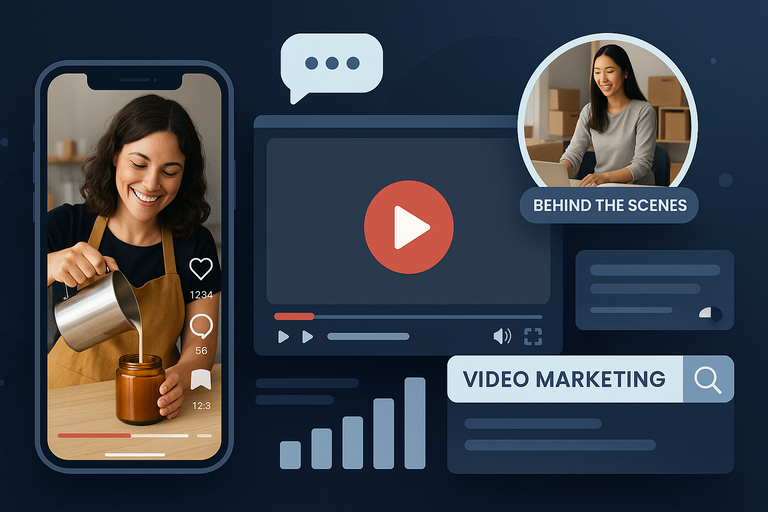
Video builds emotional connection faster than text ever could. It shows the faces, stories, and values behind your business — the human side people trust.
With short-form video dominating social media, even small businesses can compete with big brands through authenticity.
Create Short-Form Videos That Highlight Your Products
Short-form videos (15–60 seconds) are perfect for quick storytelling. They grab attention fast and work across platforms like TikTok, Instagram Reels, and YouTube Shorts.
Here’s what I suggest:
- Show products in action: Demonstrate how they’re used, not just what they are.
- Use captions: 80% of people watch videos with sound off.
- Add personality: Speak casually, smile, and don’t worry about perfect lighting.
Example scenario: A local candle maker filming a short “behind the pour” video showing how each candle is handmade. Simple, visual, and authentic — it tells a story people remember.
Share Behind-The-Scenes Or Customer Stories
Behind-the-scenes (BTS) content is powerful because it’s transparent. Customers love seeing what happens before the final product.
Some ideas to try:
- Process videos: Show production, packaging, or your workspace.
- Team moments: Introduce employees with a quick “day in the life” clip.
- Customer spotlights: Film happy clients using your product or service.
I’ve seen brands increase engagement by 40% or more just by adding one weekly BTS video. It reminds people that there’s a real human team behind the logo.
Optimize Videos For YouTube And Social Search
Treat every video like a searchable asset. On YouTube, optimization is key — even for small businesses.
Simple SEO checklist for videos:
- Include your focus keyword in the title and description (e.g., “Best Small Business Marketing Solutions for Local Growth”).
- Add timestamps for clarity if it’s a long video.
- Use tags that match your business niche and location.
For short-form videos on social platforms, add text overlays with keywords (like “Local Bakery Secrets” or “DIY Branding Tips”). These help algorithms understand your content and recommend it to the right viewers.
9. Leverage Customer Data For Smarter Marketing Decisions
Customer data is your best decision-making tool. It helps you see what’s working, what’s wasting money, and where you should focus next.
The more you understand your audience, the smarter your marketing becomes.
Track Behavior Through Analytics And CRM Tools
Every business should have a basic analytics setup. You don’t need to be a data scientist — just know how to read patterns.
Start with these tools:
- Google Analytics 4 (GA4): Tracks traffic, user paths, and conversions.
- Zoho CRM: Centralizes customer information and engagement history.
- Hotjar: Visual heatmaps that show where users click or drop off on your site.
Example: A local fitness studio noticed users dropping off its pricing page through Hotjar. By adding a free trial offer button above the fold, conversions increased by 18% in two weeks. Small insights, big results.
Identify Which Channels Bring The Best ROI
Instead of spreading your budget across too many platforms, find which ones actually drive results.
Here’s a simple method:
- Track every campaign source using UTM parameters (you can generate these with Google’s Campaign URL Builder).
- Review traffic and conversion data in GA4 (Reports → Acquisition → Traffic Source).
- Compare ROI — revenue vs. ad spend or time spent.
I always advise small businesses to cut what’s underperforming and reinvest in what delivers. You’ll often find that 20% of your marketing drives 80% of your results — a classic Pareto principle in action.
Personalize Offers Based On Purchase Patterns
Once you know your customers’ habits, personalization becomes your secret weapon.
Ways to use it:
- Email automation: Send tailored product recommendations based on past purchases.
- Dynamic website content: Show different homepage banners for returning visitors.
- Loyalty rewards: Offer special discounts to repeat buyers.
In Klaviyo, for example, you can set up automated flows that trigger when a customer buys a certain product — like a “refill reminder” email after 30 days. Personalization builds trust and boosts lifetime value without extra ad costs.
10. Build A Conversion-Optimized Website
Your website is your digital storefront — if it’s confusing, cluttered, or slow, visitors leave before they even see your offer.
A conversion-optimized site guides users effortlessly toward taking action.
Simplify Navigation To Improve User Experience
The goal of navigation is clarity. Every visitor should find what they need in two clicks or less.
Quick tips:
- Keep menus short: 5–6 main options max.
- Use descriptive labels: “Shop,” “About,” “Contact” — skip vague terms like “Discover.”
- Add a visible search bar: Especially if you sell products.
Tools like Crazy Egg help visualize user flow so you can spot confusing areas. I’ve seen businesses double conversions simply by reorganizing their menu structure and decluttering the homepage.
Use Clear CTAs And Mobile-Responsive Design
Your calls-to-action (CTAs) should be obvious and persuasive. Each page should lead to one primary next step — not five competing ones.
Examples of strong CTAs:
- “Get Your Free Quote” (service-based)
- “Shop New Arrivals” (ecommerce)
- “Book a Demo” (software or B2B)
Equally important: make sure your site looks perfect on mobile. More than 60% of small business traffic comes from phones. Use Bing’s Mobile-Friendly Test to spot layout or loading issues.
Add Trust Signals Like Testimonials And Case Studies
Trust is the final nudge before someone buys. Show that others already believe in your product or service.
You can build credibility through:
- Customer testimonials: Add names, photos, and measurable results if possible.
- Case studies: Brief stories showing how your solution solved real problems.
- Security badges and guarantees: Reinforce safety and reliability.
One client of mine added a simple “Verified Reviews” section powered by Trustpilot and saw a 22% increase in conversions in just a month. Real stories build real confidence.

I’m Juxhin, the voice behind The Justifiable.
I’ve spent 6+ years building blogs, managing affiliate campaigns, and testing the messy world of online business. Here, I cut the fluff and share the strategies that actually move the needle — so you can build income that’s sustainable, not speculative.
Related posts:
 How Can We Learn Digital Marketing Fast In Few Months
 Online Business Courses: Start Your Entrepreneurial Journey Today
 Digital Marketing Solutions: 8 Game-Changing Strategies for Businesses
 How Do You Grow Online Business Without Big Marketing Budgets?
 Social Media Marketing for Small Business – Best Tips
 How to Increase Social Media Followers