
Table of Contents
Some links on The Justifiable are affiliate links, meaning we may earn a small commission at no extra cost to you. Read full disclaimer.
If you’ve ever thought, “I need someone to help me grow online referral traffic,” you’re not alone.
Many businesses see their best leads come from word-of-mouth, yet few have a clear strategy for turning referrals into conversions. What if you could double your referral-driven sales with simple, actionable tweaks?
In this guide, you’ll learn proven, easy-to-implement ways to turn your happy customers into active promoters—without spending more on ads or complicated funnels.
Build A Referral System That Converts
A solid referral system isn’t about luck—it’s about structure. When you build a referral process designed to reward, track, and repeat success, referrals turn from random bonuses into a consistent growth engine.
Use Personalized Referral Links To Track Success
Personalized referral links are your tracking lifeline. These are unique URLs assigned to each referrer, allowing you to trace exactly who brought in new users and which sources perform best.
I suggest using tools like ReferralCandy, Tapfiliate, or Friendbuy. They automatically generate referral links and integrate easily with Shopify, WooCommerce, or even custom-coded sites.
Here’s how it works in practice:
- A user receives their unique referral link after signing up or purchasing.
- They share it with a friend through social media, email, or chat.
- When the friend makes a purchase, the system tracks the sale and rewards the original user.
This not only simplifies tracking but also builds transparency—users can see their referrals in real time.
I’ve seen brands double conversions simply because participants felt confident their efforts were being counted.
Offer Meaningful Incentives That Motivate Action
People rarely refer just for fun—they refer because they get something valuable in return. Incentives should feel like a win for both sides.
Monetary rewards like discounts or cash-back are effective, but sometimes emotional or social incentives work better. For example, giving referrers early access to a new product or an exclusive badge inside your app can create pride-driven participation.
Try this approach:
- Offer tiered rewards—for instance, “Get 10% off for your first referral, 20% off for three.”
- Make the incentive time-sensitive—limited campaigns boost urgency.
- Pair rewards with transparency—show users progress toward their next tier.
From experience, incentives that directly tie to your product (store credit, upgrades, or feature unlocks) tend to retain customers longer than one-time discounts.
Automate Referral Tracking With Reliable Tools
Automation keeps your referral engine running without constant manual effort. I’ve seen too many brands lose momentum because they tried to track referrals through spreadsheets—inevitably, errors creep in and motivation drops.
Platforms like ReferralHero, Viral Loops, and GrowSurf automate the process from sign-up to payout.
You can:
- Set triggers like “Reward when purchase confirmed”.
- Integrate with your CRM (e.g., HubSpot, Klaviyo) to send automatic thank-you emails.
- Generate real-time dashboards showing top performers and conversion metrics.
This automation creates consistency—something your growth strategy can’t survive without.
Test Different Reward Models To Increase Conversions
Every audience reacts differently to incentives. What drives a fitness brand’s customers might not appeal to software subscribers. That’s why testing reward models is crucial.
Start with an A/B testing approach:
- Group A: Cash-based rewards (e.g., $10 per referral).
- Group B: Product-based rewards (e.g., one-month free trial).
Measure which group shows higher conversion and retention. Tools like Optimizely let you track behavioral differences.
In one SaaS company I advised, shifting from a $20 cash bonus to a one-month free subscription increased referral conversions by 42%. That’s proof that perceived value often beats monetary value.
Turn Happy Customers Into Brand Advocates
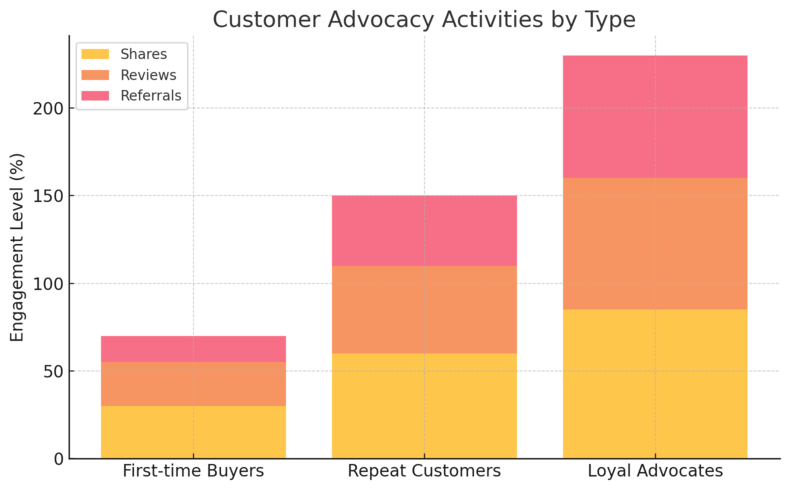
Referrals thrive on emotion—people share what excites them. When your customers love their experience, they naturally want to tell others.
Your goal is to make that process effortless and rewarding.
Ask For Referrals At The Right Time
Timing matters more than you might think. Ask too early, and it feels pushy. Wait too long, and enthusiasm fades.
The best time? Right after a positive experience. For ecommerce, that’s usually after order delivery confirmation or positive feedback. For SaaS, it might be after a user achieves their first success metric—say, publishing their first campaign.
A simple example:
“Hey [Name], glad you’re loving [Product]! Would you like to share it with a friend? They’ll get 20% off—and you’ll get $10 credit when they sign up.”
Automating these prompts with Zapier or ActiveCampaign keeps them timely and consistent.
Create Shareable Moments That Spark Conversations
Shareable moments are those small sparks that naturally lead to conversation. Think of them as “mini milestones” your customers want to brag about.
For example:
- A fitness app can celebrate a user’s 100th workout with a shareable badge.
- An ecommerce store can send a “You’ve joined 10,000 happy customers!” graphic post-purchase.
Include a “Share with a friend” button right inside these celebratory emails or pages. This taps into the psychology of pride and recognition—people love to share their wins.
Use Testimonials And Social Proof To Reinforce Trust
Testimonials turn satisfaction into persuasion. They remind potential customers that real people trust your brand.
I recommend collecting short video testimonials through tools like VideoAsk or Trustpilot. Then, repurpose them:
- Embed them in landing pages.
- Use snippets in email campaigns.
- Highlight top advocates in your social media stories.
When people see their peers actively sharing, it triggers social proof, one of the most powerful referral motivators in marketing psychology.
Simplify The Sharing Process For Higher Participation
Even if your users love your brand, they won’t share it if it feels complicated.
Keep sharing effortless:
- Use a one-click “Copy Link” button inside your dashboard.
- Pre-fill social posts with sample messages (so users don’t have to think).
- Enable mobile-first sharing (most referrals happen through messaging apps).
I once helped an online education company increase shares by 60% simply by replacing a 3-step referral process with a single “Share Now” button linked to WhatsApp. Less friction, more growth.
Leverage Email To Drive More Online Referrals
Email remains one of the most powerful tools for driving consistent referral growth—if used strategically.
It’s personal, scalable, and measurable, making it ideal for keeping your audience engaged and motivated.
Write Personalized Referral Email Campaigns
Personalization doesn’t mean just using someone’s name. It’s about relevance.
You can tailor referral emails based on what a customer purchased or their engagement level.
For instance:
- “Since you loved our skin serum, your friends might too—share your link and both get 20% off your next bottle.”
Keep the tone friendly, short, and benefit-driven. I often see the best-performing referral emails follow this simple structure:
- Start with gratitude (“Thanks for being part of our journey”).
- Explain the reward clearly (“Give 20%, Get 20%”).
- End with a clear call-to-action (“Share your link now”).
Segment Your Email List For Better Referral Performance
Not every customer is equally likely to refer. Segmenting lets you focus on those most likely to participate.
Here’s a simple breakdown:
- Promoters: Frequent buyers or engaged users. Send them early-access referral offers.
- Passives: Occasional buyers—use reminders and small bonuses.
- New customers: Wait until they’ve had one positive experience.
Using tools like Aweber, Mailchimp, or Kit (formerly ConvertKit), you can set up segmentation rules based on purchase frequency, NPS score, or engagement.
In my experience, segmented referral campaigns often yield up to 2x higher conversion rates compared to blanket email blasts.
Use Email Automation To Keep Referrals Consistent
Email automation ensures you’re not relying on one-time campaigns. Instead, it keeps the referral flywheel spinning.
For example:
- Trigger 1: Customer completes a purchase → send referral invite.
- Trigger 2: Referral reward unlocked → send celebration email.
- Trigger 3: Referral inactive for 30 days → send re-engagement reminder.
Automation tools like Drip make this setup straightforward. The goal is steady, predictable growth without manual chasing.
Include A Clear Call-To-Action That Feels Natural
Every referral email should end with one unmistakable action. The call-to-action (CTA) should feel like an easy next step, not a hard sell.
Instead of “Refer Now,” try something conversational like:
- “Share your link with a friend—it only takes 10 seconds.”
- “Know someone who’d love this? Send them your code below.”
You want the CTA to feel like a favor, not a task. Keep it visually distinct (a bright button works best) and positioned above the fold so readers don’t have to scroll.
Use Social Media To Amplify Referral Reach
Social media is where referrals turn viral. If you want to help me grow online referral engagement effectively, think of social media as your amplifier.
It’s not just a platform for awareness—it’s where conversations, trust, and community power your referral growth naturally.
Encourage User-Generated Content To Build Buzz
User-generated content (UGC) is your most authentic marketing asset. It’s content created by your customers—photos, videos, or reviews—that highlight their experience with your brand.
When people share your product in action, it feels real, not staged. For example, a skincare brand can ask customers to post before-and-after results using a branded hashtag like #GlowWithLuna. I suggest using tools like Taggbox to collect and display UGC directly on your website or social feeds.
To make it easy, give your customers clear prompts:
- Ask them to post a photo or story using a branded hashtag.
- Feature top posts on your social channels.
- Send them a small thank-you—like a discount code or feature spotlight.
The key is recognition. People love being seen by the brands they support. That emotional validation often sparks even more shares organically.
Reward Social Sharing With Small But Tangible Incentives
Not every referral needs a big payout. Sometimes a little incentive goes a long way.
You can offer small but meaningful rewards such as:
- Store credit or gift cards.
- Early access to a product launch.
- Entry into a monthly giveaway.
For example, ReferralCandy lets you set up referral tiers—so the more your customers share, the better their rewards. I’ve seen referral participation rise by 50% when the rewards felt personal rather than purely transactional.
Remember, social referrals often rely on momentum. Rewarding even small actions—like a share, tag, or comment—keeps engagement high and your audience involved.
Use Influencers Or Micro-Influencers To Boost Credibility
Influencers are your shortcut to trust. People believe recommendations from people they follow, even more than ads.
But you don’t need to work with massive names. In fact, I recommend micro-influencers—creators with 5,000–50,000 followers—because they tend to have higher engagement and more authentic communities.
To get started:
- Identify influencers already talking about your niche using tools like Upfluence or Heepsy.
- Offer them a unique referral code to share with followers.
- Track conversions with platforms like Bitly or Rebrandly.
In one campaign I managed for a fitness startup, partnering with just 10 micro-influencers generated a 3x increase in referral traffic compared to a single macro influencer. Authenticity scales better than popularity.
Track Engagement Metrics To Identify Top Referrers
If you’re not tracking, you’re guessing—and guessing is where referrals die quietly. Tracking engagement metrics helps you identify who’s driving buzz and where your efforts are paying off.
Here’s what to track:
- Engagement rate: Likes, comments, shares on referral-related posts.
- Click-through rate (CTR): How many people clicked referral links.
- Conversion rate: Actual sign-ups or purchases from referral traffic.
Tools like Google Analytics 4, Sprout Social, or Hootsuite make this easy by showing campaign-level performance.
I suggest creating a monthly leaderboard for your top social referrers. Recognizing them publicly not only builds loyalty but also inspires friendly competition.
Optimize Landing Pages For Referral Conversions
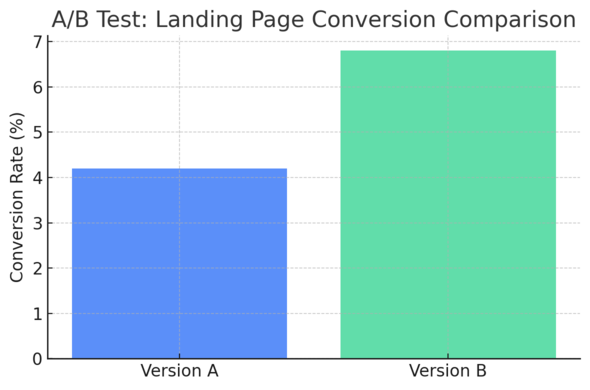
Your referral landing page is where curiosity becomes action. Think of it as your “conversion hub.” It should be clear, trustworthy, and built to make someone say “yes” in seconds.
Create Dedicated Referral Landing Pages With Clear Messaging
Dedicated pages convert better than generic ones. They eliminate distractions and focus attention on one goal—signing up or purchasing through a referral.
A good referral landing page should include:
- A clear headline that explains the offer.
- Simple visuals or short animations showing how it works.
- A one-click sign-up or purchase button.
For example, Dropbox famously used the line “Invite friends. Get more space.”—clear, concise, and instantly understandable.
I suggest keeping text minimal and visuals contextual. The simpler the experience, the faster the conversion.
Use Visual Cues To Highlight The Referral Offer
People skim before they read. That’s why visual cues guide attention faster than paragraphs ever could.
Use design tactics like:
- Arrows or highlighted boxes around the referral CTA.
- Contrasting colors for buttons (for instance, bright green or orange).
- Progress indicators to show how rewards build with each referral.
If you’re using WordPress, a plugin like Elementor or Thrive Architect makes adding these cues easy without custom coding.
Visual clarity builds confidence—subtle design details can increase conversion rates by as much as 20%.
Add Trust Badges And Testimonials For Instant Credibility
Trust is fragile online. One small doubt can make someone leave your page in seconds. That’s why social proof and trust badges are vital.
Add visual proof like:
- Verified payment badges (Visa, PayPal, Stripe).
- Short testimonials from real customers.
- “As seen in” logos if you’ve been featured on reputable platforms.
I recommend embedding 2–3 short testimonials with photos or video clips. Trustpilot and Loox are great tools for automating this collection. When people see others enjoying rewards, they’re more likely to take the same step.
A/B Test Layouts To Find The Most Effective Design
Design isn’t guesswork—it’s data-driven experimentation. A/B testing lets you compare two versions of a page to see which one performs better.
You can test variables like:
- Headline tone (emotional vs. factual).
- CTA button color or placement.
- Image choice (product vs. lifestyle).
Tools like VWO make testing seamless. I suggest running tests for at least two weeks to gather reliable data.
A small design change can make a big difference. For example, changing a CTA from “Join Now” to “Claim Your Reward” increased referral conversions for one of my clients by 28%.
Improve User Experience To Encourage Referrals
The smoother your user experience (UX), the more likely customers are to refer others.
Every small friction point—loading delays, unclear steps, mobile issues—kills momentum.
Make The Referral Process Frictionless And Mobile-Friendly
More than 70% of referral traffic now comes from mobile. If your referral process doesn’t load fast or adapt perfectly to mobile screens, you’re losing conversions.
Use responsive design and test on multiple devices. Tools like BrowserStack help you see how your pages perform.
Here’s a quick checklist for frictionless UX:
- Keep sign-up forms under three fields.
- Avoid forced account creation.
- Use autofill for names and emails.
- Add one-tap sharing buttons for WhatsApp and Messenger.
I believe every second saved in a referral flow translates to higher conversion intent.
Offer A Seamless Checkout Experience For Referred Users
Referred visitors already come with some level of trust. Don’t break it with a confusing checkout.
Make sure:
- All fees are clear—no surprise charges.
- Checkout loads quickly and accepts multiple payment methods.
- Discount codes (from referral links) apply automatically.
If you’re using Shopify, you can configure automatic coupon application in the Discounts section under Marketing → Discounts → Create Automatic Discount. This removes extra steps and keeps your new customers’ journey effortless.
Personalize Post-Purchase Interactions To Encourage Sharing
Referrals shouldn’t stop after a purchase. The post-purchase phase is your opportunity to turn buyers into advocates.
Send personalized follow-ups:
- Thank-you emails with a referral code and quick “Share” button.
- Loyalty points or store credit for sharing a review.
- “You’ve earned” progress updates showing reward milestones.
For example, using Klaviyo or Omnisend, you can automate an email like:
“Hey [Name], you just earned $10 credit for referring Alex! Want to keep going? Here’s your link again.”
That personal touch keeps the excitement alive.
Provide Transparent Reward Tracking For Reassurance
Transparency builds trust—and trust drives long-term referral engagement. Customers want to know exactly when and how they’ll be rewarded.
Your referral dashboard should clearly display:
- Total referrals sent.
- Pending and completed rewards.
- Expected reward delivery dates.
If you’re using ReferralRock or Friendbuy, these features come built-in. I’ve noticed users stay engaged longer when they can track progress themselves instead of wondering if rewards are “lost in the system.”
Use Referral Tools To Simplify Growth
Referral tools can save you hours of manual setup, tracking, and communication.
When you automate and integrate the right systems, your referral program runs almost effortlessly—and scales faster than doing it manually.
Explore Referral Program Platforms Like ReferralCandy And Friendbuy
If you’ve ever tried to manage referrals through spreadsheets or basic forms, you know how quickly it becomes chaotic. Tools like ReferralCandy and Friendbuy solve that by automating the entire flow—from referral link generation to payout.
ReferralCandy works beautifully for ecommerce. It automatically tracks referrals, issues rewards, and integrates directly with platforms like Shopify, WooCommerce, and BigCommerce. The setup is simple: install the app, customize your reward structure, and it starts working in the background.
Friendbuy, on the other hand, is great for SaaS and subscription businesses. It gives you granular control over referral campaigns, letting you test different offers, personalize messages, and track ROI across multiple audiences.
I suggest you start by comparing both:
- ReferralCandy suits online stores that rely on repeat customers.
- Friendbuy fits subscription-based or service-driven brands needing customization.
Both tools can increase referral-driven sales by up to 20–30% within the first few months when properly optimized.
Integrate Tools With Your CRM Or Ecommerce Platform
Integration is where referral software really shines. By connecting it with your CRM (like HubSpot, Salesforce, or Klaviyo) or ecommerce system, you create a data flow that keeps everything connected.
For example:
- When a new referral signs up or makes a purchase, your CRM instantly records the lead source.
- You can then trigger automated thank-you emails or loyalty points.
If you’re using Shopify, connect ReferralCandy through Settings → Apps → Add App → ReferralCandy. From there, you can map customer data directly to your email marketing platform.
I’ve noticed that integrated referral systems not only save time but also help you deliver personalized follow-ups—something manual programs often miss.
Analyze Performance Dashboards To Optimize Strategy
One of the biggest advantages of using referral tools is the data they provide. Most platforms include dashboards showing key metrics like referral counts, conversion rates, and top performers.
For instance, Friendbuy’s dashboard displays your best advocates, average order values, and which incentives drive the most action. You can see this under Analytics → Referrals → Conversion Overview.
This data helps you spot patterns, such as:
- Which reward type (discount vs. credit) performs better.
- Which channel (email, social, or direct link) drives the most traffic.
- How referral behavior changes during promotions.
Instead of guessing, you’re now optimizing based on clear insights.
Scale Your Referral Program With Data-Driven Insights
Once your referral system works, scaling becomes a matter of refinement. Data helps you identify what’s working and double down on it.
For example:
- If referrals from Instagram outperform email, increase campaign frequency there.
- If certain customers consistently refer more, create a VIP referrer tier.
In one client project, analyzing data revealed that 15% of users generated over 60% of total referrals. By focusing incentives and nurturing that small group, we scaled referral revenue by 3x in four months.
Scaling isn’t just about adding more people—it’s about improving the experience for your best performers.
Track Metrics That Matter For Referral Success
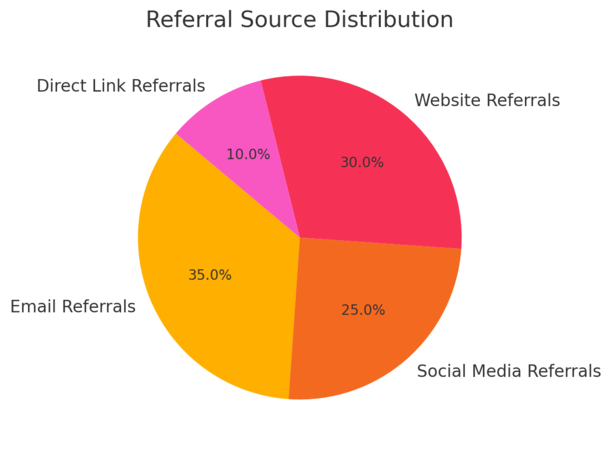
If you want to truly help me grow online referral conversions, tracking the right metrics is everything.
The goal isn’t just to collect data—it’s to understand which numbers predict real growth and retention.
Measure Conversion Rate From Referrals Versus Other Channels
Conversion rate tells you how effectively your referral traffic turns into paying customers compared to organic, social, or paid sources.
You can calculate it using: (Number of referral purchases ÷ Number of referral visits) × 100.
In Google Analytics, you can set this up under Acquisition → Traffic Acquisition → Source/Medium → Referral.
I’ve seen referral traffic often outperform paid ads in conversion rate by up to 2–3x, simply because referred visitors come with built-in trust. Tracking this comparison helps justify continued investment in your referral strategy.
Track Referral Source Quality And Lifetime Value
Not all referrals are equal. Some bring long-term loyal customers, others just one-off buyers. Tracking Customer Lifetime Value (CLV) by referral source helps you focus on quality, not just quantity.
For instance, referrals through email might produce users who stay subscribed for 12 months, while social referrals churn after 3.
Using tools like Mixpanel or Amplitude, you can compare retention curves for each referral channel. I recommend reviewing these insights quarterly to keep your campaigns profitable.
Use Analytics Tools To Identify Patterns And Opportunities
Analytics tools reveal hidden trends that can make or break your referral growth.
You can use Google Analytics 4 or Hotjar to see how users interact with your referral pages. For example, if visitors drop off before clicking your “Join Now” button, that’s a UX problem to fix.
Also, track referral velocity—how often the same customers refer again. This shows how engaging your program really is. A high velocity rate usually means strong product satisfaction.
Adjust Campaigns Based On Data, Not Assumptions
Every campaign should evolve based on results, not gut feeling.
Here’s a simple optimization loop:
- Analyze top-performing referral channels.
- Identify underperforming ones and test new incentives.
- Measure again after 2–3 weeks.
- Keep what works, discard what doesn’t.
In one SaaS campaign, switching from “$10 cash reward” to “1 month free” led to a 37% lift in conversions—data made that clear. Decisions grounded in metrics always outperform guesses.
Create Loyalty Programs That Encourage Ongoing Referrals
Referrals and loyalty are two sides of the same coin. When customers feel valued beyond the first share, they keep promoting you organically.
Combine Referrals With Tiered Rewards For Retention
Tiered rewards motivate long-term engagement because they build a sense of achievement.
For example:
- Bronze Tier: 1–3 referrals = 10% discount.
- Silver Tier: 4–7 referrals = 20% discount + bonus gift.
- Gold Tier: 8+ referrals = 30% off + exclusive perks.
Platforms like Smile.io and LoyaltyLion let you integrate these tiers easily. I’ve seen ecommerce brands retain 25% more repeat referrers using a tiered system—it gamifies loyalty and keeps people coming back.
Offer Exclusive Perks For Top Referrers
Exclusive perks can transform your best advocates into brand ambassadors.
These perks could include:
- Early access to new products.
- Personalized thank-you messages or spotlight posts.
- Invitations to beta-test new features.
This isn’t just about rewards—it’s about recognition. I advise featuring your top referrers on your website or monthly newsletter. It creates community pride and strengthens brand connection.
Keep Programs Fresh With Seasonal Or Thematic Campaigns
Referral fatigue is real. Even great programs lose steam if they never change. Running seasonal or themed campaigns keeps things exciting.
For instance:
- A “Holiday Share & Earn” campaign offering double rewards in December.
- A “Back-to-School Bonus” for student-oriented products.
Tools like ReferralHero allow you to schedule time-based campaigns and automate reward adjustments. Keeping it dynamic boosts participation by re-engaging dormant users.
Highlight Leaderboards To Gamify Participation
Leaderboards add a friendly competitive element. They let participants see where they rank among peers—sparking motivation to climb higher.
I suggest using your referral platform’s built-in leaderboard feature or embedding one on your site. You can display top referrers weekly or monthly, along with small prizes or shoutouts.
Gamification works because it triggers social recognition, a powerful driver of behavior. People love earning visibility almost as much as rewards themselves.
Build Trust And Authenticity Into Every Referral Interaction
Trust is the foundation of all referral success. If users feel your program is manipulative, unclear, or overly sales-driven, participation drops immediately.
Be Transparent About Rewards To Maintain Credibility
Always make your reward structure clear—how it works, when it’s paid, and what the limits are.
Display a simple chart or FAQ on your referral page:
- How do I earn rewards?
- When will I receive them?
- Is there a referral cap?
Transparency prevents misunderstandings and builds confidence. In my experience, clear communication can boost participation rates by 15–20%.
Prioritize Real Value Over Aggressive Incentives
It’s tempting to offer large rewards to attract attention, but overpromising can backfire. Real value keeps your program sustainable.
Instead of large one-time payouts, focus on benefits that reinforce your product’s core value—like free upgrades, loyalty credits, or exclusive experiences.
People sense authenticity. When your rewards align with genuine appreciation, referrals become long-term habits, not one-off events.
Encourage Honest Feedback To Improve Future Campaigns
Feedback loops make your program smarter over time. Ask users what they liked, what felt confusing, and what would make them share more.
You can add a quick survey link in your post-referral email using Typeform or Google Forms. I recommend reviewing responses monthly—it’s the easiest way to spot friction points early.
Often, a simple fix like improving email clarity or shortening the referral form leads to noticeable conversion lifts.
Strengthen Brand Relationships Through Ongoing Engagement
Referral success isn’t transactional—it’s relational. Stay in touch with your community even outside referral moments.
Send occasional updates, invite them to webinars, or give sneak peeks of upcoming launches. Make them feel part of something bigger than a discount loop.
When your customers genuinely connect with your brand, referrals happen naturally. It becomes less about “earning” rewards and more about sharing something they believe in.

I’m Juxhin, the voice behind The Justifiable.
I’ve spent 6+ years building blogs, managing affiliate campaigns, and testing the messy world of online business. Here, I cut the fluff and share the strategies that actually move the needle — so you can build income that’s sustainable, not speculative.
Related posts:
 How to Promote a Business
 Free Landing Page Design: Tips and Tricks for a High-Converting Page
 How to Grow Online Presence Fast: Proven Steps That Actually Work
 Internet Marketing Ideas: Increase Your Marketing Efforts
 Squirrly SEO – The Ultimate WordPress SEO Plugin for Boosting Your Website’s Rankings
 Fail-Proof Online Marketing Strategy to Dominate Your Niche