
Table of Contents
Some links on The Justifiable are affiliate links, meaning we may earn a small commission at no extra cost to you. Read full disclaimer.
If you’ve been wondering how to grow online business on Facebook, you’re not alone. With over 3 billion active users, Facebook remains a goldmine for entrepreneurs who know how to use it right.
The real power lies in leveraging two tools most people underestimate—Groups and Ads.
how do you combine them strategically to attract loyal customers and consistent sales without wasting money or time?
Let’s break it down step-by-step so you can turn Facebook into a real growth engine for your business.
Understanding How Facebook Growth Really Works
Before you try to grow your online business on Facebook, you need to understand how growth actually happens on the platform.
Facebook rewards consistency, community, and content that keeps people engaged—not just ads or flashy posts.
Why Facebook Still Drives Real Business Growth
I often hear people say Facebook is “dead.” It’s not—it just evolved. With over 3 billion monthly active users, Facebook remains one of the few platforms where organic reach and paid reach can complement each other.
Unlike Instagram or TikTok, Facebook still allows for long-form conversations, group connections, and retargeting that tracks behavior across Meta products.
Here’s why it still matters:
- Depth of targeting: You can reach people based on interests, behaviors, and demographics that no other platform matches.
- Community-driven engagement: Facebook Groups, comments, and reactions create a sense of belonging—something algorithms reward.
- Retargeting power: With the Meta Pixel, you can re-engage visitors who interacted with your page, website, or ads.
In my experience, the businesses that thrive here focus less on broadcasting and more on building relationships. That’s the real growth engine.
The Core Difference Between Facebook Pages, Groups, and Ads
Think of these as three layers of the same ecosystem:
- Facebook Pages are your public storefront. They establish credibility, host ads, and serve as your brand’s face.
- Facebook Groups are your community hub. They’re private spaces where members share experiences, ask questions, and build loyalty.
- Facebook Ads are your accelerators. They amplify visibility, attract new audiences, and funnel people into your Page or Group.
A smart approach connects them. For example, I often advise clients to use Ads to invite users into their Group, nurture them there, then drive sales through trust-based offers shared within.
How The Facebook Algorithm Affects Visibility and Engagement
Facebook’s algorithm prioritizes meaningful interactions. This means it shows content that sparks comments, shares, and real conversation—not one-way promotions.
Here’s what matters most:
- Recency: Newer posts get priority.
- Engagement quality: Comments and shares weigh more than likes.
- Relevance: Facebook tracks how users interact with similar content.
To stay visible, I suggest mixing educational posts, polls, and stories that invite responses.
Avoid dropping links in every post—Facebook lowers reach for external URLs. Instead, post content natively, then use comments or follow-ups for links.
The Role of Community Building in Sustained Growth
If you want your business to last, build a community—not just a customer list. Groups allow two-way interaction that no ad can replicate. When members feel seen, they stay. When they stay, they buy.
Here’s a simple example:
A fitness coach I worked with stopped running cold ads for her programs and instead built a free “7-Day Accountability Challenge” group.
Engagement soared, and 20% of members converted into paying clients. The takeaway? Relationships scale better than reach.
Building community on Facebook means showing up, responding authentically, and celebrating your members’ wins as much as your own.
Building a Profitable Facebook Group for Your Business
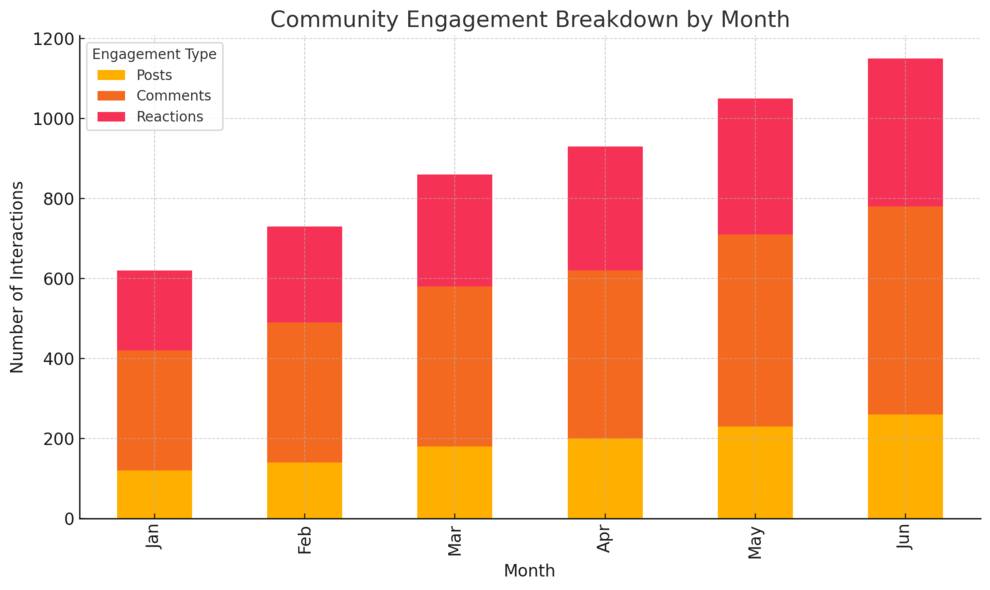
Once you understand how growth works, it’s time to build your Facebook Group—the heart of your organic and paid strategy.
Choosing a Profitable Niche That Attracts Your Ideal Audience
Your group’s success starts with clarity. Choose a niche that solves a specific pain point. Broad topics like “digital marketing” rarely work.
Instead, focus on something tangible like “Facebook Ads for Local Businesses.”
Ask yourself:
- Who do I want in this group?
- What transformation will they experience here?
- What conversations will keep them coming back?
The narrower your focus, the faster your growth. You’re not excluding people—you’re creating relevance.
How to Name, Structure, and Set Up a Facebook Group That Converts
Your group name is your first SEO asset. Use searchable keywords in it. For example: “Freelance Designers – Client Growth & Pricing Tips.”
When setting up:
- Use tags that match your target audience’s search terms.
- Set membership questions to filter quality members.
- Turn on post approval to keep discussions clean.
Inside Facebook: Groups → Create New → Choose Privacy Settings → Add Description. Keep your intro short and promise a clear benefit.
Using Group Rules and Engagement Prompts to Build Trust
Rules prevent chaos and create a safe environment. Common ones include “No self-promo” or “Value before pitch.”
You can also use Engagement Prompts—recurring posts that invite interaction. Examples:
- “Monday Wins” for members to share progress.
- “Ask Me Anything Fridays” for expert guidance.
- “Weekly Challenges” to inspire participation.
I’ve found that groups with recurring prompts grow engagement 2–3x faster because members anticipate the routine.
How to Create and Schedule Content That Sparks Daily Conversation
Consistency beats volume. Use Facebook’s native Post Scheduling tool: Group → Manage → Scheduled Posts.
Mix up your content:
- Educational posts (how-tos, tips)
- Emotional posts (stories, member highlights)
- Interactive posts (polls, challenges)
A pattern I like: 60% value, 30% engagement, 10% promotion. The goal is to build conversation before conversion.
Turning Group Members into Loyal Customers Naturally
Selling inside groups should feel organic. Avoid cold pitches—focus on problem-solving.
Here’s how I do it:
- Host a free workshop inside the group.
- Gather questions and pain points from comments.
- Follow up with a paid offer addressing those problems.
This method converts because it builds trust before transaction. Over time, your group becomes a self-sustaining sales ecosystem.
Creating Content That Fuels Engagement and Sales
Now that your group is active, your content will determine how engaged and profitable it becomes.
How to Balance Value-Driven and Promotional Content
If every post sells, people tune out. If you never sell, you stay broke. The key is balancing education and promotion.
I recommend this ratio:
- 3 value posts (guides, advice, tips)
- 1 engagement post (polls, questions)
- 1 promotional post (offers, testimonials)
Make promotional posts story-based—show the why behind your offer. People buy when they connect emotionally, not when they’re pressured.
Using Storytelling to Connect Emotionally with Group Members
Stories make facts relatable. Share personal moments—like a challenge you faced and how you overcame it.
Example: A copywriter I know shared her struggle with imposter syndrome before landing her first $5K client. That post got 400+ comments—not because of her skills, but because people saw themselves in her story.
To make storytelling effective:
- Start with a problem.
- Build emotional tension.
- End with transformation.
Authenticity always wins over perfection.
The Power of Live Videos and Polls in Building Real Engagement
Live videos give you instant visibility. Facebook pushes live streams higher in feeds because they drive real-time interaction.
Tips for success:
- Go live once a week at a fixed time.
- Keep sessions short (10–15 minutes).
- Ask questions mid-stream to boost engagement.
Polls, on the other hand, are engagement magnets. A simple “What’s your biggest challenge with [topic]?” can get dozens of responses—and double as market research.
How to Repurpose High-Performing Posts Across Ads and Pages
Don’t let good content die inside your group. Repurpose it for ads and your business page.
Here’s my quick method:
- Identify posts with the most comments or shares.
- Convert them into ad copy or blog snippets.
- Use insights to refine targeting in Ads Manager.
Example: If your “3 Tips for Scaling Etsy Sales” post gets 200 comments, turn it into an ad with a call to join your group for more insights. That’s how you blend organic credibility with paid amplification.
Pro Tip: Growth on Facebook isn’t about hacking the algorithm—it’s about understanding how people connect. When you use Groups to build trust and Ads to amplify that trust, growth becomes predictable, sustainable, and genuinely human.
Using Facebook Ads To Amplify Group Growth And Sales
If you want to grow your online business on Facebook faster, ads are the fuel that can accelerate everything you’ve built organically.
When done right, Facebook Ads don’t just increase visibility—they bring in the right people who’ll engage, buy, and stick around long-term.
Understanding Facebook Ads Manager And Campaign Objectives
Facebook Ads Manager can feel intimidating at first, but once you understand how it works, it becomes one of your most powerful tools. Inside Ads Manager, you’ll find three key levels:
- Campaign: This is where you choose your objective (awareness, traffic, engagement, conversions, etc.).
- Ad Set: Here, you define your audience, budget, and placement.
- Ad: This is the creative part—images, videos, and text your audience will see.
If your goal is to grow your Facebook Group or build a warm audience, choose objectives like Engagement or Traffic. These drive interaction and discovery. If you’re running a paid offer later, you can switch to Conversions once you’ve built an engaged audience.
I often recommend testing one objective at a time. For example, run a Traffic campaign sending people to a lead magnet and invite them into your group afterward. That’s a more natural entry point than pushing people straight into a sale.
How To Run Engagement Ads That Attract Quality Group Members
Engagement ads are my favorite for nurturing communities because they attract active users instead of passive scrollers.
Here’s how to set them up effectively:
- Inside Ads Manager: Choose “Engagement” → “Post Engagement.”
- Select a post that’s already performing well organically.
- Set your targeting based on interests related to your niche (e.g., “Ecommerce Tools,” “Digital Marketing,” or “Shopify”).
- In your ad copy, invite people to join your Facebook Group for exclusive tips or community support.
The best engagement ads feel conversational, not corporate. Instead of “Join my group for updates,” say something like, “We’re helping small business owners scale with zero ad waste—come see how others are doing it.”
From what I’ve seen, these types of ads often convert 30–40% cheaper than cold lead ads because they blend in with real user content.
Using Lookalike Audiences To Target Ideal Customers
A Lookalike Audience lets you reach people who are similar to your best customers or most engaged members.
To create one:
- Go to Audiences → Create Audience → Lookalike Audience.
- Choose a Source Audience (e.g., people who joined your group, visited your website, or purchased).
- Set the Location and Size. A smaller percentage (1–2%) gives higher similarity and better accuracy.
For example, if you have a list of 500 active members who’ve bought your product, create a Lookalike Audience based on that list. Facebook will find new users who share their behaviors and interests.
I believe this is where Facebook Ads start paying off. Instead of guessing who to target, you let Facebook’s data engine find high-value prospects who are statistically similar to your best-performing audience.
Retargeting Group Members And Page Visitors For Higher ROI
Retargeting is where the real conversions happen. These are people who already know you—they’ve visited your Page, clicked your ad, or engaged in your Group.
Here’s how to set it up:
- Install the Meta Pixel on your website. You’ll find it under Events Manager → Data Sources → Add Pixel.
- Create a Custom Audience of people who visited specific pages or interacted with your content in the past 30–90 days.
- Run personalized ads to re-engage them—like promoting a free masterclass, a limited-time offer, or a new community challenge.
A quick example: I once helped a small online store retarget their warm audience with a “Still Thinking About It?” ad featuring user testimonials. The click-through rate jumped by 47%, and cost per acquisition dropped by half.
Warm audiences almost always deliver a higher ROI because they already trust you.
Common Facebook Ad Mistakes That Waste Budget
I’ve seen too many businesses burn money on Facebook Ads simply because of these avoidable mistakes:
- Running ads without a clear objective: If you’re testing, stick to engagement or traffic goals first.
- Targeting too broadly: Start small. Quality over quantity.
- Using weak visuals: Ads with real people’s faces or short videos outperform static graphics.
- Not testing multiple creatives: Always A/B test at least two ad versions.
- Ignoring comments and messages: Engagement is part of your ad performance—responding boosts reach.
A practical rule I follow: never spend more than $20 a day on a new campaign until it’s proven. Test, tweak, then scale. That’s how you grow responsibly without draining your budget.
Combining Groups And Ads For Maximum Impact
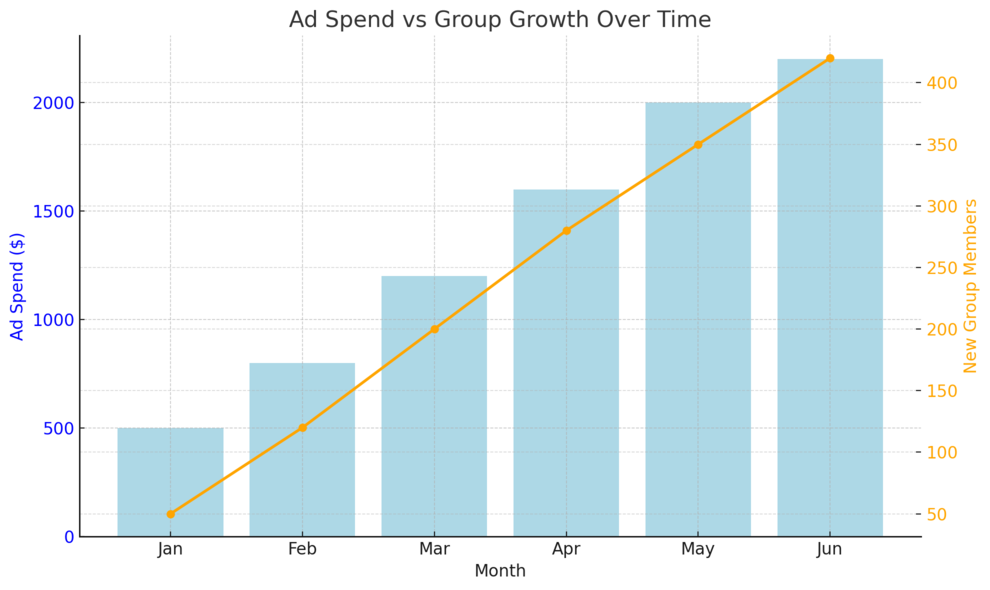
Facebook Ads alone won’t build loyalty—but when combined with Groups, they can create a growth loop that keeps your business thriving long-term.
How To Use Ads To Funnel People Directly Into Your Group
Instead of promoting a sale directly, use ads to bring people into your ecosystem—your Facebook Group.
Here’s a workflow I often suggest:
- Run an Engagement or Traffic Ad offering free value (like a checklist, short training, or community).
- Include a direct Group link in the ad or on a landing page.
- Welcome new members personally inside the Group and tag them in a value post.
This approach feels human and builds credibility fast. You’re not pushing a sale—you’re inviting someone to join a conversation. Once they trust you, sales follow naturally.
The Group-First Funnel: Building Relationships Before Selling
Think of your Group as the warm-up stage of your funnel. Instead of driving cold traffic to your product, drive them to a space where they can get to know you.
Inside the Group:
- Share consistent, actionable advice.
- Host live Q&As or mini challenges.
- Highlight member results and testimonials.
Once trust is established, introduce paid offers through posts, pinned content, or live sessions. This method not only improves conversion rates but also reduces ad costs because you’re nurturing before selling.
I’ve used this approach with multiple clients—and it often turns a $10 ad lead into a $100 customer over time.
Using Group Insights To Refine Your Ad Targeting
Facebook Group Insights provide valuable data about who your most active members are—like age, gender, location, and engagement patterns.
Access it through Group → Admin Tools → Insights. Look at:
- Top contributors: Who engages most often?
- Post engagement times: When is your audience most active?
- Demographics: Where do most members come from?
Use these insights to adjust your ad targeting. For example, if you notice your most engaged members are women aged 25–34 in the U.S., set your next ad campaign to match that profile.
It’s like having free market research built right into your community.
Creating A Seamless Customer Journey From Group To Purchase
Your goal is to guide people from Group engagement to a confident purchase decision—without it feeling forced.
Here’s how to make the transition seamless:
- Share valuable content consistently inside your Group.
- Offer mini free experiences (e.g., live workshops or templates).
- Introduce your paid offer as the next step in solving their problem.
- Use retargeting ads to remind members who showed interest but didn’t buy.
Think of it as bridging curiosity to commitment. The more natural and transparent you make the journey, the stronger the trust—and the higher the sales conversion.
Expert Tip: I always remind business owners—Facebook isn’t just an ad platform, it’s a relationship platform. The real secret to growth is aligning your ads with your community’s heartbeat. Use ads to bring people in, Groups to connect deeply, and authentic communication to turn trust into consistent sales.
Tracking Results And Scaling What Works
If you want to grow your online business on Facebook effectively, you can’t just post and hope for results.
You need to track, analyze, and scale what actually works. Numbers don’t lie—and in Facebook marketing, data is what separates guesswork from consistent growth.
How To Measure Success Beyond Likes And Comments
It’s easy to get caught up in vanity metrics like likes, reactions, or follower counts. But those don’t always equal business growth.
I believe real success on Facebook should be measured through engagement depth and conversion intent.
Here’s what I suggest focusing on instead:
- Post engagement rate: This shows how often your audience interacts with your content relative to how many people see it.
- Group growth rate: Track how quickly your member count increases and whether engagement scales with it.
- Lead and customer conversions: How many members become email subscribers or paying customers?
- Retention: Are group members staying active or dropping off after a few weeks?
A simple way to measure this is to track monthly snapshots of your top-performing posts and compare reach, engagement, and conversions. Over time, you’ll see patterns that reveal what type of content moves people from interest to action.
I once worked with a brand that was obsessed with post likes—until we tracked who was actually clicking their offer links. Turns out, the posts with fewer reactions were generating 60% more leads. That’s the power of tracking intent, not applause.
Key Metrics To Track In Facebook Groups And Ads
Both Groups and Ads offer rich insights if you know where to look.
For Facebook Groups:
- Active members: Found in Group Insights → Engagement. It shows how many members are contributing weekly.
- Top contributors: Helps identify brand advocates who can help moderate or promote.
- Popular posts: Reveals what type of content sparks conversations—use that data for future ad testing.
For Facebook Ads:
- CTR (Click-Through Rate): Measures how compelling your ad is. Aim for at least 1%.
- CPC (Cost Per Click): Keeps your ad spend efficient. The lower, the better.
- Conversion rate: Tells you how effectively your ad turns interest into action.
- Frequency: If the same person sees your ad too often (over 4x), performance usually drops.
The sweet spot is finding overlap between your Group Insights and Ad performance. If engagement drops in your group after running a specific ad, that ad might be attracting the wrong audience.
Tools That Help Automate And Analyze Facebook Growth
Tracking manually can be overwhelming, especially once your campaigns multiply. Thankfully, there are tools that simplify it.
- Meta Business Suite: Great for managing posts, insights, and ads from one dashboard. I recommend using its “Overview” tab weekly for quick performance scans.
- GroupTrack CRM: Lets you tag, track, and message Facebook Group members automatically—perfect for managing warm leads.
- Metricool: A powerful analytics tool that compares Facebook engagement with your website traffic and other platforms.
- Google Looker Studio: If you love data visualization, connect it to your Facebook Ads Manager for real-time dashboards.
In my experience, automation doesn’t replace strategy—it amplifies it. These tools free up time so you can focus on optimizing what’s working instead of chasing numbers manually.
How To Test, Iterate, And Scale Winning Campaigns
Scaling success on Facebook is a game of testing and refinement. The best marketers I know follow a “test small, scale big” mindset.
Here’s the basic process I recommend:
- Test: Launch multiple variations of the same ad (different headlines, visuals, or calls to action).
- Measure: After 3–5 days, compare results using key metrics like CTR and cost per conversion.
- Refine: Turn off poor performers and tweak high performers (e.g., test new images or audiences).
- Scale: Gradually increase your ad budget by 20–30% every few days instead of doubling it overnight.
Inside Facebook Ads Manager, you can use A/B Testing → Create Test → Compare Ad Sets to streamline this.
One of my favorite examples: a coaching client of mine ran 10 ad variations promoting her group. Only one had a conversational headline—and that one ad accounted for 80% of her group sign-ups. Sometimes, one tweak changes everything.
Pro Tips For Long-Term Facebook Growth
Long-term success on Facebook doesn’t come from hacks or quick wins. It comes from consistency, community, and authenticity. Once you’ve built momentum, the challenge is sustaining it.
How To Keep Members Engaged As Your Group Expands
As your group grows, engagement naturally dips—it’s normal. The key is to make your members feel personally connected, even at scale.
Here are a few ways to do that:
- Segment your audience: Create subtopics or theme days for different interests.
- Empower moderators: Appoint trusted members to welcome newcomers or spark discussions.
- Use polls and live sessions: These keep engagement personal even as numbers grow.
I’ve found that engagement thrives when people feel ownership. Ask for feedback regularly, and don’t be afraid to let members shape the community’s direction.
Collaborating With Other Group Owners And Influencers
Partnerships can dramatically expand your reach without extra ad spend. I suggest finding complementary group owners or micro-influencers in your niche.
How to collaborate effectively:
- Co-host live sessions to combine audiences.
- Swap group mentions or share each other’s posts.
- Create joint challenges that benefit both communities.
I once collaborated with another marketer to host a “30-Day Facebook Challenge.” Both our groups grew by 40% organically in a month—without any ad spend. Collaboration compounds growth when trust is mutual.
Maintaining Authenticity While Running Paid Ads
The biggest mistake I see businesses make is letting their tone change once money enters the picture. Paid ads should feel like an extension of your brand’s real voice, not a corporate broadcast.
To stay authentic:
- Use language that mirrors how you talk in your group.
- Feature real member testimonials or screenshots instead of stock photos.
- Respond to ad comments personally—don’t automate everything.
I always remind clients that ads start conversations; they don’t replace them. Authenticity isn’t about perfection—it’s about consistency between your paid and organic presence.
Future-Proofing Your Facebook Strategy For Algorithm Changes
Facebook’s algorithm evolves constantly, but the principles of good marketing don’t. To stay ahead, you need flexibility and a diversified approach.
Here’s what I recommend:
- Diversify your traffic sources: Don’t rely solely on Facebook. Build an email list and repurpose your best group content on Instagram or YouTube.
- Focus on human connection: No algorithm update can kill genuine relationships.
- Stay updated: Follow Meta’s Business Newsroom for official updates and new feature releases.
For instance, when Facebook started prioritizing Reels, early adopters saw organic reach skyrocket. The takeaway? Be ready to adapt, but never lose your brand’s personality in the process.
Expert Tip: Facebook growth isn’t just about numbers—it’s about nurturing trust, tracking results with intention, and scaling relationships into revenue. When you pair data-driven decisions with genuine connection, your online business doesn’t just grow—it endures.

I’m Juxhin, the voice behind The Justifiable.
I’ve spent 6+ years building blogs, managing affiliate campaigns, and testing the messy world of online business. Here, I cut the fluff and share the strategies that actually move the needle — so you can build income that’s sustainable, not speculative.
Related posts:
 10 Smart Ways to Make a New Business Grow Online Fast
 How to Grow Online Business on Instagram Step-by-Step for Beginners
 How to Grow Online Business on Instagram Organically and Quickly
 Social Media Marketing for Small Business – Best Tips
 How to Grow an Online Business That Scales While You Sleep
 How to Make My Online Business Grow Using SEO and Smart Marketing