
Table of Contents
Some links on The Justifiable are affiliate links, meaning we may earn a small commission at no extra cost to you. Read full disclaimer.
If you’ve ever wondered how to grow online clothing business when the market already feels saturated with fashion brands, you’re not alone. Between fast-fashion giants and influencer-led labels, standing out can feel impossible.
But what if your brand could rise above the noise—not just with great designs, but with smart strategy and consistent growth?
This guide will show you practical ways to expand your brand’s reach, attract loyal customers, and carve out your own unique space in the fashion world.
Identify and Refine Your Unique Brand Identity
Before you can learn how to grow online clothing business, you need to know exactly what makes your brand stand out.
Your brand identity isn’t just a logo or a color palette—it’s the emotional fingerprint your customers remember you by.
Define What Sets Your Clothing Brand Apart
If you can’t clearly describe what makes your clothing brand different in one sentence, customers won’t be able to either.
I suggest starting by answering this: Why should someone choose your brand over Zara, Shein, or any other label online?
Here’s how to get there:
- Find your niche: Maybe you design minimalist streetwear for eco-conscious teens or bold prints for confident professionals. Be specific.
- Highlight your differentiator: This could be your sustainable materials, custom tailoring, or limited-edition collections.
- Ask your audience: Run a quick Instagram poll or email survey asking, “What words describe our brand to you?” Their answers will reveal what’s resonating—or what’s missing.
I’ve found that the most successful clothing brands build a micro-identity that evolves from customer language, not marketing jargon.
When your community starts describing you the way you want to be known, that’s brand alignment in action.
Build a Brand Story That Connects Emotionally
People don’t buy clothes—they buy what those clothes say about them. Your brand story should give customers a sense of belonging, aspiration, or purpose.
To craft an emotional story:
- Start with your “why”: Why did you start this clothing line? Maybe it began as a frustration with wasteful fashion or a love of handmade craft.
- Show the human side: Share your design process, behind-the-scenes work, or even challenges you’ve faced.
- Use emotional language: Instead of saying “we sell organic cotton hoodies,” try “we design hoodies that feel good on your skin and your conscience.”
For example, Patagonia’s entire marketing centers around environmental protection, while Gymshark focuses on empowerment through community. Both brands turn ordinary products into lifestyle statements through storytelling.
When customers feel emotionally tied to your story, they don’t just buy—they advocate.
Create a Consistent Visual and Verbal Identity Across Platforms
Your online clothing store, Instagram feed, packaging, and even email signatures should feel like they’re speaking the same language. Consistency builds familiarity, and familiarity builds trust.
To make your identity cohesive:
- Visual identity: Use a defined color palette, font family, and logo placement across every platform. For example, if your Shopify theme uses beige and serif fonts, make sure your Instagram posts and product tags reflect the same tone.
- Verbal identity: Decide how your brand “talks.” Are you playful, elegant, or minimalist? Keep the tone steady across your product descriptions, captions, and newsletters.
- Quick tip: Create a brand style guide—even a one-page document that outlines fonts, color codes, and writing tone will make your marketing infinitely smoother.
From what I’ve seen, inconsistency is one of the biggest silent killers for small fashion labels. When your visuals or tone shift unpredictably, customers lose that gut-level recognition that turns browsers into loyal fans.
Optimize Your Online Store for Conversions
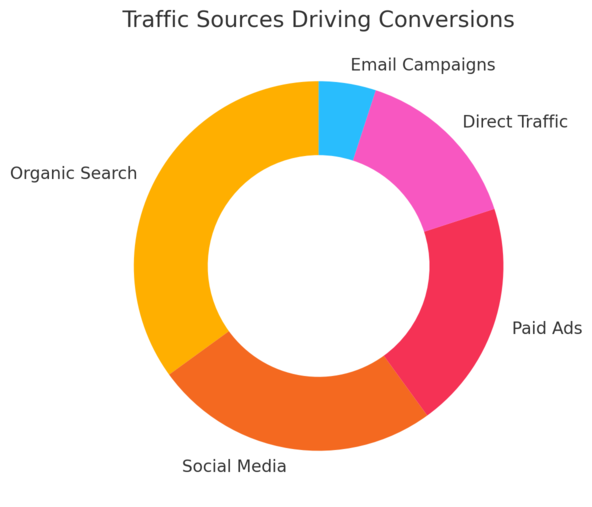
Once your brand identity is strong, the next step in how to grow online clothing business is making sure your website turns visitors into buyers.
Small tweaks to user experience can dramatically boost conversions.
Improve Website Navigation and Product Discoverability
A confusing website layout can lose sales faster than slow shipping. Navigation should feel intuitive, letting users find what they want in two clicks or less.
Here’s how you can simplify it:
- Use clear categories: Think “Women → Tops → Blouses” instead of creative but vague labels like “Essentials” or “Muse Edit.”
- Add a search bar: Customers often come looking for specific products—don’t make them hunt.
- Optimize filters: Allow filtering by size, color, price, and collection. In Shopify, go to Online Store > Navigation > Filters to customize this easily.
I advise watching a few real customers (friends or volunteers) shop your site. Note where they hesitate, scroll aimlessly, or leave—those are friction points to fix.
Use High-Quality Product Photography and Videos
In fashion eCommerce, your photos are your storefront. I can’t stress this enough: good imagery sells. Customers want to imagine themselves in your pieces.
To elevate your visuals:
- Shoot from multiple angles and include close-ups of fabric texture or stitching.
- Add lifestyle shots: Show your clothes on diverse models in real settings.
- Include short videos: A 5–10 second clip of a model walking in the outfit helps customers visualize fit and flow.
A simple setup—natural lighting, a tripod, and a neutral background—can make a massive difference. Platforms like Pixc or Remove.bg can clean up backgrounds if you don’t have a studio setup.
Visual storytelling creates desire. It transforms “nice shirt” into “I need that shirt.”
Simplify the Checkout Process to Reduce Cart Abandonment
If customers have to click through more than three pages to complete a purchase, you’re losing them. Cart abandonment rates average around 70% globally, often due to friction at checkout.
Here’s what to do:
- Offer guest checkout: Don’t force account creation.
- Use auto-fill fields: Speed up address input by integrating Google Address API.
- Display progress bars: Show how close users are to finishing (e.g., Step 2 of 3).
- Be transparent about shipping: Show delivery costs upfront to avoid unpleasant surprises.
For Shopify users: Go to Settings > Checkout and enable one-page checkout for a smoother process. I’ve seen brands increase conversion rates by up to 20% just from this small change.
Leverage Customer Reviews and Social Proof
Customers trust other customers far more than they trust ads. Social proof is the digital version of word-of-mouth, and it can make or break your conversion rate.
To maximize it:
- Display reviews prominently: Place star ratings under product titles and include customer photos when possible.
- Encourage reviews post-purchase: Use automated follow-up emails (e.g., “How do you like your new piece?”).
- Highlight testimonials on your homepage: Showcase quotes from real buyers or influencers wearing your brand.
Tools like Loox or Judge.me can automate review collection and integrate visuals seamlessly into your site.
From what I’ve seen, even a handful of authentic reviews can outperform a perfectly written product description. Customers want reassurance that others have taken the leap—and loved it.
Pro Tip: Conversion optimization is an ongoing experiment, not a one-time project. Track your analytics weekly. Small improvements—better images, cleaner navigation, or faster checkout—add up to exponential growth over time.
Use Data-Driven Marketing to Target the Right Audience
If you’re trying to figure out how to grow your online clothing business, data is your most valuable ally.
Instead of guessing what your customers want, you can use analytics and insights to market smarter—not harder.
Analyze Customer Behavior and Segment Your Market
Data-driven marketing starts with truly understanding your customers. I always suggest beginning by analyzing how shoppers interact with your store: what they browse, how long they stay, and when they drop off.
Here’s how to start:
- Use built-in analytics tools: Shopify, WooCommerce, and BigCommerce all show customer behavior reports under sections like Analytics > Reports > Sessions by Device Type or Online Store Sessions by Traffic Source.
- Look for patterns: Are most of your buyers 18–25-year-old women buying loungewear, or 30–40-year-old professionals buying workwear? Segment your audience accordingly.
- Create personas: Define 2–3 audience types (e.g., “Eco-conscious Millennial,” “Urban Minimalist,” “Streetwear Enthusiast”) and design campaigns tailored to each.
From what I’ve seen, segmented email and ad campaigns can increase conversion rates by up to 60% because they speak directly to customer needs instead of shouting at the crowd.
Use Google Analytics and Shopify Insights Effectively
Both Google Analytics (GA4) and Shopify Insights give you a treasure trove of behavioral data—if you know where to look.
Here’s how to make them work for you:
- Track conversion paths: In GA4, go to Reports > Engagement > Conversion Paths to see how users move from your social posts or ads to actual purchases.
- Set up custom events: For example, track how many people add items to their wishlist but don’t purchase. This tells you where to retarget.
- Monitor your best-selling categories: In Shopify, head to Analytics > Reports > Sales by Product to identify high-performing items and plan future promotions around them.
I recommend setting aside 30 minutes each week to check your analytics dashboard.
Even small insights—like noticing most traffic comes from mobile devices—can help you optimize your site design and improve user experience.
Personalize Marketing Messages Based on Purchase History
Personalization is no longer optional; it’s what makes your customers feel understood. When you tailor messages to match someone’s past behavior, you’re showing that you pay attention.
Here’s a simple approach:
- Segment by purchase type: If someone bought winter coats last season, target them with “new arrivals” emails when autumn hits.
- Use dynamic content: Tools like Omnisend let you personalize product recommendations in real-time based on browsing history.
- Retarget past buyers: Set up remarketing ads through Facebook or Google to remind them of similar products they viewed but didn’t buy.
I’ve seen this strategy work wonders. One small fashion brand I worked with increased repeat purchases by 28% just by sending personalized post-purchase emails with styling tips based on previous orders.
Leverage Social Media to Build Brand Authority
Social media is where your online clothing brand can truly come alive.
If you want people to not just buy from you but believe in you, this is where you build that connection.
Choose the Right Platforms for Your Clothing Niche
You don’t need to be everywhere—you just need to be where your audience lives.
For instance:
- Instagram: Ideal for visual storytelling, reels, and outfit inspiration.
- TikTok: Perfect for behind-the-scenes content, styling tips, and trend participation.
- Pinterest: Great for driving long-term traffic through outfit boards and lookbooks.
- Facebook: Still useful for community groups and retargeting ads.
If your brand targets Gen Z, TikTok and Instagram are must-haves. But for more mature audiences or luxury apparel, Pinterest and Facebook might deliver better ROI.
I recommend checking Meta Business Suite > Audience Insights or TikTok Analytics weekly to see which content formats drive the most engagement.
Develop a Consistent Content Strategy That Matches Your Brand Voice
Every post, caption, and video should reflect your brand personality. If your tone changes from serious to playful to overly salesy, followers will feel disconnected.
To stay consistent:
- Create content pillars: For example, “Style Tips,” “Behind the Seams,” and “Customer Spotlights.”
- Plan with a content calendar: Use tools like Later or Planoly to schedule posts and maintain rhythm.
- Keep your voice steady: If your brand tone is minimal and elegant, your captions shouldn’t sound overly casual.
Think of your social feeds as your virtual storefront—the cleaner and more cohesive they look, the more trustworthy your brand appears.
Use User-Generated Content to Build Community and Trust
Nothing builds credibility faster than seeing real people wear your clothes. Encourage your customers to share their looks—it’s social proof and free marketing rolled into one.
Ways to do it:
- Create a branded hashtag: Something simple like #WearYourBrandName works.
- Repost tagged content: Share customer photos in your stories and feed (with permission).
- Run small contests: Offer a discount or gift card for the best outfit posts.
User-generated content builds a sense of belonging. When people see others like them wearing your designs, they feel safe joining your community too.
Collaborate with Micro-Influencers for Authentic Exposure
Micro-influencers (creators with 5k–50k followers) often deliver better engagement than celebrity influencers because their recommendations feel genuine.
How to approach it:
- Use tools like Collabstr or Upfluence to find influencers in your niche.
- Offer product collaborations: Send free items for honest reviews instead of paying upfront fees.
- Track conversions: Use unique discount codes or affiliate links to measure performance.
From what I’ve seen, brands that partner with smaller, passionate influencers get 3x higher engagement rates than those relying solely on big names. It’s about authenticity, not reach.
Implement Effective Email Marketing Campaigns
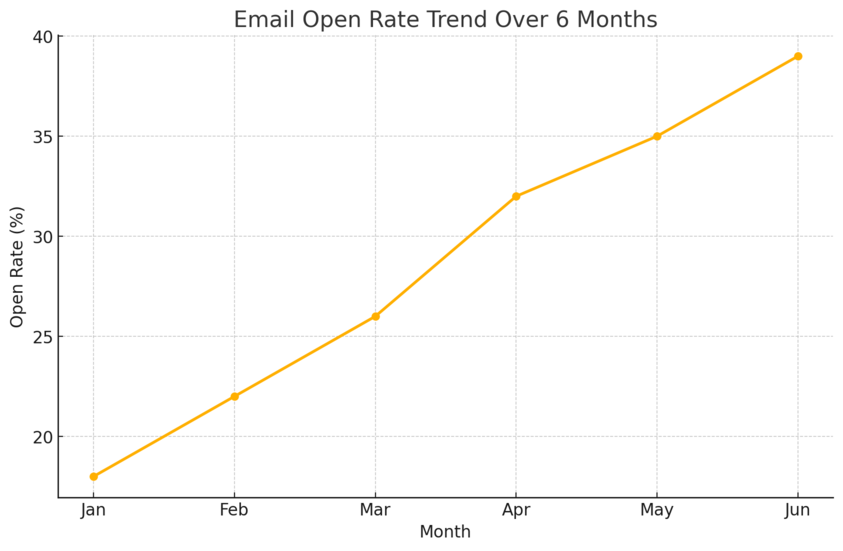
Even with social media dominating, email remains one of the most profitable tools to grow an online clothing business. It’s personal, direct, and fully under your control.
Build and Segment Your Email List for Personalized Offers
Your email list isn’t just a collection of contacts—it’s your most valuable owned asset. The goal is to build it intentionally and segment it for targeted communication.
Try this approach:
- Collect emails strategically: Use pop-ups offering a 10% discount on first orders or access to “early drops.”
- Segment by behavior: Separate new subscribers, repeat buyers, and dormant users.
- Use tags in Shopify or Klaviyo: For example, tag customers who purchased “Activewear” to send them tailored campaigns.
A segmented email list often drives 2–3x higher open rates compared to a one-size-fits-all blast.
Use Welcome Series and Abandoned Cart Emails to Boost Sales
First impressions matter. A well-crafted welcome email can set the tone for your entire customer relationship.
For a welcome series:
- Email 1: Thank the customer and share your brand story.
- Email 2: Highlight your bestsellers or top-rated products.
- Email 3: Offer a small discount or styling tip to encourage first purchase.
For abandoned cart emails:
- Send the first reminder within 1 hour.
- Follow up 24 hours later with a small incentive (e.g., free shipping).
- Add urgency in the final message, like “Your cart will expire soon.”
Shopify Email or Klaviyo make this setup easy under Marketing Automations > Abandoned Cart Flow.
I’ve personally seen conversion recovery rates as high as 15% with well-timed cart reminders.
Share Exclusive Content and Limited Drops to Encourage Loyalty
People love feeling part of something exclusive. Offering early access or limited editions builds loyalty and excitement.
Ideas that work:
- VIP lists: Offer early access to new collections for subscribers.
- Behind-the-scenes content: Show sneak peeks of upcoming designs or your creative process.
- Personalized thank-you notes: A short “You’ve been with us for a year!” message goes a long way.
I believe the brands that nurture their email subscribers like a close-knit community—not just a customer list—see the strongest repeat sales and lifetime value.
Pro Tip: Email marketing isn’t about sending more—it’s about sending smarter. Track open rates, click-throughs, and conversions regularly, then adjust your strategy based on what your audience actually engages with. The more you listen to your data, the more your emails will feel like conversations, not campaigns.
Master SEO to Drive Organic Traffic to Your Store
When it comes to how to grow your online clothing business, mastering SEO (Search Engine Optimization) is one of the smartest, most cost-effective moves you can make.
Instead of paying for every click, SEO helps you attract steady, organic traffic from people who are actively looking for what you sell.
Optimize Product Pages with Target Keywords and Metadata
Your product pages are your digital storefront. They need to do two things at once: impress search engines and appeal to human shoppers.
Start by identifying your focus keyword—for example, “linen summer dress” or “men’s oversized hoodie.”
Then naturally include it in:
- Product titles: Use clear, descriptive titles like “Organic Linen Summer Dress – Beige Maxi” rather than vague ones like “Summer Dream Dress.”
- Meta descriptions: Write a short, inviting summary (under 155 characters) that includes your target keyword and a call to action, like “Shop our breathable linen summer dress designed for effortless comfort.”
- Image alt text: Describe your images in plain language (e.g., “woman wearing beige linen dress with belt”).
If you’re using Shopify, go to Products > Edit > Search Engine Listing Preview to adjust titles, URLs, and meta descriptions.
I’ve seen brands improve product page traffic by 40% just by rewriting titles and metadata with clarity and intent. SEO isn’t about tricking Google—it’s about helping searchers find you faster.
Create Fashion Blogs That Solve Customer Pain Points
A fashion blog isn’t just for storytelling—it’s an SEO goldmine when done right.
Think of it as a way to attract potential customers who aren’t ready to buy yet but are searching for fashion advice or style inspiration.
Here’s how to make your blog work for your brand:
- Answer real search questions: Write posts like “How to Style a Linen Dress for Winter” or “The Best Fabrics for Summer Comfort.” These target long-tail keywords your audience is already Googling.
- Include visuals and internal links: Add outfit images and link to related products within your store.
- Use structured formatting: Break up text with subheadings and bullet points for readability.
One client I worked with saw a 55% increase in organic traffic in six months by publishing two high-quality blogs per month. Consistency and relevance matter more than frequency.
Use Internal Linking to Improve User Experience and Rankings
Internal linking is one of the easiest yet most overlooked SEO strategies. It tells both users and search engines how your content connects.
You can do this by:
- Linking blog articles to relevant product pages (“Pair this outfit with our cropped denim jacket”).
- Adding “related products” or “style this with” sections under each item.
- Creating category links on your homepage or blog.
This not only helps Google crawl your site more effectively but also keeps shoppers browsing longer, which improves engagement metrics—something Google loves.
If you’re using Shopify, use the Link button in the text editor to easily connect products or collections within blogs or product descriptions.
Offer Exceptional Customer Experience and Service
Your marketing gets people to your store, but your customer experience keeps them coming back. In the crowded fashion industry, this is often where smaller brands win big.
Provide Fast, Hassle-Free Returns and Exchanges
Online shoppers hesitate to buy clothes because of one fear: “What if it doesn’t fit?” Offering simple, transparent returns can make all the difference.
Here’s how to do it effectively:
- Offer free returns when possible: Even a 14-day window builds trust.
- Make policies easy to find: Display them clearly in the footer or checkout page.
- Use automated tools: Apps like Loop Returns make exchanges seamless.
I recommend tracking your return reasons—if customers often return due to sizing, update your size charts or add fit reviews. Treat every return as data, not just loss.
Use Chatbots or Live Support to Enhance Shopping Experience
In fashion eCommerce, timing matters. If a customer can’t get a quick answer about fabric, sizing, or delivery, they might click away.
Adding live chat or AI-powered chatbots gives customers instant support without overwhelming your team.
For example:
- On Shopify, go to Apps > Shopify Inbox to set up free real-time chat.
- Use pre-programmed answers for common questions like “What’s your shipping time?”
- Offer escalation to a human rep for complex issues.
From my experience, stores with live chat see up to 30% higher conversions because they remove uncertainty at the moment of purchase.
Encourage Repeat Purchases Through Loyalty Programs
Loyalty programs are like digital gratitude—they tell your customers, “We see you. We appreciate you.”
Here’s what works:
- Offer points for every purchase: Customers can redeem them for discounts or free shipping.
- Give birthday or anniversary rewards: Personal touches matter.
- Integrate referrals: Reward customers who bring in friends.
Tools like Smile.io and Yotpo Loyalty integrate easily with Shopify and WooCommerce.
I believe loyalty is built on experience, not gimmicks. When customers feel genuinely valued, they don’t just buy again—they advocate for your brand.
Expand Through Paid Advertising and Retargeting
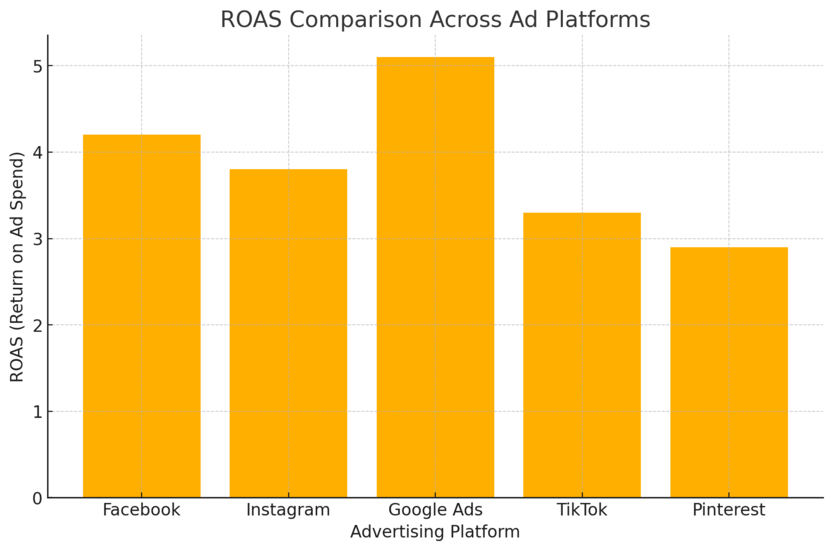
While organic growth builds sustainability, paid ads can accelerate visibility. The key is using them strategically—not spraying money across every platform.
Use Facebook and Instagram Ads to Reach Lookalike Audiences
Facebook and Instagram remain powerful tools for fashion marketing when you know who to target.
Here’s how to get started:
- Install Meta Pixel: This tracks customer behavior and helps you build custom audiences.
- Create lookalike audiences: Go to Ads Manager > Audiences > Create Lookalike Audience and select your best-performing customer list.
- Run carousel or video ads: Showcase multiple outfits or a short lookbook clip.
I advise keeping ad copy conversational and benefit-driven—talk about how the clothes make someone feel, not just what they are.
Run Google Shopping Campaigns for Product Visibility
Google Shopping ads appear when people search for clothing items directly—meaning they already have buying intent.
Steps to set up:
- Connect your store to Google Merchant Center.
- Sync your products via Shopify > Google Sales Channel.
- Set up campaigns in Google Ads > Campaigns > New Campaign > Shopping.
Keep product titles clear (e.g., “Men’s Slim-Fit Denim Jeans – Black”) and ensure your feed includes correct pricing, stock, and high-resolution images.
According to Google, merchants using optimized titles and images see up to 30% more clicks on Shopping ads.
Retarget Abandoned Visitors with Personalized Offers
Only about 2% of visitors buy on their first visit. Retargeting helps you bring back the other 98%.
To make retargeting work:
- Use Facebook Dynamic Ads: Automatically show people the exact products they viewed.
- Set up email remarketing flows: In Shopify or Klaviyo, create an “Abandoned Cart” flow under Automations.
- Add urgency or incentives: Offer 10% off or limited-time deals to re-engage shoppers.
For instance, one small boutique I worked with recovered nearly $1,200 per week in lost sales using automated retargeting campaigns.
Pro Tip: Paid ads bring traffic, but data turns that traffic into sales. Always track results through Meta Ads Manager or Google Analytics > Conversions and optimize based on what’s working. The best marketing isn’t loud—it’s smart, relevant, and relentlessly consistent.
Diversify Your Sales Channels Strategically
Relying on one platform alone can make your online clothing business vulnerable. I always advise spreading your reach across multiple sales channels—because when one slows down, the others can keep your momentum strong.
Diversifying not only expands your customer base but also strengthens your brand’s presence across different audiences and markets.
Sell Through Marketplaces Like Etsy, ASOS Marketplace, or Zalando
Marketplaces are like digital shopping malls where customers are already browsing with intent to buy. Selling on them can expose your brand to a much larger audience without heavy advertising costs.
Here’s how to make the most of it:
- Etsy: Best for handmade, vintage, or niche clothing. You can customize your storefront easily under Shop Manager > Edit Shop and list products optimized with tags like “linen wrap dress” or “handmade boho jacket.”
- ASOS Marketplace: Perfect for independent, trend-focused labels. Focus on styling and professional imagery. ASOS has strict photography standards, so clear lifestyle photos are a must.
- Zalando: Great for reaching European shoppers. They emphasize sustainability and ethical production, so highlight those aspects in your listings.
In my experience, many small brands double their monthly revenue within three months of expanding to just one new marketplace.
Start with one that fits your brand’s style and audience—don’t try to be everywhere at once.
Launch a Pop-Up Store to Connect Offline With Online Shoppers
Even though your business is digital, offline experiences can create deeper emotional connections. Pop-up stores offer a powerful way to let customers feel your products, meet your team, and experience your brand firsthand.
To do it successfully:
- Choose high-traffic areas: Look for shopping centers or art districts that match your audience.
- Create an immersive setup: Use mirrors, soft lighting, and music that reflects your brand’s vibe.
- Link it back to online: Add QR codes that lead directly to your website or offer discounts for signing up to your email list.
One sustainable fashion label I advised in London saw a 30% increase in online sales during and after their two-week pop-up because people wanted to re-engage digitally.
Think of it as an offline ad campaign with real human interaction.
Collaborate with Boutiques for Cross-Promotional Opportunities
Partnering with local boutiques or concept stores can be a low-risk way to expand your reach without opening a full retail space. It’s also a chance to build relationships and credibility in your niche.
Here’s how to approach it:
- Start with a limited collection: Offer boutiques a small, curated selection of your bestsellers to test.
- Propose cross-promotions: Feature each other’s brands on social media or bundle discounts for shared audiences.
- Maintain strong communication: Share performance data and adjust stock based on demand.
I’ve seen even small collaborations spark significant exposure—especially when both brands share aligned values and aesthetics. A simple in-store display can drive online searches for your brand name for months afterward.
Stay Ahead With Sustainable and Ethical Practices
Modern shoppers—especially younger generations—are choosing brands that align with their values.
If you’re serious about how to grow your online clothing business long-term, sustainability isn’t just good PR; it’s a competitive edge.
Adopt Eco-Friendly Materials and Transparent Production
Consumers are getting smarter about fashion’s environmental impact. Being open about your production process builds trust.
You can start small:
- Use sustainable fabrics: Organic cotton, Tencel, bamboo, or recycled polyester are strong options.
- Work with ethical manufacturers: Platforms like Maker’s Row can help find verified ethical suppliers.
- Share supply chain details: Even a simple “Made in Portugal from recycled cotton” note on product pages makes a difference.
Studies show that 73% of Gen Z consumers are willing to pay more for sustainable brands. So, transparency isn’t just moral—it’s profitable.
Share Behind-the-Scenes Sustainability Stories
People connect to stories, not slogans. If you’re doing the right thing, show it. Share short videos or posts about your fabric sourcing, packaging choices, or small factory teams.
For example:
- Post a quick video tour of your production space.
- Share how your packaging is plastic-free and recyclable.
- Tell the story of your first eco-conscious collection—what challenges you faced, and why it matters.
When I see a brand sharing authentic, behind-the-scenes moments, I’m more likely to trust them—and customers feel the same way. Authentic transparency drives loyalty far better than polished marketing.
Position Your Brand as a Responsible, Modern Clothing Label
Once you’ve built sustainability into your brand DNA, make it part of your messaging everywhere—your website, emails, and product tags.
Practical tips:
- Create a “Sustainability” page: Outline your materials, factories, and goals.
- Use subtle green marketing: Instead of claiming to be “100% sustainable” (which no brand truly is), say “We’re working toward more responsible fashion.”
- Certifications help: If possible, get GOTS (Global Organic Textile Standard) or Fair Trade certifications to strengthen credibility.
I believe responsible branding isn’t just about image—it’s about accountability. When customers sense integrity, they’ll return and recommend your brand with pride.
Track Performance and Continuously Improve
Growth is never a one-time win—it’s a cycle of learning, testing, and refining.
The best online clothing businesses I’ve seen are data-obsessed but flexible, always tweaking based on what’s working and what’s not.
Monitor Key Metrics Like CAC, AOV, and CLV
To really understand your business performance, keep an eye on these core metrics:
- CAC (Customer Acquisition Cost): How much you spend to gain one customer.
- AOV (Average Order Value): The average amount customers spend per purchase.
- CLV (Customer Lifetime Value): How much each customer is worth over time.
You can find these metrics in Shopify under Analytics > Reports or in Google Analytics 4 under Monetization > Overview.
For example, if your CAC is $25 and your AOV is $60, that’s a healthy ratio—but if your CAC climbs higher than your AOV, it’s time to adjust your ad spend or conversion rates.
I suggest reviewing these numbers monthly so you can spot trends before they become problems.
A/B Test Website Layouts and Marketing Campaigns
Sometimes, small changes—like a different photo or button color—can have big effects on conversion. That’s where A/B testing comes in.
Here’s how to do it:
- In Shopify: Use apps like VWO to test two variations of a page.
- What to test: Product photos, CTA (call-to-action) buttons, homepage banners, or even email subject lines.
- Run each test for at least two weeks: This gives enough data to make accurate decisions.
I once helped a clothing startup improve their conversions by 17% just by changing their product photo layout from single-column to grid view—it made browsing smoother on mobile.
Use Customer Feedback to Refine Products and Strategy
Your customers are your most honest critics and your best growth consultants. Listen to them.
Try these feedback loops:
- Post-purchase surveys: Ask about fit, comfort, and delivery experience.
- Social media polls: Use Instagram Stories to test new styles or colors.
- Email feedback requests: Send a follow-up like “How was your experience with us?”
When you use feedback not just to fix issues but to guide product development, your customers feel valued and heard. It’s a win-win.
Pro Tip: Growth isn’t about doing everything at once—it’s about building consistency, then improving strategically. By analyzing your performance and adapting quickly, you’ll keep your online clothing brand not just surviving but thriving in a competitive market.

I’m Juxhin, the voice behind The Justifiable.
I’ve spent 6+ years building blogs, managing affiliate campaigns, and testing the messy world of online business. Here, I cut the fluff and share the strategies that actually move the needle — so you can build income that’s sustainable, not speculative.
Related posts:
 How to Grow Online Boutique Sales With Smart Marketing Tactics
 Social Media Marketing for Small Business – Best Tips
 How to Increase Social Media Followers
 Online Business Courses: Start Your Entrepreneurial Journey Today
 Top Marketing for Business Tactics Every Entrepreneur Must Know
 Aweber Email Automation Examples: Templates & Pro Insights