
Table of Contents
Some links on The Justifiable are affiliate links, meaning we may earn a small commission at no extra cost to you. Read full disclaimer.
If you’ve been asking yourself how to promote my store and actually get customers who buy—not just window shoppers—you’re not alone. Every store owner faces the same challenge: how to stand out, attract attention, and turn that attention into real sales.
The truth is, there’s no single magic trick—but there is a proven system of strategies that can make your store irresistible to paying customers.
So, how do you promote your store effectively without wasting time or money? Let’s break it down step-by-step.
Build A Strong Brand Presence Online
Before you can promote my store effectively, you need to build a brand presence people trust.
This means creating a store identity, website, and story that your audience instantly recognizes and feels connected to.
Create A Memorable Store Identity That Builds Trust
When I talk about identity, I mean everything your customer sees, hears, and feels about your store. It’s not just your logo or colors—it’s the feeling your brand gives off.
Start by defining your brand voice (how you sound in words) and your visual identity (how you look in design). Ask yourself: does my store look professional, and does it feel consistent across every platform?
Examples that work:
- Logo consistency: Use the same logo size and placement across your site and social pages.
- Tone of voice: If you’re selling eco-friendly products, your copy should sound honest, down-to-earth, and green-minded.
- Trust signals: Add visible elements like SSL security badges, real customer reviews, and “About Us” pages with photos of real people.
I suggest you also register your business name across all platforms early (Google Business, Instagram, TikTok, Facebook, etc.). This helps people recognize you no matter where they find you.
Optimize Your Store Website For Conversions
Your website is your digital storefront—if it’s confusing or slow, visitors won’t stay long enough to buy. Conversion optimization means shaping your site so people take action.
Here’s how to start:
- Simplify navigation: Keep menu items under six categories, and add a visible “Shop Now” button on your homepage.
- Improve load speed: Use tools like Google PageSpeed Insights to identify bottlenecks. A 1-second delay can reduce conversions by 7%.
- Add trust and urgency: Include real testimonials, product guarantees, and limited-time offers (for example, “Sale ends in 2 hours”).
- Use analytics: Set up Google Analytics or Shopify’s built-in reports to track where customers drop off in the checkout process.
In my experience, a clean, fast, and clear website can increase sales by 20–30% simply by removing friction points.
Use High-Quality Visuals To Capture Attention
The internet runs on visuals. Humans process images 60,000 times faster than text, so your product photos are often your first impression.
I recommend:
- Use natural lighting: Customers trust realistic photos over heavily edited ones.
- Add lifestyle shots: Show the product being used by real people. For example, if you sell gym wear, show it in action—not just on mannequins.
- Include short videos: A 10-second product demo can increase conversion rates by up to 80%.
Tools like Canva or Adobe Express make editing easy, and for product shots, apps like Remove.bg help you create clean backgrounds fast.
Craft A Compelling Brand Story That Connects Emotionally
People buy from brands they feel something about. Your brand story should answer: Why does your store exist?
Structure it like this:
- The Origin: What inspired you to start the store?
- The Mission: What change or value are you bringing to your customers?
- The Vision: Where are you headed next?
Here’s an example: “I started my skincare store after years of dealing with sensitive skin and frustration over harsh ingredients. My goal is to offer clean, gentle products that help others feel confident in their skin again.”
This emotional honesty turns shoppers into fans.
Leverage Social Media Marketing Effectively
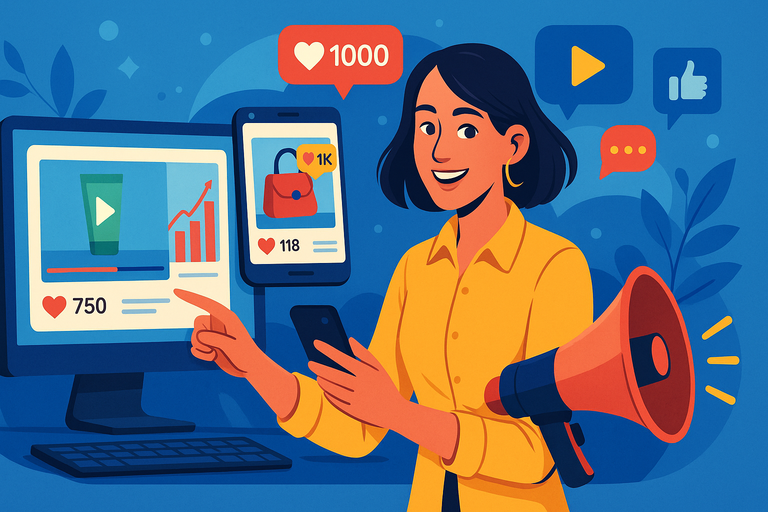
Social media isn’t just for brand awareness—it’s a sales engine when used strategically.
The key is showing up where your audience already spends time and giving them content that feels natural, not forced.
Choose The Right Social Platforms For Your Store
Not every store belongs on every platform. Pick based on your audience’s habits:
- Instagram & TikTok: Best for visual products like fashion, decor, or beauty.
- Facebook: Great for older demographics or local businesses.
- Pinterest: Works perfectly for lifestyle and inspiration-based products.
- LinkedIn: Effective for B2B or professional products.
I suggest starting with one or two platforms and mastering them before expanding. For example, if you sell handmade jewelry, focus on Instagram reels and Pinterest boards first.
Use Short-Form Video To Showcase Products Naturally
Short videos dominate today’s feeds—and they convert. A 15-second clip showing your product in action can drive more sales than static images.
Ideas that work:
- Behind-the-scenes videos: Show how your product is made.
- Before-and-after clips: Especially powerful for beauty, fitness, or cleaning products.
- Quick tutorials: Teach something useful using your product.
Keep videos authentic—don’t overproduce. I’ve seen small stores grow fast just by filming simple product demos using their phone.
Engage With Followers Through Interactive Content
Social media isn’t a broadcast—it’s a conversation. The more you interact, the more the algorithm rewards you with visibility.
Try these:
- Ask questions in your captions.
- Use polls and quizzes in stories.
- Reply to every comment or message (within 24 hours ideally).
You can even turn your followers into ambassadors by resharing their content. Real user posts often perform better than ads.
Run Targeted Social Media Ads For Sales Growth
Once you have organic traction, amplify it with paid ads. Social platforms give you laser-precise targeting based on demographics, behavior, and interests.
Here’s how to set up your first ad:
- Go to Meta Ads Manager (Facebook + Instagram).
- Choose “Sales” or “Conversions” as your campaign goal.
- Narrow your audience by age, location, and interests.
- Use eye-catching visuals and one clear CTA (Call To Action).
Start small—$5–$10 per day—and test different creatives. Track your Cost Per Conversion and double down on what works.
Use SEO To Drive Organic Traffic To Your Store
SEO (Search Engine Optimization) is how you attract steady, free traffic from Google.
It takes effort but pays off long-term by bringing buyers directly to your store when they’re already searching for what you sell.
Optimize Product Pages With Buyer-Focused Keywords
Use tools like Ubersuggest to find terms your audience searches. Target purchase-intent phrases—people who are ready to buy.
For example: instead of “ceramic mugs,” target “buy handmade ceramic coffee mug.”
SEO quick wins:
- Add the main keyword in your product title, meta description, and first paragraph.
- Use descriptive image filenames (e.g., handmade-ceramic-mug.jpg).
- Include FAQs using natural language like “Is this mug microwave-safe?”
This clarity helps both Google and real humans understand your products better.
Create Helpful Blog Content Around Your Niche
Blogging isn’t outdated—it’s a traffic magnet when done strategically. Write posts that solve real customer questions.
Examples:
- “How to Style Minimalist Jewelry for Everyday Wear”
- “5 Eco-Friendly Skincare Ingredients That Actually Work”
Each post can subtly link back to your store products. Over time, this builds authority and keeps your store ranking for relevant keywords.
Improve Site Speed And Mobile Experience For SEO
Mobile shopping now accounts for more than 60% of all eCommerce traffic. A slow or cluttered site kills both SEO and sales.
Use Bing’s Mobile-Friendly Test to check your site.
- Compress images with tools like TinyPNG.
- Use lazy loading (delays image load until scrolled).
- Avoid pop-ups that cover the screen on mobile.
A fast, responsive design keeps both Google and your customers happy.
Build Quality Backlinks To Boost Store Visibility
Backlinks (links from other websites) are still one of the strongest ranking factors. They tell Google your store is trustworthy.
You can build them by:
- Writing guest posts on related blogs.
- Partnering with influencers who link back to your site.
- Submitting your store to relevant directories (like Etsy forums or niche blogs).
Even a few high-quality backlinks can push your product pages higher in search results.
Pro Tip: SEO and social media work best together. Use your blog content as social posts, and let both drive traffic back to your store. Over time, that steady flow of organic visitors turns into consistent, paying customers.
Build An Email Marketing System That Converts
If you’ve ever wondered why some stores keep showing up in your inbox at just the right time—it’s not luck. It’s smart email marketing.
A good email system doesn’t just send messages; it builds relationships, nurtures leads, and brings customers back to buy again.
Offer Irresistible Lead Magnets To Grow Your List
To promote my store effectively, you first need people to subscribe. That’s where lead magnets come in—valuable freebies that convince visitors to share their email address.
Think about what your ideal customer really wants. It could be:
- A discount code for their first purchase (for example, “Get 15% off when you sign up”).
- A free guide related to your niche, like “How to Choose the Perfect Running Shoes.”
- Exclusive early access to new drops or sales.
I recommend placing your lead magnet where it’s impossible to miss:
- In a popup triggered by exit intent (right before they leave).
- At the bottom of blog posts that already attract visitors.
- On your checkout page, asking them to subscribe for order updates or future offers.
Here’s a quick UI example for Shopify: Shopify Admin > Marketing > Automations > Create Popup > Offer Discount Code
The secret is to make the reward feel instant and genuinely useful—not just another “join our newsletter” pitch.
Personalize Email Campaigns To Increase Engagement
Personalization isn’t about adding someone’s name to an email—it’s about relevance. Customers respond better when you send them something that feels made for them.
Ways to personalize effectively:
- Segment your audience: Divide your list into smaller groups, like “new customers,” “repeat buyers,” or “cart abandoners.”
- Recommend products based on past purchases. Tools like Klaviyo or Omnisend make this simple with drag-and-drop flows.
- Use dynamic content: For example, send summer product suggestions to users in warm climates and winter items to colder regions.
A quick tip I use: Always test your subject lines. A personalized subject like “Your next favorite skincare pick awaits” gets far more opens than generic ones like “Shop Now.”
Send Automated Sequences For Abandoned Carts
Abandoned cart emails are pure gold. On average, 70% of online carts are left behind—but you can win many of them back automatically.
Set up a three-part email sequence like this:
- Reminder email (1 hour after abandonment): “Looks like you forgot something in your cart.”
- Social proof email (12 hours later): “Others love this item—here’s what they say.”
- Discount email (24 hours later): “Complete your purchase now for 10% off.”
Most platforms like Shopify Email, Mailchimp, or Klaviyo have templates ready for this. Go to: Shopify Admin > Marketing > Automations > Abandoned Checkout
From what I’ve seen, a well-crafted cart recovery sequence can reclaim up to 20% of lost sales.
Use Seasonal Promotions To Re-Engage Past Buyers
Email is your best tool to reawaken past customers. People who’ve bought before are far more likely to buy again—especially during key seasons.
Plan your calendar around:
- Holidays (Black Friday, Valentine’s Day, Back to School).
- Product launches.
- Customer anniversaries (e.g., “It’s been a year since your first order—here’s 20% off!”).
Use automation tools to send these on schedule. In platforms like Klaviyo, you can create flows that trigger based on purchase dates or behavior.
I suggest testing different subject line styles for seasonal emails—curiosity-based ones (“Your summer essentials are here”) often outperform direct sales messages.
Collaborate With Influencers And Micro-Creators
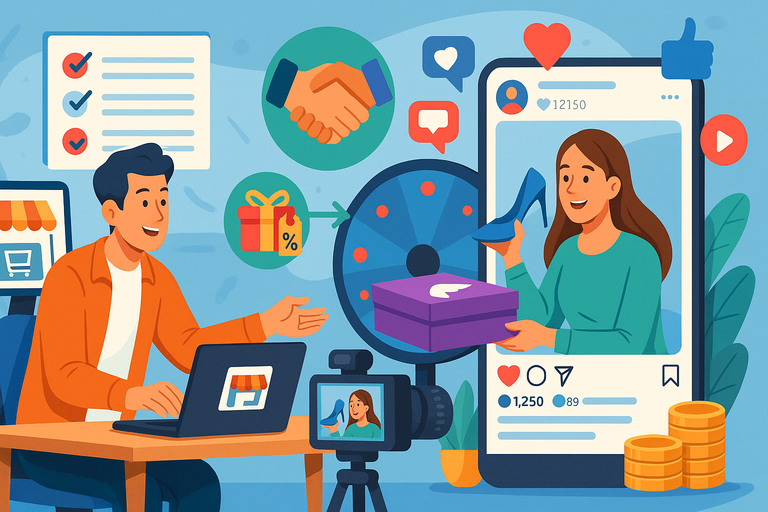
Influencer marketing works because it’s built on trust. When real people talk about your store to their followers, it feels personal—not like an ad.
This method helps promote my store to a highly targeted audience that already trusts the messenger.
Identify Niche Influencers With Loyal Audiences
Big isn’t always better. I’ve found that micro-influencers (those with 5K–50K followers) often drive higher engagement because they talk directly to niche communities.
Here’s what to look for:
- Engagement rate above 3% (likes + comments ÷ followers).
- Followers who match your target market.
- Content style that aligns with your brand aesthetics.
Use tools like HypeAuditor or Upfluence to vet potential partners. Or go hands-on—search hashtags like #smallbusinesssupport or #handmadefashion on Instagram to find creators already talking about products like yours.
Offer Free Products In Exchange For Honest Reviews
If your budget is tight, product gifting is a great place to start. Send your product to a creator and ask for a genuine review or unboxing video.
To make it effective:
- Include a personal note explaining why you think their audience would love it.
- Allow full creative freedom. Authenticity converts better than polished ads.
- Ask for permission to reuse their content in your marketing (great for social proof).
Even a few real testimonials from small creators can boost credibility across your product pages.
Run Joint Giveaways To Expand Your Reach
Giveaways attract attention fast when done right. Partner with an influencer or another brand that shares your audience but doesn’t directly compete.
Here’s a simple setup:
- Prize: Bundle one of your best products with theirs.
- Entry rules: Follow both accounts, tag a friend, and share the post.
- Duration: Keep it under 5 days for urgency.
Track entries manually or with tools like Gleam.io. The result? You gain followers who are already interested in what you sell—not random freebie hunters.
Track ROI Of Influencer Campaigns For Optimization
I’ve seen many stores forget this part. If you can’t measure it, you can’t improve it.
Track these key metrics:
- Conversion rate (sales ÷ clicks from influencer link).
- Cost per conversion (total spend ÷ number of sales).
- Engagement rate on influencer posts.
Use UTM links (trackable links made via Google Analytics) to measure traffic and sales.
For example: https://yourstore.com?utm_source=instagram&utm_campaign=collabname
When you compare results across influencers, you’ll quickly see who brings real value—and who just looks popular.
Promote Your Store With Paid Advertising
Paid ads are the fastest way to reach new buyers. But to promote my store successfully without draining your budget, you need strategy and testing—not guesswork.
Use Google Ads To Capture High-Intent Shoppers
Google Ads targets people who are already searching for what you sell. These are high-intent buyers.
For example, if you sell organic dog treats, you can target the keyword “buy organic dog treats online.”
Steps to get started:
- Visit ads.google.com and create a new campaign.
- Choose “Sales” as your goal.
- Select “Search” or “Shopping” ads (Shopping shows your products directly in results).
- Set location, budget, and bid per click.
I suggest using exact match keywords at first to stay laser-focused, then expanding as data grows.
A well-optimized campaign can bring 3–5x ROI when paired with strong product pages.
Retarget Website Visitors With Dynamic Ads
Ever noticed an ad following you after visiting a store? That’s retargeting—and it’s powerful.
Platforms like Meta Ads or Google Display let you show ads to people who visited your site but didn’t buy.
Here’s a common setup:
- Day 1–3: Show ads reminding them of the product they viewed.
- Day 4–7: Offer a discount or free shipping to close the sale.
In Shopify, this can be done using: Shopify Admin > Marketing > Create Campaign > Dynamic Retargeting
These “reminder” ads convert extremely well because the user has already shown intent.
Test Different Ad Formats To Find What Converts Best
Don’t assume one ad type will work. Test everything—images, videos, carousel ads, and headlines.
Quick tips:
- Use A/B testing (run two versions of an ad to compare performance).
- Keep copy under 125 characters for better mobile results.
- Focus on benefits, not features. Instead of “100% cotton shirts,” try “Feel cool and comfortable all summer.”
I usually test 3–4 creatives at a time and cut the lowest performer weekly. Small tweaks can double your return.
Set A Realistic Ad Budget Based On ROI Goals
A healthy ad budget balances risk and reward. Start small—enough to collect real data, but not enough to hurt if it fails.
Here’s a quick rule of thumb:
- Start with $10–$20 per day for one platform.
- Track Return On Ad Spend (ROAS) daily. Aim for at least 3:1.
- Scale gradually—if you’re profitable, increase by 20% weekly.
Remember, ads don’t just sell products—they teach you what your audience responds to. Every click, view, and conversion adds to your understanding of what works best for your store.
Pro Tip: The most successful stores don’t rely on one marketing channel. They blend email, influencer collaborations, and paid ads into one ecosystem that feeds itself. Your email list nurtures, your influencers attract, and your ads scale what already works.
Build Partnerships And Local Community Connections
Building genuine local connections is one of the most overlooked ways to promote my store.
When people see your brand actively supporting or collaborating within their community, they begin to associate it with trust, familiarity, and value.
Collaborate With Complementary Local Businesses
Think of collaboration as a way to expand your audience without competing. Partner with businesses that serve the same audience but sell different products.
Here’s how it might look in practice:
- A coffee shop and a bookstore co-hosting a weekend reading event.
- A gym teaming up with a local health food shop to offer joint discounts.
- A florist and a wedding planner creating a shared referral program.
Start small. I suggest reaching out to three local businesses and proposing a simple cross-promotion: you display their flyers in your store, and they do the same for you. It’s an easy, no-cost way to double your visibility.
Sponsor Local Events To Build Brand Visibility
Sponsorships are not just for big companies—they’re for any brand that wants to be seen. Local events give your store an authentic presence and connect you with potential buyers in person.
You could:
- Sponsor a school sports team and put your logo on their jerseys.
- Donate prizes for community raffles or fundraisers.
- Set up a booth at local fairs or markets where people can see, touch, and try your products.
It’s also smart to capture contact info at these events. You can set up a tablet with a quick “Join our email list for a discount” form. Those new leads are potential future buyers.
Offer Pop-Up Shops Or In-Person Demos
Pop-up stores are a fantastic way to make your brand feel tangible. Even if you sell mainly online, physical interactions create memorable experiences that lead to loyalty.
You could:
- Host a one-day pop-up inside a local café or boutique.
- Do live product demos where customers can test before buying.
- Offer exclusive event-only discounts to encourage immediate sales.
I once saw a candle store set up a small pop-up at a yoga studio. They sold out in two hours because the audience perfectly matched their product vibe—relaxation and mindfulness.
Use Local SEO To Attract Nearby Customers
Local SEO is what helps people nearby find your store online. If someone searches “eco-friendly shop near me” and your business appears first, you’ve already won half the battle.
Steps to optimize for local search:
- Create and verify your Google Business Profile.
- Add consistent business information (name, address, phone, hours).
- Collect local reviews (these boost your ranking).
- Use local keywords in your site’s titles and descriptions—for example, “handcrafted candles in Austin” instead of just “candles.”
A simple UI path: Google Business Profile > Info > Add Business Description > Include Local Keywords
The goal is to make it effortless for nearby customers to find you both online and offline.
Encourage Customer Reviews And Referrals
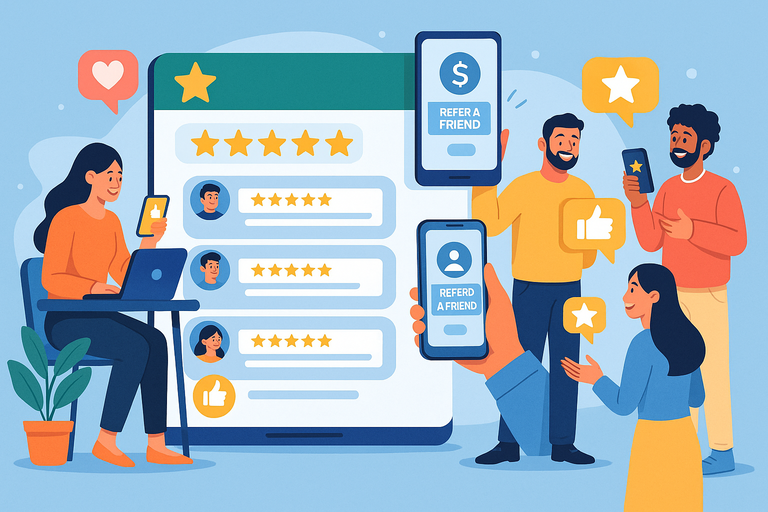
Nothing builds credibility faster than hearing from real customers. Reviews and referrals act like digital word-of-mouth—and they’re incredibly persuasive when people are deciding whether to buy.
Ask Happy Customers To Leave Verified Reviews
People are more likely to trust a review than a brand statement. I recommend making the review process effortless.
Try this:
- Send a follow-up email after purchase (e.g., “How did we do?”).
- Include a direct review link to Google, Facebook, or your store page.
- Offer a small incentive, like loyalty points or a discount code, to encourage participation.
Verified reviews (especially on platforms like Google and Trustpilot) build real authority. Even a handful of strong testimonials can make a huge difference in conversion rates.
Offer Referral Discounts To Drive Word-Of-Mouth Sales
A referral program rewards your existing customers for bringing in new ones. It’s a win-win—you get new customers, and your fans get something in return.
Here’s how you can set it up:
- Offer a 10% discount for both the referrer and the referred friend.
- Use referral tools like ReferralCandy or Smile.io for automation.
- Promote your referral link in post-purchase emails and thank-you pages.
I’ve seen stores grow their customer base by 25–40% in a year using a well-designed referral program.
Feature Customer Testimonials On Product Pages
Don’t let great feedback go unnoticed. Displaying customer testimonials directly on your product pages gives potential buyers social proof right where it matters most.
You can highlight:
- Star ratings and short reviews.
- Before-and-after photos (especially effective for skincare, fitness, or home improvement products).
- Customer quotes like, “This was exactly what I needed!”
Just make sure reviews feel authentic—avoid over-editing or using stock images.
Respond To Feedback To Build Long-Term Trust
Engaging with reviews—good or bad—shows customers that you care.
When you get positive feedback, thank the customer by name. When someone leaves a negative comment, respond quickly and professionally. Offer a solution, like a refund or replacement, if necessary.
A kind, human reply can turn a one-time buyer into a loyal advocate.
Use Data Analytics To Refine Your Promotion Strategy
Data helps you move from guessing to knowing. Tracking how people find and use your store lets you refine your promote my store strategy with precision.
Track Store Traffic Sources To Identify What Works
Every marketing effort leaves a trail. Google Analytics (GA4) shows you exactly where your traffic comes from—social media, search engines, ads, or referrals.
Look for:
- Source/medium reports (e.g., Instagram / organic).
- Top landing pages (which products draw the most visitors).
- Bounce rate (percentage of people leaving without clicking further).
UI path example: Google Analytics > Reports > Acquisition > Traffic Acquisition
Once you know which channel performs best, double down on it.
Analyze Conversion Rates For Each Marketing Channel
Conversion rate tells you how effectively you turn visitors into buyers.
For instance:
- Email might convert at 3%.
- Social ads at 1.5%.
- Organic search at 5%.
If you notice one source outperforming others, shift your focus or budget accordingly. I recommend setting up goal tracking in Analytics to measure every key action—add-to-cart, checkout, purchase.
Use Heatmaps To Improve User Experience
Heatmaps visualize how visitors interact with your site. They show where people click, scroll, or stop paying attention.
Tools like Hotjar let you literally see how users behave.
Typical insights might reveal:
- People aren’t scrolling far enough to see your “Buy Now” button.
- Visitors click product images more than text links.
- Some pages load too slowly, causing drop-offs.
I’ve used heatmaps to find small layout tweaks that increased conversions by 10% overnight.
Adjust Campaigns Based On Real-Time Insights
Marketing isn’t set-and-forget. Review performance weekly or monthly to spot changes early.
- Pause underperforming ads quickly.
- Shift budget to high-performing campaigns.
- Retest copy and visuals that show promise.
Even simple dashboard checks in Meta Ads or Google Analytics can prevent wasted spend. Think of it like tuning a car—it runs best when regularly adjusted.
Create A Long-Term Marketing Plan For Sustainable Growth
The best stores don’t rely on luck; they grow through consistent, data-driven planning. A long-term marketing plan keeps you focused, strategic, and adaptable.
Set SMART Goals For Store Promotion Efforts
SMART means Specific, Measurable, Achievable, Relevant, and Time-bound.
Example:
- “Increase website traffic by 30% in 3 months through SEO and email campaigns.”
When goals are clear, your efforts become easier to track—and easier to celebrate when achieved.
Plan Seasonal Campaigns Around Key Shopping Events
Create a calendar that aligns with major shopping moments:
- January: New Year sales.
- May: Mother’s Day promotions.
- November: Black Friday and Cyber Monday.
Use tools like Trello or Notion to map out campaigns month by month. I recommend planning at least one quarter ahead so you’re never scrambling last-minute.
Reinvest Profits Into Scalable Marketing Channels
When sales grow, resist the urge to spend everything on inventory. Instead, reinvest strategically.
Channels worth scaling include:
- Email marketing (high ROI and automation-friendly).
- Google Shopping Ads (great for intent-driven buyers).
- Content marketing (builds long-term traffic).
I’ve seen small stores multiply growth by reinvesting just 20% of profits consistently over six months.
Stay Updated With Trends To Keep Your Store Competitive
Ecommerce evolves quickly. Trends in technology, design, and consumer behavior change how people shop.
To stay ahead:
- Subscribe to industry newsletters like Shopify Blog or HubSpot Trends.
- Follow marketing communities on Reddit or LinkedIn.
- Experiment with new formats, like AI product recommendations or AR try-ons.
Adaptability isn’t optional—it’s survival. The stores that evolve are the ones that last.
Pro Tip: Sustainable marketing isn’t about doing everything—it’s about doing the right things consistently. When you combine partnerships, reviews, data, and planning, your store stops chasing attention and starts earning it naturally.

I’m Juxhin, the voice behind The Justifiable.
I’ve spent 6+ years building blogs, managing affiliate campaigns, and testing the messy world of online business. Here, I cut the fluff and share the strategies that actually move the needle — so you can build income that’s sustainable, not speculative.
Related posts:
 Dropshipping Ads That Convert: Real Examples and Tips
 Ecommerce Store Guide: 7 Negative Pitfalls to Avoid
 How to Grow Online Sales: 7 Game-Changing Marketing Techniques
 How to Create a Fail-Proof Email Marketing Campaign in 5 Steps
 Affordable Ecommerce Email Marketing Agency Services
 Ecommerce SEO Strategy That Drives Buyers, Not Just Rankings