
Table of Contents
Some links on The Justifiable are affiliate links, meaning we may earn a small commission at no extra cost to you. Read full disclaimer.
Starting a dropshipping business sounds like the ultimate dream, right? Low upfront costs, no inventory hassles, and the freedom to sell from anywhere.
But here’s the catch—most people jump in and never see real profit. So, what separates the few who actually make money from those who don’t?
In this guide, I’ll break down step-by-step how to build a dropshipping business that’s not only sustainable but genuinely profitable in today’s competitive eCommerce landscape.
Understanding How a Dropshipping Business Works
Before you can build a profitable dropshipping business, you need to understand exactly how the model operates and why it still works today.
Let me break it down in a way that’s clear and practical, especially if you’re just starting out.
The Core Concept of Dropshipping Explained
At its simplest, a dropshipping business is an eCommerce model where you sell products online without keeping inventory.
When a customer places an order on your store, you forward that order to a supplier who ships the product directly to the buyer.
Think of yourself as the middle connector—you focus on marketing, branding, and customer experience, while your supplier handles storage and shipping.
For example, on Shopify, you can install a plugin like DSers or Doba, connect it to suppliers on AliExpress, and automatically sync products to your store.
The process looks like this:
- Customer buys a product on your store.
- Order is sent automatically to your supplier.
- Supplier ships the item directly to your customer.
- You earn the profit margin between your retail price and supplier cost.
It’s a simple yet powerful structure—low startup cost, flexible operations, and minimal logistics stress. But, as I often tell new entrepreneurs, simplicity doesn’t mean easy. Profit requires strategy.
Why Dropshipping Still Works in 2026 Despite Competition
A lot of people think dropshipping is “dead,” but that’s far from true. It has simply evolved. The old copy-paste model—where everyone sells the same trending products—is gone.
In 2026, the profitable stores are the ones that:
- Focus on niche branding: They build trust through storytelling and unique product positioning.
- Leverage automation tools: Apps like Zendrop and AutoDS save hours by managing inventory, pricing, and tracking updates.
- Use real data: Instead of guessing trends, they track consumer behavior via Google Trends, Facebook Ad Library, and TikTok Creative Center.
I believe the new era of dropshipping rewards creativity and marketing insight more than anything else. If you treat your store like a real brand instead of a quick side hustle, it still absolutely works.
Common Myths About Dropshipping That Kill Profit
There are a few widespread beliefs that quietly destroy beginners’ chances at making money:
- Myth 1: Dropshipping is passive income.
- It’s not. You’ll spend hours testing products, optimizing ads, and managing customers. Automation helps, but human effort drives success.
- Myth 2: Cheap products mean higher sales.
- In reality, low-cost products often lead to high refund rates and low perceived value. Selling fewer quality products at higher margins is smarter.
- Myth 3: Anyone can do it overnight.
- The barrier to entry is low, but sustainable profit requires patience, testing, and real marketing strategy.
I suggest thinking of dropshipping as an entry point into eCommerce, not an instant money machine. It teaches you everything—from digital ads to customer retention—that makes you a true online entrepreneur.
The Realistic Profit Margins You Should Expect
Let’s talk numbers, because this is where expectations often break. The typical dropshipping profit margin ranges between 15% and 35%, depending on your niche and ad costs.
Here’s an example breakdown:
- Product cost: $20
- Selling price: $40
- Marketing cost (ads, influencers): $10
- Net profit: $10 (25% margin)
Margins increase as you improve your store design, build an email list, and optimize ads. Experienced sellers who create branded stores can reach 40–50% margins, especially if they move toward private labeling later.
My advice? Don’t obsess over a single winning product. Focus on sustainable margins across your catalog and consistent customer experience. That’s where real profit lives.
Choosing a Profitable Niche That Converts
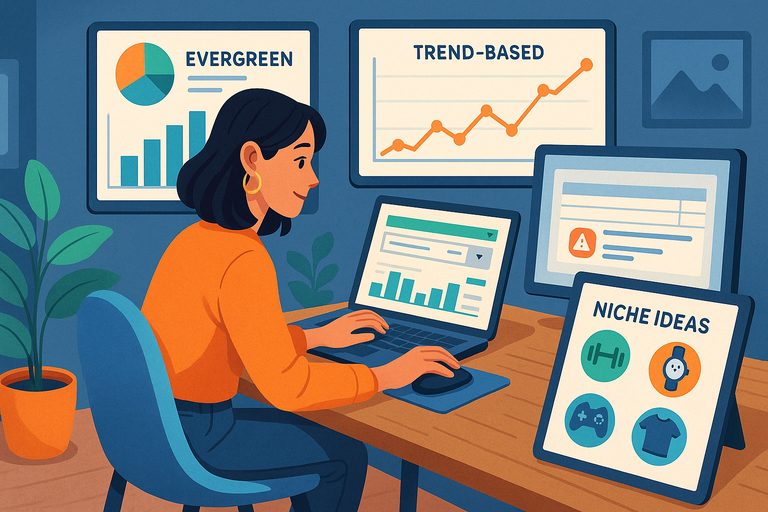
Picking the right niche is what separates a dropshipping business that scales from one that fizzles out.
Let’s go through how to identify niches that actually generate consistent profit.
How to Identify High-Margin Product Niches
A good niche isn’t just “popular.” It’s profitable, stable, and full of people with emotional or practical buying intent.
I recommend looking for products that:
- Solve a specific problem (e.g., posture correctors, pet anxiety wraps).
- Have repeat purchase potential (e.g., beauty refills, fitness accessories).
- Offer emotional appeal or status value (e.g., smart gadgets, home aesthetics).
Aim for products that retail between $30 and $100. This price range gives you enough margin to afford paid advertising while staying affordable to impulse buyers.
A practical trick: browse TikTok Made Me Buy It or Reddit’s BuyItForLife threads. You’ll often spot niches that combine utility and viral potential.
Using Market Research Tools to Validate Product Demand
Once you have a few niche ideas, validate them with actual data. Tools make this part fast and reliable.
Here’s what I use:
- Google Trends: To see if search interest is rising or falling over time.
- Ecomhunt / Thieve.co: To find trending dropshipping products with live analytics.
- Facebook Ad Library: To check how many stores are actively advertising similar items.
- Ubersuggest: To uncover search volume and competition level.
For example, if you find that “eco-friendly kitchen tools” are trending on TikTok, confirm with Google Trends that interest is climbing steadily. Then, look for suppliers offering those items at 60%+ markup potential.
The data doesn’t lie—if you validate first, you’ll avoid wasting time and ad spend.
Spotting Red Flags in Oversaturated Markets
Oversaturation is where many new dropshippers lose money. You can spot a crowded niche by these warning signs:
- Too many identical ads running on social media.
- Dozens of stores using the same stock images and product descriptions.
- High ad costs (CPC) for basic search terms.
If you still love a niche that looks crowded, don’t drop it—differentiate it. Add bundles, create unique packaging, or target a sub-niche.
For instance, instead of general “fitness accessories,” focus on women’s resistance training gear or yoga enthusiasts with limited space.
I believe differentiation is your defense. A narrow, passionate audience beats a massive, indifferent one every time.
Real Examples of Evergreen and Trend-Based Niches
Let’s ground this in some examples so you can see how to think strategically:
- Evergreen Niches (Long-Term Stability):
- Pet care and accessories
- Home improvement and storage solutions
- Fitness and wellness gear
- Skincare and beauty tools
- Trend-Based Niches (Short-Term Opportunity):
- Smart LED gadgets
- Desk accessories for remote workers
- Sustainable homeware and eco-products
- Viral TikTok gadgets (seasonal or novelty)
The key is balance. I suggest starting with one evergreen niche for stability and adding one or two trend-based products for growth spikes.
As I’ve seen repeatedly, the best dropshipping businesses evolve—they test, adapt, and listen to their audience. Profit follows patience and iteration, not luck.
Finding Reliable Suppliers for Consistent Quality
Your dropshipping business lives or dies by the quality and reliability of your suppliers. Even the best marketing can’t fix delayed deliveries or poor-quality products.
This part is about learning how to spot the good ones—and build partnerships that last.
How to Evaluate Dropshipping Suppliers Before Partnering
I like to think of supplier selection like hiring a key employee—you’re trusting them with your brand’s reputation. Before you commit, always test.
Here’s what I recommend checking before partnering with any supplier:
- Responsiveness: Message them through their platform (AliExpress, Spocket, or direct email). A reliable supplier should reply within 24 hours.
- Sample Orders: Always order a sample to test quality, packaging, and shipping speed. If it takes more than 15 days or arrives damaged, move on.
- Reviews and Ratings: On AliExpress, look for suppliers with at least 4.7 stars and more than 300 orders on the product you’re interested in.
- Communication Quality: Poor English or vague answers often signal future issues. You want clarity and accountability.
A quick example: If you’re sourcing a portable blender, message the supplier and ask:
- What’s your average delivery time to the US?
- Can you include custom packaging or branding?
- What’s your defect rate percentage?
Their answers will tell you a lot about professionalism and long-term potential.
Best Platforms to Find Verified Suppliers (AliExpress, Spocket, SaleHoo)
Not all supplier directories are created equal. I’ve tested many, and here’s what I’ve found works best:
- AliExpress: Best for testing new products quickly. Use the DSers app (Shopify plugin) to automate order forwarding. However, quality can vary, so always vet each seller.
- Spocket: Great for finding local suppliers (US/EU). Shipping times are faster—typically 2–5 days—and product quality tends to be higher than AliExpress.
- SaleHoo: A curated directory with vetted suppliers. Ideal if you want reliability over volume, especially when scaling your store.
If you’re using Shopify, you can connect Spocket directly via Apps → Spocket → Add Product → Import to Store. It’s one of the easiest UI paths for reliable sourcing.
I suggest starting with Spocket for quality and using AliExpress for early testing. Once you have consistent sales, migrate to verified suppliers for long-term stability.
Building Strong Relationships With Your Suppliers
Treat your suppliers like business partners, not just vendors. A good relationship can unlock better pricing, faster shipping, and even priority stock access.
Here’s how to build trust:
- Communicate regularly: Check in monthly about inventory updates or potential bestsellers.
- Be honest about sales volume: Don’t overpromise; instead, give realistic forecasts so they can plan stock.
- Offer mutual benefit: If you grow, they grow—suppliers often provide discounts to consistent clients.
- Use communication tools: I often use WhatsApp or WeChat for quicker, real-time updates instead of waiting on platform messages.
Think of it this way: suppliers are the invisible extension of your brand. The stronger that link, the smoother your customer experience.
Avoiding Pitfalls: Late Shipping, Poor Packaging, and Fake Tracking
These are the silent killers of customer trust—and they happen more often than you’d think. I’ve seen stores lose 30% of repeat customers over shipping issues alone.
Here’s how to avoid the big ones:
- Late Shipping: Always check average delivery times and test multiple orders to confirm consistency. Use tracking apps like AfterShip to monitor performance.
- Poor Packaging: Ask for photos or videos before ordering bulk quantities. Unbranded or sloppy packaging screams “cheap.”
- Fake Tracking Numbers: Some suppliers use fake tracking data to delay refunds. Verify tracking through 17Track or your Shopify dashboard.
If problems persist, switch suppliers immediately. In dropshipping, your reputation is your currency.
Creating a High-Converting Online Store
Once your suppliers are sorted, your next focus is building a store that actually converts visitors into paying customers.
A high-converting design is not about flashy graphics—it’s about trust, speed, and simplicity.
How to Choose the Right eCommerce Platform (Shopify, WooCommerce, Wix)
Choosing your platform sets the tone for your entire business. I’ve tested all three main options—here’s how they stack up:
- Shopify: Best for beginners. It’s intuitive, scalable, and has automation plugins for dropshipping like DSers and Spocket.
- WooCommerce: Ideal for those who want full customization and control over WordPress-based stores. Slightly steeper learning curve.
- Wix: Great for creatives or small catalogs. Simple drag-and-drop builder, but fewer advanced tools for scaling.
If you’re just starting out, I strongly suggest Shopify for its built-in dropshipping ecosystem. To set up, go to: Shopify Dashboard → Apps → DSers → Import Product → Publish. That’s your first product live.
Crafting Product Pages That Drive Impulse Buys
Product pages are where profit happens. You want them clear, persuasive, and emotionally engaging.
Here’s my go-to framework:
- Strong visuals: Use real-life product photos or short lifestyle videos.
- Story-driven copy: Explain how the product solves a problem. Example: “No more tangled charging cables—this wireless dock makes mornings smoother.”
- Scarcity and urgency: Use timers or limited stock notifications sparingly but effectively.
- Trust icons: Include “Secure Checkout” or “Money-Back Guarantee” visuals below the Add to Cart button.
I often use the Shopify app Vitals to manage urgency tools and reviews in one clean layout.
Optimizing Store Design for User Experience and Speed
Speed equals sales. In fact, a one-second delay can drop conversions by up to 7%. I recommend these optimizations:
- Compress images using TinyPNG before uploading.
- Use a lightweight theme like Dawn.
- Keep your homepage clean—one main CTA (Call to Action) and product focus.
- Limit pop-ups and auto-playing videos—they slow load times and annoy users.
Run tests with Google PageSpeed Insights. Aim for a load time under three seconds.
A simple, frictionless experience builds subconscious trust. People buy from stores that “feel” reliable.
Adding Trust Signals: Reviews, Guarantees, and Secure Checkout
Trust is your most valuable currency online. Without it, even great products won’t sell.
Here’s what to add:
- Customer Reviews: Use tools like Loox or Judge.me to import verified reviews from AliExpress.
- Money-Back Guarantee: Clearly state your refund policy—transparency reduces hesitation.
- SSL Certificate & Payment Icons: Ensure your site shows the lock icon and recognizable payment badges (Visa, PayPal, etc.).
I’ve found that adding even three verified photo reviews can increase conversion rates by over 20%. It’s proof people need before they trust.
Pricing Strategies That Maximize Profit Margins
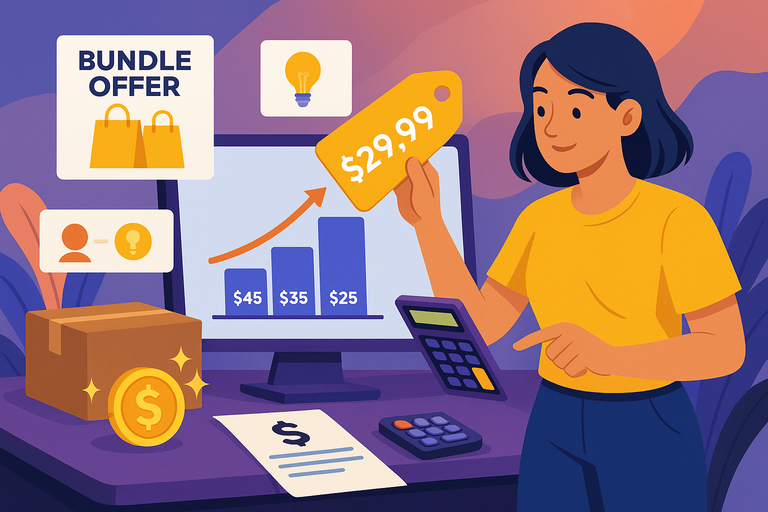
Smart pricing isn’t about undercutting competitors—it’s about positioning your value and understanding buyer psychology. Let’s walk through the strategies that make pricing work for you.
Understanding the Psychology Behind Product Pricing
Pricing is more emotional than logical. Small tweaks can dramatically change how customers perceive value.
Some proven psychological triggers:
- Charm Pricing: $39.99 feels cheaper than $40 due to left-digit bias.
- Anchoring: Display a higher “original” price beside your discounted price.
- Price Tiering: Offer three options—basic, standard, and premium. People often choose the middle one.
For example, if you sell ergonomic chairs:
- Basic: $79
- Deluxe: $119
- Premium: $179
Most buyers pick the middle, boosting your average order value (AOV) naturally.
Using Tiered Pricing and Bundle Offers to Boost AOV
Bundles increase perceived value while moving more products. You can create:
- Buy 2 Get 1 Free promotions.
- Product bundles (e.g., phone case + screen protector + charging cable).
- Subscription deals for repeat items like skincare or pet supplies.
On Shopify, try the Bundler app—Dashboard → Apps → Bundler → Create Bundle Offer. It’s quick to set up and highly effective.
I believe smart bundling is the secret weapon most new dropshippers overlook. It boosts both AOV and customer satisfaction.
How to Factor in Hidden Costs (Fees, Refunds, Ads)
Many stores fail because they price too tightly, forgetting operational costs. Always calculate your true profit margin this way:
- Selling Price – Product Cost – Shipping – Advertising – Platform Fees = Net Profit
- For example: $50 selling price – $20 cost – $5 shipping – $10 ads – $2 fees = $13 profit.
This clarity prevents you from scaling unprofitable products. Track every expense in a Google Sheet or use Shopify’s built-in profit calculator.
I advise reviewing margins weekly—ad costs fluctuate fast.
Tools to Automate Price Testing and Optimization
Automation keeps your pricing smart and competitive without manual effort. My go-to tools:
- Prisync: Monitors competitors’ prices and auto-adjusts yours.
- RepricerExpress: Best for multi-channel sellers (eBay, Amazon, Shopify).
- Dexi.io: Scrapes pricing data for advanced analytics.
For simplicity, I recommend Prisync. You can integrate it via Shopify → Apps → Prisync → Set Rules (e.g., “keep prices 10% lower than average market”).
Automation lets you stay agile while focusing on marketing and scaling. It’s how profitable stores protect their margins consistently.
Driving Traffic With Targeted Marketing Strategies
Once your dropshipping business is set up, driving consistent traffic becomes your next mission. Without the right traffic, even the best products won’t sell.
Let’s talk about how to attract the right audience—people who are ready to buy, not just browse.
How to Build an Effective Paid Ads Strategy (Meta, TikTok, Google)
Paid ads are still the fastest way to generate sales, but only when done with precision. I suggest starting with small, data-driven experiments.
Here’s a structure that works well for beginners and advanced sellers alike:
- Meta Ads (Facebook/Instagram): Great for visual storytelling and targeting specific interests. Use Meta Ads Manager → Create Campaign → Choose “Sales” Objective → Define Interests. Start with 3–4 ad sets at $10 each.
- TikTok Ads: Focus on short, engaging videos. You don’t need polished content—raw, relatable clips perform best. Use TikTok Ads Manager → Campaign → Website Conversions → Upload UGC-style videos (User-Generated Content).
- Google Shopping Ads: Ideal for intent-based buyers searching for a product. Connect your store via Shopify → Google Channel → Sync Product Feed.
I recommend tracking all campaigns with UTM parameters (small code tags added to URLs). This helps you see exactly where your best sales come from inside Google Analytics.
A quick insight: TikTok ads often perform best for impulse-buy products, while Google ads work better for established, evergreen items.
Using SEO and Content Marketing for Long-Term Traffic
Paid traffic is great for quick wins, but SEO (Search Engine Optimization) gives your dropshipping business free, consistent visibility over time.
Start with these foundational steps:
- Keyword Research: Use tools like Ubersuggest to find low-competition keywords around your niche. For example, instead of “fitness gear,” target “adjustable home workout kit.”
- On-Page SEO: Write keyword-rich product descriptions that sound natural. Always include product benefits, not just features.
- Content Marketing: Create short blog posts or videos answering real customer questions. Example: “How to Keep Your Cat Calm While Traveling” for a pet accessories store.
Content marketing builds authority. It also improves Google ranking and builds trust with your target audience before they even visit your store.
I suggest publishing one SEO-optimized blog per week. Within 3–6 months, you’ll start seeing organic traffic growth that keeps compounding.
Growing Organically With Influencer and UGC Campaigns
Influencer marketing isn’t about hiring celebrities—it’s about partnering with micro-creators who genuinely love your products. These smaller influencers (1K–50K followers) tend to have higher engagement rates and cost less.
Here’s how to do it smartly:
- Search TikTok or Instagram for niche creators. Example: Type “home decor finds” or “tech under $50.”
- Reach out casually—DM them saying you’d like to gift your product for an honest review.
- Repurpose that content as UGC (User-Generated Content) in your ads and website.
UGC performs incredibly well on TikTok and Meta because it feels authentic. According to a recent survey, 79% of consumers say UGC influences their purchase decisions more than branded content.
I often advise store owners to build a “creator bank”—a folder of all influencer videos and testimonials—to reuse across campaigns. It builds trust faster than any ad copy.
The Role of Email Marketing in Retaining Repeat Customers
Email is your most underrated profit lever. It’s not just about sending discounts—it’s about nurturing relationships.
Set up at least these four key email flows:
- Welcome Series: Introduce your brand and mission after signup.
- Abandoned Cart Flow: Send reminders 1 hour, 24 hours, and 3 days after cart abandonment.
- Post-Purchase Flow: Thank them, suggest complementary products, and ask for a review.
- Reactivation Campaign: Reach out to inactive customers after 60–90 days with a special offer.
- On Shopify, use Mailerlite or Omnisend—both integrate directly via Shopify → Apps → Add Klaviyo → Create Flow.
I believe a strong email strategy can turn a one-time $40 sale into a loyal customer worth $150 or more over time.
Managing Operations and Order Fulfillment Smoothly
Once your store starts generating sales, smooth operations are what keep your brand professional and scalable. You can’t grow a dropshipping business on chaos—automation and process clarity are key.
How to Automate Order Processing and Tracking Updates
Manual fulfillment becomes a nightmare fast. I highly recommend automating order forwarding and tracking updates.
If you’re using Shopify, connect DSers or Spocket. Here’s how: Shopify Dashboard → Apps → DSers → Settings → Auto Order. Now, each new order is automatically sent to your supplier.
For tracking, use AfterShip. It updates customers with real-time delivery info via email or SMS. This reduces “Where’s my order?” tickets by nearly 50%.
Automation not only saves time but also creates a smoother experience for customers who expect transparency from online brands.
Using Software to Sync Inventory Across Multiple Suppliers
If you work with more than one supplier, syncing inventory manually is a recipe for overselling. Tools like AutoDS, Syncee, or Sell The Trend automate this process.
For example:
- Add your suppliers inside AutoDS → Dashboard → Add Store → Connect Supplier.
- The system syncs stock levels and updates your listings automatically when items go out of stock.
This ensures you never sell what your supplier can’t ship—one of the biggest trust-killers in dropshipping.
I always suggest testing automation tools before scaling ads heavily. It keeps your operations predictable and your customers happy.
Handling Refunds, Returns, and Customer Service Efficiently
Refunds and returns are part of eCommerce. How you handle them determines whether a customer ever buys again.
Here’s what I recommend:
- Create a clear refund policy: Display it prominently in your store footer. Be honest about return windows (usually 14–30 days).
- Respond fast: Aim to reply to support tickets within 12 hours. Use Shopify Inbox or Zendesk for tracking conversations.
- Offer replacements instead of refunds when possible: This keeps revenue stable while solving the issue.
One personal rule I follow: if a customer is unhappy but polite, always over-deliver. A $10 refund can earn you a loyal customer for life.
Why Post-Purchase Experience Is Key to Repeat Business
Many dropshippers obsess over sales but ignore what happens after checkout. Post-purchase care is where brand loyalty forms.
Ways to enhance this experience:
- Send personalized “thank you” emails.
- Include a care guide or mini video on how to use the product.
- Ask for reviews after 7 days of delivery.
A store that communicates well post-purchase earns repeat business. Remember, it’s cheaper to retain a customer than to acquire a new one—often five times cheaper, in fact.
Analyzing Data to Improve Profitability
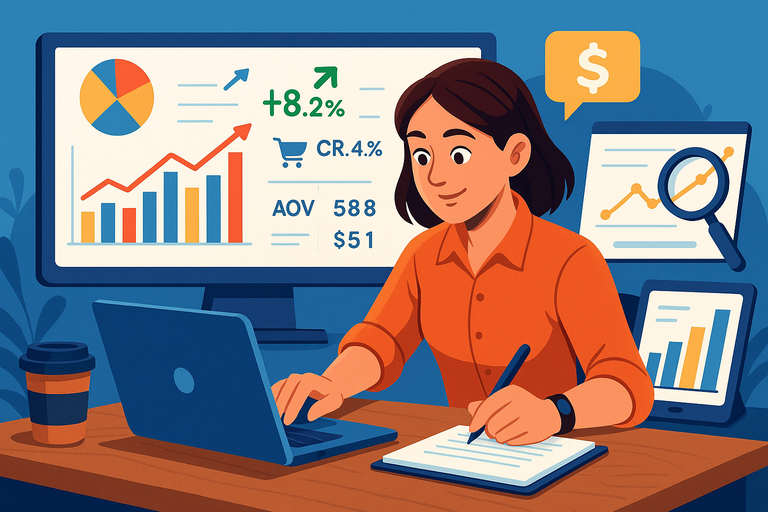
You can’t improve what you don’t measure. Data is how you identify what’s working, what’s not, and where your dropshipping business leaks profit.
How to Read and Act on Store Analytics
Your Shopify Analytics dashboard gives you a goldmine of insights. Focus on these key metrics:
- Sessions by Source: Where your traffic comes from (ads, SEO, email).
- Conversion Rate: Percentage of visitors who make a purchase.
- Returning Customer Rate: Shows loyalty strength.
If you see high traffic but low conversions, your store design or product pages need improvement. If conversions are fine but profits are thin, revisit pricing or ad costs.
Data tells a story—it’s your job to read it and respond.
Tracking Conversion Rate, AOV, and Customer Lifetime Value
Three metrics determine your business health:
- Conversion Rate (CR): Aim for at least 2–3%.
- Average Order Value (AOV): Track upsells and bundles to increase it.
- Customer Lifetime Value (CLV): The total revenue from one customer over time.
For instance, if your CLV is $120 and it costs $30 to acquire a customer, you’re in a strong position to scale.
I use Google Analytics 4 → Reports → Monetization → Overview to monitor these in real-time.
Identifying and Fixing Leaks in Your Sales Funnel
Funnels leak in predictable places—ad click drop-offs, abandoned carts, or checkout confusion.
Here’s how to patch them:
- Heatmaps (Hotjar): See where users click or drop off.
- Cart Abandonment Data: Identify which steps cause friction.
- A/B Testing: Try two versions of product pages to see what converts better.
Fix one leak at a time. Even a small 1% conversion lift can mean thousands in profit per month.
Using Split Testing to Refine Ads, Copy, and Layout
Split testing, or A/B testing, is how top-performing stores constantly improve.
Examples of what to test:
- Product titles or descriptions.
- CTA button colors or text.
- Ad visuals and hooks.
You can do this directly in Meta Ads Manager or with tools like VWO.
I suggest running each test for at least 7 days and focusing on one variable at a time. Small iterative changes compound fast.
Scaling Your Dropshipping Business Sustainably
Scaling a dropshipping business isn’t about throwing more money into ads—it’s about building stability while you grow. You want to expand without losing the quality, trust, and consistency that made your first sales possible
Let’s go through how to scale smart, not just fast.
When and How to Introduce New Products Strategically
Adding new products at the right time can breathe life into your store—but do it too soon, and you’ll just dilute focus. I suggest expanding only after you’ve identified one or two proven bestsellers.
Here’s how to do it effectively:
- Use your store data: Check your analytics for patterns. If customers often buy two related items, that’s your cue to add complementary products.
- Start with variants: Offer size or color options before entirely new products. This builds perceived variety without adding operational strain.
- Test small: Add 3–5 new items, run low-budget ads, and measure performance before scaling.
- Follow customer feedback: If customers keep asking for a related product, it’s a sign demand already exists.
Example: If your winning product is a wireless car vacuum, your next move might be accessories like car organizers or cleaning kits. These keep you in the same niche while growing your average order value.
The rule I live by: grow depth before width. Serve your existing audience better before chasing new ones.
Building Brand Identity to Stand Out From Competitors
Once your store is stable, you’ll want it to stand out in the sea of generic dropshipping websites. That’s where brand identity comes in—it’s what transforms you from “just another online store” into a brand customers remember.
Think of your brand as a personality. Every touchpoint should reflect that personality—from logo and tone to packaging and even customer emails.
A few practical tips:
- Create visual consistency: Use the same color palette, fonts, and tone across ads, store, and emails.
- Define your mission: Why does your brand exist? Customers connect with values, not just products.
- Use branded visuals: Replace supplier photos with your own or lightly edited versions that align with your aesthetic.
Example: A fitness dropshipping brand might use vibrant colors and energetic copy like “Built for the bold.” A home decor brand could focus on calm, minimal tones.
I suggest using Canva to create your brand kit—it keeps your visuals consistent and professional.
Outsourcing Tasks and Hiring Virtual Assistants
As your sales grow, you’ll quickly realize you can’t do everything alone. That’s when outsourcing becomes your best friend.
Tasks like order processing, customer service, and product uploads can easily be delegated. Start small by hiring one or two virtual assistants (VAs). Platforms like Upwork and Fiverr are great for finding skilled freelancers.
To keep things smooth:
- Create SOPs (Standard Operating Procedures): Record short Loom videos showing how to perform repetitive tasks.
- Use project management tools: Trello or ClickUp helps you track progress.
- Hire for reliability, not just skill: A consistent VA is worth more than a fast but flaky one.
Outsourcing frees your time for strategic work—testing products, improving ads, and scaling revenue.
Transitioning From Dropshipping to Private Label for Higher Profit
When your brand and customer base are strong, it’s time to take a big step: moving from dropshipping to private labeling.
Private labeling means customizing the product with your own logo, packaging, or slight design improvements. It increases perceived value and boosts margins.
Here’s a simple roadmap:
- Identify your top-selling dropshipping products.
- Contact your supplier (or a manufacturer on Alibaba).
- Request logo printing or branded packaging samples.
- Order small batches to test before full production.
Private label products often have 50–70% profit margins, compared to 20–30% in standard dropshipping. It’s also the best long-term way to build a lasting brand that isn’t dependent on supplier marketplaces.
This is where you shift from being a reseller to becoming a brand owner. That’s where real profit and recognition begin.
Avoiding Common Mistakes That Kill Profit
Even experienced store owners stumble on simple mistakes that drain profits. Awareness is half the battle, so let’s break down what to avoid as you scale your dropshipping business.
Why Focusing Only on Trends Leads to Burnout
Chasing every trending product might bring quick sales—but it also brings instability. Trends fade fast, leaving you with outdated inventory and irrelevant marketing.
Instead, I suggest blending one trend-based product with a stable, evergreen one. This gives you both short-term wins and consistent income.
Example: Pair a viral fitness gadget with a reliable product like yoga mats. The trend attracts attention, while the evergreen keeps steady revenue.
Balance is the secret to sustainability.
The Danger of Ignoring Customer Retention
Most dropshippers obsess over new sales and forget that repeat customers are cheaper and more profitable. Acquiring a new customer can cost up to five times more than keeping an existing one.
Focus on retention strategies like:
- Post-purchase emails thanking and upselling.
- Loyalty programs rewarding repeat purchases.
- Personalized recommendations based on past orders.
Even a 5% boost in retention can increase profit by 25–95%, according to Bain & Company.
I always say: marketing brings traffic, but retention builds empires.
Underestimating Marketing Costs and ROI Miscalculations
Many new store owners forget to factor in real ad costs. A campaign that looks profitable on paper can still lose money after refunds, fees, and ad testing expenses.
To stay on top of ROI (Return on Investment):
- Use tracking tools like Triple Whale or BeProfit to monitor true margins.
- Always calculate profit after ad spend and refunds.
- Reinvest a fixed percentage (e.g., 20–30%) of profits into future campaigns.
I’ve seen stores scale too quickly only to collapse because they didn’t track cash flow properly. Stay disciplined—growth without financial awareness is just noise.
How to Stay Compliant With Legal and Tax Obligations
Legal compliance might not be exciting, but ignoring it can destroy your business overnight.
Here’s what you need to stay compliant:
- Register your business entity (LLC or equivalent) early.
- Use legitimate tax software like QuickBooks or Xero to track income and sales tax.
- Add clear terms, privacy, and refund policies to your website footer.
- If you sell internationally, research VAT or import rules for each region.
For example, if your store sells to customers in the EU, you may need an IOSS number to simplify VAT collection.
I advise consulting a tax professional once your monthly revenue passes $5,000. It’s worth every penny for peace of mind.
Pro Tip: Turn Your Dropshipping Store Into a Real Brand
This is where everything you’ve built—your store, products, and strategy—comes together. Turning your dropshipping business into a true brand is how you earn customer loyalty and long-term profit.
Building a Unique Brand Story Customers Connect With
People buy stories, not products. Your brand story should answer three things: Who are you? What do you stand for? And how do your products help people?
Here’s a quick framework:
- Origin: Why you started your store.
- Mission: The problem you’re solving.
- Promise: What customers can always expect from you.
For instance, if you sell eco-friendly kitchenware, your story could revolve around making sustainable living easier for modern families.
Keep your tone personal and consistent—customers can sense authenticity a mile away.
Creating Packaging and Unboxing Experiences That Impress
Packaging is often your customer’s first physical interaction with your brand. It’s an experience worth crafting.
Small upgrades make a huge difference:
- Use custom boxes or inserts with thank-you notes.
- Add QR codes linking to tutorials or discounts.
- Include simple tissue wrap for elegance.
If you’re using Alibaba or CJ Dropshipping, most suppliers can handle branded packaging for low minimum orders (often 100–200 units).
An unforgettable unboxing turns customers into free advertisers—they’ll share it on social media, giving your brand organic exposure.
Using Data-Driven Personalization to Increase Repeat Purchases
Personalization is no longer optional—it’s expected. Use your data wisely to tailor experiences that feel unique.
Examples include:
- Recommending similar products based on browsing history.
- Sending birthday discount codes.
- Personalizing subject lines in emails.
Tools like Klaviyo or Shopify Flow can automate this easily. For instance: Klaviyo → Flows → Create Flow → “Browse Abandonment.”
I believe personalization transforms casual buyers into long-term fans—it makes people feel seen and valued.
Why Branding Is the Secret to Long-Term Profitability
Dropshipping gives you income. Branding gives you a business. A strong brand commands loyalty, allows premium pricing, and protects you from competitors copying your products.
Think of Apple or Gymshark—they both started small but grew through identity, not just sales.When customers buy because of your brand, not just the product, you’ve reached sustainability.
That’s when dropshipping evolves from a side hustle into a real, thriving business.

I’m Juxhin, the voice behind The Justifiable.
I’ve spent 6+ years building blogs, managing affiliate campaigns, and testing the messy world of online business. Here, I cut the fluff and share the strategies that actually move the needle — so you can build income that’s sustainable, not speculative.
Related posts:
 How to Use Dsers Shopify for Seamless Dropshipping
 Get Your Alidropship Custom Store Done Right Today!
 Start Dropshipping Today: A Simple Guide for Complete Beginners
 Ecommerce Website Design Tips That Boost Conversions
 Dropshipping Guide: Build a Store That Actually Sells
 How to Make Money Dropshipping Without Huge Upfront Costs