
Table of Contents
Some links on The Justifiable are affiliate links, meaning we may earn a small commission at no extra cost to you. Read full disclaimer.
When I first heard about Amazon affiliate marketing, I assumed you needed a full-blown website to get started. The truth is, you don’t. Today, there are smarter ways to promote Amazon products, earn commissions, and grow your income—without ever managing a website.
Whether you’re a creator, influencer, or just starting out, this guide will show you step-by-step how to start Amazon affiliate marketing the modern way—no website required.
Understand How Amazon Affiliate Marketing Works
Before diving in, it helps to really understand what Amazon affiliate marketing is and how it pays you. Once you get this part right, every step that follows becomes easier and more strategic.
How the Amazon Associates Program Generates Commissions
When you join Amazon’s affiliate program—officially called Amazon Associates—you earn a commission every time someone buys a product through your unique link. Think of it as a digital referral system.
Here’s how it works:
- You sign up for the Amazon Associates Program.
- Amazon gives you a unique affiliate link for any product you want to recommend.
- You share that link on social media, YouTube, email, or any other channel.
- When someone clicks your link and buys, you earn a small percentage of the sale.
Commissions range from around 1% to 10%, depending on the product category. For example, luxury beauty products might give a higher percentage than electronics. The more relevant your recommendation, the higher your conversion rate tends to be.
Key Rules and Requirements You Must Follow
Amazon has strict guidelines to protect its customers and brand. Here are the key ones you’ll want to keep in mind:
- Always disclose that your links are affiliate links. You can simply say, “This post contains affiliate links. I may earn a commission if you purchase through them.”
- Never cloak or hide your affiliate links. Amazon requires transparency in your URLs.
- Do not use Amazon images directly by downloading them. Instead, use Amazon’s SiteStripe bar to generate approved visuals.
- Complete three valid sales within 180 days of joining, or your account will be closed (you can reapply later).
Breaking any of these rules can get your account suspended. So, treat it like a business and follow the playbook closely.
Why You Don’t Need a Website to Join the Program
Here’s the best part—you don’t need a website to start. Amazon now allows content creators, influencers, and social media users to apply using their YouTube channel, Instagram profile, TikTok account, or any platform with consistent content and engagement.
You simply submit your profile URL instead of a website during the application. As long as you have an audience and original content, you can get approved.
Many people start directly from social platforms and later expand to websites once they’re making consistent commissions.
Choose the Right Platform to Promote Amazon Products
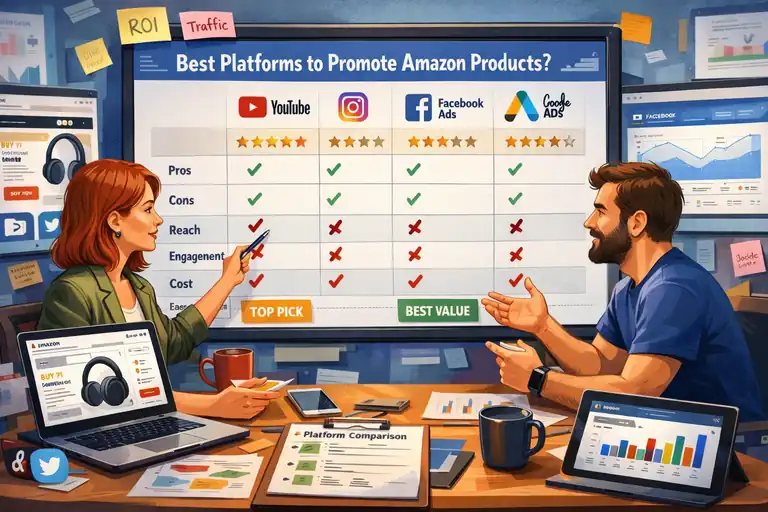
Your success in Amazon affiliate marketing often depends on where you promote products. The right platform helps you reach people who already trust your voice and content style.
Using Social Media Channels to Drive Affiliate Sales
Social platforms like Instagram, TikTok, and Facebook are great places to share your Amazon links. Each platform works differently, so the key is to match your product type with audience behavior.
- Instagram: Great for lifestyle or visual niches like fashion, gadgets, or home décor. Use Stories or Link Stickers to add affiliate links.
- TikTok: Short, authentic product demos work best here. For example, showing how a mini blender actually performs can drive instant sales.
- Facebook: Groups and niche communities work wonders. You can share recommendations naturally in posts or comments.
The goal is to make your product links feel like a conversation, not an ad.
How to Leverage YouTube for Product Reviews and Tutorials
YouTube is one of the most powerful platforms for affiliate marketing because viewers often search with intent—“best budget tripod under $50” or “top kitchen gadgets on Amazon.”
To succeed here:
- Create helpful, keyword-rich videos that solve real problems.
- Place affiliate links in your video description (and mention them verbally).
- Pin a comment with your link for better visibility.
Even short videos, like “Top 3 Amazon finds that save me time,” can consistently earn commissions if optimized properly.
Building Trust Through TikTok and Instagram Reels
Short-form video is the fastest way to build trust today. People love seeing products in action.
Try this simple structure:
- Hook: “I didn’t know this Amazon gadget existed…”
- Demo: Show how it works.
- Value: Explain why it’s worth buying.
- CTA: “Link in my bio!”
These quick, authentic clips can easily go viral, especially when paired with trending audio.
Why Pinterest Is Still Effective for Affiliate Marketing
Pinterest is underrated but highly valuable because it acts more like a search engine than social media. People go there ready to buy or plan purchases.
Use vertical pins (1000x1500px) with clear visuals and simple titles like “5 Amazon Must-Haves for Home Offices.”
Add your affiliate link directly in the pin description. Over time, these pins can drive passive clicks for months or even years.
Create Engaging Content That Converts Without a Website
No website? No problem. What matters most is how you present your recommendations. Quality content builds trust, and trust leads to clicks and conversions.
Writing Persuasive Captions and Product Descriptions
When writing about products, keep your captions conversational and benefits-focused. Avoid sounding like a salesperson. Instead, describe how the product helps you.
For example: Instead of saying, “This blender is powerful,” try, “I’ve been using this Amazon blender every morning, and it crushes frozen fruit like magic—no chunks, just smooth perfection.”
Use small storytelling touches. People connect with why you use a product, not just what it does.
How to Create Visual Posts That Attract Clicks
Images and videos are the real conversion drivers.
- Use natural lighting and real usage shots.
- Show before/after comparisons or quick tutorials.
- Add simple on-screen text like “Amazon Find #3 – Under $20.”
Even if you’re camera-shy, you can create faceless videos using voiceovers or product close-ups. The key is clarity and authenticity.
Balancing Authenticity and Promotion in Your Content
If every post feels like a sales pitch, people tune out. Instead, mix in genuine content—personal tips, lifestyle updates, or humor. Keep the ratio around 80% value, 20% promotion.
You can say something like, “I wasn’t sure if this neck massager would actually help, but wow—it’s become part of my daily routine. Found it on Amazon; link’s in my bio.”
That feels relatable, not pushy.
Examples of High-Performing Affiliate Content
Here are a few content formats that consistently perform well:
- “Amazon Favorites” roundups (5–10 items under a theme).
- Quick demo videos showing the product in use.
- “Unboxing + first impression” videos.
- “Problem-solution” content (e.g., “Struggling with clutter? This $15 Amazon organizer saved my desk.”)
The key pattern across all of these? They help before they sell.
Shorten, Track, and Optimize Your Affiliate Links
Long, messy URLs can look suspicious or uninviting. Shortening and tracking your Amazon affiliate links keeps your content clean and lets you see what’s actually working.
How to Use Amazon’s Built-in Link Tools Effectively
Inside your Amazon Associates dashboard, you’ll find SiteStripe—a toolbar that lets you generate affiliate links for any product page directly.
Click “Text” or “Image” on the toolbar when viewing a product. You’ll get a clean affiliate link instantly. This is Amazon-approved, so you never risk a policy violation.
You can also use the “Short Link” option inside SiteStripe for a more shareable version like amzn.to/abcd123.
Tracking Conversions Using Link Shorteners
While Amazon gives you some basic analytics, you can layer extra tracking using tools like Bitly or Rebrandly.
This helps you see:
- Which social post or video drove the most clicks.
- What time or platform performs best.
- Which products generate real conversions.
For example, you might discover your “TikTok morning routine” videos get 5x more clicks than Instagram posts. That insight helps you double down where results happen.
The Best Third-Party Link Tools to Use Safely
Stick to reliable link tools that don’t break Amazon’s rules:
- Bitly: Simple and free for short links with basic analytics.
- Rebrandly: Lets you create custom branded links (like yourname.link/blender).
- Awin LinkBuilder Plugin (for broader affiliate work): Useful if you expand beyond Amazon, since Awin replaced ShareASale.
Avoid any tools that mask or redirect links in ways that hide the Amazon domain—it’s against Amazon’s policies.
Build an Email or Messaging List Without a Website
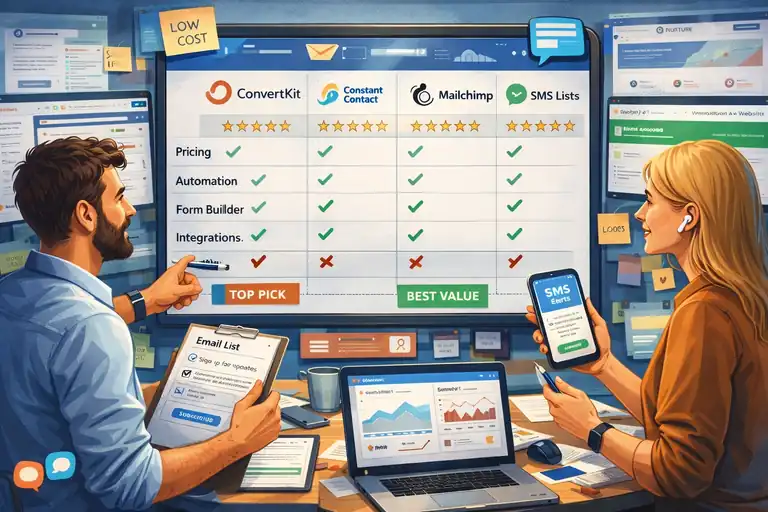
You don’t need a website to build meaningful relationships with your audience. In fact, an email or messaging list can be even more personal and effective.
It lets you connect directly with people who already trust your recommendations—without worrying about algorithms or platform changes.
How to Use Platforms Like Kit or Brevo for Affiliate Outreach
If you’ve heard of ConvertKit, it’s now known as Kit—and it’s perfect for creators who don’t have a website.
With Kit, you can:
- Create landing pages that collect emails.
- Automatically send follow-up emails recommending Amazon products.
- Segment your audience based on interests (for example, “tech lovers” or “home organizers”).
The setup is simple:
- Sign up for Kit.
- Create a form or landing page (you’ll find templates under Grow → Landing Pages).
- Connect your Amazon affiliate links in your emails—just make sure to disclose that they are affiliate links.
Brevo (formerly Sendinblue) is another strong option if you prefer an all-in-one platform with email and SMS marketing. It’s great for sending short product updates or “deal of the week” messages.
The key is to offer value before promotion. For instance, send a weekly “Top 3 Amazon Finds That Make Life Easier” email. Readers love curated, bite-sized recommendations.
Collecting Emails Through Social Media Forms and Lead Magnets
If you don’t have a website, your social media pages can still collect leads. Use tools like Linktree or Beacons to host a short sign-up form right in your bio.
Here’s what works best for getting sign-ups:
- Mini guides: “5 Amazon Kitchen Tools I Actually Use Every Day.”
- Exclusive updates: “Join my list for Amazon-only deals before they go live.”
- Simple checklists: “Amazon Travel Essentials Checklist – free download.”
You can use Kit’s built-in landing pages for these. They generate a shareable URL that you can place in your TikTok, Instagram, or YouTube bio.
People join lists that make life easier—not lists that just sell.
Nurturing Subscribers With Product Recommendations
Once people sign up, your goal is to nurture them, not overwhelm them. Think of it like a conversation with a friend.
Start with a welcome email. Thank them for joining, and maybe include a quick “starter list” of your favorite Amazon finds.
Then, over time:
- Share personal stories about how you use those products.
- Offer helpful tips (“How I save 15 minutes every morning using this $12 Amazon gadget”).
- Ask for feedback or requests (“What type of Amazon finds do you want next week?”).
These touches build trust and lead to more consistent affiliate sales over time.
Boost Visibility Using SEO and Hashtags
Even without a website, SEO (search engine optimization) still matters—especially on platforms like YouTube, Pinterest, and TikTok.
Combine it with smart hashtags, and you’ll reach new audiences every day.
How to Use Keywords in Captions and Video Descriptions
Start by thinking about what people are typing into search bars. If you’re showing a product demo, your audience might search “best Amazon home gadgets” or “cheap Amazon must-haves.”
To optimize your content:
- Include your target keyword naturally in the video title and first line of the caption.
- Mention the keyword verbally in your video (platforms often read captions automatically).
- Add variations in the description, like “Amazon finds,” “Amazon favorites,” or “budget-friendly gadgets.”
For example, a YouTube title like “5 Amazon Kitchen Tools That Actually Save Time” performs better than something vague like “My Favorite Kitchen Products.”
Smart Hashtag Strategies for Each Social Platform
Every platform has its own hashtag rhythm:
- TikTok: Mix broad (#amazonfinds) and niche (#amazonhomegadgets) hashtags. Keep it under 10 total.
- Instagram: Use up to 30, but make half of them low-competition hashtags (under 100k posts).
- Pinterest: Add keywords in pin titles and descriptions instead of heavy hashtag use.
- YouTube: Use 3–5 hashtags in your video description (not the title).
Rotate your hashtags occasionally to test performance. Over time, you’ll notice which sets bring the most engagement.
Tools to Analyze Trends and Optimize Your Reach
A few tools can help you stay ahead of what’s trending:
- VidIQ or TubeBuddy for YouTube keyword research.
- Pinterest Trends for seasonal ideas.
- TikTok Creative Center for trending sounds and hashtags.
- Google Trends to spot what’s rising in your niche.
Spend a few minutes each week checking these. You’ll be surprised how often a small timing tweak—posting when a keyword spikes—can double your visibility.
Stay Compliant With Amazon’s Rules and FTC Guidelines
Compliance might sound boring, but it’s what keeps your Amazon account safe and trustworthy. A few simple habits can protect both your reputation and your income.
What Amazon Allows (and Prohibits) for Non-Website Promotions
Amazon’s rules are pretty clear, even if you’re promoting without a website:
- You can post affiliate links on YouTube, TikTok, Instagram, and Pinterest.
- You cannot send affiliate links directly in private messages or paid ads.
- You must use Amazon-approved links (no shortened or masked URLs that hide the domain).
Always double-check the Operating Agreement in your Amazon Associates dashboard. They update it occasionally, and staying informed keeps you safe.
How to Properly Disclose Affiliate Relationships
The FTC (Federal Trade Commission) requires transparency. A simple sentence works perfectly:
- “This post contains Amazon affiliate links. I may earn a commission if you buy through them, at no extra cost to you.”
Add this disclosure at the start of captions, near your bio link, or early in video descriptions. The goal is clarity—your audience should never have to guess.
Maintaining Transparency to Build Long-Term Trust
In the long run, honesty wins. People follow you because they believe your recommendations come from real experience. If you genuinely like what you promote, that authenticity shines through.
Avoid promoting products just for higher commissions. Stick with what you’ve used, tested, or would buy yourself. That’s how you build a sustainable affiliate business.
Scale Your Amazon Affiliate Earnings Strategically
Once you’re earning consistent commissions, it’s time to think long-term. Scaling isn’t about posting more—it’s about posting smarter and reinvesting strategically.
How to Reinvest Earnings Into Better Content and Tools
Treat your affiliate income like business capital. Use part of it to upgrade:
- Lighting or camera gear for cleaner product videos.
- A small budget for video editing tools like CapCut Pro or Canva Pro.
- Subscription tools like Rebrandly for tracking link performance.
Think of these as multipliers. Every upgrade improves your content quality and boosts conversion rates.
Expanding Into New Niches or Product Categories
Don’t limit yourself to one niche forever. If you’ve built trust in one area, you can branch out gradually.
For instance:
- A tech creator could expand into home office or productivity tools.
- A beauty creator might try self-care or wellness products.
Use Amazon’s “Movers & Shakers” section to discover fast-rising products. These are often early opportunities before competition spikes.
Partnering With Other Creators for Cross-Promotion
Collaboration is one of the fastest ways to scale. Partner with another creator in a complementary niche—someone whose audience might also love your content.
Try this:
- Do a “joint favorites” video (you each pick three Amazon finds).
- Swap shoutouts or share each other’s lists.
- Co-create a theme week like “Amazon Home Hack Week.”
It expands your reach organically, with no paid ads needed.
Pro Tips for Success in Amazon Affiliate Marketing Without a Website
Success in Amazon affiliate marketing isn’t about luck—it’s about consistency, learning, and building trust step by step.
Why Consistency Beats Perfection in Affiliate Growth
I’ve seen many people overthink content—spending weeks on one perfect video—while others grow faster by posting regularly. Consistency builds momentum.
Try setting a simple rhythm, like two videos and three posts per week. Even if they’re not perfect, you’ll learn faster from real audience reactions than endless planning.
The Importance of Audience Feedback and Analytics
Pay attention to what your audience likes, clicks, or comments on. Amazon’s dashboard gives you data like:
- Click-through rate (CTR).
- Ordered items and conversion rates.
- Total earnings by product category.
Combine that with insights from social platforms. If one type of post drives both engagement and sales, do more of it. Analytics are your GPS for growth.
Common Mistakes Beginners Make and How to Avoid Them
A few common pitfalls can slow you down early on:
- Posting random products without a clear niche.
- Hiding affiliate links (a quick way to lose trust).
- Ignoring Amazon’s 24-hour cookie window (you only earn if someone buys within that time).
- Giving up too soon—affiliate marketing takes time to build traction.
Instead, focus on small, daily improvements. Every video, caption, or link teaches you something new. Over time, those small lessons compound into a steady, growing income.
Pro Tip: The real secret is caring about your audience more than your commissions. When people feel that you genuinely want to help them discover useful products, affiliate sales come naturally—no website required.
FAQ
Can I start Amazon affiliate marketing without a website?
Yes, you can start amazon affiliate marketing using platforms like YouTube, TikTok, Instagram, or Pinterest. Amazon allows you to share affiliate links directly on social channels as long as you follow its rules.
How do I promote Amazon affiliate links without a website?
You can promote links through social media posts, short videos, or email lists using tools like Kit or Brevo. Focus on creating helpful content that naturally features Amazon products.
Do I need approval to join the Amazon Associates program?
Yes. You must apply and provide your social media or content channel URL. Once approved, you’ll need to make at least three valid sales within 180 days to keep your account active.

I’m Juxhin, the voice behind The Justifiable.
I’ve spent 6+ years building blogs, managing affiliate campaigns, and testing the messy world of online business. Here, I cut the fluff and share the strategies that actually move the needle — so you can build income that’s sustainable, not speculative.
Related posts:
 How To Post Affiliate Links On Pinterest
 10 Proven Strategies for Creating Passive Income Streams
 Where To Promote Affiliate Links For Free
 How to Use ShareASale Affiliate Program Without Any Hassle
 How to Get Into Affiliate Online Marketing in 5 Easy Steps!
 How to Promote Affiliate Products Without a Website