
Table of Contents
Some links on The Justifiable are affiliate links, meaning we may earn a small commission at no extra cost to you. Read full disclaimer.
B2B ecommerce has transformed the way businesses buy and sell from each other—but are you really selling smart online?
In a digital space where competition grows sharper by the second, strategy often outweighs scale. The real challenge isn’t just setting up an online storefront; it’s mastering how to sell smarter—through data, personalization, and technology.
In this guide, you’ll discover how to optimize your B2B ecommerce strategy, improve conversion rates, and build lasting customer relationships that go beyond transactions.
Understanding What Makes B2B Ecommerce Different
B2B ecommerce isn’t just a bigger version of retail—it’s a different world entirely. The goals, buying behaviors, and decision-making processes are more complex.
Let’s break down what makes it unique and how businesses can adapt to sell smarter.
How B2B Ecommerce Differs From B2C Models
The biggest difference between B2B (business-to-business) and B2C (business-to-consumer) ecommerce lies in who’s buying and why. In B2C, one person clicks “Buy Now.” In B2B, it’s often a committee reviewing specs, negotiating prices, and managing bulk orders.
Key distinctions include:
- Buying Process: B2B purchases are logic-driven, often requiring approval workflows and multiple stakeholders.
- Pricing Structure: Instead of fixed prices, B2B platforms use tiered pricing or custom quotes. For example, a wholesaler might offer discounted pricing per unit once an order exceeds 500 items.
- Order Volume: B2B orders are larger, recurring, and more predictable—think pallets, not single units.
- Customer Relationships: Long-term partnerships are the goal, not one-time transactions.
If you’ve ever ordered from Amazon Business, you’ve already seen these differences in action—custom pricing, bulk order options, and tax-exempt purchasing tools all built for companies rather than consumers.
Key Challenges Facing Modern B2B Sellers
Even though digital transformation has opened opportunities, it’s also created new obstacles. I’ve noticed three recurring challenges most B2B sellers face:
- Complex Decision Chains: Multiple people often influence a single purchase, so aligning your ecommerce experience with each stakeholder’s needs is critical.
- Outdated Systems: Many companies still rely on legacy ERP or CRM software that isn’t integrated with their ecommerce platform, leading to order delays and data silos.
- Customer Expectations: B2B buyers now expect the same convenience as B2C—fast checkout, clear pricing, and easy reordering.
A survey by Forrester found that over 70% of B2B buyers expect personalized online experiences. If your site doesn’t deliver that level of user experience, your competitors will.
The Role of Digital Transformation in B2B Growth
Digital transformation is more than adopting new tools—it’s about rethinking how your business delivers value. I believe companies that treat digital as a strategic shift rather than a one-time project are the ones thriving.
Here’s what transformation looks like in practice:
- Automation of Manual Processes: Automating pricing updates or stock levels through API integrations eliminates errors and speeds up fulfillment.
- Centralized Data Systems: Linking ERP (Enterprise Resource Planning), CRM (Customer Relationship Management), and ecommerce data creates a single source of truth.
- Customer Portals: Self-service dashboards where clients can reorder, track shipments, or view invoices increase efficiency and satisfaction.
- Digital maturity directly impacts revenue. According to McKinsey, digitally advanced B2B companies grow five times faster than their less advanced peers.
Building a Strong Foundation for B2B Ecommerce Success

Success in B2B ecommerce doesn’t start with flashy marketing—it starts with a solid foundation.
Your tech stack, integrations, and infrastructure form the engine that keeps everything running smoothly.
Choosing the Right Ecommerce Platform for B2B
Your ecommerce platform is the backbone of your entire operation. Choosing the wrong one can trap you in expensive customizations.
What to look for:
- Custom Pricing Options: Platforms like Adobe Commerce or BigCommerce B2B Edition allow for customer-specific pricing and catalogs.
- Integration Flexibility: Look for built-in connectors or API support for ERP and CRM systems.
- User Roles & Permissions: B2B requires account hierarchies—think of managers approving purchases for their team.
Example: In Shopify Plus, you can assign custom roles to users (e.g., “Purchasing Agent” or “Approver”) to control who can place or authorize orders. It’s small touches like these that keep workflows clean and compliant.
Integrating ERP, CRM, and Inventory Management Systems
Integration is where B2B ecommerce gets complex—but also where the real efficiency gains appear.
Here’s why it matters:
- ERP Integration: Syncing ERP (like SAP or NetSuite) ensures pricing, inventory, and order data are always accurate.
- CRM Connection: A CRM such as Monday helps your sales team track interactions and forecast demand.
- Inventory Systems: Real-time inventory visibility prevents overselling and supports just-in-time fulfillment.
I suggest starting integration small—connect one system, validate performance, then expand. Over-integrating too soon can lead to messy data dependencies that are hard to untangle later.
Setting Up Scalable Infrastructure for Future Growth
Scalability is the secret weapon of successful B2B ecommerce operations. Even if you’re small now, plan your architecture as if you’ll double in size next year.
Focus areas for scalable growth:
- Cloud Hosting: Choose platforms hosted on AWS or Azure for auto-scaling and reliability.
- Modular Design: Use headless ecommerce setups—where the front-end (customer view) and back-end (data systems) operate independently. This makes future updates painless.
- Load Testing: Regularly simulate high-traffic scenarios before product launches or promotions to ensure your site can handle spikes.
In one project I worked on, moving from a single-server setup to AWS Elastic Beanstalk reduced downtime by 70% and improved load speed by 40%. Scalability pays dividends long before you hit capacity.
Optimizing Product Information for B2B Buyers
Product information is where many B2B ecommerce sites fall short. Buyers can’t make informed decisions without clear data, specs, and visuals. Your product catalog is essentially your salesperson—so make it sharp.
Creating Detailed Product Catalogs and Technical Specs
B2B buyers need more than pretty pictures—they need the numbers. Create catalogs that include:
- Technical Specifications: Dimensions, compatibility, certifications, and performance data.
- Downloadable Resources: PDFs, manuals, or CAD files for engineers.
- Rich Media: High-resolution images and 360° views.
Example: Grainger.com lists each product with detailed specs, compliance data, and documentation downloads. This level of transparency builds trust and speeds up the decision-making process.
I recommend using a Product Information Management (PIM) system like Akeneo or Pimcore to centralize and distribute this data across all sales channels.
Implementing Real-Time Inventory and Dynamic Pricing
Real-time updates on stock and pricing aren’t optional—they’re expected. Imagine a buyer placing a $10,000 order only to find half of it’s out of stock. That’s a relationship killer.
Practical ways to implement this:
- API-Based Inventory Sync: Connect your ERP system to update inventory automatically every few minutes.
- Dynamic Pricing Rules: Offer automated discounts based on volume, customer tier, or market demand.
- Customer Dashboards: Let clients view available inventory in their region directly from their account.
According to Gartner, dynamic pricing can boost B2B profit margins by up to 10% without raising costs. I’ve seen this work brilliantly in industrial supply chains where prices fluctuate with material costs.
Leveraging AI for Smarter Product Recommendations
AI is reshaping how B2B buyers discover products. Rather than static lists, intelligent recommendation engines can suggest complementary items based on past orders or browsing history.
How AI makes a difference:
- Personalized Suggestions: Recommends related components or accessories automatically.
- Predictive Restocking Alerts: Notifies customers before they run out of critical items.
- Enhanced Search: Natural language search helps users find items even with vague descriptions.
For example, IBM Watson Commerce uses AI to predict what a buyer might need next, improving average order value significantly. I believe even small B2B companies should experiment with AI plug-ins—many are affordable and can be tested in weeks.
Pro Tip: Treat your B2B ecommerce experience like a living ecosystem. Keep refining your catalog, integrating smarter systems, and experimenting with AI-driven personalization. The smarter your data and infrastructure become, the easier it is to outthink—not just outsell—your competition.
Streamlining The B2B Purchasing Experience
The buying experience is where most B2B ecommerce sites either win loyal customers or quietly lose them. The truth is, B2B buyers crave simplicity and control—especially when they’re placing large, recurring orders.
Streamlining these processes can dramatically boost customer retention and order frequency.
Simplifying Complex Ordering And Reordering Processes
Complex ordering is the biggest friction point in B2B ecommerce. Many buyers manage hundreds of SKUs, custom configurations, and approval chains. Simplifying this process isn’t just a convenience—it’s a competitive advantage.
Here’s how to simplify the buying flow:
- Quick Order Tools: Allow buyers to upload CSV files or use SKU-based search to add products directly to the cart. For instance, in Adobe Commerce, buyers can paste SKU lists into a “Quick Order” field and instantly populate their cart.
- Saved Order Templates: Many B2B clients reorder the same items monthly. Offer “Reorder from Past Purchases” or “Saved Lists” features. In BigCommerce B2B Edition, you can enable saved shopping lists that allow one-click reordering.
- Bulk Editing Capabilities: Let users adjust quantities, delete items, or update variants from a single interface.
I recommend running user testing with a few key accounts. Watch how long it takes them to complete a bulk order. If it’s over three minutes, you still have friction.
Using Self-Service Portals To Improve Buyer Autonomy
A well-designed self-service portal gives your customers control over their buying experience, reducing their dependence on sales reps and freeing up your team for higher-value work.
What makes an effective self-service portal:
- Order Tracking: Real-time visibility into order status and shipping.
- Invoice Management: Ability to download past invoices and make payments online.
- Custom Catalogs: Personalized product listings or negotiated pricing for specific clients.
For example, SAP Commerce Cloud offers personalized buyer dashboards where clients can view contract-specific pricing and manage multiple users within one company account. It’s a small feature with a huge impact—it cuts back-and-forth communication by up to 40%.
I’ve seen B2B companies reduce support tickets by 60% simply by giving customers the tools to manage their own accounts. Buyers love autonomy when it’s paired with transparency.
Personalizing The Checkout Experience For Bulk Orders
Checkout might seem like a small detail, but in B2B ecommerce, it’s often the difference between a smooth purchase and an abandoned cart.
Ways to personalize and simplify checkout:
- Flexible Payment Terms: Offer purchase orders (POs), net-30 billing, or trade credit. Tools like TreviPay integrate seamlessly with ecommerce systems to automate B2B credit management.
- Custom Shipping Options: Provide freight, split shipments, or warehouse pickup directly in checkout.
- Account-Based Pricing Display: Show negotiated rates per account—no surprises, no phone calls needed.
I suggest A/B testing your checkout flow. If bulk buyers often drop off at the payment stage, you likely need a custom invoice or credit approval option. Remember, personalization here isn’t fluff—it’s friction reduction.
Using Data And Analytics To Sell Smarter Online

If B2B ecommerce is the engine, data is the fuel. The smartest sellers aren’t the ones shouting the loudest—they’re the ones listening hardest.
Data reveals who your best customers are, what they want, and when they’ll want it again.
Tracking Customer Behavior And Purchase Patterns
Understanding buyer behavior starts with tracking the right metrics. I often see businesses collect tons of data but fail to extract value from it. Focus on insights that drive decisions.
Metrics worth tracking:
- Top Purchased Products: Identify bestsellers and optimize stock levels.
- Reorder Frequency: Spot customers likely to churn if they skip a cycle.
- On-Site Behavior: Use heatmaps (like Hotjar) to see where users drop off or get stuck.
Example: One industrial parts supplier noticed 30% of users abandoning carts after the quote request step. After simplifying the quote-to-cart process, conversion rates jumped by 18%. Data doesn’t lie—it tells you exactly where to improve.
Leveraging Predictive Analytics For Smarter Sales Decisions
Predictive analytics takes historical data and forecasts what’s likely to happen next. In B2B ecommerce, this can transform how you stock, price, and market.
Practical applications:
- Demand Forecasting: AI tools like Oracle Analytics Cloud can anticipate inventory needs.
- Customer Retention: Predict which customers might stop ordering soon and trigger automated follow-up emails.
- Pricing Optimization: Adjust pricing dynamically based on market demand and customer segment.
I believe predictive analytics is one of the most underused tools in B2B ecommerce. Even simple setups using Google Analytics 4 and CRM data can predict when a client will reorder—letting your sales team act before the customer even realizes they’re low on stock.
Turning Data Insights Into Actionable Ecommerce Strategies
Collecting data is one thing. Acting on it is another. The best ecommerce teams close the loop between insights and execution.
How to make data actionable:
- Build Customer Segments: Group buyers by industry, order value, or buying frequency, then tailor email campaigns accordingly.
- Visualize Trends: Use dashboards in Tableau to track sales trends at a glance.
- Collaborate Across Teams: Share analytics with marketing, sales, and operations for unified strategy.
I advise holding monthly “data huddles” with your team. Review key metrics together and assign one clear action per insight. Data is powerful—but only if you do something with it.
Enhancing B2B Ecommerce With Automation And AI
Automation and AI aren’t futuristic add-ons anymore—they’re the quiet workhorses of modern B2B ecommerce.
When set up right, they reduce manual labor, speed up order cycles, and make every interaction smarter.
Automating Pricing, Quotes, And Approvals
Pricing and quotes can be complex in B2B—often requiring custom contracts and manager approvals. Automation can simplify all that.
Here’s how:
- Dynamic Pricing Rules: Automatically adjust prices based on order volume or client tier.
- Automated Quote Workflows: Tools like Salesforce CPQ (Configure, Price, Quote) let buyers request and receive quotes instantly.
- Approval Routing: Set up automatic routing for manager approval once order totals exceed a set threshold.
A manufacturing distributor I worked with reduced quote turnaround time from three days to under an hour after integrating Salesforce CPQ. That’s not just efficiency—it’s customer satisfaction on a new level.
Using AI Chatbots To Improve Customer Service Efficiency
AI chatbots aren’t replacing people—they’re helping teams do more with less. In B2B ecommerce, chatbots can handle repetitive queries, freeing up sales reps for complex tasks.
Effective use cases for AI chatbots:
- Order Tracking Queries: Customers can ask, “Where’s my shipment?” and get real-time updates.
- Product Recommendations: Bots can suggest complementary items based on order history.
- After-Hours Support: 24/7 assistance when your support team is offline.
Platforms like Drift and Zendesk AI allow integration with ecommerce systems so chatbots can pull order data instantly. I recommend designing your bot’s tone to match your brand voice—it should sound like a helpful assistant, not a robot reading from a script.
Implementing Machine Learning To Forecast Demand
Machine learning (ML) can spot patterns that human analysts miss. In B2B ecommerce, that often means smarter demand forecasting and inventory control.
ML in action:
- Predicting Reorders: Models analyze past behavior to predict when a client will reorder.
- Optimizing Stock Levels: Prevent overstocking or shortages by aligning production with actual demand.
- Market Trend Detection: Identify emerging product interests before competitors catch on.
For example, Amazon Business uses ML-driven forecasting to balance stock levels across warehouses globally. You might not have Amazon’s scale, but smaller ML tools like Fathom Analytics can deliver similar intelligence on a manageable scale.
Pro Tip: Automation and AI aren’t just about cutting costs—they’re about creating consistency. Every automated workflow reduces friction, every AI insight strengthens decisions, and together they make your B2B ecommerce operation smarter, faster, and far more resilient against the unexpected.
Crafting A Customer-Centric B2B Ecommerce Strategy
A customer-centric B2B ecommerce strategy isn’t about slogans or mission statements—it’s about making your buyers’ lives easier at every interaction.
When you design your platform, communication, and pricing around their needs, loyalty follows naturally.
Building Trust Through Transparency And Consistent Communication
Trust is the true currency of B2B ecommerce. Buyers won’t commit to large, ongoing contracts with a brand that feels unreliable or opaque.
I’ve seen this firsthand: even a small delay in communication can shake confidence.
Ways to build trust in your B2B ecommerce experience:
- Show Accurate, Real-Time Data: Display stock availability and delivery timelines upfront. A customer should never have to ask if an item is in stock.
- Provide Order Visibility: Use automated notifications—“Order confirmed,” “Shipment ready,” “Delivered”—to keep buyers informed without manual follow-up.
- Open Communication Channels: Live chat, Slack integrations, or dedicated account managers give buyers multiple ways to reach you quickly.
For example, Grainger provides transparent delivery estimates and shipment tracking right in their ecommerce dashboard. This level of reliability strengthens relationships because buyers know exactly what to expect.
I suggest setting up automated but personalized updates using tools like HubSpot Workflows—it keeps communication consistent, even when your team is busy.
Offering Tailored Pricing And Contract Terms
In B2B ecommerce, one-size-fits-all pricing doesn’t work. Every client brings unique order volumes, terms, and expectations. The best approach is to create flexible frameworks that adapt to each partnership.
How to personalize pricing and contracts:
- Tiered Pricing Models: Offer discounts based on quantity or annual spending levels. Most platforms, like BigCommerce B2B Edition, allow dynamic pricing tied to customer groups.
- Negotiated Contracts: Digitize your negotiated agreements so clients can log in and see their exact contract terms reflected in real-time pricing.
- Volume-Based Incentives: Offer free shipping or bonus items once buyers cross specific thresholds.
A practical UI example: In Adobe Commerce, you can create “Shared Catalogs” where each buyer sees only their contracted pricing. This kind of transparency eliminates confusion and prevents pricing disputes.
I believe every B2B platform should make contract visibility a standard feature. It’s not just about convenience—it signals respect and reliability.
Creating Loyalty Programs That Drive Repeat Purchases
Loyalty programs aren’t just for B2C brands. In B2B, they can deepen relationships and encourage higher order frequency. But the focus should be on value, not points.
Ideas for effective B2B loyalty programs:
- Rebate-Based Rewards: Offer quarterly rebates based on total spend.
- Exclusive Perks: Early access to new product lines, or free upgrades on bulk orders.
- Education-Driven Loyalty: Provide free training or certification programs related to your products.
For instance, 3M’s Partner Loyalty Program rewards distributors with rebates and product training access. It’s practical, relevant, and strengthens the relationship beyond simple transactions.
If you’re starting small, I suggest testing a referral-based loyalty program—let customers earn credits for referring other companies. It’s cost-effective and builds network-driven growth.
Improving B2B Ecommerce Marketing And Lead Generation
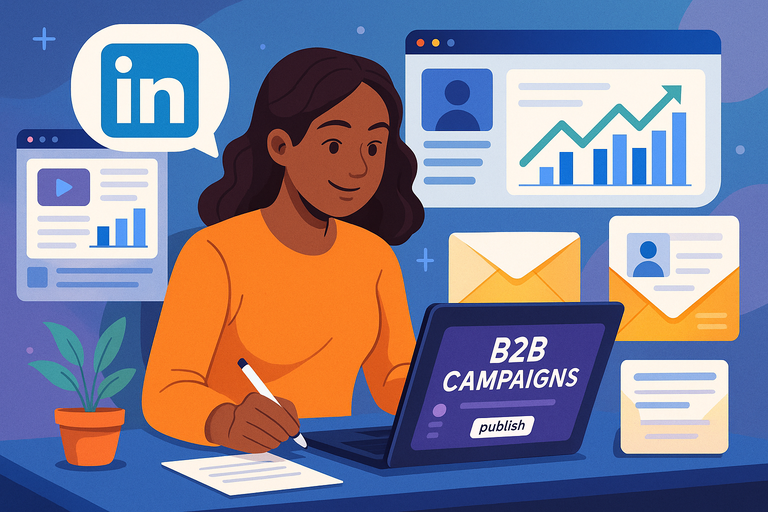
B2B ecommerce success doesn’t stop at building a strong platform. You also need a steady pipeline of qualified leads and repeat buyers.
Modern B2B marketing is about education, relevance, and precision targeting—not blasting generic ads into the void.
Using Content Marketing To Educate And Convert B2B Buyers
Content marketing is your best salesperson—available 24/7 and never pushy. In B2B ecommerce, content should simplify complex buying decisions by addressing pain points.
High-performing content types include:
- Product Tutorials and Explainers: Walk buyers through using your platform or setting up integrations.
- Comparison Guides: Help buyers evaluate your solution versus competitors.
- Data-Driven Whitepapers: Share insights and stats relevant to your industry.
For example, HubSpot uses case studies and free templates to attract and convert B2B leads. It works because the content genuinely helps buyers make smarter choices.
I recommend creating content that answers real customer questions. Look at your sales team’s most common inquiries and turn those into blog posts or video demos. That’s how you move from “content” to useful education.
Leveraging LinkedIn And Account-Based Marketing (ABM) Strategies
LinkedIn is the powerhouse of B2B lead generation, especially when combined with Account-Based Marketing (ABM). ABM focuses on targeting high-value companies with hyper-personalized campaigns.
Practical ways to apply ABM on LinkedIn:
- Target Specific Decision-Makers: Use LinkedIn Ads to reach procurement managers or C-suite executives at named accounts.
- Personalized Content: Customize ad copy or landing pages to mention the prospect’s company name or industry.
- CRM Sync: Connect your CRM (like HubSpot or Salesforce) to LinkedIn Campaign Manager for seamless targeting and tracking.
A small manufacturer I consulted with saw a 42% increase in lead quality by narrowing campaigns to just 200 pre-selected accounts. Precision beats volume every time.
I advise running quarterly ABM audits—review which accounts engaged most and refine your messaging accordingly. It’s a cycle of learning that pays long-term dividends.
Incorporating Email Nurture Campaigns For Long-Term Engagement
Email is still the most cost-effective way to nurture B2B buyers—if you respect their time. Long-term engagement comes from sending relevant, data-driven content that aligns with where buyers are in their journey.
How to build strong nurture campaigns:
- Segment Lists by Behavior: Send personalized emails based on browsing history or purchase frequency.
- Automate Follow-Ups: Tools like ActiveCampaign or Marketo can trigger emails after a quote request or demo view.
- Educate, Don’t Sell: Share insights, updates, or how-to content rather than pushing constant promotions.
Example: A software supplier I worked with increased repeat orders by 25% after implementing automated reorder reminders with helpful setup guides. It wasn’t about “selling harder”—just helping buyers stay ahead of their needs.
I believe the best B2B emails feel like helpful check-ins from a trusted partner, not marketing blasts.
Managing Payments, Logistics, And Fulfillment In B2B Ecommerce
Behind every seamless B2B ecommerce experience is a robust payment and logistics system. Buyers expect flexibility, reliability, and visibility throughout the entire fulfillment process.
Offering Flexible Payment Options And Credit Terms
In B2B, flexibility in payment terms can make or break a deal. Many buyers operate on cash flow cycles, so offering credit and net terms is essential.
Payment strategies that increase conversions:
- Net-30 or Net-60 Terms: Give established clients time to manage cash flow.
- Digital Credit Management: Use tools like TreviPay to automate B2B credit checks and billing.
- Multiple Payment Methods: Offer ACH, wire transfers, and digital wallets like PayPal Business.
For example, Alibaba.com offers trade assurance and flexible payment schedules, giving buyers confidence for large transactions.
I recommend building clear credit policies into your platform to prevent confusion or late payments—it saves both time and relationships.
Streamlining Shipping And Order Fulfillment Processes
Efficient fulfillment keeps customers coming back. The faster and more predictable your delivery process, the stronger your brand reputation.
Key practices for smooth fulfillment:
- Real-Time Order Tracking: Show order status and shipment location through integrated logistics APIs.
- Warehouse Automation: Implement barcode scanning or RFID tracking to reduce manual errors.
- Order Consolidation: Allow buyers to combine multiple small orders into one shipment for efficiency.
I’ve seen companies cut shipping costs by 20% simply by centralizing their warehouse management through systems like ShipStation or Zoho Inventory. When fulfillment runs like clockwork, everything else gets easier.
Integrating Third-Party Logistics For Faster Delivery
Third-party logistics (3PL) providers can scale your delivery capabilities without requiring your own warehouse expansion.
Why 3PL integration matters:
- Speed: Outsourced partners already have optimized networks.
- Scalability: You can expand into new regions without major investment.
- System Integration: Modern 3PLs (like ShipBob or FedEx Supply Chain) integrate directly with ecommerce platforms for automatic shipping updates.
For instance, one B2B wholesaler I worked with partnered with ShipBob to handle U.S. distribution. Within two months, average delivery times dropped from seven days to three—and customer satisfaction scores jumped by 30%.
I suggest choosing a 3PL with a strong API connection to your ecommerce backend. The smoother the data flow, the fewer fulfillment headaches you’ll have.
Pro Tip: Great B2B ecommerce isn’t just about technology—it’s about empathy at scale. Whether it’s personalized pricing, educational marketing, or flexible fulfillment, every improvement should make your buyers’ lives easier. When they feel understood and supported, you’re not just a vendor—you’re a trusted partner in their success.
Measuring Success: B2B Ecommerce KPIs And Metrics
Tracking success in B2B ecommerce isn’t about vanity metrics like page views—it’s about understanding how every interaction drives growth, loyalty, and efficiency.
I always say: if you can measure it, you can improve it. The right KPIs help you see what’s working, spot weaknesses early, and justify future investments.
Tracking Conversion Rates, AOV, And Customer Lifetime Value
Conversion Rate, Average Order Value (AOV), and Customer Lifetime Value (CLV) are the holy trinity of ecommerce measurement. Each one tells a different part of your performance story.
Conversion Rate (CR):
This measures the percentage of site visitors who complete a purchase. In B2B ecommerce, conversion rates tend to be lower than B2C due to longer decision cycles.
I recommend segmenting conversion rates by customer type—new versus returning—to see where drop-offs occur.
Average Order Value (AOV):
AOV shows how much customers typically spend per order. Increasing AOV often delivers faster ROI than chasing new leads. Try:
- Volume discounts that encourage larger purchases.
- Cross-sell recommendations during checkout (“You may also need…”).
- Bundled offers that combine related products.
Customer Lifetime Value (CLV):
CLV calculates the total revenue a customer generates over their relationship with your business. Tools like Google Analytics 4 can track CLV trends automatically. A rising CLV usually signals strong retention and customer satisfaction.
A quick benchmark: most B2B ecommerce businesses see AOVs 3–5x higher than B2C, but lower conversion rates (1–2%). That’s normal—and healthy—if your long-term retention metrics are strong.
Measuring Operational Efficiency And Order Accuracy
A smooth backend operation is the backbone of B2B ecommerce success. It’s easy to get lost in front-end metrics while ignoring fulfillment and process efficiency.
Key operational KPIs include:
- Order Accuracy Rate: Tracks how often orders are fulfilled correctly. I suggest aiming for at least 98%.
- Order Cycle Time: Measures how long it takes from purchase to delivery. Faster cycles build trust and repeat orders.
- Return Rate: High return percentages can signal errors in descriptions or fulfillment.
- Inventory Turnover Ratio: Shows how quickly products move through your warehouse—important for cash flow health.
Example: A medical supply distributor I worked with reduced order errors by 30% after integrating barcode scanning and automated stock updates through NetSuite ERP. That one change improved customer trust and reduced wasted labor.
I believe that in B2B, efficiency equals credibility. Buyers expect reliability, and data-backed operational tracking is how you prove it.
Using Performance Metrics To Continuously Improve ROI
Data means little without action. The real advantage of tracking KPIs is using them to refine strategies and increase return on investment (ROI).
How to apply metrics for better ROI:
- Set Clear Benchmarks: Compare quarterly data against realistic goals—don’t just look at industry averages.
- Run A/B Tests: Experiment with pricing models, CTAs (calls to action), or checkout layouts to boost conversions.
- Link Marketing to Revenue: Use attribution tools in Google Analytics or HubSpot to connect campaigns directly to sales outcomes.
In one case, a parts manufacturer discovered through analytics that 60% of their high-value buyers came from long-tail keyword searches, not branded ads. Redirecting ad spend accordingly boosted ROI by 22%.
I suggest making “data reflection” a routine—schedule monthly sessions to interpret what your metrics actually mean for growth. Numbers are insights waiting to be acted upon.
Future Trends Shaping The B2B Ecommerce Landscape
B2B ecommerce is evolving faster than ever. The businesses that thrive in the coming years will be the ones that embrace technology, sustainability, and user-centric design—not as buzzwords, but as strategic pillars.
The Rise Of Mobile-First And Voice-Enabled B2B Commerce
Mobile-first design is no longer optional. Nearly 70% of B2B buyers now use mobile devices to research products before purchasing. If your ecommerce platform isn’t optimized for smaller screens, you’re already behind.
Why mobile-first matters:
- Faster Decision-Making: Mobile-optimized catalogs and one-click reorders shorten purchase cycles.
- Simplified Approvals: Decision-makers can review and approve orders on the go.
- Voice Search Integration: Buyers increasingly use voice commands—“Reorder industrial filters”—especially on mobile devices.
I suggest testing your platform’s mobile UX regularly. Tools like Bing Mobile-Friendly Test can flag slow load times or unresponsive elements. And if you’re using Shopify Plus or BigCommerce, explore their Progressive Web App (PWA) capabilities to create near-instant mobile experiences.
Sustainability And Ethical Supply Chain Transparency
Buyers are paying attention to where and how products are made. Sustainability has shifted from a “nice-to-have” to a major purchasing criterion in B2B procurement.
Ways to show transparency:
- Sustainability Dashboards: Share real-time data on carbon impact or material sourcing.
- Supplier Certifications: Display ISO, Fair Trade, or other compliance badges.
- Recyclable Packaging: Reduce waste and highlight it in your marketing.
For example, HP’s Amplify Impact program publicly tracks partner sustainability goals and rewards eco-conscious performance. That approach builds trust while meeting global compliance standards.
I believe the next wave of B2B leaders will treat sustainability as both a moral and financial strategy—it reduces costs, wins contracts, and strengthens reputation.
Emerging Technologies Driving B2B Innovation
New technologies are transforming how B2B ecommerce operates, from customer interactions to warehouse logistics.
Top innovations reshaping the space:
- Artificial Intelligence (AI): For predictive pricing, smart search, and customer support automation.
- Augmented Reality (AR): Allowing buyers to visualize products in their environment—useful in manufacturing or equipment sales.
- Blockchain: Enhancing supply chain transparency and contract security.
- Internet of Things (IoT): Syncing devices and inventory systems for real-time operational visibility.
For instance, Siemens uses IoT sensors across its industrial supply chain to monitor machine status and auto-trigger reorders. It’s futuristic, but it’s also incredibly practical.
If you’re exploring emerging tech, start small—test one AI or IoT integration, gather results, and scale. The future doesn’t need to be overwhelming if you implement it methodically.
Expert Tips To Sell Smarter And Stay Competitive
Selling smarter in B2B ecommerce is less about chasing trends and more about consistent optimization. It’s about understanding buyers deeply, empowering your team, and aligning strategy across departments.
Continuously Optimize Based On Buyer Feedback
Feedback is a free goldmine of insight. I always advise B2B brands to close the loop between feedback collection and execution.
Practical ways to do this:
- Post-Purchase Surveys: Send quick forms after orders asking about ease of use and delivery experience.
- NPS Tracking (Net Promoter Score): Use tools like Delighted or Qualtrics to gauge loyalty trends.
- Quarterly Buyer Panels: Host live feedback sessions with key clients for candid insights.
Example: A parts supplier I advised created a customer feedback portal directly in their account dashboard. It boosted response rates by 45% and led to small UX fixes that reduced cart abandonment by 12%.
Buyers appreciate when their feedback shapes real change—it signals partnership, not just transactions.
Invest In Training For Digital Sales Enablement
Even the best platform can fail if your team isn’t digitally confident. Digital sales enablement means equipping teams with the right tools, data, and skills to sell effectively online.
How to empower your sales team:
- Platform Training: Make sure sales reps understand ecommerce features and can guide clients through them.
- Data Literacy: Teach your team to interpret analytics dashboards for smarter decision-making.
- Collaborative Tools: Use CRMs like HubSpot or Salesforce for centralized customer visibility.
I recommend setting up a “Digital Champion” inside your team—someone responsible for testing new tools and sharing insights. It keeps learning continuous instead of reactionary.
Collaborate Across Teams For Smarter Strategic Alignment
Silos are the silent killer of B2B growth. True ecommerce maturity happens when marketing, sales, IT, and operations move in sync.
Steps to encourage cross-team alignment:
- Shared Dashboards: Give all departments visibility into the same KPIs.
- Monthly Strategy Meetings: Review key metrics together and plan coordinated improvements.
- Unified Customer View: Integrate CRM, ERP, and ecommerce data for a 360° buyer perspective.
For instance, when Fastenal aligned its sales and ecommerce teams through shared dashboards, its online sales grew 25% year-over-year—proof that collaboration drives real numbers.
I suggest setting one shared revenue goal that ties all departments together. It creates unity, accountability, and focus on the bigger picture.
Pro Tip: Selling smarter in B2B ecommerce isn’t about working harder—it’s about working with clarity. Listen to your buyers, empower your team, and let data guide your strategy. The smartest sellers aren’t just keeping up with change—they’re quietly defining what comes next.

I’m Juxhin, the voice behind The Justifiable.
I’ve spent 6+ years building blogs, managing affiliate campaigns, and testing the messy world of online business. Here, I cut the fluff and share the strategies that actually move the needle — so you can build income that’s sustainable, not speculative.