Table of Contents
Some links on The Justifiable are affiliate links, meaning we may earn a small commission at no extra cost to you. Read full disclaimer.
If you’ve ever wanted to create a blog website but weren’t sure where to start—or how to actually earn income from it—you’re not alone.
Many people have valuable skills, stories, or insights but struggle to turn them into something profitable online. What if your expertise could generate passive income while you sleep?
In this guide, I’ll walk you through every essential step to build a blog from scratch and transform your knowledge into a steady income stream.
Choose Your Blog Niche With Profit Potential
Before you create a blog website, you need to know what your site will actually be about.
Picking the right niche sets the foundation for everything—your audience, your content strategy, and ultimately, your income.
Identify Skills You Can Monetize
Start with what you already know or love doing. I often tell new bloggers: don’t chase trends, chase transformation. Meaning, focus on topics where your knowledge or experience can help someone else achieve a result.
Here’s how you can uncover monetizable skills:
- List 5–10 skills or passions that you’re confident about (e.g., cooking, coding, budgeting, photography).
- Ask: “Would someone pay to learn or get help with this?” If yes, it’s monetizable.
- Use platforms like Upwork or Skillshare to see if others are earning from similar topics.
For example, if you’re a graphic designer, your blog could teach design principles, freelancing tips, or how to use Canva or Adobe tools.
I suggest picking a topic that naturally aligns with your career or daily habits. It’s easier to stay consistent when you already live and breathe the subject.
Validate Niche Demand Using Keyword and Market Research
Even if you love your niche, it must also have real demand. Keyword research tools like Ahrefs, Semrush, or Google Keyword Planner help you gauge whether people are actively searching for your topic.
Here’s what I usually check:
- Monthly search volume: Is there steady interest year-round?
- Keyword difficulty: Can a new blog realistically rank for related terms?
- Monetization potential: Are there affiliate products, ads, or courses in this niche?
For instance, “vegan recipes” might have high competition, but “vegan meal prep for beginners” can be a profitable, specific angle.
A quick trick: type your niche into Google and scroll down to “People also ask” — those questions often make great blog post ideas.
Analyze Competitor Blogs and Their Income Streams
Study what’s already working. Type your niche + “blog” into Google and open the top 5 results.
Notice:
- What types of posts get the most comments or shares?
- Do they promote affiliate links, display ads, or sell their own products?
- How often are they publishing new content?
I recommend using SimilarWeb or Ubersuggest to estimate competitors’ traffic. If they’re earning and growing, that’s a good sign your niche has income potential.
Don’t copy—learn their strengths, then find gaps. Maybe you can offer a unique voice, simplify complex topics, or add visuals where others don’t.
Balance Passion, Expertise, and Profitability
The best niche sits where your passion, expertise, and market demand overlap. Think of it as a triangle:
- Passion keeps you consistent when traffic is low.
- Expertise builds trust and authority.
- Profitability keeps you motivated and financially rewarded.
Ask yourself: “Can I write 50+ articles about this without running out of ideas?” If yes, you’re likely in the right niche.
Remember, you can always refine your niche later. Many successful bloggers started broad and niched down once they saw what resonated most.
Select the Right Blogging Platform for Your Goals
Once you’ve nailed your niche, it’s time to choose where your blog will live. The right platform determines how easy it is to customize, monetize, and scale your site.
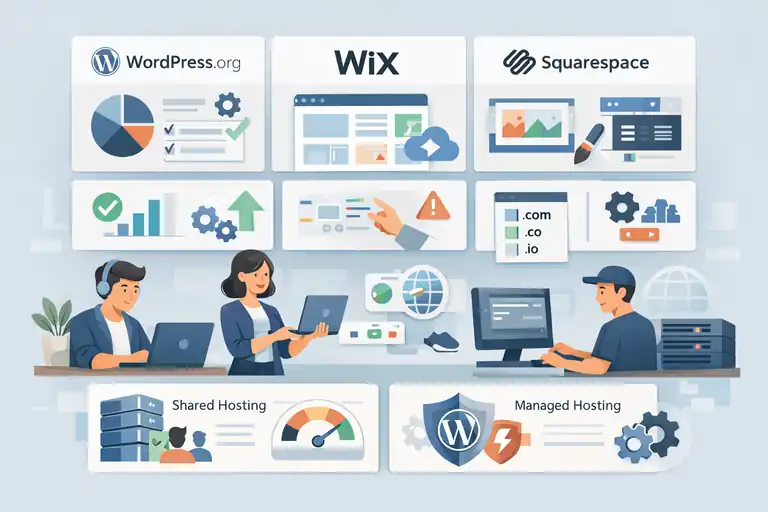
Compare WordPress, Wix, and Squarespace for Flexibility and Growth
Let’s be honest—WordPress.org is the top choice for most bloggers. It’s open-source, flexible, and integrates with thousands of plugins to handle SEO, design, and eCommerce.
But it’s not the only option.
| Platform | Pros | Cons | Ideal For |
| WordPress.org | Full control, SEO-friendly, scalable | Slight learning curve | Long-term bloggers |
| Wix | Drag-and-drop simplicity, hosted for you | Limited SEO flexibility | Beginners, hobby bloggers |
| Squarespace | Stunning design templates, easy setup | Less plugin variety | Creatives, portfolios |
If your goal is to turn your blog into a business, I strongly recommend WordPress.org. You own your content, your domain, and your revenue potential.
Understand Hosting Options: Shared vs. Managed Hosting
Hosting is where your website “lives” online. You’ll see two common options:
- Shared hosting: Affordable but slower (e.g., Bluehost, HostGator).
- Managed WordPress hosting: Faster, safer, and automatic updates (e.g., SiteGround, WP Engine).
If you’re just starting, I’d say go for shared hosting—it’s enough for beginner traffic. As your blog grows, you can upgrade to managed hosting for better performance.
Quick example: In SiteGround, the UI path to set up hosting is simple — Dashboard → Websites → New Website → Start New Site.
Choose a Domain Name That Builds Your Brand Identity
Your domain name is your online identity. It should be short, memorable, and ideally hint at what your blog is about.
A few tips I use when helping clients:
- Avoid hyphens or numbers.
- Keep it under 15 characters if possible.
- Check social media handles to maintain consistent branding.
Use tools like Namecheap or GoDaddy to check domain availability. If the .com version isn’t available, alternatives like .co or .io can still work, especially for modern brands.
Set Up Your Blog for Long-Term Scalability
Before publishing your first post, take a few minutes to future-proof your site.
I recommend:
- Installing essential plugins like Squirrly, WP Rocket, and UpdraftPlus.
- Setting up Google Analytics and Search Console from day one.
- Creating must-have pages: About, Contact, Privacy Policy, and Terms.
This setup helps your blog grow without major technical overhauls later. Treat it like laying the foundation of a house—you won’t see the benefits immediately, but you’ll thank yourself later.
Design a Professional and Engaging Blog Website
Your blog’s design is your digital first impression. A clean, organized look keeps readers engaged and signals professionalism from the first click.
Choose a Clean, Mobile-Responsive Theme
Today, over 60% of blog traffic comes from mobile devices. I suggest picking a responsive theme that adapts automatically to different screen sizes.
Some popular themes I’ve worked with include Astra, GeneratePress, and Kadence. They’re lightweight, SEO-friendly, and easy to customize without coding.
Pro tip: Before you finalize a theme, test it with Bing’s Mobile-Friendly Test tool to ensure a smooth mobile experience.
Focus on User Experience (UX) and Readability
Good design isn’t about decoration—it’s about clarity. The easier it is to read and navigate your blog, the longer visitors stay.
Here’s what I’ve found effective:
- Use a 14–16pt font size for body text.
- Keep paragraphs under three lines for readability.
- Use clear call-to-action buttons, like “Subscribe” or “Read Next.”
Tools like Hotjar can show where readers click or drop off, helping you adjust your layout for better engagement.
Build a Clear Navigation and Homepage Layout
Think of your homepage as your blog’s map. Visitors should instantly understand what your site offers and where to go next.
Include:
- A simple top navigation menu (Home, Blog, About, Contact).
- A “Start Here” or “Resources” section for new readers.
- Featured posts or categories that highlight your best work.
For example, in WordPress, you can design this easily under Appearance → Menus → Add Items → Custom Links to organize your structure.
Customize Your Blog’s Branding, Fonts, and Visual Elements
Branding is what transforms your blog from a website into a recognizable identity.
Stick to:
- 2–3 brand colors that reflect your tone (e.g., calm blues for finance, warm tones for lifestyle).
- Consistent typography—pair a serif heading with a sans-serif body font for balance.
- Custom graphics or logos using tools like Canva or Figma.
I believe strong branding helps readers remember you. Even small touches—like consistent featured image styles—can make your site feel cohesive and trustworthy.
Create High-Value Content That Attracts Readers
When you create a blog website, the real game begins with your content. Every post you publish should either solve a problem, inspire a reader, or teach them something useful.
High-value content builds trust, earns shares, and makes people come back for more.
Develop a Strategic Content Plan Around Your Niche
I believe the best content doesn’t happen by accident—it’s intentional. Start with a content plan that aligns with your niche and your audience’s biggest needs.
Here’s how I usually structure mine:
- Define your audience persona. Who are they? What are their struggles?
- List 10–15 pillar topics that directly connect to your niche.
- Under each pillar, plan 4–5 subtopics that dive deeper into specific questions.
Example: If your niche is budget travel, one pillar might be “Travel on $50 a Day,” with subtopics like “Cheap Accommodation Tips” or “Best Travel Apps for Savings.”
Use AnswerThePublic to discover trending questions people are asking. This way, your content stays relevant and search-friendly.
Pro tip: Create an editorial calendar using Trello or Notion to organize publishing dates and topics. It keeps you consistent, which is key to long-term growth.
Write SEO-Optimized Blog Posts That Rank on Google
SEO isn’t about tricking search engines—it’s about understanding your readers’ intent. I suggest starting each post with a keyword in mind but writing naturally for people, not bots.
Here’s a simple workflow I follow:
- Use your main keyword in the title, intro, and one subheading.
- Add related keywords (semantic terms) throughout the text.
- Include internal links to related posts and external links to credible sources.
- Optimize images using descriptive file names and alt text.
For example, in WordPress, you can use Rank Math to see how well your post is optimized. I usually go to Post → Rank Math → Focus Keyphrase and check readability and keyword placement.
And remember, Google loves depth and expertise—so make sure your posts are rich in examples, real data, and actionable advice.
Use Storytelling to Build Connection and Trust
Facts inform, but stories connect. When you blend personal experiences with valuable lessons, readers see you as authentic—not just another voice online.
Let me give you a quick example. When I wrote a post about starting a side hustle, I shared how I failed at my first one because I underpriced my work. That small story made readers relate and engage more deeply.
You can use storytelling by:
- Opening posts with a short anecdote.
- Showing your own before-and-after experiences.
- Using client or reader examples (with permission).
When people feel emotionally connected, they’re far more likely to share your content or subscribe to your newsletter.
Repurpose Blog Content Across Social Media and Email
Don’t let a great post sit idle. Repurpose it to reach more people without doubling your workload.
Here’s how I repurpose one blog post into multiple formats:
- Twitter or LinkedIn: Share short insights or key takeaways.
- Instagram: Turn statistics or quotes into carousel posts.
- Pinterest: Design vertical graphics linking back to your article.
- Email newsletters: Summarize the post and invite readers to your site.
You can use tools like Later to schedule and automate posts across platforms. Repurposing keeps your blog visible and drives ongoing traffic long after you’ve hit publish.
Build Traffic Through Smart Marketing Strategies
You’ve written great content—now it’s time to get eyes on it. Building blog traffic isn’t about luck; it’s about consistency and smart promotion.
Leverage SEO to Drive Organic Traffic
Organic traffic is the backbone of a sustainable blog. Unlike social media, which can fade quickly, SEO keeps bringing readers for years.
I recommend focusing on three areas:
- On-page SEO: Optimize your titles, meta descriptions, and headings.
- Content structure: Use clear formatting and internal links for easier crawling.
- Backlinks: Reach out to related sites for guest posting opportunities.
Example: I once helped a food blogger boost organic traffic by 200% simply by adding schema markup (recipe ratings) and optimizing old posts with long-tail keywords.
Over time, Google rewards helpful, consistent content. So, keep updating old posts, improving readability, and adding fresh insights.
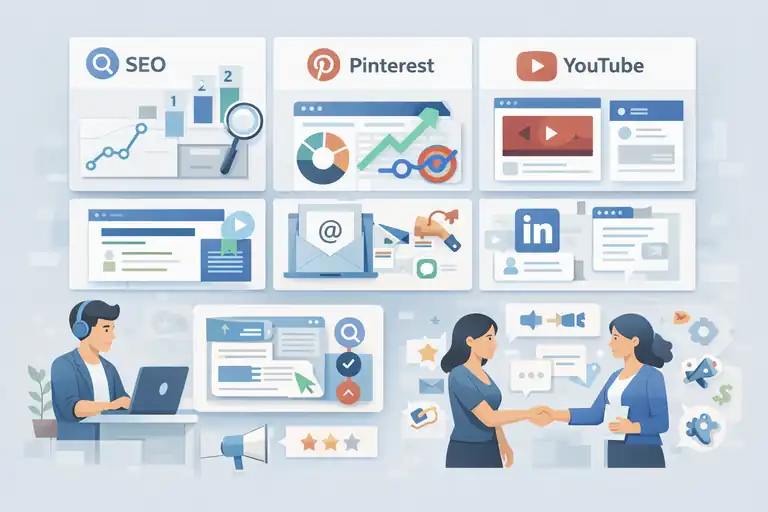
Use Pinterest, YouTube, or LinkedIn to Expand Your Reach
Each platform has its strengths—choose one or two that best suit your niche.
- Pinterest: Ideal for lifestyle, food, DIY, and travel blogs. Create vertical pins using Canva, then link them back to your blog posts.
- YouTube: Perfect for tutorials or storytelling. Even short videos can drive traffic when linked in descriptions.
- LinkedIn: Best for professional and B2B niches. Share insights, not just links, to build authority.
A quick path example: In Pinterest, go to Create Pin → Upload Image → Add Title & Destination Link to drive traffic back to your site.
I believe consistency on one platform outperforms being half-active on five.
Grow Your Email List for Consistent Audience Engagement
Social media algorithms change. Your email list doesn’t. It’s your most reliable channel for building long-term relationships.
Here’s what I’d suggest:
- Offer a lead magnet like a free guide, checklist, or mini-course.
- Use tools like Aweber or MailerLite to automate signups.
- Send weekly emails that educate, not just sell.
For example, if your blog is about photography, offer a free “Beginner’s Camera Settings Guide” as a signup incentive.
Your goal isn’t just to collect subscribers—it’s to build genuine relationships. I often reply personally to first-time subscribers, and it makes a huge difference in loyalty.
Collaborate With Other Bloggers or Influencers
Networking isn’t just for big creators—it’s one of the fastest ways to grow. Partner with others who share your audience but aren’t direct competitors.
Here are a few ideas:
- Guest post on each other’s blogs.
- Host joint webinars or live Q&A sessions.
- Exchange shoutouts or backlinks.
For instance, I once collaborated with a digital marketing blogger to create a co-written guide. We both promoted it, doubling our reach overnight.
Collaboration introduces you to new audiences who already trust someone you partner with—a powerful shortcut to credibility.
Monetize Your Blog Website Effectively
Once traffic starts flowing, it’s time to turn your blog into a reliable income stream.
Monetization doesn’t happen overnight, but with the right strategy, it becomes a natural outcome of delivering value.
Join Affiliate Programs That Match Your Niche
Affiliate marketing lets you earn a commission every time someone buys through your referral link. But it only works if the products truly help your readers.
I suggest joining programs that directly connect to your niche.
For example:
- Amazon Associates for general products.
- Awin or Impact for niche brands.
- Digital tools like Canva, Grammarly, or Bluehost for tech or blogging audiences.
Be transparent—disclose affiliate links and only recommend tools you’ve used personally. Your readers will trust you more in the long run.
Offer Digital Products Like Ebooks or Online Courses
If you’ve built expertise in your niche, packaging it into a digital product can be incredibly rewarding.
Examples include:
- Ebooks: Step-by-step guides or resource compilations.
- Online courses: In-depth video lessons hosted on Teachable or Podia.
- Templates: Pre-designed resources like social media planners or design presets.
I often tell new creators: start small. Test an ebook or workshop before developing a full course. That feedback will help you refine your offer.
Use Google AdSense and Sponsored Content for Passive Income
Google AdSense is one of the easiest ways to earn passive income. Once approved, it displays ads on your site and pays you per impression or click.
To set it up in WordPress: Dashboard → Plugins → Add New → Site Kit by Google → Connect AdSense Account.
For higher earnings, consider direct brand sponsorships. Many brands are willing to pay for a feature post or product review if your audience aligns with theirs.
However, I suggest balancing sponsored posts with your own content so your blog doesn’t feel overly promotional.
Sell Freelance Services or Consulting Directly Through Your Blog
Your blog can also become a portfolio for freelance work or consulting. If you write about marketing, offer copywriting services. If you share productivity tips, offer coaching sessions.
Here’s how to set it up:
- Create a Hire Me or Work With Me page.
- Showcase case studies or testimonials (even small ones).
- Use tools like Calendly for booking calls directly.
I’ve seen many bloggers earn their first $1,000 through freelancing long before they hit big traffic numbers. It’s a faster way to monetize your expertise while your audience grows.
Track, Optimize, and Scale Your Blog Income
Once your blog starts earning, the next step is to treat it like a business. That means tracking your results, improving performance, and scaling what works.
I’ve found that small tweaks—done consistently—can double your revenue over time.
Use Google Analytics to Measure Blog Performance
If you haven’t already, install Google Analytics (GA4). It’s free and gives you powerful insights about how people find and interact with your content.
In WordPress, you can do this easily by installing Site Kit by Google → Connect Google Analytics → Authorize Account.
Here’s what I suggest tracking regularly:
- Traffic sources: See where your readers come from (search, social, or email).
- Top-performing pages: Identify which posts bring the most visitors or revenue.
- Bounce rate and session duration: Understand if readers stay and engage or leave quickly.
For monetization, I often cross-check Analytics with affiliate dashboards or ad revenue reports. This helps me see which content actually converts, not just attracts clicks.
If a post brings traffic but few conversions, that’s a clue to optimize your calls-to-action or add more relevant affiliate links.
Improve Conversion Rates With A/B Testing
A/B testing means comparing two versions of a page or element to see which performs better. It’s one of the smartest ways to increase earnings without extra traffic.
You can use tools like Thrive Optimize, or ConvertBox for this.
Try testing:
- Different headline styles (emotional vs. straightforward).
- Call-to-action button text (e.g., “Download Now” vs. “Get My Free Guide”).
- Affiliate link placement (within the post vs. end of post).
For example, one of my clients increased conversions by 35% just by moving the signup form from the sidebar to mid-content. Tiny changes like that compound quickly when applied across your blog.
Automate Marketing and Sales Processes
Automation saves time and ensures your income keeps flowing—even while you sleep.
Here’s how I’ve automated key parts of my own blogging workflow:
- Email funnels: Tools like Kit or MailerLite automatically send a welcome sequence and follow-up offers.
- Social media scheduling: Use Buffer or Later to promote old posts automatically.
- Cart recovery emails: If you sell courses or products, tools like ThriveCart can remind users who abandoned checkout.
Example: In ConvertKit, you can set up an automation under Automations → Create Sequence → Add Delay + Email Content to deliver a course or upsell automatically.
This setup keeps your audience nurtured and helps you focus on higher-level strategy instead of repetitive manual work.
Scale With Outsourcing, Guest Writers, or Membership Models
At some point, you’ll hit a ceiling doing everything yourself. Scaling requires delegation and smart systems.
I recommend starting with these steps:
- Hire a virtual assistant (VA) for tasks like formatting posts or managing comments.
- Work with guest writers to keep publishing fresh content without burning out.
- Create a membership model for loyal readers who want exclusive content.
For example, one travel blogger I advised launched a $10/month membership offering behind-the-scenes tips and route planners. Within three months, it became her main income source.
Scaling isn’t just about working more—it’s about building a system that works for you.
Maintain Consistency and Build a Personal Brand
Consistency separates hobby bloggers from professionals. Your readers—and Google—both reward reliability and quality over time.
Establish a Realistic Publishing Schedule
Don’t overcommit. I suggest starting with one high-quality post per week. It’s better to publish less often but consistently than to post sporadically.
Here’s a simple schedule that works:
- Monday: Research and outline.
- Wednesday: Write and edit.
- Friday: Publish and promote.
Use ClickUp to plan upcoming posts and set deadlines. A structured routine helps you stay motivated, especially when results take time to show.
Engage With Readers Through Comments and Social Channels
Building a blog isn’t a one-way conversation. When readers comment or message you, take the time to respond.
A few ways to stay engaged:
- Reply to blog comments within 24–48 hours.
- Ask readers questions at the end of posts.
- Share personal insights on Instagram Stories or LinkedIn updates.
I’ve noticed that readers who feel acknowledged often turn into loyal subscribers or customers. Engagement builds community—and community builds longevity.
Continuously Update Old Content for SEO Growth
Old posts are gold mines when updated correctly. I regularly audit my content every 3–6 months to refresh it.
Here’s my quick process:
- Identify underperforming posts in Google Search Console (low CTR or rankings).
- Update outdated stats, images, or links.
- Add new internal links to newer content.
- Re-promote the post after updating.
This signals to Google that your content stays current, improving your chances of ranking higher again.
Position Yourself as an Authority in Your Niche
Authority comes from consistency, quality, and depth. Share unique insights and back them up with experience or data.
Ways to build authority:
- Publish guest posts on reputable websites in your niche.
- Speak on podcasts or webinars related to your topic.
- Create signature frameworks or methods that set your approach apart.
I believe authority doesn’t mean being the loudest voice—it’s about being the most reliable one.
Common Mistakes to Avoid When Creating a Blog Website
Even experienced bloggers make mistakes that hold them back. Learning from them early can save you months of frustration.
Ignoring SEO From the Beginning
Many beginners write great posts but skip SEO, hoping traffic will “just come.” It won’t.
At minimum, focus on:
- Targeting one main keyword per post.
- Optimizing meta descriptions using a plugin like Yoast SEO.
- Writing descriptive URLs (e.g., /how-to-start-a-blog instead of /post123).
A strong SEO foundation compounds over time, making every future post easier to rank.
Spreading Efforts Across Too Many Topics
It’s tempting to cover everything you’re interested in, but that confuses readers and search engines alike.
Stick to 1–2 related topics at first. Once you’ve built authority in those, you can expand.
For example, a wellness blogger might start with “mindfulness” and “nutrition” before adding “fitness” later.
Niche focus builds trust—and trust builds loyal readers.
Failing to Build an Email List Early
Relying solely on social media is risky because algorithms change constantly. Your email list is your direct line to your audience.
Start collecting emails from day one with:
- Simple opt-in forms using tools like ConvertKit or MailerLite.
- Free downloads or resources to incentivize signups.
- Consistent newsletters that share updates, not just sales.
Even a small, engaged list of 500 subscribers can outperform 10,000 passive social followers.
Giving Up Too Soon Before Results Show
This might be the biggest mistake of all. Blogging is a long-term game—it can take 6–12 months to see real traction.
What I usually tell new bloggers is this: “If you’re consistent, you’re already ahead of 90% of people who quit.”
Celebrate small wins along the way—your first 100 visitors, your first comment, your first affiliate sale. Momentum builds quietly before it explodes.
Pro Tips to Turn Your Blog Into a Long-Term Asset
A successful blog isn’t built overnight—it’s built through patience, learning, and reinvention. Here’s how to make yours last for years.
Treat Your Blog Like a Business, Not a Hobby
From day one, act like your blog is a real brand.
That means:
- Investing in hosting, branding, and tools.
- Tracking income and expenses.
- Setting monthly goals for content, traffic, and revenue.
I personally use Google Sheets to monitor metrics and Wave Accounting for bookkeeping—it keeps everything transparent and professional.
Diversify Income Streams to Reduce Risk
Never rely on just one source of blog income. Algorithms, ad rates, or affiliate programs can change overnight.
Balance your income between:
- Affiliate marketing.
- Digital products.
- Freelance or consulting work.
- Ad revenue or sponsorships.
This diversity gives you stability and keeps your blog profitable even if one stream dips.
Focus on Building Community, Not Just Traffic
Traffic matters, but community sustains you. Encourage discussion, listen to feedback, and make readers feel part of your journey.
You can:
- Create a private Facebook group or Discord for your niche.
- Host live Q&A sessions or monthly challenges.
- Share behind-the-scenes stories that show the person behind the blog.
A strong community turns followers into advocates—and that’s priceless.
Reinvent and Update Your Strategy as Trends Evolve
Digital trends shift constantly. What worked last year might not work tomorrow. Stay curious and keep experimenting.
Follow reputable marketing blogs like HubSpot, Neil Patel, or Ahrefs Blog for updates.
I suggest reviewing your overall strategy every 6–12 months:
- What’s growing fastest?
- What’s underperforming?
- Where can you double down?
Adaptability is your biggest long-term advantage. Your blog should evolve as you do.
Final Thought: Creating a blog website that earns money isn’t about luck—it’s about consistency, strategy, and genuine connection. If you focus on helping people and improving a little each week, the income and impact will naturally follow.
FAQ
How do I create a blog website to make money?
To create a blog website, choose a niche, set up hosting, and build your site on WordPress or a similar platform. Then publish valuable content and monetize it through ads, affiliate links, or digital products.
What skills do I need to create a blog website?
You need basic writing, SEO, and digital marketing skills. Understanding content creation and audience engagement helps you grow traffic and income over time.
How long does it take to earn income from a blog website?
Most bloggers start seeing consistent income within 6–12 months by posting regularly, optimizing for SEO, and promoting through social media and email marketing.

I’m Juxhin, the voice behind The Justifiable.
I’ve spent 6+ years building blogs, managing affiliate campaigns, and testing the messy world of online business. Here, I cut the fluff and share the strategies that actually move the needle — so you can build income that’s sustainable, not speculative.