Table of Contents
Some links on The Justifiable are affiliate links, meaning we may earn a small commission at no extra cost to you. Read full disclaimer.
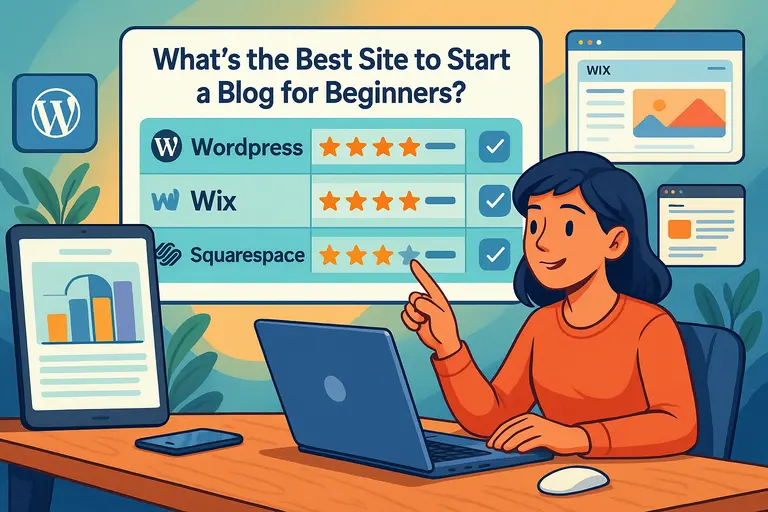
Free blogging sites to earn money have made it easier than ever to start a blog without spending a dime. But with so many options out there, which platforms actually help you make money without requiring any setup fees?
In this article, we’ll break down the best free blogging sites that let you start earning through ads, affiliate links, or sponsored content—no upfront costs or technical skills needed.
Best Free Blogging Platforms to Earn Money Instantly
Starting a blog doesn’t have to be expensive or technical. I’ve tested dozens of free blogging sites over the years, and a few stand out because they actually let you earn money without any setup fees or hidden costs.
Let’s look at the top five free platforms where you can start earning right away.
WordPress.com: The Most Popular Free Blogging Platform
WordPress.com is one of the most recognized free blogging platforms in the world, and for good reason. It offers flexibility, a simple setup, and multiple earning options.
Why it’s great for earning:
- You can use WordAds, the platform’s built-in advertising program, once you start getting traffic.
- There’s also room for affiliate marketing and sponsored posts.
- It’s SEO-friendly right out of the box — meaning your posts can rank well in Google faster with the right keywords.
In my experience, WordPress.com is perfect if you want to start small but eventually grow. You can begin with the free plan, and later, when your blog starts earning, easily upgrade to access custom domains or advanced analytics.
Quick tip: Always use descriptive post titles and tags on WordPress. This helps your blog appear in Google results much faster.
Blogger: A Google-Owned Platform with Easy AdSense Integration
Blogger, owned by Google, is one of the easiest platforms to start with — and it’s completely free. What I like most about it is how quickly it connects with Google AdSense, allowing you to monetize through ads with minimal effort.
What makes Blogger great for beginners:
- Seamless integration with Google AdSense for passive income.
- It’s easy to customize with simple themes and layouts.
- The setup process takes less than five minutes.
In practical terms, if you log in using your Google account, you can start posting immediately. I suggest writing 10–15 posts before applying for AdSense — this improves your chances of approval.
Example: Go to Earnings > AdSense > Connect Account inside your Blogger dashboard. Once approved, you can start displaying ads automatically on your blog pages.
Medium: Great for Writers Looking to Monetize Their Stories
If you’re more of a writer than a web designer, Medium is your best friend. It’s free, minimalist, and doesn’t require you to handle site maintenance.
How Medium pays you:
- Through the Medium Partner Program, where you earn based on how much time members spend reading your stories.
- You can also include affiliate links or promote your own products (as long as they follow Medium’s guidelines).
From what I’ve seen, writers who focus on storytelling, productivity, or self-improvement perform best here. One advantage is that Medium already has millions of readers — so you don’t need to worry about driving traffic early on.
Pro tip: Focus on writing high-value posts that solve problems or spark curiosity. Medium’s algorithm rewards engagement, not clickbait.
Wix: Beginner-Friendly with Built-In Monetization Options
Wix is one of the most beginner-friendly free website builders available. It offers drag-and-drop editing, so even if you have zero tech skills, you can create a beautiful blog in minutes.
Monetization options with Wix:
- Connect Google AdSense once you upgrade to a custom domain.
- Add affiliate links directly in your posts.
- Sell digital products like ebooks or guides using Wix Stores.
I recommend Wix if you want control over design and layout. The free plan has ads, but you can still practice building your audience before investing in a paid plan later.
Example UI path: Go to Dashboard > Marketing & SEO > Monetization to explore built-in earning options.
Substack: Ideal for Email-Based Blogging and Paid Newsletters
Substack is perfect if you enjoy writing and want to build a direct audience without relying on social media algorithms.
What makes Substack unique:
- You can publish both free and paid newsletters.
- Readers can subscribe and pay monthly or yearly fees.
- It’s incredibly simple — no plugins or coding required.
From my experience, Substack works best for niche content creators — think writers covering topics like crypto, wellness, or book summaries. You can start free, grow your reader base, and enable paid subscriptions later.
Pro insight: Offer valuable free content first. Once readers trust your writing, introduce premium posts for subscribers.
How to Monetize Free Blogging Sites Effectively
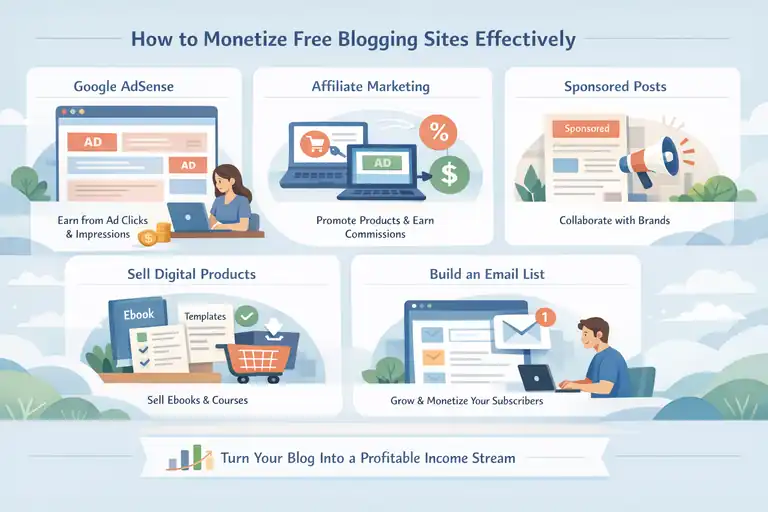
No matter which platform you choose, monetization is where the real earning begins. Here’s how to turn your free blog into a consistent income stream — even if you’re just starting out.
Use Google AdSense to Generate Passive Income
Google AdSense is the simplest and most widely used way to make money from a blog. You get paid when visitors click or view ads displayed on your site.
Steps to get started:
- Sign up at adsense.google.com.
- Connect your blog (for example, Blogger allows instant integration).
- Wait for approval, then place ad units where they fit naturally — like after paragraphs or in sidebars.
A common mistake I see is overloading the blog with ads. I suggest placing 2–3 well-positioned ads instead of cluttering the page.
Promote Affiliate Products Related to Your Niche
Affiliate marketing is another powerful way to earn, especially if you write product reviews or tutorials.
Example: If you run a tech blog, promote gadgets through Flexoffers or Awin. Each sale through your link earns you a commission.
Tips to make it work:
- Write honest reviews — people can sense fake recommendations.
- Use comparison tables to help readers decide faster.
- Track your affiliate links with tools like PrettyLinks.
I’ve noticed that even beginner bloggers can earn steady income if they focus on helping readers make informed purchase decisions.
Offer Sponsored Posts and Brand Collaborations
Once your blog gains traffic or authority in a niche, brands will often reach out for sponsored content.
Here’s how to approach it:
- Create a simple “Work With Me” page listing your niche, audience size, and contact info.
- Start by reaching out to small brands related to your niche.
- Set a fair rate — even $50–$100 per post is a good start.
I recommend keeping transparency with your readers by marking such posts as “sponsored.” It builds long-term trust while still monetizing effectively.
Sell Digital Products or Ebooks on Your Blog
Selling digital products is an excellent way to earn directly from your audience.
Examples include:
- Ebooks (like “30 Days to Better Blogging”)
- Templates or printables
- Mini online courses
You can use Gumroad or Payhip to deliver digital files easily without technical setup. If you’re on Wix, you can sell directly through their Wix Stores feature.
Pro tip: Focus on solving a specific problem with your product — such as helping readers organize their content calendar or learn SEO basics.
Build an Email List to Drive Long-Term Revenue
An email list helps you earn consistently, even if social media algorithms change.
How to build your list:
- Use free tools like MailerLite free tier.
- Offer a lead magnet (e.g., “Free 10-Step Blogging Guide”).
- Send weekly updates or affiliate offers to your subscribers.
Email marketing builds relationships that eventually lead to loyal readers — and loyal readers buy, subscribe, and share your work.
Best Niches for Making Money on Free Blogging Sites
Choosing the right niche is half the battle. I’ve seen many new bloggers struggle simply because they picked a topic with little earning potential. Below are some of the most profitable niches you can explore today.
Personal Finance and Side Hustle Blogs
People are always looking for ways to save or make more money. This niche can attract a massive audience if you share practical, real-life strategies.
How to monetize:
- Use affiliate links for budgeting tools or finance apps.
- Partner with online course platforms teaching freelancing or investing.
- Write tutorials about real side hustles that actually pay.
For example, you could review apps like Honeygain or Fiverr from your own experience. That authenticity helps readers trust your recommendations.
Health, Fitness, and Wellness Topics
Wellness is one of the most evergreen niches online. Whether it’s yoga, home workouts, or mental health, people are constantly searching for advice.
Ideas for income:
- Promote fitness gear or supplements through affiliate links.
- Offer ebooks with meal plans or routines.
- Work with wellness brands for sponsored content.
I suggest focusing on a sub-niche like “home fitness for beginners” — it’s easier to rank and connect with a specific audience.
Travel and Lifestyle Content That Attracts Partnerships
Even if you can’t travel far, lifestyle and local travel content can attract great brand collaborations.
Ways to earn:
- Partner with local hotels, restaurants, or tourism boards.
- Promote travel gear through affiliate programs.
- Create sponsored posts or travel guides.
I’ve noticed bloggers who share personal travel experiences — not just lists — get much higher engagement. Authenticity sells here.
Tech Reviews and Digital Product Recommendations
Technology blogs perform incredibly well when done right. Readers love unbiased reviews before buying new gadgets or software.
Monetization ideas:
- Use affiliate programs from Amazon, Best Buy, or SaaS companies.
- Create comparison posts (e.g., “Best Budget Laptops for Students”).
- Offer sponsored reviews from small tech brands.
Just make sure you’re transparent about partnerships — readers value honesty over hype.
Food, Recipes, and Cooking Blogs with Affiliate Opportunities
Food blogs are timeless because everyone loves good recipes. But beyond traffic, they can also be profitable.
How to earn:
- Include affiliate links for kitchenware, ingredients, or recipe books.
- Sell your own cookbook or downloadable recipe packs.
- Collaborate with local food brands for sponsored posts.
I recommend using Pinterest for this niche — it’s one of the best platforms for driving traffic to recipe posts.
Common Mistakes to Avoid When Blogging for Free
Even when using free blogging sites to earn money, it’s easy to fall into traps that slow your growth or prevent your blog from making any income at all.
I’ve made several of these mistakes myself in the early days, so I’ll walk you through each one and show you how to avoid them completely.
Ignoring SEO and Keyword Optimization
This is the number one mistake I see with beginner bloggers. Many assume great writing alone will attract readers, but without SEO, your content won’t even appear on Google.
Here’s what to focus on:
- Use keyword tools like Ubersuggest to find search terms people actually use.
- Include those keywords naturally in your titles, first paragraph, and subheadings.
- Optimize your meta description — that short text under your title in Google — so people want to click.
For example, if your post is about “free blogging sites to earn money,” include that phrase in your headline and URL, but not excessively. I suggest writing for readers first, then lightly optimizing for search engines.
Quick scenario: I once wrote an article that ranked on page two for months. After updating my meta description with a more natural keyword phrase and clearer benefit, it jumped to page one within a week.
Overloading the Blog with Ads or Pop-Ups
When bloggers see their first AdSense approval, they often fill their site with ads everywhere — sidebars, headers, and in between every paragraph.
I get it — it feels like progress. But here’s the truth: too many ads drive readers away and hurt SEO.
How to fix it:
- Limit to 2–3 ad placements per page.
- Make sure they blend naturally with your layout.
- Avoid pop-ups that interrupt reading — they increase bounce rates.
I advise using tools like Ad Inserter (for WordPress) or Blogger’s built-in layout control to manage where ads appear. Keep it user-first. A clean, readable blog keeps people coming back — and that’s what earns long-term.
Choosing a Niche Without Monetization Potential
Another common issue: blogging about a topic you love but that doesn’t make money. Passion is important, yes — but if there’s no audience willing to buy or click, your blog will struggle to grow income-wise.
Ask yourself:
- Are there affiliate products in this niche?
- Do people search for advice or spend money in it?
- Are there advertisers running Google Ads for this topic?
For instance, blogging about “vintage poetry analysis” might attract readers but not advertisers. On the other hand, “self-publishing for poets” can draw traffic and monetize through writing tools or courses.
I suggest using Google Trends or even Amazon to see what’s selling before picking a niche.
Skipping Email Marketing and Audience Engagement
A blog without email marketing is like a shop that never follows up with its customers. Even if you’re on a free platform, there’s no excuse not to collect emails.
Start simple:
- Use MailerLite Free Plan.
- Offer a small freebie (like a checklist or guide).
- Send helpful emails weekly to build trust.
Engagement isn’t just emails — reply to comments, ask for feedback, and encourage readers to share posts.
I’ve noticed even small actions like responding to one reader personally can lead to loyal fans who share your work for years.
Not Tracking Performance or Earnings Regularly
If you’re not tracking what’s working, you’re basically blogging blindfolded.
Here’s how to fix it:
- Install Google Analytics to monitor where traffic comes from.
- Use Google Search Console to see what keywords bring visitors.
- Track monthly income manually in a spreadsheet — even small earnings matter.
I suggest reviewing your analytics every month. Check which posts get the most traffic and which ones earn money. Then, double down on those.
One of my early posts on “affiliate tools for beginners” brought 70% of my income because I kept updating and repurposing it.
Tips to Grow and Scale Your Free Blog for More Income
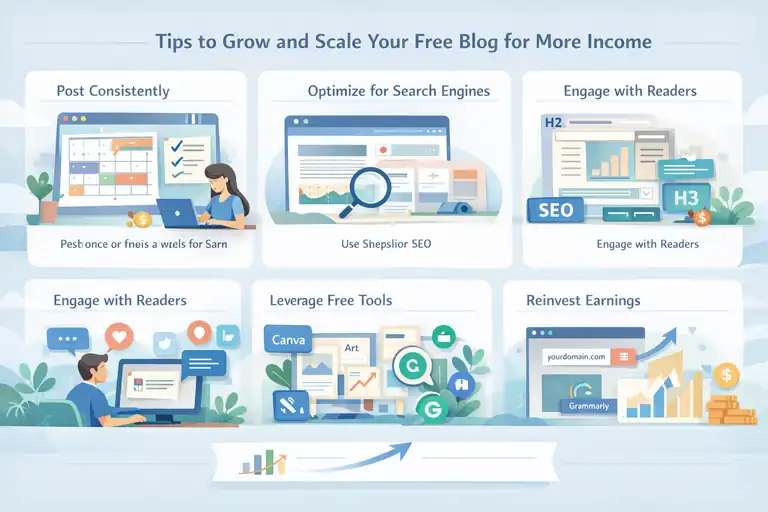
Once your blog starts getting readers, the next step is turning it into something sustainable. Here’s how to grow and scale your income, even if you’re still using a free blogging platform.
Post Consistently and Maintain Quality Content
Consistency builds trust with readers and signals to Google that your site is active.
Here’s what I recommend:
- Post once or twice a week to start — focus on quality, not quantity.
- Create an editorial calendar using free tools like Google Sheets or Notion.
- Revisit old posts every few months to update facts and links.
For instance, I used to post randomly, and my traffic was unpredictable. Once I set a fixed schedule (Tuesdays and Fridays), both my traffic and engagement doubled within two months.
Optimize Every Post for Search Engine Visibility
Even small SEO tweaks can make a massive difference in traffic.
Simple SEO habits to adopt:
- Use H2 and H3 headings to structure your content clearly.
- Add internal links to related posts.
- Compress your images for faster loading (use TinyPNG).
If you’re on WordPress, use a free plugin like Rank Math or Yoast SEO. They guide you step-by-step — from keyword placement to readability scoring.
Engage with Readers Through Comments and Social Media
Engagement keeps your blog alive. Readers want to know you’re a real person behind the posts.
Here’s what works:
- Reply to comments within 24–48 hours.
- Share posts on platforms where your audience hangs out (Pinterest for food, Twitter for writing, LinkedIn for business topics).
- Ask open-ended questions at the end of each article to spark conversation.
In my experience, even a handful of active commenters can transform a quiet blog into a thriving mini-community.
Leverage Free Tools Like Canva and Google Analytics
You don’t need paid tools to run a professional-looking blog. There are plenty of free options that make things easier.
My top recommendations:
- Canva: Design blog banners, social media posts, and thumbnails effortlessly.
- Google Analytics: Track user behavior and top-performing posts.
- Grammarly: Catch typos before publishing.
- Trello: Keep your content plan organized.
A simple workflow could look like this: draft in Google Docs → design images in Canva → publish on WordPress → track performance in Google Analytics.
Reinvest Earnings Into Paid Upgrades When Profitable
Once your blog starts earning — even if it’s $50 or $100 — I suggest reinvesting part of it.
Smart reinvestment options:
- Buy a custom domain for branding (usually around $10–$15/year).
- Upgrade your plan on WordPress or Wix to remove ads.
- Invest in email tools or an SEO plugin for better growth.
Think of it this way: each dollar reinvested early saves you time and opens up more income opportunities later.
Best Free Blogging Sites for Beginners to Start Today
If you’re new to blogging, choosing the right platform can make the process easier and more enjoyable. Each free blogging site has its own strengths, depending on your goals.
WordPress.com for Full Creative Control
WordPress.com offers a powerful free plan with flexibility for customization and SEO control.
Why it’s great:
- Built-in themes and block editor for easy design.
- Ability to upgrade to WordAds or affiliate links later.
- Perfect for bloggers aiming to scale into a brand.
I often recommend WordPress.com for anyone serious about long-term blogging — it’s a platform you won’t outgrow quickly.
Medium for Writers Who Want Built-In Readership
Medium eliminates all design work and focuses purely on writing.
Benefits:
- Large existing reader base.
- Earn money through the Medium Partner Program.
- Great for storytelling, opinion pieces, and niche essays.
If you’re not tech-savvy and prefer simplicity, Medium lets you focus entirely on your words — not your website.
Blogger for Seamless AdSense Integration
Because it’s owned by Google, Blogger integrates directly with AdSense.
Advantages:
- Simple to use, no coding required.
- Quick setup (connect AdSense under Earnings > AdSense).
- Great for hobbyists and beginners.
I’ve seen many bloggers start on Blogger, earn their first few dollars, then migrate to a custom WordPress site once they’re ready to expand.
Wix for Drag-and-Drop Website Builders
Wix’s drag-and-drop builder is perfect for visual thinkers who love design freedom.
Key highlights:
- Pre-made templates that look professional.
- Ability to sell products or add affiliate links easily.
- Upgradeable features for SEO and monetization.
If you enjoy playing with visuals — layouts, colors, and sections — Wix gives you that creative edge without needing to code.
Substack for Building an Email Subscriber Base
Substack combines blogging with email newsletters — a powerful mix for writers who want loyal readers.
Best parts:
- Simple editor with no setup required.
- Option to create paid subscriptions.
- Built-in distribution to subscribers’ inboxes.
I personally love Substack for its intimacy — your posts land directly in readers’ inboxes, not lost in an algorithm. It’s the best choice for people who value audience connection over flashy design.
Expert Tips to Choose the Right Free Blogging Site
Choosing from the many free blogging sites to earn money can feel overwhelming. I’ve tested nearly all of them over the years, and I’ve learned that the best choice depends on your goals, technical comfort, and how you plan to earn.
Here’s how to make that decision confidently.
Identify Your Blogging Goals and Monetization Style
Before signing up for any platform, take a step back and think about why you want to blog. Are you aiming to build a brand, share stories, or earn through affiliate marketing? Your end goal determines the platform that fits best.
For example:
- If you want to build a long-term brand or online business, WordPress.com is your best bet.
- If you’re a writer who enjoys storytelling or essays, Medium or Substack makes more sense.
- If you want quick AdSense income, Blogger integrates directly with Google.
I suggest writing down your top two monetization goals. Maybe you want to earn from affiliate marketing and build a newsletter audience. Once you know this, you can choose a platform that supports both without friction.
Compare Built-In Earning Features of Each Platform
Not every free blogging site supports monetization the same way. Some make it easy to add ads or affiliate links, while others focus more on reader subscriptions.
Here’s a quick comparison for clarity:
| Platform | Built-In Earning Options | Ideal For |
| WordPress.com | WordAds, Affiliate Links | Long-term bloggers |
| Blogger | Google AdSense | Ad-based income |
| Medium | Partner Program | Writers, storytellers |
| Wix | Product sales, AdSense | Creative bloggers |
| Substack | Paid newsletters | Content-focused creators |
If your goal is steady, diversified income, WordPress.com gives you more room to grow. But if you’re testing blogging for fun or writing-focused income, Medium or Substack are simpler entry points.
Evaluate SEO Capabilities and Traffic Potential
SEO — or Search Engine Optimization — determines how easily people can find your blog through Google. I’ve seen too many new bloggers ignore this early on and struggle with traffic later.
What to check before choosing a site:
- Can you customize meta titles, descriptions, and URLs?
- Does the platform allow Google indexing (some free plans limit this)?
- Can you install analytics tools like Google Analytics or Search Console?
From experience, WordPress.com offers the strongest SEO foundation among free sites. Blogger also performs well because it’s owned by Google. However, Medium’s posts mainly rely on internal traffic from Medium readers rather than search results.
If SEO-driven income matters to you, go for WordPress or Blogger first.
Consider the Ease of Migration to a Paid Plan Later
You might start free, but if your blog grows, you’ll likely want to upgrade to remove ads, use a custom domain, or add plugins. Some free platforms make that transition simple — others, not so much.
Smooth upgrade paths:
- WordPress.com lets you upgrade anytime and retain all content.
- Blogger allows easy domain integration but limited export flexibility.
- Wix requires a paid plan for full SEO and ad features.
I always recommend thinking one step ahead: “If my blog starts earning $100 a month, will I be able to scale easily here?” Planning this early saves you from headaches later.
Focus on Long-Term Growth and Brand Building
Lastly, think beyond quick wins. Free blogging platforms are great for starting out, but your goal should be building something sustainable.
My personal take:
- Choose a platform that lets you build trust and ownership.
- Always back up your content.
- Focus on growing an email list — that’s your real asset.
Remember, a platform can host your blog, but your brand is what keeps readers returning and advertisers paying.
Step-by-Step Guide to Start a Blog and Earn for Free
If you’ve decided to dive in, here’s the exact process I use to launch a blog from scratch — no tech skills or paid tools required.
Choose Your Platform and Create a Free Account
Pick one of the free blogging sites that aligns with your goals. For most beginners, I suggest WordPress.com or Blogger because they’re reliable and beginner-friendly.
Steps:
- Go to wordpress.com or blogger.com.
- Sign up using your email or Google account.
- Choose a simple theme (you can change it later).
In WordPress, once logged in, click My Site > Site Settings > Name Your Site to personalize your blog. Keep it simple — your name or niche works fine.
Pick a Profitable Niche and Blog Name
Your niche determines your audience and earning potential. Choose a topic you care about but that also attracts advertisers and affiliate programs.
Popular profitable niches:
- Personal finance
- Tech and software reviews
- Health and wellness
- Travel and lifestyle
- Digital marketing
Once you pick a niche, choose a name that’s easy to remember. I recommend checking Namechk.com to make sure it’s available across social platforms too.
Customize Your Blog Layout and Essential Pages
A clean layout makes your blog look professional, even on a free plan. Focus on readability and easy navigation.
Essential pages to create:
- About Page (share who you are and why you blog)
- Contact Page (add an email form or social links)
- Privacy Policy (you can use a free generator)
In WordPress.com, navigate to Dashboard > Appearance > Customize > Site Identity to upload a logo and adjust colors.
Publish Your First Post with Monetization in Mind
Don’t wait for perfection — your first post should be helpful, keyword-rich, and monetizable.
Tips for your first post:
- Choose a topic with clear search intent (e.g., “How to Start a Budget Blog for Free”).
- Add at least one affiliate link or resource recommendation.
- Use headings (H2s, H3s) for easy readability.
Even a well-written 800-word article can start attracting organic traffic in weeks if optimized correctly.
Promote Your Blog Across Social Media Channels
You can’t rely only on Google when starting. Share your posts across social media to build early traffic.
Where to start:
- Pinterest for lifestyle or recipe content.
- Twitter (X) for writing or tech topics.
- LinkedIn for business and marketing blogs.
I recommend repurposing snippets from your posts into short social updates with a link back to your blog. It’s simple, free marketing.
How to Track and Improve Your Blog Income
If you want to turn your free blog into a reliable income source, you need to track performance and adjust regularly. Think of this as the “business side” of blogging.
Use Google Analytics to Monitor Traffic Sources
Google Analytics helps you understand who visits your site, where they come from, and what content they love most.
Setup path:
- Go to analytics.google.com.
- Click Start Measuring > Create Property.
- Add your blog URL and tracking ID.
If you’re using Blogger, simply paste the tracking ID under Settings > Analytics Property ID.
Once installed, review traffic data weekly. Pay attention to top posts, visitor locations, and bounce rates.
Set Up Conversion Goals for Ads and Affiliate Links
Tracking conversions helps you see which posts actually generate income.
Example: If your post “Top 10 Freelance Platforms” has affiliate links, track how many readers click those links.
In Google Analytics, go to Admin > Goals > New Goal and set one for outbound link clicks. Over time, you’ll see which types of posts drive sales or ad engagement.
Experiment with Content Types That Drive Higher Revenue
Not all blog posts perform equally. Some generate tons of clicks; others barely make a cent.
What to experiment with:
- Listicles (“Top 10 Free Blogging Tools”)
- Tutorials (“How to Add AdSense on Blogger”)
- Reviews and comparisons
I once discovered that my tutorial posts earned 3x more from affiliate links than opinion pieces — that insight completely reshaped my content plan.
Adjust Posting Frequency Based on Engagement Data
Consistency matters, but quality matters more. Use your analytics data to find the sweet spot.
If traffic dips, try posting twice weekly. If readers engage deeply with longer posts, focus on fewer, higher-value articles.
Every audience behaves differently — test, learn, and adapt.
Track Monthly Income to Refine Your Strategy
Keep a simple spreadsheet listing your:
- Monthly ad revenue
- Affiliate earnings
- Sponsored post payments
Review trends every month. If affiliate earnings are rising faster, focus there. If ad clicks are dropping, try adjusting placement or layout.
Over time, you’ll notice patterns that reveal what works best for your audience.
Final Thoughts and Proven Takeaway Tip
Free blogging sites are powerful tools if used wisely. They let you learn, experiment, and earn without spending a cent. But here’s what I’ve learned through experience: growth comes from consistency, authenticity, and smart monetization.
Don’t chase quick money. Focus on creating value, optimizing for readers, and slowly layering income streams. Your first $10 might take a month — your first $1,000 might take a year — but each post you publish moves you closer.
Pro tip: Treat your free blog like a business from day one, even if it’s small. The habits you build early — tracking, engaging, optimizing — are the ones that make real money later.
FAQ
What are the best free blogging sites to earn money without setup?
The best free blogging sites to earn money are WordPress.com, Blogger, Medium, Wix, and Substack. Each platform allows you to monetize through ads, affiliate links, or paid subscriptions without setup costs.
Can I earn real money using free blogging sites?
Yes, you can earn real money using free blogging sites by integrating Google AdSense, promoting affiliate products, writing sponsored posts, or offering digital downloads and paid newsletters.
Which free blogging site is best for beginners to start earning?
For beginners, WordPress.com and Blogger are the easiest free blogging sites to start earning. Both offer simple setup, AdSense integration, and upgrade options as your blog grows.

I’m Juxhin, the voice behind The Justifiable.
I’ve spent 6+ years building blogs, managing affiliate campaigns, and testing the messy world of online business. Here, I cut the fluff and share the strategies that actually move the needle — so you can build income that’s sustainable, not speculative.