Table of Contents
Some links on The Justifiable are affiliate links, meaning we may earn a small commission at no extra cost to you. Read full disclaimer.
Hiring freelance artists can be one of the best decisions you make—or one of the most frustrating. The difference often comes down to recognizing early warning signs before committing to a project.
Have you ever found yourself wondering if that artist you just found online is truly reliable, or about to ghost you mid-project?
This article breaks down seven critical red flags to help you make smarter, safer hiring decisions when working with freelance artists.
1. Lack Of A Clear Portfolio Or Work Samples
Hiring freelance artists without a proper portfolio is like commissioning a mural from someone who won’t show you their brush.
You’re left guessing about their real skill level, consistency, and authenticity. A portfolio isn’t just proof of ability—it’s the artist’s credibility in pixels.
Missing Or Inconsistent Online Presence
If an artist doesn’t have a consistent online footprint—like a personal website, Behance profile, or even an Instagram portfolio—that’s a warning sign. Most serious freelance artists curate at least one public space to showcase their work.
Here’s what I suggest:
- Check for professional platforms: Look on sites like Behance, Dribbble, or ArtStation. A good artist often organizes their projects by type, showing progress shots or before/after comparisons.
- Look for consistent branding: Is their art style cohesive? Do they present themselves the same way across LinkedIn, Instagram, and their website? A professional usually maintains visual and stylistic consistency.
If you can’t find anything beyond a few random uploads or low-quality screenshots, it’s often a sign of inexperience—or worse, disinterest in professional presentation.
Unclear Project Details Or Vague Descriptions
Vague project descriptions often mean the artist hasn’t developed a strong workflow. A confident artist describes how they approach work: Initial sketches, revisions, delivery format, and file types (for instance, “Final deliverable: layered PSD + flattened PNG”).
Here’s a quick tip: Ask them to walk you through how they’d handle your project from start to finish. A professional might reply with:
“First, I’ll create two initial concepts. Once you choose one, I’ll refine it over two rounds of revisions, then deliver final files in multiple resolutions.”
If you get vague answers like “I’ll just see what works,” it’s a red flag. You’re hiring a collaborator, not a creative guesser.
Recycled Or Stolen Work Examples
Sadly, stolen art is a real issue in the freelance world. Some fake freelance artists lift images from Pinterest or DeviantArt and pass them off as their own.
Here’s how to protect yourself:
- Use Google Reverse Image Search: Upload samples from their portfolio to check where else they appear online.
- Ask for raw files or progress shots: Real artists can easily show works-in-progress or layer structures that prove authorship.
- Trust your instincts: If their work looks inconsistent in style or quality, it might not be theirs.
A legitimate artist takes pride in their unique style—copycats tend to hide behind stolen images and big promises.
2. Poor Communication And Slow Responses
Communication is the backbone of any good collaboration. When freelance artists fail to reply promptly or struggle to articulate ideas, it often hints at bigger issues—missed deadlines, unclear expectations, or plain disorganization.
Ignoring Messages Or Delayed Replies
It’s fine if an artist doesn’t reply within the hour—freelancers juggle multiple projects. But consistent silence, vague one-liners, or disappearing for days? That’s not okay.
Here’s a useful approach:
- Start with a small test task: See how they communicate around feedback, revisions, and timelines.
- Notice tone and responsiveness: Do they acknowledge your messages clearly, or respond with minimal engagement like “okay” or “will do”?
In my experience, responsiveness directly correlates with reliability. The artists who reply thoughtfully are often the ones who deliver solid work on time.
Unclear About Project Requirements Or Expectations
A strong artist doesn’t just take your brief—they interrogate it. They’ll ask questions like:
- “What’s the target mood or audience for this piece?”
- “Do you have preferred color palettes or reference styles?”
If an artist skips these details and dives straight into production, expect misunderstandings later. The best freelance artists collaborate strategically—they want clarity before creativity.
Try this small test: share a slightly incomplete brief and see if they ask clarifying questions. A professional will always dig deeper before committing.
Overly Defensive Or Evasive When Asked Questions
Art is personal, but professionalism means accepting critique. If an artist becomes defensive when you ask for adjustments or question a design choice, that’s trouble.
You might hear things like:
“That’s just my style.”
“Clients always misunderstand my vision.”
That kind of attitude usually leads to revision headaches. A reliable artist welcomes collaboration, explains choices clearly, and adjusts gracefully when needed. In creative work, ego is the silent killer of progress.
3. Unrealistically Low Or High Pricing
Price often tells a story. When freelance artists quote something suspiciously cheap—or excessively high without justification—it’s worth pausing. Pricing reflects skill, experience, and confidence.
Prices That Don’t Match The Artist’s Experience Level
If you find an artist charging $20 for a complex digital illustration, that’s not generosity—it’s inexperience or desperation. Conversely, if they quote $2,000 with a weak portfolio, you’re likely overpaying for promises.
To gauge fair pricing:
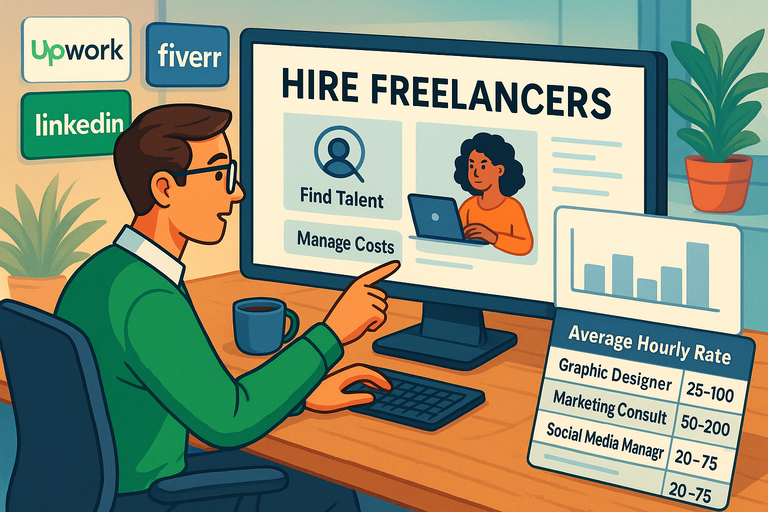
- Research standard rates: On platforms like Upwork or Fiverr, experienced illustrators typically charge $30–$100/hour.
- Ask what’s included: Are revisions, source files, and commercial rights part of the deal?
Professionals price transparently because they know the value they bring. Unclear pricing often hides poor planning—or hidden costs later.
Avoiding Discussion About Payment Structure Or Deliverables
A trustworthy artist explains how payment works: Deposit, milestones, and final payment. For example, a common structure is 50% upfront and 50% upon delivery.
Be cautious if they:
- Avoid discussing deposits.
- Don’t specify what “final delivery” includes.
- Refuse to use secure platforms like PayPal or Escrow.
I always recommend getting everything in writing—even just a short email confirming payment stages and deliverables. Transparency protects both sides.
Using Vague Or Shifting Pricing Terms
Some artists might say things like, “We’ll figure it out as we go,” or “Price depends on how long it takes.” That’s a red flag. Good freelancers provide clear project-based quotes.
Watch out for mid-project price changes without valid reasons. If they start adding unexpected “fees” after work begins, stop and clarify before proceeding.
Here’s a smart move: always request a written estimate that lists:
- Project scope
- Revision rounds
- Delivery formats
- License terms
This sets expectations and prevents those awkward “scope creep” moments where your budget mysteriously doubles.
Expert Tip: The best way to assess a freelance artist isn’t through charm or promises—it’s through clarity, professionalism, and consistency. Start small, pay fairly, and watch how they communicate. That’s the real test of quality.
4. No Contract Or Written Agreement Offered
Skipping a contract when hiring freelance artists might seem harmless, especially when the conversation feels friendly. But here’s the truth: Verbal promises don’t hold up when deadlines slip or files never arrive.
A written agreement protects both parties—it clarifies expectations, scope, and ownership rights from the start.
Relying Solely On Verbal Agreements Or Informal Chats
If an artist insists that a “handshake deal” or a quick chat over DMs is enough, pause. That’s not professionalism—it’s risk.
A proper written agreement should outline:
- Scope of work: What exactly the artist will deliver.
- Timeline: When each deliverable is due.
- Payment structure: How and when they’ll be paid.
I always suggest using simple, clear contracts. You can use tools like Bonsai or Dropbox Sign to quickly create and sign one online. Even a short email confirmation stating, “We’ve agreed on X deliverables for Y amount due by Z date,” goes a long way toward protecting both sides.
Without written terms, you’re gambling on memory—and memory tends to blur when disagreements arise.
Refusing To Specify Ownership Or Usage Rights
Ownership confusion can become messy fast. If you’re hiring an artist for commercial work (like a logo, game asset, or album cover), you need to know: Who owns the final image once payment is made?
Here’s how professionals handle it:
- Work-for-hire model: You own the rights once payment is completed.
- Licensing model: The artist retains ownership but grants you usage rights (like for social media or print).
If an artist refuses to clarify ownership or says, “Don’t worry about that,” it’s a red flag. In the creative world, “don’t worry” often translates to “this could bite you later.”
Always make sure the contract clearly states:
“Upon final payment, the client will own all rights to the artwork for commercial use.”
Lack Of Clarity On Deadlines And Revisions
A solid contract includes clear timelines and revision terms. Without them, you risk endless delays or unexpected charges.
Look for these red flags:
- No timeline mentioned at all.
- Vague revision terms like “unlimited changes.”
- No mention of what counts as a “revision” versus a “new request.”
From my experience, the best freelance artists are upfront about revision limits—usually two or three rounds. This keeps projects moving and sets healthy boundaries for both parties.
A clear contract isn’t about distrust—it’s about clarity. It ensures creativity flows without chaos.
5. Overpromising On Skills And Turnaround Time
Some freelance artists will say yes to everything: “I can do that style,” “I can deliver by tomorrow,” “I’ve worked on that before.” It’s tempting to believe—but overpromising is one of the biggest traps in creative hiring.
Claiming Expertise In Every Art Style Or Medium
True specialists know their niche. If someone claims they’re equally skilled in anime, realism, pixel art, and oil painting—it’s worth questioning.
Professional portfolios show focus. You’ll notice consistent strengths across similar styles, not scattershot samples of everything under the sun.
Here’s what I look for:
- Depth over variety: A few strong examples in one niche are worth more than many inconsistent ones.
- Specificity in description: An artist might say, “I specialize in stylized portraits using Procreate,” not “I can do any art you want.”
Jack-of-all-styles artists often struggle to maintain quality or consistency, especially under deadlines.
Unrealistic Delivery Promises Without Understanding The Scope
If an artist promises complex illustrations within 24 hours—run. Fast. Speed is good, but not when it defies physics.
Here’s a practical example: You share a detailed brief for a multi-character poster, and they reply, “No problem, I’ll send it tomorrow.” That’s a clear sign they either don’t understand the work or plan to cut corners.
Professionals usually ask for timelines proportional to effort—like:
“This will take about 10 days: 3 for concept sketches, 5 for illustration, and 2 for final revisions.”
That kind of breakdown shows planning and reliability.
Inability To Back Up Claims With Past Work
Overpromisers often have empty portfolios or only one or two polished samples. Ask for proof. A legitimate artist can share:
- Past client projects (with permission).
- Process shots or raw PSD/AI files showing how they work.
- Screenshots of feedback or testimonials.
If they dodge these requests or change the subject, that’s your cue to move on.
I believe in hiring based on demonstrated skill, not declarations. Good work speaks louder than confidence.
6. Negative Client Reviews Or No References At All
Reviews are a mirror of professionalism. They reveal how freelance artists handle deadlines, feedback, and collaboration. Ignoring reviews—or skipping the reference check—is like hiring someone blindfolded.
Consistent Complaints About Missed Deadlines Or Quality
One or two bad reviews happen to everyone. But a pattern of complaints is different. If multiple clients mention missed deadlines, poor communication, or unfinished work, pay attention.
Here’s how I check credibility:
- Look for verified reviews on Upwork, Fiverr, or LinkedIn.
- Focus on specifics: comments about timeliness, accuracy, or communication style matter most.
- Watch for repeated themes—lateness, inconsistency, or ghosting are big warnings.
I once reviewed a profile where three clients wrote, “Didn’t finish project,” “Stopped responding,” and “Had to hire someone else.” That’s all the evidence I needed.
Generic Or Possibly Fake Testimonials
If every testimonial sounds too polished—like “Amazing experience! 10/10 highly recommend!”—without project details, it might be fabricated.
Real reviews include context:
“John delivered my Twitch emotes three days early and adjusted colors perfectly after feedback.”
When you see generic praise with no detail, ask for contactable references or links to verified accounts.
Reluctance To Share Past Client Contacts
A professional artist should be comfortable sharing at least one past client for reference. If they refuse outright, or say “All my clients are private,” it’s worth asking why.
You can phrase it casually:
“I completely understand privacy concerns—could you share just one past client who’d be open to a short recommendation?”
Transparency builds trust; secrecy breeds doubt.
7. Lack Of Professionalism Or Commitment
Professionalism isn’t about wearing a suit—it’s about reliability, respect, and consistency. Even the most talented freelance artist becomes a problem if they’re unreliable.
Frequently Missing Meetings Or Deadlines
If an artist repeatedly misses calls, forgets deadlines, or shows up late to discussions, that’s a major red flag. A few delays are human; chronic lateness is a pattern.
Here’s what I recommend:
- Track communication early: Note how they handle scheduling before hiring.
- Set milestones: Small checkpoints help spot issues early.
A serious freelancer values your time as much as theirs. They treat deadlines as commitments, not suggestions.
Poor Attitude Toward Feedback Or Collaboration
Creativity thrives on collaboration. If an artist becomes defensive when you offer feedback, it can derail the project.
You might hear comments like:
“I know what looks best,” or “You should trust my artistic instincts.”
A professional responds with openness—asking clarifying questions and explaining design choices respectfully. The best results come from a partnership, not a tug-of-war.
Disorganized Workflow Or Inconsistent Deliverables
Messy file organization, missing assets, or random file names (like “final_final2.psd”) indicate lack of structure.
I suggest checking their process before hiring. Ask:
- How do you organize project files?
- What’s your workflow from concept to delivery?
Professionals often use tools like Trello, Asana, or Google Drive to manage projects neatly. Clear organization means smoother revisions, easier handoffs, and less stress.

I’m Juxhin, the voice behind The Justifiable.
I’ve spent 6+ years building blogs, managing affiliate campaigns, and testing the messy world of online business. Here, I cut the fluff and share the strategies that actually move the needle — so you can build income that’s sustainable, not speculative.