
Table of Contents
Some links on The Justifiable are affiliate links, meaning we may earn a small commission at no extra cost to you. Read full disclaimer.
If you’ve been trying to grow online presence but feel like your content is getting lost in the digital noise, you’re not alone.
Every creator, entrepreneur, and business faces the same challenge: how do you stand out and grow fast in such a crowded online space? The good news is, it’s absolutely possible—if you focus on the right strategies.
In this guide, I’ll walk you through proven, practical steps that consistently deliver real results. Ready to discover what truly works and how to make your online presence impossible to ignore?
Build A Strong Personal Brand Foundation
Building a personal brand is about showing people who you are, what you stand for, and why they should trust you.
When you grow online presence, clarity and authenticity are the foundation.
Define Your Unique Value Proposition
Your value proposition is the heartbeat of your brand — it tells people why they should choose you. Think of it as the one-sentence promise that captures what you deliver and what sets you apart.
Start by asking:
- What problems do I solve for my audience?
- Why am I the right person to help them?
- How do I make their lives easier or better?
For example, if you’re a freelance designer, your value proposition might be: “I help small businesses create professional, memorable brands that attract loyal customers without expensive agency fees.”
Keep it simple, specific, and audience-focused. I recommend testing your message in your social bios and email signatures — if people immediately understand what you do, you’re on the right track.
Craft A Clear And Consistent Brand Voice
Your brand voice is how you sound online — your tone, word choice, and attitude. It’s what helps people recognize your personality, even when they don’t see your name.
Here’s how to define it:
- List adjectives that describe how you want to come across (e.g., friendly, expert, witty, approachable).
- Review your best-performing content — what tone gets the most engagement?
- Document it in a short “voice guide.” Write how you’d say hello, apologize, or share exciting news.
Consistency matters. Whether it’s your website, LinkedIn, or Instagram caption — your audience should feel the same energy everywhere.
I suggest rereading your posts out loud before publishing. If it doesn’t sound like you, rewrite it.
Design A Visual Identity That Reflects Your Message
A strong visual identity builds instant recognition and trust. Your logo, colors, typography, and imagery should reflect your personality and purpose — not just look trendy.
For example, if you’re a sustainability consultant, soft greens and natural textures might reflect your mission better than bold reds or geometric patterns. Use tools like Canva Brand Kit or Adobe Express to keep design assets consistent across platforms.
Pro tip: Don’t overcomplicate it. Pick two fonts, three colors, and one logo variation. Use them everywhere — your website, YouTube thumbnails, social posts, even email headers. This visual repetition reinforces memory and strengthens your brand recall.
Use Storytelling To Create Authentic Connections
Facts tell, but stories sell. People remember emotional connections, not just information. Storytelling gives your brand humanity.
Here’s a simple framework:
- Start with struggle: Share a relatable challenge.
- Show the turning point: What insight or moment changed things?
- Reveal the outcome: How did you grow or help others?
For instance, instead of saying “I’m a marketing consultant with 10 years of experience,” try “After wasting thousands on ads that didn’t convert, I learned how small shifts in messaging can 10x results — now I help others avoid those mistakes.”
When you share genuine stories, people see themselves in you — and that’s how trust begins.
Optimize Your Website For Maximum Visibility
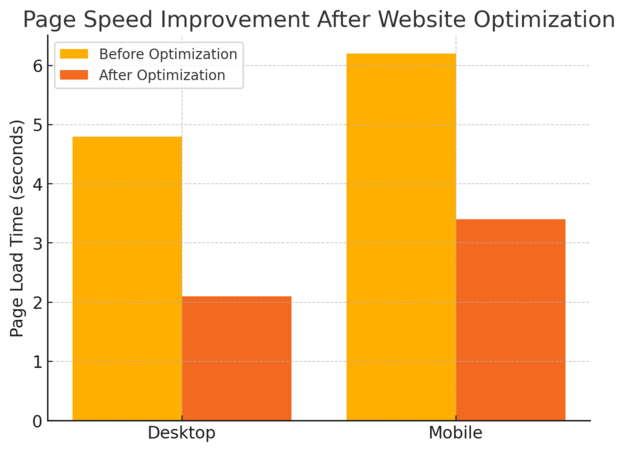
Your website is your digital home base — the one place you control completely.
To grow your online presence, it needs to be fast, clear, and optimized for both people and search engines.
Improve Page Speed And Mobile Responsiveness
A slow site kills conversions. In fact, Google reports that 53% of mobile users leave a page that takes more than 3 seconds to load.
To fix this:
- Compress images with tools like TinyPNG.
- Use Google PageSpeed Insights to test your site and get improvement tips.
- Choose a lightweight WordPress theme or builder like GeneratePress or Bricks Builder.
- Enable caching through plugins like WP Rocket or LiteSpeed Cache.
I recommend testing your site on your phone weekly — if it’s hard to navigate or slow to load, your visitors won’t stick around.
Master On-Page SEO To Rank Higher In Search Results
On-page SEO helps search engines understand your content and rank it for relevant searches. The goal isn’t to “trick” Google but to make your content easy to find and valuable to users.
Here’s a quick checklist:
- Use one primary keyword per page (e.g., grow online presence).
- Include it in your title tag, URL, H1, and first 100 words.
- Add internal links to related content for better navigation.
- Write meta descriptions that encourage clicks — around 155 characters.
Use tools like or Rank Math to guide optimization. I suggest writing for humans first and using SEO tools only to polish the structure.
Use Clear CTAs To Drive Visitor Engagement
A CTA (Call to Action) tells visitors what to do next — subscribe, buy, or contact you. The key is clarity. Don’t make people guess the next step.
For example:
- Instead of “Learn more,” try “Start your free trial.”
- Instead of “Contact us,” try “Book a 15-minute consultation.”
Each page should have one main action, placed prominently.
I advise using action-oriented verbs and color contrast to make buttons pop. You’d be surprised how a single well-placed CTA can boost conversions dramatically.
Integrate Analytics To Track Visitor Behavior
Without data, you’re flying blind. Tools like Google Analytics 4 (GA4) and Hotjar can reveal how people use your site — where they click, how long they stay, and where they drop off.
Practical steps:
- Install Google Analytics and link it with Google Search Console.
- Set up goals like “Form Submissions” or “Newsletter Signups.”
- Use heatmaps to understand how users scroll and interact.
I always recommend checking data monthly. Look for what’s working and double down on it — whether it’s a blog post driving traffic or a landing page converting leads.
Leverage Social Media Platforms Strategically
Social media isn’t about being everywhere; it’s about showing up where your audience is most active — and adding real value there.
Choose The Right Platforms For Your Audience
Each platform serves a different purpose:
- LinkedIn: Best for B2B professionals and thought leadership.
- Instagram: Great for visual storytelling and lifestyle brands.
- YouTube: Perfect for tutorials, reviews, and evergreen content.
- TikTok: Ideal for quick, engaging storytelling and trends.
I suggest choosing one primary platform to master and one secondary to support it. For example, YouTube + Instagram, or LinkedIn + Twitter. This focus keeps your content quality high and consistent.
Create Platform-Specific Content That Converts
One-size-fits-all content rarely performs well. Each platform has its own rhythm and audience expectations.
Example strategy:
- On LinkedIn, share data-driven posts and career insights.
- On Instagram, focus on behind-the-scenes or personal stories.
- On YouTube, deliver educational deep dives.
Batch your content creation and adjust the tone per platform.
I often repurpose one idea across multiple formats — a blog becomes a LinkedIn post, then a short video — but always customized to fit the medium.
Engage Actively To Build Loyal Communities
Algorithms love engagement — but real humans do too. The more genuine your interactions, the stronger your community becomes.
Here’s how to do it right:
- Reply to comments within the first hour.
- Join relevant discussions and add insight, not self-promotion.
- Use DMs to start real conversations with followers.
Remember: engagement isn’t a vanity metric — it’s a trust signal. When people see you respond and care, they’re more likely to support your brand long-term.
Use Social Listening Tools To Refine Your Strategy
Social listening means tracking online conversations about your brand, competitors, or topics you care about. Tools like Brand24, Sprout Social, or Hootsuite Insights can help.
Benefits include:
- Spotting customer pain points early.
- Discovering trending content ideas.
- Understanding sentiment (positive, neutral, negative) around your name.
I recommend checking mentions weekly and adjusting your tone or topics based on what’s resonating. Over time, this habit keeps your content relevant and your brand in tune with your audience’s real-world conversations.
Create High-Value Content That Attracts Attention
If you want to grow your online presence fast, your content has to matter.
High-value content doesn’t just attract attention—it earns trust, drives engagement, and positions you as an authority. Let’s break down how to do it strategically.
Focus On Solving Audience Problems Through Content
The best content answers the questions your audience is already asking. When you make people’s lives easier, they naturally keep coming back for more.
Start by identifying your audience’s core pain points. Tools like AnswerThePublic or Google’s “People also ask” section can show you exactly what people are searching for.
For example, if you’re a social media strategist, don’t just write about “social media trends.” Write something like “How to Create Instagram Reels That Double Engagement Without Paid Ads.” That specificity turns curiosity into clicks.
Here’s my simple rule:
- Educate: Offer real solutions, not just surface advice.
- Empathize: Speak to what your readers feel, not just what they need.
- Empower: End every piece with a small, actionable next step.
When your content helps people achieve quick wins, you become a trusted go-to resource—and that’s how visibility multiplies.
Develop A Consistent Content Calendar
Consistency builds momentum. A content calendar helps you stay organized, avoid burnout, and maintain a steady publishing rhythm.
I suggest starting with a simple tool like Notion.
Here’s what to include:
- Content topic and target keyword.
- Publishing date and platform.
- Status tracker: (Idea, Draft, Scheduled, Published).
- Performance metrics: Clicks, views, conversions.
A practical rhythm might be one blog per week, two social posts, and one video every two weeks. The goal is sustainability, not perfection. It’s better to post consistently than to vanish for a month after one big burst.
If you want to make this easier, use tools like Trello with content templates. These platforms can even integrate with Google Calendar so deadlines don’t sneak up on you.
Repurpose Existing Content For Maximum Reach
Repurposing is one of the smartest ways to grow faster without burning out. You don’t need to reinvent the wheel every time—you just need to reshape it for different audiences and formats.
For example:
- Turn a blog post into a short LinkedIn carousel.
- Convert a YouTube video into a podcast episode.
- Use quotes from customer interviews as quick social posts.
This approach keeps your message consistent while reaching people who prefer different content types.
I often take my most-read article and turn it into five smaller posts—each one linking back to the original. That loop keeps your audience moving deeper into your ecosystem.
Incorporate Video And Visual Storytelling To Boost Engagement
Humans process visuals 60,000 times faster than text. That’s why video and graphics can transform how your content connects.
I recommend starting with simple, story-driven videos—no fancy studio required. Even short clips filmed on your phone can perform well if they’re honest and helpful.
Try using tools like CapCut for quick edits. For storytelling, follow the “hook–value–call to action” format:
- Hook: Capture attention within 3 seconds.
- Value: Deliver your main insight clearly.
- Call to Action: Tell viewers what to do next (subscribe, share, or comment).
If you prefer visuals, design infographics or quote cards that summarize your key takeaways. Share them across platforms to make your ideas travel further.
Master The Art Of SEO To Grow Organically
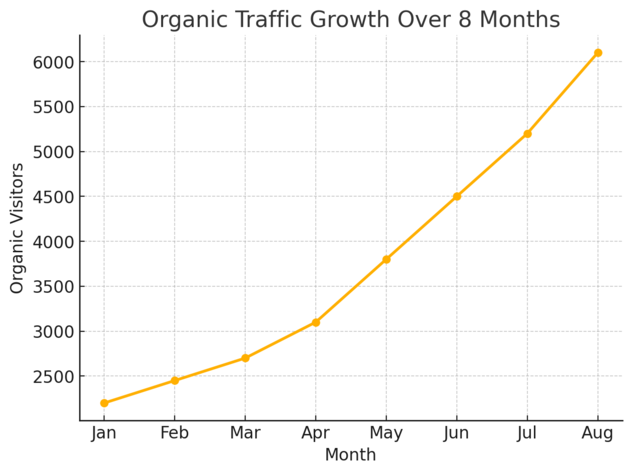
SEO is what keeps your content discoverable long after you hit “publish.” When done right, it’s the most reliable, cost-effective way to grow your online presence over time.
Conduct Keyword Research With Intent In Mind
Keywords are more than search terms—they’re insights into what your audience truly wants.
Use tools like Ahrefs, SEMrush, or Ubersuggest to identify:
- Informational keywords: (e.g., “how to grow online presence fast”)
- Transactional keywords: (e.g., “best SEO tools for small business”)
- Navigational keywords: (e.g., “HubSpot pricing”)
Focus on search intent—what the user hopes to achieve. I suggest grouping keywords by intent before planning content. This ensures your articles meet real needs, not just rankings.
Create Evergreen Content That Builds Long-Term Traffic
Evergreen content is like a garden that keeps producing—long after planting. These are topics that stay relevant year after year.
Examples include:
- “Step-by-Step Guide to Building an Email List”
- “How to Choose the Right SEO Tool for Your Business”
I usually write one evergreen piece per month, optimizing it with internal links to newer posts. It keeps traffic flowing even when you’re not publishing frequently.
Over time, you’ll notice that your evergreen pieces become the backbone of your organic traffic.
Optimize Meta Titles, Descriptions, And Internal Links
Your meta data is what shows up in Google results—it’s your first impression. Keep titles under 60 characters and meta descriptions under 155.
For example:
- Title: Grow Your Online Presence Fast With These Expert SEO Tips
- Description: Discover proven SEO strategies to build authority, attract traffic, and increase visibility online.
Don’t overlook internal linking. Link from your newer articles to your best-performing ones. It helps search engines crawl your site efficiently and keeps readers exploring your content longer.
Tools like Rank Math can help automate this process.
Build High-Quality Backlinks Through Strategic Outreach
Backlinks—links from other websites to yours—act as “votes of confidence” for Google. But not all links are equal.
Here’s how to earn good ones:
- Guest post on reputable industry blogs.
- Collaborate with influencers for joint content.
- List your tools or resources on niche directories.
- Create share-worthy data like infographics or original studies.
I advise sending personalized outreach emails instead of mass templates.
Mention something specific about their work before suggesting a collaboration. The human touch always works better.
Use Email Marketing To Nurture And Convert Leads
Social media builds awareness, but email builds relationships. It’s still one of the most effective ways to convert followers into loyal customers.
Build An Engaged Email List Organically
Buying email lists might be tempting, but it’s a shortcut that backfires. The goal is to attract people who want to hear from you.
Try these organic methods:
- Offer a free guide or resource in exchange for signup.
- Use a pop-up form with value-first messaging like “Join 5,000+ creators learning how to grow online.”
- Add signup prompts in blog posts, footers, and social bios.
Use platforms like Aweber, Mailerlite, or Brevo (Sendinblue). These tools make it easy to design forms, track engagement, and automate sequences without needing a tech background.
Craft Personalized Campaigns Based On User Behavior
Personalization isn’t about adding someone’s name—it’s about relevance. Tailor your emails to what subscribers care about most.
For example:
- If someone downloaded an SEO checklist, send them a follow-up with an advanced guide.
- If a user clicked a pricing link, follow up with a testimonial or case study.
Most email tools have segmentation features. In Kit (formerly ConvertKit), you can tag subscribers by actions (like clicking a specific link) and send tailored content automatically.
Automate Sequences To Save Time And Improve Conversions
Automation lets you stay present even when you’re offline. It ensures new subscribers always get value right away.
A simple 3-step sequence could look like this:
- Welcome Email: Introduce your story and value.
- Follow-Up Email: Offer a free tip or resource.
- Conversion Email: Share your product, service, or next step.
I recommend reviewing automated flows quarterly. Update outdated links, refine subject lines, and test timing (sometimes spacing emails 2–3 days apart boosts engagement).
Test And Optimize Emails For Higher Open And Click Rates
Improvement comes from testing. Small tweaks can lead to major results.
Focus on:
- Subject lines: Keep them short and curiosity-driven.
- Send times: Test different days and hours.
- Content length: Some audiences prefer bite-sized tips; others want depth.
For example, one of my clients doubled open rates by switching from “Weekly Newsletter #5” to “You’re Missing This One SEO Trick.” It was conversational, not robotic—and that made the difference.
Track results inside your platform’s analytics dashboard. If open rates drop, it’s a signal to refresh your approach.
Collaborate With Influencers And Industry Leaders
One of the fastest ways to grow your online presence is to borrow credibility from people who already have your audience’s trust.
Collaborating with influencers and industry leaders can help you reach wider audiences, build authority, and create meaningful partnerships that benefit both sides.
Identify Relevant Influencers In Your Niche
The key isn’t to chase the biggest names—it’s to find the right ones. A relevant influencer has a community that matches your target audience’s interests and values.
Here’s how I usually find them:
- Use social tools like BuzzSumo, Upfluence, or Followerwonk to search for creators in your field.
- Analyze engagement, not just follower count. An influencer with 5,000 loyal followers who comment consistently is far more valuable than one with 100,000 passive ones.
- Check content alignment. If their tone and mission align with yours, the partnership will feel natural to both audiences.
For instance, a fitness brand collaborating with a nutritionist influencer creates synergy—each complements the other while delivering genuine value to followers.
Offer Mutually Beneficial Collaboration Opportunities
Influencers get countless requests daily, so the best way to stand out is to focus on mutual benefit. I recommend leading with what you can offer before asking for anything.
A few examples that work well:
- Product swaps: Offer your product or service in exchange for honest content.
- Co-hosted events or webinars: Share audiences while giving them something useful.
- Exclusive discounts or affiliate partnerships: Incentivize collaboration with shared revenue potential.
When reaching out, keep your message short and personal. Reference a specific post or project of theirs that you genuinely appreciated. It shows respect and makes your outreach feel authentic rather than transactional.
Co-Create Content For Shared Audiences
Co-created content can double your reach instantly. It’s also more engaging because it blends two perspectives your audiences already trust.
Here are a few content types that work well for collaboration:
- Instagram Lives or LinkedIn Audio Events: Have a casual discussion on a trending topic.
- Guest videos or joint YouTube tutorials: Teach something together.
- Co-authored blog posts or eBooks: Combine expertise for a deeper, more valuable resource.
I’ve seen brands double their engagement rates simply by inviting an influencer to share behind-the-scenes insights in a live Q&A format. It feels natural, human, and interactive—everything audiences love today.
Leverage Guest Posting And Podcast Appearances For Exposure
Guest appearances are the unsung hero of brand growth. Whether it’s a blog post or a podcast, these platforms give you direct access to already-engaged audiences.
Here’s how to do it right:
- Research: Look for sites or podcasts your ideal audience already follows.
- Pitch with value: Instead of “Can I be a guest?”, say “I’d love to share a step-by-step method that helped my clients double conversions.”
- Promote afterward: Share the content across your channels, tag the host, and thank them publicly.
Podcasts are especially powerful because they create an intimate connection with listeners. Your tone, your story—it all builds trust faster than text alone.
Invest In Paid Advertising To Accelerate Growth
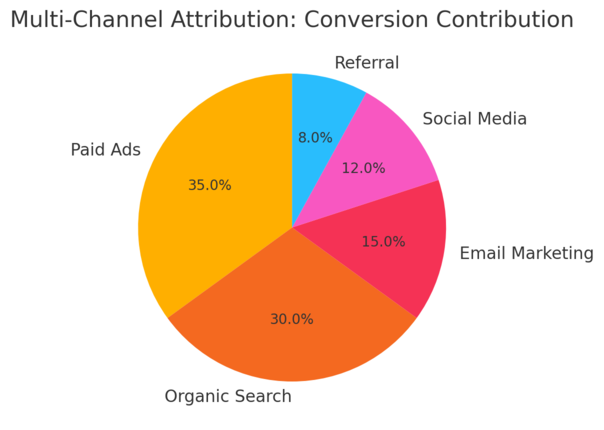
Organic growth takes time, but paid advertising can speed up visibility dramatically when done strategically. The key is to spend smart—not necessarily more.
Understand Which Ad Platforms Fit Your Goals
Every platform serves a different purpose, so your budget should go where your audience actually spends time.
Here’s a quick breakdown:
- Google Ads: Best for capturing people with immediate intent (searching for solutions).
- Meta Ads (Facebook & Instagram): Great for awareness and retargeting campaigns.
- LinkedIn Ads: Ideal for B2B lead generation and professional audiences.
- TikTok Ads: Effective for creative storytelling and product demos.
I usually start small—say, $10–$20/day—just to test engagement and conversions before scaling. The goal is to identify what resonates, not to blanket the internet with ads.
Create Targeted Campaigns With Strong ROI Potential
The best ads feel personalized, not pushy. Targeting helps you reach people most likely to take action.
You can segment by:
- Demographics: Age, location, job title.
- Behavior: Pages visited, videos watched, or items added to cart.
- Interests: Based on engagement with similar brands or topics.
A campaign on Facebook Ads Manager, for example, lets you create Custom Audiences—you upload an email list or track website visitors using the Meta Pixel. This ensures your ads show to people already familiar with your brand, improving conversion rates significantly.
I always suggest testing multiple ad creatives at once. Sometimes a simple headline tweak or image swap can cut your cost-per-click in half.
Use Retargeting To Re-Engage Interested Visitors
Retargeting is where the magic happens. It reminds people who’ve interacted with your site or content to come back and take action.
Here’s how it works in practice:
- Someone visits your website but doesn’t buy.
- You track them using a pixel (like the Meta Pixel or Google Tag).
- They later see your ad offering a special deal or reminder.
This subtle nudge often converts hesitant browsers into buyers. In fact, studies show that retargeted visitors are 70% more likely to convert compared to new ones.
Tools like Google Ads Remarketing or AdRoll make setup fairly easy—even for beginners.
Analyze Ad Data To Optimize Future Campaigns
Advertising isn’t “set it and forget it.” Every campaign gives you data—impressions, clicks, conversions—that tells a story about what’s working.
Pay attention to:
- CTR (Click-Through Rate): Are people interested in your message?
- Conversion Rate: Are they taking the action you want?
- CPA (Cost Per Acquisition): Are you spending efficiently?
I recommend reviewing results weekly and pausing underperforming ads quickly. Then, reallocate that budget to the ones performing best.
When done right, your ad strategy becomes a self-learning system that grows more efficient over time.
Strengthen Your Online Reputation And Credibility
Your reputation is the backbone of your online presence. People trust what others say about you more than what you say about yourself, so managing perception is essential for long-term growth.
Encourage Customer Reviews And Testimonials
Authentic feedback builds trust instantly. A single positive review can influence dozens of potential buyers.
Here’s how I usually approach it:
- Ask for reviews right after a successful purchase or project completion.
- Make it easy with direct links to Google Business, Trustpilot, or industry-specific sites.
- Offer a small thank-you (like a discount or feature mention) as appreciation—not as a bribe.
A pro tip: embed short testimonial videos or screenshots of client messages on your homepage or landing pages. Seeing real people vouch for you boosts credibility faster than any marketing claim.
Monitor Mentions And Respond Professionally
Staying aware of what’s being said about you online is crucial. Tools like Mention can notify you whenever your name or brand appears on the web.
When negative feedback happens (and it will eventually), respond with empathy, not defensiveness. A simple “I’m sorry this was your experience—let’s make it right” can turn critics into advocates.
People notice how you handle problems. Your calm, professional response often leaves a stronger impression than the original complaint.
Showcase Social Proof Across Platforms
Social proof reassures potential customers that others have already trusted you. It’s psychological validation.
Here are quick ways to showcase it:
- Display review snippets on your homepage.
- Highlight media mentions or partnership logos.
- Share client milestones or before-and-after results on social media.
If you have measurable results—like “helped 300 businesses increase organic traffic by 40%”—include them wherever possible. Numbers speak louder than adjectives.
Build Trust Through Transparency And Consistency
Trust is built slowly but lost instantly. Transparency helps you stay on the right side of that equation.
Be upfront about pricing, limitations, or timelines. Share behind-the-scenes processes. If something goes wrong, own it publicly and explain what you’re doing to fix it.
Consistency reinforces this trust. Whether it’s your tone on social media or your service quality, staying steady creates predictability—and predictability feels safe.
I often say this to clients: your brand doesn’t have to be perfect; it just has to be reliably honest. That’s what people remember and return to.
Track, Analyze, And Adjust For Continuous Improvement
The most successful brands don’t just launch and hope for the best—they monitor everything. Tracking and analyzing your performance allows you to see what’s working, what’s not, and how to improve over time.
To grow your online presence sustainably, data must guide your decisions, not guesswork.
Set Clear KPIs To Measure Online Growth
KPIs (Key Performance Indicators) are measurable goals that help you track progress. Without them, you can’t truly tell if your strategy is paying off.
When defining KPIs, start by linking them to your larger objectives.
For example:
- Website traffic: Are more people finding your site each month?
- Engagement rate: Are followers interacting with your posts?
- Conversion rate: How many visitors are becoming leads or customers?
- Email open and click rates: Are your subscribers paying attention?
I suggest setting SMART goals—Specific, Measurable, Achievable, Relevant, and Time-bound. For instance: “Increase organic website traffic by 25% in 90 days” gives you something concrete to measure.
Track progress weekly or bi-weekly. Over time, you’ll start noticing patterns that reveal where your strategy needs refinement.
Use Tools Like Google Analytics And Search Console
You don’t need a complicated tech setup to analyze performance—just a few free, reliable tools.
Google Analytics 4 (GA4): This is your central hub for understanding visitor behavior. You can see which pages perform best, where your audience comes from, and what content keeps them engaged. In GA4, navigate to Reports → Engagement → Pages and screens to find your top-performing content.
Google Search Console (GSC): This tool focuses on how your website performs in Google search results. You can identify your ranking keywords, track impressions, and fix issues affecting visibility. Go to Performance → Search Results to view queries driving traffic to your site.
I recommend connecting GA4 and GSC for a unified view of both user engagement and SEO performance. Add UTM tracking links to your campaigns, too—they help you trace which traffic sources are most effective.
Identify What’s Working—And Scale It
Once you’ve gathered enough data, focus on amplifying what’s already performing well. This is how you grow efficiently instead of constantly reinventing strategies.
Look for signals such as:
- High-performing blog posts that attract consistent traffic.
- Social media content that gets strong engagement.
- Email campaigns with above-average open rates.
If a specific topic or format works—say, “how-to” videos on YouTube or carousel posts on LinkedIn—double down on that style. I usually recommend creating variations of your best content for different platforms.
Scaling doesn’t mean repeating blindly—it means refining and optimizing based on insights. Keep testing subject lines, visuals, and formats until you find the combination that converts best.
Continuously Update Strategies Based On Data Insights
Digital marketing isn’t static; what worked three months ago might not work today. That’s why ongoing adjustment is essential.
Every quarter, do a mini-audit of your key channels:
- Review your analytics: Identify top-performing pieces.
- Check trends: What’s gaining traction in your industry?
- Update or refresh content: Add new stats, keywords, or visuals.
I often revisit old blog posts that once ranked well but slipped in traffic. Updating them with fresh insights and new examples can revive their visibility almost instantly.
This iterative approach ensures your growth compounds rather than plateaus.
Stay Ahead With Emerging Trends And Technologies
Digital landscapes evolve at lightning speed. Staying ahead of trends helps you adapt early, not play catch-up. Experimenting with new tools and channels keeps your brand dynamic and future-ready.
Experiment With AI Tools To Enhance Productivity
AI tools are becoming essential for marketers and creators alike. They can save hours of manual work while helping you stay creative and efficient.
For instance:
- ChatGPT or Jasper: Generate content drafts, outlines, or ideas.
- Grammarly: Improve tone and clarity in writing.
- Canva Magic Studio: Create quick visuals and social graphics with automation.
- Descript: Edit podcasts or videos simply by editing text transcripts.
I advise testing one new AI tool per month. Even small automation steps—like scheduling social posts or summarizing analytics reports—can free up time for strategy and creativity.
Explore New Platforms And Digital Communities
Platforms rise and fall quickly, but being an early adopter can give you a strong advantage.
Watch emerging spaces like Threads, Lemon8, or Substack Communities. They’re attracting niche audiences who value authenticity and direct conversation.
Join discussions, share value, and observe what type of content thrives there. I often say: you don’t have to be everywhere, but you do need to be where momentum is shifting. Early engagement usually means faster organic growth.
Adopt Voice And Visual Search Optimization Early
Voice and visual search are shaping how people discover information. Optimizing for them early puts you ahead of competitors still relying solely on text-based SEO.
For voice search:
- Use conversational phrasing in content.
- Target long-tail questions like “How do I grow my online presence fast?”
- Add FAQ sections that match spoken search patterns.
For visual search:
- Optimize image file names and alt text.
- Use high-resolution visuals.
- Submit image sitemaps to Google.
I’ve seen eCommerce brands gain 15–20% more organic traffic just by optimizing for image-based queries. As users increasingly rely on mobile search, this will only become more critical.
Keep Evolving Your Strategy With Changing Algorithms
Every platform—Google, Instagram, YouTube—updates algorithms regularly. Instead of resisting change, learn to evolve with it.
Here’s what I suggest:
- Follow official update blogs (like Google Search Central).
- Track shifts in engagement or ranking immediately after updates.
- Diversify traffic sources so one algorithm change doesn’t sink your visibility.
Staying agile means experimenting without fear. Algorithms reward relevance and quality over quick hacks, so continuous learning is your best long-term defense.
Pro Tip: Focus On Consistency Over Perfection
Perfection is overrated; consistency is what actually drives growth. You don’t need to have flawless graphics, viral posts, or million-dollar campaigns—you just need to show up regularly and deliver value.
I’ve seen creators with simple setups and steady effort outperform those chasing polish. The truth is, your audience cares more about reliability than perfection.
Here’s how to stay consistent:
- Batch content creation: Record or write several pieces at once.
- Use scheduling tools: Platforms like Buffer or Later help automate posting.
- Set realistic goals: It’s better to post once a week consistently than three times sporadically.
- Create repeatable formats: For instance, a weekly “Tip Tuesday” or monthly recap post.
Even when growth feels slow, remember that every small action compounds. As algorithms, trends, and tools evolve, consistency ensures you remain visible through it all.
So, instead of waiting for the perfect strategy—start, adjust, and keep showing up. That’s the real secret to building an online presence that lasts.

I’m Juxhin, the voice behind The Justifiable.
I’ve spent 6+ years building blogs, managing affiliate campaigns, and testing the messy world of online business. Here, I cut the fluff and share the strategies that actually move the needle — so you can build income that’s sustainable, not speculative.