Table of Contents
Some links on The Justifiable are affiliate links, meaning we may earn a small commission at no extra cost to you. Read full disclaimer.
If you’re wondering how hard is it to get paid to blog, the honest answer is this: it’s harder than social media makes it look, but much more doable than most beginners think.
The difficulty is not usually in writing blog posts. It’s in choosing a topic people care about, publishing content that can actually rank or convert, and sticking with it long enough to see traction.
In my experience, blogging pays the people who build patiently, not the people who expect fast money from a few posts.
What Getting Paid To Blog Really Means
Getting paid to blog can mean several different things, and that confusion is one reason people misjudge how hard blogging really is. Before you think about income, it helps to understand what “paid to blog” actually looks like in the real world.
How Bloggers Actually Make Money
Most bloggers do not get paid simply because they publish articles. They get paid when their blog helps someone take an action. That action might be clicking an affiliate link, viewing enough ads, joining an email list that later buys something, or purchasing a product directly from the site.
Here’s the simple breakdown:
- Affiliate marketing: You recommend a product or service and earn a commission when someone buys through your link.
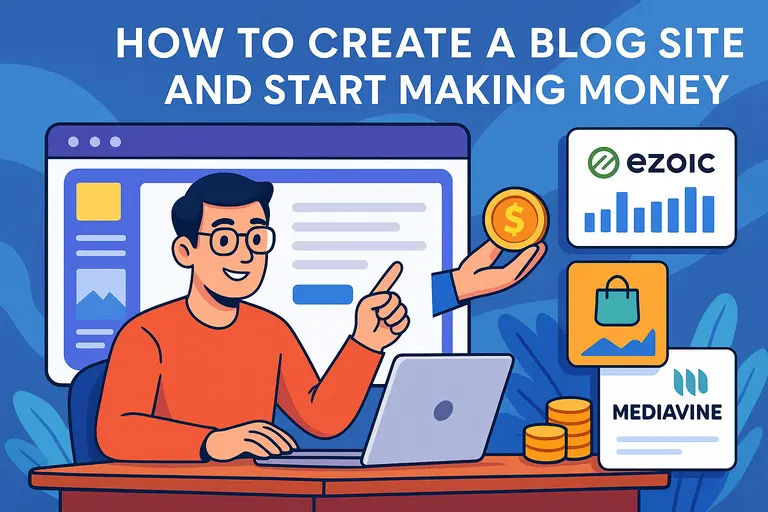
- Display ads: You earn money from pageviews and ad impressions through networks like Google AdSense, Ezoic, or Mediavine.
- Digital products: You sell templates, ebooks, courses, workshops, or paid communities.
- Services: You use your blog to attract clients for writing, consulting, design, coaching, or freelance work.
- Sponsorships: Brands pay for mentions, reviews, or dedicated posts once your audience becomes valuable.
That matters because each income model has a different difficulty level. Ads usually require larger traffic. Affiliate income can happen earlier, but only if your content attracts readers with buying intent. Services are often the fastest path to first revenue because you need fewer visitors.
I believe many people get discouraged because they start with the hardest model for their stage instead of the simplest one.
Why “Getting Paid” Often Starts Small
A lot of new bloggers imagine a full-time income as the first milestone. That is almost never how it works. For many of us, the first proof that blogging can pay is tiny: a $12 affiliate commission, a $43 ad payout, or one client inquiry from a blog post.
That small start is not failure. It is validation.
The first dollar tells you three important things. First, your topic has commercial value. Second, your content can influence a decision. Third, your blog can become a business if you improve the system behind it. I suggest thinking about blogging income in stages instead of one giant leap.
A more realistic progression looks like this:
| Stage | What It Usually Looks Like | What It Proves |
|---|---|---|
| First signal | 1 sale, 1 lead, or small ad income | Your niche can monetize |
| Consistent side income | Monthly income becomes repeatable | Your content and traffic system work |
| Meaningful business income | You earn enough to cover bills or reinvest | You have leverage and audience trust |
| Full-time income | Blog revenue supports your lifestyle | You built an actual media asset |
When people ask how hard is it to get paid to blog, they often skip this ladder and compare their day 30 to someone else’s year 5.
Why Blogging Feels Harder Than Expected
Blogging is not difficult because the tools are impossible. It feels hard because the rewards are delayed, the competition is real, and the path is often misunderstood. Most beginners are not failing from lack of effort. They are failing from aiming effort in the wrong direction.
The Real Bottleneck Is Not Writing, It Is Distribution
You can write a great post and still make zero dollars from it. That is one of the most frustrating truths in blogging. Quality matters, but quality alone does not create traffic. Your post still needs search visibility, audience trust, or another way for people to find it.
This is where many beginners hit a wall. They assume blogging works like this: write post, publish post, get readers, make money. In reality, it usually works more like this: write post, optimize post, promote post, wait, improve it, build internal links, and then maybe start seeing traffic.
Search engine traffic is especially misunderstood. If you publish on WordPress.org or WordPress.com, your article does not magically appear in front of readers. It needs topical relevance, useful depth, solid structure, and often time. The internet is full of half-finished blogs because people mistook publishing for distribution.
A simple way to think about it is this: every post needs a traffic source. That might be Google search, email, social platforms like Pinterest, direct referrals, or community mentions. If there is no traffic source, there is no system. And if there is no system, getting paid will feel random instead of repeatable.
The Delay Between Work And Results Breaks Most People
I think this is the hardest part emotionally. Blogging asks you to do work now for rewards that may not show up for months. That delay creates doubt, and doubt makes smart people quit too early.
Imagine you publish 20 thoughtful articles in a niche you know well. For the first several weeks, almost nothing happens. Maybe a few clicks. Maybe one email signup. Meanwhile, someone on social media claims they made thousands from blogging in a month. That comparison can make your own progress feel invisible.
But blogging compounds quietly. A post that gets no traffic today can become a steady traffic source later if it targets the right search intent and gains relevance over time. A tiny email list can later become the reason you sell a product without needing huge traffic. What looks slow at first can become efficient later.
The emotional challenge is that you have to keep building before the evidence is obvious. In my experience, this is why discipline matters more than excitement. Excitement gets you started. Systems keep you going.
A good mindset is to stop asking, “Why am I not making money yet?” and start asking, “Am I building assets that can make money later?” That shift sounds small, but it changes how you measure progress.
How To Choose A Blog Model That Pays Sooner
The easiest way to make blogging feel less hard is to choose a business model that fits your stage. Too many people copy monetization strategies that only work once traffic is already high.
That creates a long, painful gap between effort and reward.
Pick A Niche With Clear Commercial Intent
Not every niche monetizes equally. Some topics are easy to get traffic in but hard to monetize. Others have lower traffic potential but stronger buying intent. If your goal is getting paid, this matters more than many beginner guides admit.
A strong monetizable niche usually has at least one of these traits:
- Product demand: People already buy tools, courses, software, or services in the space.
- Problem urgency: Readers actively want solutions, not just entertainment.
- Ongoing need: The topic creates repeat searches and repeat buying behavior.
- Trust value: Your experience or perspective can influence decisions.
For example, a blog about “cute desk inspiration” can get traffic, but monetization may be weaker unless you build shopping content. A blog about email marketing, home organization, web hosting, or pet training often has more direct money paths because readers are already looking for solutions.
Here is a simple comparison:
| Blog Type | Traffic Potential | Monetization Strength | Difficulty To Get Paid |
|---|---|---|---|
| Personal diary-style blog | Low to medium | Low | High |
| Hobby inspiration blog | Medium | Medium | Medium |
| Problem-solving niche blog | Medium to high | High | Lower |
| Tool/review/comparison blog | Medium | High | Lower |
| Service-led expert blog | Low to medium | High | Lowest for first income |
I suggest choosing a niche where the reader is already moving toward a decision. That makes your blog more than interesting. It makes it useful at the exact moment money can change hands.
Match Your Monetization Method To Your Current Stage
A beginner blog usually does better with one primary monetization path instead of trying five at once. When everything is a priority, nothing gets enough attention to work.
Here is how I look at it:
- Best for early income: Affiliate offers and services.
- Best for later scale: Display ads and digital products.
- Best for owned growth: Email-led monetization through Kit or Beehiiv.
- Best for fast publishing but weaker ownership: Platforms like Substack or Medium.
This does not mean one path is universally better. It means the right choice depends on what you have right now. If you have expertise but no traffic, sell a service. If you have ranking posts around buyer keywords, use affiliate content. If you have steady traffic but low conversion, build an email list and a simple product.
One mistake I see often is someone with 30 blog visitors a day trying to optimize premium ad RPMs. That is energy spent on a later-stage problem. At that stage, traffic quality, content depth, and monetizable search intent matter much more.
The Step-By-Step Path To Your First Blogging Income
This is where blogging becomes practical. Instead of asking whether it is hard in general, it helps to ask what exact steps make first income more likely.
The process is much less mysterious when you break it into pieces.
Build Content Around Problems, Not Just Topics
Many blogs stay unpaid because the content is too broad. Broad topics attract curiosity. Specific problems attract action.
Let me break it down with a simple example. A post titled “My Thoughts On Working From Home” may be personal and interesting, but it does not naturally move a reader toward a purchase or signup.
A post titled “Best Budget Standing Desks For Small Apartments” has much stronger commercial intent. A post titled “How To Set Up A Home Office In A Rental Without Damaging Walls” solves a real problem and creates obvious product opportunities.
When you plan content, ask:
- What is the reader trying to solve right now?
- Are they researching, comparing, or ready to buy?
- Can I help them make a better decision?
- Is there a natural monetization path connected to that need?
The sweet spot is content that is genuinely useful and commercially relevant without sounding salesy. That usually includes tutorials, comparisons, best-of lists, setup guides, troubleshooting posts, and “X vs Y” content.
I recommend building your first 20 to 30 posts around clear intent buckets. For example: beginner guides, problem-solving tutorials, comparison posts, and product-led use cases. That gives your site structure and gives readers a reason to trust you beyond one random article.
Create A Simple Monetization Stack
You do not need a complicated setup to get paid to blog. In fact, complexity often slows beginners down. A lean stack usually works better.
A practical early setup looks like this:
| Need | Simple Starting Choice | Why It Helps |
|---|---|---|
| Publishing platform | WordPress.org | Strong ownership and SEO flexibility |
| Analytics | Google Analytics 4 | Tracks traffic sources and page behavior |
| Keyword research | Semrush or Ahrefs | Helps you find realistic content opportunities |
| Email capture | Kit or Beehiiv | Builds an audience you own |
| Early monetization | Amazon Associates or relevant SaaS affiliate programs | Easier first commissions |
| Early ads | Google AdSense | Simple starting point before premium networks |
Notice what is missing: a pile of plugins, expensive design work, and fancy funnels. Most blogs do not need more moving parts. They need better content and clearer reader pathways.
A strong article should usually do one of three things: answer a question, help someone compare options, or move them to a next step. If you can do that consistently, even a small stack is enough to create revenue opportunities.
Publish Enough To See Patterns, Not Just Possibilities
One of the hardest truths in blogging is that one or two posts rarely tell you much. You need enough content to see patterns. Until then, everything feels random.
I usually suggest thinking in content clusters instead of isolated posts. That means creating multiple articles around one niche area so your site starts building topical relevance. For example, if your blog is about beginner budgeting, one post is not a strategy. But a cluster around budgeting apps, sinking funds, grocery spending, debt payoff planning, and weekly budget templates starts becoming useful as a system.
Here is why that matters. One article might rank because of luck. A cluster often ranks because your site starts making sense. Search engines understand your expertise more clearly. Readers are more likely to click to related posts. Your internal links become useful instead of forced.
A realistic early goal might be 20 solid posts that each serve a clear intent. Not 20 filler posts. Not 20 diary entries. Twenty useful assets. Once those are live, pay attention to what begins attracting impressions, clicks, and conversions. The winners often surprise you.
This is also where many bloggers discover their real monetization angle. Maybe the tutorial posts bring traffic, but the comparison posts bring income. Maybe one tiny niche article earns more than your broader pieces. Patterns like that help you stop guessing and start optimizing.
How Long It Usually Takes To Get Paid To Blog
This is the question behind the question. Most people asking how hard is it to get paid to blog are really asking how long they will need to work before they see money. The honest answer depends on your niche, monetization model, content quality, and consistency.
Realistic Timelines For Different Blog Income Models
There is no universal timeline, but there are realistic ranges. Service-based blogging can produce income much faster than ad-based blogging. Affiliate content usually sits in the middle. Display ads often take the longest because they rely heavily on traffic volume.
Here’s a realistic way to think about it:
| Income Model | Possible First Revenue Window | What Usually Matters Most |
|---|---|---|
| Services from blog content | 1 to 3 months | Clear expertise and strong offers |
| Affiliate commissions | 3 to 9 months | Buyer-intent content and trust |
| Sponsored posts | 6 to 18 months | Audience quality and niche appeal |
| Display ads | 6 to 18+ months | Consistent organic traffic |
| Digital products | 4 to 12 months | Audience trust and offer fit |
These are not promises. They are directional benchmarks. Some bloggers earn earlier, especially if they already understand SEO, have industry expertise, or bring an audience from somewhere else. Others take longer because they start in crowded niches, write weakly targeted content, or keep restarting the site strategy every few months.
I believe the healthiest expectation is this: give blogging enough time to compound before you judge it. For most new blogs, that means treating the first 6 to 12 months as an asset-building period rather than a pass-fail test.
A More Honest Scenario Than Most Income Screenshots Show
Imagine two bloggers start at the same time.
Blogger A publishes 12 posts in three months about random lifestyle topics and adds ads immediately. Traffic stays low. Income stays near zero. They conclude blogging is too hard.
Blogger B publishes 12 posts in three months too, but each one targets a clear problem in a monetizable niche. They link related posts together, add a basic email form, and include relevant affiliate offers only where useful. Traffic is still modest, but by month five they get two commissions and one service inquiry. It is not life-changing money, but it proves the engine works.
Same effort. Different strategy.
That is why screenshots can be misleading. They show the result, not the structure behind it. Most paid blogging success comes from alignment: niche, search intent, monetization fit, and patience. When those pieces line up, blogging feels hard but fair. When they do not, it feels impossible.
Common Mistakes That Keep Bloggers Unpaid
Most blogging struggles are not caused by lack of talent. They come from a few repeat mistakes that quietly block growth. The good news is that these are fixable once you can see them clearly.
Writing What You Want To Say Instead Of What Readers Need
This sounds harsh, but it is one of the biggest issues. Many of us start blogging because we want to express something. That instinct is human and often valuable. But getting paid requires a second layer: understanding what the reader is already searching for or struggling with.
A blog can absolutely have personality, voice, and opinion. In fact, that is often what makes it memorable. But if every post starts from your internal idea instead of reader demand, monetization gets much harder.
A better approach is to connect your perspective to an existing need. Instead of writing “My Morning Routine Changed My Life,” write “A Realistic Morning Routine For Freelancers Who Start Work Tired.” Same voice, stronger intent. Instead of “Why I Love Minimalism,” write “How Minimalism Can Cut Household Spending Without Feeling Restrictive.” Same theme, better utility.
I suggest using this filter before publishing: “Would someone actively search for this, save this, or share this because it helps them?” If the answer is no, the post might still be worth writing, but it should not make up the bulk of a blog you expect to monetize.
Chasing Too Many Monetization Tactics At Once
This is another quiet killer. A new blogger tries ads, affiliate links, sponsorship outreach, an ebook, a course, coaching, and a paid newsletter all at once. On paper, that looks ambitious. In practice, it usually creates weak execution everywhere.
Each monetization model asks for something different. Ads need traffic. Affiliate revenue needs aligned offers and strong intent. Products need audience trust and clear positioning. Services need authority and conversion-focused pages. If you spread your attention across everything too early, none of those systems gets strong enough to work.
A better plan is simple:
- Phase 1: Validate the niche and content angles.
- Phase 2: Focus on one primary monetization method.
- Phase 3: Add a second revenue stream only after the first one shows traction.
For many beginners, the best early combination is affiliate content plus email capture, or services plus educational content. That creates learning, feedback, and revenue without unnecessary complexity.
In my experience, income usually grows faster when the blog gets simpler, not busier.
How To Make Blogging Easier And More Profitable Over Time
Blogging rarely becomes easy in the sense of effortless, but it does become easier in the sense that your work starts stacking instead of resetting.
That is when the blog stops feeling like a hobby with occasional hope and starts acting like a business asset.
Focus On Systems That Compound
The most valuable blogging work is work that keeps paying after you finish it. That includes search-optimized content, internal linking, email list growth, updating older posts, and learning which topics actually convert.
A compounding blogging system often looks like this:
- Content system: You publish around topic clusters instead of random ideas.
- Optimization system: You improve posts that already show impressions instead of only chasing new ones.
- Email system: You turn visitors into subscribers so traffic is not your only asset.
- Conversion system: You place offers where they naturally help the reader.
- Analytics system: You review what gets clicks, what gets time on page, and what earns money.
This is where simple tools can help, but only when the strategy is already clear. Use Google Analytics 4 to see which pages attract and retain readers. Use Semrush or Ahrefs to find gaps and updates worth publishing. Use your email platform to learn what people care enough to click.
A blog grows faster when you listen to real behavior instead of relying on guesses.
Treat The Blog Like A Portfolio Of Assets, Not A Feed
This mindset shift changes everything. If you think of your blog as a feed, you will always feel pressure to keep posting the next thing. If you think of it as a portfolio, you start building pages that can keep earning.
An asset-based mindset means asking:
- Which posts can bring traffic for years?
- Which posts can generate leads or commissions consistently?
- Which topics deserve updates because they already have traction?
- Which low-performing posts should be merged, improved, or removed?
I recommend reviewing your content every few months and sorting it into three buckets: keep growing, improve soon, or stop investing in. That alone can save a huge amount of time.
I believe this is the point where blogging becomes less “hard” and more strategic. You stop hoping every new post is the winner, and you start strengthening the pages already proving themselves.
That is how many blogs quietly turn from side projects into reliable income sources. Not through endless output, but through compounding decisions.
The Honest Answer: How Hard Is It To Get Paid To Blog?
It is hard enough that you should respect it, but not so hard that you should fear it.
If you expect instant income from a few posts, blogging will feel brutal. If you treat it like building a useful library of content in a monetizable niche, the process becomes much more reasonable. The people who get paid to blog are usually not the best writers in the room.
They are the ones who understand reader intent, pick the right monetization model, publish consistently, and improve what starts working.
So, how hard is it to get paid to blog?
It is hard in the same way growing any real online asset is hard. It takes patience, judgment, and repetition. But it becomes much easier when you stop chasing blogging myths and start building around what actually pays: useful content, clear intent, strong trust, and simple systems.
If you are willing to do that, getting paid to blog is not a fantasy. It is a skill you can build.

I’m Juxhin, the voice behind The Justifiable.
I’ve spent 6+ years building blogs, managing affiliate campaigns, and testing the messy world of online business. Here, I cut the fluff and share the strategies that actually move the needle — so you can build income that’s sustainable, not speculative.