
Table of Contents
Some links on The Justifiable are affiliate links, meaning we may earn a small commission at no extra cost to you. Read full disclaimer.
Becoming a Java freelancer can be one of the most rewarding ways to take control of your career, but how do you actually find consistent work and stay competitive in such a fast-moving field?
Many skilled developers struggle not because of lack of talent, but because they don’t know how to position themselves, price projects, or build long-term client relationships.
In this guide, we’ll break down everything you need to know to build a sustainable freelancing career in Java—step by step, from skill development to client retention.
Understanding What It Takes To Be a Successful Java Freelancer
Succeeding as a Java freelancer means more than knowing how to write clean code. It’s about combining strong technical ability with business awareness and adaptability.
You’re not just a developer—you’re a service provider, strategist, and problem-solver all in one.
Knowing the Core Skills Every Java Freelancer Needs
To thrive as a Java freelancer, you need more than syntax knowledge. The key is mastering both core Java and the practical applications clients expect.
Essential skills include:
- Object-Oriented Programming (OOP): Understanding principles like inheritance, encapsulation, and polymorphism lets you write scalable, maintainable code.
- Spring and Hibernate: Most clients look for experience with Spring Boot for building microservices and Hibernate for ORM (Object-Relational Mapping). These are the backbone of enterprise Java applications.
- Build Tools: Tools like Maven or Gradle automate dependencies and build processes. Knowing them makes project setup smooth and professional.
- Version Control (Git): Clients expect clean Git workflows—think pull requests, branching, and proper commit history.
I always advise creating small demo projects using these technologies to demonstrate your command of them. Clients trust what they can see, not what’s on your résumé.
Understanding the Market Demand for Java Freelancers
Java continues to dominate backend development, fintech, and enterprise applications. According to Statista, over 30% of developers worldwide use Java, keeping demand consistent.
Freelance opportunities often come from:
- Enterprise maintenance projects (migrating old Java apps to newer versions).
- Startups needing backend APIs or mobile app integration.
- Agencies outsourcing long-term Java support roles.
Platforms like Upwork and Toptal consistently feature Java projects ranging from $30 to $120 per hour depending on experience and specialization. The goal is not just to find projects, but to identify where your skills meet market needs.
Identifying Your Niche in the Java Ecosystem
The Java ecosystem is massive, so specialization helps you stand out. Instead of being a “Java developer,” position yourself as a Java microservices specialist, Spring Boot expert, or API integration freelancer.
Popular niches include:
- Enterprise Java (Spring Boot, Microservices, REST APIs)
- Android development (using Kotlin and Java hybrid skills)
- Cloud-based Java (AWS Lambda, Google Cloud Functions)
- E-commerce and ERP systems (custom backends, integrations)
I suggest reviewing past projects to see which type you enjoyed most and where you delivered the best results. That’s often the niche that will naturally attract better-paying clients.
Balancing Technical Expertise With Business Skills
Even the best Java developer struggles if they lack client management skills. Freelancing success often depends on communication, not just code.
Business skills to prioritize:
- Proposal writing: Tailor each proposal to the client’s specific pain points.
- Time estimation: Always overestimate slightly to avoid missed deadlines.
- Invoicing and contracts: Use tools like Bonsai or Payoneer to handle these efficiently.
- Client retention: Keep in touch with past clients through quick updates or check-ins.
I’ve learned that being transparent about timelines and setting clear expectations earns you repeat clients faster than overpromising.
Building a Strong Technical Foundation in Java
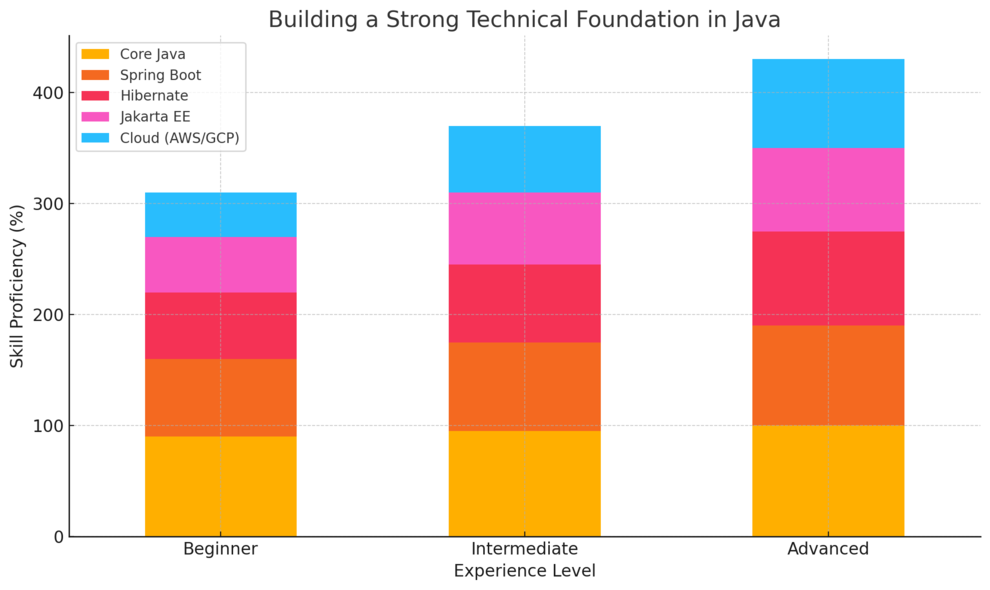
Your technical foundation defines how confidently you can deliver quality projects. The more tools and frameworks you master, the more valuable you become to clients.
Mastering Java Frameworks Clients Often Request
Most projects today are built around Spring Boot, Hibernate, and Jakarta EE. These frameworks simplify development, making your workflow faster and more reliable.
Here’s where to focus:
- Spring Boot: Ideal for RESTful APIs and microservices. Example: A client wants a payment service—Spring Boot handles the logic, routing, and security.
- Hibernate: Simplifies database management, reducing manual SQL.
- Jakarta EE: Used in enterprise environments where large-scale apps need stability and modular design.
Clients often ask questions like, “Can you deploy a microservice using Spring Boot and Docker?” Be prepared to say yes—and have a portfolio project that proves it.
Expanding Skills Beyond Java: Databases, APIs, and Cloud Integration
Modern freelancing means working across technologies. Java often serves as the glue connecting databases, APIs, and cloud services.
You should understand:
- Databases: Learn SQL with MySQL or PostgreSQL, and basic MongoDB for NoSQL projects.
- APIs: Be comfortable with REST and GraphQL. Clients love developers who can integrate with external systems.
- Cloud: Know how to deploy to AWS (Elastic Beanstalk) or Google Cloud Run.
When I started, I focused only on Java logic, but once I added API and cloud skills, my project value—and pay—doubled.
Keeping Up With Java Updates and Emerging Technologies
Java evolves constantly. Every version adds features that make code cleaner and faster—like records, switch expressions, and pattern matching.
To stay current:
- Follow Oracle’s Java blog or Baeldung for tutorials.
- Experiment with new LTS (Long-Term Support) versions in sandbox projects.
- Learn JVM languages like Kotlin to expand your adaptability.
Clients notice developers who mention newer features in discussions. It signals you’re ahead of the curve, not playing catch-up.
Showcasing Your Skills Through Real-World Projects
The best proof of skill is demonstration. Your portfolio should highlight actual work, not just theory.
Examples of effective project showcases:
- A Spring Boot API for a sample e-commerce platform.
- A microservices architecture deployed on AWS using Docker.
- A database migration from MySQL to PostgreSQL with Hibernate.
I recommend hosting your code on GitHub and writing short documentation for each project. That extra context shows you understand not just how to code—but why certain choices were made.
Setting Up Your Freelance Profile and Portfolio
Once your skills are solid, you need to present them convincingly. Your profile and portfolio are the first impression—treat them as your digital storefront.
Creating a Portfolio That Builds Instant Credibility
Your portfolio is proof of competence. Instead of listing buzzwords, demonstrate outcomes.
Effective portfolio elements:
- 3–5 focused projects (each with context, problem, solution, and result).
- Clear code samples hosted on GitHub or GitLab.
- Screenshots or short demos of the user interface or API response examples.
For example, if you built a REST API for an online bookstore, include its endpoint documentation and brief technical summary. Clients love seeing results, not resumes.
Writing a Freelance Profile That Attracts High-Value Clients
A strong freelance profile isn’t about length—it’s about clarity and alignment with client needs.
Key profile tips:
- Open with what you specialize in (“I help startups build scalable backend systems using Java and Spring Boot”).
- Mention measurable achievements. Example: “Reduced server response time by 40% on a logistics app.”
- Include a short section on how you communicate and deliver results.
I suggest looking at top-rated freelancer profiles on Upwork for structure ideas—but make yours genuine. Clients recognize copy-paste bios instantly.
Highlighting Your Java Expertise Through Case Studies and GitHub Projects
Case studies transform your past work into storytelling proof. Each should outline a client challenge, your solution, and the final impact.
For example: A client needed to refactor an outdated Java EE application. I migrated it to Spring Boot, reducing load time by 60% while improving maintainability.
Include GitHub links directly in your profile or portfolio. A few well-documented repos can do more to secure projects than a dozen certifications.
Using Testimonials and Social Proof to Strengthen Your Brand
Happy clients are your best marketing assets. Always ask for feedback after successful projects.
Where to collect testimonials:
- Freelance platforms (request a review after closing each job).
- LinkedIn recommendations.
- Personal website quotes (with permission).
I’ve seen freelancers increase their project acceptance rate dramatically just by showcasing verified client praise. It builds trust before you even speak to a new lead.
Pro Tip: If you’re just starting out, offer one discounted project to a reliable client in exchange for a testimonial. That single review can unlock dozens of future opportunities.
Choosing The Right Freelance Platforms And Marketplaces
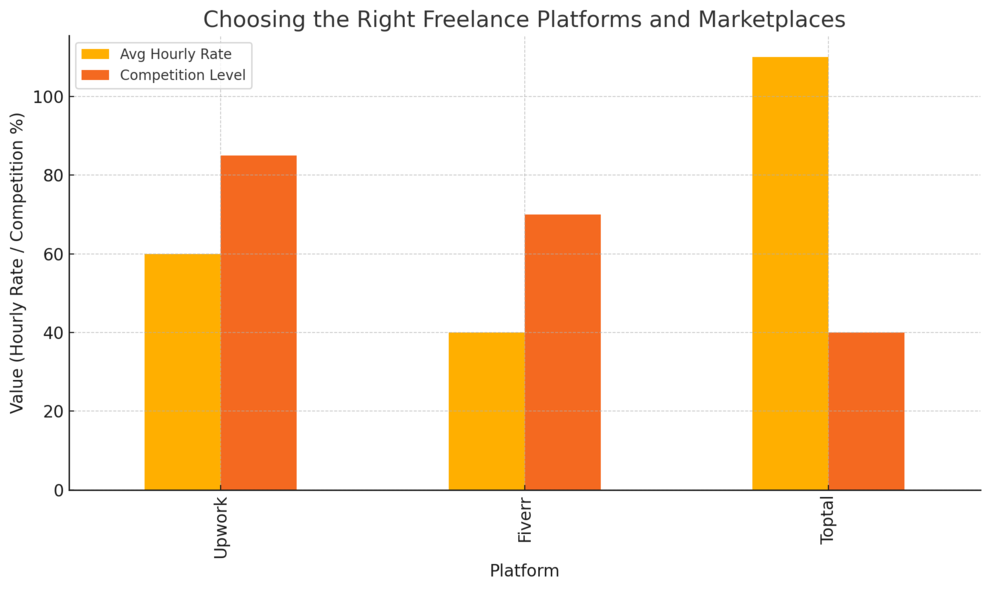
Choosing the right freelance platform is one of the first big decisions you’ll make as a Java freelancer. Each platform attracts different types of clients, pricing structures, and expectations.
The key is to understand which one matches your goals and how to make your profile stand out within it.
Best Freelance Platforms for Java Developers (Upwork, Toptal, Fiverr)
Each platform offers unique advantages depending on your experience level and work style.
1. Upwork
Upwork is great for both beginners and experienced Java freelancers. Clients post projects ranging from short bug fixes to long-term development contracts. The platform uses a Connects system—essentially credits you spend to submit proposals.
- Pros: High job volume, transparent client reviews, built-in payment protection.
- Cons: High competition and service fees (typically 10–20%).
I suggest filtering searches with keywords like “Java Spring Boot” or “Java API development” to find relevant, higher-paying jobs.
2. Toptal
Toptal is a curated network of top freelancers. You’ll need to pass a rigorous screening process that includes technical interviews and coding challenges. However, once you’re in, you gain access to premium clients and stable contracts.
- Pros: High-paying projects, steady long-term work.
- Cons: Entry difficulty—only about 3% of applicants are accepted.
If you’re confident in your Java expertise and communication skills, Toptal is one of the most reliable platforms for consistent, well-compensated work.
3. Fiverr
Fiverr focuses on gig-based services. You create predefined “gigs” such as “I will build a Spring Boot REST API with authentication.”
- Pros: Easy to start, you control pricing and offerings.
- Cons: Requires self-marketing and may start with lower rates.
I advise using Fiverr as a side platform for passive client leads while maintaining your main profile on Upwork or Toptal.
How To Optimize Your Profile for Platform Algorithms
Platform visibility isn’t just luck—it’s SEO for freelancers.
Practical optimization steps:
- Use targeted keywords: Include phrases like “Java backend developer” or “Spring Boot specialist” in your title and description.
- Respond quickly: Upwork and Fiverr algorithms reward active users who reply fast.
- Maintain 100% job success and delivery rates: These directly affect how often your profile is shown.
I recommend updating your portfolio every few months. Even small changes—like uploading new project screenshots—signal to the algorithm that your profile is active and relevant.
Finding Long-Term Clients Beyond Marketplaces
Relying solely on freelance platforms can limit your growth. Expanding beyond them opens doors to better-paying, recurring clients.
How to do it:
- Direct outreach: Search LinkedIn for roles like “Java developer (contract)” and message hiring managers directly.
- Tech communities: Join Java groups on Reddit, Slack, and Discord. You’ll often find startups quietly hiring freelancers through these channels.
- Networking events: Attending local meetups or online conferences like JavaOne helps you connect with companies before they post jobs publicly.
I’ve personally found that direct outreach and community involvement often lead to projects lasting months, not weeks.
Evaluating Each Platform’s Pros and Cons for Java Freelancers
Each platform caters to different goals. Here’s a quick comparison for clarity:
| Platform | Best For | Average Pay Range | Main Challenge |
| Upwork | Beginners to mid-level freelancers | $30–$90/hr | Intense competition |
| Toptal | Experienced developers | $60–$150/hr | Strict screening process |
| Fiverr | Productized services | $20–$80/project | Harder to scale income |
I suggest starting with one primary platform, gaining traction, and then diversifying to another as your profile matures.
Balancing two platforms is often the sweet spot—one for stability, one for exploration.
Pricing Your Java Freelance Services Strategically
Pricing determines not only your income but also how clients perceive your value. The goal is to find the balance between competitiveness and fair compensation.
Understanding Hourly vs. Project-Based Pricing Models
Each pricing model serves a purpose.
- Hourly pricing: Ideal for ongoing projects or maintenance work. Platforms like Upwork use built-in time trackers for accuracy.
- Project-based pricing: Better for defined deliverables, such as “Develop a RESTful API using Spring Boot and MySQL.”
I personally prefer project-based pricing once trust is established—it allows for creative freedom without the constant timer stress.
How To Set Rates Based on Experience and Market Demand
Your rate should reflect not just experience but also the demand for your specific Java niche.
A quick rate guideline:
- Entry-level (less than 2 years): $25–$40/hr
- Mid-level (3–5 years): $50–$80/hr
- Senior (5+ years): $90–$150/hr
Check Upwork’s “Average Hourly Rate” feature for keywords like Java Spring Developer to gauge competitiveness. Then position yourself slightly above the median—high enough to attract serious clients, low enough to remain approachable.
I also recommend increasing your rates gradually after every 2–3 successful projects to avoid pricing shock for returning clients.
Avoiding Undervaluation: Communicating Your True Worth
Many freelancers make the mistake of underpricing just to win projects. This backfires because low rates often attract low-quality clients.
How to communicate value effectively:
- Emphasize outcomes, not hours (“I reduced deployment time by 40%”).
- Use testimonials as proof of reliability.
- Be transparent about your process and why it delivers efficiency.
I once doubled my rate after showing a client a small case study proving I saved them 15 developer hours per week. They didn’t blink—they valued the results, not the price tag.
When and How To Raise Your Rates Without Losing Clients
Raising rates can feel risky, but it’s part of professional growth.
Steps to increase smoothly:
- Notify long-term clients in advance—about 2–4 weeks before the change.
- Justify it with measurable results (“We’ve streamlined your backend, reducing load times by 50%”).
- Offer legacy clients a “preferred rate” slightly below your new one to maintain goodwill.
Consistent improvement is the key. Clients rarely mind paying more when they see ongoing skill growth and professionalism.
Finding And Securing Steady Freelance Work
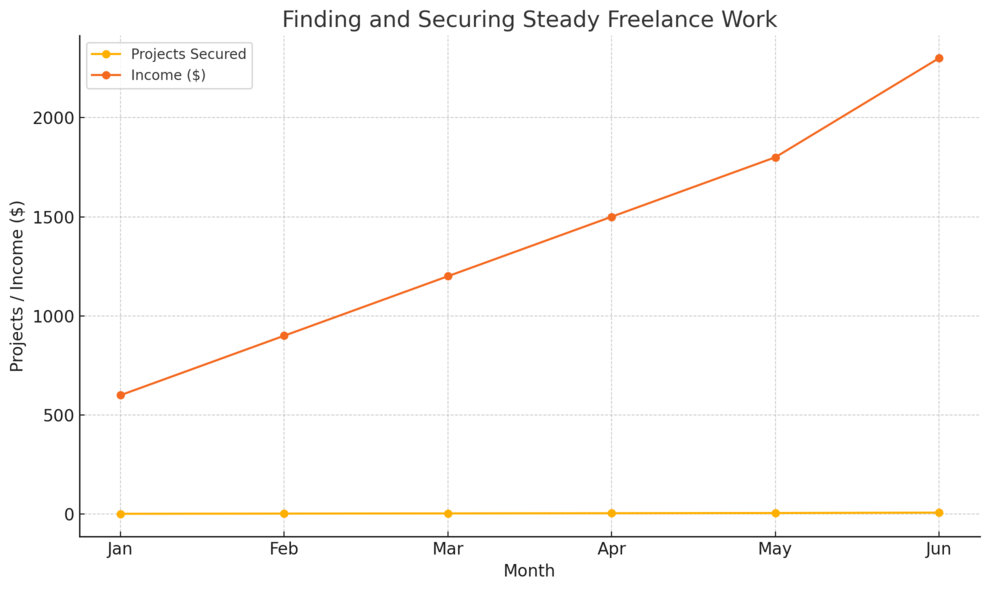
The hardest part isn’t finding your first Java freelance gig—it’s maintaining a consistent flow of them. Building steady work takes strategy and relationship management.
Proven Methods To Find Consistent Java Freelance Projects
Consistency comes from proactive effort, not luck.
Reliable methods:
- Keep profiles active across at least two platforms.
- Reconnect with past clients every few months to offer maintenance or upgrades.
- Set up a personal website showcasing your Java portfolio and testimonials.
I suggest creating a simple lead funnel—use LinkedIn to drive visitors to your site, then capture inquiries with a “Book a Consultation” form.
Networking in Developer Communities and Online Forums
Developer communities are goldmines for opportunities. Sites like Stack Overflow, Reddit’s r/java, and Dev.to host plenty of networking possibilities.
Practical steps:
- Share helpful Java code snippets or performance tips.
- Offer free advice to small queries—visibility builds authority.
- Mention you’re open for freelance collaborations subtly in your profile.
I’ve seen many developers land contracts from a single helpful answer that impressed a lurking recruiter or CTO.
Building Partnerships With Agencies and Tech Startups
Agencies and startups often outsource entire modules or backend components to reliable Java freelancers.
Why this matters:
- Agencies offer recurring work.
- Startups offer challenging projects that grow your portfolio.
Reach out directly through LinkedIn or tech event networking. Use a short, direct message like:
“Hi, I specialize in Java Spring Boot microservices. If your team ever needs help scaling backend tasks, I’d love to collaborate.”
I’ve found this personal outreach approach lands more responses than any platform bid.
Leveraging LinkedIn and Cold Outreach Effectively
LinkedIn isn’t just for job seekers—it’s a freelancing powerhouse if used right.
How to optimize it:
- Use a headline like “Java Backend Developer | Spring Boot | API Integrations.”
- Post short technical insights weekly to stay visible.
- Use LinkedIn Search > All Filters > Service Providers to find potential clients by industry.
When sending messages, keep them personal and value-driven, not salesy. Example: “I noticed your app is built on Java EE—if you ever need help migrating to Spring Boot, I’ve handled several similar projects.”
Over time, these small, authentic connections often lead to stable, referral-based income.
Expert Tip: To ensure steady freelance work as a Java developer, balance three client channels—freelance platforms, direct outreach, and agency partnerships. That combination keeps your pipeline full, regardless of market fluctuations.
Managing Projects and Client Expectations Like a Pro
Managing freelance projects well is what separates successful Java freelancers from those constantly scrambling to meet deadlines.
A clear process keeps you organized, builds trust, and ensures clients keep coming back.
Setting Clear Project Scopes and Milestones
Every successful Java project starts with a detailed scope. It outlines what will be delivered, when, and how. This prevents misunderstandings and keeps you and your client aligned.
Here’s how I suggest handling it:
- Define deliverables precisely: Instead of “Java backend,” say “Spring Boot REST API with three endpoints and JWT authentication.”
- Set measurable milestones: For example, “Database schema design by Week 1, API endpoints by Week 2.”
- Document everything: Use a shared document or a platform like Notion or Google Docs for version tracking.
Clients feel reassured when they see structure. I often share a quick visual timeline (using tools like Trello or ClickUp) right after contract signing—it sets a professional tone early on.
Communicating Effectively To Avoid Misunderstandings
Poor communication causes more project issues than technical errors. Clear, frequent updates prevent confusion.
Best practices I use:
- Weekly check-ins: Even if it’s just a two-line update, consistency builds confidence.
- Summarize calls or chats: End each discussion with a written recap of decisions and next steps.
- Use the client’s preferred channel: Some prefer email, others Slack or Upwork messages. Adapt your communication style accordingly.
I believe clarity beats frequency. One short, well-written update is better than multiple vague ones.
Using Project Management Tools To Stay Organized
Staying organized saves you from unnecessary stress. Project management tools help track deadlines, tasks, and communication in one place.
Popular tools that work well for Java freelancers:
- Trello: Ideal for small projects—organize tasks into “To Do,” “Doing,” and “Done.”
- Asana: Perfect for larger, multi-step projects that require team collaboration.
- ClickUp: Combines task management with documentation and time tracking.
For code tracking, use GitHub or GitLab and link commits to tasks. It shows transparency—clients can see progress without micromanaging.
Handling Revisions, Feedback, and Difficult Clients Gracefully
Revisions are part of freelancing. The trick is to manage them without letting scope creep take over.
What I recommend:
- Set a revision policy upfront: For example, “Two rounds of minor revisions included.”
- Acknowledge feedback professionally: Even if you disagree, listen first, then suggest alternatives.
- Stay calm with demanding clients: Redirect emotional feedback toward project goals.
If a client becomes unreasonably difficult, document every conversation. Having written proof helps if disputes arise on platforms like Upwork.
Marketing Yourself as a Java Freelancer
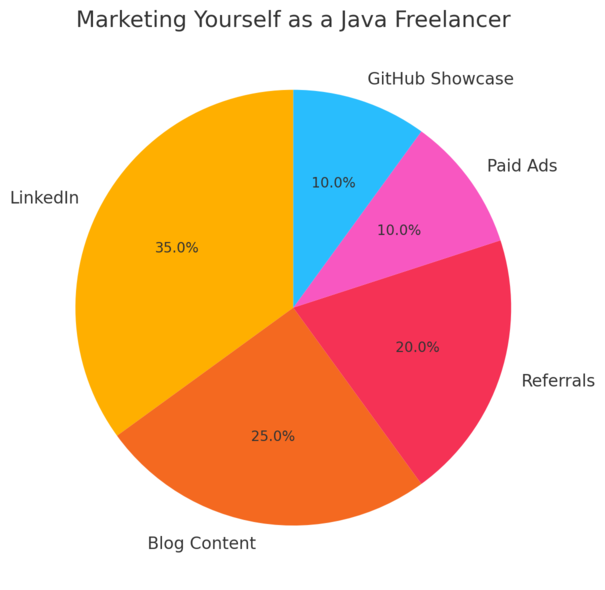
Marketing is not about bragging—it’s about positioning your expertise where your ideal clients can find you. You’re essentially your own brand, and how you present it determines your reach.
Building a Personal Brand That Attracts Clients
Your personal brand should tell clients three things: what you do, who you help, and why you’re reliable.
Steps to define your brand:
- Craft a one-liner: For example, “I help startups build secure and scalable Java backends using Spring Boot.”
- Stay visually consistent: Use the same photo, color scheme, and tone across all profiles.
- Share insights: Post Java-related thoughts or lessons you’ve learned on LinkedIn or X (Twitter).
I advise focusing on authenticity. Clients are drawn to freelancers who sound like real humans, not marketers.
Using Content Marketing and Blogging To Show Expertise
A simple blog can do wonders for visibility. Sharing what you learn builds authority and trust.
Effective content ideas:
- Tutorials (e.g., “How To Build a REST API With Spring Boot”)
- Lessons from past projects (“What I Learned Migrating From Java EE to Spring Boot”)
- Quick troubleshooting guides
You can publish on Medium, Dev.to, or your own site. Each post acts as a long-term portfolio piece that brings organic traffic and inbound leads.
Running Simple Paid Campaigns To Get High-Value Leads
If you have a small marketing budget, a few well-placed ads can attract serious clients.
What works best:
- LinkedIn ads: Target roles like “CTO,” “Product Manager,” or “Tech Founder.”
- Google Ads: Bid on phrases like “hire Java developer” or “Spring Boot freelance expert.”
- Retargeting campaigns: Use simple retargeting on social platforms to re-engage website visitors.
Start with a modest daily budget—around $5–$10. Paid ads work best once you’ve optimized your profile and website for conversions.
Creating a Consistent Online Presence Across Platforms
Consistency builds familiarity, which leads to trust.
Checklist for consistency:
- Keep your name, title, and description identical across Upwork, LinkedIn, and GitHub.
- Update all links (portfolio, GitHub, contact form) regularly.
- Respond promptly to inquiries—even if you’re not available.
I’ve noticed that freelancers with unified profiles are more likely to be shortlisted because they appear more legitimate and professional.
Maintaining Steady Income and Career Growth
Freelancing income fluctuates if you don’t plan ahead. The key is to diversify revenue streams and keep improving your skill set to stay competitive.
Diversifying Income Through Multiple Freelance Channels
Relying on a single platform can be risky. Spread your opportunities across multiple channels.
Options to diversify:
- Platforms: Use Upwork for short-term gigs, Toptal for long-term ones.
- Direct clients: Reach out to startups or agencies.
- Teaching: Offer online Java mentorship on platforms like Udemy or Codementor.
In my experience, freelancers with at least two income sources maintain stability even during market slowdowns.
Upskilling To Offer Premium Java Services
The Java ecosystem evolves constantly. Staying current helps you justify higher rates and attract better projects.
Skills worth learning now:
- Spring Cloud for microservices architecture.
- Docker and Kubernetes for containerized deployment.
- AWS Lambda and Google Cloud Functions for serverless Java solutions.
I suggest dedicating a few hours weekly to structured learning. Courses from Baeldung, Udemy, or Coursera are great resources.
Creating Retainer Agreements for Long-Term Stability
Retainers provide steady income and predictability. You agree to provide a fixed number of hours or deliverables per month for a recurring fee.
Example: A client pays $1,500/month for 20 hours of maintenance and feature updates.
Benefits include predictable cash flow and long-term relationships. To implement it, propose retainers to happy clients after completing initial projects—it’s easier when they already trust your work.
Tracking Financials and Managing Taxes as a Freelancer
Financial discipline keeps your freelance career sustainable.
Simple systems that work:
- Use tools like QuickBooks or Wave to track income and expenses.
- Separate business and personal accounts.
- Set aside at least 20–25% of your income for taxes.
I learned early that tracking monthly revenue and project type helps identify which services are most profitable. Data beats guesswork every time.
Pro Tips To Thrive as a Long-Term Java Freelancer
Thriving long-term means thinking beyond today’s projects. You’re building not just a career—but a business and a lifestyle.
How To Stay Motivated and Avoid Burnout
Freelancing freedom can easily turn into exhaustion if you’re not careful.
Here’s what I suggest:
- Keep regular working hours and take weekends off.
- Rotate between coding and creative tasks like writing or designing.
- Celebrate small wins—completing a sprint, closing a deal, or solving a tricky bug.
Your energy is your most valuable asset. Protect it like your laptop.
Building Passive Income Streams Related to Java
Passive income smooths out slow months. You can create assets once and earn continuously.
Ideas that work:
- Create and sell Java templates or boilerplate code.
- Record a short course on Java fundamentals.
- Write an eBook or paid guide on optimizing Spring Boot apps.
Even a $200/month side income adds stability without extra client work.
Networking With Other Freelancers for Support and Collaboration
Networking with peers helps you learn, collaborate, and even share projects.
Ways to connect:
- Join Slack groups or communities like Freelance Java Developers or Indie Hackers.
- Attend virtual Java events and webinars.
- Create small collaborations—pair up on larger contracts.
I’ve received several long-term projects just from fellow freelancers referring me when they were overbooked.
Planning for the Future: From Freelancer to Java Consultant
As your expertise grows, consider evolving into a consultant role. Consultants guide clients on architecture, scalability, and development strategy rather than coding every line.
To transition smoothly:
- Document your past work as case studies.
- Start advising clients on tech stack decisions.
- Adjust pricing to reflect strategy-based work.
Consulting provides higher pay and more freedom—it’s the natural next step for an experienced Java freelancer ready to level up.
Final Tip: Build your freelance career like a long-term business. Focus on consistent learning, excellent communication, and steady relationship-building. Over time, these habits make your name synonymous with reliability—and that’s what keeps the best clients coming back.

I’m Juxhin, the voice behind The Justifiable.
I’ve spent 6+ years building blogs, managing affiliate campaigns, and testing the messy world of online business. Here, I cut the fluff and share the strategies that actually move the needle — so you can build income that’s sustainable, not speculative.
Related posts:
 Python Freelance Jobs Where to Land High-Paying Projects
 Freelance Developer: How to Find the Perfect Fit for Your Project
 Freelance Backend Developer: How to Land Big Contracts Fast
 WordPress Freelancer: How to Hire Experts Without Overpaying
 Upwork Freelancer Tips to Avoid Scams and Wasted Money
 Freelance Data Entry Jobs You Can Start From Home Today