
Table of Contents
Some links on The Justifiable are affiliate links, meaning we may earn a small commission at no extra cost to you. Read full disclaimer.
Marketing solutions for small businesses can mean the difference between surviving and thriving.
With limited budgets and endless competition, how can you create strategies that actually move the needle and drive measurable growth?
This guide breaks down practical, scalable marketing approaches that help small businesses grow sustainably—without wasting time or money on tactics that don’t deliver.
Build A Strong Online Presence To Increase Visibility
Having a strong online presence is like owning a digital storefront that never closes. The goal here is simple: Make your business easy to find, understand, and trust online.
Optimize Your Website For Search Engines
Your website is your most powerful marketing tool. Search Engine Optimization (SEO) helps search engines understand what your site offers so it appears when customers look for solutions like yours.
Start with keyword optimization — identify what your audience searches for using tools like Google Keyword Planner or Ahrefs. Integrate these keywords naturally in titles, meta descriptions, and throughout your pages.
Pay attention to on-page SEO:
- Use one clear H1 heading per page (e.g., “Affordable Web Design for Local Businesses”).
- Add internal links to related pages.
- Write descriptive alt text for images (e.g., “small business storefront with signage”).
Also, use technical SEO tools like Rank Math in WordPress to fix crawl issues, broken links, and duplicate content. I suggest checking your site performance in Google Search Console weekly to catch issues early.
Create Valuable Content That Attracts Your Ideal Audience
People don’t search for products—they search for solutions. I believe the most effective way to attract your audience is by creating content that answers their real questions.
Blog posts, how-to guides, and product comparisons work incredibly well. For example, if you sell handmade candles, a blog titled “How to Choose Non-Toxic Candles for Your Home” both educates and sells.
Use content clusters:
- Main page: “Home Fragrance Solutions”
- Supporting posts: “Best Essential Oils for Relaxation,” “Candle Safety Tips,” “Scent Strength Explained”
These clusters show search engines you’re an authority on the topic and improve your rankings over time.
Use Local SEO To Target Nearby Customers
If you’re a local business, Local SEO should be your top priority. It’s what gets you into Google’s “Map Pack” — that box of local results near the top of search pages.
Here’s how to do it right:
- Create or claim your Google Business Profile. Fill out every section — description, hours, services, and photos.
- Ask happy customers for reviews and respond to each one.
- Include local keywords (like “plumber in Austin” or “best bakery near me”) in your site copy.
- Build citations by listing your business consistently on Yelp, Bing Places, and Apple Maps.
Local SEO can drive foot traffic faster than national campaigns — and it’s free.
Improve Website Speed And Mobile Experience
Your website has about 3 seconds to load before most visitors leave. I recommend running a test on Google PageSpeed Insights. If your score is below 80, that’s a sign to optimize.
Quick fixes include:
- Compressing images using TinyPNG or Squoosh.
- Switching to faster hosting providers like SiteGround or WPengine.
- Using caching plugins such as WP Rocket to reduce load time.
Since over 60% of users browse on mobile, use responsive design and test your site on multiple devices. Think “thumb-friendly navigation” — buttons should be easy to tap, menus should be intuitive, and text should never require zooming in.
Leverage Social Media Marketing To Build Brand Trust
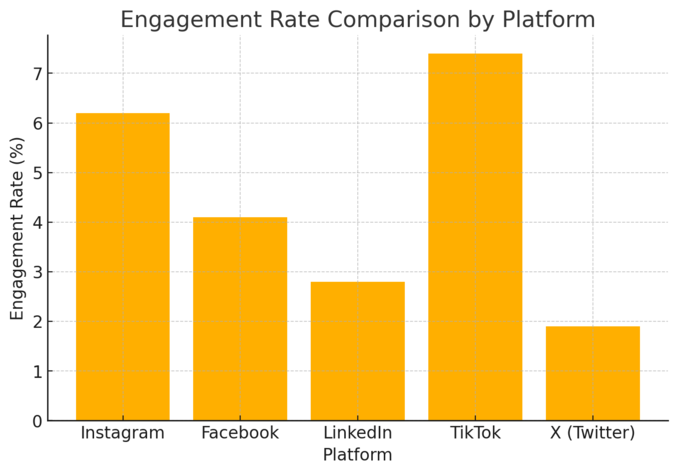
Social media is where trust is built—or lost. The key is showing up consistently with content that connects emotionally and authentically with your audience.
Choose The Right Platforms For Your Audience
Not every social media platform deserves your time. Each one attracts a specific type of audience.
- Instagram: Great for visual storytelling and lifestyle brands.
- LinkedIn: Ideal for B2B services and professional credibility.
- TikTok: Perfect for reaching younger demographics through authentic, short-form video.
- Facebook: Still strong for local engagement and community building.
I advise starting with one or two platforms and mastering them before expanding. Use your analytics (e.g., Instagram Insights or LinkedIn Analytics) to see where engagement is highest.
Use Storytelling To Connect Emotionally With Followers
Stories humanize your brand. Instead of posting “Buy now!” content, tell stories that make people care.
Try this simple structure:
- Problem: Show a challenge your customers face.
- Journey: Describe how your brand helps.
- Outcome: End with a success or emotional payoff.
For example, a bakery might post, “When Sarah wanted cupcakes for her daughter’s allergy-friendly birthday, we made sure every child could enjoy them.” That’s emotional marketing done right.
Create Consistent Posting Schedules And Engaging Content
Consistency builds trust. Create a content calendar using tools like Buffer, Later, or Notion.
Post 3–5 times a week, balancing content types:
- Educational: Tips or tutorials.
- Behind-the-scenes: Your process, workspace, or team.
- Engagement: Polls, questions, or challenges.
Include video whenever possible. Short-form video (under 60 seconds) performs best across platforms — it’s authentic, digestible, and highly shareable.
Measure Engagement Metrics To Refine Strategy
You can’t improve what you don’t measure. Track:
- Engagement rate (likes + comments ÷ followers)
- Click-through rate (for links)
- Follower growth rate
Platforms like Meta Business Suite or Sprout Social visualize these metrics beautifully. I suggest running monthly reports to see which content resonates and double down on what works.
Use Email Marketing Campaigns To Nurture Leads
Email marketing remains one of the most effective growth tools for small businesses — it’s personal, cost-efficient, and measurable.
Build An Email List With Incentives And Opt-Ins
You can’t nurture leads without first building a list. Offer value in exchange for sign-ups — such as free guides, discounts, or templates.
Example: “Get 10% off your first order when you subscribe.”
Use opt-in forms built with Aweber or Mailerlite. Place them in strategic spots: homepage, blog sidebar, and exit-intent pop-ups. Always comply with GDPR by getting explicit consent before sending emails.
Segment Your Subscribers For Personalized Messaging
Not all subscribers want the same thing. Segmenting means dividing your audience into smaller groups based on behavior, interests, or demographics.
Common segments include:
- New subscribers
- Repeat customers
- Abandoned cart users
- High-value buyers
With platforms like Klaviyo or ActiveCampaign, you can automate targeted messages for each group — e.g., a reminder email for those who viewed a product but didn’t purchase.
Automate Email Sequences For Consistent Follow-Ups
Automation saves time while maintaining consistency.
I recommend creating a simple three-step email funnel:
- Welcome Email: Introduce your brand and deliver the promised offer.
- Value Email: Share tips, blog posts, or use cases.
- Conversion Email: Present a gentle sales offer or discount.
These can be built in Omnisend or Getresponse. Set triggers based on user behavior — for example, when someone downloads a free guide, it starts an email sequence automatically.
Track Open And Click Rates To Optimize Conversions
Metrics show whether your messages are landing or falling flat.
Monitor:
- Open rate (ideal: 30–40%)
- Click rate (ideal: 2–5%)
- Unsubscribe rate (keep under 1%)
If open rates drop, try rewriting subject lines to spark curiosity — e.g., instead of “Our November Sale,” try “Your Exclusive Offer Awaits Inside.”
I also recommend A/B testing email layouts and CTAs (call-to-actions). Even small changes like button color or placement can lift conversions by 10–15%.
Expert Tip: Every marketing solution for small businesses works better when integrated. Use your social channels to grow your email list, your website to convert leads, and your emails to nurture and sell. It’s a cycle — one that, when done right, compounds growth over time.
Invest In Paid Advertising For Faster Results
When done right, paid advertising can bring measurable traffic and sales in days, not months.
I like to think of it as the accelerator pedal in your marketing engine — it speeds up results while your organic strategies build long-term traction.
Choose Between Google Ads, Meta Ads, And Local Campaigns
Each ad platform has unique strengths, so choosing the right one depends on your goals.
Google Ads is ideal for capturing intent-based traffic — people already searching for what you sell. Use Search campaigns for keywords like “emergency plumbing near me” or Performance Max for broader visibility across YouTube and Display.
You can access this in Google Ads via: Campaigns → + New Campaign → Choose Goal → Search/Performance Max.
Meta Ads (Facebook + Instagram) are great for visual storytelling and retargeting. These platforms excel at building awareness and nurturing cold audiences through eye-catching images and videos.
I recommend using Advantage+ Audience (previously Automatic Targeting) to let Meta’s AI find buyers based on your past conversions.
Local Campaigns work best for service-based or location-bound businesses. Through Google Maps and Google Business Profile ads, you can appear when someone searches nearby. It’s the fastest route to walk-in traffic.
If you’re unsure where to start, allocate 70% of your ad budget to your strongest channel and 30% for testing others.
Create Compelling Ad Copy And Visuals That Convert
Good ads sell the click before the product. The difference between a profitable ad and a wasted budget usually lies in messaging.
Here’s what works best:
- Lead with benefits, not features. For example: “Save 40% on home cleaning” outperforms “Professional cleaners available.”
- Use urgency wisely. Limited offers like “Book today, slots filling fast!” prompt faster action.
- Show real people. Ads with authentic photos or customer testimonials typically increase engagement by 30–40%.
In tools like Canva Pro or Adobe Express, you can create scroll-stopping ad visuals without needing a full design team. Keep text under 20% of the image to ensure Facebook approves your ad.
Set Clear Budgets And Optimize For ROI
One of the biggest mistakes small businesses make is setting ads live without a clear goal. Always define your Cost Per Acquisition (CPA) target first.
Let me break this down:
If your product sells for $100 and you aim for a 4x return, your CPA should stay below $25. Use this number to adjust your bids.
To manage budgets effectively:
- Start small: $10–$30/day is enough for testing.
- Analyze performance after 3–5 days before scaling.
- Use Google Ads’ “Recommendations” tab or Meta Ads Manager’s “Ad Relevance Diagnostics” to spot underperforming creatives.
Tracking ROI is easier with UTM parameters (added through Google’s Campaign URL Builder), allowing you to trace which ad or keyword drove a sale in Google Analytics.
Use Retargeting To Re-Engage Interested Visitors
Not everyone buys on their first visit. Retargeting keeps your brand in front of warm leads who already interacted with you.
You can:
- Run dynamic ads showing products a user viewed (available in Meta and Google Ads).
- Send retargeting offers like “10% off your first order” to people who abandoned carts.
- Exclude recent purchasers to save budget and avoid ad fatigue.
In Meta Ads Manager, go to Audiences → Create → Custom Audience → Website Traffic to build this list easily. Retargeting typically delivers a 5x higher ROI than cold campaigns, making it one of the smartest uses of your ad budget.
Implement Content Marketing Strategies That Educate
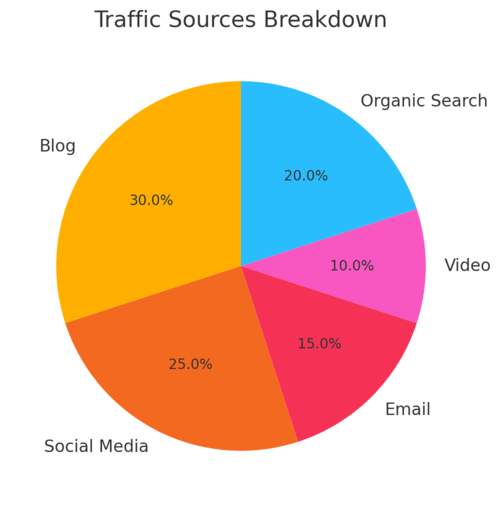
Content marketing builds long-term trust by helping customers before they buy. I’ve seen small businesses double their inbound leads simply by shifting focus from promotion to education.
Start A Blog That Solves Customer Pain Points
A blog isn’t about publishing for the sake of SEO — it’s about providing answers your customers actually need.
Start with questions people already ask. Tools like AnswerThePublic or Google’s “People also ask” section are goldmines for blog topics.
For example, a home repair company could write:
- “How to Fix a Leaky Faucet Without Calling a Plumber”
- “5 Ways to Lower Heating Bills This Winter”
Each post should follow a problem-solution structure and end with a soft call to action (CTA), like “Need professional help? Book your free inspection today.”
Keep paragraphs short and add visuals such as step-by-step photos or infographics — they improve readability and dwell time.
Use Video Content To Showcase Products Or Expertise
Videos outperform text in engagement across nearly every platform. I recommend starting with simple, smartphone-recorded clips instead of overproduced ads. Authenticity beats perfection every time.
Video ideas include:
- Product demos or tutorials
- Customer stories
- “Day in the life” behind-the-scenes clips
Post these on YouTube Shorts, Instagram Reels, or TikTok. If you’re using YouTube Studio, check Analytics → Audience → Returning viewers to see which topics bring repeat engagement.
Videos not only boost visibility but also keep customers watching longer, which directly improves brand recall.
Repurpose Content Across Different Platforms
You don’t need to reinvent the wheel with every post. One blog can fuel weeks of marketing content.
Here’s a simple workflow:
- Turn blog highlights into social media carousels.
- Record a short video summarizing the post.
- Extract key tips for your next newsletter.
Tools like Repurpose.io or Descript make this process effortless. Repurposing saves time, reinforces brand messaging, and increases reach without extra work.
Collaborate With Influencers Or Industry Partners
Collaboration expands your reach beyond your current audience. It’s not just about big influencers — micro-influencers (under 50K followers) often have higher engagement and credibility in niche markets.
Partner with creators who align with your brand values. For example, a fitness brand could team up with local trainers to co-create workout challenges or tutorials.
Track collaboration performance using affiliate links or promo codes unique to each partner. This ensures you know which collaborations actually drive sales.
Focus On Reputation Management And Customer Reviews
Your online reputation directly affects conversions.
A study from BrightLocal found that 87% of consumers read online reviews before making a purchase decision — that’s almost everyone.
Encourage Happy Customers To Leave Reviews
Satisfied customers often just need a little reminder. I suggest automating review requests through tools like Podium, Birdeye, or Google Business Profile’s messaging feature.
Example: After a service, send a message saying, “Thanks for choosing us! Could you take 30 seconds to share your experience on Google? It helps small businesses like ours grow.”
To make it frictionless, include a direct review link in your message or email.
Respond Professionally To Negative Feedback
Negative reviews happen, but they’re also an opportunity to show your professionalism.
Here’s a format that works well:
- Thank them for the feedback.
- Acknowledge the issue.
- Offer to resolve it offline.
For instance: “We’re sorry to hear your delivery was delayed. That’s not the experience we aim for. Please contact us directly so we can make it right.”
When potential customers see you respond calmly and helpfully, they’re more likely to trust you — even more than brands with only perfect reviews.
Showcase Testimonials On Your Website And Social Channels
Testimonials serve as social proof. Embed Google or Facebook reviews directly onto your homepage or landing pages.
If you use WordPress, plugins like WP Review Slider or EmbedSocial can pull real-time reviews from multiple platforms.
Also, turn top reviews into visual posts for Instagram Stories or LinkedIn updates. Just ensure you have permission from the customer before sharing their words publicly.
Use Reputation Monitoring Tools To Stay Ahead
Reputation monitoring tools track what people say about your business online, allowing you to react quickly.
Reliable options include:
- Google Alerts: Free and easy for brand mentions.
- Mention.com: Tracks social media, blogs, and forums.
- Brand24: Offers sentiment analysis to gauge tone.
I suggest setting daily alerts for your business name, products, and competitors. The faster you respond to feedback — good or bad — the more control you have over your brand narrative.
Pro Tip: Paid ads, content marketing, and reviews work best when combined. Ads drive attention, content builds trust, and reviews seal the deal. When your audience sees the same message across these touchpoints, they stop hesitating — and start buying.
Utilize CRM Systems To Strengthen Customer Relationships
Customer Relationship Management (CRM) systems are the backbone of modern small business marketing.
They help you organize leads, track communication, and nurture long-term relationships without juggling spreadsheets or sticky notes.
Choose A CRM That Fits Small Business Needs
Not all CRMs are built equally, and small businesses don’t need the complex setups that enterprise tools use. I suggest starting with lightweight, affordable systems designed for small teams.
Popular options include:
- HubSpot CRM: Free, user-friendly, and great for tracking customer interactions.
- Pipedrive: Excellent for visual pipeline management — you can drag and drop leads through stages like “Contacted” → “Qualified” → “Closed.”
- Zoho CRM: A balanced choice if you want sales automation and analytics at a low price.
When evaluating, look for:
- Ease of use (your team should actually want to use it).
- Integration options with your email, calendar, and ad platforms.
- Reporting dashboards that make sense at a glance.
I always recommend testing the free tier for two weeks before committing — you’ll quickly see if it fits your workflow.
Automate Follow-Ups And Lead Tracking
Automation saves time and ensures no lead slips through the cracks. With CRM workflows, you can set rules like: “If a new lead fills out a form, send a welcome email and assign them to a sales rep.”
In HubSpot, for example, go to Automation → Workflows → Create Workflow → Start from Scratch to build these triggers.
Benefits of automating follow-ups include:
- Consistent communication without manual reminders.
- Faster response times to new inquiries.
- The ability to scale outreach as your business grows.
I’ve seen businesses double conversions simply by sending an automated “Just checking in” email three days after a quote request. It keeps you top of mind without extra effort.
Use Data Insights To Personalize Communication
A CRM doesn’t just store contacts — it tells stories through data. Every call, email, and purchase leaves clues about customer behavior.
Use this data to segment customers into meaningful groups, such as:
- Repeat buyers
- High-value customers
- Leads that went cold
Once segmented, tailor your messaging. For instance, send a loyalty discount to repeat customers or a re-engagement offer to inactive leads.
Platforms like ActiveCampaign and HubSpot make this easy through dynamic personalization — inserting a person’s name, product interest, or last purchase right into the email automatically.
Personalization like this can boost click-through rates by up to 26%, according to Campaign Monitor.
Integrate CRM With Marketing Channels For Efficiency
When your CRM connects with your email, ads, and website, it becomes a true command center.
Here’s how to streamline your marketing setup:
- Email Marketing: Integrate Mailchimp or ConvertKit to sync contact lists and trigger campaigns automatically.
- Social Media Ads: Connect Meta or Google Ads to track which leads come from which campaigns.
- Website Forms: Embed lead capture forms that feed directly into your CRM database.
In practice, this looks like: HubSpot → Settings → Integrations → Connect App → Select Meta Ads or Gmail. Once linked, you can see every touchpoint — from the first click to the final sale.
The result? Fewer manual tasks and a clearer picture of what’s actually driving revenue.
Partner With Other Local Businesses To Expand Reach
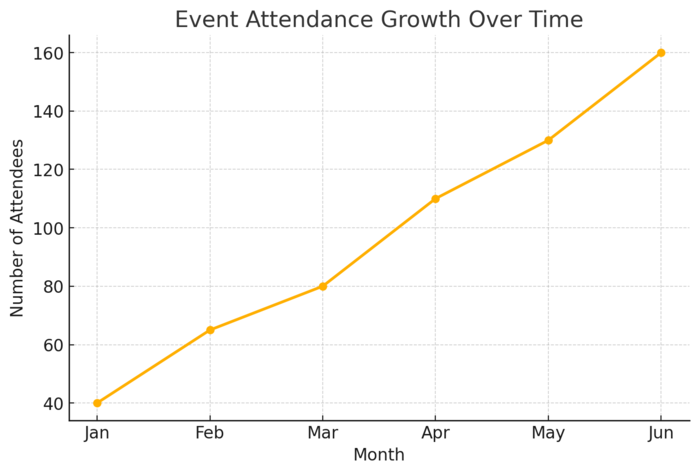
Partnership marketing is one of the most underrated growth levers for small businesses. It’s a way to reach new audiences without massive ad budgets — and it builds goodwill within your local community.
Identify Complementary Businesses For Collaboration
Look for businesses that serve the same audience but don’t compete with you. A coffee shop could partner with a bookstore. A fitness trainer could team up with a nutritionist.
To identify partners:
- Map out your customer’s journey — who else do they buy from before or after you?
- Check local directories or Facebook business groups.
- Reach out with a genuine win-win proposal.
Keep it simple. For instance, “I run a local cleaning business and noticed you manage several apartment complexes. Could we collaborate on a move-in special for your tenants?”
Run Joint Promotions Or Events
Collaborative events create buzz and build shared trust between audiences.
Examples include:
- A joint giveaway on Instagram where each brand contributes a prize.
- Hosting a small pop-up event at a shared venue.
- Co-branding a seasonal offer — like “Get 10% off at both stores this weekend.”
If you use event tools like Eventbrite or Canva, you can co-design digital flyers and track RSVPs easily.
Events don’t have to be big to be effective — I’ve seen businesses gain 50+ new customers from a simple local coffee tasting or charity fundraiser.
Cross-Promote On Social Media And Newsletters
Cross-promotion is the easiest partnership tactic with almost no cost.
You can:
- Swap shoutouts on Instagram or Facebook.
- Feature each other’s services in your email newsletters.
- Link to your partner’s offers in blog posts or resources.
The key is authenticity — only promote partners you genuinely trust. Your audience will feel it if the collaboration seems forced.
I advise tracking performance through custom UTM links or referral codes. This helps both sides see exactly how much engagement and traffic each promotion drives.
Track Partnership Results To Evaluate Success
Like any marketing effort, partnerships need data.
After each campaign, track:
- New leads generated.
- Social engagement metrics (shares, mentions, clicks).
- Actual conversions or revenue influenced by the partnership.
Use shared dashboards in Google Sheets or Airtable to make performance transparent. If something works — repeat it quarterly. If not, tweak the approach or try a new partner.
The best collaborations are long-term, not one-off experiments.
Monitor Marketing Analytics To Drive Continuous Growth
Data turns guesswork into strategy. Small businesses that regularly review their analytics are 3x more likely to grow year over year, according to a HubSpot study.
Set Key Performance Indicators (KPIs) For Each Channel
KPIs keep you focused on what actually matters.
Here’s how I suggest structuring them:
- Website: Organic traffic, bounce rate, conversion rate.
- Social Media: Engagement rate, follower growth, link clicks.
- Email Marketing: Open rate, click-through rate, unsubscribe rate.
- Ads: Cost per click (CPC), conversion rate, return on ad spend (ROAS).
Set monthly goals and review them using dashboards like Google Looker Studio (formerly Data Studio). This lets you visualize trends and spot weak points before they become costly.
Use Tools Like Google Analytics And Meta Insights
Google Analytics helps you understand how visitors find and behave on your site.
Quick path: Reports → Acquisition → Traffic Acquisition shows which channels bring the most visitors. Engagement → Pages and Screens reveals which pages hold attention longest.
For social data, Meta Insights (accessible under Meta Business Suite → Insights) breaks down post engagement, reach, and ad performance.
Combine both sources for a full-funnel view — from awareness to conversion.
Identify Which Campaigns Deliver The Best ROI
Use campaign tagging (UTM links) to track performance across all channels. In Google Analytics, you can check Reports → Acquisition → Campaigns to see which ones drive the highest ROI.
If you notice that paid ads drive more clicks but fewer conversions than organic traffic, it’s a sign to adjust messaging or landing pages.
Always prioritize what delivers profit, not just traffic. I like to rank campaigns by “Revenue per $100 Spent” — a simple but powerful metric for small businesses.
Adjust Strategies Based On Real Data, Not Guesswork
The best marketers treat data like a compass, not a scoreboard. Review metrics weekly, test one change at a time, and document what works.
For example:
- If email open rates drop, test new subject lines.
- If social engagement dips, experiment with short-form video.
- If ad costs rise, narrow your targeting.
I suggest running monthly “strategy sprints” where you and your team analyze data, brainstorm improvements, and update your next month’s plan accordingly.
Create A Sustainable Marketing Plan For Long-Term Success
Short-term wins are great, but sustainable marketing keeps your business growing steadily — even when trends shift.
Set Realistic Monthly And Quarterly Goals
Unrealistic goals cause burnout. Instead, break big objectives into manageable targets.
Example:
- Quarter 1: Grow email list by 500 subscribers.
- Quarter 2: Increase website traffic by 25%.
- Quarter 3: Launch first retargeting campaign.
Tools like ClickUp or Notion can help visualize and track progress. Review goals every quarter and adjust based on performance and capacity.
Balance Organic And Paid Marketing Strategies
A healthy mix keeps your brand visible in both short and long-term contexts.
- Organic marketing builds trust and authority (SEO, blogging, social media).
- Paid marketing drives instant visibility (Google Ads, Meta Ads).
I recommend following a 70/30 rule — 70% organic, 30% paid — adjusting as results evolve. This balance ensures stability without over-reliance on ads.
Reinvest Profits Into High-Performing Channels
Once you know what’s working, double down on it. If email marketing consistently delivers the best ROI, allocate more budget there.
Track ROI monthly and use that data to guide reinvestment decisions. For example, if Google Ads bring a 4x return, increasing the budget by 20% could lead to even stronger growth.
This reinvestment mindset compounds over time, turning short-term wins into sustainable gains.
Stay Adaptable As Market Trends Evolve
Trends change fast. What worked two years ago may not work next quarter. Keep learning and testing.
Follow updates from trusted sources like HubSpot Blog, Search Engine Journal, or Social Media Examiner. Attend webinars or join online communities in your niche.
I believe adaptability is the small business superpower — because flexibility often beats size in today’s fast-changing marketing landscape.
Pro Tip: Sustainable marketing isn’t about doing everything — it’s about doing the right things consistently. Stay curious, measure what matters, and keep refining. Over time, small, smart actions compound into lasting growth.

I’m Juxhin, the voice behind The Justifiable.
I’ve spent 6+ years building blogs, managing affiliate campaigns, and testing the messy world of online business. Here, I cut the fluff and share the strategies that actually move the needle — so you can build income that’s sustainable, not speculative.
Related posts:
 How an Online Subscription Business Can Help You
 High Converting Sales Funnel: The Ultimate Guide to Boosting Your Revenue
 How to Grow Online Business: Top 10 Strategies Used by Industry Leaders
 Zoho CRM Pricing Hacks: Save Big on Your Subscription
 Freshteam by Freshworks Review: Best HR Tool for SMBs?
 How to Grow an Online Business That Scales While You Sleep