Table of Contents
Some links on The Justifiable are affiliate links, meaning we may earn a small commission at no extra cost to you. Read full disclaimer.
When you think about the most popular blogs today, you probably picture massive audiences, viral posts, and creators who seem to effortlessly grow their reach—and income—every month.
But here’s the truth: those big-name blogs didn’t just get lucky. They followed proven strategies, built around consistent value, audience trust, and smart monetization.
Whether you’re dreaming of turning your passion into profit or scaling your existing blog faster, understanding what makes these top performers so successful can completely change your approach.
Let’s explore the most popular blogs that earn big and grow fast—and more importantly, what they’re doing right.
How Lifestyle Blogs Became Some Of The Most Popular Blogs
Lifestyle blogs have become some of the most popular blogs on the internet because they blend personal storytelling with real-life relatability.
They don’t just share tips—they make readers feel seen.
The Power Of Authentic Storytelling In Lifestyle Blogging
What truly sets lifestyle blogs apart is authentic storytelling. The most successful creators, like Cup of Jo or The Everygirl, don’t hide behind perfect filters. They share everyday wins and struggles—the kind you’d tell a close friend over coffee.
When you tell stories that feel real, people connect. Readers don’t just come for advice; they come back for you. That’s the heart of what builds loyalty.
A few quick ways to strengthen your storytelling:
- Be transparent: Share both the wins and the mess-ups.
- Write like you speak: Drop the jargon; use your natural voice.
- Show personality: Use humor, emotion, or vulnerability.
I’ve seen blogs triple engagement simply by replacing polished brand-speak with honest, conversational writing. Readers crave connection, not perfection.
Building A Community Through Relatable Daily Content
Lifestyle bloggers who grow fast don’t just post—they connect daily. This means showing up consistently, not only with blog posts but through comments, Instagram stories, and newsletters.
They share snippets of daily life that feel relatable: the morning routine that didn’t go as planned, a quick home-cooked meal, or even a failed DIY. It’s this consistency and authentic peek behind the curtain that builds emotional bonds.
Here’s what works well:
- Respond to readers: When someone comments, reply with warmth and curiosity.
- Ask for opinions: Turn one-way posts into two-way conversations.
- Host mini challenges: Small, interactive experiences make readers feel involved.
Think of your blog as a living community, not just a content platform. The deeper the relationship, the stronger the growth.
How Lifestyle Bloggers Monetize Through Affiliate Links And Brand Deals
Once a lifestyle blog builds trust, monetization naturally follows. The key is alignment—only promoting products you genuinely use or believe in. Readers can spot a cash-grab from a mile away.
Lifestyle bloggers often earn through:
- Affiliate links: Partnering with platforms like Flexoffers or Awin to earn commissions from recommended products.
- Brand sponsorships: Collaborating with companies that match their values or audience interests.
- Digital products: Selling planners, presets, or e-books tied to their lifestyle niche.
The secret? Integration. The most successful bloggers weave monetization seamlessly into storytelling—so recommendations feel helpful, not salesy.
For instance, a post titled “My Morning Routine That Actually Works” might naturally include affiliate links to the skincare products used, without disrupting the flow.
Why Personal Finance Blogs Dominate Search And Earnings
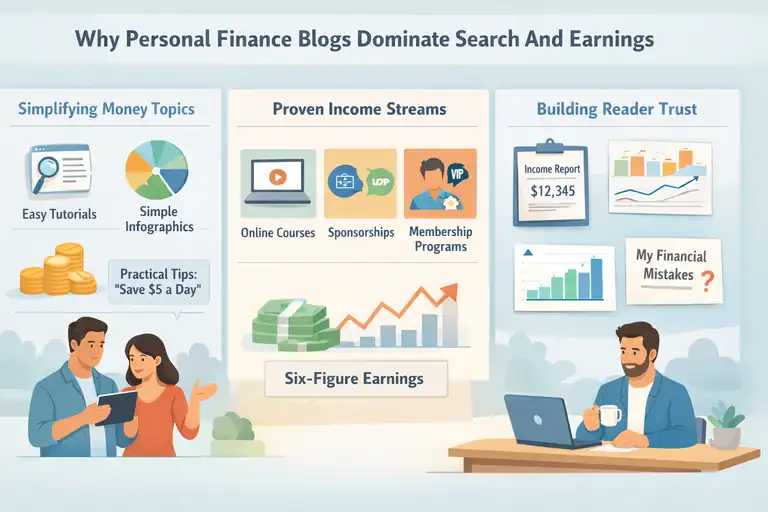
Personal finance blogs have exploded in popularity because they solve a universal problem: money stress.
They simplify complex financial ideas into practical, relatable advice that helps readers feel more confident managing their money.
Simplifying Complex Money Topics For Everyday Readers
The best personal finance blogs, like The Penny Hoarder or Millennial Money, thrive because they make intimidating concepts understandable.
They break down financial jargon—terms like “index funds” or “compound interest”—into plain language, using examples and analogies. For instance, explaining compound interest as “earning interest on your interest” instantly makes it click for beginners.
Some helpful ways to simplify financial content:
- Use stories and examples: “When I started saving $5 a day…” feels more real than numbers alone.
- Visualize data: Simple infographics make big ideas digestible.
- Be practical: End each post with one small action readers can take.
In a niche filled with technical writing, simplicity wins trust—and traffic.
Proven Income Streams: Courses, Sponsorships, And Memberships
Finance blogs are powerhouses when it comes to monetization because they teach valuable skills that people will pay to learn.
Common income sources include:
- Online courses: Teaching budgeting, investing, or debt management through platforms like Teachable or Thinkific.
- Sponsorships: Collaborating with banks, fintech tools, or investment apps.
- Membership programs: Offering premium communities or personalized coaching.
Take Making Sense of Cents as an example—it began as a personal finance blog and now earns over six figures a month, largely from affiliate partnerships and courses.
The big lesson? Finance readers are action-driven. When your content helps them take real steps—like saving more or investing confidently—they’re happy to invest in learning more.
How Transparency Builds Reader Trust In The Finance Niche
Money is personal—and readers don’t want advice from faceless brands. They want authenticity. The top personal finance bloggers share their own financial journeys, including missteps and lessons learned.
Being transparent might mean:
- Sharing income reports or debt payoff progress.
- Admitting when a financial experiment didn’t go as planned.
- Using screenshots or examples to show real results.
This openness builds massive trust. It’s why readers follow these bloggers for years—not just for tips, but because they feel guided by someone real.
I believe that’s why transparency is one of the biggest success factors behind the most popular finance blogs today.
The Secret Behind Tech Blogs’ Rapid Growth
Tech blogs grow fast because they sit at the intersection of innovation, curiosity, and demand.
People constantly seek fresh updates, comparisons, and how-to guides for the latest tools and gadgets.
Staying Ahead Of Trends With Fresh, Timely Insights
The fastest-growing tech blogs aren’t just reporting news—they’re predicting what’s next. Sites like TechCrunch and The Verge gain authority because they publish early, often, and with context.
Here’s what keeps them ahead:
- Tracking industry updates daily: Subscribing to developer feeds, press releases, and beta announcements.
- Providing interpretation, not repetition: Explaining why an update matters to users.
- Publishing quickly but accurately: In tech, timing is everything.
For smaller tech bloggers, staying relevant means focusing on niches—like AI tools, cybersecurity, or smart home devices—and providing unique insights, not just regurgitated specs.
Using SEO And Data To Drive Targeted Organic Traffic
Tech blogs rely heavily on SEO because users search for highly specific queries like “best AI writing tools” or “how to fix a Windows 11 error.”
To rank and grow fast, successful bloggers:
- Research long-tail keywords using tools like Ahrefs or SE Ranking.
- Use schema markup to improve visibility in Google’s snippets.
- Update older posts regularly to stay current and competitive.
From what I’ve seen, tech blogs that audit their content every quarter tend to double their organic traffic within a year. It’s a data-driven niche—so analytics isn’t optional; it’s the growth engine.
Monetization Models: Ads, Product Reviews, And Digital Tools
Monetizing a tech blog usually comes down to three main streams:
- Display ads: Using networks like Monetag or Raptive for consistent revenue.
- Affiliate reviews: Partnering with tech brands or software companies through Awin or Impact.
- Digital tools and courses: Selling templates, tutorials, or e-books about mastering tech.
Some blogs, like Android Authority, have even expanded into YouTube and podcasting, diversifying income while deepening audience trust.
If there’s one takeaway here, it’s this: Tech blogs grow fastest when they combine authority with accessibility. Explain complex tools in simple terms, back claims with data, and stay curious enough to evolve with every update.
How Food Blogs Turn Passion Into Profitable Brands
Food blogs are among the most popular blogs in the world because they blend creativity, comfort, and culture into every post.
What starts as a love for cooking can easily evolve into a thriving brand when passion meets strategy.
Recipe SEO And Visual Storytelling That Captures Readers
Search engines love recipes—but only if they’re optimized the right way. Recipe SEO means structuring posts so Google understands and rewards them with visibility.
Here’s what top food bloggers do:
- Use schema markup: It’s a bit of code that tells Google a post includes a recipe, making it eligible for “rich results” (those attractive snippets with star ratings and cook times).
- Write descriptive titles: Instead of “Chocolate Cake,” say “Moist Chocolate Cake with Espresso Frosting.”
- Add step-by-step visuals: Readers engage more when they can see each stage.
But it’s not just about optimization—it’s storytelling. The best blogs weave in emotion: a family memory, a cultural tie, or the feeling that inspired the dish.
For instance, Smitten Kitchen shares recipes that read like letters from a friend. That personal narrative, paired with clear SEO structure, keeps both Google and readers happy.
The Role Of High-Quality Photography And Video Tutorials
In the food blogging world, visuals sell the story. A great recipe can be ignored if the photo doesn’t make someone’s mouth water.
Successful bloggers invest in lighting, camera quality, and composition—but even smartphone photos can look amazing with natural light and thoughtful styling.
Some quick tips that make a big difference:
- Shoot in daylight: Avoid harsh artificial lighting.
- Use props: Simple utensils or fabrics create warmth and realism.
- Edit lightly: Keep food looking natural, not overly filtered.
Video tutorials have also become essential. Short clips on YouTube or Instagram Reels help build brand trust and drive traffic back to the blog.
In my experience, showing your hands in the frame adds a sense of personality and connection—viewers feel like they’re cooking with you.
Ways Food Bloggers Diversify Income: Cookbooks, Courses, And Ads
The beauty of food blogging is how flexible income streams can be. Once your content earns trust, opportunities expand quickly.
Here are the most common revenue paths:
- Cookbooks: Turning your best recipes into print or digital collections. Self-publishing on Amazon KDP or partnering with publishers like Chronicle Books works well.
- Online courses: Teaching baking, meal prep, or photography through platforms like Teachable.
- Display ads: Using ad networks like Mediavine to generate passive income from traffic.
- Affiliate links: Recommending kitchen tools or ingredients through programs on Awin or Impact.
For example, Half Baked Harvest has built a brand empire using all four models—proof that a food blog can evolve into a powerful lifestyle brand with the right mix of creativity and consistency.
Travel Blogs That Inspire Millions And Earn Big
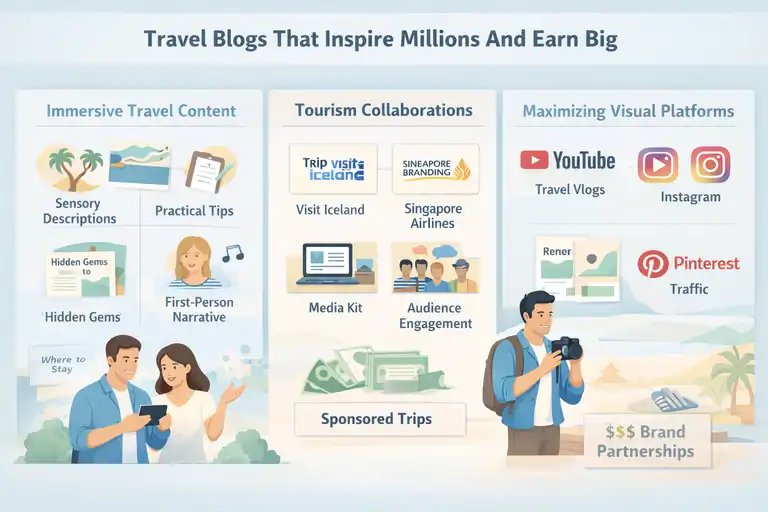
Travel blogs thrive because they fuel the dream of exploration. They take readers beyond destinations—into the experience of travel itself.
The most popular travel blogs combine inspiration with practical advice, earning loyal audiences and steady income.
Crafting Immersive Content That Feels Like A Journey
The key to a successful travel blog is immersion. You want readers to feel the air of Marrakech or hear the waves in Santorini.
To achieve this, focus on sensory storytelling:
- Describe smells, textures, and sounds.
- Mix practical travel details with emotion.
- Use first-person narrative to create intimacy.
For instance, The Blonde Abroad and Expert Vagabond excel at turning itineraries into stories that resonate deeply. Their content doesn’t just list places—it lets you experience them.
And don’t overlook structure: using clear subheadings like “Where to Stay” or “Hidden Gems” helps both SEO and reader navigation.
Partnering With Tourism Boards And Travel Brands
Once a blog builds credibility, partnerships open doors—literally. Tourism boards often invite bloggers for sponsored trips to showcase destinations.
To secure these deals, focus on:
- Professional branding: Keep a polished media kit and strong social proof.
- Audience engagement: Brands prefer creators with active, loyal followers over large but passive audiences.
- Transparency: Always disclose sponsorships honestly.
One travel blogger I worked with grew her brand income by 70% after landing partnerships with Visit Iceland and Singapore Airlines. The key was aligning her storytelling style with the brand’s vision.
How Successful Travel Bloggers Leverage YouTube And Instagram
Visual platforms are a lifeline for travel creators. YouTube brings long-form storytelling; Instagram captures short bursts of inspiration.
Here’s how top bloggers use them:
- YouTube: Share travel vlogs, packing guides, or destination reviews.
- Instagram: Post Reels or carousels that highlight moments, not just places.
- Pinterest: Drive traffic back to the main blog through vertical travel pins.
A consistent posting schedule and cross-promotion between platforms can significantly boost reach. Many bloggers now earn more from YouTube ad revenue and brand collaborations than from the blog itself.
The takeaway: Don’t just document travel—curate experiences across platforms.
Why Health And Wellness Blogs See Explosive Growth
Health and wellness blogs have surged in popularity because readers crave credible, balanced information.
These blogs blend personal experience with evidence-backed advice, helping readers make informed, positive lifestyle changes.
Building Authority With Research-Based, Actionable Advice
In wellness blogging, credibility is everything. Readers want advice that’s both relatable and reliable.
To build authority:
- Cite credible sources: Reference studies from institutions like Harvard Health or Mayo Clinic.
- Combine science with story: Share your personal journey alongside verified information.
- Offer actionable steps: Break complex ideas into doable daily habits.
Take MindBodyGreen, for example—it gained traction by turning research-heavy topics into easy-to-digest wellness practices. That mix of science and simplicity builds deep trust.
The Rise Of Wellness Products And Coaching Services
As wellness blogs grow, many evolve into personal brands offering products and coaching.
Common monetization paths include:
- E-books and digital guides: Covering topics like mindfulness or nutrition.
- Online coaching: Personalized fitness or mindset sessions using platforms like Zoom or Practice.
- Affiliate partnerships: Promoting vitamins, supplements, or fitness equipment.
I’ve noticed many bloggers increase earnings significantly after launching their own products—it shifts income from passive to personal, deepening reader connection.
Creating Long-Term Loyalty Through Trust And Expertise
Health blogs succeed long-term when readers feel safe returning for advice. That loyalty comes from consistency and care.
You build it by:
- Posting regularly with quality over quantity.
- Engaging compassionately in comments and email responses.
- Admitting when something is a personal opinion, not medical advice.
Readers appreciate honesty. Over time, trust compounds like interest—it’s slow at first but powerful once established.
The Blogging Powerhouses In The Fashion Industry
Fashion blogs are not just style diaries anymore—they’re full-scale digital brands.
Many of today’s most popular blogs in this niche influence global trends, launch products, and lead collaborations with top designers.
The Influence Of Personal Branding In Fashion Blogging
In fashion, you are the brand. Readers don’t just follow outfits—they follow personalities.
Building a strong personal brand means:
- Defining a signature style.
- Being consistent in tone and aesthetic.
- Sharing behind-the-scenes content to humanize your image.
For instance, Atlantic-Pacific built a loyal following by combining bold visuals with authenticity. What makes it work isn’t just fashion sense—it’s voice, trust, and relatability.
Collaborations With Designers And Retail Brands
Fashion bloggers often move from content creators to brand collaborators.
These partnerships can include:
- Capsule collections with major retailers.
- Sponsored campaigns with fashion houses.
- Ambassadorships that last beyond one-off deals.
A key tip: start with smaller brands that align with your niche before aiming for larger collaborations. This builds credibility and case studies you can showcase later.
I’ve seen bloggers double their audience after one well-aligned collaboration—it’s about finding mutual value, not just exposure.
Expanding Reach Through TikTok And Visual Platforms
TikTok has completely changed the game for fashion blogging. Its short, engaging videos allow creators to show outfit transitions, styling hacks, and daily looks in seconds.
To grow effectively:
- Post consistently: Frequency beats perfection.
- Engage trends creatively: Use popular sounds but make them fit your personal style.
- Repurpose content: Share TikTok clips on Instagram Reels and YouTube Shorts.
This multi-platform strategy is how new bloggers grow faster today than traditional websites alone. When visuals meet personality, fashion content spreads naturally—and that’s how modern fashion bloggers turn style into sustainable success.
How Parenting Blogs Built Massive, Loyal Audiences
Parenting blogs have become some of the most popular blogs online because they offer something deeply human—comfort, relatability, and community.
These blogs don’t just share parenting tips; they give parents a place to breathe, laugh, and feel understood.
Sharing Real-Life Parenting Struggles That Build Connection
The secret behind most successful parenting blogs isn’t picture-perfect homes—it’s honesty. Readers connect with stories that reflect their own chaos, exhaustion, and small victories.
When a blogger shares that their toddler threw cereal across the room, or that they cried in the car after a sleepless night, readers don’t judge—they exhale. It’s the authenticity that builds community.
If you’re starting a parenting blog, here’s what helps:
- Write as if talking to a friend: Keep it raw, imperfect, and heartfelt.
- Mix humor with empathy: Parenting can be hard, but laughter helps.
- Share lessons, not lectures: Readers want stories that teach, not preach.
In my experience, posts that start with vulnerability (“Yesterday, I completely lost my patience…”) often outperform polished “how-to” guides. Real connection always wins.
Creating Helpful Resources And Guides For New Parents
Once you’ve built trust, readers naturally look to you for guidance. The best parenting blogs balance personal stories with actionable resources—checklists, schedules, or printable trackers that make life easier.
Some practical examples:
- Sleep charts: Simple, visual guides for newborn sleep routines.
- Meal plans: Weekly templates for easy family dinners.
- Development milestones: Age-based summaries parents can reference.
A blogger I follow, for example, created a “Newborn Essentials” checklist that went viral because it was practical, printable, and non-judgmental. That one resource tripled her newsletter sign-ups in a week.
The takeaway: Be useful first, then inspirational. Parents don’t need perfection—they need relief.
Turning Parenting Blogs Into Sustainable Income Streams
Monetizing a parenting blog comes naturally once you’ve built community and trust. Most creators focus on authentic alignment—only recommending products or services that truly help families.
Popular income streams include:
- Affiliate marketing: Promoting baby gear, toys, or parenting books through networks like Awin or Amazon Associates.
- Digital products: Creating e-books, printables, or online parenting workshops.
- Sponsorships: Partnering with family-friendly brands or wellness companies.
- Ads and memberships: Offering premium access to extra resources or private groups.
I’ve seen bloggers earn steady monthly income by turning their free content into structured mini-courses—think “Toddler Tantrum Tactics” or “Back-to-School Survival.” When the content genuinely helps, monetization feels natural, not pushy.
Emerging Niches Among The Most Popular Blogs
The blogging world keeps evolving, and new niches are rising fast. While the classic categories like food and travel remain strong, emerging topics such as sustainability, productivity, and mindful living are gaining serious traction.
The Rise Of Sustainability And Eco-Living Content
Eco-living blogs are booming as readers become more conscious of their impact on the planet. These blogs thrive because they offer practical eco-swaps instead of guilt.
To stand out in this niche:
- Focus on realistic sustainability—what families or individuals can actually maintain.
- Review eco-products honestly, explaining both pros and limitations.
- Share easy starter challenges (like a “30-Day Plastic-Free Home” series).
A blog I love, Going Zero Waste, grew exponentially by mixing optimism with education. The lesson? Inspire action, not shame. Readers want progress, not perfection.
Growth Of Career And Productivity-Focused Blogs
As remote work and freelancing rise, blogs about productivity and career growth have exploded in popularity. They attract readers who want balance—how to be productive without burning out.
What works best here is experience-based advice.
For example:
- Share your personal workflow setup or daily routine.
- Review tools like Notion or Trello but explain how they fit into real life.
- Create templates for planners or habit trackers.
These blogs also monetize easily through digital products and memberships. One blogger I know built a thriving business selling “Focus Planner” PDFs that readers download after reading her productivity guides.
How Niche Communities Build Faster Engagement
The biggest shift in blogging right now is this: smaller audiences, deeper relationships. Niche communities grow faster because they feel personal.
For example, a micro-niche blog about “eco-parenting in small apartments” can outperform a broad sustainability site in engagement and loyalty.
Why? Because readers feel seen.
To grow a niche community:
- Define a very specific reader.
- Offer interactive spaces like private Discord groups or email communities.
- Create feedback loops—ask readers what they want to learn next.
In a crowded digital space, being deeply specific is more powerful than being broadly visible.
Expert Tips To Grow Your Blog Like The Pros
Every thriving blog, regardless of niche, shares one thing in common: a strategic balance between passion and patience. If you want to grow fast and sustainably, learn from how the pros operate.
Finding Your Unique Voice And Audience Sweet Spot
Your voice is what makes readers stay. It’s not just what you write—it’s how you make them feel.
To find your unique voice:
- Write like you talk, not like you think a “blogger” should.
- Share your point of view even when it’s different—it builds authenticity.
- Watch what readers respond to most and lean into those topics.
Your audience sweet spot sits where your expertise meets their needs. For example, if you love mindfulness and productivity, your angle could be “calm productivity”—a distinct niche that attracts your perfect readers.
Consistency, Patience, And Smart SEO Strategy
Consistency isn’t just about posting often—it’s about showing up with intention. A blog that publishes weekly, with high-quality posts optimized for search, often outperforms one that publishes daily with low effort.
Here’s a quick roadmap:
- Batch content: Plan 3–4 posts at a time to stay ahead.
- Use SEO tools: SE Ranking or Ahrefs help you target keywords strategically.
- Update old content: Refresh older posts quarterly to boost rankings.
In my experience, SEO rewards patience. Most blogs don’t see major traffic until month six—but those who stick with it often see exponential growth by year two.
Using Analytics To Refine What Works And Scale Faster
Analytics tell you what your audience really loves—not just what you think they do.
Focus on:
- Traffic patterns: Which posts bring the most visitors?
- Engagement rates: How long do readers stay on a page?
- Conversions: Which posts lead to email signups or sales?
Use tools like Google Analytics 4 and Hotjar to understand user behavior visually. For example, if readers only scroll halfway down a post, your intros might be too long—or your CTA too far down.
Scaling a blog isn’t about doing more; it’s about doing what works better.
Final Thoughts: What All Successful Blogs Have In Common
After exploring so many niches, one truth stands out: the most popular blogs grow big because they start small—with intention.
They focus on connection, value, and consistency long before profit.
Commitment To Quality And Long-Term Value
Every lasting blog succeeds because it delivers real, long-term value. That means creating content worth revisiting—guides, recipes, or advice that stays relevant.
If you ever feel stuck, focus on one question: Is this post helping someone right now?
That simple mindset shift can transform both your writing and your results.
Diversified Income Streams For Stability
The smartest bloggers don’t rely on a single income source. They mix:
- Affiliate marketing for steady commissions.
- Digital products for scalable revenue.
- Sponsorships and ads for predictable monthly income.
Diversification creates financial stability and reduces stress, which means you can focus on creativity instead of constant survival mode.
A Relatable, Authentic Voice That Keeps Readers Coming Back
At the end of the day, people read blogs because they feel connected to the person behind the words.
Be real. Be human. Let your quirks show.
From what I’ve seen, authenticity isn’t just good branding—it’s the foundation of every successful blog story.If you can stay true to your voice while delivering genuine value, your blog won’t just grow—it’ll last.
FAQ
What are the most popular blogs that earn big today?
The most popular blogs that earn big today include top names in niches like food, travel, personal finance, lifestyle, and fashion, such as Pinch of Yum, The Blonde Abroad, and Making Sense of Cents.
How do the most popular blogs grow so fast?
They grow fast by focusing on consistent content, SEO optimization, audience engagement, and multiple income streams like affiliate marketing, ads, and digital products.
Can new bloggers still build one of the most popular blogs?
Yes. With quality content, patience, and smart strategy, new bloggers can still create one of the most popular blogs by targeting a specific niche and building trust with their audience.

I’m Juxhin, the voice behind The Justifiable.
I’ve spent 6+ years building blogs, managing affiliate campaigns, and testing the messy world of online business. Here, I cut the fluff and share the strategies that actually move the needle — so you can build income that’s sustainable, not speculative.