
Table of Contents
Some links on The Justifiable are affiliate links, meaning we may earn a small commission at no extra cost to you. Read full disclaimer.
A SaleHoo wholesale sources review usually comes down to one question: can you actually trust the suppliers enough to build a real business on top of them? That is the right question to ask, because a supplier directory is only useful if it saves you time, helps you avoid scams, and gives you a realistic path to profit.
In this review, I’ll break down what SaleHoo Wholesale Sources does well, where it falls short, who it is best for, and whether the suppliers seem legitimate based on how the platform vets them and how the product performs in the real world.
What SaleHoo Wholesale Sources Actually Is
Before you decide whether the suppliers are legit, it helps to understand what SaleHoo is selling. This is not a wholesaler itself. It is a supplier directory and sourcing platform that helps you find wholesalers, dropshippers, and manufacturers.
How The Directory Works
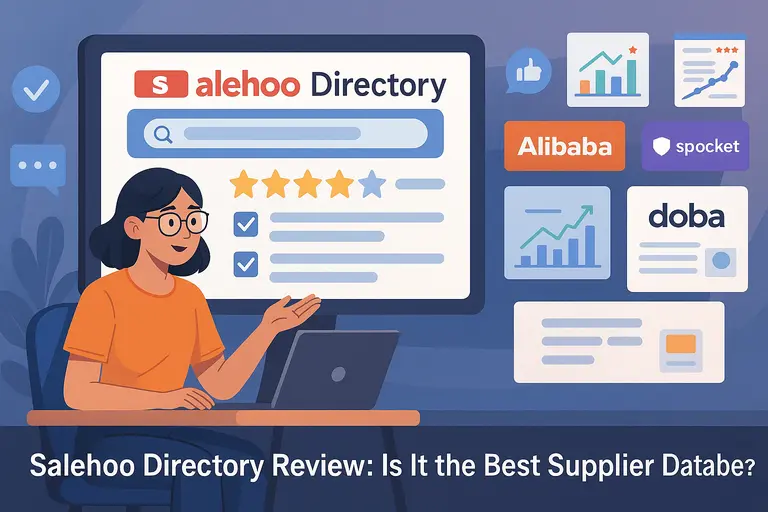
If you are brand new, here is the simple version. SaleHoo gives you a searchable database of more than 8,000 pre-vetted suppliers, along with filters for supplier type, location, shipping regions, and minimum order quantity. You are not buying products from SaleHoo directly. You use the directory to identify suppliers, compare options, and contact them yourself.
That matters because many beginners confuse a supplier directory with a done-for-you fulfillment platform. SaleHoo is closer to a research and sourcing shortcut. In practice, it sits between random Google searching and building direct manufacturer relationships from scratch. That middle ground is valuable, especially if you do not yet know how to spot warning signs like vague supplier information, weak communication, or unrealistic pricing.
From what I’ve seen, the biggest practical benefit is not “instant profit.” It is reducing the chaos of early-stage sourcing. Instead of wasting days searching forums, spreadsheets, and sketchy directories, you start with a pool that SaleHoo says has already been checked. That does not remove your need to verify each supplier yourself, but it can cut out a lot of obvious junk.
What You Get Inside The Platform
The core offer is access to vetted supplier contacts. SaleHoo also highlights product sourcing support, built-in communication tools, saved favorites, and filters that help you narrow suppliers by business model or geography. On newer pricing pages, the company also bundles broader eCommerce features and research tools into some plans, which means the product is trying to be more than just a static list.
That broader positioning is worth paying attention to. If you only want a giant phonebook of wholesalers, you may not care about extra training or product research layers. But if you are a beginner who needs structure, those extras can make the learning curve less painful. In my experience, beginners rarely fail because they cannot find any supplier. They fail because they choose products too quickly, misread margins, or contact suppliers without knowing what to ask. A directory with context can help more than a raw list.
Here is the honest tradeoff: SaleHoo is useful because it narrows the field, not because it magically guarantees success. You still need to compare pricing, request samples, ask about shipping times, and test supplier responsiveness yourself. If you expect the platform to remove all supplier risk, you will probably be disappointed. If you expect it to help you source faster and more safely, it makes a lot more sense.
Are The SaleHoo Suppliers Legit?
This is the core of the review. The short answer is that SaleHoo appears to host real, legitimate suppliers, but that does not mean every supplier will be perfect for your store or margin structure.
Why The Supplier Pool Looks Legitimate
SaleHoo’s own language is very consistent here. The company says the directory contains vetted, verified suppliers and that its purpose is to help sellers avoid scams and find trustworthy sourcing partners. Its support documentation also explains that suppliers are screened and then categorized by business model, region, and ordering requirements.
That does not prove every supplier is amazing, but it does suggest the platform is not just scraping random contact pages and calling it a directory. There is a meaningful difference between “we found names on the internet” and “we reviewed suppliers enough to make vetting part of the value proposition.” SaleHoo has been around for years, and the company continues to position supplier trust as the main reason to join. That consistency matters in a niche where low-quality directories come and go.
There is also external signal from customer feedback. On Trustpilot, SaleHoo currently shows a 4.1 rating from 459 reviews, which is not flawless, but it is much stronger than what you usually see from outright scam operations. Scammy platforms tend to leave a trail of unresolved payment complaints, fake promises, and no meaningful support presence. SaleHoo’s profile looks more like a legitimate company with mixed but generally positive customer experiences.
What “Legit” Does And Does Not Mean Here
This is where many reviews get sloppy. A legit supplier directory is not the same thing as a guarantee of high margins, fast shipping, or perfect communication. A supplier can be real and still be a bad fit for your business. They might have high minimum order quantities, slower response times, weak branding support, or pricing that leaves almost no room for profit.
Imagine you are running a small home decor store. You find a real wholesaler with stable inventory and proper business details. Great. But if their MOQ is too high for your cash flow, or if they only ship from overseas and your customers expect fast domestic delivery, that supplier is “legit” but still wrong for your store. That is why supplier legitimacy is only step one. Business fit is step two, and profit math is step three.
I believe that is the right way to judge SaleHoo. The platform seems credible as a directory of actual suppliers. What it cannot do for you is make weak product economics disappear. If you go in expecting supplier verification, sourcing efficiency, and a better starting point than random searching, the value feels real. If you go in expecting automatic winning products, it will feel underwhelming.
My Verdict On Supplier Trust
Based on SaleHoo’s official claims, support documentation, public pricing pages, and current third-party review profile, I would treat the suppliers as broadly legitimate enough to research and contact with confidence.
But I would still verify every supplier before placing money on the line. Here is the standard checklist I recommend:
- Step 1: Confirm the supplier’s business name, address, and contact details match what you see in the directory.
- Step 2: Ask for a current catalog, wholesale pricing, and shipping terms.
- Step 3: Request samples before committing to a larger order.
- Step 4: Clarify returns, damaged inventory handling, and restock timing.
- Step 5: Test communication speed with a few pre-sale questions.
That is the practical middle ground. SaleHoo can help you avoid obvious scams, but you still need to do normal supplier due diligence like any serious seller would.
Pricing, Plans, And Whether It Feels Worth It
A supplier directory lives or dies on value. Even legitimate suppliers do not help much if the platform fee feels hard to justify. This is where SaleHoo is more nuanced than some reviews admit.
Current Pricing Snapshot
SaleHoo’s official pricing page currently lists plans starting at $9 per month, billed annually, with higher-tier plans going much further. The pricing page also references one-time lifetime access on some tiers, a 60-day money-back guarantee, 8,000+ vetted suppliers, and support for product research and store connections on broader plans.
For the core directory-style access discussed across SaleHoo’s comparison and pricing materials, the entry point commonly appears as $108 annually, with a lifetime option around $299 in several SaleHoo pages.
| Plan View | What It Suggests | Best For |
|---|---|---|
| Entry-level annual access | Lower-cost way to test the directory | New sellers validating one niche |
| Lifetime-style access | Better long-term value if you will use it for years | Buyers who source often |
| Higher tiers | More research, imports, store connections, and support | Growth-focused sellers or teams |
What I like here is that the entry price is not outrageous for a sourcing tool. If one supplier relationship saves you from a bad order or helps you land a repeatable product line, the platform can pay for itself quickly. What I do not like is that SaleHoo’s product packaging has expanded over time, so the pricing conversation is now broader than “simple wholesale directory access.” That can make plan comparisons a little confusing if you only want supplier discovery.
When The Cost Makes Sense
The cost makes the most sense in three situations. First, you are new and want a safer starting point than random web searches. Second, you are testing multiple niches and need a faster way to compare suppliers. Third, you value time savings enough that a curated list is worth more than manually building one.
It makes less sense if you already have strong sourcing relationships, attend trade shows regularly, or know exactly which manufacturers you want to contact. In that case, you may be paying for convenience rather than unique access. That is not always bad, but it changes the ROI calculation.
My honest take is that SaleHoo is not expensive enough to be risky for a serious beginner, especially with the 60-day guarantee. The bigger risk is joining before you know your niche, target customer, and business model. A directory cannot fix fuzzy strategy.
What SaleHoo Does Well For Beginners
This is where SaleHoo earns its reputation. The platform is clearly designed to reduce friction for people who are still figuring out how supplier sourcing works.
It Simplifies Supplier Discovery
Supplier discovery sounds simple until you actually try it. You search for a product, find ten supplier-looking sites, realize half are middlemen, two are outdated, one looks suspicious, and another wants a huge MOQ before you even know if the product will sell. SaleHoo reduces that mess by giving you structured filtering from the start.
You can sort suppliers by wholesale, dropshipping, or manufacturing options, narrow by region, and look for shipping coverage that matches your market. That is especially useful if you sell in the US or UK and do not want to discover too late that your chosen supplier only ships efficiently into a different region.
For many beginners, this is the real value: not “exclusive secret suppliers,” but less decision fatigue. I suggest treating the directory like a shortlist generator. Pull 5 to 10 plausible suppliers, compare them side by side, and then begin direct outreach.
It Encourages Better Vetting Habits
A lot of new sellers obsess over product ideas and ignore supplier process. That usually ends badly. SaleHoo’s documentation repeatedly pushes practical filters like supplier type, MOQ, shipping region, and direct contact details. Those are exactly the variables that determine whether a product idea is workable in the real world.
That may sound basic, but it is powerful. It nudges you to think like an operator rather than a trend chaser. Instead of asking, “Is this product viral?” you start asking, “Can I source it reliably, price it profitably, and ship it in a timeframe my customer will accept?” That shift alone can save you money.
If you plan to sell through channels like Shopify, WooCommerce, or marketplaces such as Amazon, that supplier discipline matters even more. Each channel punishes fulfillment problems in different ways, but they all punish them eventually.
It Gives Beginners A More Realistic Start
I like that SaleHoo’s newer help content is not framed as “push one button and get rich.” Its educational material focuses on supplier choice, platform fit, and wholesale versus dropshipping tradeoffs. That is healthier than the fantasy some eCommerce tools sell.
If you are the kind of reader who wants clarity more than hype, this is a point in SaleHoo’s favor. From what I’ve seen, the platform is most useful when you treat it as a business research tool, not a shortcut to effortless income.
The Real Limitations You Should Know Before Joining
No review is useful if it only repeats the sales page. SaleHoo has real strengths, but it also has limits that matter.
The Suppliers Are Vetted, Not Automatically The Cheapest
This is a big one. A directory full of verified suppliers does not guarantee the best possible price. Sometimes a supplier inside SaleHoo will be competitive. Other times, especially if you have volume or direct import experience, you may find lower-cost options by negotiating with manufacturers or using broader sourcing channels like Alibaba.
That does not mean SaleHoo is overpriced. It means convenience and vetting are part of what you are paying for. In many businesses, paying slightly more for a supplier who communicates clearly and ships reliably is smarter than chasing the absolute lowest unit cost. But you should go in understanding the tradeoff.
I recommend using SaleHoo as your starting benchmark, not your final answer. Pull quotes, compare terms, and make suppliers compete for your order where possible.
Not Every Supplier Matches Every Business Model
Some suppliers are ideal for bulk wholesale. Others are better for dropshipping. Some work well for marketplace sellers, while others are more comfortable with independent stores. SaleHoo gives you filters, but it cannot change the operational reality of the supplier itself.
A common beginner mistake is joining a directory, finding one “legit” supplier, and assuming that is enough. It usually is not. You need supplier-market fit. The right supplier for a local retail shop may be wrong for a high-speed direct-to-consumer store. The right supplier for low-ticket products may be terrible for premium goods where packaging and brand presentation matter.
That is why I believe SaleHoo works best for patient buyers. If you want to rush, you may blame the platform for problems that are really sourcing strategy issues.
It Is Still A Research Tool, Not A Guarantee
This point sounds repetitive, but it is worth saying clearly. SaleHoo helps you research, compare, and contact suppliers. It does not remove the need to test products, order samples, negotiate terms, or watch cash flow.
In practical terms, the platform gives you a better map. You still have to drive.
SaleHoo Vs Other Supplier Directory Options
A good review should help you decide whether SaleHoo is the best fit, not just whether it is “good.” The answer depends on how you want to source.
When SaleHoo Beats Other Directories
SaleHoo stands out when you want a balanced mix of vetting, beginner guidance, and wholesale-plus-dropship supplier discovery. It is especially appealing if you are not yet committed to one exact sourcing model. Its long-running focus on verified suppliers and entry-level affordability keeps it competitive.
Compared with Worldwide Brands, SaleHoo tends to feel more beginner-friendly in both pricing and positioning. Compared with Wholesale2B, Doba, or Inventory Source, SaleHoo’s pitch leans more toward vetted discovery and research rather than heavy automation first. That can be a better fit if you want to think carefully before wiring suppliers into your operations.
I also think SaleHoo is more appealing than defaulting to AliExpress if your goal is to build a business around more credible wholesale relationships and potentially better long-term sourcing options. AliExpress is easy to start with, but it often creates margin and shipping headaches that eventually push sellers toward more direct suppliers.
When Another Option May Fit Better
If your highest priority is deep automation, catalog syncing, or operational integrations from the start, tools like Spocket, DSers, Modalyst, Zendrop, or CJ Dropshipping may feel more aligned to a pure dropshipping workflow. Those platforms are often chosen for store-side convenience, especially by sellers who want faster import and sync behavior built into the tool stack.
That said, more automation does not always mean better suppliers. Sometimes it just means a smoother dashboard. If legitimacy and broader sourcing flexibility matter more to you than one-click product imports, SaleHoo still makes a strong case.
Quick Comparison Table
| Platform Type | Best For | Main Strength | Main Caution |
|---|---|---|---|
| SaleHoo | Beginners and hybrid sellers | Verified supplier discovery | Still requires manual vetting |
| AliExpress-style sourcing | Fast testing | Huge product access | Shipping and consistency issues |
| Automation-heavy dropship apps | Store integration | Operational convenience | Supplier quality varies |
| Direct manufacturer outreach | Experienced buyers | Potentially best margins | Time-intensive and riskier upfront |
The right choice depends on what problem you are solving first: finding trustworthy suppliers, launching fast, or scaling operations.
How To Use SaleHoo Without Making Expensive Mistakes
A legit directory still gets blamed when users skip the basics. Here is how to use SaleHoo more intelligently.
Start With Your Margin Math, Not The Product Hype
Before you message any supplier, define your target landed cost. That means product cost, shipping, packaging, transaction fees, ad spend estimate, and refund cushion. If you skip this, you will fall in love with products that cannot support your business.
I suggest writing down three numbers before you even search: your maximum acceptable unit cost, your target gross margin, and your acceptable delivery window. Those numbers make supplier filtering dramatically easier. They also stop you from wasting time on suppliers that look impressive but do not fit your economics.
This sounds simple, but it is one of the biggest money-saving habits in wholesale sourcing.
Contact Multiple Suppliers In Parallel
Do not message one supplier and wait emotionally for them to “choose” you. Reach out to several at once. Ask the same core questions so you can compare responses fairly.
- Ask about: MOQ, shipping timelines, sample availability, private labeling options, payment terms, and return handling.
- Watch for: Slow replies, vague pricing, refusal to share business details, and generic answers that ignore your actual questions.
- Score them: Price, communication, flexibility, and operational fit.
A supplier who replies clearly in 12 hours with organized pricing often beats a slightly cheaper supplier who takes four days to answer basic questions.
Always Validate With A Small Test
This is the part I never skip. Order samples. If possible, place a small opening order before scaling. Check packaging, quality consistency, shipping speed, and defect rate. That is how you turn directory trust into real-world trust.
Imagine you are sourcing beauty organizers for an online store. On paper, Supplier A is 8 percent cheaper. But Supplier B ships faster, packs better, and answers every question in detail. Over six months, Supplier B often wins because customer complaints stay lower and reorders are smoother. That is the kind of decision good sourcing depends on.
Who Should Buy SaleHoo And Who Should Skip It
By this point, the answer should be clearer. Still, it helps to make the decision practical.
SaleHoo Is A Good Fit If You Are In These Situations
SaleHoo is a smart buy if you are a beginner who wants a curated starting point, a reseller looking for wholesale options beyond random searches, or a small store owner who values verified suppliers more than flashy automation. It is also a good fit if you want a tool that supports both wholesale and dropshipping research instead of locking you into one approach.
I would especially recommend it for people who are willing to do the work properly. That means comparing suppliers, testing samples, and thinking in terms of long-term relationships rather than quick wins.
You Should Probably Skip It If These Apply
You may want to skip SaleHoo if you already have strong direct supplier relationships, if you only want fully automated dropshipping software, or if you are still so early that you do not even know what category you want to sell in. In that last case, your money is often better spent on research, product validation, and market understanding first.
You should also skip it if you expect a directory to solve weak business fundamentals. No platform can fix poor margins, unclear positioning, or unrealistic customer promises.
Final Verdict: Is SaleHoo Wholesale Sources Legit?
Yes, I believe SaleHoo Wholesale Sources is legitimate, and the supplier directory appears credible enough to use as a real sourcing tool. The company presents the directory as a vetted database of 8,000+ suppliers, its support content explains concrete filtering and sourcing workflows, its pricing is publicly disclosed, and its current Trustpilot profile looks far more like a real service with mixed but generally positive customer feedback than a scam operation.
The better question is whether it is legitimate for your business model. If you want a beginner-friendly supplier research platform that helps you avoid obvious scams and source more confidently, SaleHoo is worth serious consideration. If you want guaranteed margins, instant automation, or a magic list of winning products, it will not do what you hope.
My honest verdict is this: SaleHoo is not perfect, but it is credible, useful, and reasonably priced for what it does. Use it as a vetted starting point, not a final answer, and you will probably get the most value from it.

I’m Juxhin, the voice behind The Justifiable.
I’ve spent 6+ years building blogs, managing affiliate campaigns, and testing the messy world of online business. Here, I cut the fluff and share the strategies that actually move the needle — so you can build income that’s sustainable, not speculative.
Related posts:
 The Best SaleHoo Shopify Suppliers for Dropshipping
 Is SaleHoo Legit? What Real Sellers Actually Discover
 Can You Make Money With SaleHoo? Full Earning Guide
 SaleHoo Review: Is It Legit or a Scam? My Honest Take
 Salehoo Directory Review: Is It the Best Supplier Database?
 Doba Review: Honest Pros, Cons, and Real Costs