Table of Contents
Some links on The Justifiable are affiliate links, meaning we may earn a small commission at no extra cost to you. Read full disclaimer.
If you’ve been thinking about how to start blogging and actually make money from what you know, you’re not alone.
Many people wonder: Can I really turn my ideas and expertise into a steady online income? The truth is, you can—and it’s far more achievable than it seems when you follow a smart, strategic plan.
In this guide, I’ll walk you through each step to help you launch a blog that not only attracts readers but also generates real revenue from your knowledge.
Choose A Profitable Blog Niche That Matches Your Expertise
Finding your niche is the single most important step when you start blogging. It’s what determines how fast you’ll grow, who you’ll attract, and ultimately, how you’ll make money.
Let’s break it down into steps that actually work in real life.
Identify What You’re Truly Passionate And Knowledgeable About
When you blog about something you genuinely enjoy, it never feels like work. I always suggest starting with a simple exercise: list 5–10 topics you love talking about, teaching, or researching in your spare time.
Ask yourself:
- What questions do people often ask me for advice on?
- Could I write about this topic every week for the next year?
- Do I have personal experience that others could learn from?
For instance, if you’re constantly sharing skincare advice with friends, a beauty or self-care blog could be your goldmine. The key is to match passion with expertise. Passion keeps you consistent; expertise earns trust.
Validate Your Niche With Real Market Demand
It’s not enough to love a topic—you need an audience willing to read, share, and buy. Start by checking demand through quick keyword research using free tools like Google Trends or Ubersuggest.
Look for:
- Steady or rising search volume for your core topic
- Active online communities or forums (e.g., Reddit, Quora, Facebook groups)
- Blogs or YouTube channels already thriving in that niche
If you notice a mix of competition and engaged audiences, that’s a great sign. It means the niche has potential for growth and monetization.
Research Competitors To Spot Gaps And Opportunities
Spend time analyzing top blogs in your chosen niche. I recommend visiting 5–7 of them and asking:
- What topics do they cover most often?
- What’s missing from their content?
- How do they monetize (ads, affiliates, courses)?
Tools like SimilarWeb or Ahrefs can help you peek into competitor traffic sources and keyword rankings.
From what I’ve seen, successful new bloggers win not by copying competitors, but by improving what already exists—like writing in-depth guides, using real examples, or simplifying complex ideas.
Narrow Down Your Focus To Build Authority Faster
It’s tempting to cover everything under your niche, but narrower blogs often build authority faster. For example, instead of “fitness,” focus on “strength training for beginners” or “home workouts for busy professionals.”
Here’s a quick rule of thumb:
- Broad topic = slower audience growth
- Specific sub-niche = faster trust and ranking
I suggest picking a sub-niche that gives you space to expand later. You can always branch out once you’re established.
Build A Professional Blog Foundation From Day One
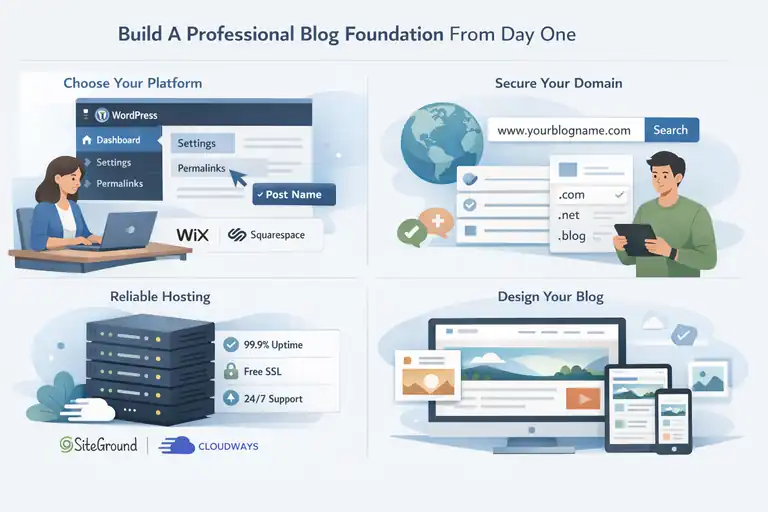
Starting with a strong technical foundation saves you a lot of future headaches.
Think of this as building your blog’s “home” — you want it stable, fast, and inviting.
Pick A Reliable Blogging Platform For Long-Term Growth
I personally recommend WordPress.org because it’s flexible, customizable, and ideal for long-term scalability. Unlike free platforms like Blogger or Medium, WordPress gives you full control over monetization, SEO, and design.
Example setup path: Dashboard → Settings → Permalinks → Choose “Post Name” (for clean URLs).
If you prefer an easier drag-and-drop option, Squarespace or Wix can work too—but they’re less SEO-friendly over time.
Register A Memorable Domain Name That Reflects Your Brand
Your domain is your blog’s identity. Keep it short, easy to spell, and related to your niche.
I usually suggest:
- Using your name if you’re building a personal brand (e.g., emilywrites.com)
- Including a keyword if it feels natural (e.g., plantbasedjournal.com)
- Avoiding numbers or hyphens—they look unprofessional
You can register domains via Namecheap or GoDaddy in minutes.
Choose A Fast, SEO-Friendly Hosting Service
Hosting impacts your site’s loading speed—a key ranking factor. From my experience, SiteGround and Cloudways offer excellent speed and uptime.
Checklist for good hosting:
- 99.9% uptime guarantee
- Free SSL certificate (for security)
- 24/7 live chat support
- One-click WordPress installation
Even a one-second delay in loading can drop conversions by 7%, so this is not where you want to cut corners.
Design A Simple, User-Focused Blog Layout
A clean layout helps readers focus on your content. Choose a lightweight theme like Astra or GeneratePress. Avoid clutter—no flashy animations or pop-ups everywhere.
Pro tip: Use plenty of white space, clear headings, and easy-to-read fonts. Always test your blog on mobile since over 60% of readers visit from phones.
You can use Canva to design your logo and featured images. It’s easy and gives your blog a professional feel without hiring a designer.
Craft Content That Builds Trust And Drives Income
Once your blog is set up, it’s time to create content that connects with people and converts readers into loyal followers or customers.
Learn How To Write For Your Target Audience’s Needs
Before you type your first post, get crystal clear on who you’re writing for. I suggest creating a reader persona—basically, a short profile describing your ideal visitor’s goals, challenges, and preferences.
Ask yourself:
- What problems can I help them solve?
- What’s their current knowledge level on my topic?
- How do they prefer consuming content (short tips, guides, visuals)?
Use simple, human language—avoid jargon unless you explain it. The best blogs feel like a helpful conversation, not a lecture.
Plan Your Content Strategy Around Search Intent
Every successful post solves a problem readers are actively searching for. Search intent is just understanding why someone types a query into Google.
For example:
- “How to start a blog” → informational intent
- “Best blogging platforms” → comparison intent
- “Buy WordPress themes” → transactional intent
When you match your content to intent, your blog instantly becomes more relevant—and that’s what Google loves.
Use Keyword Research To Create High-Value Blog Posts
Keyword research helps you write about topics people already want to read. I recommend Google Keyword Planner, Ahrefs, or Ubersuggest for this.
Here’s how to use it:
- Type in your niche (e.g., “budget travel”).
- Look for long-tail keywords like “cheap travel tips for students.”
- Choose ones with moderate search volume but low competition.
Include these naturally in your titles, headings, and first paragraph. Don’t force them—Google now understands context better than ever.
Add Engaging Visuals And Formatting To Boost Readability
Visuals keep readers engaged and help explain complex ideas faster. You can create infographics or charts in Canva or use screenshots for tutorials.
Formatting tips:
- Break paragraphs into 2–3 sentences max
- Use bullet points and subheads often
- Add internal links to related articles
- Use alt text for every image (helps SEO and accessibility)
A visually balanced post doesn’t just attract readers—it keeps them scrolling longer, which boosts your rankings too.
Expert Tip: Consistency beats perfection. Even if your first posts aren’t perfect, keep publishing weekly. Each article teaches you something new about your audience, SEO, and writing voice. Over time, that’s what turns a simple blog into a real business.
Set Up Income Streams To Monetize Your Blog
Once you’ve learned how to start blogging and build your foundation, it’s time to turn your blog into a sustainable income source.
Monetization isn’t about adding every possible method at once—it’s about choosing what fits your content, audience, and personal strengths.
Start With Affiliate Marketing To Earn From Recommendations
Affiliate marketing is one of the simplest ways to begin earning from your blog, even with a small audience.
It works like this: you promote a product or service using a unique tracking link, and when someone buys through your link, you earn a commission.
I suggest starting with products you already use and trust—it keeps your recommendations genuine.
For example, if you run a food blog, you could join affiliate programs like Amazon Associates (for kitchen tools) or Thrive Market (for organic groceries).
Here’s a quick way to integrate affiliate links naturally:
- Write detailed how-to guides or reviews where the product solves a problem.
- Add links contextually, like “I recommend using this free WordPress plugin (link) to speed up your site.”
- Avoid spamming links—your readers can tell when you’re only selling.
Pro tip: Always disclose affiliate relationships at the start or end of posts. It’s required by the FTC and helps maintain trust.
Offer Digital Products Like Ebooks Or Online Courses
If you’ve built authority in your niche, digital products can become your most profitable income stream. You create it once and sell it endlessly.
Some high-converting examples include:
- Ebooks: Perfect for deep dives on specific topics. Tools like Canva or Designrr make them easy to design.
- Online courses: Great for teaching step-by-step skills. Platforms like Teachable or Podia let you upload videos, track student progress, and automate payments.
- Printables or templates: Simple to create, especially for niches like productivity, budgeting, or fitness.
For example, if your blog is about personal finance, you could sell a “Monthly Budget Tracker Template.” Price it at $9 and market it through your email list. You only need a few consistent buyers per day to generate steady income.
I believe this is one of the best ways to scale because you’re monetizing your knowledge directly—no middleman needed.
Create Membership Content For Loyal Readers
Memberships are ideal once you’ve built a small but loyal audience who values exclusive access or deeper guidance. Think of it as your own private club for readers who want more from you.
You can use tools like Patreon or MemberPress to set up tiers, such as:
- $5/month: Access to exclusive articles
- $15/month: Access + monthly group Q&A sessions
- $30/month: Personalized feedback or mentorship
This model gives you predictable monthly revenue while rewarding your most engaged followers. I’ve seen bloggers use this to create a small, intimate community that supports them long-term—almost like a subscription-based micro-business.
Use Display Ads And Sponsored Content Strategically
Ads and sponsorships can bring passive income, but timing matters. I don’t recommend adding ads until you’re getting at least 10,000 monthly visitors—otherwise, the payout is minimal and can distract readers.
Here’s a simple breakdown:
- Display ads: Use platforms like Google AdSense or Mediavine. They pay per impression or click.
- Sponsored posts: Brands pay you to feature their products in your content. Always ensure it aligns with your niche and values.
Example: If your blog focuses on travel, you might partner with a luggage brand or a hotel booking app. The key is authenticity—promote products that genuinely fit your readers’ lifestyle.
Note: Disclose sponsorships clearly to maintain transparency.
Grow Your Blog Traffic Consistently And Sustainably
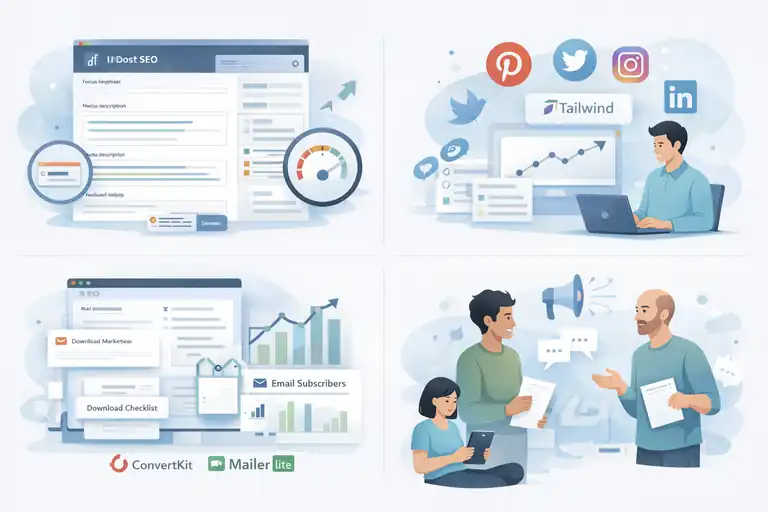
Monetization only works when people actually visit your site. Growing your traffic sustainably means focusing on systems that build momentum over time—not short-term spikes.
Master SEO Basics To Rank Higher On Google
Search engine optimization (SEO) is the most consistent traffic source once it’s set up correctly. You don’t need to be a tech genius to start.
Focus on:
- Keyword placement: Use your target keyword in your title, first paragraph, and a few subheadings.
- Meta descriptions: Write a short summary (under 160 characters) that entices clicks.
- Internal linking: Link to your own articles to keep readers exploring your site.
- Page speed: Tools like PageSpeed Insights show what’s slowing down your site.
I recommend using Yoast SEO (a free WordPress plugin). It walks you through optimizing every post step-by-step—from keyword density to readability.
Leverage Social Media To Promote Your Blog Content
Social platforms are like amplifiers for your blog. They help you reach readers who might not find you through Google yet.
- Pinterest: Great for visual niches like home décor, travel, or recipes. Tools like Tailwind can automate pin scheduling.
- Twitter/X: Perfect for quick insights or promoting new posts.
- Instagram: Use stories and carousels to showcase snippets of your blog.
- LinkedIn: Ideal for professional or educational content.
For example, if you post a blog titled “10 Freelancing Mistakes Beginners Make,” turn it into a carousel or a short reel with key takeaways—it’ll drive traffic back to your site.
Build An Email List To Keep Readers Coming Back
An email list gives you direct access to your readers—no algorithms, no middlemen. I suggest starting from day one using a tool like ConvertKit or MailerLite.
Offer a simple lead magnet (a freebie) to encourage signups, such as:
- A downloadable checklist
- A short guide or mini course
- Exclusive weekly insights
Example: If your niche is wellness, you might offer a “7-Day Mindset Reset Challenge.” Once readers sign up, nurture them with valuable tips and occasional product recommendations.
This is how small blogs turn into thriving online communities.
Network With Other Bloggers To Expand Your Reach
Collaboration accelerates growth faster than solo effort. Reach out to bloggers in your niche for guest posts, podcast appearances, or link swaps.
A few simple ways to start:
- Comment meaningfully on related blogs.
- Join Facebook groups or Discord communities for bloggers.
- Offer to contribute guest posts that bring value to their readers.
In my experience, this isn’t just about backlinks—it’s about relationships. The more genuine connections you make, the more opportunities naturally appear.
Build A Personal Brand Around Your Blog
Your blog isn’t just a website—it’s your online identity. Building a personal brand helps readers remember you, not just your content.
Develop A Consistent Voice That Reflects Your Personality
Your voice is how readers connect with you emotionally. Whether it’s witty, calm, or practical, consistency builds trust.
For example, if you’re naturally lighthearted, don’t suddenly shift into corporate jargon. Write how you speak. Readers love authenticity over perfection.
I recommend creating a quick brand voice guide for yourself. Write down:
- 3 adjectives describing your tone (e.g., friendly, confident, honest)
- Common phrases you use
- Writing do’s and don’ts
This makes your blog sound consistent even as you grow or hire help.
Share Your Story To Create Emotional Connection With Readers
People connect with stories more than advice. Don’t shy away from sharing how you started, your struggles, or what inspired your blog.
For instance, if you began blogging after losing your job, share how it became a creative outlet and eventually your business. That kind of honesty makes readers root for you.
Stories also create loyalty. Readers remember experiences, not just tips.
Establish Authority Through Guest Posts And Collaborations
Authority grows when others vouch for your expertise. Guest posting on high-quality blogs or being featured on podcasts is one of the fastest ways to build credibility.
I recommend targeting publications related to your niche—like HubSpot for marketing, or MindBodyGreen for wellness. Include practical, unique insights in your guest content (not recycled advice).
Even one guest feature can send traffic and authority signals that boost your rankings.
Engage With Your Audience To Build Long-Term Loyalty
The best blogs aren’t monologues—they’re conversations. Reply to comments, emails, and social DMs whenever possible.
You could:
- Ask readers for feedback on future post ideas.
- Create polls or Q&A sessions.
- Feature user stories or testimonials on your site.
I believe engagement is the real secret behind every long-lasting blog. It’s what turns casual visitors into loyal readers—and loyal readers into paying supporters.
Expert Tip: Your blog’s long-term success isn’t about chasing every income source or trend. It’s about building genuine relationships, staying consistent, and focusing on serving your readers first. Income naturally follows when trust comes first.
Track, Analyze, And Optimize For Ongoing Growth
Once your blog starts getting visitors, it’s crucial to understand what’s actually working. Tracking and optimizing your blog helps you focus on what brings results instead of guessing.
I believe this is where blogging turns from a hobby into a real business.
Use Analytics Tools To Measure Performance And Traffic
The first step to improving anything is to measure it. For bloggers, that means using analytics tools to understand your audience’s behavior.
Here’s what I personally recommend:
- Google Analytics (GA4): It shows how many people visit your blog, where they come from, and how long they stay. For example, navigate to Reports → Engagement → Pages and Screens to see which posts perform best.
- Google Search Console: This tool shows which keywords your blog ranks for and how often people click your results on Google. It’s perfect for spotting growth opportunities.
- Hotjar or Microsoft Clarity: These record user sessions so you can literally see how visitors scroll, click, or leave your pages.
I suggest checking your analytics weekly. That way, you can quickly catch traffic drops, identify rising keywords, and double down on what’s working.
Identify Which Posts Generate The Most Engagement Or Revenue
Once you have data, the next step is figuring out which posts drive actual results—whether that’s traffic, email sign-ups, or sales.
In my experience, it helps to create a simple spreadsheet with metrics like:
- Page views
- Average time on page
- Click-through rate (CTR)
- Conversions (affiliate clicks or product sales)
You might notice, for instance, that your “How to Start a Blog on WordPress” post brings in 40% of your total traffic. That’s a sign to create related posts or optimize that one for conversions.
Also, keep an eye on engagement metrics like comments and shares. They often indicate which topics resonate emotionally with your readers.
Experiment With New Content Formats And Promotion Strategies
Blogging isn’t static—it evolves constantly. Experimenting with formats and distribution methods keeps your content fresh and helps you reach new audiences.
You can test different approaches such as:
- Turning a popular post into a YouTube video or podcast episode
- Creating short TikToks or Instagram reels summarizing your blog tips
- Offering downloadable checklists or templates for lead generation
If you’re promoting your blog on social media, try posting at different times or tweaking your captions. Sometimes even changing your headline can double your engagement. I once tested two headline versions on Pinterest and saw a 60% increase in clicks just by rewording it.
Refine Your Blogging Goals Every Quarter For Better Results
I suggest reviewing your goals every three months. Blogging changes fast, and quarterly check-ins help you stay aligned with what’s really working.
Here’s a simple review process:
- Analyze performance: Which posts or monetization channels grew most?
- Identify bottlenecks: Are there pages with high traffic but low conversions?
- Set new micro-goals: For example, “increase email subscribers by 15% next quarter.”
When you treat your blog like a growing business—with regular audits and goal-setting—it keeps evolving in the right direction.
Avoid Common Blogging Mistakes That Slow Down Success
Even experienced bloggers fall into traps that hurt growth. By avoiding these early, you’ll save months (or even years) of frustration.
Don’t Chase Too Many Topics—Stay Focused On Your Niche
Trying to cover everything at once is one of the biggest blogging mistakes I see. When you write about too many unrelated subjects, it confuses readers and search engines alike.
I advise sticking to a core niche until you’ve built clear authority. For example, if your blog is about fitness, focus on subtopics like home workouts or nutrition for beginners before branching out.
A focused niche not only builds trust faster but also helps your content rank better on Google because it signals topical expertise.
Avoid Publishing Without A Strategy Or Consistency
Blogging success depends on consistency. Posting randomly or without purpose is like shooting arrows in the dark.
Here’s what I suggest:
- Create an editorial calendar using Trello or Notion.
- Plan content around audience needs, not just what you feel like writing.
- Set a manageable schedule—once or twice a week is enough at first.
Even if you miss a week, don’t quit. Readers forgive gaps, but they remember value.
Don’t Neglect SEO Or User Experience
Many new bloggers focus only on writing but ignore optimization. SEO and user experience (UX) are what make your content visible and enjoyable.
Quick improvements to make right now:
- Use short paragraphs and descriptive subheadings.
- Optimize images for speed (tools like TinyPNG help).
- Include internal links to guide readers deeper into your site.
A blog that loads fast and reads smoothly will always outperform a cluttered one—both in search and user engagement.
Stop Comparing Your Progress To Other Bloggers
This one’s personal. It’s easy to look at others who started after you but seem miles ahead. But every blog grows differently depending on niche, consistency, and timing.
Instead of comparing, track your own improvement: traffic, writing quality, and conversions. I once saw a blog that took 18 months to reach 5,000 visits a month—and then skyrocketed after one viral post. Patience pays off.
Scale Your Blog Into A Sustainable Online Business
When your blog starts earning consistently, it’s time to scale. Scaling doesn’t just mean more content—it means smarter systems that let your business grow without burning you out.
Automate Repetitive Tasks To Save Time
I recommend automating tasks like email sequences, social posting, and analytics tracking.
Some useful tools include:
- Aweber for automated email funnels.
- Later for social media scheduling.
- Zapier for connecting apps (e.g., automatically posting new blogs to Twitter).
Automation lets you focus on creative work—writing, strategy, and connecting with readers—rather than repetitive busywork.
Outsource Design, Editing, Or Marketing As You Grow
You don’t need to do everything yourself. Hiring freelancers or virtual assistants can free up hours each week.
For example:
- A graphic designer on Fiverr can create Pinterest pins for each post.
- A freelance editor can polish your articles for tone and clarity.
- A VA can help manage your email inbox or social media replies.
Think of outsourcing as an investment in growth, not an expense.
Diversify Your Income Streams For Stability
Relying on one income source—like ads or affiliate links—can be risky. Diversifying gives you financial stability.
Common ways to expand income:
- Launch an online course or digital product.
- Offer 1:1 coaching or consulting.
- Create a membership or community-based subscription.
If one income stream dips, the others keep your revenue flowing. That’s how full-time bloggers maintain stability even during slow months.
Plan Long-Term Goals Like Courses, Coaching, Or Digital Products
Once your blog becomes profitable, shift from short-term gains to long-term growth. Think about where you want your blog to be in 2–3 years.
Ask yourself:
- Could I teach my expertise through a paid course?
- Do I want to host workshops or webinars?
- Can I turn my blog into a full personal brand or business?
I believe the most successful bloggers evolve into educators or creators who build ecosystems around their blogs—like courses, podcasts, or books.
Stay Motivated And Keep Learning As You Grow
Blogging is a marathon, not a sprint. Motivation comes and goes, but learning keeps you moving forward.
Set Realistic Milestones To Celebrate Small Wins
Progress feels slow until you look back and see how far you’ve come. Setting small milestones—like hitting 1,000 visitors or publishing your 20th post—helps keep you motivated.
Each milestone is proof that your efforts are working. Reward yourself when you reach them, even in small ways.
Learn From Industry Experts And Blogging Communities
Joining communities gives you support and new ideas. I recommend joining groups on Reddit (r/Blogging) or Facebook where creators share experiences openly.
Also, follow trusted educators like Neil Patel, Ahrefs Blog, or Backlinko for up-to-date SEO advice. I’ve learned many strategies just from their free tutorials.
When you surround yourself with people who understand the journey, you’ll stay inspired longer.
Adapt To Changing Trends In Content And SEO
The digital world changes constantly. Algorithms shift, formats evolve, and new platforms rise every year.
Stay flexible by:
- Regularly updating old blog posts with fresh data.
- Experimenting with video, podcasts, or new content channels.
- Following Google’s Search Central Blog for SEO updates.
Adapting doesn’t mean abandoning what works—it means improving to stay relevant.
Keep Experimenting And Enjoy The Journey
Blogging is supposed to be creative and fulfilling, not stressful. Try new ideas, test different writing styles, and let yourself make mistakes.
When you enjoy the process, your readers feel it too. Remember, the journey itself is where you build the real skills, connections, and freedom that blogging offers.
Expert Tip: From what I’ve seen, the most successful bloggers aren’t necessarily the most talented writers—they’re the ones who keep showing up, learning, and improving even when progress feels slow. Stay consistent, stay curious, and your blog will grow beyond what you imagine.
FAQ
How do I start blogging and make money?
To start blogging, choose a niche you know well, set up a WordPress blog, and publish helpful content. Monetize through affiliate links, ads, or digital products once you build consistent traffic.
How much does it cost to start blogging?
You can start blogging for as little as $50–$100 per year, covering domain registration and web hosting. Free options exist, but self-hosted blogs give you more control and income potential.
How long does it take to earn income from blogging?
Most bloggers start earning within 6 to 12 months. Success depends on your niche, posting consistency, SEO strategy, and how well you serve your audience’s needs.

I’m Juxhin, the voice behind The Justifiable.
I’ve spent 6+ years building blogs, managing affiliate campaigns, and testing the messy world of online business. Here, I cut the fluff and share the strategies that actually move the needle — so you can build income that’s sustainable, not speculative.