
Table of Contents
Some links on The Justifiable are affiliate links, meaning we may earn a small commission at no extra cost to you. Read full disclaimer.
If you’ve ever tried to grow your UX freelance career online, you’ve probably noticed it’s not just about being a great designer—it’s about finding clients who value (and pay well for) your skills.
The digital world is full of opportunities, but knowing where to look and how to position yourself can make the difference between low-budget gigs and consistent, high-paying UX projects.
So, how do you actually attract those premium clients who respect your craft and your rates?
Let’s break it down step by step.
Identify Where High-Paying UX Clients Are Looking
Finding premium UX freelance clients starts with knowing exactly where they hang out.
High-paying clients don’t scroll endless gig listings on cheap platforms — they go where expertise, strategy, and business results are valued.
Let’s explore where they’re actively looking for designers like you.
Research Niche Job Boards That Prioritize Quality Work
If you’re still browsing Upwork or Fiverr hoping to land $100/hour UX work, it’s time to pivot. High-value clients prefer curated platforms where they can trust the talent pool.
Try these niche boards:
- We Work Remotely: Known for startup and tech-focused UX roles. You’ll often find companies willing to pay $80–$150/hour for senior freelancers.
- UX Jobs Board: A dedicated UX-only job platform that filters out irrelevant gigs. Many postings are from agencies and SaaS companies that value UX strategy, not just design mockups.
- Remote OK: Great for global clients with flexible hiring budgets. Filter listings using “Product Design” or “UX Research” to target higher-paying roles.
Pro Tip: Instead of applying blindly, reach out directly to hiring managers listed on job descriptions. A short, insightful message about how you could improve their product experience can start a conversation that leads to a premium engagement.
Explore UX-Focused Freelance Platforms Over Generic Ones
General freelance sites tend to race to the bottom on pricing. UX-focused platforms, however, emphasize expertise, case studies, and results.
Examples worth exploring:
- Toptal: Accepts only the top 3% of freelancers after a strict vetting process. Clients here are startups and enterprises with serious budgets.
- Braintrust: You keep 100% of your rate, and many UX designers report earning $120–$180/hour.
- Contra: Focuses on independent professionals. Create a visually appealing profile that highlights your process, tools, and measurable outcomes.
I suggest investing time to get approved on at least one of these platforms. Once you’re in, the competition drops drastically, and clients treat you as a partner — not a commodity.
Use LinkedIn’s Advanced Search to Target Decision-Makers
LinkedIn isn’t just for recruiters — it’s a goldmine for UX freelancers when used strategically.
Here’s how I’d approach it:
- Go to LinkedIn Search > People > All Filters.
- Under Title, enter “Product Manager,” “Head of Design,” or “Founder.”
- Filter by Industry and Company Size to find businesses that match your niche.
Once you’ve identified key people, don’t pitch immediately. Instead, start by engaging with their posts — leave meaningful comments that show your UX thinking.
After a few interactions, send a short personalized message offering a free UX audit or insight into one of their product’s usability gaps. That level of value-first outreach converts far better than a cold pitch.
Leverage Dribbble, Behance, and UX Communities to Build Visibility
Visual platforms like Dribbble and Behance still matter, but only if you use them strategically. Instead of just uploading pretty screens, tell a story. Include context about why you made specific UX decisions and what business results followed.
Example: A case study showing how a checkout redesign reduced cart abandonment by 18% will attract serious attention.
In addition, I recommend joining specialized UX communities like Designer Hangout or UX Mastery. Participate actively — answer questions, give feedback, and share insights. These spaces are frequented by hiring managers scouting proactive freelancers.
Build a Portfolio That Speaks to Premium Clients
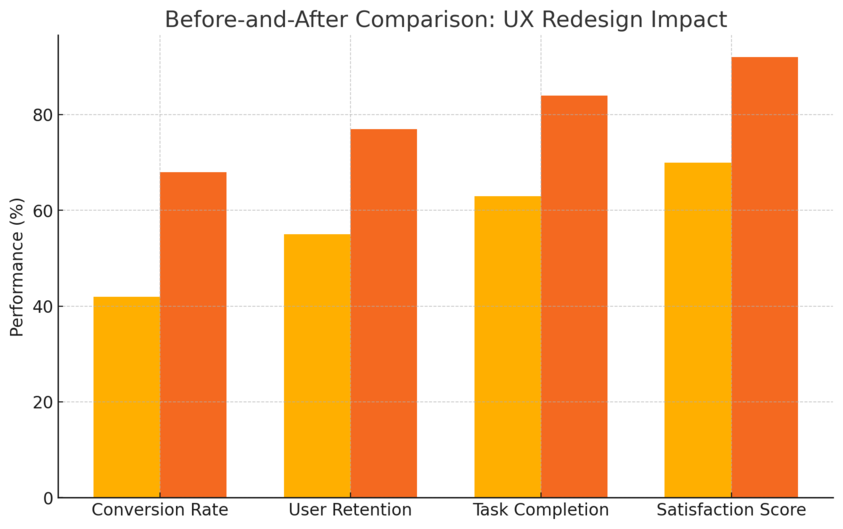
Your portfolio isn’t just your design gallery — it’s your sales pitch. High-paying clients look for depth: how you think, solve problems, and connect design decisions to business goals.
Highlight Strategic Problem-Solving Over Aesthetic Design
Clients paying top dollar aren’t buying pixels; they’re buying outcomes. Shift your portfolio focus from “here’s what I designed” to “here’s what I improved.”
Include before-and-after scenarios, user journey maps, or pain point analyses. For example, if you redesigned a dashboard that reduced task time by 25%, show that. Numbers speak louder than visuals.
I believe clarity beats decoration. If you can articulate your UX reasoning in plain language, it proves you’re a strategic partner — not just a visual designer.
Showcase UX Case Studies That Quantify Results
A strong UX case study walks clients through your thought process, not just your screens.
Use a consistent structure for every project:
- The Challenge: What user or business problem existed?
- The Approach: What UX research or testing methods did you use?
- The Solution: What design decisions solved the problem?
- The Outcome: What metrics improved?
Example: “Redesigned onboarding flow increased user activation by 42% within two months.” Including such data builds trust instantly — especially with product-driven founders.
Include Testimonials From Clients in Competitive Industries
A few honest, specific testimonials are worth more than a dozen generic ones. Reach out to previous clients and ask them to highlight measurable results in their feedback.
Example: “Working with [Your Name] helped us boost feature adoption by 30% and simplify our navigation.”
Featuring testimonials from industries like SaaS, fintech, or health tech signals that you’re used to working with demanding environments where UX truly impacts performance.
Create a Personal Website Optimized for Client Conversion
Your portfolio website is often your first impression. Treat it as a mini sales funnel.
Key tips:
- Use clear CTAs (Call-To-Actions) like “Book a UX Consultation” instead of “Contact Me.”
- Keep navigation minimal — no more than 3–5 core pages.
- Optimize for mobile. Nearly 60% of clients will check your site on their phone first.
- Add structured data (using schema markup) to boost SEO visibility for “UX freelance designer.”
I suggest tools like Webflow or Framer for creating interactive, lightweight sites without code. They give you creative control and a clean UX impression right from the start.
Position Yourself as a UX Specialist, Not a Generalist
Clients with deep pockets don’t want “a designer who can do everything.”
They want an expert who deeply understands their product type and audience. Specialization signals mastery — and mastery commands higher rates.
Define Your Unique UX Value Proposition Clearly
Start by answering this question: What makes my UX approach different or more valuable?
Your value proposition could revolve around your process (“data-driven UX with fast iteration cycles”), your impact (“UX that reduces churn for subscription products”), or your speed (“delivering full prototypes in under two weeks”).
I recommend placing this message prominently on your site and social profiles. It should be one clear sentence that tells potential clients exactly why they should hire you.
Choose a Specific Niche (SaaS, eCommerce, Mobile Apps, etc.)
Specializing makes you memorable and findable. If you’ve worked mostly with SaaS products, lean into that.
Mention the types of SaaS tools you’ve designed for — onboarding flows, dashboards, analytics UX, etc.
For eCommerce, highlight metrics like improved checkout conversion rates or optimized product discovery. For mobile apps, showcase usability testing and interaction design improvements.
You can always branch out later, but focusing on one niche initially helps you attract clients faster.
Use Messaging That Aligns With Client Pain Points
High-paying clients care less about your design tools and more about solving pain points.
Instead of writing “I design beautiful interfaces,” try “I help B2B SaaS teams simplify user workflows and increase activation.”
Speak in outcomes — conversions, engagement, retention — not deliverables. When your messaging reflects their business language, it positions you as a problem-solver, not a vendor.
Develop Expertise Content Like UX Articles or Micro Case Studies
Publishing bite-sized content showcasing your UX thinking builds authority and trust. Share short LinkedIn posts about usability improvements, write Medium articles on UX strategy, or publish “micro case studies” — quick overviews of a UX challenge and how you solved it.
I suggest sharing one insight per week. Over time, this content becomes your credibility engine. Potential clients who discover your posts will already trust your expertise before reaching out.
Pro Insight: In UX freelancing, visibility isn’t about being everywhere — it’s about being found by the right people. When you combine strategic positioning, niche focus, and a portfolio built around measurable results, you stop chasing clients — they start coming to you.
Use LinkedIn Strategically to Attract Clients
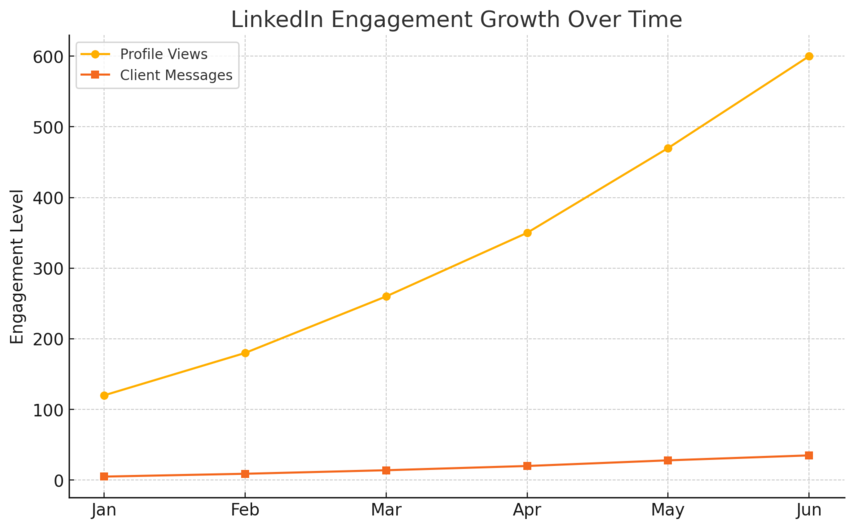
LinkedIn isn’t just a digital resume — it’s a magnet for high-paying UX freelance opportunities when you use it intentionally. Clients come here to find problem-solvers who understand business goals as much as design.
Here’s how to turn your LinkedIn presence into a consistent client funnel.
Optimize Your Profile for UX Keywords and Results
Your LinkedIn profile is your UX landing page. Treat it like a portfolio with SEO built in.
Start with your headline: Instead of “UX Designer,” make it outcome-focused — for example, “UX Freelancer Helping SaaS Teams Increase Conversions Through Research-Driven Design.” This instantly tells potential clients who you serve and how you add value.
Use UX keywords naturally throughout your About section — terms like UX strategy, usability testing, product design, user research, and conversion optimization. These help your profile appear in client searches.
Show results, not tasks. When describing past projects, say:
- “Improved onboarding flow, increasing activation rate by 32%.”
- “Simplified checkout process, reducing cart abandonment by 18%.”
These micro-metrics speak volumes. I advise keeping your profile visuals clean and using your banner space to reinforce your niche or tagline.
Post Consistent Value-Driven Content to Build Credibility
You don’t need viral posts to attract clients — just consistent, useful ones. The goal is to teach through storytelling.
Try these post ideas:
- A quick teardown of a product’s UX flow and how you’d improve it.
- Lessons learned from a client project (without revealing confidential info).
- Insights from user research or usability testing sessions.
I suggest posting two to three times a week. Keep your tone conversational, almost like sharing thoughts with a colleague over coffee. Add a visual — maybe a wireframe or Figma screenshot — to make it more engaging.
The magic happens when potential clients begin commenting or DMing you because they’ve seen your consistent expertise. That’s when credibility turns into opportunity.
Engage With Posts From Product Managers and Founders
Engagement is underrated but incredibly powerful. Commenting on posts from product managers, founders, or heads of design builds familiarity long before you ever pitch them.
Here’s how to approach it effectively:
- Follow 20–30 key people in your target industries.
- Spend 10–15 minutes daily leaving thoughtful comments — not “Great post!”, but insights that add perspective.
- Over time, they’ll recognize your name, making outreach feel warm instead of cold.
For example, if a founder shares a product update, respond with something like:
“Interesting flow! Have you considered how users might interpret the CTA placement on mobile?” That’s how you demonstrate your UX expertise naturally in conversation.
Use Direct Outreach Tactfully to Start Client Conversations
Direct messages work, but only when they’re personal and relevant. A generic “I’m a UX designer, do you need help?” won’t get far.
Instead, follow this framework:
- Step 1: Research their product or app briefly.
- Step 2: Identify one UX issue or potential improvement.
- Step 3: Message them something like: “Hey [Name], I’ve been using [Product], and I noticed a few small usability opportunities that could simplify the onboarding flow. I’d love to share a quick UX insight — no strings attached.”
That last phrase — no strings attached — removes pressure and opens the door to genuine conversation. I’ve seen this approach start collaborations worth thousands.
Leverage Referrals and Past Client Relationships
Your best source of new UX freelance work often comes from people who already trust you.
Referrals convert faster and pay better because the credibility bridge is already built. Let’s talk about how to make this happen consistently.
Create a Simple Referral System With Incentives
Don’t just wait for referrals — encourage them. After successfully completing a project, follow up with clients and say something like:
“If you know anyone looking to improve their product’s UX, I’d love an introduction. I offer a small referral bonus or design review session as a thank-you.”
Keep it light, transparent, and easy to act on. You can automate this using tools like HubSpot or even a quick Typeform link to track referrals.
The key is to remind past clients that referring you benefits them too — either through value or goodwill.
Reconnect With Old Clients for New UX Opportunities
Past clients already know your work, but projects fade from memory over time. I suggest revisiting them every few months with a friendly message:
“Hey [Name], I was reviewing our previous project and wondered how your product’s UX has evolved since then. Are there any new features or flows that might need optimization?”
This kind of check-in often uncovers new projects or even retainer opportunities. Many companies revisit UX updates quarterly — staying on their radar ensures they think of you first.
Ask for Case Study Collaborations to Strengthen Credibility
Case studies aren’t just portfolio pieces — they’re collaboration tools. Ask happy clients if they’d be open to co-creating a short UX case study with measurable results.
Example structure:
- Challenge: “Users were dropping off during onboarding.”
- Solution: “Redesigned flow to clarify actions.”
- Result: “Activation increased by 40% within a month.”
Publishing these on LinkedIn, Medium, or your site strengthens your authority and makes clients proud to feature your work — a win-win scenario.
Offer Retainer Packages for Ongoing UX Support
Not every client wants a one-off design. Many need ongoing UX oversight but don’t want to hire full-time.
Here’s what you can offer:
- Monthly UX audits and usability reviews.
- Continuous optimization for conversion flows.
- User testing and feature design on a retainer model.
I recommend positioning this after a successful project. Say something like, “Would you like me to monitor UX improvements monthly to maintain performance?” It subtly transitions you from freelancer to long-term partner.
Pitch UX Freelance Projects With Confidence
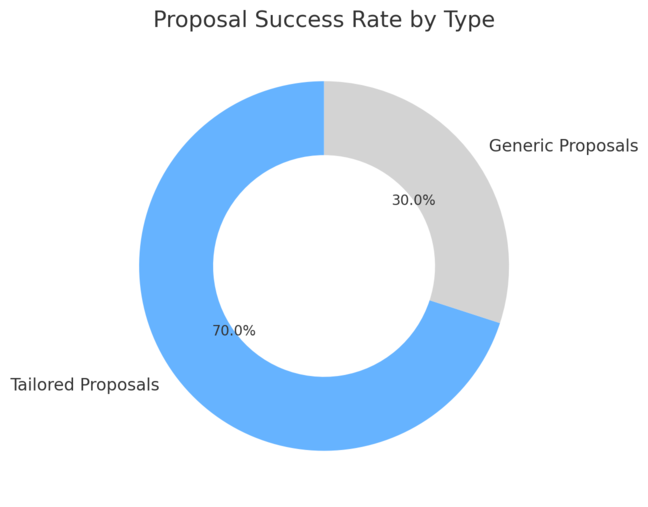
Pitching is part strategy, part empathy. High-paying clients invest in freelancers who understand their users, their business, and their success metrics.
Confidence doesn’t mean arrogance — it means clarity, preparation, and focus on outcomes.
Research the Client’s Business and User Goals Thoroughly
Before any pitch, study the client’s product as if you were a user. Navigate their site or app, note usability gaps, and check customer reviews.
I suggest creating a one-page summary of:
- Target user segments.
- Product goals or KPIs (e.g., sign-ups, retention, conversions).
- UX issues you’ve spotted.
When you speak their language — mentioning “reducing onboarding friction” instead of “fixing screens” — you show business empathy, not just design flair.
Focus on Value and Outcomes in Your Proposal, Not Tasks
Avoid listing deliverables like “Wireframes, Prototypes, and Design Systems.” Those are tools, not results. Instead, structure your pitch around the value you’ll deliver.
Example phrasing:
- “My goal is to simplify your signup process to increase activation by 25%.”
- “I’ll design a flow that reduces support tickets by improving navigation clarity.”
Tie every deliverable to an outcome. This framing turns your proposal into an investment, not an expense.
Show a Clear Understanding of Their UX Challenges
A personalized proposal proves you care. Reference their specific UX pain points and show you’ve already thought through solutions.
You could include a short heuristic review (a professional UX evaluation) highlighting one or two areas of improvement.
Example: “I noticed your mobile navigation lacks hierarchy — simplifying it could reduce drop-offs by 15%.”
This shows you’ve already started thinking like part of their team. Clients pay more for freelancers who anticipate their needs.
Communicate Timelines, Deliverables, and Impact Transparently
Transparency builds trust faster than charisma.
Be clear about:
- Project phases (research, design, testing).
- Estimated timeline (with buffer).
- Expected results.
For example, “Phase 1: UX research — 2 weeks. Phase 2: Wireframes — 3 weeks. Phase 3: Prototype & testing — 1 week.”
Then wrap up with impact: “This approach ensures we reach measurable UX improvements within 6 weeks.”
I advise keeping proposals concise, visual, and client-centric. You’re not selling design services — you’re offering transformation.
Pro Insight: Clients don’t hire the best designer; they hire the designer who best understands their users and goals. When your LinkedIn, referrals, and pitches align around that truth, you stop competing — you start leading.
Use Platforms That Attract High-End UX Projects
If you want to consistently land high-paying UX freelance projects, you need to go where serious clients are already looking for top-tier talent.
These platforms pre-vet freelancers and attract companies that value design strategy, not cheap deliverables. Here’s how to make the most of them.
Explore Toptal, Braintrust, and Contra for Curated UX Work
These three platforms are designed for high-quality, long-term engagements rather than one-off gigs. Each has a slightly different model that you can use to your advantage.
Toptal: Known for its rigorous screening process, Toptal accepts only about 3% of applicants. You’ll go through technical interviews and design challenges. Once approved, you can expect rates between $100–$200/hour for UX work with enterprise clients like Airbnb or Shopify. I suggest preparing one or two strong UX case studies before applying, emphasizing measurable outcomes.
Braintrust: What makes Braintrust unique is that freelancers keep 100% of their pay—no platform fee. The projects often come from well-funded startups and Fortune 500 companies. A typical listing might read, “UX Designer for B2B SaaS Dashboard, 20 hours/week at $120/hr.” Once you’re verified, you can apply directly and connect with hiring managers.
Contra: This platform is great for independent UX freelancers who value branding and presentation. You can build a beautiful, no-code profile that doubles as a mini portfolio. Contra also encourages direct contracts, which helps you build client relationships off-platform later.
Pro Tip: Don’t rely on just one site. Apply to two or three, keep your portfolio consistent, and set your rates confidently.
Look Into AngelList and Wellfound for Startup Design Roles
If you love working with early-stage startups, AngelList (now called Wellfound) is where you’ll find founders who truly need UX expertise but can afford premium rates.
Search for “Freelance UX Designer” or “Product Designer (Contract)” and use filters for startup stage (e.g., Series A, B). I recommend targeting startups that have recently raised funding—they’re typically ready to invest in better user experiences.
To stand out, tailor your outreach. For example:
“I noticed you’re building a mobile-first SaaS platform. I’ve helped similar startups improve user onboarding and reduce churn through UX research. Would you be open to a short call?”
You’ll often find roles that start part-time and evolve into ongoing partnerships. That’s where the real value compounds.
Try Specialized Agencies That Subcontract UX Projects
Many boutique design agencies subcontract UX work to trusted freelancers when their internal teams are overloaded. These partnerships can lead to a steady stream of well-paid projects.
I advise reaching out directly to agencies listed on Clutch or DesignRush. Send a short, professional email introducing yourself, your niche, and a few sample projects. For example:
“Hey [Agency Name], I specialize in UX for SaaS dashboards and conversion optimization. If you ever need overflow support, I’d love to collaborate on future projects.”
Agencies appreciate reliability and communication. Once they trust you, you’ll get first dibs on recurring contracts without having to pitch repeatedly.
Test Premium Remote Platforms Like A.Team and Design Match
A.Team: This platform builds remote “expert teams” for high-budget tech projects. You can join UX squads working with companies like Lyft or PepsiCo. You’ll often be paid $100–$160/hour and collaborate with senior developers and strategists. A.Team values designers who understand both product goals and user needs, so emphasize strategic UX in your profile.
Design Match: A newer but fast-growing network connecting experienced designers with vetted clients. It’s perfect if you prefer curated, one-on-one project matching instead of competing in open listings. Design Match evaluates your style and skillset, then introduces you to clients that fit your strengths.
If you’re aiming for long-term, premium UX engagements, both platforms can position you alongside serious professionals in your field.
Build Thought Leadership in the UX Space
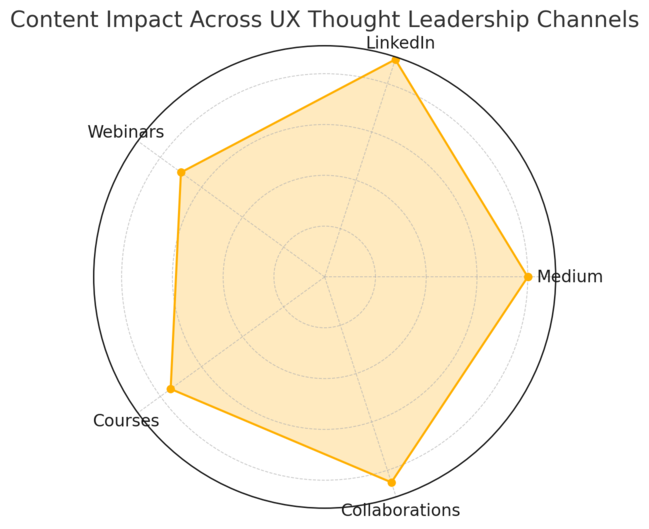
Thought leadership isn’t about being famous—it’s about being trusted. The more you share your UX knowledge, the more clients see you as an expert who understands their challenges.
Publish UX Insights on Medium or Substack
Writing about UX doesn’t just showcase your expertise—it also brings you inbound clients. Platforms like Medium and Substack have massive organic reach among product teams and founders.
Here’s how I’d approach it:
- Choose specific, experience-driven topics (e.g., “What I Learned From Redesigning a SaaS Onboarding Flow”).
- Use storytelling mixed with data—describe the problem, your process, and the measurable outcome.
- Add visuals like flow diagrams or wireframes to make your thinking tangible.
Clients often read these articles, then reach out directly for help. One designer I know landed a $15,000 project after publishing a UX teardown post that got reshared by a SaaS founder.
Speak at Online UX Events or Webinars
Virtual events are excellent exposure opportunities. You don’t need to be a celebrity—just share your experience clearly.
Join communities like UX Design Collective or ADPList, which regularly host live sessions. I suggest offering a talk like, “How to Turn UX Data Into Design Decisions That Drive Growth.”
These sessions build authority fast because people see you in action. Plus, they create natural networking moments that can lead to collaborations or referrals.
Collaborate With Other Freelancers for Co-Branded Content
Two voices are louder than one. Teaming up with a visual designer, product manager, or developer to create co-branded UX content builds cross-industry visibility.
Examples:
- Host a short LinkedIn Live session analyzing a popular app’s UX.
- Write a joint article about how UX and frontend design intersect.
You’ll reach both of your networks and establish yourself as someone who plays well in collaborative environments—a huge plus for clients.
Repurpose Your UX Knowledge Into Mini Courses or Guides
Teaching what you know reinforces your credibility. Start small—a five-day UX email course or a Notion guide titled “10 UX Mistakes That Kill Conversions.”
I recommend tools like Gumroad or Podia for hosting. They make it simple to sell or give away your content.
This not only builds passive income but also positions you as a UX authority. Many clients equate educators with experts—meaning higher trust, faster sales, and better projects.
Master Client Communication and Retention
Landing clients is only half the battle—keeping them long-term is where stability and higher income happen. Great communication builds trust faster than design quality alone.
Set Clear Expectations From the Start of Each Project
At kickoff, define everything: timeline, process, deliverables, and communication frequency. I suggest creating a one-page Project Overview Document with milestones and weekly check-ins.
This clarity reduces miscommunication and shows professionalism. Clients appreciate freelancers who lead the process rather than wait for instructions.
Provide Regular, Insightful Updates on UX Progress
Don’t disappear for two weeks and return with a finished prototype. Instead, keep clients informed through weekly Loom videos or short Figma walkthroughs.
A quick structure for updates:
- What’s done this week.
- What’s next.
- Any blockers or feedback needed.
Transparency builds trust. It also keeps clients engaged, making them more likely to extend contracts or refer others.
Offer Post-Project Reviews to Strengthen Trust
Once a project ends, schedule a 30-minute debrief call. Discuss what worked, what could improve, and how the results performed.
This shows you care about outcomes, not just payments. It’s also the perfect time to ask for a testimonial or a referral—right when client satisfaction is highest.
Use Feedback to Improve and Upsell Future Services
Treat every bit of feedback as user research about your own service. Analyze what clients appreciate most—speed, communication, or strategic insight—and double down on that.
Then, suggest logical next steps: “I could continue optimizing the user flow for upcoming features next quarter.”
Upselling isn’t pushy when it’s relevant and genuinely useful. It’s just good service.
Create Multiple Income Streams Within UX Freelancing
Relying solely on client projects can create feast-or-famine cycles. Diversifying your UX freelance income helps stabilize revenue and grow your influence.
Offer UX Audits or Consulting Services Separately
UX audits are short, high-value offers that clients love. You review their website or product, then deliver a structured report with improvement recommendations.
You can package this as a 1–2 week engagement priced between $500–$2,000, depending on depth. I suggest using a Notion template for consistent formatting and quick delivery.
Develop UX Templates or Frameworks for Sale
Create digital assets like user flow templates, research frameworks, or design system checklists. These products sell well on Etsy, Gumroad, or Figma Community.
For instance, a “UX Research Planner for SaaS Teams” could generate passive income while promoting your expertise.
Mentor New UX Designers to Build Authority
Mentoring through platforms like ADPList or private sessions can both grow your personal brand and generate income. Many mentees later refer you to projects or become future collaborators.
I believe teaching sharpens your thinking—it forces you to articulate your UX reasoning clearly. That clarity translates beautifully into client conversations.
Combine UX With Product Strategy for Higher-Priced Packages
Clients pay more for freelancers who understand the business side. Offering combined UX + product strategy packages positions you as a strategic partner.
Example package: “UX redesign and retention strategy to improve user activation by 30%.”
This hybrid approach often doubles your rate because you’re not just designing interfaces—you’re designing business outcomes.
Expert Tip: High-paying clients don’t just look for great UX designers; they look for partners who make their products perform better. When your platforms, thought leadership, communication, and diversification align with that mindset, your freelance career becomes both profitable and sustainable.

I’m Juxhin, the voice behind The Justifiable.
I’ve spent 6+ years building blogs, managing affiliate campaigns, and testing the messy world of online business. Here, I cut the fluff and share the strategies that actually move the needle — so you can build income that’s sustainable, not speculative.
Related posts:
 UX Design Freelance: How to Get Clients and Build Trust
 Find a Freelance UX Designer Who Understands Your Users
 Python Freelance Jobs Where to Land High-Paying Projects
 Freelance Developer: How to Find the Perfect Fit for Your Project
 WordPress Freelancer: How to Hire Experts Without Overpaying
 Upwork Freelancer Tips to Avoid Scams and Wasted Money