
Table of Contents
Some links on The Justifiable are affiliate links, meaning we may earn a small commission at no extra cost to you. Read full disclaimer.
If you’ve ever wondered how to grow online life coaching business and finally turn your passion for helping others into a steady, scalable income, you’re in the right place.
Many talented coaches struggle not because of lack of skill—but because they don’t have a clear system for attracting clients, building visibility, and creating consistent monthly revenue. The big question is:
How can you grow your online coaching business while boosting your income month after month? Let’s break down the proven strategies that actually work.
Build a Strong Personal Brand That Attracts Ideal Clients
Your personal brand is what clients experience before they ever speak with you—it’s the energy, message, and authority you project online.
Building a brand that genuinely connects with your audience is the first major step in learning how to grow online life coaching business.
Define Your Coaching Niche and Target Audience
Before you can attract clients, you need to know exactly who you want to help and how. Too many coaches try to appeal to everyone—and end up connecting with no one.
Start by identifying three things:
- Who you help: e.g., working mothers, career changers, or new entrepreneurs.
- What problem you solve: e.g., burnout, lack of confidence, or financial clarity.
- What transformation you deliver: e.g., helping clients create balance, confidence, or consistent habits.
I always suggest doing a quick market scan. Check Facebook groups, Reddit threads, and coaching hashtags to see what people are actually struggling with. Once you spot recurring problems, position your coaching to solve them directly.
Pro tip: Write a one-line statement like, “I help busy professionals create more time and energy through mindset coaching.” That’s your foundation for every marketing piece going forward.
Craft a Unique Value Proposition That Sets You Apart
Your value proposition is your promise—it explains why someone should choose you over another coach. To make it powerful, combine clarity with emotional resonance.
Use this formula: I help [specific audience] achieve [specific result] without [common frustration].
Example: I help new entrepreneurs build self-confidence and business clarity without the overwhelm of doing it alone.
Make it personal and relatable. Include real-life client transformations or even your own story. If you once overcame the same challenge your clients face, that’s a credibility goldmine.
People don’t buy coaching—they buy belief that change is possible.
Develop a Consistent Brand Voice and Visual Identity
Your brand voice is how you sound across every platform—calm and nurturing, or bold and motivating.
Consistency builds recognition.
- Voice: Write like you talk. Use phrases that match your personality. For example, if you naturally say “let’s dive in” or “you’ve got this,” use them.
- Visuals: Pick a color palette (two main, one accent) and use the same fonts and tone in all designs.
- Tools: Canva and Adobe Express make it easy to create cohesive visuals. You can even save brand kits for automatic consistency.
When your posts, emails, and website all “feel” the same, clients start recognizing you instantly.
Leverage Personal Storytelling to Build Trust and Connection
Your story is your greatest marketing asset. People may not remember your credentials, but they’ll remember your journey.
Tell stories that show vulnerability, growth, and transformation. For example, share a moment when you doubted yourself—and how coaching helped you overcome it.
Structure each story like this:
- Conflict: Describe a real struggle you faced.
- Turning Point: Explain the realization or action that changed everything.
- Resolution: Share the outcome and the lesson.
Storytelling humanizes you. It turns followers into believers—and believers into clients.
Create a High-Impact Online Presence That Converts
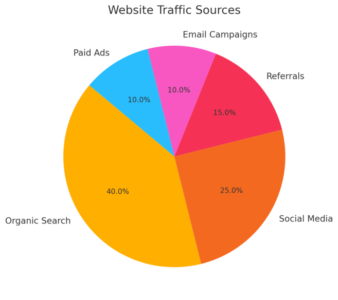
Once your brand is solid, it’s time to build your online “home base.” Your website, SEO, and funnel all work together to turn interest into clients.
Optimize Your Website for Clarity, Trust, and Conversions
Your website isn’t just a brochure—it’s your 24/7 sales assistant. When visitors land there, they should immediately understand who you are, what you do, and how you can help them.
Key elements to include:
- Clear headline: Example: “Helping ambitious women build unshakable confidence and balance.”
- Social proof: Client testimonials or results.
- Simple navigation: Keep it clean—Home, About, Services, Testimonials, Contact.
- Call to action (CTA): Every page should guide the visitor (e.g., “Book a Discovery Call”).
I advise using simple platforms like Wix, Squarespace, or WordPress with Elementor—they’re intuitive and mobile-friendly.
Use SEO Strategies to Increase Organic Traffic
SEO (Search Engine Optimization) means helping people find you on Google. It’s how you build visibility without paying for ads.
Start with these steps:
- Research keywords like “life coach for confidence” or “online mindset coach.”
- Add them naturally into your website copy, especially in page titles and headers.
- Create regular blog posts answering questions your audience asks (e.g., “How to stay motivated during career changes”).
Tools like Ubersuggest or Ahrefs can help you identify the best keywords with low competition.
Consistency is key. I’ve seen coaches triple their website traffic in six months just by posting two SEO-optimized articles per month.
Design an Effective Coaching Funnel for Client Acquisition
A coaching funnel guides visitors from awareness to commitment. Think of it as a step-by-step path toward booking a session.
Typical funnel structure:
- Free offer (e.g., “5-Day Confidence Challenge”)
- Email sequence that builds trust and authority
- Call-to-action inviting them to book a discovery session
Tools like Kit (formerly ConvertKit) or MailerLite let you automate this process easily. You can set up an automated workflow so every subscriber receives your emails in sequence—building connection on autopilot.
Integrate Lead Magnets and Email Nurture Sequences
Lead magnets are valuable freebies (PDFs, checklists, mini-courses) you give in exchange for someone’s email. The goal is to start a relationship.
Examples that work well for coaches:
- “The 3-Step Confidence Reset Worksheet”
- “Mindset Morning Routine Planner”
- “Self-Discovery Journal Prompts”
Once someone downloads it, your email nurture sequence begins. That’s a series of 4–6 friendly, story-based emails that educate, inspire, and subtly sell. Each email should feel like a conversation, not a pitch.
In my experience, well-written nurture sequences can turn 20–30% of subscribers into paying clients over time.
Leverage Social Media to Grow Your Coaching Business
Social media is where your brand personality truly shines. It’s also one of the most effective free tools to build visibility and community.
Choose the Right Platforms for Your Coaching Niche
Not all platforms fit every coach. Choose based on where your target clients spend time.
- LinkedIn: Great for executive or business coaches.
- Instagram: Best for lifestyle, mindset, and personal growth coaches.
- TikTok: Ideal if you love short-form, educational, or motivational videos.
- Facebook: Still powerful for group-based engagement and community building.
Rather than posting everywhere, pick two platforms you can maintain consistently.
Build Engagement Through Authentic Content and Community
You don’t need viral videos—you need connection. Focus on content that starts conversations, not just collects likes.
Post types that build engagement:
- Personal insights (“Here’s what I learned coaching 100 clients…”).
- Mini-lessons (“Try this 5-minute reset technique before stressful meetings.”).
- Interactive posts (polls, questions, challenges).
Reply to comments thoughtfully. When someone engages with your content, treat it like the start of a friendship, not a transaction.
Use Live Sessions and Reels to Demonstrate Expertise
Video builds trust faster than any other format. Live sessions and Reels make your expertise feel real and human.
- Instagram Live Example: Host a 15-minute “Mindset Monday” session each week.
- Reel Example: Share a 30-second tip like “How to break a negative thought loop.”
- Tools: Use CapCut or InShot for easy mobile video editing.
Viewers get a sense of your tone, energy, and personality—something static posts can’t fully convey.
Collaborate With Influencers and Other Coaches
Partnerships can expand your reach exponentially. Collaborate with complementary coaches (e.g., a nutrition coach if you’re a mindset coach).
Ideas for collaboration:
- Host joint webinars or Instagram Lives.
- Cross-promote content or lead magnets.
- Exchange guest blog posts.
I’ve seen collaborations bring in more leads in one week than a month of solo posting—it’s that effective.
Build Scalable Coaching Packages and Programs
Once you have a strong foundation, the next step in learning how to grow an online life coaching business is building scalable offers that allow you to earn more without working longer hours.
The key is creating programs that deliver value at different price points while freeing up your time.
Offer Tiered Coaching Options (1:1, Group, and Self-Paced)
Diversifying your coaching packages lets clients choose based on their needs and budget, while helping you scale sustainably.
- 1:1 Coaching: Best for high-touch clients who need deep transformation. I suggest offering this as your premium tier with limited spots.
- Group Coaching: Ideal for helping multiple clients at once while still providing live guidance. Use tools like Zoom or Circle.so to host group sessions and private discussions.
- Self-Paced Programs: Perfect for clients who prefer flexibility. These can include pre-recorded videos, guided workbooks, and exercises delivered through Teachable or Kajabi.
A simple three-tier structure might look like this:
- $499 – Self-paced online course
- $1,500 – Group coaching program (6 weeks)
- $3,000 – 1:1 intensive (12 weeks)
This model helps you serve more people without stretching yourself too thin.
Create Recurring Revenue Through Membership or Subscription Models
Recurring income stabilizes your business and reduces the feast-or-famine cycle. A membership model means clients pay a monthly fee for access to ongoing content, group calls, or community support.
For example, you could create a Mindset Mastery Membership offering:
- Two group coaching calls per month
- A private community for accountability
- Monthly challenges or journaling prompts
Platforms like Thinkific Communities or MemberVault make it simple to manage payments and access.
I’ve seen coaches grow from unpredictable $5K months to consistent $10K months by building memberships with just 50 dedicated members paying $200 each.
Develop Digital Courses to Reach a Wider Audience
Digital courses are a powerful way to scale without additional hours. You create the material once and sell it indefinitely.
Start small with a mini-course like “Goal-Setting Blueprint for Busy Professionals.” Then expand into a comprehensive signature course once you have proven results and testimonials.
Tips for creating your course:
- Use Notion to outline modules and lessons.
- Record videos using OBS Studio for a natural, conversational feel.
- Host on Podia or Teachable.
What I love most about courses is their long-term potential. Once built, they can generate passive income even while you focus on higher-end coaching clients.
Use Client Feedback to Refine and Improve Offerings
Your clients are your best advisors. Regularly gather feedback to make your programs stronger and more relevant.
You can do this with:
- Post-session surveys using Typeform.
- End-of-program interviews asking what worked and what didn’t.
- Anonymous polls in group coaching communities.
I suggest tracking common feedback themes and updating materials quarterly. This small habit compounds into massive improvement over time, building client satisfaction and higher retention rates.
Master Client Acquisition and Retention Strategies
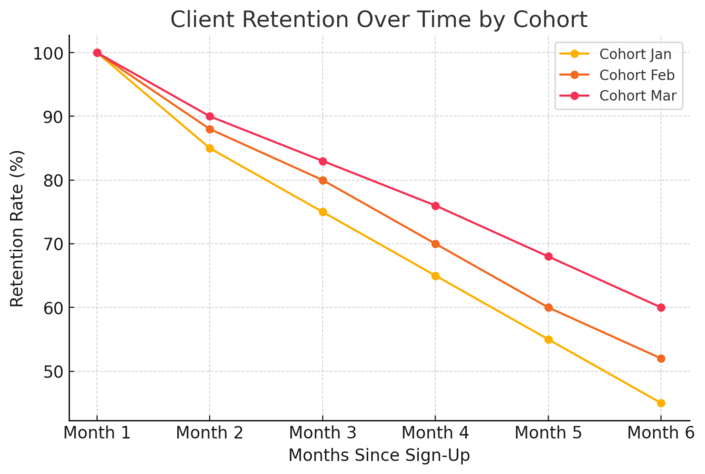
Attracting clients consistently—and keeping them engaged long-term—is the heartbeat of a thriving coaching business.
Once your programs are in place, these strategies turn interest into income.
Implement an Effective Discovery Call Framework
Discovery calls are your first real opportunity to connect. A well-structured call builds trust and converts interested prospects into clients.
A simple framework looks like this:
- Establish connection: Spend the first few minutes getting to know them.
- Identify pain points: Ask about their biggest struggles and goals.
- Share your process: Briefly explain how your coaching helps solve their problems.
- Present your offer: Clearly outline your package and invite them to take the next step.
I suggest using a scheduling tool like Calendly integrated with Zoom and a short pre-call form. This keeps the process organized and professional while saving you time.
Use Testimonials and Case Studies as Social Proof
People trust results they can see. Sharing genuine stories and feedback builds credibility instantly.
Ways to display social proof:
- Include written or video testimonials on your website’s homepage.
- Share transformation stories on Instagram or LinkedIn posts.
- Create mini case studies in your emails highlighting before-and-after results.
If you’re new and don’t yet have testimonials, offer a discounted beta round to collect feedback. Once you gather 3–5 success stories, your conversions can easily double.
Follow Up Consistently and Build Long-Term Relationships
Many coaches lose potential clients simply because they don’t follow up. Most people need time before committing to coaching—it’s a trust-based decision.
Use a follow-up sequence like this:
- Day 1: Thank them for the conversation and restate how you can help.
- Day 3: Send a helpful resource related to their challenge.
- Day 7: Gently ask if they’re ready to move forward or need more clarity.
You can automate this process in HubSpot or ActiveCampaign. Consistency shows professionalism and care—two qualities that make people eager to work with you.
Build a Referral System That Generates Warm Leads
Referrals are gold in the coaching world. Clients who come through recommendations are easier to convert and more likely to stay long-term.
Here’s a simple system that works:
- Offer a small reward (e.g., a free session or $100 credit) for each successful referral.
- Send quarterly check-ins to past clients asking if they know anyone who could benefit from your coaching.
- Create shareable digital materials (a one-page overview or testimonial reel) to make referrals easy.
In my experience, even five happy clients can turn into twenty through word-of-mouth when you build an intentional referral strategy.
Automate and Streamline Your Coaching Business
Automation doesn’t replace authenticity—it amplifies it by freeing your time for what really matters: serving clients and growing impact.
Use CRM Tools to Manage Leads and Client Communication
A CRM (Customer Relationship Management) system helps you track leads, messages, and client progress in one place.
Tools like HoneyBook and Dubsado are excellent for coaches.
They let you:
- Store client contact details
- Track interactions and call notes
- Automate contracts and invoices
Imagine never losing track of a lead again. A CRM makes your business feel structured and seamless—clients notice that professionalism.
Automate Scheduling, Invoicing, and Follow-Ups
Manually booking calls and sending invoices eats up valuable time.
Automate these workflows using:
- Acuity for scheduling (syncs with Google Calendar)
- Stripe or PayPal for automated invoicing
- Zapier to connect apps (e.g., send a “thank you” email automatically after payment)
You can even create sequences like: Discovery Call booked → Confirmation email → Invoice → Welcome packet sent automatically.
This keeps your business running smoothly—even when you’re away from your desk.
Implement Marketing Automation for Consistent Outreach
Automation ensures your audience hears from you regularly without manual effort.
Use Aweber or Omnisend to set up automated email sequences such as:
- A welcome series for new subscribers
- Weekly value-packed newsletters
- Personalized re-engagement campaigns for inactive leads
I believe automation is not about removing the human touch—it’s about amplifying it consistently across hundreds of people.
Track Key Performance Metrics for Continuous Improvement
Growth requires awareness. Tracking your numbers helps you see what’s working and where to adjust.
Important metrics to monitor:
- Website conversion rate (visitors to leads)
- Email open and click rates
- Client retention and referral rates
- Monthly recurring revenue
I recommend using Google Analytics for website tracking and built-in CRM dashboards for sales insights. Reviewing your metrics weekly helps you make smarter, faster business decisions.
Expert Tip: Automation, systems, and structured offers are what separate hobby coaches from business owners. Once these pieces are in place, scaling your online coaching business becomes not only possible—but predictable.
Scale Your Income With Strategic Partnerships and PR
When you’ve mastered the basics of how to grow an online life coaching business, scaling becomes about visibility, leverage, and credibility.
Strategic partnerships and public relations help you reach wider audiences without starting from scratch.
Collaborate With Other Experts for Co-Branded Offers
Partnering with other experts is one of the smartest ways to grow your reach fast. When you collaborate, you share audiences, credibility, and creative energy.
For example, if you’re a life coach focusing on confidence, you could partner with a nutrition coach to create a “Mind and Body Reset” program. You both bring value from different angles and reach each other’s audiences in one move.
Practical ways to collaborate:
- Run co-hosted online challenges or workshops.
- Offer bundled packages with complementary coaches.
- Write guest posts for each other’s blogs.
I recommend using Google Docs or Notion to co-plan and keep content organized. The goal is to build win-win offers where both brands shine.
Seek Podcast Interviews and Media Features for Credibility
Media appearances can do wonders for your authority and search visibility. Podcasts, digital magazines, and interviews show audiences that you’re a trusted voice.
Here’s how to start:
- Make a list of 20 podcasts your ideal clients listen to.
- Craft a short pitch about your unique story or method.
- Send a friendly, personalized message to the host explaining what value you can bring.
If you land a feature, repurpose it. Share snippets on your website, in your newsletter, and across social media. Tools like Canva Video Editor help you turn interviews into short clips that keep working for you long after the recording ends.
I’ve seen coaches get booked solid after one great podcast episode—it’s exposure that keeps paying off.
Create Joint Ventures or Affiliate Programs for Passive Income
Joint ventures (JVs) and affiliate programs let others promote your coaching or courses while you focus on delivery. It’s a powerful passive income channel when structured properly.
A simple JV example: You collaborate with a financial coach who promotes your mindset course to their audience. You split the revenue 50/50.
Affiliate programs go further—you set up a system where others earn a small percentage for referring clients to you. Platforms like ThriveCart make it easy to manage affiliate tracking and payments.
This not only drives new sales but also strengthens your professional network. In many cases, your affiliates become your biggest fans and supporters.
Use Speaking Engagements and Webinars to Expand Reach
Public speaking—online or offline—is one of the fastest ways to position yourself as an authority. You don’t need a TEDx stage; even a 30-minute webinar can convert curious leads into paying clients.
Start small:
- Offer free “Lunch & Learn” sessions for Facebook or LinkedIn groups.
- Co-host webinars with experts in your field.
- Record virtual workshops using Zoom and share replays as evergreen content.
I suggest adding a simple CTA at the end like, “Book a free clarity call to see how we can apply this to your life.” Speaking builds trust faster than any sales copy ever could.
Invest in Continuous Learning and Business Mentorship
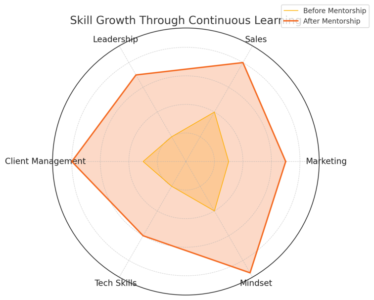
Growth in coaching comes from constant evolution—of both your mindset and your skills.
Staying in learning mode helps you adapt, innovate, and remain relevant in a rapidly changing online space.
Join Masterminds or Coaching Communities for Growth
Masterminds give you access to other ambitious professionals who are navigating the same challenges. The right community keeps you motivated and accountable.
Look for groups that offer:
- Monthly strategy calls or Q&A sessions.
- Peer accountability partnerships.
- Access to expert mentors or guest trainers.
I personally recommend platforms like The Life Coach School Community or GrowthDay. Being surrounded by growth-minded people accelerates progress more than working in isolation.
Learn Advanced Marketing, Sales, and Branding Techniques
Even if you’re a gifted coach, your business only grows when people know how to find you. That’s why mastering marketing and sales is essential.
You can start by learning:
- Email funnel building and storytelling-based copywriting.
- Social selling through authentic conversations.
- Advanced brand positioning strategies.
Courses from DigitalMarketer or HubSpot Academy are great resources. These skills compound—every small improvement in messaging or offer design increases your revenue potential.
Hire a Business Coach to Help You Scale Faster
Sometimes you need fresh eyes to help you break through plateaus. A business coach can identify bottlenecks, clarify your strategy, and hold you accountable.
When choosing one, look for:
- Proven experience scaling coaching or service-based businesses.
- A mix of mindset and strategy coaching.
- Clear ROI-focused frameworks.
I suggest interviewing at least two coaches before deciding. The right coach should make you feel challenged yet supported—like they see your potential even when you don’t.
Stay Ahead of Industry Trends and Emerging Technologies
Technology and consumer habits evolve quickly. Staying informed keeps your coaching relevant.
Follow reputable sources like Coaching Federation News and Forbes Coaches Council.
Explore emerging tools like:
- ChatGPT for personalized client content.
- Airtable for organizing program modules.
- AI note-taking tools like Otter.ai for session summaries.
The more tech-savvy and adaptable you are, the easier it becomes to scale sustainably in a digital-first world.
Measure Growth and Optimize for Consistent Monthly Income
Consistency doesn’t come from guessing—it comes from tracking. You can’t improve what you don’t measure.
Set Clear Income and Growth Goals Each Quarter
Quarterly goals make growth more tangible. I recommend breaking them down into specific, measurable targets like:
- Number of new clients signed
- Monthly recurring revenue (MRR)
- Lead-to-client conversion rate
Use a Notion dashboard or a simple Google Sheet to track your goals weekly. Seeing progress visually helps you stay focused and motivated.
Use Analytics to Identify What’s Working and What’s Not
Analytics give you the data to make better decisions.
Start small with free tools:
- Google Analytics for website traffic.
- Kit Reports for email engagement.
- Meta Insights or LinkedIn Analytics for social media.
When you see which channels bring the best leads, double down on them. I believe in data-driven intuition—trust your gut, but validate it with numbers.
Adjust Pricing and Offers Based on Market Feedback
Your prices should evolve as your expertise and results grow. If you’re consistently fully booked or hearing “you’re undercharging,” it’s time to raise rates.
You can also experiment with different formats—adding a group option or shortening your 1:1 package—to match client needs and market demand.
Track what clients respond to most. Sometimes a small tweak in pricing or delivery can double your conversions.
Plan for Long-Term Financial Stability and Expansion
Think beyond your next launch. Build systems that protect your business during slow months.
Strategies include:
- Saving 20% of profits in a business emergency fund.
- Diversifying income with digital products or memberships.
- Investing in professional tools or training that boost productivity.
Financial planning isn’t exciting—but it’s what gives you peace of mind to serve clients confidently.
Build a Sustainable Work-Life Balance as You Grow
As your coaching business scales, protecting your energy becomes just as important as growing your income. Sustainable success means thriving, not just surviving.
Establish Boundaries Between Work and Personal Time
Without clear boundaries, burnout creeps in fast. I suggest setting fixed work hours and communicating them clearly to clients.
Example: “My coaching hours are Monday–Thursday, 10 AM–4 PM EST.”
Use Google Calendar or Acuity Scheduling to block off non-work hours. This creates mental separation and helps clients respect your time.
Use Systems to Reduce Burnout and Decision Fatigue
Automation tools don’t just save time—they save brainpower. Create templates for repetitive tasks like onboarding emails, social posts, and session summaries.
Tools I recommend:
- ClickUp for task management.
- Trello boards for visual workflows.
- Notion for client session notes and weekly reflections.
When everything runs smoothly, you can focus on creativity and client transformation instead of admin overwhelm.
Delegate Non-Core Tasks to Virtual Assistants or Team Members
You don’t have to do everything yourself. Hiring a virtual assistant (VA) or contractor helps you stay in your zone of genius—coaching.
Start small by delegating:
- Email inbox management.
- Social media scheduling.
- Client onboarding or invoicing.
Websites like Upwork or Fiverr can help you find reliable assistants within your budget.
Celebrate Wins and Reflect on Your Coaching Impact
Growth isn’t just about revenue—it’s about fulfillment. Take time to celebrate every milestone, no matter how small.
I recommend ending each month with a reflection journal:
- What went well this month?
- What lessons did I learn?
- What am I most proud of?
These moments of reflection keep you grounded, grateful, and aligned with your deeper purpose as a coach.
Final Thought: Scaling your online life coaching business is less about doing more and more about doing smarter. Strategic partnerships, mentorship, systems, and self-care together create a business that grows sustainably—while you stay true to why you started coaching in the first place.

I’m Juxhin, the voice behind The Justifiable.
I’ve spent 6+ years building blogs, managing affiliate campaigns, and testing the messy world of online business. Here, I cut the fluff and share the strategies that actually move the needle — so you can build income that’s sustainable, not speculative.
Related posts:
 How to Become an Online Coach: Finding Your Niche and Building Your Brand
 How to Boost Your Business with Effective Marketing Tactics
 Business Analyst: How to Start and Succeed in Your Career
 What is Strategic Growth? Top Strategies to Boost Your Business
 Small Business Directory: Explore the Backbone of the Economy
 Boost Your Digital Marketing Business Revenue in 90 Days