
Table of Contents
Some links on The Justifiable are affiliate links, meaning we may earn a small commission at no extra cost to you. Read full disclaimer.
If you’re trying to figure out how to dropship with SaleHoo without getting overwhelmed by supplier scams, bad product data, or complicated setup steps, you’re in the right place.
I’ve seen a lot of beginners struggle not because dropshipping is hard, but because they start with the wrong tools or unclear processes.
This guide is specifically for beginners, side hustlers, and small ecommerce owners who want a simpler, safer way to start dropshipping.
It answers one core question: what exactly makes SaleHoo easier to use compared to other dropshipping platforms, and how do you actually use it step by step to launch faster with fewer mistakes?
How to Dropship With SaleHoo Using Its Supplier Directory
If you’re learning how to dropship with SaleHoo, the supplier directory is where everything starts.
This is the part that removes the fear most beginners have: accidentally paying a fake supplier or getting stuck with unusable inventory.
How SaleHoo Vetting Protects You From Fake Suppliers
One reason I genuinely trust SaleHoo is its supplier approval process. Unlike open marketplaces, suppliers don’t just sign up and list products.
What SaleHoo actually checks:
- Business registration and legal status
- Wholesale legitimacy (not retail resellers pretending to be suppliers)
- Track record and complaints history
SaleHoo states that fewer than 3% of applicants make it into the directory. That number matters because supplier fraud is one of the top reasons new dropshippers quit early.
In practice: I’ve seen beginners lose $500–$1,000 ordering samples from “suppliers” found on random Google searches. SaleHoo removes that risk upfront, which saves money and mental energy before you even sell your first product.
Using Supplier Filters to Match Your Business Model
SaleHoo’s filters are not just cosmetic. They directly shape how your store operates.
Key filters that actually matter:
- Dropshipping vs wholesale suppliers
- Supplier location (US, UK, AU, EU, China)
- Product category and brand compatibility
If you’re building a US-based Shopify store with 3–5 day shipping, filtering for domestic suppliers instantly narrows your list to realistic options.
Personal tip: I suggest filtering by location first, then product type. It prevents falling in love with products that don’t match your shipping promises.
Contacting SaleHoo Suppliers the Right Way
Most beginners send vague messages like “Do you dropship?” and never hear back. Suppliers respond better when you sound like a real business.
A simple outreach structure that works:
- Brief intro and store type
- Where you found them (mention SaleHoo)
- Questions about dropshipping support, branding, and processing time
Keep it short, polite, and specific. You don’t need a registered company yet, just clarity.
Why this matters: Suppliers prioritize partners who seem organized. Better communication often leads to faster processing times and lower error rates later.
Understanding MOQs, Pricing, and Shipping Terms
MOQ means minimum order quantity. Even dropshipping suppliers sometimes require volume thresholds.
What to double-check before committing:
- Per-unit cost vs suggested retail price
- Dropshipping fees (some charge $2–$5 per order)
- Average processing and shipping times
A healthy margin target is usually 40–60% after fees. If the math doesn’t work on paper, it won’t work with ads.
How to Dropship With SaleHoo for Product Research
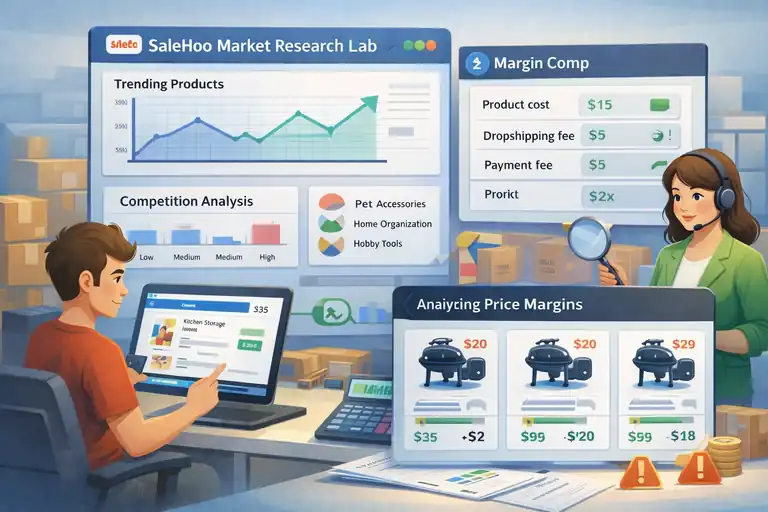
This is where how to dropship with SaleHoo gets easier than most platforms. Instead of guessing products, you’re working with real data.
Using SaleHoo Market Research Lab for Demand Validation
The Market Research Lab shows estimated monthly sales, competition levels, and pricing trends.
What I look for first:
- Consistent demand, not spikes
- Medium competition scores
- Retail prices that allow margins
If a product shows steady demand across months, it’s usually safer than trend-based items that crash quickly.
Example: A kitchen storage item selling 1,200 units/month at $35 beats a trending gadget that sells 10,000 units once and disappears.
Identifying Profitable Niches With Low Competition
SaleHoo lets you zoom out from products to niches.
Smart niche indicators:
- Multiple products with moderate demand
- No single dominant brand controlling the space
- Practical use cases rather than novelty
Pet accessories, home organization, and hobby tools often perform better long-term than viral products.
My experience: Niches with repeat purchase potential are easier to scale because customer acquisition costs drop over time.
Analyzing Price Margins Before Listing Products
Before listing anything, I always reverse the math.
Quick margin check:
- Product cost + dropshipping fee
- Average shipping cost
- Payment processor fees
Then compare it to what competitors are charging. If you can’t hit at least a 2x markup, move on.
This step alone saves weeks of testing unprofitable products.
Avoiding Saturated Products Using SaleHoo Data
Saturation isn’t about popularity. It’s about oversupply.
Warning signs inside SaleHoo:
- Dozens of identical suppliers
- Price race to the bottom
- No room for branding or bundles
If everyone sells the same product photo at the same price, ads become expensive fast.
What works better: Look for products where small improvements, bundles, or better positioning make you different. SaleHoo data makes these gaps easier to spot.
Pro tip: Before committing to a supplier, order one sample and time the delivery yourself. Even the best data can’t replace firsthand experience, and that single order often tells you whether a product is worth building a brand around.
How to Dropship With SaleHoo With Shopify Integration
This is where how to dropship with SaleHoo starts to feel practical instead of theoretical.
The Shopify integration removes a lot of manual work that usually causes beginner mistakes like overselling or shipping delays.
Connecting SaleHoo to a Shopify Store Step by Step
SaleHoo integrates directly with Shopify through its official app. That means you’re not copying spreadsheets or juggling third-party automation tools.
Here’s how the setup usually looks in real life:
- Install the SaleHoo app from the Shopify App Store: This creates a secure connection between your store and SaleHoo’s supplier system.
- Authorize store access: SaleHoo needs permission to import products and sync orders. This sounds technical, but it’s just clicking “Allow.”
- Choose your default settings: Currency, shipping regions, and pricing rules get set once so you don’t repeat work later.
In my experience, this setup takes under 30 minutes if your Shopify store already exists. Compared to patching together AliExpress tools, this feels refreshingly calm.
Importing Products Without Manual Errors
Manual product imports are where a lot of stores quietly break. Wrong variants, missing SKUs, mismatched prices—it adds up.
SaleHoo’s importer avoids most of this by pulling structured data directly from the supplier.
What actually gets imported correctly:
- Product variants: Sizes, colors, and options stay aligned
- Supplier SKUs: These are internal product IDs used to track inventory
- Base pricing: You can apply markups automatically
A small shortcut I use is setting pricing rules before importing. For example, a 2.2x markup plus rounding makes prices look intentional instead of random.
Managing Inventory Sync and Stock Updates
Inventory sync means your store updates automatically when a supplier runs out of stock.
Why this matters more than people think:
- Out-of-stock products kill ad performance
- Overselling creates refund requests
- Supplier trust drops fast if orders bounce
SaleHoo syncs stock levels directly from suppliers, usually every few hours. It’s not perfect, but it’s far safer than guessing.
I suggest keeping buffer rules, like hiding products when stock drops below five units. That one setting prevents most fulfillment headaches.
Handling Order Fulfillment Through SaleHoo
When a customer places an order, SaleHoo pushes that order to the supplier automatically.
What you still control:
- Order review: You can hold orders briefly if needed
- Shipping confirmation: Tracking numbers flow back into Shopify
- Customer notifications: Shopify handles emails as usual
This setup keeps you focused on marketing and customer experience instead of admin work. That’s the real win.
How to Dropship With SaleHoo Compared to AliExpress
If you’re deciding how to dropship with SaleHoo versus AliExpress, the difference isn’t just tools. It’s the entire business mindset.
Supplier Reliability Differences Between SaleHoo and AliExpress
AliExpress suppliers are open-market sellers. Some are excellent. Many disappear overnight.
SaleHoo suppliers are pre-vetted wholesalers. That changes everything.
Key reliability differences:
- SaleHoo suppliers: Verified businesses, stable catalogs, predictable communication
- AliExpress suppliers: Mixed quality, frequent listing changes, inconsistent responses
From what I’ve seen, SaleHoo dramatically reduces order disputes and refund rates. That alone saves hours of support work every month.
Shipping Speed and Customer Expectations
Shipping is where customer trust is won or lost.
Typical averages:
| Platform | Average Shipping Time |
| SaleHoo (US suppliers) | 3–7 days |
| SaleHoo (international) | 7–14 days |
| AliExpress standard | 15–30 days |
Faster shipping allows you to charge more and advertise honestly. That’s hard to do with month-long delivery windows.
Product Quality Control and Returns
Returns are rare when expectations match reality.
SaleHoo helps here because:
- Product descriptions are more accurate
- Suppliers often accept returns locally
- Quality consistency is higher
AliExpress returns usually involve shipping back to China, which most customers won’t do. That cost often comes out of your pocket.
Long-Term Brand Building vs Quick Arbitrage
AliExpress works best for quick testing and trend chasing. SaleHoo supports brand building.
If your goal is:
- Fast experiments: AliExpress can work
- Repeat customers and brand trust: SaleHoo is the safer foundation
Personally, I prefer SaleHoo when I want to build something that lasts longer than one viral product cycle.
Expert tip: If you’re serious about scaling, use SaleHoo for your core catalog and AliExpress only for short-term testing. That balance keeps risk low while still letting you experiment.
How to Dropship With SaleHoo Using Its Education Tools
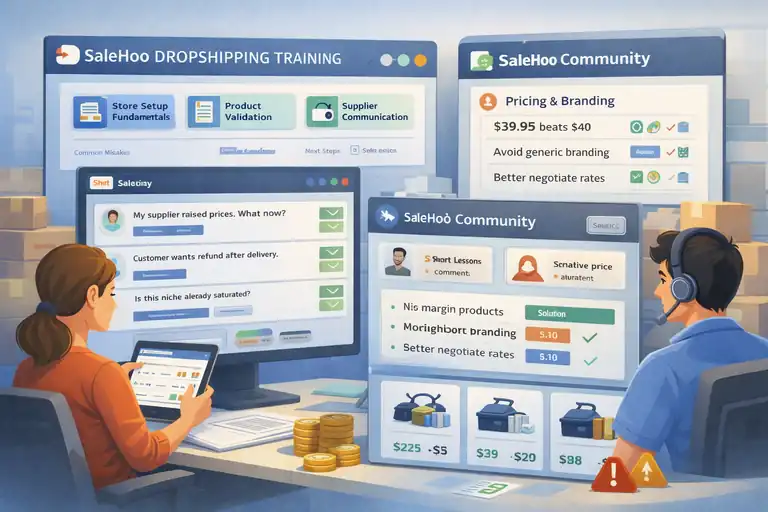
This part of how to dropship with SaleHoo is easy to overlook, but it’s quietly one of the biggest advantages.
SaleHoo isn’t just a directory. It’s built to teach you how to avoid expensive beginner mistakes before they happen.
Using SaleHoo Training for First-Time Dropshippers
SaleHoo’s training is designed for people who are starting from zero, not people who already run seven-figure stores. That’s a good thing.
What the training actually focuses on:
- Store setup basics: Choosing a niche, structuring collections, and setting realistic expectations
- Supplier communication: What to ask, what to avoid, and how to sound professional
- Product validation: How to avoid emotional product decisions
I like that the lessons are short and practical. You’re not watching 90-minute theory videos. You’re learning one concept and applying it immediately.
From what I’ve seen, most beginners don’t fail because they lack motivation. They fail because they skip fundamentals. SaleHoo’s training quietly forces you to slow down and build correctly.
Community Forums for Real-World Problem Solving
The SaleHoo community forum is where theory meets reality.
You’ll find real questions like:
- “My supplier raised prices. What now?”
- “Customer wants a refund after delivery.”
- “Is this niche already saturated?”
What makes the forum valuable is context. You’re reading solutions from people using the same suppliers and tools you are.
Personal insight: Whenever I’m stuck between two decisions, I search the forum first. Someone has usually made the mistake already and documented the outcome.
This kind of shared experience is hard to put a price on.
Learning Pricing, Branding, and Supplier Negotiation
SaleHoo doesn’t just teach you how to list products. It teaches you how to think like a business owner.
Key concepts they emphasize:
- Pricing psychology: Why $39.95 often converts better than $40
- Basic branding: How to avoid looking like a generic dropshipping store
- Negotiation basics: When and how to ask for better rates
Even small changes, like bundling products or adjusting perceived value, can increase conversion rates without more traffic.
These lessons matter once ads get expensive.
Common Beginner Mistakes SaleHoo Helps Prevent
Most dropshipping failures are predictable.
SaleHoo helps you avoid:
- Picking products with no margin
- Relying on a single unreliable supplier
- Scaling ads before fixing fulfillment
I’ve watched beginners save months just by learning what not to do early. That’s real leverage.
How to Dropship With SaleHoo Cost-Effectively
Cost matters when you’re starting out. Understanding how to dropship with SaleHoo cost-effectively means knowing exactly what you’re paying for and why.
SaleHoo Pricing Plans and What You Actually Get
SaleHoo uses a subscription model rather than per-order fees.
Here’s what you’re really paying for:
| Feature | Included |
| Supplier directory access | Yes |
| Market Research Lab | Yes |
| Shopify integration | Yes |
| Training and community | Yes |
There are no surprise transaction fees, which makes budgeting easier compared to pay-per-order tools.
My take: I prefer predictable costs, especially when testing ads.
Calculating ROI Before Paying for a Subscription
Before subscribing, do a simple ROI check.
Ask yourself:
- How many products will I test this month?
- How much would one bad supplier mistake cost me?
- How much time does this save me weekly?
If SaleHoo helps you avoid even one failed supplier order or one bad product launch, it usually pays for itself.
Time saved is money saved, especially when you’re juggling everything alone.
When SaleHoo Makes Sense and When It Doesn’t
SaleHoo is a strong fit if:
- You want vetted suppliers
- You care about shipping reliability
- You’re building a real brand
It may not be ideal if:
- You only chase viral trends
- You want ultra-cheap products at any cost
- You don’t plan to scale beyond testing
Being honest about your goals saves frustration.
Scaling Beyond SaleHoo as Your Store Grows
SaleHoo works best as a foundation.
As you scale, you may:
- Negotiate direct supplier contracts
- Use private labeling
- Add fulfillment partners
That’s not outgrowing SaleHoo. That’s graduating from it.
Best practice: Use SaleHoo to build stable cash flow first. Scale complexity only after your store proves demand.
FAQ
How do beginners start dropshipping with SaleHoo?
To start how to dropship with SaleHoo, beginners create a SaleHoo account, choose vetted dropshipping suppliers from the directory, connect SaleHoo to a Shopify store, and import products directly. This removes the need to search for suppliers manually and reduces the risk of scams.
Is SaleHoo better than AliExpress for dropshipping?
SaleHoo is easier for beginners because it offers pre-vetted suppliers, faster shipping options, and structured product data. AliExpress can be cheaper, but it requires more manual work, has higher supplier risk, and longer shipping times, which can hurt customer trust.
How much money do you need to dropship with SaleHoo?
You can start how to dropship with SaleHoo with a small budget, typically covering a SaleHoo subscription, a Shopify plan, and basic marketing costs. Many beginners launch with under $200, excluding ad spend, by focusing on organic traffic or low-cost testing.

I’m Juxhin, the voice behind The Justifiable.
I’ve spent 6+ years building blogs, managing affiliate campaigns, and testing the messy world of online business. Here, I cut the fluff and share the strategies that actually move the needle — so you can build income that’s sustainable, not speculative.
Related posts:
 Advantages of a Dropshipping Company: Genuine Business Knowledge
 Starting a Home Business Online: 4 Simple Ideas
 20 Best Products to Dropship for Maximum Profit
 How to Build a Dropshipping Store That Actually Converts
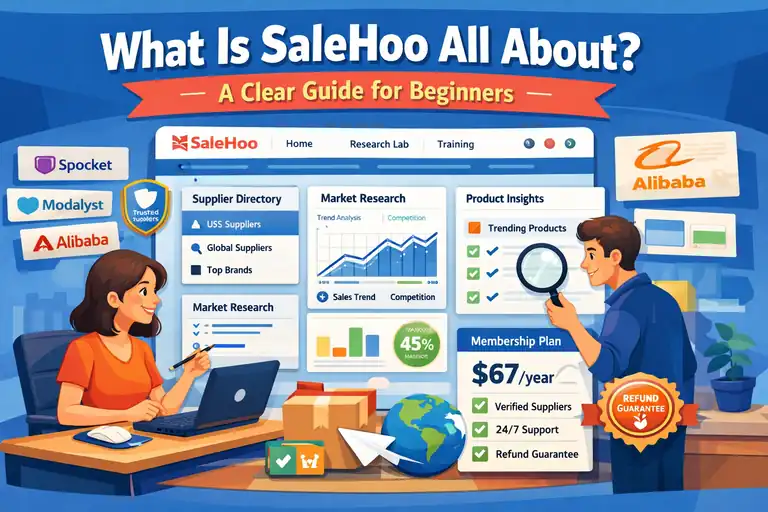 What Is SaleHoo All About? A Clear Guide for Beginners
 Salehoo Directory Free: What You Can Access Without Paying