
Table of Contents
Some links on The Justifiable are affiliate links, meaning we may earn a small commission at no extra cost to you. Read full disclaimer.
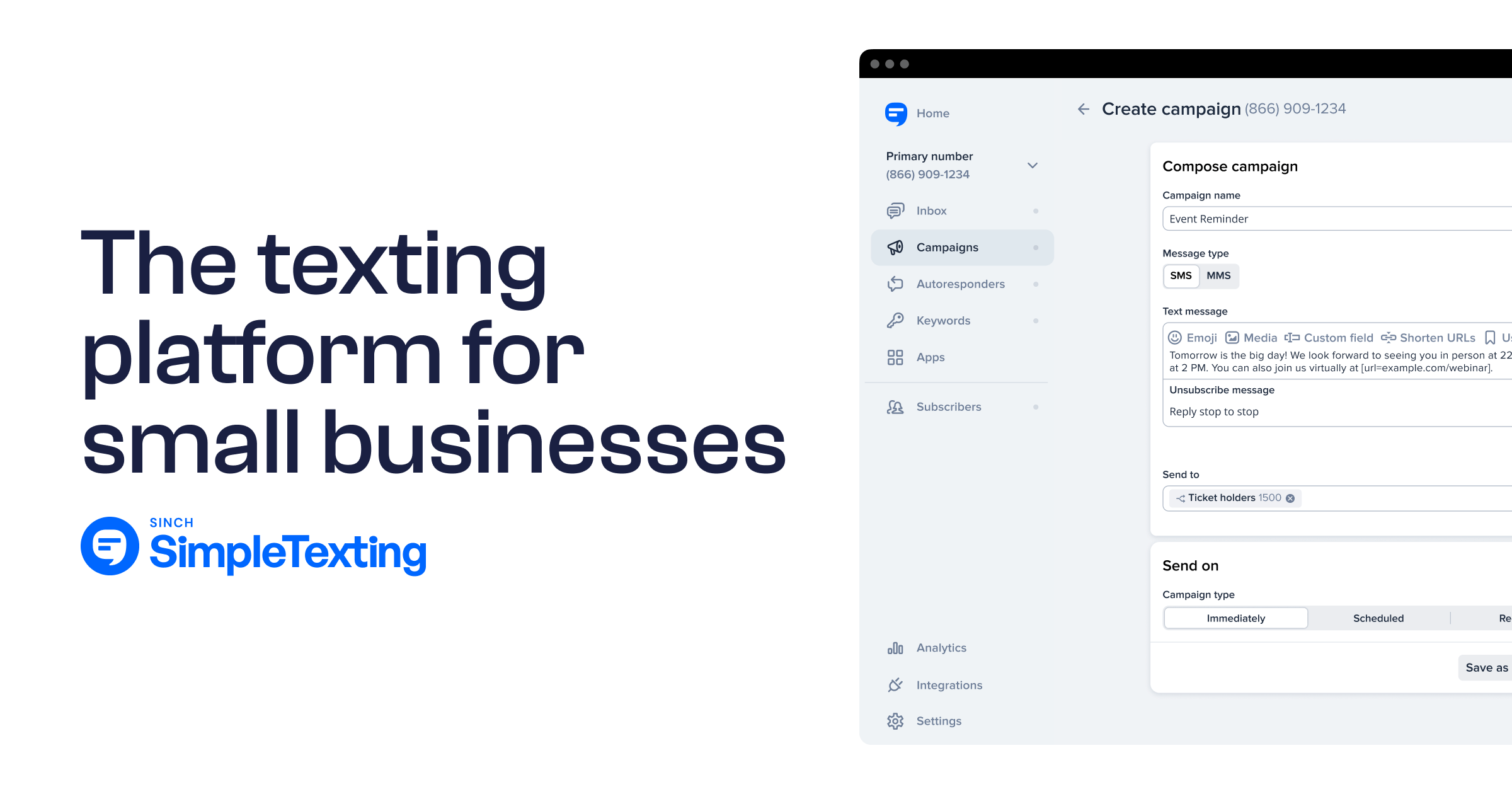
SimpleTexting pricing explained starts with a simple question: are you paying for a flexible SMS platform, or are you walking into a bill that grows faster than expected?
If you are comparing texting tools for a small business, that question matters more than the headline price.
I went through SimpleTexting’s current pricing structure, number options, credit rules, and carrier fee notes so you can see what the platform really costs in practice.
By the end, you should know whether SimpleTexting feels like a fair deal for your use case or an expensive surprise waiting to happen.
What SimpleTexting Pricing Actually Looks Like
SimpleTexting does not price the platform like a flat software subscription with unlimited sending.
Instead, it combines a base monthly plan with message credits, number-type costs, and carrier-related fees that can affect your real spend.
SimpleTexting Uses A Credit-Based Pricing Model
The core of SimpleTexting pricing is credits. On the official pricing page, the entry setup shown is $29 for 500 credits when you use a toll-free number. If you want a local number, the same example becomes $39 per month because the local number adds $10 per month, plus a $4 one-time carrier registration fee. SimpleTexting also notes that extra credits on that example are billed at 5.5 cents each.
That structure matters because you are not really buying “500 messages” in every situation. You are buying 500 credits, and those credits get consumed differently depending on the kind of message you send. A standard SMS can use 1 credit, but longer or richer messages can use more. That is where many buyers underestimate the true monthly cost.
I believe this is neither misleading nor unusually complicated for the SMS space, but it does mean the sticker price is only the starting point. If your team sees “$29 per month” and assumes that covers a full campaign workflow without math, you may be budgeting too loosely from day one.
The Number Type Changes Your Starting Cost
SimpleTexting currently presents three main number paths. A local number is listed at $10 per month plus a $4 activation fee, with same-day activation. A toll-free number has no additional monthly fee, but activation can take up to a week because it needs carrier approval. A dedicated short code begins at $1,000 per month and takes around 6 to 8 weeks to provision.
This is important because two companies on the same message volume can still pay different amounts. A local service business that wants a familiar area code may pay more than a national brand willing to start with toll-free. A high-volume campaign brand considering a short code is playing in a completely different budget category.
For many small businesses, the real comparison is local versus toll-free. Local is more immediate and recognizable, while toll-free can be cheaper on the platform side. In my experience, this is one of the first tradeoffs worth settling before you compare SimpleTexting with any competitor, because it changes both cost and rollout speed.
What You Get In The Base Platform
SimpleTexting includes a fairly broad feature set in its standard platform presentation. The pricing page lists mass texting, two-way messaging, free incoming messages and SMS replies, auto-replies, drip campaigns, MMS support, AI-assisted message generation, API access, reporting, analytics, rollover credits, unlimited contacts, audience segmentation, unlimited text-to-join keywords, and Mailchimp and Zapier integrations.
That matters because the platform is not charging separately for a lot of common SMS marketing basics that some tools gate behind higher tiers. If you need keywords, automations, analytics, contact management, and integrations, SimpleTexting is trying to bundle those into the core offer rather than nickel-and-diming every feature.
So when someone asks whether SimpleTexting pricing is fair, I do not think the answer lives in the monthly entry price alone. It lives in the relationship between credits, number choice, and the fact that many useful features are already included.
How Credits Turn Into Real Sending Costs
This is where SimpleTexting pricing becomes either very reasonable or surprisingly expensive. The platform’s cost-efficiency depends on how you write messages, not just how many contacts you have.
One Message Does Not Always Equal One Credit
SimpleTexting explains that a traditional 160-character SMS costs 1 credit. An extended SMS between 161 and 306 characters costs 2 credits. An MMS, which includes rich media or falls into a larger message format, costs 3 credits.
That means the same campaign can have radically different economics depending on copy style. Imagine two businesses each sending to 500 subscribers. Business A sends a short text-only appointment reminder under 160 characters. That campaign uses about 500 credits. Business B sends a promotional image with a longer caption.
That can cost roughly 1,500 credits if it counts as MMS. Same audience, same send button, very different bill.
This is the biggest “hidden cost” people feel, even though it is not actually hidden on the company’s site. It is just easy to ignore during comparison shopping. Many of us naturally think in campaigns, lists, and contacts. SMS platforms think in message segments and delivery types. If you miss that difference, your cost estimate will be off.
Why Character Count Quietly Affects Budget
The jump from 1 credit to 2 credits is not dramatic until you do the math at scale. If your team routinely writes long messages, adds disclaimers, includes coupon language, or stacks links and emojis, you can burn through credits twice as fast as planned.
That turns a low entry plan into an overage-heavy account very quickly.
Here is a simple way to think about it:
| Message Type | Credit Cost | Budget Effect |
|---|---|---|
| Standard SMS up to 160 characters | 1 credit | Most cost-efficient |
| Extended SMS 161 to 306 characters | 2 credits | Roughly doubles send cost |
| MMS or rich media message | 3 credits | Triple-credit usage |
Source data comes from SimpleTexting’s plan explanation and pricing details.
If you are cost-sensitive, message design discipline matters more than people expect. A clean, concise text can be the difference between staying inside plan limits and paying for extra credits every month. I recommend treating message length as a budgeting variable, not just a copywriting choice.
A Quick Reality Check For Common Use Cases
Not every business experiences SimpleTexting pricing the same way. A clinic sending short reminders may find the platform very affordable because messages are brief, repetitive, and mostly plain text. A retail brand sending image-heavy promotions may find costs rise much faster because MMS consumes 3 credits per recipient.
A practical example helps. Suppose you run a gym with 1,000 subscribers. If you send one concise monthly reminder under 160 characters, that is about 1,000 credits. If you send weekly MMS promotions with photos, that could be around 12,000 credits a month for four sends. Same subscriber count, completely different budget profile.
That is why any honest SimpleTexting pricing explained article needs to focus on behavior, not just plan labels.
The Hidden Costs Most Buyers Notice Too Late
SimpleTexting is fairly transparent about major pricing elements, but there are still cost drivers that can feel hidden if you only skim the plan page. These are the details that shape the real bill.
Carrier Fees Are Real And They Sit Outside The Simple Headline Price
SimpleTexting explicitly notes that additional carrier fees apply. It also explains that carriers now require number registration or verification for businesses, especially to reduce spam and protect consumers. For local numbers, there are initial and ongoing registration-related fees. Toll-free numbers go through a free verification process and do not have that ongoing fee.
This matters because many buyers compare vendors by monthly subscription only, then feel frustrated when carrier-related charges appear later. To be fair, this is not just a SimpleTexting issue. Carrier fees are part of the broader messaging ecosystem. Still, they affect the total cost of ownership, so they belong in your budget model from the start.
I would not call this a deceptive hidden cost. I would call it an underappreciated cost. The platform says it plainly, but a lot of readers do not appreciate how often “additional carrier fees apply” ends up meaning “my actual messaging budget is higher than the calculator suggested.”
Local Number Fees Change The Economics
A local number adds $10 per month and a $4 activation fee on the pricing page example. For some businesses, that is absolutely worth it. A recognizable area code can make a local brand feel more familiar and trustworthy. But if you are primarily choosing local because it “feels more normal,” you should at least be aware that toll-free is cheaper on the platform side.
This is especially relevant for lean teams or startups. Over a year, that extra $10 per month means another $120 before you even count carrier-related costs. It is not a massive number, but it is enough to matter when SMS is still in the testing phase and ROI is not proven yet.
Short Codes Are A Different Budget Tier Entirely
SimpleTexting lists dedicated short codes starting at $1,000 per month, and provisioning can take 6 to 8 weeks. That is not an entry-level expense. It is a serious infrastructure decision better suited to larger campaigns, bigger ad spend, or brands with meaningful SMS volume and a clear compliance process.
If you are a small or mid-sized business searching “simpletexting pricing explained,” you are probably not actually choosing between $39 and $1,000-plus in a realistic way. Short code pricing is useful context, but for most readers it is best viewed as an advanced option, not a default path.
What Makes SimpleTexting Feel Like A Fair Deal
The pricing conversation gets a lot more balanced when you look beyond the base plan and ask what the platform includes.
SimpleTexting is not just selling message sends. It is selling a broader texting workflow for business use.
Unlimited Contacts Is More Valuable Than It First Sounds
SimpleTexting includes unlimited contacts on its pricing page. That can be a meaningful advantage if your list is growing but your sending frequency is controlled. Some platforms charge more as your database expands, even when you are not messaging everyone constantly. SimpleTexting’s model puts more emphasis on credits than contact count.
That is useful for seasonal businesses, event-driven organizations, or local brands building an audience before they fully monetize it. You can keep collecting subscribers without immediately triggering a list-size pricing penalty. In practice, that makes SimpleTexting friendlier for list growth than some marketers expect.
For example, imagine a real estate team collecting 6,000 local subscribers through sign-up forms and keyword campaigns, but only texting small segments when listings match buyer preferences. In that scenario, unlimited contacts matters more than a cheap-looking starter fee from a competitor that prices aggressively by database size.
Included Features Reduce The Need For Extra Software
The standard feature set includes auto-replies, drip campaigns, segmentation, analytics, keywords, API access, and integrations like Mailchimp and Zapier. For many small businesses, that is enough to run serious SMS operations without buying extra point solutions just to cover basic workflow gaps.
This is where I think SimpleTexting earns some of its price credibility. If a platform is cheap but forces you to upgrade for keywords, automations, reporting, or forms, the real cost can climb fast. SimpleTexting appears to position many of those essentials inside the core offer.
That does not automatically make it the cheapest tool. It makes it easier to estimate the value. A fair deal is often not the lowest monthly line item. It is the plan that handles the full workflow without forcing awkward workarounds.
The Platform Offers Flexibility Many Businesses Need
SimpleTexting says you can upgrade or downgrade as your needs change and notes there are no contracts. It also offers a free trial with no credit card required and mentions a 30-day refund policy on the pricing page.
That flexibility lowers the risk of trying the platform, especially if your SMS volume is still uncertain. When a business is testing lead nurturing, support texting, reminders, and promotions all at once, usage can be unpredictable for the first few months. A rigid annual lock-in would make that much harder to justify.
So yes, the cost model has moving pieces. But it is also paired with relatively low-friction adoption, which makes it easier to test whether SMS works for your audience before you commit heavily.

Which Businesses Usually Get The Best Value
Not every company gets the same return from a credit-based SMS platform. The best fit depends on message style, customer journey, and how often you need to text.
Best Fit: Businesses Sending Short, High-Intent Messages
SimpleTexting tends to look strongest when your messages are concise and tied to clear action. Appointment reminders, shipping updates, quick promotional alerts, intake follow-ups, event reminders, and support-style conversations all fit this model well.
Standard SMS is credit-efficient, and the built-in workflow features help without requiring a more complex enterprise stack.
Think about a dental office sending confirmations, a home service company handling dispatch updates, or a restaurant texting reservation reminders and last-minute specials. These use cases often thrive on short text communication, so the platform’s credit structure stays manageable.
If this sounds like your business, SimpleTexting pricing can feel very fair because you are using the system the way it is most cost-efficiently designed.
Tougher Fit: Brands That Lean Heavily On MMS Promotions
The picture changes when your strategy depends on visual storytelling. Retail, lifestyle, food, fitness, and ecommerce brands often want to send images, GIFs, or rich media. On SimpleTexting, MMS costs 3 credits per message, which can multiply spend quickly.
That does not mean the platform is bad for those businesses. It just means the economics need closer planning. A brand with high average order value and strong SMS conversion rates may happily pay the premium. A low-margin business sending frequent visual blasts may feel squeezed.
My suggestion is simple: If your campaign idea looks more like “mini email in a text” than “short text with one clear action,” budget for extra credits early. That one mindset shift prevents a lot of disappointment.
Growth Stage Also Matters
SimpleTexting can be appealing for growing small businesses because it includes unlimited contacts, keyword support, automations, and integrations without positioning them as rare enterprise perks. That makes it easier to build a full SMS program before you are operating at enterprise volume.
At the same time, very high-volume senders with unusual compliance, infrastructure, or throughput needs may eventually move toward custom plans or short code setups. SimpleTexting itself says larger users may qualify for custom pricing.
How To Estimate Your Real Monthly Cost Before You Buy
This is the section most buyers actually need. The fastest way to evaluate SimpleTexting is to translate your campaign habits into credits and fees before you sign up.
Start With Message Type, Not Contact Count
Most people start budgeting by asking, “How many contacts do I have?” That is useful, but it is not enough. First ask what kind of messages you will send. Are they short plain-text reminders, extended texts, or MMS promotions? Since SMS can cost 1 credit, extended SMS 2 credits, and MMS 3 credits, the message format is what controls the burn rate.
A simple planning formula looks like this:
- SMS plan estimate: Number of recipients × sends per month × 1 credit
- Extended SMS estimate: Number of recipients × sends per month × 2 credits
- MMS estimate: Number of recipients × sends per month × 3 credits
Once you have that number, compare it to the credits included in your expected plan and factor in extra-credit pricing where relevant. On the published 500-credit example, extra credits are billed at 5.5 cents each.
Add Number Costs And Carrier-Related Fees
After estimating credits, add your number choice. A toll-free number has no additional monthly fee on the pricing page example. A local number adds $10 per month and a $4 activation fee.
Then remember that additional carrier fees may apply, and SimpleTexting specifically notes that local numbers involve registration-related fees while toll-free uses free verification instead of an ongoing registration fee.
Here is a practical planning table:
| Cost Element | Toll-Free | Local Number | Dedicated Short Code |
|---|---|---|---|
| Starter example base | $29 for 500 credits | $39 for 500 credits | Starts at $1,000/month |
| Monthly number fee | None listed | $10/month | Included in custom structure |
| One-time fee | None listed for number | $4 activation fee | Varies by provisioning path |
| Approval timeline | Up to a week | Same day | 6 to 8 weeks |
| Extra credits on example | 5.5¢ each | 5.5¢ each | Custom |
Source details come from SimpleTexting’s pricing and features pages.
Use A Conservative Estimate, Not A Hopeful One
I recommend building your estimate around your heavier messaging month, not your best-case month. Many teams assume they will only send a few short texts, then quickly add welcome flows, reminders, promos, or support replies. The platform may still be a good deal, but only if your estimate reflects reality.
A conservative estimate protects you in two ways. First, it helps you choose the right number type. Second, it tells you whether SimpleTexting’s flexibility is enough or whether a different pricing philosophy would fit your business better.
Common Mistakes That Make SimpleTexting Feel Overpriced
A lot of “this platform is too expensive” reactions come from setup and planning mistakes, not from the platform being objectively unfair.
Here are the patterns I see most often when teams misjudge SMS costs.
Treating SMS Like Email
Email pricing often trains marketers to think in list size and unlimited sends. SMS is different. Message segments, compliance, number registration, and carrier ecosystem rules make pricing more operational. If you bring email habits into SMS without adjusting expectations, any texting platform can feel pricey.
The fix is to think in outcomes per send, not just send volume. A text that produces faster replies, fewer no-shows, or stronger conversion can justify higher per-message economics than email. That is the right lens for evaluating value.
Writing Long Promotional Messages By Default
Many teams casually write texts that push past 160 characters, then add a link, maybe an emoji, and occasionally an image. That combination can drive the credit cost up quickly. It is not unusual for a “friendly little promo” to become an extended SMS or MMS once final copy is approved.
I suggest creating internal rules for campaign length. Keep standard promo texts lean. Reserve MMS for campaigns where the image is likely to lift conversion enough to justify 3-credit sends. Once you manage this intentionally, the pricing often feels far more predictable.
Choosing The Wrong Number Type For The Wrong Reason
Some businesses default to a local number because it sounds more personal, even when toll-free would be cheaper and perfectly acceptable for their audience. Others choose toll-free to save money, then get frustrated by the longer approval timeline. Neither choice is wrong, but both need to be tied to your actual use case.
A useful rule of thumb is this: Choose local when regional familiarity matters and you want faster activation; choose toll-free when cost efficiency matters more and your brand serves a wider footprint.
Final Verdict: Hidden Costs Or Fair Deal?
SimpleTexting pricing explained in plain English comes down to this: the platform is a fair deal for the right kind of sender, but it can feel expensive if you underestimate credits, ignore carrier-related fees, or lean heavily on long and visual messages.
The headline pricing is real, yet it is only one piece of the total cost picture.
When It Is A Fair Deal
SimpleTexting looks strongest for small and mid-sized businesses that want a capable SMS platform with broad built-in features, unlimited contacts, flexible plan changes, and relatively low entry pricing.
If you mainly send concise, high-intent texts and want automations, keywords, segmentation, and integrations included, the platform has a strong value argument.
I would be comfortable calling it a fair deal for appointment-based businesses, service businesses, local operations, and teams using texting as a direct-response channel rather than a visual broadcast channel.
When The Costs Start To Hurt
The pain starts when your sending style fights the pricing model. If you regularly send extended texts, frequent MMS, or large-scale promotional campaigns without tight message discipline, costs rise fast. Add local-number fees and carrier-related charges, and the monthly bill can drift above what you expected from the front-page plan price.
That is why I would not frame the issue as “hidden costs versus fair deal” like it has to be one or the other. It is both simple and nuanced. The pricing is visible. The budget impact is just easy to underestimate.
The Bottom Line
If you want my honest opinion, SimpleTexting is not cheap in the “send endlessly and forget about it” sense. But it is also not unfairly priced when you consider the included features, unlimited contacts, flexible number options, and the reality of carrier rules in business messaging. The smartest way to judge it is to model your actual sending habits before you buy.
For many businesses, that exercise will show SimpleTexting is a solid, well-rounded SMS platform with predictable value. For others, it will reveal that the real cost depends less on the software brand and more on how they plan to use text messaging in the first place.
FAQ
What does SimpleTexting pricing include?
SimpleTexting pricing includes a monthly plan based on message credits, plus access to features like automation, segmentation, analytics, and unlimited contacts. You also choose a number type such as toll-free or local, which can affect your total cost. Additional carrier fees may apply depending on your setup.
How do message credits work in SimpleTexting?
SimpleTexting uses a credit-based system where one standard SMS under 160 characters equals one credit. Longer messages or MMS can use two or three credits. This means your total cost depends not only on how many messages you send but also on their length and format.
Are there hidden costs in SimpleTexting pricing?
SimpleTexting does not hide costs, but some expenses are easy to overlook. These include extra credit charges, local number fees, and carrier-related registration fees. If you do not plan for these, your monthly cost can be higher than expected, especially with frequent or long messages.
Is SimpleTexting worth the price for small businesses?
SimpleTexting can be worth the price for small businesses that send short, targeted messages like reminders or alerts. The platform includes many built-in features without charging extra for contacts or automation, which helps balance the cost if you manage your message usage efficiently.
What is the cheapest way to use SimpleTexting?
The cheapest way to use SimpleTexting is by sending short SMS messages under 160 characters and choosing a toll-free number. This reduces credit usage and avoids extra monthly number fees. Keeping messages concise and limiting MMS use helps control overall costs effectively.

I’m Juxhin, the voice behind The Justifiable.
I’ve spent 6+ years building blogs, managing affiliate campaigns, and testing the messy world of online business. Here, I cut the fluff and share the strategies that actually move the needle — so you can build income that’s sustainable, not speculative.
Related posts:
 Try the Omnisend App—See the Difference Fast
 10 Similar Sites To Apollo IO Every Marketer Should Try
 LearnWorlds Shopify Setup: What Works, What Fails
 Why CallRail Cost Might Be Worth the Investment
 Inside Freshworks Inc: Products, Vision, and Growth Story
 Omnisend for WooCommerce: Boost Store Sales Instantly