
Table of Contents
Some links on The Justifiable are affiliate links, meaning we may earn a small commission at no extra cost to you. Read full disclaimer.
Have you ever wondered how you could build your own blog and actually turn it into a fast, reliable source of income?
You’re not alone—many people dream of earning from their passions online but don’t know where to start. The truth is, launching a profitable blog isn’t about luck; it’s about following a clear, strategic process.
In this guide, I’ll walk you through step-by-step how to create, grow, and monetize your blog efficiently so you can start earning faster than most beginners do.
Choose a Profitable Niche That Matches Your Goals
Finding the right niche is where everything begins. It’s not just about what you love—it’s about what others care enough about to spend money on.
Let’s break down how to choose one that brings both joy and profit.
Identify What You’re Passionate About and Skilled In
Start with what you already know and enjoy. It sounds cliché, but building a blog takes real time and consistency, so choosing something you genuinely like will help you stick with it when motivation dips.
Think about:
- Topics you could talk about for hours without getting bored.
- Skills or hobbies people often ask you for advice on.
- Problems you’ve solved that others still struggle with.
For example, if you’re obsessed with fitness and have personal transformation experience, that’s a strong foundation for a health or lifestyle blog. Passion keeps you authentic—authenticity builds trust, and trust drives income.
Research Market Demand and Monetization Potential
Once you’ve listed a few niche ideas, check whether there’s an audience big enough to support it. You can use Google Trends, Reddit discussions, or even YouTube searches to see how active the topic is.
Ask yourself:
- Are people searching for this topic regularly?
- Are there products or services related to it that people already buy?
- Do competitors make money in this niche (ads, affiliate links, products)?
If you find consistent interest and clear buying behavior, that’s a strong indicator you’re heading in the right direction.
Validate Your Niche with Real Audience Data
Before you invest too much time, validate your idea using real-world feedback.
I usually suggest testing by creating a few social posts, a free guide, or even a short video around your niche to see if people engage.
You can also:
- Use online communities to ask what challenges they face.
- Run a quick poll on social media.
- Check keyword search volume using a tool like Ubersuggest.
When people respond positively or ask questions, that’s data telling you your niche has traction.
Avoid Overly Competitive or Oversaturated Niches
Some niches—like “weight loss” or “make money online”—are so packed it’s hard to stand out.
That doesn’t mean you should avoid them entirely, but rather niche down. Instead of “weight loss,” you might focus on “weight loss for busy moms” or “fitness for desk workers.”
Think of it like finding a quiet corner in a crowded room—people can hear you better there.
A smaller, focused audience that genuinely connects with your message is often more profitable than a massive one that barely pays attention.
Pick the Right Blogging Platform and Hosting Setup
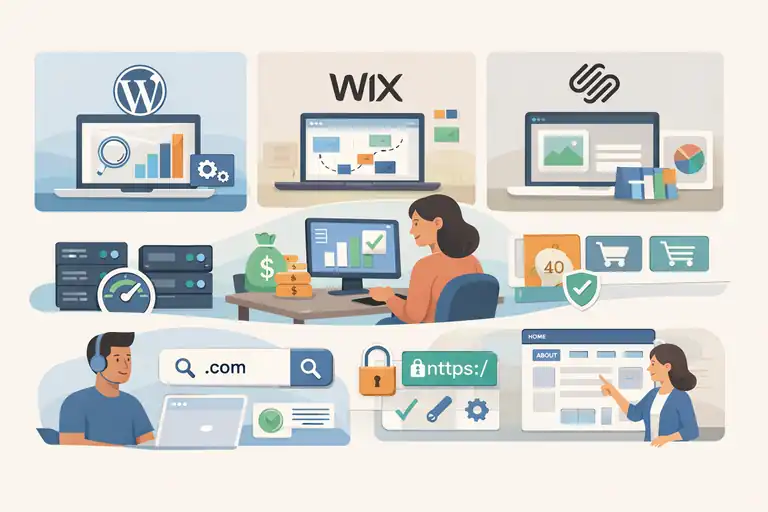
Your platform and hosting are the foundation of your blog—get them right, and everything else runs smoother. Think of it like choosing the right house for your online business.
Compare Top Blogging Platforms (WordPress, Wix, Squarespace)
There are many blogging platforms out there, but not all are created equal.
- Wix: Great for beginners who want an all-in-one drag-and-drop experience, but it can be limiting for SEO and customization.
- Squarespace: Sleek design and easy setup, ideal for creatives, but still less flexible for scaling or monetization.
- WordPress.org: The gold standard for bloggers who want full control, better SEO performance, and endless plugin options.
If your goal is fast income and long-term growth, WordPress is the one I recommend every time.
Why WordPress Is the Best Option for Fast Blog Growth
Here’s why WordPress stands out:
- Full Ownership: You own your site, content, and data.
- SEO Advantage: Built for Google ranking with powerful plugins like Rank Math or Yoast.
- Scalability: Whether you’re getting 100 or 100,000 visits, WordPress can handle it.
- Monetization Options: Easy integration for ads, affiliate links, memberships, and eCommerce.
I’ve seen countless bloggers outgrow other platforms and move to WordPress later—why not start where you’ll end up anyway?
Choose a Reliable Hosting Provider for Better Performance
Hosting affects everything—speed, uptime, and even how Google views your site. Slow sites lose readers fast, and trust me, nothing kills excitement like a blog that takes forever to load.
Look for:
- Speed and uptime reliability (99.9% or higher).
- Strong security features, like SSL and backups.
- 24/7 support in case anything breaks (because it will, eventually).
Some trusted names include Bluehost, SiteGround, and Hostinger. They integrate well with WordPress and make setup beginner-friendly.
Set Up Your Domain, SSL, and Essential Blog Structure
Now comes the fun setup part. Your domain name should reflect your brand—short, memorable, and easy to spell.
Once you’ve chosen it, get an SSL certificate (that “https://” lock symbol). It not only keeps your site secure but also improves trust and SEO.
For structure:
- Create key pages like Home, About, and Contact early.
- Organize your blog categories around your core topics.
- Install essential plugins (for SEO, speed, and backups).
Think of this step as laying the foundation for your online home—get it right, and everything else builds smoothly.
Design a Professional Blog That Converts Visitors
Your design is your first impression—it’s how readers decide in seconds whether to stay or leave.
A professional, easy-to-navigate design builds trust and helps readers take action faster.
Choose a Clean, Mobile-Friendly Blog Theme
A cluttered layout kills engagement. Choose a minimalist, mobile-responsive theme that looks great on any device. Most users visit blogs from their phones now, so mobile design isn’t optional—it’s essential.
Some great WordPress themes for beginners include Astra, Kadence, and GeneratePress. They’re lightweight, fast, and easy to customize without coding headaches.
Customize Layouts for Readability and Brand Identity
Make your blog visually yours. Use consistent colors, fonts, and spacing to create a clean, welcoming vibe. Don’t overdo the visuals; focus on readability.
Here’s a quick tip:
- Use a font size between 16–18px for body text.
- Keep paragraphs short and scannable.
- Highlight important takeaways with italics or subheadings.
Your goal is for readers to feel comfortable scrolling, not overwhelmed by clutter.
Use Simple Navigation for a Seamless User Experience
If visitors can’t find what they’re looking for, they’ll bounce. Keep your menu simple—no more than 5–7 main items.
Organize by:
- Core categories (like “Start Here,” “Guides,” “Reviews”).
- A search bar for quick access.
- A sidebar or footer with popular posts and newsletter signup.
The easier your site is to navigate, the longer people will stay—and the more they’ll trust your content.
Add Essential Pages (About, Contact, Privacy Policy)
Don’t skip the basics. These pages add legitimacy and are often required for monetization platforms like Google AdSense or affiliate programs.
- About Page: Tell your story and how your blog helps readers.
- Contact Page: Include a simple form and social links.
- Privacy Policy: Protects you legally and builds user trust.
These aren’t just filler—they make your blog credible and professional from day one.
Create Compelling Content That Attracts Traffic Fast
Once your blog is set up, the next step is to fill it with content that actually gets attention and brings in traffic.
The goal isn’t just to write — it’s to write with purpose. Let’s go over how to create content that your audience wants to read, share, and act on.
Learn the Art of Writing SEO-Optimized Blog Posts
Writing for the web is part creativity, part strategy. You want to speak to readers first but structure for search engines too.
Here’s how I approach it:
- Start with search intent: What is the reader really trying to find? For example, if someone searches “how to build your own blog,” they want a clear step-by-step guide, not vague inspiration.
- Use keywords naturally: Place your main keyword in the title, introduction, and a few subheadings — but never force it.
- Write for skimmers: Use short paragraphs, subheadings, and bullet points to make your post easy to read.
- Add real examples: Personal stories or quick case studies help your blog stand out in a sea of generic posts.
I like to think of SEO as seasoning — it enhances the flavor but shouldn’t dominate the dish.
Create a Consistent Content Calendar for Momentum
Consistency builds trust with your readers and with Google. If you post regularly, you signal to search engines that your blog is active and valuable.
Start simple:
- Plan one to two posts a week using a content calendar (Google Sheets works fine).
- Batch your work — outline one day, write the next, edit the day after.
- Rotate between pillar content (in-depth guides), supporting posts, and quick tips.
When I first started, I underestimated how much a content schedule could change things. It helps you stay organized and reduces that “what should I write next?” stress.
Focus on High-Intent Keywords That Drive Monetization
Not all traffic is equal. You don’t just want more visitors — you want the right ones. High-intent keywords are phrases people use when they’re ready to take action, like buy, learn, or start.
Examples:
- “best email marketing tools for beginners”
- “how to start a fitness blog and make money”
- “affordable web hosting for new bloggers”
To find them, use tools like Ubersuggest or Ahrefs. Look for terms with medium competition and solid volume (500–5,000 monthly searches). These are usually easier to rank for and can lead directly to conversions.
Use Engaging Formats: How-To Guides, Lists, and Tutorials
People love content that solves problems quickly. Formats like how-to guides, step-by-step tutorials, and top lists are proven traffic magnets.
Try these content types:
- How-To Guides: Show readers exactly how to achieve something. (Example: “How to Build Your Own Blog from Scratch”)
- Lists: Great for readers who want quick takeaways. (“10 SEO Tools That Actually Work”)
- Tutorials or Case Studies: Share your real process and results.
When your content provides actionable value, readers stick around — and that signals to Google that your blog deserves more visibility.
Optimize for SEO to Drive Free Organic Traffic
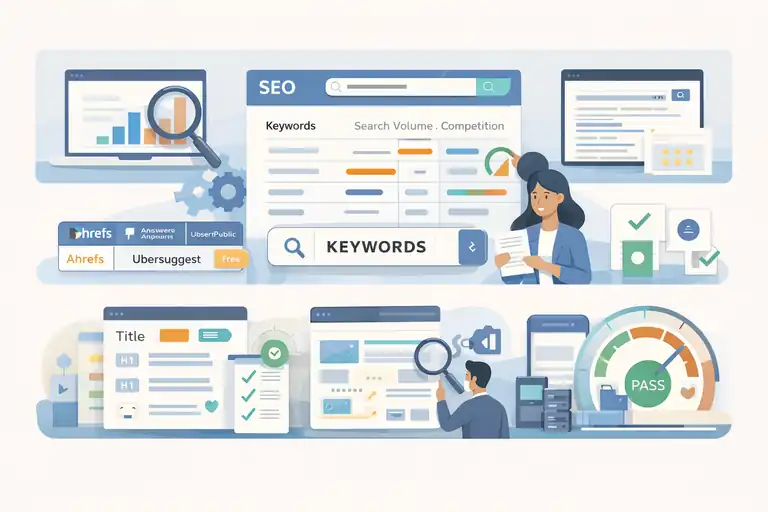
If content is your fuel, SEO is your engine. It’s how you turn great writing into consistent, long-term traffic without relying on paid ads.
Conduct Keyword Research Using Reliable SEO Tools
The first step in any SEO strategy is research. You need to know what your audience searches for and how competitive those terms are.
Here’s a quick system:
- Start broad, then narrow down. Search your main topic (“blogging for beginners”) and look at related keywords.
- Check search volume and difficulty. Aim for terms that balance both — enough volume to bring traffic but not so competitive that you can’t rank.
- Study top-ranking posts. Notice how they structure content, use keywords, and answer questions.
Tools like Google Keyword Planner and Ubersuggest are great for this step. Even free tools like AnswerThePublic can uncover long-tail phrases people actually type into Google.
Optimize On-Page Elements (Titles, Meta, Headings, Links)
Good SEO starts right on your page. These are small details that make a big difference:
- Titles and Meta Descriptions: Include your main keyword naturally. Make them enticing enough for someone to click.
- Headings (H1, H2, H3): Organize your post logically and include keywords where relevant.
- Internal Links: Link to your own related posts to keep readers engaged and spread SEO value.
- External Links: Reference reputable sources to build credibility and trust.
If you’re using WordPress, plugins like Rank Math help you optimize these elements easily without technical knowledge.
Build Authority with Internal and External Link Strategies
Think of links as votes of confidence — both from other sites and your own.
To build them effectively:
- Internal links: Guide readers to other relevant posts on your blog. This keeps people on your site longer and helps Google understand your structure.
- External links: Reach out to related blogs or offer guest posts to earn backlinks. Quality beats quantity here — a link from a trusted site is worth far more than ten from spammy ones.
I’ve seen blogs double their organic traffic within months simply by improving internal linking and earning a few strong backlinks.
Improve Site Speed and Core Web Vitals for Ranking Boost
Google loves fast websites — and so do readers. A one-second delay in load time can cut conversions by up to 20%.
Here’s how to fix that:
- Use a lightweight theme like Astra or GeneratePress.
- Compress images using plugins like ShortPixel or TinyPNG.
- Install a caching plugin such as WP Rocket.
- Choose a hosting plan with solid performance and uptime.
I like to run my sites through Google PageSpeed Insights every few months just to stay on top of performance. A fast, mobile-friendly blog is non-negotiable in 2025.
Promote Your Blog Through Smart Marketing Strategies
Even the best-written post won’t perform if no one sees it. Promotion is where you turn content into real visibility and income.
Leverage Social Media Platforms to Build an Audience
Social platforms are your first distribution channels. Choose the ones that align with your audience.
For example:
- Instagram: Great for lifestyle, travel, and wellness niches.
- LinkedIn: Perfect for business, career, and marketing blogs.
- Twitter (X): Ideal for quick updates and networking.
Don’t try to master them all. Pick one or two, share valuable snippets from your posts, and engage genuinely with people in your niche. Real connections lead to loyal readers.
Use Pinterest and Email Marketing for Long-Term Traffic
Pinterest isn’t just for crafts — it’s a powerful search engine that drives massive blog traffic, especially for visual or lifestyle content.
Here’s a simple approach:
- Create eye-catching pins using Canva templates.
- Add keyword-rich titles and descriptions.
- Link each pin to your blog post.
Pair that with an email list. Tools like Aweber let you collect emails and send regular updates. This turns one-time visitors into returning readers — and eventually, paying customers.
Network with Other Bloggers to Grow Faster
Collaboration beats competition. Building relationships with other bloggers can help you grow faster through shared audiences and backlinks.
You can:
- Guest post on related sites.
- Join blogging communities on Facebook or Discord.
- Share and comment on others’ content regularly.
In my experience, a single collaboration with a mid-sized blogger can bring more traffic than weeks of paid ads.
Repurpose Blog Content for Multiple Platforms
One post can live many lives. Repurposing helps you reach people wherever they hang out online.
Try this:
- Turn a blog post into a YouTube video or podcast episode.
- Break tips into bite-sized Instagram carousels or Twitter threads.
- Compile related posts into an eBook or mini course.
You’ve already done the hard work writing — repurposing just helps you squeeze more value out of it.
Monetize Your Blog for Fast Income Generation
Once your blog starts getting consistent traffic, it’s time to turn that attention into income. The right monetization approach depends on your niche, audience, and personal strengths.
Think of it like choosing the right fuel for your vehicle — each option powers growth differently.
Choose the Right Monetization Model for Your Niche
Not every blog earns money the same way. What works for a food blogger might not suit a finance blogger. Start by identifying how your readers prefer to spend money online.
Here’s a quick breakdown of common monetization models:
- Affiliate Marketing: You promote other people’s products and earn a commission when readers buy through your links.
- Digital Products: eBooks, templates, or guides that solve a specific problem in your niche.
- Online Courses or Memberships: Great for niches like business, fitness, or personal development.
- Sponsored Posts or Partnerships: Collaborate with brands that align with your audience’s interests.
If your blog focuses on “build your own blog” type content, affiliate marketing and digital products usually bring the fastest returns. They’re easy to set up and scale without needing a large audience at first.
Use Affiliate Marketing to Earn Passive Income
Affiliate marketing is one of the easiest ways to start earning from your blog — especially early on.
You recommend tools, services, or products that you genuinely use, and when readers buy through your unique link, you earn a percentage of the sale.
To make it work effectively:
- Choose quality programs: Look for platforms like Awin, Impact, or Amazon Associates.
- Be transparent: Always disclose affiliate links. Readers appreciate honesty.
- Create helpful content: Tutorials, comparisons, or reviews convert better than random mentions.
For example, if you teach how to build your own blog, you might promote web hosting services like Hostinger. You’re helping readers get started — and earning while doing it.
Sell Digital Products, Courses, or Memberships
Selling your own digital product gives you full control and higher profit margins. The key is to create something that directly solves a reader’s problem.
Here are a few ideas:
- Step-by-step guides or eBooks (like “The Beginner’s Blueprint to Building a Blog”)
- Templates for blog planning or SEO optimization
- Video courses or workshops on topics you’ve mastered
You can use platforms like Podia, Teachable, or Gumroad to host and sell your digital content easily. From what I’ve seen, this strategy works best once you’ve built a small but loyal audience that trusts your advice.
Incorporate Display Ads Strategically Without Hurting UX
Display ads can bring passive income — but they must be used wisely. Too many can make your site slow or cluttered.
A few tips for balance:
- Place ads where they don’t interrupt the reading experience (like sidebar or between paragraphs).
- Use ad networks like Monetag or Adsterra once you hit the traffic requirements.
- Keep a clean design to maintain user trust and readability.
Think of ads as background revenue — steady but not your main focus. As your traffic grows, they’ll become a solid income layer without much effort.
Track, Analyze, and Scale Your Blog’s Performance
Once you’re earning, it’s time to track what’s actually working. Data helps you scale faster, avoid wasted effort, and double down on the strategies bringing results.
Set Up Google Analytics and Search Console for Tracking
These two free tools are must-haves for any blogger serious about growth.
- Google Analytics shows how visitors find your site, which pages they visit, and how long they stay.
- Google Search Console tracks your keywords, impressions, and indexing issues.
Once set up, check your analytics weekly. Watch for traffic trends and posts that attract steady organic visitors — those are your foundation pieces to build on.
Identify High-Performing Content and Optimize It Further
Sometimes a single post brings in 80% of your traffic. When you find one like that, make it even better.
Here’s how:
- Update the content regularly with fresh examples or data.
- Add internal links to related posts or monetized pages.
- Improve visuals or add a downloadable lead magnet.
A small tweak — like adding a new section or optimizing meta tags — can easily boost rankings and earnings without starting from scratch.
Experiment with New Monetization and Marketing Tactics
Blogging isn’t static. What works today might not work next year, so keep testing.
Try:
- New affiliate products or sponsorship opportunities.
- Adding an email funnel to increase conversions.
- Offering coaching or consulting for a premium audience segment.
From what I’ve seen, the most successful bloggers treat their blog as a testing ground. They’re not afraid to try, fail, learn, and adapt.
Automate Tasks to Focus on Growth and Strategy
The more your blog grows, the more repetitive tasks pile up — scheduling posts, sending emails, tracking analytics. Automating them saves time.
Use:
- Social media schedulers like Buffer or Later to automate content sharing.
- Email automation via Kit (formerly ConvertKit).
- Project tools like Notion or Trello to organize workflows.
Automation doesn’t just save time — it gives you headspace to focus on writing and strategy, the things that actually grow income.
Maintain Consistency and Build Long-Term Income Stability
Making money fast is great. Keeping it consistent is better. Longevity in blogging comes from systems, habits, and genuine audience connection.
Develop a Blogging Routine That Keeps You Accountable
A routine keeps you grounded when motivation fades. Set aside fixed time blocks for planning, writing, and promotion.
I personally like a simple weekly rhythm:
- Monday: Plan and outline new posts.
- Tuesday–Wednesday: Write and edit.
- Thursday: Publish and promote.
- Friday: Review analytics and adjust plans.
Even posting once a week can grow your blog consistently if you stick with it.
Keep Updating Old Posts to Stay Competitive
Google loves fresh content. Revisit your old posts every few months to update data, improve readability, and refine SEO.
Quick wins include:
- Updating stats and examples.
- Adding new visuals or screenshots.
- Improving headlines for better click-through rates.
Sometimes, updating an old post can bring more traffic than writing a new one — especially if it’s already ranking.
Engage With Your Audience to Build Trust and Loyalty
Respond to comments, emails, and messages. Treat every reader like a real person, not a traffic number.
Simple actions like replying to a blog comment or sending a personal thank-you email after someone subscribes can build powerful relationships. Loyal readers become your best promoters — and often, your first customers.
Reinvent Your Content Strategy as Your Blog Evolves
As your blog grows, your audience’s needs might shift. Pay attention to what performs best and adapt.
You might:
- Explore adjacent topics that your readers ask about.
- Test new content types like podcasts or short-form videos.
- Adjust your monetization mix as you learn more about your audience.
Stagnation is the only real threat to a blogger’s income. Keep experimenting and your growth will naturally continue.
Pro Tips to Build Your Own Blog Faster and Smarter
By now, you know how to build your own blog, create content, and make money. But there are a few final tips that can speed up your success and keep you grounded while you grow.
Focus on Evergreen Topics That Keep Bringing Income
Evergreen content is timeless — it keeps generating traffic and income months or years later. Think tutorials, resource guides, or solutions to common problems.
A good test: If your post will still be relevant in two years, it’s probably evergreen.
This type of content forms the backbone of long-term passive income. Write fewer, deeper posts that stay useful, rather than chasing trends that disappear overnight.
Invest in Learning SEO and Content Marketing Skills
SEO is your blog’s engine — the better you understand it, the more control you have over your traffic.
Take time to learn:
- Keyword research and content mapping.
- On-page optimization and link-building strategies.
- Analytics and data interpretation.
You don’t need to become an expert overnight. Just learning the basics gives you a huge advantage over most new bloggers who skip this step.
Build an Email List Early to Nurture Loyal Readers
An email list is your most stable asset. Social platforms can change algorithms anytime, but your email list is yours forever.
Start early using MailerLite. Offer a freebie (like a checklist or mini-guide) to encourage signups. Then send valuable emails — not just promotions — to keep readers engaged.
Your list becomes your direct line to your most loyal audience, and often your highest-converting one too.
Treat Your Blog Like a Business, Not a Hobby
This mindset shift changes everything. A blog isn’t just a diary — it’s a brand, a platform, and a business asset.
Track expenses, reinvest profits, and set real goals. Schedule content like a business owner, not “when you have time.” The more you treat it seriously, the faster you’ll see results.
And remember: Every successful blogger started from zero. The difference is that they didn’t stop. If you keep showing up, learning, and refining, your blog can become one of the best decisions you’ve ever made.
Frequently Asked Questions
How long does it take to build your own blog and make money?
You can build your own blog in a few hours, but earning income typically takes 3–6 months with consistent content, SEO, and promotion.
Is it possible to build your own blog with no technical skills?
Yes. Platforms like WordPress allow you to build your own blog using simple setups, themes, and plugins without coding knowledge.
What is the fastest way to monetize a new blog?
The fastest method is affiliate marketing combined with high-intent content, such as tutorials and product comparisons that solve specific problems.

I’m Juxhin, the voice behind The Justifiable.
I’ve spent 6+ years building blogs, managing affiliate campaigns, and testing the messy world of online business. Here, I cut the fluff and share the strategies that actually move the needle — so you can build income that’s sustainable, not speculative.
Related posts:
 What’s the Best Website to Start a Blog for Income?
 How to Create Blog and Earn Money Fast as a Beginner
 Create a Blog Free and Start Earning With No Risk
 Best Blogs to Make Money for New Content Creators
 How to Build an Easy Blog That Makes Real Income
 Online Blog Ideas That Help You Build Income Faster