
Table of Contents
Some links on The Justifiable are affiliate links, meaning we may earn a small commission at no extra cost to you. Read full disclaimer.
If you’ve been researching doba wholesale and wondering whether it’s actually worth using for your business, you’re not alone. I see this question come up a lot from beginners and established sellers who want clarity before committing.
This breakdown is for ecommerce sellers, dropshippers, and online retailers who want to know exactly how Doba pricing works, what kind of access you really get, and whether the product quality matches the cost.
By the end, you’ll have a clear answer to one core question: Is Doba’s wholesale model a smart fit for your selling goals or not?
Doba Wholesale Pricing Structure, Plans, And Hidden Costs
Understanding how doba wholesale pricing actually works is where most sellers either gain clarity or get frustrated.
On the surface, it looks simple. Once you dig in, there are layers that directly affect margins, scalability, and risk.
Membership Tiers And What Each Doba Plan Includes
Doba operates on a paid membership model, which means access starts with a subscription before you even place your first order.
What the plans generally unlock:
- Product access: Full catalog visibility across thousands of suppliers
- Order automation: Ability to route orders directly to suppliers
- Platform tools: Inventory syncing, pricing management, and analytics
- Supplier network: No need to negotiate individual wholesale accounts
In my experience, this structure is designed for convenience, not cost efficiency. You’re paying to avoid supplier outreach, contracts, and minimum order negotiations.
For newer sellers, that trade-off can make sense. For margin-focused sellers, it’s often the first red flag.
The higher-tier plans mostly increase automation limits and order volume caps rather than unlocking better wholesale pricing. That distinction matters more than most people realize.
Monthly Fees Versus Annual Commitments Explained Clearly
Doba pushes annual plans hard, and for good reason: it locks sellers in.
Typical pricing dynamics you’ll notice:
- Monthly plans come at a premium
- Annual plans reduce the effective monthly cost
- No meaningful pricing advantage per product for annual users
Here’s the reality check I always give people: paying annually does not improve supplier pricing. It only lowers your platform access cost. If your margins are thin (and with doba wholesale, they often are), saving on the subscription won’t fix underlying profitability issues.
If you’re testing Doba, monthly is safer. I’ve seen too many sellers commit annually before validating product-market fit.
Per-Order Costs, Markups, And Supplier Price Layers
This is where expectations often clash with reality.
Doba is not a true wholesale marketplace in the traditional sense. Prices you see already include supplier markups, and sometimes an additional platform buffer.
Layers baked into each order:
- Supplier base price
- Supplier margin
- Platform-access pricing structure
- Shipping and handling (often separate)
Because you’re not negotiating directly with suppliers, you lose leverage. That’s convenient, but it also means margins typically land in the 10–30% range unless you price aggressively.
I’ve personally found that doba wholesale works best for mid-ticket items where perceived value can justify pricing flexibility, not commodity products where customers comparison-shop heavily.
Hidden Expenses Sellers Overlook With Doba Wholesale
The subscription fee is just the beginning.
Commonly missed costs include:
- Shipping variability: Rates change by supplier, product, and location
- Returns: Many suppliers charge restocking or refuse returns entirely
- Refund delays: Cash flow can get tight if disputes drag on
- Testing spend: You’ll likely burn money testing products with low margins
One overlooked detail: Doba does not control supplier refund policies uniformly. That means customer service risks fall on you, not the platform.
If you’re building a brand with long-term customer value, this inconsistency can quietly hurt retention.
Cost Comparison With Other Wholesale Dropshipping Platforms
Here’s a simplified comparison to put doba wholesale into context:
| Platform | Upfront Cost | Pricing Control | Supplier Access | Margin Potential |
| Doba | High | Low | Curated | Low–Medium |
| SaleHoo | Medium | Medium | Directory-based | Medium |
| Spocket | Medium | Medium | Vetted | Medium–High |
| Direct Wholesale | Low–Medium | High | Manual | High |
Doba’s value is speed and simplicity. Its weakness is pricing power. If you’re optimizing for fast setup over long-term margins, it fits. If profit is the priority, alternatives usually win.
Doba Wholesale Access To Suppliers, Products, And Tools
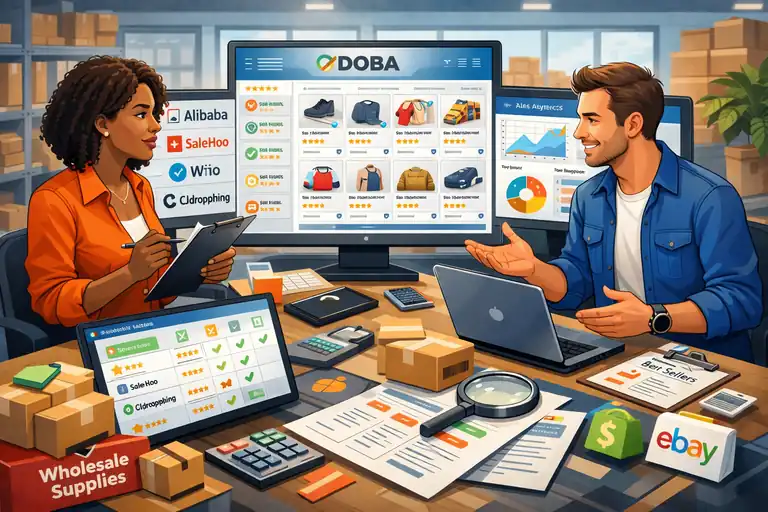
Access is Doba’s strongest selling point, but access does not always equal control. Understanding how doba wholesale manages suppliers and tools helps set realistic expectations.
How Doba Controls Supplier Onboarding And Approval
Doba vets suppliers before adding them to the platform, which removes one major headache for sellers.
What this vetting typically covers:
- Business legitimacy
- Fulfillment capability
- Product catalog stability
- Basic quality standards
That said, vetting does not mean premium. In my experience, suppliers range from solid to average, with few truly standout partners. You’re trading supplier discovery for convenience, not excellence.
This system works well if you value predictability over customization.
Product Catalog Size, Categories, And Inventory Depth
Doba’s catalog is large, spanning:
- Home and kitchen
- Electronics and accessories
- Health, beauty, and personal care
- Apparel and lifestyle products
The depth looks impressive, but inventory overlap is common. You’ll often see the same product listed by multiple suppliers at slightly different prices.
My practical tip: filter aggressively and avoid products with dozens of identical listings. Those are usually race-to-the-bottom items.
Access Limitations Compared To Direct Supplier Relationships
This is where experienced sellers feel constrained.
What you don’t get with Doba:
- Custom pricing negotiations
- Exclusive product agreements
- Private labeling flexibility
- Direct supplier communication
Everything runs through the platform. That’s efficient, but it caps upside. If you plan to build a differentiated brand, doba wholesale can feel like a temporary bridge rather than a permanent solution.
Automation Tools, Integrations, And Platform Restrictions
Doba integrates with major ecommerce platforms and offers basic automation.
Core tools include:
- Inventory syncing
- Order forwarding
- Price update automation
- Basic sales analytics
These tools are functional, not advanced. Compared to dedicated automation platforms, reporting is limited and customization is minimal.
In my view, the tools are “good enough” for early-stage sellers but become restrictive as order volume grows.
Geographic Supplier Coverage And Shipping Reach
Most Doba suppliers are US-based, which is a plus for shipping times.
Typical delivery expectations:
- Domestic US: 3–7 business days
- International: Limited availability, higher costs
However, multi-warehouse optimization is rare. You can’t easily route orders based on customer location, which impacts delivery speed and shipping costs.
If fast shipping is a core promise of your store, this limitation deserves serious consideration.
Doba Wholesale Product Quality And Supplier Reliability
Product quality is where doba wholesale either feels “good enough” or becomes a real operational headache.
This section breaks down what actually happens after the order is placed, based on patterns sellers consistently run into.
How Doba Screens Suppliers And Enforces Standards
Doba does vet suppliers before allowing them onto the platform, but the standards are baseline, not premium.
Here’s what that screening usually covers in practice:
- Business verification: The supplier is a legitimate, registered business
- Fulfillment capability: They can ship orders at scale without collapsing
- Catalog stability: Products won’t disappear overnight
What it does not guarantee is product excellence. Doba isn’t inspecting inventory or running quality audits on every SKU. Think of this screening as “safe to transact,” not “best in class.”
From what I’ve seen, this works fine for generic goods. It struggles with anything subjective like apparel, cosmetics, or electronics accessories, where quality perception varies wildly.
If you’re expecting Amazon-level consistency, Doba will feel loose around the edges.
Product Consistency Issues Sellers Commonly Report
Consistency is the most common pain point I hear about.
Typical issues include:
- Products changing slightly between batches
- Color, material, or sizing variations
- Updated supplier versions replacing old ones without notice
Because you’re not locked to a single supplier relationship, listings can quietly shift underneath you. That’s risky if you’ve built reviews around a specific version of a product.
A practical workaround I’ve used: order multiple test units over time, not just once. This catches supplier drift early before customers do.
Branding, Packaging, And White-Label Limitations
If branding matters to you, this is where doba wholesale shows its ceiling.
Most suppliers:
- Use generic or supplier-branded packaging
- Do not offer custom inserts or thank-you cards
- Rarely support white-label or private-label options
This makes Doba a poor fit for brand-forward stores. You’re essentially selling products, not building brand equity.
For sellers focused on quick validation or cash flow, this may not matter. For long-term brand builders, it’s a deal-breaker.
Shipping Times, Fulfillment Accuracy, And Damage Rates
Shipping performance is average, with some bright spots.
General patterns:
- US-based shipping typically lands in 3–7 business days
- Accuracy is decent but not flawless
- Damage rates vary by supplier, not platform
There’s no centralized fulfillment standard. One supplier might be excellent, another sloppy. You absorb that variability.
I always recommend starting with suppliers that ship from multiple US warehouses. It reduces delivery time and lowers damage risk.
Refunds, Returns, And Dispute Resolution Process
Returns are where sellers feel the most friction.
Key realities:
- Each supplier sets their own return rules
- Some charge restocking fees
- Others deny returns on certain product types
Doba acts as a mediator, not a decision-maker. That means disputes can take time, and cash flow can stall.
If you’re selling higher-ticket items, factor this into your pricing. Thin margins and slow refunds are a brutal combination.
Doba Wholesale Compared To Alternative Supplier Platforms
Comparing doba wholesale to alternatives clarifies what it’s actually good at—and what it’s not. This isn’t about winners and losers. It’s about fit.
Doba Wholesale Versus SaleHoo For Pricing Transparency
SaleHoo operates more like a supplier directory than a managed marketplace.
Key differences:
- SaleHoo shows you suppliers, not final prices
- You negotiate pricing directly
- No per-order platform markup
Doba wins on speed. SaleHoo wins on transparency and margin potential.
If you’re comfortable reaching out to suppliers, SaleHoo often produces better long-term economics.
Doba Wholesale Versus Spocket For Product Quality Control
Spocket focuses heavily on curated suppliers, especially in the US and EU.
Notable contrasts:
- Spocket emphasizes product quality over catalog size
- Faster average shipping times
- More consistent packaging standards
Doba offers more variety. Spocket offers more polish.
If customer experience is a priority, Spocket usually feels cleaner.
Doba Wholesale Versus Worldwide Brands For Supplier Depth
Worldwide Brands is about depth, not convenience.
Differences that matter:
- One-time fee instead of recurring subscriptions
- Access to thousands of certified wholesalers
- No built-in automation
This is better for sellers who want to build real supplier relationships. Doba is better for sellers who want everything handled inside one dashboard.
Doba Wholesale Versus Direct Wholesale Accounts
Direct wholesale accounts are the gold standard, but also the hardest path.
With direct accounts, you get:
- Better margins
- Pricing control
- Branding flexibility
You lose:
- Speed
- Automation
- Low barrier to entry
Doba makes sense early. Direct accounts make sense when you’re serious.
When Doba Makes Sense Compared To Other Options
Here’s my honest take.
Doba wholesale works best when:
- You want speed over optimization
- You’re validating products quickly
- You’re okay with average margins
It struggles when:
- Branding matters
- Margins are tight
- Customer experience is a differentiator
If you treat Doba as a stepping stone instead of a final destination, it performs much better.
Who Doba Wholesale Is Best For And Who Should Avoid It
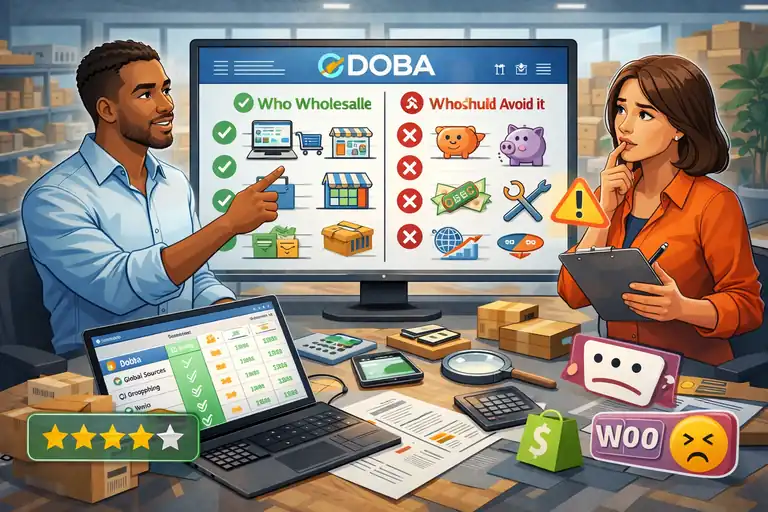
This is the part most reviews skip, but it matters more than pricing or features. Doba wholesale isn’t good or bad on its own. It’s good or bad depending on who you are and what you’re trying to build.
New Sellers Testing Wholesale Without Supplier Outreach
If you’re brand new and the idea of emailing suppliers sounds intimidating, Doba lowers that barrier fast.
Here’s why it works early on:
- No outreach required: You don’t need to pitch yourself to wholesalers
- Instant catalog access: You can list products the same day
- Lower decision fatigue: Fewer moving parts to manage
I’ve seen beginners use Doba as a learning sandbox. You pay for access, yes, but you gain clarity on pricing, fulfillment, and customer expectations without burning weeks chasing supplier replies.
Where it fails is when new sellers assume “wholesale” automatically means big margins. It doesn’t. Doba teaches operations, not profit optimization.
Established Stores Needing Speed Over Customization
Some stores already have traffic and just need products live quickly.
Doba fits when:
- You’re expanding categories fast
- You don’t need custom packaging
- You want predictable fulfillment
I’ve worked with stores that used Doba to fill catalog gaps during seasonal demand. It wasn’t permanent, but it was fast and effective.
If your store thrives on speed and breadth rather than differentiation, Doba can be a practical short-term tool.
Sellers Focused On Low Risk Rather Than High Margins
This is an underrated use case.
Doba appeals to sellers who prioritize:
- Predictable processes
- Minimal supplier negotiation
- Lower operational stress
Margins are thinner, but risk is capped. You’re not buying inventory upfront, and you’re not locked into supplier contracts.
If you value sleep more than squeezing every dollar of profit, this model can feel comfortable. Not exciting, but comfortable.
Brands That Will Struggle With Doba’s Model
Some sellers should avoid doba wholesale entirely.
Doba is a poor fit if:
- Branding is your main differentiator
- You need custom packaging or inserts
- You rely on repeat buyers and unboxing experience
I’ll be blunt here: brand-first businesses outgrow Doba fast. The lack of control eventually becomes friction you can’t ignore.
Clear Use Cases Where Doba Wholesale Performs Best
Doba performs best when used intentionally.
Strong-fit scenarios include:
- Product validation before committing to direct suppliers
- Seasonal or trend-based product expansion
- Operational learning for first-time sellers
Think of Doba as a bridge, not a destination. When used that way, it does its job well.
How To Decide If Doba Wholesale Is Worth The Investment
This final decision shouldn’t be emotional. It should be math, goals, and timing. Let me walk you through how I’d personally decide.
Key Questions To Ask Before Paying For A Doba Plan
Before you spend a dollar, ask yourself:
- How quickly do I need products live?
- Am I optimizing for learning or profit right now?
- Do I plan to build supplier relationships later?
If your honest answers lean toward speed and simplicity, Doba stays on the table. If they lean toward margins and brand control, pause.
Margin Calculations Most Sellers Fail To Run First
This is the mistake I see constantly.
Before joining, calculate:
- Product cost
- Shipping cost
- Platform fee
- Payment processing fees
Then subtract all of that from your selling price.
If your net margin is under 20%, you’re walking a tightrope. Ads, refunds, or delays will wipe you out fast.
Run this math first. Always.
Evaluating Long-Term Scalability With Doba Wholesale
Doba scales operationally, but not strategically.
What scales:
- Order volume
- Automation
- Product count
What doesn’t:
- Margins
- Branding
- Supplier leverage
In my experience, sellers either outgrow Doba within 6–12 months or stay stuck longer than they should.
Red Flags That Signal Doba Is The Wrong Fit
Watch for these warning signs:
- You feel boxed in by pricing
- Customer complaints keep pointing to fulfillment issues
- You want to build loyalty, not just transactions
If two or more apply, Doba is likely slowing you down.
Practical Decision Framework For Confident Signup Choices
Here’s a simple way to decide:
| Your Priority | Doba Fit |
| Speed to market | High |
| Low upfront risk | High |
| Brand building | Low |
| Margin optimization | Low |
| Long-term scalability | Medium–Low |
My honest opinion: doba wholesale is a useful tool, not a business model. Use it to learn, test, and move forward. Just don’t let convenience quietly replace strategy.
FAQ
What does Doba wholesale actually cost?
Doba wholesale requires a paid membership, plus per-order product and shipping costs set by suppliers. The subscription gives platform access, but it does not guarantee wholesale-level margins, since supplier markups and shipping fees are built into each order.
Is Doba wholesale good for product quality and reliability?
Doba wholesale offers acceptable but inconsistent product quality. Suppliers are vetted at a basic level, but quality, packaging, and shipping performance vary by supplier, making Doba better for testing products than building a premium brand.
Who should use Doba wholesale instead of other platforms?
Doba wholesale works best for new or speed-focused sellers who want fast access to suppliers without outreach. It is less suitable for brand-driven sellers, high-margin strategies, or businesses needing custom packaging and supplier control.

I’m Juxhin, the voice behind The Justifiable.
I’ve spent 6+ years building blogs, managing affiliate campaigns, and testing the messy world of online business. Here, I cut the fluff and share the strategies that actually move the needle — so you can build income that’s sustainable, not speculative.
Related posts:
 How the Salehoo App Works and Why It Speeds Up Product Research
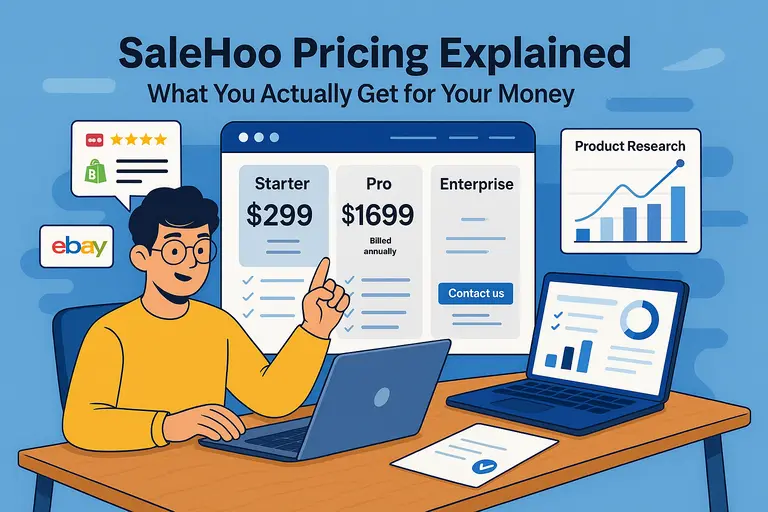 Salehoo Pricing Explained: What You Actually Get for Your Money
 Is SaleHoo Legit? What Real Sellers Actually Discover
 Viral Launch Chrome Extension: The Ultimate Tool for Sellers
 Salehoo Directory Free: What You Can Access Without Paying
 Why the Salehoo Wholesale Directory Helps You Scale