
Table of Contents
Some links on The Justifiable are affiliate links, meaning we may earn a small commission at no extra cost to you. Read full disclaimer.
HostGator hosting plans have become one of the most popular choices for businesses, bloggers, and developers looking for reliable web hosting.
But with so many options—shared hosting, WordPress hosting, VPS, reseller, dedicated, and even eCommerce hosting—how do you know which plan is worth your money in 2025?
This guide breaks down the features, prices, and verdict on each HostGator hosting plan so you can make an informed decision without the confusion.
Shared Hosting Plans: Affordable Options for Beginners
Shared hosting is the most budget-friendly option in the HostGator hosting plans lineup. It’s designed for individuals and small businesses that don’t need massive server power but want a solid foundation for their website.
Think of it like sharing an apartment—you split resources with other users, but you also save a lot on rent.
Hatchling Plan: Best for Single Site Owners
The Hatchling Plan is the simplest, cheapest way to start with HostGator. If you’re running just one website—like a personal blog, portfolio, or small business landing page—this plan covers the basics without extra costs.
- Price: $3.75/month (renews at $10.99/month)
- Storage: 10 GB SSD
- Websites: 1 domain supported
- Traffic: Ideal for up to 40,000 visits/month
I believe this plan is perfect if you just want to get online with minimal fuss. The setup is straightforward: log into your HostGator dashboard, use the one-click installer for WordPress or another CMS, and you’re live in minutes.
The trade-off is limited storage and growth options, so if you expect traffic to spike, you’ll outgrow it fast.
Baby Plan: Flexible Choice for Multiple Websites
If you’re juggling more than one site—say a blog, a side hustle, and a portfolio—the Baby Plan is the better fit. It’s the sweet spot for people who want flexibility without a high monthly bill.
- Price: $4.50/month (renews at $16.49/month)
- Storage: 20 GB SSD
- Websites: Unlimited domains
- Traffic: Handles about 50,000 visits/month
Here’s what I like: unlimited domains. You don’t have to keep buying new hosting for each project. You also get a free domain name for the first year, which saves a little money when you’re just starting out. I suggest this for freelancers or anyone experimenting with multiple sites.
Ready to launch your site?
Get started with the HostGator Baby Plan today and unlock unlimited domains for one low monthly cost.
Business Plan: Added Security and Resources for Growth
The Business Plan is aimed at people who need extra security and features for growing traffic. If you run a small business site that collects customer data or has e-commerce functions, this one makes sense.
- Price: $6.25/month (renews at $21.99/month)
- Storage: 50 GB SSD
- Websites: Up to 50 domains
- Traffic: Around 100,000 visits/month
The standout here is free SSL and SEO tools bundled in. You also get a Cloudflare CDN, which speeds up content delivery and helps with global performance. From my experience, this plan gives you room to grow without jumping to VPS hosting just yet.
Pro Plan: Maximum Speed and Scalability on Shared Hosting
The Pro Plan is the top tier of HostGator’s shared hosting options. If your site gets heavy traffic but you’re not ready for VPS or dedicated hosting, this plan gives you breathing space.
- Price: $13.95/month (renews at $29.69/month)
- Storage: 100 GB SSD
- Websites: 100 domains
- Traffic: Supports around 400,000 visits/month
What makes this one stand out is maximum performance with up to 5 vCPUs. That means faster load times even if multiple users hit your site at once. I advise choosing this if you’re running a content-heavy site, a membership site, or an e-commerce store that can’t afford downtime.
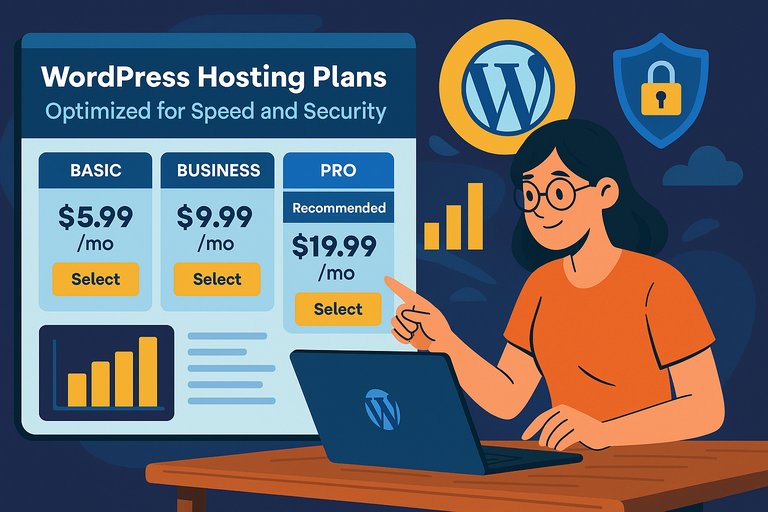
WordPress Hosting Plans: Optimized for Speed and Security
HostGator also offers managed WordPress hosting plans, which are built specifically for WordPress users. These plans include pre-installed WordPress, automatic updates, malware scanning, and daily backups.
They’re designed to save you the headache of managing technical details so you can focus on content and growth.
Baby Plan: Entry-Level Hosting for WordPress Beginners
If you’re brand-new to WordPress, the Baby WordPress Plan makes it super easy to launch.
- Price: $4.50/month (renews at $16.49/month)
- Storage: 20 GB SSD
- Websites: Up to 20 domains
- Extras: Free SSL, Cloudflare CDN, and malware scanning
From the dashboard, you’ll notice WordPress is already installed, so you can skip the manual setup. For beginners, that’s gold.
I recommend this plan for personal blogs, portfolio sites, or even local business sites where you don’t expect massive traffic.
Business Plan: Balanced Features for Mid-Size Blogs
This one strikes a balance between affordability and features. It’s a step up for bloggers or small businesses that need more power and security.
- Price: $6.25/month (renews at $21.99/month)
- Storage: 50 GB SSD
- Websites: Up to 50 domains
- Extras: Daily backups, malware removal, and increased performance (3 vCPUs)
I’ve found this plan to be especially useful for content creators running niche sites with consistent traffic. Daily backups give peace of mind, and the Cloudflare CDN really helps with load times across different regions.
Pro Plan: High-Performance Hosting for Agencies and Enterprises
If you’re managing client websites or a growing online business, the Pro WordPress Plan is the powerhouse option.
- Price: $13.95/month (renews at $29.69/month)
- Storage: 100 GB SSD
- Websites: Up to 100 domains
- Extras: Malware detection/removal, daily backups, and maximum performance (5 vCPUs)
This plan is built for scalability. You can host multiple client sites on one account without worrying about performance dips. I suggest this for digital agencies, membership sites, or e-commerce stores where uptime and speed directly impact revenue.
VPS Hosting Plans: Power and Flexibility for Developers
VPS, or Virtual Private Server hosting, gives you a slice of a physical server with dedicated resources. Unlike shared hosting where you’re at the mercy of noisy neighbors, VPS feels like having your own private apartment in a busy building.
You control the space, customize the setup, and enjoy more stability. HostGator offers three VPS hosting plans, each built for different needs.
Snappy 2000: Cost-Effective Virtual Hosting Solution
Snappy 2000 is the entry-level VPS plan, and I think of it as a stepping stone for people moving beyond shared hosting.
- Price: $34.99/month (renews at $53.99/month)
- Resources: 2 vCPU cores, 4 GB DDR5 RAM, 100 GB NVMe storage
- Extras: Unmetered bandwidth, 1 dedicated IP, free migration
Here’s why it’s appealing: you get the flexibility of VPS without paying enterprise-level prices. It’s a good choice for developers testing apps, bloggers whose traffic outgrew shared hosting, or small e-commerce stores with consistent orders.
Inside the HostGator dashboard, you can access full root access, meaning you’re free to install custom applications or tweak server settings. If you’re comfortable with Linux commands, you can set up caching layers like Varnish or Redis to boost performance.
I usually suggest this plan to someone who wants control without overpaying for unused resources.
Snappy 4000: Balanced Performance for Mid-Traffic Sites
Snappy 4000 is the “recommended” VPS plan for a reason. It strikes the right balance between affordability and power.
- Price: $53.99/month (renews at $83.99/month)
- Resources: 4 vCPU cores, 8 GB DDR5 RAM, 200 GB NVMe storage
- Extras: Unmetered bandwidth, 1 dedicated IP, free migration
This plan handles websites pulling in steady traffic, SaaS applications, or medium-sized online stores. From my experience, the sweet spot here is RAM—8 GB gives enough breathing room for multitasking.
A practical example: If you’re running WooCommerce with 500+ products, Snappy 4000 can handle product images, plugins, and checkout processes without lagging. In cPanel, you’ll also notice more server management options unlocked, giving you smoother scaling compared to Snappy 2000.
I advise choosing this plan if you know your site or app will keep growing steadily over the next 12–24 months.
Snappy 8000: High Resource VPS for Demanding Applications
Snappy 8000 is the powerhouse VPS option. It’s meant for heavy workloads where downtime or slowness would cost you real money.
- Price: $82.99/month (renews at $128.99/month)
- Resources: 8 vCPU cores, 16 GB DDR5 RAM, 450 GB NVMe storage
- Extras: Unmetered bandwidth, 1 dedicated IP, free migration
With this plan, you can comfortably run resource-intensive apps like CRMs, learning management systems, or even gaming servers. I’ve seen agencies run multiple client websites under one Snappy 8000 account without complaints about performance.
If you log into WHM (Web Host Manager), you’ll notice you can create multiple cPanel accounts. That means you can split resources between projects—handy if you’re running both client sites and your own platforms.
I recommend Snappy 8000 for developers who need serious horsepower but don’t want the price tag of dedicated hosting.
Reseller Hosting Plans: Build and Sell Hosting Services
Reseller hosting is like buying wholesale and selling retail. You rent server space from HostGator, then carve it up into smaller hosting accounts for your clients.
If you’re a web designer, developer, or agency owner, this is an easy way to add recurring income without managing servers from scratch.
Snappy 2000: Entry-Level Reseller Hosting for New Agencies
Snappy 2000 is the starter pack for anyone dipping their toes into reselling hosting.
- Price: $34.99/month (renews at $53.99/month)
- Resources: 2 vCPU cores, 4 GB DDR5 RAM, 100 GB NVMe storage
- Extras: Unmetered bandwidth, 1 dedicated IP, free migration
You can create individual hosting accounts for your clients using WHM. Each client gets their own cPanel, which feels professional and saves you support headaches.
I suggest this plan if you’re just beginning to add hosting to your design or development business—maybe managing 5–10 small client websites.
It’s not resource-heavy, so if one client suddenly drives viral traffic, you may feel the strain. But for a controlled group of small business clients, it works well.
Snappy 4000: Recommended Choice for Hosting Entrepreneurs
Snappy 4000 is HostGator’s “sweet spot” reseller option. It’s flexible enough to handle dozens of clients while keeping costs manageable.
- Price: $53.99/month (renews at $83.99/month)
- Resources: 4 vCPU cores, 8 GB DDR5 RAM, 200 GB NVMe storage
- Extras: Unmetered bandwidth, 1 dedicated IP, free migration
From what I’ve seen, this plan works well if you’re running a small hosting business alongside other services. For example, if you design websites, you can sell hosting as a monthly add-on. Clients love the one-stop-shop approach.
One practical trick: in WHM, you can customize cPanel branding with your own logo. That way, clients don’t even see “HostGator”—they see your hosting brand, which builds credibility.
I usually recommend Snappy 4000 for freelancers or small agencies with 15–30 active clients.
Snappy 8000: High-Capacity Reseller Hosting with More Clients
Snappy 8000 is the big league plan for reseller hosting.
- Price: $82.99/month (renews at $128.99/month)
- Resources: 8 vCPU cores, 16 GB DDR5 RAM, 450 GB NVMe storage
- Extras: Unmetered bandwidth, 1 dedicated IP, free migration
With this, you can manage dozens—or even hundreds—of hosting accounts depending on client needs. The resource allocation is generous, which means fewer worries about downtime.
If you’re serious about building a hosting business, this plan gives you the scalability to grow. You can tier your packages (e.g., Starter Hosting vs. Premium Hosting) and price them differently, all while running on the same server.
I believe this is the right choice for agencies that want hosting revenue to be a core part of their business rather than just a side add-on.
Dedicated Hosting Plans: Enterprise-Level Power and Control

Dedicated hosting is the “penthouse suite” of HostGator hosting plans. You’re not sharing space with anyone — the entire server is yours. That means you get full control, consistent performance, and the ability to handle demanding workloads without compromise.
These plans are overkill for a small blog, but if you’re running large websites, SaaS platforms, or enterprise-level apps, they make perfect sense.
Value NVMe 32: Affordable Dedicated Server for Professionals
The Value NVMe 32 plan is HostGator’s entry point into dedicated servers. It gives you serious muscle at a price that doesn’t feel outrageous compared to what you’re getting.
- Price: $141.19/month (renews at $188.79/month)
- Specs: 8-core CPU, 32 GB DDR5 RAM, 1000 GB NVMe storage
- Extras: Unmetered bandwidth, 3 dedicated IPs, free migration
This plan works best for professionals running multiple mid-size websites or apps that require stability. Think of agencies managing client websites or SaaS founders testing their platform before scaling.
From the WHM (Web Host Manager) dashboard, you can create isolated environments for different projects. I like this feature because if one site has a plugin crash, it doesn’t drag down the others.
If you’ve ever hit the ceiling on VPS hosting, this plan feels like stepping into a much bigger office with plenty of room to grow.
Power NVMe 64: Higher RAM and Storage for Large Workloads
The Power NVMe 64 plan doubles your power and storage. It’s designed for businesses that can’t afford performance bottlenecks.
- Price: $238.79/month (renews at $276.37/month)
- Specs: 16-core CPU, 64 GB DDR5 RAM, 2000 GB NVMe stoage
- Extras: Unmetered bandwidth, 3 dedicated IPs, free migration
This is where you move if your workload is data-heavy. For example, if you’re running an online store with thousands of SKUs, a CRM with multiple users logged in at once, or a membership site streaming video content, this plan won’t flinch.
In practice, you’ll notice faster query handling and smoother multitasking. I’d say the jump to 64 GB RAM makes the most difference here — it allows you to run resource-hungry databases or caching systems without worrying about memory running out.
Enterprise NVMe 128: Maximum Resources for Heavy Traffic
Enterprise NVMe 128 is the top-tier dedicated server in HostGator’s arsenal. It’s meant for massive workloads where downtime is simply not an option.
- Price: $343.79/month (renews at $398.77/month)
- Specs: 32-core CPU, 128 GB DDR5 RAM, 3000 GB NVMe storage
- Extras: Unmetered bandwidth, 3 dedicated IPs, free migration
This plan is for the giants: media platforms, enterprise e-commerce with global reach, or apps supporting thousands of simultaneous users. With 32 cores and 128 GB RAM, you can run complex applications and huge databases without bottlenecks.
I suggest this if you’re running a mission-critical project — something where speed, uptime, and scalability directly tie to revenue. From my perspective, it’s also where agencies or hosting entrepreneurs level up, offering enterprise hosting under their own brand.
Ecommerce Hosting Plans: All-in-One Storefront Solutions
HostGator also has specialized eCommerce hosting plans. These aren’t just about storing your site — they’re about giving you the tools to actually sell online. That means integrated store features, marketplace syncing, and built-in analytics.
If you want to avoid the headache of piecing together plugins, these plans give you a ready-to-go setup.
Online Store Plan: Simple Setup for Small Business Owners
The Online Store plan is built for small business owners who just want to start selling quickly without complicated setups.
- Price: $9.95/month (renews at $24.95/month)
- Features: Online store website builder, 50 GB SSD storage, free domain for 1 year, website analytics, Pro email (trial)
The beauty of this plan is simplicity. From the dashboard, you can use a drag-and-drop builder to set up products, checkout pages, and payment gateways in minutes. It’s perfect for a local boutique, bakery, or service provider taking bookings online.
You don’t need to mess with plugins or coding — it’s all there. I believe this plan is best if you want an easy way to dip into eCommerce without overcomplicating things.
Online Store + Marketplace: Sell Across Multiple Platforms
This plan takes the Online Store plan and supercharges it with multi-channel selling.
- Price: $12.95/month (renews at $39.95/month)
- Features: Online store website builder, 100 GB SSD storage, marketplace integrations (Amazon, eBay, Etsy), website analytics, free domain for 1 year, Pro email (trial)
What makes this one powerful is marketplace integration. Instead of managing separate accounts for Amazon, eBay, or Etsy, you can sync them directly from your store dashboard. If a product sells on Amazon, it updates your inventory automatically on your website too.
For anyone selling at scale or testing multiple platforms, this plan saves hours of manual work. I suggest it for growing businesses ready to move beyond just a single storefront and tap into bigger audiences.
Comparing HostGator Hosting Plans: Which One Should You Pick?
With so many HostGator hosting plans on the table — shared, WordPress, VPS, reseller, dedicated, and ecommerce — it can feel overwhelming.
The good news is that once you break it down by budget, growth stage, and performance needs, the choice becomes much clearer.
Budget Hosting vs. Premium Hosting: Key Differences
Budget plans like Shared Hosting (Hatchling, Baby, Business, Pro) are built for affordability and simplicity. They’re perfect if you’re starting small, running a personal blog, or testing an idea.
Premium plans like VPS, Dedicated, and Reseller Hosting are about power and control. These are better if you’re handling client websites, building apps, or running a serious business where uptime and performance can’t be compromised.
The way I usually explain it: if you’re just dipping your toes in, budget plans save money. But once you need stability, customization, or enterprise-level reliability, premium hosting pays for itself.
Scalability: How to Choose a Plan That Grows With You
Scalability is one of the most important factors when picking a hosting plan. Start too small, and you’ll face constant migrations. Start too big, and you’ll burn money on unused resources.
Here’s a quick way I recommend thinking about it:
- Start with shared hosting if your site is brand new.
- Upgrade to WordPress hosting if you want extra performance without tech headaches.
- Move to VPS hosting once your traffic starts climbing or you need more customization.
- Jump to dedicated hosting when you’re dealing with mission-critical apps or enterprise workloads.
This gradual ladder ensures you’re paying for only what you actually use while leaving room for future growth.
Performance Insights: Speed, Storage, and Bandwidth Breakdown
Performance is the heartbeat of your website. HostGator makes a big deal about unmetered bandwidth, which sounds unlimited but really depends on server load and fair use. Still, it’s enough for most users unless you’re streaming 4K video all day.
- Shared Hosting: SSD storage up to 100 GB, capped resources, fine for moderate traffic.
- WordPress Hosting: Optimized SSD storage, CDN, and pre-installed WordPress for speed.
- VPS Hosting: NVMe storage up to 450 GB, full root access, scalable for developers.
- Dedicated Hosting: Enterprise-level NVMe up to 3000 GB, 32 cores, and 128 GB RAM.
- Ecommerce Hosting: Focused more on features like analytics and marketplace integration, not raw power.
From my perspective, the biggest difference is storage type. SSD (solid-state drives) is good, but NVMe (non-volatile memory express) is lightning-fast. If speed is mission-critical, prioritize plans with NVMe storage.
Renewal Prices: What You Need to Watch Out For
The biggest catch with HostGator hosting plans is renewal pricing. Introductory offers look cheap — sometimes 70% off — but renewals can double or even triple.
For example:
- Shared Baby Plan: $4.50/month at signup, renews at $16.49/month.
- VPS Snappy 2000: $34.99/month at signup, renews at $53.99/month.
- Dedicated Value NVMe 32: $141.19/month at signup, renews at $188.79/month.
I always advise locking in the longest possible term (usually 36 months) at the promo rate. It keeps costs predictable and saves you from renewal sticker shock.
Final Verdict on HostGator Hosting Plans in 2025
So, after walking through every option, here’s the bottom line: HostGator offers enough flexibility that almost anyone can find a plan that fits, but you need to choose wisely.
Pros: Reliable Uptime, Flexible Choices, and User-Friendly Setup
- Easy-to-use dashboard and cPanel access, even if you’re brand new.
- Reliable uptime (usually above 99.9%), so your site stays online.
- A wide range of plans — from budget shared hosting to enterprise-level dedicated servers.
- Free migration and SSL across most plans.
I believe these features make HostGator especially beginner-friendly while still appealing to advanced users who need scalability.
Cons: Higher Renewal Rates and Limited Advanced Features
- Renewal prices jump significantly, which can surprise you if you don’t plan ahead.
- Some advanced features (like staging environments or developer tools) feel limited compared to niche hosting providers.
- Support, while available 24/7, can feel a little slow during peak times.
If you’re technical and want cutting-edge features, you might find these limits frustrating.
Expert Verdict: Best Value Plans for Beginners, Businesses, and Enterprises
- Beginners: Start with Shared Hatchling or Baby Plan.
- Growing Businesses: WordPress Business or VPS Snappy 4000.
- Enterprises: Dedicated Power NVMe 64 or Enterprise NVMe 128.
- Agencies/Freelancers: Reseller Snappy 4000 for recurring income.
- Ecommerce Sellers: Online Store + Marketplace for multi-platform sales.
I’d say HostGator shines most for beginners and small-to-medium businesses that want predictable hosting with room to upgrade later.
Find Your Perfect HostGator Plan!
Compare features, renewal prices, and long-term scalability in one quick view.
View All HostGator Plans →
Pro Tip for Choosing HostGator Hosting Plans
Don’t just look at the intro price — compare the renewal cost and your 12–36 month growth expectations. If you know you’ll outgrow shared hosting in a year, skip ahead to WordPress or VPS now. It’ll save you time, headaches, and probably money in the long run.

I’m Juxhin, the voice behind The Justifiable.
I’ve spent 6+ years building blogs, managing affiliate campaigns, and testing the messy world of online business. Here, I cut the fluff and share the strategies that actually move the needle — so you can build income that’s sustainable, not speculative.
Related posts:
 Comparing All InMotion Hosting Plans (With Features)
 Hostinger Hosting Plans 2025: Best Value for Your Budget
 Bluehost Pricing Plans Reviewed: Pros, Cons, and Value
 Webhostingpad: Everything You Need to Know
 The Ultimate Guide to UltraWebHosting: Features, Benefits, and Pricing
 How to Host a Website: A Step-by-Step Guide for Beginners