
Table of Contents
Some links on The Justifiable are affiliate links, meaning we may earn a small commission at no extra cost to you. Read full disclaimer.
If you’ve been wondering how to grow your online business fast and turn it into a consistent 6-figure income, you’re not alone.
Many entrepreneurs hit that frustrating plateau—traffic slows, conversions dip, and growth feels out of reach. But what if scaling wasn’t just about working harder, but smarter?
In this guide, we’ll break down the exact strategies, systems, and mindset shifts that can take your business from surviving to thriving.
Ready to see what actually drives fast, sustainable online growth? Let’s dive in.
Build a Scalable Business Foundation
Before you can scale to six figures, your foundation needs to hold steady under growth pressure. Think of it as building a house—you wouldn’t add another floor without reinforcing the base.
The same logic applies when learning how to grow your online business fast in a sustainable way.
Identify a Profitable Niche With Long-Term Demand
The biggest growth mistake I see entrepreneurs make is chasing trendy niches instead of proven, evergreen ones. A profitable niche isn’t just about current demand—it’s about sustained relevance.
Start by researching long-term market trends using tools like Google Trends and Exploding Topics. Look for steady interest over at least 12 months, not spikes. For example, “sustainable skincare” shows consistent upward movement, while “NFT art” has volatile interest.
Ask yourself: Is this niche still going to matter three years from now? If the answer isn’t clear, it’s time to dig deeper.
Then, validate profitability by checking whether people are already spending money—on courses, products, or services—within that niche.
A simple way to confirm this:
- Check Amazon and Etsy bestsellers for your category.
- Explore Facebook or Reddit communities for ongoing discussions.
- Look at competitor websites—what products or offers consistently sell?
Choosing the right niche early gives you a clear advantage because scaling is easier when you’re solving persistent problems, not passing trends.
Validate Your Offers Through Market Feedback
Once you have a niche, don’t rush into full product development. Instead, start with validation. I recommend running mini experiments—a landing page, a beta group, or even a pre-sale campaign—to confirm interest before you build.
Use Google Forms, Typeform, or social polls to test your offer ideas. Ask real questions: “Would you pay for this?” and “What’s your biggest struggle with [problem]?” Early data gives you confidence that your product actually fills a gap.
For example, if you’re creating a course on productivity for freelancers, share your concept in freelancer Facebook groups and collect honest reactions. You’ll quickly see whether it resonates—or if you need to pivot.
Think of feedback as your compass. It keeps you from drifting toward what you think people want instead of what they’ll actually buy.
Develop a Clear and Flexible Business Model
Without a scalable business model, even great ideas stall. You need clarity on how your business makes money—and how it can make more without doubling your workload.
Ask these questions early:
- What’s your main income stream (product sales, services, digital downloads, memberships)?
- Can it scale without you personally handling every sale or delivery?
A flexible model usually mixes active and passive income. For instance, a coach might offer 1:1 sessions (active) but also sell online courses (passive). This combination ensures stability even if one revenue stream dips.
Use visual planning tools like Miro or Notion to map your business structure. Seeing the flow from customer entry to purchase helps identify bottlenecks and scalability points.
Create Systems That Reduce Manual Work
Fast growth becomes chaos without automation. Systems aren’t just for big companies—they’re your ticket to consistency.
Automate repetitive tasks with tools like Zapier (workflow automation), Asana (project management), and Calendly (scheduling). These save hours and free you to focus on strategy.
Here’s a small but powerful example: Connect your lead form (Typeform) to an email marketing tool (Aweber). Every new lead automatically enters a welcome sequence, no manual input needed.
Document everything as you go—SOPs (Standard Operating Procedures) aren’t corporate fluff; they’re your business playbook. That way, when you’re ready to hire help, onboarding takes hours, not weeks.
Optimize Your Website for Conversions and Growth
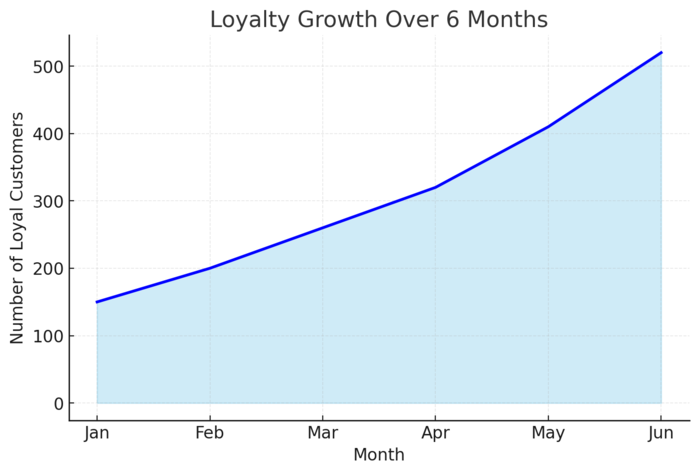
Your website isn’t a brochure—it’s your 24/7 salesperson. A fast-growing business depends on how well it converts visitors into loyal buyers.
Craft Compelling Messaging That Speaks to Pain Points
People don’t buy products; they buy solutions. Your copy must instantly connect with their challenges and desired outcomes.
Use this simple framework:
- Identify their problem (“You’re struggling to get consistent clients.”)
- Agitate the pain (“You spend hours pitching without replies.”)
- Present your solution (“I’ll show you how to create a system that attracts clients automatically.”)
Tools like Jasper or Copy.ai can help generate drafts, but always refine them in your natural voice. Test headlines using CoSchedule Headline Analyzer to gauge emotional impact.
Your goal is empathy-driven clarity—show readers you understand them better than anyone else.
Simplify Navigation and User Experience for Easy Sales
If users can’t find what they need, they won’t buy. Clean design, intuitive menus, and short checkout paths are key.
Keep navigation to 5–7 top-level pages max. Use clear CTAs (Calls to Action) like “Start Free Trial” or “Get Instant Access.” A/B test button colors, placement, and text to find what converts best.
Example: An ecommerce store saw a 22% lift in sales after simplifying its menu from 10 to 5 items and adding a sticky “Shop Now” button.
Remember—every click should bring users closer to conversion, not confusion.
Use Conversion Tools Like Heatmaps and A/B Testing
Data tells you what design can’t. Tools like Hotjar or Crazy Egg reveal where users click, scroll, or drop off on your site.
I suggest running at least one A/B test monthly.
For instance:
- Test two versions of a headline.
- Compare long vs. short product descriptions.
- Experiment with pricing layout.
You don’t need massive traffic to learn valuable insights. Even 500 visits can reveal patterns that guide your optimization.
Implement SEO Best Practices for Long-Term Visibility
SEO is the slow burn that keeps paying off. Start with keyword research using Ahrefs or Ubersuggest. Focus on low-competition, intent-based keywords like “how to grow your online business fast” or “scalable online business ideas.”
Optimize on-page elements:
- Title tag and meta description with your main keyword.
- Internal links to relevant content.
- Image compression for faster load times (use TinyPNG).
The real power of SEO lies in consistency—small, steady improvements compound into exponential visibility over time.
Leverage Content Marketing to Attract Ideal Customers
Content marketing is the backbone of sustainable online growth. It’s how you attract, educate, and convert your audience—without hard selling.
Create High-Value, Evergreen Content That Builds Trust
Evergreen content works year-round, driving traffic long after publication. Focus on how-to guides, tutorials, and strategy posts that solve ongoing problems.
For example, “How to Automate Client Onboarding” will stay relevant for years, while “Top Marketing Trends 2025” fades fast.
Include data and visuals where possible. Readers remember information 65% better when paired with visuals. Tools like Canva make infographics easy to design.
The key? Teach something useful enough that people bookmark it, not just read and bounce.
Use Blog Posts, Videos, and Podcasts to Diversify Reach
Not everyone consumes content the same way. I suggest picking two main formats and mastering them before expanding.
Example combo:
- Blog posts for SEO and depth.
- Short-form video (YouTube Shorts, Reels) for reach and personality.
Repurpose one idea across formats. A single blog post can become a YouTube script, then a LinkedIn post, then an email newsletter. This multiplies output without extra brainstorming.
Develop a Consistent Content Calendar With SEO Focus
Consistency beats volume. Set a realistic posting schedule—maybe two blog posts and one video per week.
Use tools like Notion, Trello, or Airtable to plan your calendar. Tag each piece with its keyword focus and target persona.
Here’s my tip: Dedicate one day monthly to content batching—outline, script, or record multiple pieces at once. It saves creative energy and keeps your publishing rhythm stable.
Repurpose Top-Performing Content for Multiple Platforms
Once something performs well, squeeze more from it.
Use analytics (Google Analytics, YouTube Insights, or social dashboards) to spot your top 10% of content. Then:
- Turn long posts into bite-sized social tips.
- Create carousel posts summarizing main points.
- Convert webinars into lead magnets.
Repurposing maximizes ROI because you’re extending proven ideas rather than constantly starting from scratch.
Expert Tip: Fast growth comes from leverage, not luck. Every strategy here—automation, SEO, content, and systems—exists to multiply your effort’s impact. Focus on efficiency, and you’ll find six-figure growth happens faster than you think.
Build and Nurture an Engaged Email List
Your email list is the most valuable digital asset you own. Unlike social media platforms, it’s an audience you control—no algorithm can silence your reach.
If you want to grow your online business fast, mastering email marketing is non-negotiable.
Offer High-Value Lead Magnets That Convert Visitors
To get people to subscribe, you must give before you ask. A lead magnet is that irresistible freebie—something so valuable it feels like a small win just to download it.
Examples include:
- Free templates or checklists (like a “30-Day Business Growth Plan”).
- Mini-courses or email challenges using platforms like MailerLite.
- Exclusive reports or toolkits based on your expertise.
What works best is specificity. Instead of a generic “Free Ebook,” try something outcome-focused: “How I Built a 5K/Month Business in 6 Months – Free Breakdown.”
Here’s a quick example path: Website > Pop-Up Form (created in ConvertKit) > Tag new subscribers as “Lead Magnet – Growth Guide” > Trigger automated welcome sequence.
The key is immediate value. When people feel they’ve gained something useful right away, they’re far more likely to stay and engage.
Segment Your List for Personalized Campaigns
Treating all subscribers the same is a surefire way to kill engagement. Segmentation lets you send tailored messages based on behavior, interests, or purchase history.
Inside email tools like ActiveCampaign, you can create segments such as:
- New subscribers who joined via a freebie.
- Customers who purchased but haven’t upgraded.
- Subscribers who clicked specific links in past emails.
For instance, if someone downloads your “SEO Checklist,” they’re clearly interested in organic growth—send them a follow-up series on advanced SEO tips or related offers.
I suggest reviewing your segments monthly. You’ll often spot hidden patterns that help you better understand your audience’s priorities.
Use Automated Email Sequences to Build Relationships
Automation isn’t about replacing human connection—it’s about scaling it. A welcome sequence is the perfect place to start.
Here’s a proven flow:
- Email 1: Welcome and thank them for joining (deliver the freebie).
- Email 2: Introduce your story and core mission.
- Email 3: Provide 1–2 quick wins related to your topic.
- Email 4: Soft pitch your paid offer or service.
Use tools like Getresponse, Beehiiv, or Klaviyo to automate delivery based on tags or user behavior.
I recommend writing in a conversational tone—like talking to a friend. You’ll build trust faster, and your open rates will reflect it.
Analyze Open and Click-Through Rates to Refine Strategy
Data-driven optimization is where the real magic happens.
Keep an eye on:
- Open rate: Are your subject lines engaging enough?
- Click-through rate (CTR): Does your email content drive action?
- Unsubscribe rate: Are you sending too often or missing relevance?
A good average open rate is around 30–40% for smaller lists, while CTRs between 3–6% are solid benchmarks.
Use A/B testing to compare two versions of subject lines or CTAs (Call-to-Actions). Even small tweaks like “Get Access” vs. “Start Growing Now” can boost clicks by 10–15%.
Tracking weekly or biweekly lets you pivot quickly—because what worked last quarter might not work now.
Harness the Power of Paid Advertising
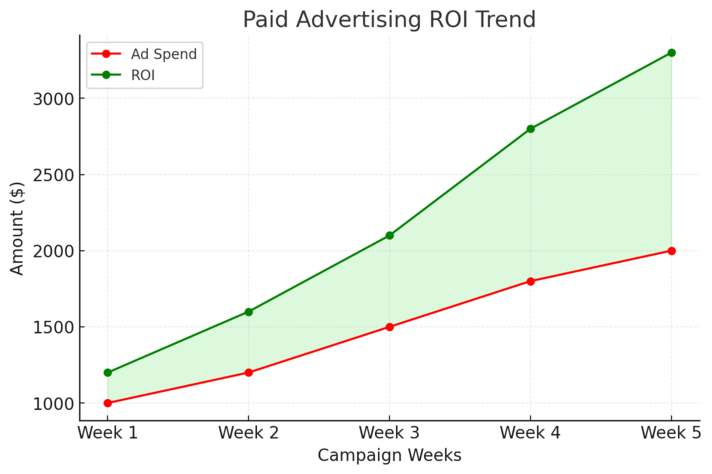
Paid ads are like jet fuel for your growth engine—if used strategically. They can accelerate visibility, build leads fast, and give you immediate feedback on what resonates with your audience.
Use Meta and Google Ads to Drive Targeted Traffic
Meta (Facebook/Instagram) and Google Ads are still the top-performing platforms for online business owners. Meta excels in audience targeting, while Google Ads captures search intent—people already looking for what you offer.
For Meta Ads:
- Start with a simple traffic or lead generation campaign.
- Use lookalike audiences based on your email list or website visitors.
- Keep visuals personal—authentic photos or quick selfie videos outperform polished ads.
For Google Ads:
- Focus on keywords that show purchase intent, like “best course for freelancers” or “hire content strategist.”
- Set a daily budget (e.g., $10–20/day) to test waters before scaling.
I advise new advertisers to start small, collect data, and only increase budget once you know your CAC (Customer Acquisition Cost).
Optimize Landing Pages for Each Ad Campaign
Never send ad traffic to your homepage. Instead, create dedicated landing pages that match your ad’s promise.
Use tools like Unbounce or Swipe Pages.
Each should include:
- A clear headline that matches the ad.
- One CTA button (no distractions).
- Social proof (testimonials, logos, or star ratings).
A strong example: If your ad says “Get My 3-Step Guide to Double Your Clients,” the landing page headline should repeat that promise verbatim. This message alignment can increase conversions by up to 35%.
Retarget Warm Audiences to Maximize ROI
Retargeting ads are your secret weapon for efficiency. They re-engage people who already visited your site or engaged with your content.
Set up pixel tracking via Meta Pixel or Google Tag Manager.
This allows you to run ads like:
- “Still thinking it over? Here’s 10% off.”
- “You viewed this course—see what students are saying.”
Because these users already know your brand, retargeting often costs 30–50% less per conversion than cold ads.
Track Metrics and Adjust Budget Based on Data
Always track performance, but don’t panic over daily fluctuations.
Instead, focus on:
- CTR (Click-Through Rate): Measures ad relevance.
- CPC (Cost Per Click): Tells you how efficiently you’re spending.
- Conversion Rate: Reveals landing page performance.
Example: If your CTR is high but conversions are low, your ad is fine—it’s your landing page that needs work.
I suggest reviewing performance every 7 days. Use Meta Ads Manager or Google Analytics dashboards for a clear view. Once you identify winning campaigns, increase budgets slowly (10–20% per week) to avoid algorithm resets.
Implement Smart Social Media Growth Strategies
Social media isn’t about vanity metrics—it’s about consistent visibility and connection. The key is to be strategic, not scattered.
Focus on One or Two Platforms for Stronger Impact
You don’t need to be everywhere—you just need to be effective where your audience spends time.
If you’re targeting professionals, LinkedIn might outperform Instagram. For lifestyle brands, TikTok or YouTube Shorts could be your best bet.
Start by mastering one platform, then repurpose that content to another.
I usually advise starting with:
- Instagram + Email for visual brands.
- LinkedIn + Blog for B2B creators.
- YouTube + Twitter/X for education-based businesses.
This approach helps you go deep, not wide, and grow faster without burnout.
Use Short-Form Video and Stories to Drive Engagement
Short videos dominate attention right now. Platforms like TikTok, Instagram Reels, and YouTube Shorts reward consistency and authenticity.
Keep videos under 30 seconds, and open with a hook that stops the scroll—like “Here’s why your online business isn’t growing.”
Add captions for accessibility and engagement. You can batch-record several videos in one day using apps like CapCut or InShot, then schedule them weekly.
Real talk: imperfect but consistent video content beats polished posts that never go live.
Collaborate With Influencers or Micro-Creators
Partnerships amplify reach fast. You don’t need celebrity influencers—micro-creators (1K–10K followers) often deliver higher engagement.
Reach out with a personalized DM or email offering a win-win: “I’d love to send you my toolkit for review—if it helps your audience, would you share your honest thoughts?”
Use platforms like Collabstr or Heepsy to find relevant creators. Measure results through custom links (UTMs) to see which partnerships actually drive conversions.
Schedule Posts and Automate Engagement Strategically
Consistency matters more than constant posting. Use scheduling tools like Later, Metricool, or Buffer to plan content for the week ahead.
Example UI path (Later): Dashboard > Calendar > Add Post > Choose Platform > Schedule.
Set aside 15 minutes daily for genuine engagement—replying to comments and DMs. Automation handles posting, but real connection keeps followers loyal.
A simple rule I follow: automate structure, not personality.
Expert Tip: Growth happens where consistency meets clarity. Your email list, paid ads, and social strategy should all align toward one clear goal—attracting, nurturing, and converting your ideal customer. When every channel supports that system, six-figure scaling becomes inevitable.
Develop Scalable Offers and Revenue Streams
Scaling your online business fast depends on creating offers that can grow without relying solely on your personal time.
The goal is simple: build products and systems that serve more people while you work less.
Turn Services Into Digital Products or Courses
If your business model currently revolves around services, you’re trading hours for income—a limitation that caps your growth. Turning your expertise into digital products or online courses is one of the fastest ways to scale.
Start by identifying recurring topics clients often ask about. That’s your clue to a scalable product. For example, if you’re a freelance designer, turn your process into a “Brand Identity Blueprint” course using platforms like Teachable, Thinkific, or Podia.
I suggest following a simple 3-step path:
- Outline your method or framework in modules.
- Record screen tutorials or presentations (tools like Loom work perfectly).
- Launch a beta version to collect feedback before the full release.
Once built, your course sells 24/7 without additional effort. You can then automate delivery and follow-ups through your email system, creating a predictable revenue stream.
Add Subscription or Membership Models
Recurring income is the backbone of long-term stability. Memberships and subscriptions turn one-time buyers into loyal, paying community members.
You can structure them in many ways:
- Content-based: Weekly or monthly new resources (e.g., templates, mini-trainings).
- Community-based: Exclusive access to a private group or forum.
- Mentorship-based: Ongoing group coaching or Q&A sessions.
Platforms like MemberPress, Circle, or Kajabi simplify the setup, allowing you to manage payments, member access, and new content all in one place.
In my experience, the most successful memberships deliver consistent micro wins—small, actionable results that keep members excited to stay subscribed.
Introduce Upsells and Cross-Sells to Boost Average Order Value
Most businesses focus on getting new customers, but scaling happens when you increase the value per customer. Upsells and cross-sells help you do that without extra marketing costs.
Examples include:
- Offering a “Pro” version of a product after checkout.
- Suggesting complementary products (“You bought the course—want the workbook too?”).
- Adding a small, one-click add-on at checkout using tools like ThriveCart or SamCart.
For instance, I once helped a client add a $37 “Fast-Track Coaching Call” upsell to their $197 course. It increased total revenue by 28%—without adding new traffic.
The key is alignment. Your upsell should naturally extend the customer’s journey, not feel like an unrelated pitch.
Automate Delivery and Customer Onboarding
Automation isn’t about being hands-off—it’s about being efficiently personal. Once someone buys, your system should deliver instant value and reassurance.
Set up a seamless onboarding process:
- Email 1: Purchase confirmation + access link.
- Email 2: Step-by-step setup or getting-started guide.
- Email 3: Success story or testimonial to build excitement.
Platforms like Zapier, ConvertKit, and ActiveCampaign let you automate delivery, follow-ups, and even tagging new customers for future offers.
A well-automated onboarding not only saves time but builds immediate trust—turning buyers into advocates faster.
Strengthen Your Brand Authority and Credibility
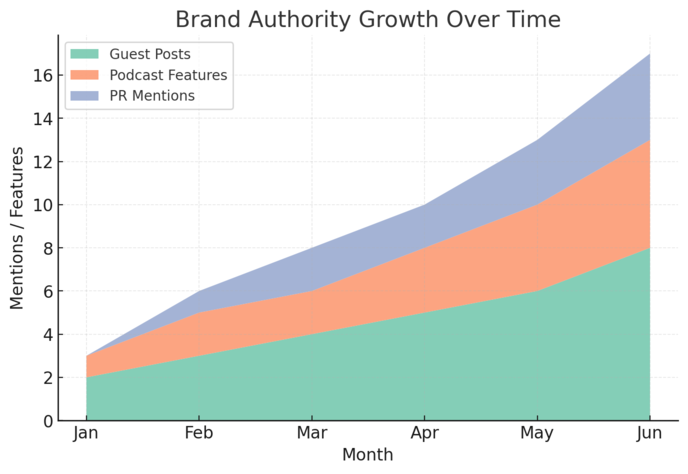
Authority is what separates thriving six-figure brands from those that struggle to get noticed. It’s not just about visibility—it’s about being trusted.
Showcase Case Studies and Client Testimonials
Social proof is one of the most persuasive growth levers you can use. People trust real results more than polished promises.
Start collecting testimonials early. A short note like “What’s one thing that surprised you most about working with me?” often produces gold.
For bigger projects, turn results into mini case studies:
- Define the problem.
- Explain your process.
- Show measurable results (e.g., “Increased sales by 43% in 3 months”).
Use visuals—before/after charts or screenshots—to make these stories concrete. You can publish them on your website, sales pages, or LinkedIn to strengthen credibility.
Get Featured on Podcasts or Guest Posts in Your Niche
Guest appearances instantly expand your reach and position you as an authority. Podcasts are especially powerful because they build personal connection through voice.
To find relevant shows, search Spotify or Apple Podcasts for your niche keywords. Then pitch yourself with a short, personalized email offering value—not self-promotion.
Example: “I’d love to share how I grew my business from 0 to 6 figures using automation systems most freelancers overlook.”
Guest blogging works similarly. Write for niche websites or platforms like Medium or Substack, linking back to your lead magnet or website. One high-authority guest post can bring traffic and backlinks for years.
Maintain a Strong Brand Voice Across All Platforms
Your brand voice is your identity. Whether someone reads your email, scrolls your Instagram, or watches your YouTube video, they should instantly recognize you.
Audit your tone and visuals every quarter.
Ask yourself:
- Do my visuals reflect my brand values?
- Is my language consistent across channels?
- Would someone recognize my brand even if my logo disappeared?
I believe consistency builds familiarity, and familiarity builds trust. People buy from brands they feel they know.
Use PR Tools to Build Media Exposure Over Time
You don’t need a PR agency to get featured. Tools like HARO (Help a Reporter Out) and Qwoted connect you directly with journalists looking for expert insights.
Here’s how to use them effectively:
- Sign up and choose relevant topics.
- Respond quickly to journalist requests with short, quotable answers.
- Include a one-sentence bio with your business link.
Consistent outreach builds authority slowly but surely. Each mention compounds your credibility, and you’ll soon notice your brand name ranking higher on Google.
Track Performance and Scale What Works
Scaling isn’t about doing more—it’s about doing more of what works. Data helps you decide where to focus time and budget for maximum ROI.
Set Measurable KPIs for Traffic, Leads, and Revenue
You can’t improve what you don’t measure. KPIs (Key Performance Indicators) give structure to your growth.
At a minimum, track:
- Website traffic (organic and paid).
- Leads generated (email subscribers, form submissions).
- Revenue and conversion rates.
Set targets that stretch you but remain realistic. For instance, “Grow monthly revenue by 15% over the next quarter” is actionable, not vague.
Tracking weekly helps you catch dips early before they become problems.
Use Tools Like Google Analytics and Data Studio for Insights
Analytics reveal hidden patterns. Google Analytics shows where visitors come from and what actions they take. Looker Studio turns that raw data into visual dashboards you can actually understand.
Example setup:
- Traffic Sources: Organic, Paid, Referral, Social.
- Conversion Goals: Form fills or purchases.
- Funnel Visualization: Where people drop off.
I suggest checking your dashboard once a week. You’ll start to see which traffic sources and campaigns actually move the needle.
Identify High-Performing Channels and Double Down
Once you have data, it’s time to focus your effort.
If your blog generates 60% of conversions while social contributes only 10%, that’s your signal to invest more in content and SEO. Similarly, if one ad campaign delivers a 5x ROI, increase its budget incrementally.
The biggest mistake I see is spreading energy across too many channels. I advise a simple rule: Keep what’s working. Drop what’s not.
Regularly Audit and Optimize for Continued Growth
Growth compounds through iteration.
Schedule a monthly audit to review:
- Broken links and outdated content.
- Email sequence performance.
- Ad campaign ROI and targeting.
- Customer feedback or support patterns.
Small fixes—like updating a headline or improving page load speed—can create measurable lifts. Think of this as ongoing maintenance for your business engine.
Adopt the Mindset and Habits of a 6-Figure Entrepreneur
Every sustainable six-figure business is built on strong habits, not lucky breaks. Your systems matter—but your mindset determines how far you go.
Set Clear, Data-Driven Goals and Review Weekly
Vague goals lead to vague results. Define what success looks like in specific numbers—income targets, subscribers, or course enrollments.
Use the SMART framework (Specific, Measurable, Achievable, Relevant, Time-bound). For example: “Reach $10K/month in recurring revenue within 6 months.”
Review progress weekly using a simple spreadsheet or Notion dashboard. It keeps momentum high and helps you make data-based decisions instead of emotional ones.
Delegate or Outsource Low-Impact Tasks
To grow fast, you must stop being the bottleneck. Identify tasks that don’t require your expertise—like admin work, content scheduling, or customer service—and delegate them.
Use Upwork, Fiverr, or OnlineJobs.ph to find skilled freelancers affordably. Start small: hire help for 5–10 hours per week, then scale as your revenue grows.
The goal isn’t just to save time—it’s to create mental space for strategy and creativity.
Stay Consistent With Learning and Experimentation
The online space changes fast. What worked six months ago may not work now. That’s why I believe consistent learning is a non-negotiable habit.
Dedicate time each week to learning something new—SEO updates, ad tactics, or email strategies. Follow credible sources like HubSpot, Ahrefs Blog, or Marketing Brew.
Equally important: Test what you learn. Small, controlled experiments often lead to breakthroughs you can scale.
Prioritize Customer Experience and Long-Term Value
Fast growth fades if your customers don’t stay. Building an exceptional customer experience turns one-time buyers into loyal advocates.
Map out your post-purchase journey—thank-you emails, onboarding guides, and follow-up surveys. Use tools like Typeform to collect feedback and refine your offers.
A simple touch, like a personalized “thank you” video or handwritten note, can elevate your brand far above competitors.
Expert Tip: Growth isn’t a single sprint—it’s a cycle of clarity, systems, and mindset. When your offers scale, your brand earns trust, and your habits stay disciplined, six-figure success becomes a natural byproduct, not a constant chase.

I’m Juxhin, the voice behind The Justifiable.
I’ve spent 6+ years building blogs, managing affiliate campaigns, and testing the messy world of online business. Here, I cut the fluff and share the strategies that actually move the needle — so you can build income that’s sustainable, not speculative.
Related posts:
 How to Grow Online Business Through Social Media Step by Step
 10 Proven Strategies to Grow Online Business in Any Niche
 How to Grow Online Business on Instagram Organically and Quickly
 How to Build a Social Media Marketing Strategy from Scratch
 How to Grow an Online Business That Scales While You Sleep
 How to Grow Online Business on Facebook Using Groups and Ads