
Table of Contents
Some links on The Justifiable are affiliate links, meaning we may earn a small commission at no extra cost to you. Read full disclaimer.
Is SaleHoo worth joining is a question I see pop up constantly from beginners and even experienced dropshippers who are tired of fake supplier lists and overhyped tools.
If you’re considering SaleHoo, you’re probably asking one core thing: does this platform actually help real buyers find reliable suppliers and make money, or is it just another paid directory?
This article is for aspiring dropshippers, ecommerce store owners, and online sellers who want honest, buyer-driven insights before spending their money.
I’ll break down exactly what real users report, what works, what doesn’t, and whether SaleHoo makes sense for your specific goals.
Real Buyer Experiences Using SaleHoo Supplier Directory
From what I’ve seen, this is the section most people care about.
When someone asks is SaleHoo worth joining, they’re really asking whether real buyers actually get value after logging in and using the supplier directory, not just reading marketing pages.
What Verified Buyers Say About Supplier Quality
Most verified buyers describe SaleHoo’s supplier quality as safer, not faster. That distinction matters.
SaleHoo focuses heavily on pre-vetted suppliers, meaning companies are screened for legitimacy before being listed. In plain terms, you’re far less likely to message a fake supplier or get scammed compared to open marketplaces.
Buyers commonly point out a few consistent observations:
- Suppliers are legitimate businesses, not random middlemen
- Communication feels more professional than AliExpress sellers
- Many suppliers require resale certificates or business verification
That said, buyers also note that SaleHoo suppliers aren’t always beginner-friendly. Some have minimum order quantities or expect wholesale-style communication. If you’re brand new, this can feel intimidating at first.
In my experience reviewing buyer feedback, SaleHoo doesn’t give you “cheap and fast,” but it does give you stable and real. For many sellers, especially those burned by unreliable suppliers before, that tradeoff feels worth it.
Common Results Buyers Report After First 30 Days
The first 30 days tend to look similar for many buyers, regardless of experience level.
Most users don’t launch profitable stores immediately. Instead, early results are more about supplier validation than revenue.
Buyers commonly report:
- Shortlisting 5–15 legitimate suppliers
- Sending multiple introductory emails or applications
- Learning which suppliers are dropship-friendly versus wholesale-only
- Discovering realistic product margins earlier than expected
Some buyers mention disappointment early on because SaleHoo doesn’t hand them winning products. It’s more of a research and sourcing tool than a shortcut to sales.
However, experienced buyers often say this first-month “slow feeling” saved them money later. Instead of testing bad suppliers, they filtered risks upfront.
Repeated Complaints Found Across Buyer Reviews
No platform is perfect, and SaleHoo buyers are fairly consistent about what frustrates them.
The most repeated complaints include:
- Some suppliers don’t offer true dropshipping
- Product pricing isn’t always competitive with AliExpress
- Response times vary depending on supplier, not SaleHoo itself
- Beginners expect automation that SaleHoo doesn’t provide
A key misunderstanding shows up again and again. Buyers assume SaleHoo works like Shopify apps that instantly sync products. It doesn’t. SaleHoo is a directory and research platform, not a fulfillment automation tool.
When expectations don’t match reality, frustration follows. When buyers understand this upfront, satisfaction rates jump noticeably.
Patterns From Long-Term SaleHoo Members
Long-term members tend to use SaleHoo very differently from beginners.
Instead of browsing endlessly, experienced users:
- Build short supplier lists they reuse across stores
- Contact suppliers directly to negotiate pricing
- Focus on niche categories rather than trending products
- Use SaleHoo as a validation layer, not a discovery engine
Buyers who stay longer than a year usually aren’t chasing trends. They’re building stable supply chains for Amazon, eBay, or niche ecommerce stores.
That’s an important pattern. SaleHoo rewards patience and process-driven sellers far more than hype-driven ones.
What SaleHoo Actually Includes With Paid Membership
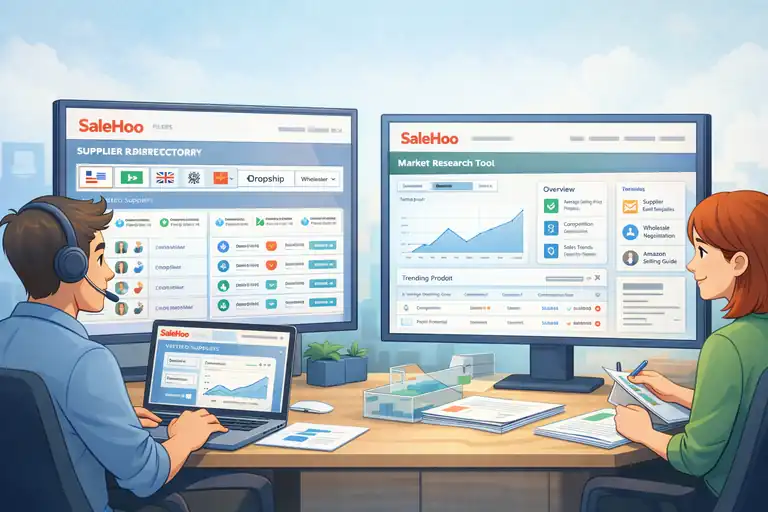
One reason people keep asking is SaleHoo worth joining is confusion about what’s actually included. The value depends heavily on which features you use and how you use them.
SaleHoo Supplier Directory Features Explained
The supplier directory is the core of SaleHoo. Everything else supports this feature.
At its core, you get:
- Access to thousands of vetted suppliers
- Filters by country, product type, and business model
- Supplier contact details and application links
- Notes about dropshipping versus wholesale eligibility
What SaleHoo does well is reducing risk. Instead of Googling “wholesale suppliers” and hoping for the best, you’re starting with businesses that have already been checked.
What it does not do is automate outreach or negotiations. You still email suppliers yourself. In my opinion, that’s actually a benefit long-term, even if it feels slower upfront.
SaleHoo Market Research Tool Capabilities
SaleHoo includes a built-in market research tool, which many buyers overlook or misunderstand.
This tool pulls data primarily from eBay to show:
- Average selling prices
- Competition levels
- Historical demand trends
- Estimated profit margins
Think of it as a sanity check, not a crystal ball.
Experienced buyers use it to validate ideas they already have, not to hunt randomly for “winning products.” Beginners who rely on it too heavily often feel underwhelmed because it doesn’t replace real market testing.
Used correctly, it helps avoid bad ideas before you invest time or money.
Training Resources Buyers Actually Use
SaleHoo includes training content, but buyer behavior here is interesting.
Most long-term users don’t consume everything.
They focus on:
The training isn’t flashy, but it’s practical. Buyers often say it feels more realistic than YouTube content promising overnight success.
If you already understand ecommerce basics, you may skim these. If you’re new, they can prevent expensive beginner mistakes.
Limitations Buyers Notice After Signup
This is where expectations matter most.
Buyers frequently note:
- No product import automation
- No built-in order fulfillment system
- No guaranteed supplier approval
- Limited value if you want ultra-low-cost products
SaleHoo is not an all-in-one ecommerce platform. It doesn’t replace Shopify apps, fulfillment tools, or ad platforms.
Where it fits best is supplier trust and early-stage validation. When buyers use it for that purpose, satisfaction is high. When they expect more, disappointment follows.
SaleHoo Pricing Breakdown And Value Per Feature
Pricing is where many people pause and ask themselves again, is SaleHoo worth joining, especially when free supplier lists exist online.
Let’s break this down the same way real buyers evaluate it, not how sales pages frame it.
SaleHoo Annual Membership Cost Analysis
SaleHoo operates on a single annual membership model. At the time most buyers sign up, the cost typically sits around a low three-figure yearly fee.
Here’s how buyers mentally justify that cost:
- It’s paid once per year, not monthly
- There are no upsells required to access suppliers
- All core tools are unlocked immediately
When you break it down monthly, many buyers compare it to:
- One failed Facebook ad test
- A single bad bulk order
- One scam supplier mistake
From that lens, the price feels less like a “tool fee” and more like insurance.
In my experience, sellers who’ve already lost money to unreliable suppliers tend to feel more comfortable paying for vetting upfront.
Which Features Buyers Say Justify The Price
Buyers don’t value every feature equally. Feedback consistently shows that two features carry most of the perceived value.
Supplier vetting
This is the big one. Buyers repeatedly say the peace of mind alone justifies the cost. Knowing suppliers are screened reduces anxiety, especially for higher-ticket or branded products.
Centralized research
Instead of bouncing between Google, forums, and sketchy directories, buyers like having:
- Supplier contact details in one place
- Notes on dropshipping versus wholesale
- Country-based filtering for shipping speed
Interestingly, training content and research tools are seen as bonuses, not core value drivers.
Hidden Costs Buyers Encounter Later
This part catches some people off guard, and it’s worth being honest about.
SaleHoo itself doesn’t add hidden fees, but buyers encounter indirect costs such as:
- Supplier minimum order quantities
- Paid samples for product testing
- Business verification or resale certificates
- Higher product costs than overseas marketplaces
These aren’t SaleHoo charges, but they’re part of working with legitimate suppliers. Several buyers admit they weren’t financially prepared for this shift from “cheap testing” to “real business sourcing.”
Cost Comparison Versus Free Supplier Sourcing
Free sourcing looks cheaper on paper, but buyers often describe hidden costs there too:
- Time wasted vetting fake suppliers
- Chargebacks or disputes
- Refunds from unhappy customers
- Reputation damage from late deliveries
Here’s a simple comparison buyers often make:
| Factor | SaleHoo | Free Google Sourcing |
| Supplier legitimacy | Pre-vetted | Manual, uncertain |
| Time investment | Lower | High |
| Scam risk | Low | High |
| Upfront cost | Paid | Free |
| Long-term stability | Higher | Inconsistent |
For sellers building long-term stores, many conclude SaleHoo’s pricing makes sense. For quick experiments, free methods may feel more appealing.
SaleHoo Supplier Quality Compared To Other Platforms
This is where the question is SaleHoo worth joining becomes highly situational. The answer changes depending on which platforms you’re comparing it to and what kind of seller you are.
SaleHoo Versus AliExpress Supplier Reliability
AliExpress is often the first comparison, and for good reason.
AliExpress excels at:
- Ultra-low prices
- No minimum order quantities
- Fast product imports into stores
SaleHoo, on the other hand, excels at:
- Legitimate business suppliers
- Better communication
- More consistent fulfillment standards
Buyers who switch from AliExpress to SaleHoo often say this feels like moving from a flea market to a wholesale showroom. Prices go up, but predictability improves.
If your priority is testing dozens of products quickly, AliExpress wins. If your priority is brand stability and fewer headaches, SaleHoo usually comes out ahead.
SaleHoo Versus Spocket Supplier Vetting
Spocket focuses heavily on dropshipping automation and curated suppliers, especially in the US and EU.
Buyers highlight key differences:
- Spocket emphasizes app-based product importing
- SaleHoo emphasizes supplier discovery and verification
- Spocket suppliers are fewer but more “plug-and-play”
- SaleHoo offers broader categories and sourcing depth
Some buyers actually use both. They source fast-moving items through Spocket and use SaleHoo for wholesale relationships or private suppliers.
In my opinion, Spocket feels easier. SaleHoo feels more flexible long-term.
SaleHoo Versus Worldwide Brands Directory
Worldwide Brands is probably SaleHoo’s closest competitor philosophically.
Common buyer comparisons include:
- Worldwide Brands has stricter supplier requirements
- SaleHoo has a more modern interface
- Worldwide Brands leans heavily toward wholesale
- SaleHoo supports more dropshipping-friendly suppliers
Buyers who want traditional wholesale often prefer Worldwide Brands. Buyers who want flexibility across Amazon, eBay, and ecommerce stores lean toward SaleHoo.
When SaleHoo Performs Better Than Competitors
SaleHoo tends to outperform alternatives when:
- You want verified suppliers without full automation
- You’re selling on Amazon or eBay
- You care about supplier legitimacy more than speed
- You plan to build long-term supplier relationships
It performs worse when:
- You want instant product imports
- You need ultra-cheap testing products
- You expect suppliers to accept everyone automatically
That’s the real tradeoff buyers discover over time. SaleHoo isn’t trying to be everything. When used for what it’s good at, many buyers feel it earns its place in their stack.
Who SaleHoo Works Best For Based On Buyer Results
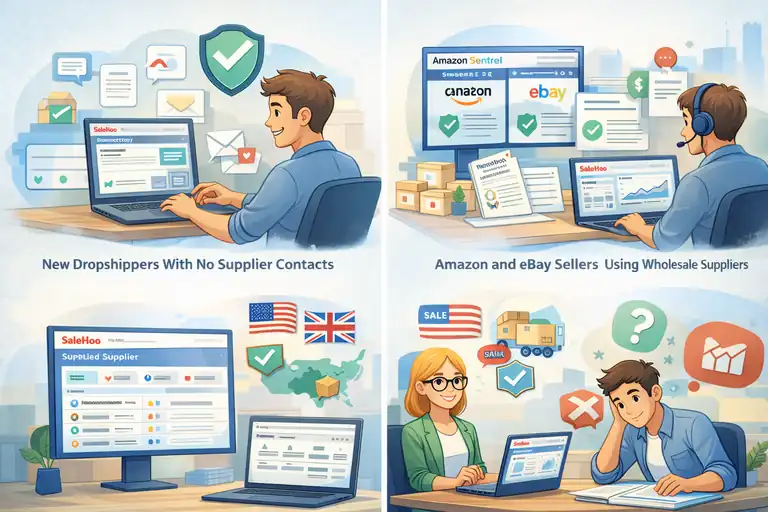
Not everyone gets the same outcome with SaleHoo. Buyer results make it pretty clear that the platform shines for certain seller profiles and feels unnecessary for others.
This is usually where people finally decide whether is SaleHoo worth joining applies to them personally.
New Dropshippers With No Supplier Contacts
New dropshippers are one of the most common buyer groups using SaleHoo, and results here are mixed but predictable.
For beginners with zero supplier connections, SaleHoo acts like a safety net. Instead of cold Googling or trusting random Facebook groups, you start with suppliers that have already been checked.
New buyers report that SaleHoo helps them:
- Understand how real suppliers communicate
- Learn the difference between dropshipping and wholesale expectations
- Avoid scams during their first outreach attempts
Where beginners struggle is speed. SaleHoo doesn’t instantly plug into a store or auto-approve accounts. You’ll need patience and a willingness to send emails, follow up, and get rejected occasionally.
From what I’ve seen, beginners who treat SaleHoo as a learning phase tend to win. Those expecting instant products usually quit early.
Amazon And eBay Sellers Using Wholesale Suppliers
This is where SaleHoo quietly performs very well.
Amazon and eBay sellers consistently report stronger outcomes because:
- Many SaleHoo suppliers are wholesale-friendly
- Invoices and legitimacy matter for these platforms
- Brand authorization is often required
Wholesale suppliers usually care less about Shopify storefronts and more about business credibility. SaleHoo helps bridge that gap.
Several buyers mention using SaleHoo to:
- Find backup suppliers for restricted categories
- Build compliant supplier documentation
- Reduce account risk from questionable sourcing
If you sell on Amazon or eBay and want fewer compliance headaches, SaleHoo aligns naturally with those needs.
Buyers Targeting US And UK-Based Suppliers
Geography matters more than most beginners realize.
Buyers targeting US and UK suppliers often say SaleHoo feels like a shortcut. Shipping times improve, returns are easier, and customer trust increases.
Common reasons buyers choose SaleHoo here:
- Faster domestic shipping
- Better product consistency
- Clearer legal and tax expectations
The tradeoff is pricing. Domestic suppliers cost more. Buyers who understand that upfront usually stay satisfied. Those chasing rock-bottom margins tend to feel disappointed.
Cases Where SaleHoo Is Not A Good Fit
SaleHoo isn’t for everyone, and buyers are fairly honest about this.
It’s often a poor fit if you:
- Want instant product imports
- Need ultra-cheap testing products
- Rely on trend-based dropshipping
- Expect guaranteed supplier approval
In those cases, automation-heavy platforms or open marketplaces feel easier, even if they come with higher risk.
Real Pros And Cons Buyers Consistently Mention
Buyer reviews tend to repeat the same points, which makes it easier to separate real pros and cons from hype.
Benefits Buyers Say Save Them Time And Risk
The biggest benefit buyers mention is risk reduction.
Commonly cited advantages include:
- Pre-vetted suppliers reduce scam exposure
- Centralized supplier research saves time
- More professional supplier communication
- Better long-term supplier stability
Buyers often say SaleHoo helped them avoid one bad decision that would’ve cost more than the membership fee.
Downsides Buyers Wish They Knew Earlier
The downsides usually come from mismatched expectations.
Buyers frequently wish they knew:
- Not all suppliers support dropshipping
- Approval is not guaranteed
- Pricing isn’t always competitive
- Manual outreach is required
None of these are hidden, but many buyers admit they didn’t read carefully before signing up.
Situations Where SaleHoo Underperforms
SaleHoo struggles most in fast-moving environments.
It underperforms when:
- Speed matters more than reliability
- Trends change weekly
- Automation is required to scale quickly
In those cases, buyers often supplement SaleHoo with other tools or platforms.
Tradeoffs Buyers Accept For Supplier Safety
Most satisfied buyers accept one core tradeoff: less speed for more certainty.
They’re willing to:
- Pay slightly higher product costs
- Spend time building relationships
- Move slower at the beginning
In exchange, they get fewer surprises later. For many, that tradeoff feels fair.
Final Verdict From Buyers On Whether SaleHoo Is Worth Joining
This is where buyer opinions converge. The answer to is SaleHoo worth joining isn’t universal, but patterns are clear once you look at long-term usage.
What Most Buyers Say After One Full Year
After a year, buyers tend to fall into two camps.
Satisfied buyers say:
- They reuse supplier contacts repeatedly
- SaleHoo paid for itself indirectly
- They trust their supply chain more
Unsatisfied buyers usually stopped using it early. Most say the issue wasn’t quality, but expectations.
When SaleHoo Delivers Clear ROI
SaleHoo delivers the clearest return when:
- One reliable supplier replaces multiple failed tests
- Supplier legitimacy prevents account issues
- Long-term sourcing beats short-term trends
ROI here isn’t always direct revenue. It’s often time saved, stress avoided, and mistakes prevented.
When Buyers Recommend Skipping SaleHoo
Buyers often recommend skipping SaleHoo if:
- You only want automation
- You rely on viral product testing
- You already have trusted suppliers
- Your budget is extremely tight
In those cases, free or automated options feel more aligned.
Practical Buyer-Based Decision Checklist
Ask yourself these questions:
- Do I value supplier safety over speed?
- Am I willing to communicate manually?
- Am I building for the long term?
- Do I want fewer sourcing surprises?
If you answered yes to most of these, SaleHoo usually makes sense. If not, it’s okay to pass. The best buyers aren’t the ones who use every tool, but the ones who choose tools intentionally.
FAQ
Is SaleHoo worth joining for beginners?
Yes, if you want safer supplier sourcing. SaleHoo is worth joining for beginners who have no supplier contacts and want to avoid scams, but it’s not ideal if you expect instant product imports or automation.
Do real buyers actually make money using SaleHoo?
Some do, but SaleHoo itself doesn’t generate profits. Buyers who succeed use it to find reliable suppliers, then apply their own marketing, pricing, and sales strategies to make money.
Is SaleHoo better than free supplier sourcing?
It depends on your priorities. SaleHoo saves time and reduces risk with vetted suppliers, while free sourcing costs nothing but often leads to unreliable suppliers, wasted time, or costly mistakes.

I’m Juxhin, the voice behind The Justifiable.
I’ve spent 6+ years building blogs, managing affiliate campaigns, and testing the messy world of online business. Here, I cut the fluff and share the strategies that actually move the needle — so you can build income that’s sustainable, not speculative.
Related posts:
 Shopify DSers Review: Is It Really Worth Your Time?
 How the Salehoo Catalog Helps You Spot Winning Items Quickly
 Why the Salehoo Wholesale Directory Helps You Scale
 Salehoo WooCommerce Integration That Boosts Growth
 How to Sell on SaleHoo: A Simple Guide for New Sellers
 Top Ecommerce Platforms That Make Selling Simple