
Table of Contents
Some links on The Justifiable are affiliate links, meaning we may earn a small commission at no extra cost to you. Read full disclaimer.
I get asked is SaleHoo worth the money a lot, especially by beginners who are trying to decide whether a paid supplier directory is actually better than free tools.
This guide is for new and intermediate dropshippers, Amazon sellers, and ecommerce founders who want a clear answer before spending their cash.
It answers one core question: do SaleHoo’s costs justify the gains, and what risks should you realistically expect?
SaleHoo Pricing Breakdown: What You Actually Pay
Before deciding if SaleHoo is worth the money, you need a clear picture of what you’re paying and what each tier realistically delivers.
On the surface, the pricing looks simple, but the value changes a lot depending on how you plan to use the platform.
Starter Plan Pricing And What It Unlocks
The Starter plan is SaleHoo’s entry-level option and is clearly built for beginners testing ecommerce for the first time.
At the time of writing, it’s priced around $9 per month when billed annually or available as a one-time lifetime payment.
What you’re paying for here is access, not automation.
- Supplier directory access: You can browse 8,000+ vetted suppliers, which saves weeks of manual Googling and vetting.
- Product research database: You get visibility into millions of products with demand and competition data.
- Basic usage limits: One Shopify store, capped product imports, and limited supplier outreach.
In my experience, this plan makes sense if you’re still validating whether ecommerce is even for you. If you find just one reliable supplier that leads to a single profitable product, the cost pays for itself quickly.
If you never take action, it won’t.
Ready to test suppliers without overthinking? Start with SaleHoo’s Starter Plan and explore 8,000+ vetted suppliers. It’s affordable, no-risk, and perfect for validating your first product idea. → Explore SaleHoo Starter (Recommended for beginners).
Pro Plan Pricing Compared To Starter Value
The Pro plan jumps significantly in price, typically around $49 per month billed annually or a higher one-time lifetime fee. This is where SaleHoo shifts from a directory into a workflow tool.
Here’s what actually changes in practice:
- Higher product import limits: Up to 600 products instead of 200, which matters if you test aggressively.
- Multiple Shopify stores: Useful if you run niche stores or client projects.
- Unlimited supplier contacts: This removes a major friction point when negotiating pricing.
- Advanced training access: Including Amazon product launch walkthroughs.
Personally, I only recommend Pro if you’re already selling or plan to test multiple products per month. Otherwise, you’ll pay for capacity you don’t use.
Enterprise Plan Costs And Who It Is Designed For
The Enterprise plan is not publicly priced and requires contacting Sales. This alone tells you who it’s for.
This tier is designed for:
- Agencies managing multiple ecommerce stores
- Teams that need custom supplier sourcing
- Entrepreneurs who want a store built for them
You’re paying for done-for-you services, priority support, and custom limits. If you’re still asking whether SaleHoo is worth the money, this plan is probably not for you yet.
Monthly Vs Lifetime Pricing And Long-Term Cost Impact
SaleHoo pushes lifetime pricing hard, often advertising savings of up to 60%. Mathematically, this makes sense if you plan to use the platform longer than 18–24 months.
Here’s how I look at it:
- If you’re experimenting, monthly keeps risk low.
- If ecommerce is already part of your income, lifetime reduces tool fatigue and recurring costs.
One lifetime fee hurts once. Monthly subscriptions bleed quietly.
Hidden Or Indirect Costs Most Users Miss
SaleHoo itself is not the expensive part of ecommerce. The indirect costs are.
- Shopify subscription fees
- Paid themes or apps
- Product samples from suppliers
- Advertising spend for validation
SaleHoo doesn’t replace these costs. It helps you avoid wasting money on bad suppliers and low-demand products, which is where its real value lives.
What You Get With SaleHoo Compared To Free Tools

Free tools can technically do what SaleHoo does, but they cost you time, uncertainty, and mistakes.
This section is where most people finally understand if SaleHoo is worth the money for them.
Access To 8,000+ Vetted Global Suppliers
This is SaleHoo’s strongest feature. Each supplier is manually reviewed, which dramatically reduces scam risk.
With free methods, you usually:
- Find suppliers through Google
- Email blindly
- Hope they’re legitimate
With SaleHoo, supplier profiles include location, product categories, minimum order quantities, and contact history. That alone can save weeks of trial and error.
Winning Product Research Database And Market Data
SaleHoo’s product research tool aggregates data from marketplaces like Amazon and AliExpress to surface products with demand.
What I like here is not the raw data, but the filtering:
- Demand vs competition balance
- Price range validation
- Category trend signals
It’s not magic, but it’s far more structured than scrolling marketplaces manually.
Built-In Profit Calculator And Supplier Insights
This feature looks basic, but it prevents common beginner mistakes.
You can factor in:
- Product cost
- Shipping
- Platform fees
- Target margin
Many beginners skip this step and wonder why they’re not profitable. SaleHoo forces you to see the math early.
Training Courses Included With Paid Plans
SaleHoo includes structured courses on dropshipping, Shopify setup, and Amazon product launches.
These aren’t hype-heavy guru courses. They’re practical and a bit boring, which is honestly a good thing. They work best if you follow along while building, not binge-watching.
Community Access And Seller Support Benefits
You also get access to an active seller community and support team.
This matters more than people admit. When you’re stuck on supplier replies, pricing negotiations, or product validation, having real humans respond can prevent costly mistakes and burnout.
You’ve seen the difference between free supplier hunting and a vetted directory. If you want to cut research hours and avoid unreliable suppliers, SaleHoo pays for itself fast. → Check SaleHoo Pricing & Lifetime Deals
Real Financial Gains SaleHoo Can Help You Achieve
This is where the question is SaleHoo worth the money becomes practical. The gains are not hypothetical wins or overnight success stories.
They’re quieter, repeatable advantages that compound when you’re actively building and testing products.
Time Savings Compared To Manual Supplier Research
Manual supplier research is a hidden tax most beginners underestimate. Finding suppliers through Google, Alibaba, or forums often means hours of emails, dead ends, and verification checks.
With SaleHoo, that workload shrinks fast.
- Pre-vetted suppliers: Each supplier is reviewed, which removes the need for background checks.
- Search filters: You can narrow suppliers by region, product type, and order requirements in minutes.
- Faster shortlists: Instead of emailing 20 suppliers, you might contact 3–5 high-quality ones.
From what I’ve seen, this alone can save 10–20 hours per product idea. If you value your time at even $20 an hour, the math starts to justify the platform quickly.
Reducing Supplier Scams And Costly Mistakes
Supplier scams don’t always look like scams. Sometimes they’re just unreliable partners who disappear after payment or ship inconsistent quality.
SaleHoo reduces this risk by design.
- Verified business listings: Suppliers are screened before being added.
- Transparent profiles: You can see supplier history and categories at a glance.
- Community feedback signals: Patterns emerge fast when suppliers underperform.
Avoiding just one bad bulk order or failed test can save hundreds, sometimes thousands, of dollars. That’s a real gain most people don’t factor in.
Faster Product Validation And Store Launch Speed
Speed matters in ecommerce. Trends move quickly, and slow validation kills momentum.
SaleHoo accelerates this stage by combining product data and supplier access in one place.
- Demand indicators: You see which products are already selling.
- Instant supplier matching: No waiting days just to confirm availability.
- Quick import workflows: Especially useful for Shopify testing.
I’ve watched beginners go from idea to live product in a weekend instead of dragging it out for weeks.
Improved Margins Through Reliable Supplier Pricing
Margins improve when you stop guessing and start negotiating.
SaleHoo helps by:
- Showing wholesale pricing ranges so you know what’s reasonable
- Enabling supplier comparisons across similar products
- Reducing middleman markups common on public marketplaces
Even a 5–10% margin improvement can change whether ads are profitable or not. That’s often the difference between quitting and scaling.
Long-Term Value For Scaling Ecommerce Stores
As your store grows, efficiency becomes more valuable than tools.
SaleHoo scales reasonably well for:
- Testing new niches quickly
- Adding suppliers without chaos
- Managing multiple stores on Pro plans
It’s not a full operations system, but it supports growth better than scattered free tools.
SaleHoo Risks And Limitations You Should Know
No tool is perfect, and SaleHoo has trade-offs. Being honest about them is part of answering whether SaleHoo is worth the money for you specifically.
Supplier Overlap With Other Dropshipping Platforms
Many SaleHoo suppliers also appear on other platforms.
This means:
- You won’t get exclusive access by default
- Popular products may feel competitive
- Differentiation still depends on branding and marketing
If you expect secret suppliers no one else has, you’ll be disappointed.
Not All Suppliers Are Exclusive Or Private
SaleHoo focuses on reliability, not exclusivity.
That’s great for beginners, but advanced sellers often want:
- Private agents
- Custom manufacturing
- Branded packaging
SaleHoo doesn’t replace private sourcing relationships once you scale.
Limited Usefulness For Advanced Brand Builders
If you’re already running a branded ecommerce operation with custom products, SaleHoo may feel basic.
It doesn’t handle:
- Logistics optimization
- Custom product development
- Supply chain automation
At that stage, it becomes a secondary research tool, not a core system.
SaleHoo isn’t perfect, but it removes the biggest beginner risks—unverified suppliers, bad pricing, and wasted time. If that matters more than automation, it’s worth trying. → Visit SaleHoo (See Plans & Features)
Learning Curve For Beginners Without Ecommerce Basics
SaleHoo doesn’t teach fundamentals like pricing psychology or ad strategy in depth.
If someone joins with zero ecommerce knowledge and no willingness to learn, the platform won’t magically fix that. You still need to understand basic store setup and customer acquisition.
Situations Where SaleHoo May Not Pay For Itself
SaleHoo may not be worth the money if:
- You plan to test only one product casually
- You already have trusted suppliers
- You rely entirely on print-on-demand
- You’re unwilling to actively research and test
Tools amplify effort. They don’t replace it.
SaleHoo Vs Alternatives: Cost And Value Comparison
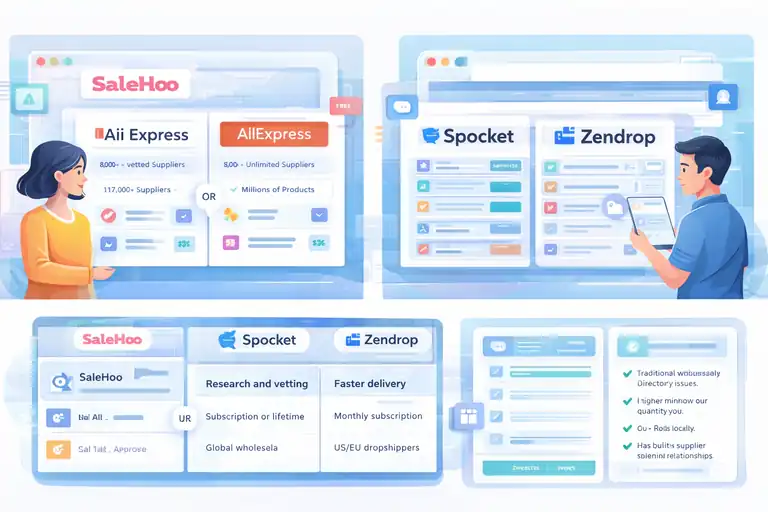
Comparing SaleHoo to alternatives is often where clarity clicks.
Each option solves a slightly different problem, and understanding those differences makes it much easier to decide if SaleHoo is worth the money for your situation.
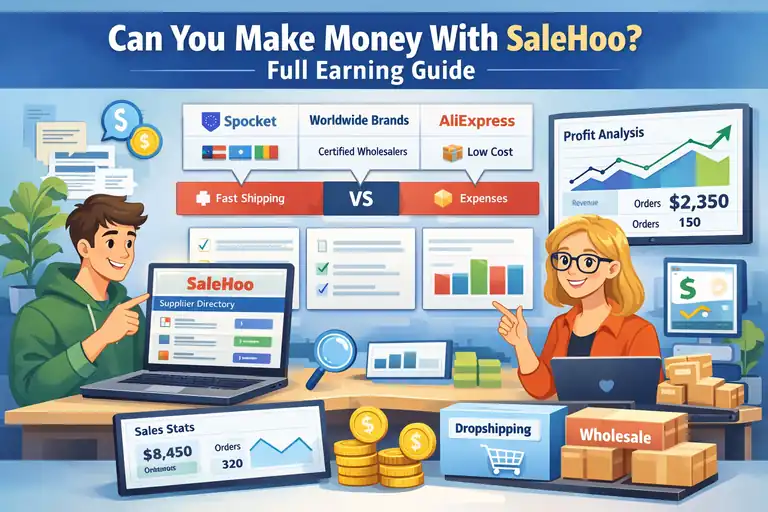
SaleHoo Vs AliExpress Supplier Research
AliExpress is free, which is why most people start there. But “free” often means paying in time, risk, and frustration.
Here’s the real-world difference:
- AliExpress gives you access to millions of products, but almost no supplier vetting
- SaleHoo limits options, but screens suppliers before listing them
- AliExpress research is manual and slow
- SaleHoo centralizes product demand data and supplier access
I’ve seen beginners spend weeks on AliExpress only to hit quality issues or unresponsive suppliers. SaleHoo trades infinite choice for reliability, which usually wins early on.
SaleHoo Vs Spocket For Dropshipping Stores
Spocket focuses on fast shipping suppliers, mainly from the US and EU. SaleHoo focuses on supplier quality and research depth.
Quick comparison:
| Platform | Best For | Pricing Style | Supplier Type |
| SaleHoo | Research and vetting | Subscription or lifetime | Global wholesale |
| Spocket | Faster delivery | Monthly subscription | US/EU dropshippers |
Spocket shines if shipping speed is your top priority. SaleHoo wins if you want supplier choice, research data, and flexibility.
SaleHoo Vs Zendrop For Product Sourcing
Zendrop feels simpler and more automated. SaleHoo feels more manual but more transparent.
Zendrop advantages:
- One-click fulfillment
- Branded packaging options
- Beginner-friendly UI
SaleHoo advantages:
- Supplier ownership and direct contact
- Better wholesale pricing visibility
- Broader research tools
If you want convenience, Zendrop feels easier. If you want control and margin awareness, SaleHoo tends to age better.
SaleHoo Vs Wholesale Directories Outside Ecommerce
Traditional wholesale directories often list manufacturers, not ecommerce-ready suppliers.
That means:
- Higher minimum order quantities
- Slower onboarding
- Less dropshipping support
SaleHoo bridges the gap between ecommerce and wholesale, which is why it works better for online sellers than generic directories.
When Free Supplier Lists Outperform Paid Directories
Free lists can outperform paid tools when:
- You already know exactly what product you want
- You’re sourcing locally
- You’ve built supplier relationships before
If none of those apply, free tools usually cost more than they save.
Who SaleHoo Is Worth The Money For In Practice
This is the section I wish most people read first. SaleHoo is not universally “good” or “bad.” It’s situational.
First-Time Dropshippers Needing Trusted Suppliers
If you’re new, supplier trust matters more than speed or automation.
SaleHoo helps beginners by:
- Reducing scam exposure
- Offering structured research tools
- Providing guardrails during early mistakes
For first-timers, this is often the difference between continuing and quitting.
Amazon Sellers Focused On Wholesale Products
SaleHoo works surprisingly well for Amazon sellers who want wholesale sourcing without private agents.
It’s useful for:
- Finding legitimate brand distributors
- Validating product demand before bulk buys
- Avoiding restricted or risky categories
If you’re doing retail arbitrage only, SaleHoo is less useful.
Shopify Store Owners Testing Multiple Niches
If you test often, speed and structure matter.
SaleHoo supports:
- Rapid niche switching
- Supplier comparisons
- Product validation workflows
This makes it a strong research companion for Shopify experimentation.
Entrepreneurs Who Value Support And Education
Some people underestimate support until they need it.
SaleHoo’s documentation, courses, and live help matter if:
- You prefer guidance over guessing
- You want fewer costly mistakes
- You’re building alongside learning
It’s not flashy, but it’s steady.
Users Who Should Skip SaleHoo Entirely
You should probably skip SaleHoo if:
- You already have private suppliers
- You run print-on-demand only
- You expect automation without effort
- You won’t actively test products
Tools don’t replace execution.
Final Verdict: Is SaleHoo Worth The Money Today
So, is SaleHoo worth the money right now? The honest answer is yes for the right user, and no for the wrong one.
Cost Vs Value Summary For Each Pricing Tier
- Starter works for validation and learning
- Pro makes sense for active testing and scaling
- Enterprise is for teams, not solo beginners
The value increases with usage.
Expected ROI Based On Store Goals And Experience
If you actively test products, ROI often shows up as:
- Saved time
- Avoided supplier mistakes
- Faster launches
If you’re passive, ROI stays theoretical.
Risk-To-Reward Ratio Compared To Other Tools
SaleHoo’s risk is low compared to ad platforms or inventory purchases.
Worst case: You lose a subscription fee.
Best case: You avoid a bad supplier and find a winning product.
That’s a favorable ratio.
When SaleHoo Becomes A Smart Long-Term Investment
SaleHoo becomes most valuable when:
- You test consistently
- You value supplier reliability
- You plan to stay in ecommerce long-term
Lifetime pricing makes sense here.
Best Way To Decide Before Spending Your Money
Here’s what I recommend doing before buying:
- Write down one real product idea
- Estimate how long free research would take
- Ask what one supplier mistake would cost you
If the answer scares you more than the subscription, SaleHoo is probably worth the money.
FAQ
Is SaleHoo worth the money for beginners?
Yes, SaleHoo is worth the money for beginners who want trusted suppliers and structured product research. It reduces scam risk, saves research time, and provides guided tools that help new sellers avoid costly early mistakes.
Can SaleHoo actually help you make more profit?
SaleHoo can improve profitability by helping you find reliable suppliers, compare wholesale pricing, and validate demand before spending on ads or inventory. The gains come from avoided mistakes and faster execution, not guaranteed sales.
When is SaleHoo not worth the money?
SaleHoo is not worth the money if you already have private suppliers, only sell print-on-demand products, or plan to test just one product casually. The platform delivers value only when you actively research and test products.

I’m Juxhin, the voice behind The Justifiable.
I’ve spent 6+ years building blogs, managing affiliate campaigns, and testing the messy world of online business. Here, I cut the fluff and share the strategies that actually move the needle — so you can build income that’s sustainable, not speculative.
Related posts:
 SaleHoo Review: Is It Legit or a Scam? My Honest Take
 How To Start A Dropshipping Business With No Money
 Shopify DSers Review: Is It Really Worth Your Time?
 How the Salehoo Catalog Helps You Spot Winning Items Quickly
 Salehoo WooCommerce Integration That Boosts Growth
 Can You Make Money With SaleHoo? Full Earning Guide